
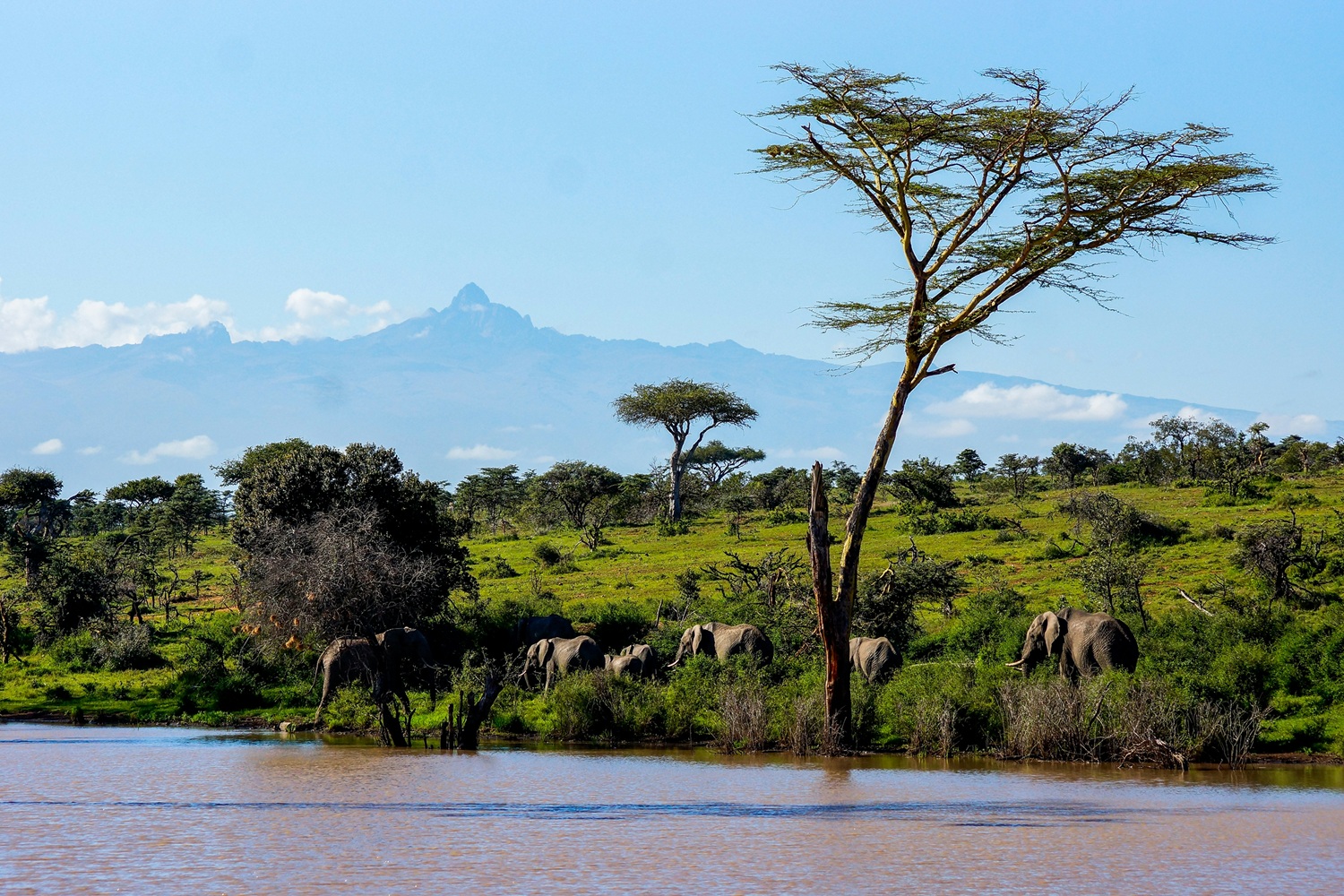
Mount Kenya National Park
Africa’s “alpine island” on the equator: rainforest and bamboo, giant heather and lobelia, then a rugged summit zone of rock, ice and thin air. This guide focuses on routes to the peaks (with map lines), when to go, what to pack, and what to expect.
▶ Table of contents
Quick facts
Seasons & month planner
Choose your travel month
Most trekkers prefer the drier windows: Jan–Feb and Jul–Oct. Rainier periods (often Mar–May and Nov) can mean muddy trails, low visibility, and colder/wetter camps.
Mount Kenya zones cheat sheet
Pick the “top goal” first. Then select the route that fits your time, fitness and experience.
Most visitors aim for Lenana: a tough high-altitude hike with a classic pre-dawn summit push for sunrise.
Best “complete” trek: gradual ascent (Sirimon) and dramatic valleys/lakes (Chogoria).
Short, popular, and efficient — but can feel steeper and more direct (less scenic than Chogoria).
True summits require rock climbing skills and equipment (rope, harness, helmet, protection). The map highlights where the technical section starts.
Routes to the peaks
Which summit are you aiming for?
Most popular trekking routes (Point Lenana)
Sirimon is often chosen for a gradual ascent and acclimatization, Chogoria for scenery (lakes and valleys), and Naro Moru as a shorter, more direct option.
The “classic” trek is a Sirimon → summit → Chogoria traverse (or the reverse).
SafariBookings tours (quick comparisons)
Mount Kenya tours (examples)
Prices and availability change. Always confirm: route (Sirimon/Chogoria/Naro Moru), sleeping style (hut vs camping), and whether park fees + transfers are included.
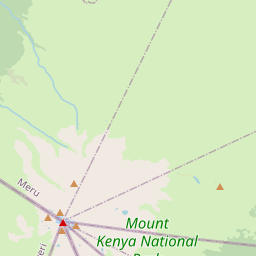
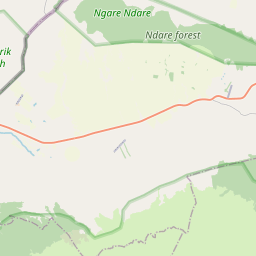
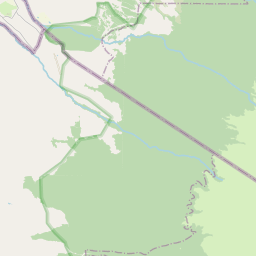
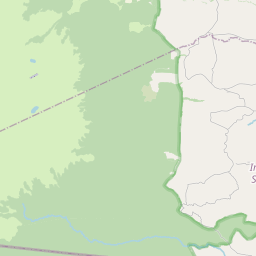
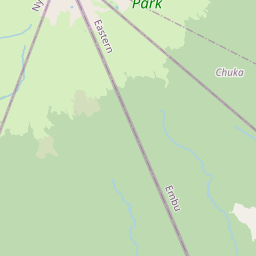
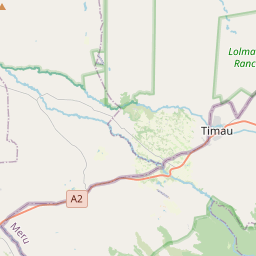
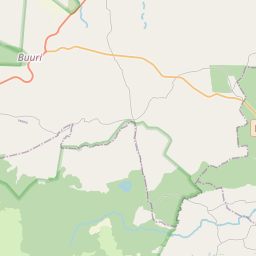
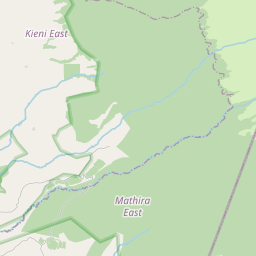
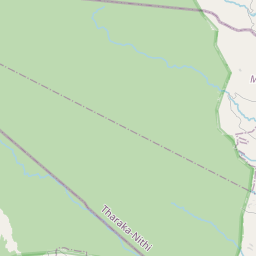
Interactive map (routes, huts, gates & “gear-required” zones)


Packing list (what matters on Mount Kenya)
Trekking essentials
- Warm layers: insulation jacket + gloves + warm hat (summit mornings are cold).
- Rain/wind protection: shell jacket + rain pants (weather can flip quickly).
- Footwear: broken-in hiking boots + warm socks.
- Headlamp: for pre-dawn summit push.
- Hydration: bottles or bladder + purification method.
- Sun: sunglasses + sunscreen (high UV at altitude).
- Optional: trekking poles (helpful on scree and long descents).
Acclimatization tips
Simple approach
- Pick a 4–6 day itinerary rather than a “fast” 2–3 day push.
- Sleep lower when possible (gradual ascents like Sirimon help).
- Hydrate and eat consistently, even when appetite drops.
- Don’t ignore symptoms (severe headache, confusion, or breathing problems need immediate action).
25 Animals (forest → moorland → alpine)

African bush elephant
Forest edges and lower slopes can hold elephants. Encounters are more likely on approach trails than in the summit zone.
▶ More info
- How to identify: Large tracks and dung on forest trails.
- Male vs female: Males larger; females in family groups.
- What it eats: Browse + graze.
- Where to find it: Lower montane forest and forest edges.
- Unique: Keep distance—this is not a ‘walk-up-and-film’ animal.

African buffalo
Buffalo occur in the forest belt and can be unpredictable—especially in thick vegetation.
▶ More info
- How to identify: Heavy build; broad horns; often in groups.
- Male vs female: Males heavier; both sexes have horns.
- What it eats: Grazer.
- Where to find it: Forest belt and glades.
- Unique: Give wide space—avoid surprising them in vegetation.

Leopard
A rare sighting for most trekkers. More likely detected by tracks or stories than direct views.
▶ More info
- How to identify: Rosette coat; mostly nocturnal.
- Male vs female: Males larger.
- What it eats: Antelope, small mammals, birds.
- Where to find it: Forest and rocky zones (elusive).
- Unique: If you see one, it’s a lifetime sighting.

Spotted hyena
Occasional in wider ecosystem; more typical in lower zones and near human activity at night.
▶ More info
- How to identify: Sloped back; spotted coat.
- Male vs female: Females slightly larger.
- What it eats: Scavenger/hunter.
- Where to find it: Lower slopes and edges.
- Unique: Often heard more than seen.

Giant forest hog
A true forest specialist. Sightings are luck-based and usually at dawn/dusk.
▶ More info
- How to identify: Large dark hog; facial warts; shaggy hair.
- Male vs female: Males larger.
- What it eats: Roots, grasses, bulbs.
- Where to find it: Montane forest clearings.
- Unique: One of the coolest ‘unexpected’ mountain mammals.
Bushbuck
Often seen near forest edges and streams—one of the more likely antelope sightings.
▶ More info
- How to identify: Brown coat; white spots/stripes vary.
- Male vs female: Males have horns; females usually hornless.
- What it eats: Browser.
- Where to find it: Forest edges, thickets, river lines.
- Unique: Most active early morning and late afternoon.

Waterbuck
More likely around wetter lower zones and park edges than high elevations.
▶ More info
- How to identify: Large antelope; white rump ring.
- Male vs female: Males heavier; shaggy coat.
- What it eats: Grazer.
- Where to find it: Lower slopes near water.
- Unique: Often seen in more open lower areas.

Mountain bongo
A conservation icon of Kenya’s montane forests—very rare and extremely shy.
▶ More info
- How to identify: Reddish-brown with white stripes; spiral horns.
- Male vs female: Both sexes have horns; males larger.
- What it eats: Browser.
- Where to find it: Dense montane forest (rare).
- Unique: If bongo is your goal, ask about guided conservation-focused trips.

Olive baboon
Often near lower trails and park edges. Keep food secured—baboons are smart.
▶ More info
- How to identify: Dog-like face; social troops.
- Male vs female: Males larger with bigger canines.
- What it eats: Omnivore.
- Where to find it: Lower forest edges and roads.
- Unique: Don’t feed them; they can become aggressive.

Black-and-white colobus
A highlight of the forest belt—look for dramatic black-and-white coats in tall trees.
▶ More info
- How to identify: Long white mantle and tail tuft.
- Male vs female: Sexes similar.
- What it eats: Leaves, fruit, seeds.
- Where to find it: Montane forest canopy.
- Unique: Often easiest to spot by movement high in trees.

Sykes’ monkey
A forest monkey you may see near trails—quick, curious, and often vocal.
▶ More info
- How to identify: Greyish coat; white throat area.
- Male vs female: Males slightly larger.
- What it eats: Fruit, leaves, insects.
- Where to find it: Montane forest.
- Unique: Often travels in small groups.

Rock hyrax
Common around rocky areas and camps. You’ll often hear their calls at dusk.
▶ More info
- How to identify: Rabbit-sized, no tail; sits on rocks.
- Male vs female: Sexes similar.
- What it eats: Plants and grasses.
- Where to find it: Rocky outcrops, cliffs, high camps.
- Unique: A signature mountain soundscape animal.

Tree hyrax
Often nocturnal and heard more than seen in forest zones.
▶ More info
- How to identify: Calls at night; lives in trees.
- Male vs female: Sexes similar.
- What it eats: Leaves.
- Where to find it: Montane forest.
- Unique: Classic ‘mystery night call’ in African forests.

African golden cat
Very rare, elusive forest cat (sightings are exceptional).
▶ More info
- How to identify: Reddish coat possible; secretive.
- Male vs female: Sexes similar.
- What it eats: Small mammals and birds.
- Where to find it: Montane forest (rare).
- Unique: A true ‘if you know, you know’ species.

Serval
More likely in wetter grassland patches and moorland edges.
▶ More info
- How to identify: Long legs; spotted coat; huge ears.
- Male vs female: Males larger.
- What it eats: Rodents, birds.
- Where to find it: Moorlands and wet grass areas.
- Unique: Often hunts by listening and pouncing.

African civet
Nocturnal—rarely seen by trekkers, but present in forest ecosystems.
▶ More info
- How to identify: Black/white pattern; musky scent.
- Male vs female: Sexes similar.
- What it eats: Omnivore.
- Where to find it: Forest and edge habitat.
- Unique: Mostly spotted at night near camps.

Bush duiker
A small antelope you may flush in forest edges and clearings.
▶ More info
- How to identify: Small, grey-brown antelope; quick darting movement.
- Male vs female: Males slightly larger; short horns.
- What it eats: Browse.
- Where to find it: Forest edges and scrub.
- Unique: Often seen alone.

African leopard tortoise
More likely in lower warm zones; still possible on some approaches.
▶ More info
- How to identify: High-domed shell with leopard-like pattern.
- Male vs female: Males larger.
- What it eats: Herbivore.
- Where to find it: Lower slopes and grass areas.
- Unique: A slow-moving ‘bonus’ sighting.

African rock python
Uncommon to see while trekking; mostly a lower-altitude species.
▶ More info
- How to identify: Large patterned snake.
- Male vs female: Females often larger.
- What it eats: Mammals and birds.
- Where to find it: Lower forest and river lines.
- Unique: Give space if encountered.

Jackson’s chameleon
Iconic Kenya highland reptile; sometimes spotted on vegetation near forest trails.
▶ More info
- How to identify: Three-horned males; slow movements.
- Male vs female: Males have three horns.
- What it eats: Insects.
- Where to find it: Montane forest edges.
- Unique: A fun ‘micro-safari’ species.

African giant pouched rat
Nocturnal; may appear near huts if food is available.
▶ More info
- How to identify: Large rat with cheek pouches.
- Male vs female: Sexes similar.
- What it eats: Omnivore.
- Where to find it: Lower and mid-altitudes.
- Unique: Keep food sealed in camps.

Honey badger
Rare but possible in the ecosystem. If seen, give it space.
▶ More info
- How to identify: Black body with pale ‘cape’.
- Male vs female: Males larger.
- What it eats: Omnivore.
- Where to find it: Varied habitat.
- Unique: Famous for fearlessness.

African clawless otter
Possible along rivers and wetlands on the lower slopes.
▶ More info
- How to identify: Large otter; broad head.
- Male vs female: Sexes similar.
- What it eats: Crabs, fish, amphibians.
- Where to find it: Streams and wetlands (lower zones).
- Unique: Mostly seen at dawn/dusk near water.

Cape buffalo weaver ant
Not a mammal, but a memorable encounter: leaf-nest ants in forest zones.
▶ More info
- How to identify: Leaf nests stitched together.
- Male vs female: —
- What it eats: Omnivorous.
- Where to find it: Forest trees.
- Unique: They bite—watch where you grab branches.

Sunbird (various)
Bright, fast-moving birds around flowers—especially in heather and afro-alpine zones.
▶ More info
- How to identify: Iridescent colors; hovering at flowers.
- Male vs female: Males more colorful.
- What it eats: Nectar + insects.
- Where to find it: Forest edges, heather, moorland flowers.
- Unique: Best seen when plants are in bloom.
Top 10 Birds

Hartlaub’s turaco
A Mount Kenya forest classic—green with a striking crest and red wing flashes in flight.
▶ More info
- How to identify: Green body; crest; red wing patches.
- Male vs female: Sexes similar.
- What it eats: Fruit and leaves.
- Where to find it: Montane forest.
- Unique: Often heard before seen.

Crowned eagle
A powerful forest raptor—rare but possible over forested slopes.
▶ More info
- How to identify: Large eagle; bold crest.
- Male vs female: Females larger.
- What it eats: Monkeys and mammals.
- Where to find it: Montane forest.
- Unique: A ‘wow’ sighting if you’re lucky.

Augur buzzard
Often seen soaring over open moorland and ridges.
▶ More info
- How to identify: Often black/white morphs; broad wings.
- Male vs female: Females larger.
- What it eats: Small mammals and reptiles.
- Where to find it: Open moorland and ridges.
- Unique: Great photo subject against mountain backdrops.

Silvery-cheeked hornbill
Big forest hornbill with a distinctive pale cheek patch.
▶ More info
- How to identify: Large hornbill; pale cheek; heavy bill.
- Male vs female: Males larger bills.
- What it eats: Fruit + insects.
- Where to find it: Forest belt.
- Unique: Often in pairs or small groups.

Abyssinian thrush
Common in forest and edge habitat—classic mountain songbird.
▶ More info
- How to identify: Thrush shape; rich song.
- Male vs female: Sexes similar.
- What it eats: Insects and fruit.
- Where to find it: Forest and edges.
- Unique: Often near camps in forest zone.

Scarlet-tufted malachite sunbird
A high-altitude sunbird associated with afro-alpine flowers.
▶ More info
- How to identify: Sunbird; males with brighter plumage.
- Male vs female: Males brighter.
- What it eats: Nectar + insects.
- Where to find it: Heather and afro-alpine zones.
- Unique: Great around giant lobelia blooms.

Jackson’s francolin
A Kenya highland endemic-like specialty; more often heard than seen.
▶ More info
- How to identify: Ground bird; calls at dawn.
- Male vs female: Sexes similar.
- What it eats: Seeds and insects.
- Where to find it: Highland forest edges and moorland.
- Unique: A true Mount Kenya birding highlight.

Speckled mousebird
Comical, social birds often seen moving through shrubs.
▶ More info
- How to identify: Long tail; ‘mousy’ look.
- Male vs female: Sexes similar.
- What it eats: Leaves and fruit.
- Where to find it: Edges and scrub.
- Unique: Often in noisy groups.

African dusky flycatcher
Common forest bird, often perched and sallying for insects.
▶ More info
- How to identify: Small grey-brown flycatcher; quick sallies.
- Male vs female: Sexes similar.
- What it eats: Insects.
- Where to find it: Forest belt.
- Unique: A constant companion on forest trails.

White-necked raven
Often seen at higher elevations and cliffs, riding mountain winds.
▶ More info
- How to identify: Large raven; white neck patch visible in flight.
- Male vs female: Sexes similar.
- What it eats: Omnivore.
- Where to find it: High ridges and rocky areas.
- Unique: A signature highland silhouette.
Top 10 Trees & Signature Plants

African pencil cedar
One of the signature trees of East African highlands; appears in montane forest zones.
▶ More info
- How to identify: Conifer form; aromatic wood.
- Male vs female: Male/female cones on different plants (often).
- What it eats: —
- Where to find it: Montane forest.
- Unique: Creates classic ‘highland forest’ feel.

East African yellowwood
A high-quality evergreen tree in montane forests.
▶ More info
- How to identify: Evergreen; long leaves; forest giant.
- Male vs female: Male/female cones.
- What it eats: —
- Where to find it: Montane forest.
- Unique: Part of old-growth forest structure.

African rosewood
A distinctive montane tree often associated with higher forest zones.
▶ More info
- How to identify: Tall tree; distinctive leaf structure.
- Male vs female: Separate male/female trees.
- What it eats: —
- Where to find it: Upper montane forest.
- Unique: Often appears near the forest-to-moorland transition.

Bamboo (highland bamboo)
A major vegetation belt on Mount Kenya—expect dense bamboo sections on some routes.
▶ More info
- How to identify: Dense bamboo stands.
- Male vs female: —
- What it eats: —
- Where to find it: Bamboo zone (mid-altitudes).
- Unique: Can make trails feel tunnel-like.

Giant heather
Defines the heather/moorland zones with twisted trunks and dense shrubs.
▶ More info
- How to identify: Heather trees; small leaves; often gnarled.
- Male vs female: —
- What it eats: —
- Where to find it: Heather and moorland.
- Unique: Iconic ‘moorland’ look on the climb.

Giant lobelia
One of the afro-alpine icons—surreal, architectural plants in the high zones.
▶ More info
- How to identify: Tall rosette; thick stem; large leaves.
- Male vs female: —
- What it eats: —
- Where to find it: Afro-alpine zone (high moorland).
- Unique: A must-photo plant on Mount Kenya.

Giant groundsel
Another afro-alpine hallmark, often forming ‘mini forests’ of strange trunks.
▶ More info
- How to identify: Tall trunk with rosette top.
- Male vs female: —
- What it eats: —
- Where to find it: Afro-alpine zone.
- Unique: One of the most iconic Mount Kenya plants.

African olive
Occurs in some forest zones and edges in East Africa.
▶ More info
- How to identify: Olive-like leaves; small fruits.
- Male vs female: —
- What it eats: —
- Where to find it: Lower montane forest edges.
- Unique: Important for birds and forest ecology.

St. John’s wort (heath species)
Bright yellow flowers in moorland zones; often forms bushes along trails.
▶ More info
- How to identify: Yellow flowers; bushy form.
- Male vs female: —
- What it eats: —
- Where to find it: Moorland and heather zones.
- Unique: Adds color to heather landscapes.

Everlasting shrubs (various)
Silvery plants common in highland zones; many species on Kenyan mountains.
▶ More info
- How to identify: Silvery leaves; papery flowers.
- Male vs female: —
- What it eats: —
- Where to find it: Moorland and afro-alpine zones.
- Unique: A classic high-altitude ‘silver’ vegetation.
Top 10 Flowers & Bushes

Red-hot poker
Torch-like flower spikes appear in highland zones in season.
▶ More info
- How to identify: Tall spikes with red/orange/yellow flowers.
- Male vs female: —
- What it eats: —
- Where to find it: Moorland and wet highland areas.
- Unique: Draws sunbirds and insects.
Protea (highland protea)
A dramatic highland shrub with large blooms on East African mountains.
▶ More info
- How to identify: Large flower heads; tough leaves.
- Male vs female: —
- What it eats: —
- Where to find it: Moorland and forest edges.
- Unique: Great for photography.

African violet (wild relatives)
Small, beautiful flowers in moist forested microhabitats (seasonal).
▶ More info
- How to identify: Small violet-like blooms.
- Male vs female: —
- What it eats: —
- Where to find it: Moist forest edges and rocky shade.
- Unique: A ‘look closely’ reward.

Aloe (highland species)
Aloes add structure and color with seasonal flower spikes.
▶ More info
- How to identify: Rosette leaves; tall spikes.
- Male vs female: —
- What it eats: —
- Where to find it: Lower slopes and rocky edges.
- Unique: Often attracts birds.
Helichrysum blooms
Everlasting flowers in high zones; a signature of moorland flora.
▶ More info
- How to identify: Silvery plants; papery flowers.
- Male vs female: —
- What it eats: —
- Where to find it: Moorland and afro-alpine zones.
- Unique: Some species form ‘cushions’ against cold.
Giant lobelia flowers
When lobelias flower, they become a highlight—especially with sunbirds around.
▶ More info
- How to identify: Tall flower stalk emerging from rosette.
- Male vs female: —
- What it eats: —
- Where to find it: Afro-alpine zones.
- Unique: One of Mount Kenya’s most iconic sights.

Giant groundsel flower heads
Not always in bloom, but the structure alone is striking; flowering adds texture and insect activity.
▶ More info
- How to identify: Tree-like senecio; rosette top.
- Male vs female: —
- What it eats: —
- Where to find it: Afro-alpine zones.
- Unique: Feels like a different planet.
St. John’s wort flowers
Bright yellow flowers brighten moorland paths.
▶ More info
- How to identify: Yellow blooms; shrubby form.
- Male vs female: —
- What it eats: —
- Where to find it: Heather and moorland.
- Unique: A highland color pop.

Impatiens (forest balsams)
Colorful forest-edge flowers, especially near streams after rains.
▶ More info
- How to identify: Bright, soft-petaled flowers; often near water.
- Male vs female: —
- What it eats: —
- Where to find it: Moist forest and stream edges.
- Unique: Best after rainfall.

Alpine grasses & sedges
Not flashy, but they define the summit-zone feel and support moorland ecosystems.
▶ More info
- How to identify: Tufted grasses; seed heads in season.
- Male vs female: —
- What it eats: —
- Where to find it: High moorland and alpine zones.
- Unique: Wind-proof vegetation adapted to cold nights.
Things to do
1) Summit Point Lenana for sunrise
The classic goal: a pre-dawn climb with headlamps, then sunrise views over clouds and ridgelines.
2) Do the Sirimon ↔ Chogoria traverse
Often the best all-round trek: steady acclimatization (Sirimon) and dramatic landscapes (Chogoria).
3) Visit the alpine lakes (Ellis & Michaelson)
If you like photography and “big landscape” moments, build a lakes section into your trek.
4) Technical climbing (Nelion / Batian)
True summits require rock climbing experience and equipment. Plan a longer itinerary and use qualified guides.
5) Wildlife & birding on the lower slopes
Forest elephants, buffalo, colobus monkeys and spectacular birds are most likely in lower montane zones.
FAQ
Do I need climbing equipment for Point Lenana?
No. Point Lenana is the trekking summit. It’s still hard because of altitude and cold, but it’s not a technical rock climb.
Which route is best for beginners?
Sirimon is often chosen for its more gradual ascent and acclimatization-friendly profile. A longer itinerary is more important than “the best route.”
How many days should I plan?
For Point Lenana, 4–6 days is a common range (including summit day). Faster itineraries can work for very fit hikers, but the altitude success rate is usually better with more time.
Is Batian/Nelion realistic for first-time trekkers?
Usually not. These are technical climbs. If you want them, treat it as a mountaineering goal and plan with experienced guides and the right equipment.
Leave a Reply