
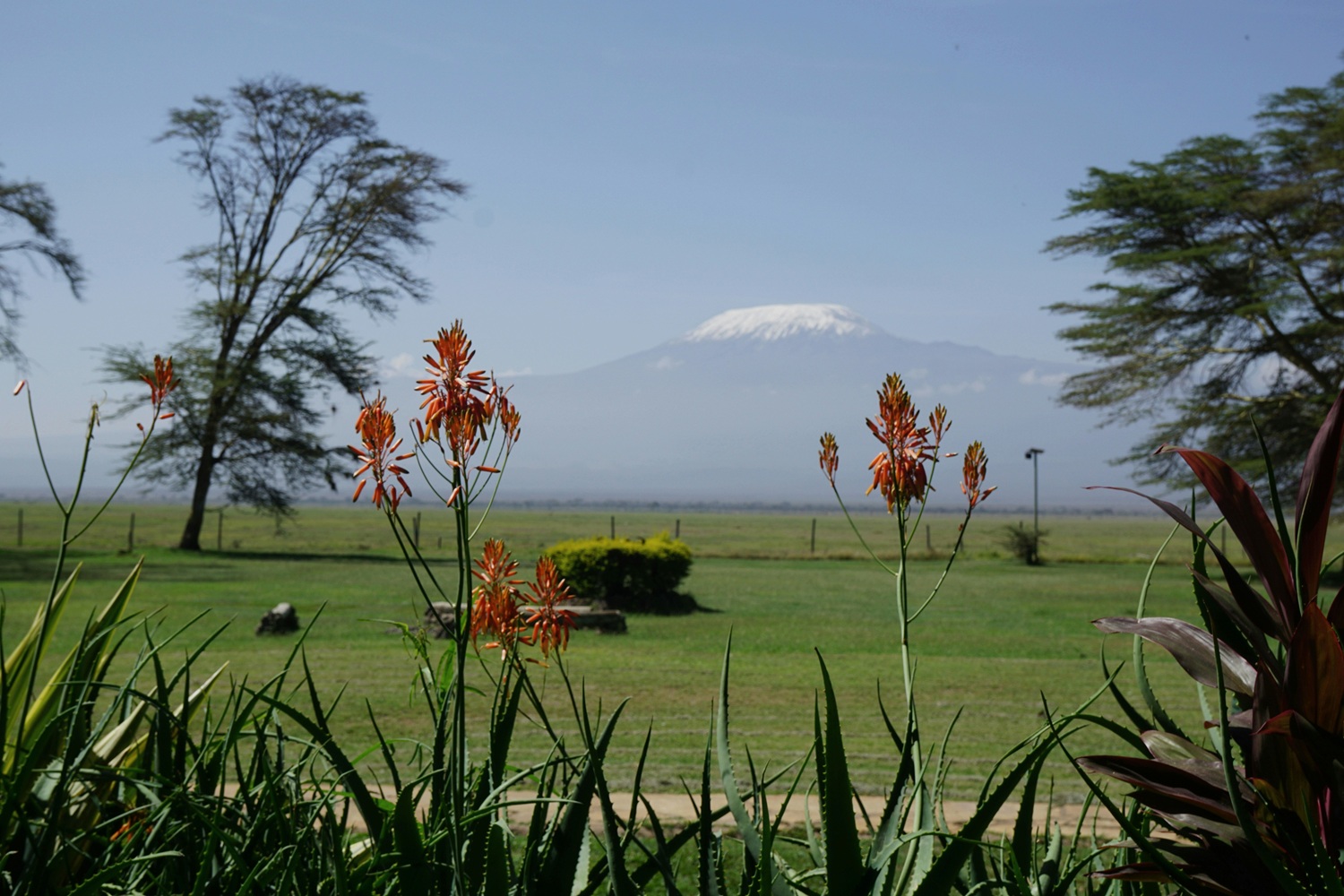
Amboseli National Park
Amboseli is Kenya’s “Kilimanjaro park”: big elephant herds, open plains, and permanent swamps fed by springs from the mountain. This guide covers the best seasons, where to stay, what to do in a 1–3 day itinerary, and SafariBookings tour filters to compare operators.
▶ Table of contents
Quick facts
Seasons & month planner
Choose your travel month
Amboseli can be excellent year‑round, but conditions matter. Dry months (Jun–Oct and often Jan–Feb) are best for clear Kilimanjaro mornings and easy roads. Wet months (Mar–May, plus short rains around Nov–Dec) are greener with great birding—expect occasional muddy tracks and more cloud on the mountain.
Amboseli zones cheat sheet
Use these mini‑zones to plan your day: where to start at dawn, where elephants hang out, and where photos look best.
For the classic shot, go early: morning is when Kilimanjaro is most likely to be clear before clouds build.
Enkongo Narok & Longinye swamps are the dry-season lifeline. Expect elephants, buffalo, hippos and lots of water birds.
Wide visibility for herds and predators. The dry Lake Amboseli bed can be dusty—great for dramatic landscape photos.
Lodges and camps on the eastern boundary (Kimana area) make an easy base for 1–3 nights and can add cultural/community visits.
SafariBookings tours (hand-picked)
Tour filters that work (Amboseli)
Instead of picking a random tour, use these SafariBookings filters to benchmark options. Prices and availability change—always re-check what’s included (park fees, flights, private vs shared vehicle, lodge level).
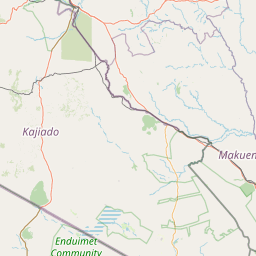
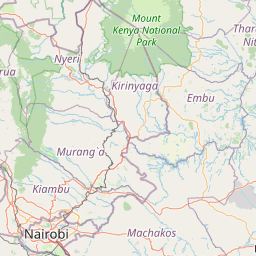
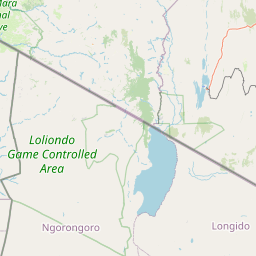
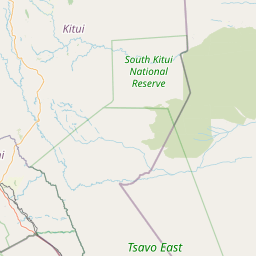
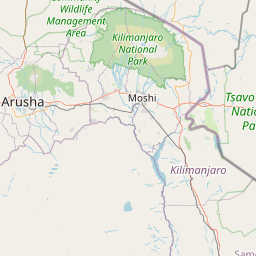
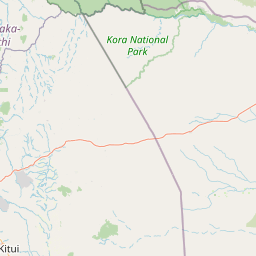
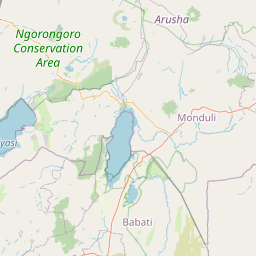
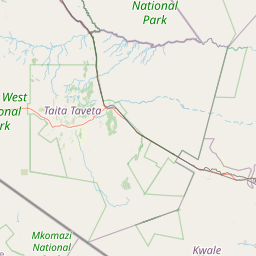
Map (gates, swamps & key viewpoints)


25 Common Animals (Amboseli National Park)

African bush elephant
Amboseli’s star: big herds and famous bulls, often around the permanent swamps.
▶ More info
- How to identify: Huge ears, trunk, tusks; family groups with calves.
- Male vs female: Males are larger with bigger tusks; females live in family groups.
- What it eats: Graze + browse; needs regular water.
- Where to find it: Swamp edges (Enkongo Narok/Longinye) and open plains, especially in dry months.
- Unique: Best light is early morning with Kilimanjaro in the background.

Lion
Look for prides on the plains and near prey herds; dawn and dusk are best.
▶ More info
- How to identify: Large cat; males with mane; prides resting in shade.
- Male vs female: Males larger with mane; females do most hunting.
- What it eats: Large prey (zebra, wildebeest, buffalo), plus scavenging.
- Where to find it: Open plains and bushy patches; sometimes near swamp edges for water-dependent prey.
- Unique: Ask your guide to scan quietly for tracks in the early hours.

Cheetah
Amboseli’s open plains can be good habitat, but sightings are luck-based.
▶ More info
- How to identify: Slender build, black tear marks, long tail.
- Male vs female: Males may form coalitions; females often solitary with cubs.
- What it eats: Medium antelope (gazelles), young wildebeest.
- Where to find it: Open grasslands where visibility is high.
- Unique: Best chances are cool mornings on open plains.

Spotted hyena
Often heard at night; active at dawn and around kills.
▶ More info
- How to identify: Sloping back, spotted coat, powerful jaws.
- Male vs female: Females larger and socially dominant.
- What it eats: Opportunistic: hunts and scavenges.
- Where to find it: Across the park; may patrol plains and around swamps.
- Unique: Watch for them trailing lions or large herds.

Leopard
Possible but not reliable; more often in thicker cover and along wooded edges.
▶ More info
- How to identify: Rosette spots; often in trees; very stealthy.
- Male vs female: Males larger; mostly solitary.
- What it eats: Small–medium antelope, monkeys, birds.
- Where to find it: Acacia woodland, riverine thickets, rocky areas.
- Unique: Night drives aren’t typical inside the park—spotting is pure luck.

African buffalo
Large herds often stick to water; impressive near swamps.
▶ More info
- How to identify: Heavy build, wide horns; often in herds.
- Male vs female: Both sexes have horns; males with heavier bosses.
- What it eats: Grazers: grasses.
- Where to find it: Swamp edges and nearby grasslands.
- Unique: Keep distance—buffalo can be unpredictable.

Masai giraffe
Elegant browsers on acacias; great silhouette shots with the mountain.
▶ More info
- How to identify: Very tall; irregular patch pattern; long neck.
- Male vs female: Males larger with thicker ossicones.
- What it eats: Browsers: leaves, especially acacia.
- Where to find it: Acacia woodland and bushy plains.
- Unique: Look for ‘necking’ bouts between males.

Plains zebra
One of the most visible grazers; often in big mixed herds.
▶ More info
- How to identify: Bold black-and-white stripes; short mane.
- Male vs female: Harems led by a stallion.
- What it eats: Grazers: grasses.
- Where to find it: Open plains and near water.
- Unique: Great ‘scale’ for landscape photos.

Blue wildebeest
Often with zebras; calves attract predators after rains.
▶ More info
- How to identify: Bearded face, curved horns, dark shoulder stripe.
- Male vs female: Males larger with thicker horns.
- What it eats: Grazers.
- Where to find it: Open plains and short grass.
- Unique: Watch for lions around dense herds.

Common warthog
Comical runners with tails up; common along tracks and plains.
▶ More info
- How to identify: Facial ‘warts’, upward tusks, tail held upright when running.
- Male vs female: Males have larger tusks.
- What it eats: Grazes; roots and tubers.
- Where to find it: Open areas and near burrows.
- Unique: Often kneels on front legs while feeding.

Hippopotamus
Mostly in deeper swamp pools; easiest seen around permanent water.
▶ More info
- How to identify: Huge barrel body; eyes/ears on top; often submerged.
- Male vs female: Males larger and territorial in water.
- What it eats: Grazer at night.
- Where to find it: Swamp pools and channels.
- Unique: Give them space—hippos are among the most dangerous animals.

Grant’s gazelle
Graceful, pale gazelles of open plains; often very visible.
▶ More info
- How to identify: Pale coat, white rump; long ringed horns.
- Male vs female: Both sexes have horns; males larger.
- What it eats: Browses and grazes; drought-tolerant.
- Where to find it: Open short-grass plains.
- Unique: Often stands tall, scanning.

Thomson’s gazelle
Small, fast gazelles; often in big groups on short grass.
▶ More info
- How to identify: Distinct black side stripe; white rump.
- Male vs female: Both sexes horned; males larger horns.
- What it eats: Grazers, especially short grass.
- Where to find it: Short-grass plains.
- Unique: Look for ‘stotting’ jumps when alarmed.

Impala
Common around bushy edges and water; superb jumpers.
▶ More info
- How to identify: Reddish coat, black tail stripes; males with curved horns.
- Male vs female: Males have lyre-shaped horns; females hornless.
- What it eats: Mixed feeder.
- Where to find it: Woodland edges, thickets, near water.
- Unique: Often found near acacia cover.

Common eland
Largest antelope; sometimes seen in small groups on plains or bushland.
▶ More info
- How to identify: Heavy build; slight shoulder hump; twisted horns.
- Male vs female: Both sexes horned; males heavier.
- What it eats: Browses and grazes.
- Where to find it: Open woodland and plains.
- Unique: Can jump surprisingly well for its size.

Defassa waterbuck
Often close to water and thicker cover.
▶ More info
- How to identify: Shaggy coat; white ring on rump in some subspecies.
- Male vs female: Males have long ridged horns; females hornless.
- What it eats: Grazers.
- Where to find it: Near swamps and well-watered areas.
- Unique: Usually stays close to water sources.

Olive baboon
Bold, social troops; common near roads, lodges and rocky areas.
▶ More info
- How to identify: Dog-like muzzle; large troops; ‘baboon swagger’.
- Male vs female: Males larger with bigger canines.
- What it eats: Omnivore.
- Where to find it: Around woodland edges, rocky outcrops and lodges.
- Unique: Keep windows closed—baboons are expert thieves.

Vervet monkey
Small, curious monkeys often near trees and lodges.
▶ More info
- How to identify: Gray coat, black face, white fringe; long tail.
- Male vs female: Males larger; both sexes gray with black face.
- What it eats: Fruits, leaves, insects.
- Where to find it: Acacia trees and riverine woodland.
- Unique: Often alarm-calls loudly when predators appear.

Black-backed jackal
Often seen trotting along tracks or scavenging near kills.
▶ More info
- How to identify: Black ‘saddle’ on back; white sides; pointed muzzle.
- Male vs female: Pairs are common; both similar size.
- What it eats: Omnivore/scavenger: small animals, carrion, fruit.
- Where to find it: Open plains and edges.
- Unique: Frequently follows larger predators.

Bat-eared fox
A small fox with huge ears; usually in open short grass.
▶ More info
- How to identify: Very large ears, pale coat, black legs.
- Male vs female: Often in pairs or small family groups.
- What it eats: Mostly termites and insects.
- Where to find it: Open grassland with termites.
- Unique: Most active in cooler hours.

Kirk’s dik-dik
Tiny antelope hiding in shrubs; brief sightings are common near cover.
▶ More info
- How to identify: Very small; pointed snout; often in pairs.
- Male vs female: Males have small horns; females larger.
- What it eats: Browsers.
- Where to find it: Bushy edges and thickets.
- Unique: They freeze then dart into cover.

Egyptian mongoose
A sleek hunter sometimes seen crossing tracks.
▶ More info
- How to identify: Long body, pointed face, bushy tail.
- Male vs female: Similar; solitary.
- What it eats: Small animals, birds, eggs.
- Where to find it: Near water and bushy edges.
- Unique: Often appears briefly then vanishes.

Serval
Long-legged cat associated with wetlands; sightings are special.
▶ More info
- How to identify: Long legs, big ears, spotted coat.
- Male vs female: Solitary; males slightly larger.
- What it eats: Rodents, birds.
- Where to find it: Swamp edges and grassland near water.
- Unique: Look for them in taller grass near swamps.

Nile crocodile
Sometimes in swamp channels; more often in larger river systems but possible here.
▶ More info
- How to identify: Armored reptile, long snout; basking on banks.
- Male vs female: Males larger.
- What it eats: Fish and animals at water’s edge.
- Where to find it: Deeper swamp channels and pools (sightings vary).
- Unique: Always keep distance from water edges.

Rock hyrax
Small, rabbit-like mammals on rocky outcrops (including around Observation Hill).
▶ More info
- How to identify: Rounded body, short ears; sunbathing on rocks.
- Male vs female: Colonial groups; sexes similar.
- What it eats: Leaves, grasses.
- Where to find it: Rocky kopjes and cliffs.
- Unique: Surprisingly related to elephants (distantly).
Top 10 Birds (easy sightings)

Lilac-breasted roller
A safari icon — watch for bright colors on roadside branches.
▶ More info
- How to identify: Lilac chest, turquoise wings; swooping flights.
- Male vs female: —
- What it eats: —
- Where to find it: Open woodland and bushy plains; often perched on acacias.
- Unique: Often seen after rain when insects are active.

Secretarybird
Tall raptor that hunts on foot — a favorite sighting on open plains.
▶ More info
- How to identify: Long legs, crest; walks rather than perches.
- Male vs female: —
- What it eats: —
- Where to find it: Open grassland.
- Unique: Known for hunting snakes and small animals.

Martial eagle
One of Africa’s largest eagles; scan big trees and thermals.
▶ More info
- How to identify: Very large eagle; white belly with dark spots.
- Male vs female: —
- What it eats: —
- Where to find it: Large acacias; soaring over plains.
- Unique: Often seen soaring high midday.

African fish eagle
Listen for the unmistakable call near wetlands.
▶ More info
- How to identify: White head and chest; chestnut body; strong hooked beak.
- Male vs female: —
- What it eats: —
- Where to find it: Near swamps and permanent water.
- Unique: Often perched near water, scanning for fish.

Grey crowned crane
Elegant crane with a golden ‘crown’ — often in wet grasslands.
▶ More info
- How to identify: Gold crown, white wings; tall stance.
- Male vs female: —
- What it eats: —
- Where to find it: Swamp edges and wet grassland.
- Unique: Graceful displays during courtship.

Saddle-billed stork
Large, striking stork patrolling shallow water.
▶ More info
- How to identify: Huge black-and-white stork; colorful ‘saddle’ bill.
- Male vs female: —
- What it eats: —
- Where to find it: Swamps and marshes.
- Unique: Slow, deliberate hunting style.

African jacana
‘Lily-trotter’ with very long toes for walking on floating plants.
▶ More info
- How to identify: Long toes; chestnut body; white face.
- Male vs female: —
- What it eats: —
- Where to find it: Vegetated swamp pools.
- Unique: Often seen on lily pads.

Kori bustard
Massive ground bird of open savanna.
▶ More info
- How to identify: Very large bustard; slow, stately walk.
- Male vs female: —
- What it eats: —
- Where to find it: Open plains.
- Unique: Males perform impressive displays.

Superb starling
Common around camps and acacias; brilliant colors at close range.
▶ More info
- How to identify: Iridescent blue-green back; orange belly; white chest band.
- Male vs female: —
- What it eats: —
- Where to find it: Woodland and lodge areas.
- Unique: Often in noisy groups.

Pink-backed pelican
Seen in and around wetlands; good for big-bird photography.
▶ More info
- How to identify: Pale pelican; subtle pinkish back.
- Male vs female: —
- What it eats: —
- Where to find it: Swamps and larger water bodies.
- Unique: Often in small groups, sometimes with other water birds.
Top 10 Trees & Signature Plants (Amboseli)

Umbrella thorn acacia
Classic flat-topped ‘umbrella’ tree of Amboseli plains.
▶ More info
- How to identify: Wide canopy; thorny branches.
- Male vs female: —
- What it eats: —
- Where to find it: Open savanna and plains.
- Unique: Iconic silhouette at sunrise/sunset.

Fever tree
Yellow-green bark; often near wetter areas and seasonally flooded ground.
▶ More info
- How to identify: Smooth yellow-green bark; airy foliage.
- Male vs female: —
- What it eats: —
- Where to find it: Swamp fringes and wetter patches.
- Unique: Great contrast in photos against blue skies.

Whistling thorn
Spiny acacia often associated with ants living in swollen thorns.
▶ More info
- How to identify: Swollen thorns; ant holes.
- Male vs female: —
- What it eats: —
- Where to find it: Savanna and bushland.
- Unique: Wind can make the thorns ‘whistle’.

Desert date
Hardy tree of drylands; edible fruits used by people and wildlife.
▶ More info
- How to identify: Spiny branches; small oval leaves.
- Male vs female: —
- What it eats: —
- Where to find it: Drier bushland and edges.
- Unique: Extremely drought tolerant.

Sausage tree
Known for its large sausage-shaped fruits; often near water.
▶ More info
- How to identify: Large hanging fruits; showy flowers (seasonal).
- Male vs female: —
- What it eats: —
- Where to find it: Riverine/wetter areas and lodge grounds.
- Unique: Fruit can be huge and heavy.

Sycamore fig
Large fig tree that can provide shade and fruit for birds.
▶ More info
- How to identify: Broad canopy; figs on branches.
- Male vs female: —
- What it eats: —
- Where to find it: Riverine lines and wetter areas.
- Unique: A magnet for birds when fruiting.

Toothbrush tree
Traditional ‘miswak’ tree; hardy species in arid and saline soils.
▶ More info
- How to identify: Dense shrub/tree; small leaves.
- Male vs female: —
- What it eats: —
- Where to find it: Drier plains and saline areas.
- Unique: Twigs used as natural toothbrushes.

Doum palm
Fan-leaved palm associated with dry riverbeds and edges.
▶ More info
- How to identify: Forked trunk; fan-shaped leaves.
- Male vs female: —
- What it eats: —
- Where to find it: Edges and drier drainage lines.
- Unique: Sturdy palm adapted to dry conditions.

Wild date palm
Clumping palm found near water and moist soils.
▶ More info
- How to identify: Clumps of slender palm stems.
- Male vs female: —
- What it eats: —
- Where to find it: Swampy areas and riverine spots.
- Unique: Often near permanent water.
African myrrh
Aromatic shrub/tree with peeling bark; common in semi-arid East Africa.
▶ More info
- How to identify: Peeling bark; resin smell when scratched.
- Male vs female: —
- What it eats: —
- Where to find it: Dry bushland.
- Unique: Resin used traditionally for fragrance and medicine.
Top 10 Flowers & Bushes (Amboseli seasonal highlights)

Kenya aloe
A hardy aloe with tall flower spikes; blooms after rains.
▶ More info
- How to identify: Succulent rosettes; tall flowering spikes.
- Male vs female: —
- What it eats: —
- Where to find it: Dry bushland, rocky ground, lodge gardens.
- Unique: Good pollinator plant (sunbirds, insects).

Desert rose
Striking pink flowers on a swollen trunk; common in dry regions.
▶ More info
- How to identify: Thick caudex trunk; pink trumpet-like flowers.
- Male vs female: —
- What it eats: —
- Where to find it: Dry bushland and rocky areas.
- Unique: Tolerates drought extremely well.

Lion’s ear
Bright orange flower whorls; attracts birds and insects.
▶ More info
- How to identify: Orange tiered flower balls along the stem.
- Male vs female: —
- What it eats: —
- Where to find it: Edges, disturbed ground, sometimes near settlements.
- Unique: Great macro/close-up subject.

Popcorn cassia
Shrub with yellow flowers and a distinctive ‘popcorn’ scent when crushed.
▶ More info
- How to identify: Yellow flower spikes; strong scent from leaves.
- Male vs female: —
- What it eats: —
- Where to find it: Thickets and lodge gardens; can occur naturally in East Africa.
- Unique: Often butterflies around blooms.

Wild hibiscus
Large yellow hibiscus-like blooms, often after rains.
▶ More info
- How to identify: Big yellow flowers with darker center.
- Male vs female: —
- What it eats: —
- Where to find it: Grassland edges and bushy areas.
- Unique: Blooms can be short-lived but spectacular.
East African wild sage
Aromatic shrub sometimes called ‘fever tea’.
▶ More info
- How to identify: Strong lemony scent; small clustered flowers.
- Male vs female: —
- What it eats: —
- Where to find it: Bushland and edges.
- Unique: Used traditionally as herbal tea.

Stinking passionflower
A vine with unusual ‘hairy’ bracts; small edible fruit when ripe.
▶ More info
- How to identify: Hairy bracts around the flower/fruit.
- Male vs female: —
- What it eats: —
- Where to find it: Edges and scrub, often after rains.
- Unique: Interesting textures for photos.

Mexican sunflower
Bright yellow-orange daisy flowers; often along roadsides (can be invasive).
▶ More info
- How to identify: Large daisy-like yellow flowers; rough leaves.
- Male vs female: —
- What it eats: —
- Where to find it: Roadsides and disturbed areas near park edges.
- Unique: Attracts butterflies.

Wild basil
Aromatic bush basil; flowers attract pollinators.
▶ More info
- How to identify: Strong basil scent; small white/purple flowers on spikes.
- Male vs female: —
- What it eats: —
- Where to find it: Thickets and edges.
- Unique: Leaves used in traditional cooking/medicine.

Candelabra euphorbia
Tall cactus-like succulent tree in drier landscapes.
▶ More info
- How to identify: Candelabra branches; milky sap.
- Male vs female: —
- What it eats: —
- Where to find it: Dry slopes and rocky ground near the ecosystem edges.
- Unique: Do not touch sap (irritant).
Things to do
1) Sunrise game drive (Kilimanjaro photo window)
Start at first light. This is when Mount Kilimanjaro is most likely to be clear before clouds build — and when predators and elephants are active.
2) Swamp circuit (elephants + birds)
Head to Enkongo Narok and Longinye swamps. In dry months, this is where the action concentrates: elephants, buffalo, hippos and dense birdlife.
3) Observation Hill viewpoint (short walk)
A quick climb with big payoff: a panoramic view over the swamps and plains — and often a clean Kilimanjaro skyline on good mornings.
4) Mid-day “shade & water” loop
Late morning to early afternoon can be hot. Focus on water and shade: swamp edges, lodge areas, and thicker acacia patches.
5) Maasai community / cultural visit (outside the park)
If you want cultural context, go with a respectful operator and choose community-run experiences where possible.
FAQ
What is Amboseli famous for?
Amboseli is famous for close-up elephant encounters and classic views of Mount Kilimanjaro across open plains. The permanent swamps keep wildlife around even in the driest months.
Is Amboseli good for the Big Five?
Elephant, lion and buffalo are common. Leopard is possible but not reliable, and rhino is generally absent from the park — so it’s not the “best Big Five” destination, but it’s outstanding for elephants.
When do I get the clearest Kilimanjaro views?
Early morning in the dry season is best. Clouds often build later in the day. If the mountain matters to you, plan dawn drives and keep at least one flexible morning.
Can I do Amboseli as a day trip from Nairobi?
It’s possible, but it’s a long day (driving + park time). For a better experience, do at least 1 night near the park so you can drive at sunrise.
How many days do I need?
Two nights (1–2 full days) is a sweet spot: one morning for Kilimanjaro views + predators, one for swamps/elephants and slower pacing. Three nights gives more flexibility if weather is cloudy.
Leave a Reply