
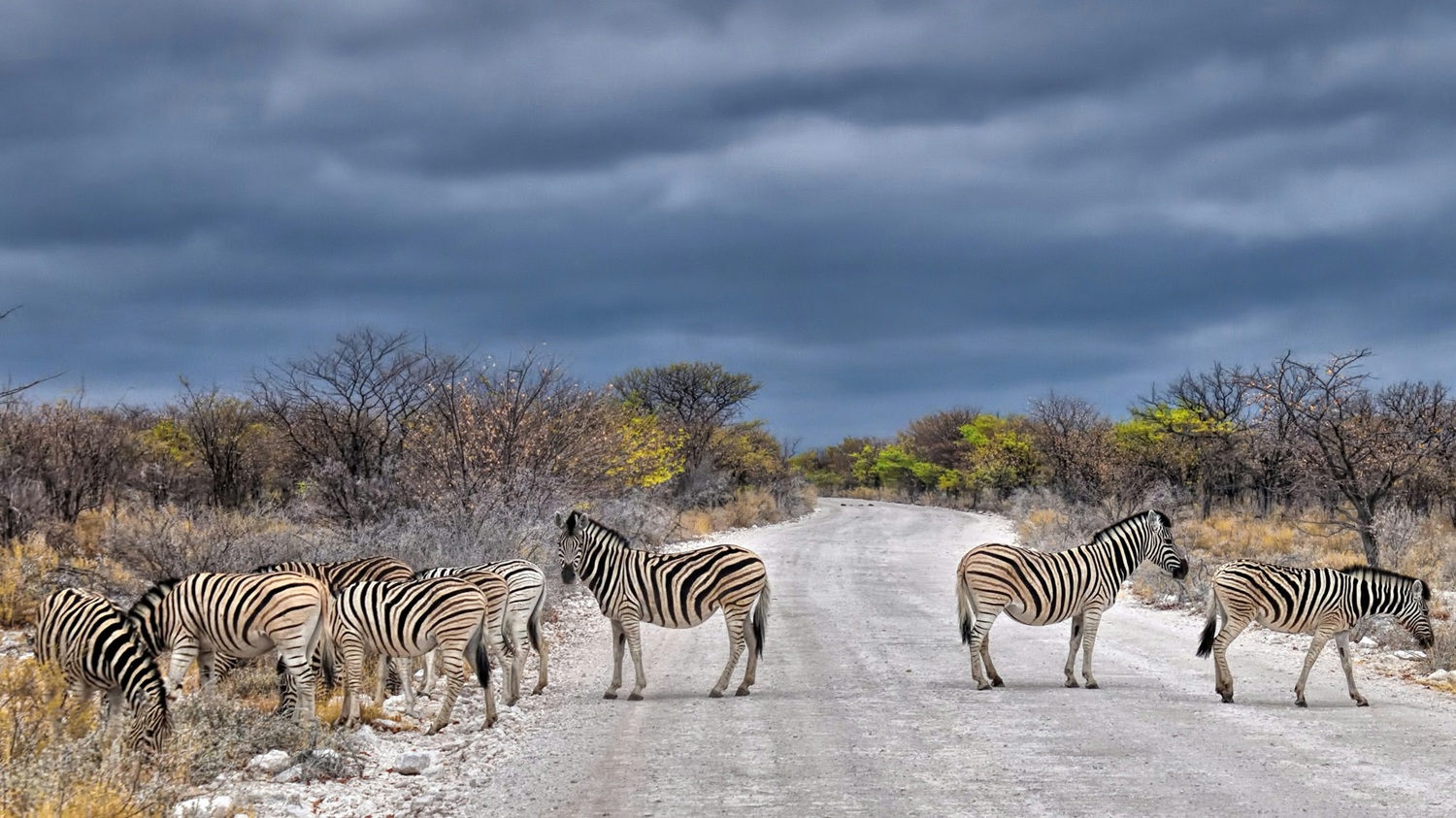
Etosha National Park
A practical guide to Namibia’s “Great White Place”: how Etosha’s waterholes shape game viewing, which camp makes sense (Okaukuejo / Halali / Namutoni / western Etosha), and how to plan your days for the best sightings.
▶ Table of contents
Quick facts
Seasons & month planner
Choose your travel month
Most people choose May–October for dry-season waterhole action. The green months (roughly Nov–Apr) are quieter and great for birds and landscapes—expect more heat and occasional rain.
Etosha zones cheat sheet
Etosha is long east–west. Split your nights to reduce driving and maximize waterhole time.
Most famous floodlit waterhole. Great starter loops (Okondeka–Olifantsbad area is often productive).
Good “middle stop” to break the drive and explore central water points (including evening rest-camp waterhole time).
Access to eastern waterholes and open pan-edge scenery. A great second/third base for varied habitat.
Less “mainstream” routes, big horizons and a more remote vibe. Best if you have extra time.
SafariBookings tours (hand-picked)
Tour ideas to benchmark itineraries
These are examples from SafariBookings to help you compare durations, lodge levels and routing. Always re-check inclusions (park fees, transfers, lodge level, private vs shared vehicle).
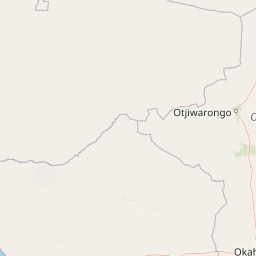
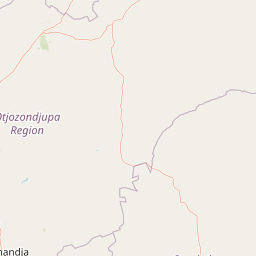
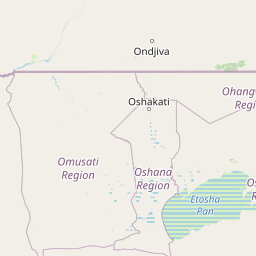
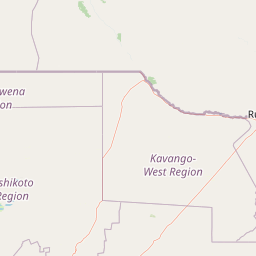
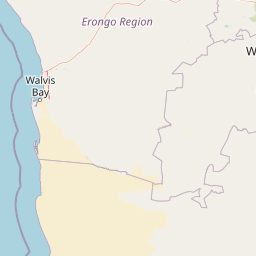
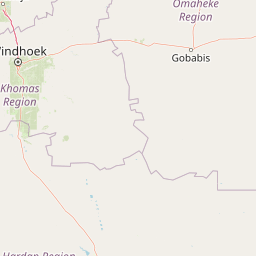
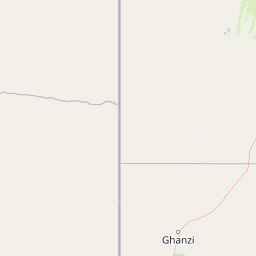
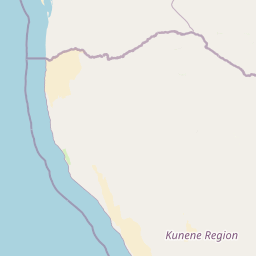
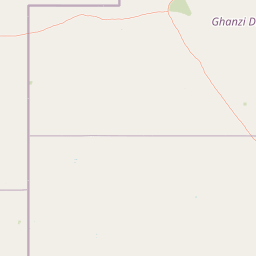
Map (gates, camps & key points)




25 Common Animals (Etosha National Park)

African bush elephant
Etosha elephants are often coated in pale dust—an iconic Etosha look at waterholes.
▶ More info
- How to identify: Huge body, trunk and tusks; dust-coated skin at pan-edge waterholes.
- Male vs female: Males often roam alone or in small groups; females in family herds.
- What it eats: Graze + browse; needs regular water.
- Where to find it: Waterholes across the park; often best in dry months.
- Unique: Waterhole behavior can be intense (dominance, bathing, drinking).

Black rhinoceros
A key Etosha highlight. Dry-season evenings at productive waterholes can deliver great sightings.
▶ More info
- How to identify: Hooked upper lip; browsing posture.
- Male vs female: Males larger; both have two horns.
- What it eats: Browser (shrubs, leaves).
- Where to find it: Often seen at waterholes; also on quiet loops in early/late hours.
- Unique: Night waterhole viewing can sometimes produce rhino after dark.

White rhinoceros
Less common than black rhino in many areas, but present in Namibia and may be seen in Etosha region.
▶ More info
- How to identify: Square ‘wide’ mouth; often head-down grazing.
- Male vs female: Males larger.
- What it eats: Grazer.
- Where to find it: Grassier areas and some waterholes (luck-based).
- Unique: If you see one, note the broader, more ‘tank-like’ shape.

Lion
Etosha is a stronghold for Namibia’s lions—waterhole scenes can be dramatic.
▶ More info
- How to identify: Large cat; prides often resting in shade in midday heat.
- Male vs female: Males larger with mane; females do most hunting.
- What it eats: Large prey (zebra, wildebeest, springbok, etc.).
- Where to find it: Often near waterholes at dawn/dusk; also open plains and pan edges.
- Unique: Watch how prey reacts at waterholes—tension often signals predators.

Leopard
A luck-based sighting, often near thicker bush and sometimes around rocky areas or trees.
▶ More info
- How to identify: Rosette coat; solitary; may be in trees.
- Male vs female: Males larger.
- What it eats: Antelope, smaller mammals and birds.
- Where to find it: More likely at dawn/dusk; look near woodland edges and quiet roads.
- Unique: Listen for alarm calls from birds and primates.

Cheetah
Open plains make cheetah possible in Etosha—best in cooler hours when they move.
▶ More info
- How to identify: Slender build; tear marks on face.
- Male vs female: Males may form coalitions.
- What it eats: Medium antelope.
- Where to find it: Open areas and pan-edge plains.
- Unique: Often spotted scanning from termite mounds.

Spotted hyena
Frequently seen on roads and near waterholes; active in early/late hours.
▶ More info
- How to identify: Sloping back; spotted coat.
- Male vs female: Females larger and dominant.
- What it eats: Scavenger and hunter; powerful jaws.
- Where to find it: Across the park; often appears near kills or at night around camps.
- Unique: Etosha night sounds often include hyena calls.

Black-backed jackal
A constant companion around waterholes—smart, fast and opportunistic.
▶ More info
- How to identify: Black saddle on back; upright ears.
- Male vs female: Sexes similar.
- What it eats: Omnivore.
- Where to find it: Open areas, roads, and waterholes.
- Unique: Often one of the first to arrive at small carcasses.

Bat-eared fox
A special small predator with huge ears—more likely at dawn/dusk.
▶ More info
- How to identify: Very large ears; small fox body.
- Male vs female: Sexes similar.
- What it eats: Mostly insects (termites).
- Where to find it: Open plains and grassier areas.
- Unique: Often forages with nose close to the ground.

Honey badger
Tough, elusive—an Etosha “bonus” sighting, sometimes near camps and waterholes.
▶ More info
- How to identify: Black-and-white back; low, powerful build.
- Male vs female: Males larger.
- What it eats: Omnivore.
- Where to find it: Various habitats; often near termite mounds.
- Unique: Fearless reputation.

Giraffe
Often seen approaching waterholes carefully—classic ‘legs-splayed’ drinking posture.
▶ More info
- How to identify: Very tall; patterned coat.
- Male vs female: Males larger with heavier ossicones.
- What it eats: Browser.
- Where to find it: Woodlands and waterholes across Etosha.
- Unique: Waterhole drinking behavior is cautious and photogenic.

Plains zebra
One of the main “waterhole regulars” and a key prey species.
▶ More info
- How to identify: Bold stripes; often in herds.
- Male vs female: Sexes similar.
- What it eats: Grazer.
- Where to find it: Plains and waterholes.
- Unique: Great for scenes with predators nearby.

Blue wildebeest
Often seen in open areas and at waterholes; adds classic “savanna” vibe to sightings.
▶ More info
- How to identify: Bearded face; sloped shoulders.
- Male vs female: Males slightly larger; both have horns.
- What it eats: Grazer.
- Where to find it: Open plains and pan-edge areas.
- Unique: Often moves with zebra.

Springbok
Etosha’s signature antelope—huge numbers, especially on open plains.
▶ More info
- How to identify: White face markings; ‘pronking’ jumps when alarmed.
- Male vs female: Males have horns; females smaller.
- What it eats: Grazer/browse mix.
- Where to find it: Open plains and pan edges; also around waterholes.
- Unique: Large herds can form dramatic scenes.

Gemsbok (oryx)
A desert-adapted antelope with striking horns—very photogenic in Etosha light.
▶ More info
- How to identify: Black-and-white face mask; long straight horns.
- Male vs female: Both sexes have long horns; females often slightly longer/thinner.
- What it eats: Grazer/browse mix; very drought-adapted.
- Where to find it: Dry plains and open areas; sometimes at waterholes.
- Unique: Often looks ‘painted’ against pale Etosha ground.

Greater kudu
Often seen near bushier areas and waterholes—males are a trophy of spiral horns.
▶ More info
- How to identify: Striped body; large ears; males with spiraled horns.
- Male vs female: Males have spiral horns.
- What it eats: Browser.
- Where to find it: Woodlands and shrub edges.
- Unique: Good chance near camp areas early/late.

Eland
Largest antelope—more luck-based, but a memorable sighting.
▶ More info
- How to identify: Large, pale antelope; ‘clicking’ knees when walking.
- Male vs female: Males larger with dewlap; both sexes can have horns.
- What it eats: Grazer/browse mix.
- Where to find it: Woodland and open edges; sometimes at waterholes.
- Unique: Massive body compared with other antelope.

Red hartebeest
Open-country antelope with distinctive head shape.
▶ More info
- How to identify: Elongated face; sloping back; ringed horns.
- Male vs female: Both sexes have horns (males heavier).
- What it eats: Grazer.
- Where to find it: Plains and open woodland.
- Unique: Often stands upright scanning plains.

Damara dik-dik
Tiny antelope sometimes mentioned for the wider region; sightings are luck-based.
▶ More info
- How to identify: Very small; big eyes; short snout.
- Male vs female: Males have small horns.
- What it eats: Browser.
- Where to find it: Thicker bush and edges.
- Unique: Often freezes in shade.

Ostrich
Africa’s biggest bird; common on open plains and pan edges.
▶ More info
- How to identify: Very tall; long legs/neck.
- Male vs female: Males black; females brown-grey.
- What it eats: Omnivore (plants, insects).
- Where to find it: Open plains across the park.
- Unique: Often seen in pairs or small groups.

Warthog
Frequently seen trotting with tails up; common around open areas.
▶ More info
- How to identify: Tusked face; kneels to graze.
- Male vs female: Males larger with bigger tusks.
- What it eats: Grazer and rooter.
- Where to find it: Savanna and open patches.
- Unique: Often near termite mounds and burrows.

Steenbok
Small, shy antelope often seen alone in open bush.
▶ More info
- How to identify: Small; stands alert; often solitary.
- Male vs female: Males have straight horns; females hornless.
- What it eats: Browser.
- Where to find it: Open bush and scrub.
- Unique: A classic ‘small antelope’ of Namibia.
Kirk’s dik-dik / small antelope (general)
Small antelope category you may encounter on quieter bushy roads.
▶ More info
- How to identify: Very small body; quick darting movement.
- Male vs female: —
- What it eats: Browser.
- Where to find it: Thickets and edges.
- Unique: Often seen briefly.

Aardwolf
A termite specialist in the hyena family; mostly nocturnal.
▶ More info
- How to identify: Striped coat; long mane.
- Male vs female: Sexes similar.
- What it eats: Termites.
- Where to find it: Open plains; more likely seen at night.
- Unique: If you see one, it’s a great safari ‘bonus’.

Kori bustard
World’s heaviest flying bird—often seen walking in open areas.
▶ More info
- How to identify: Large bustard; slow walking gait.
- Male vs female: Males much larger.
- What it eats: Omnivore.
- Where to find it: Open plains and savanna.
- Unique: Often stands in open with big presence.

Rock hyrax
Small mammal found in rocky areas; sometimes around camp/rock outcrops.
▶ More info
- How to identify: Rabbit-like body; short ears; sits on rocks.
- Male vs female: Sexes similar.
- What it eats: Herbivore.
- Where to find it: Rocky habitats and koppies.
- Unique: Close relative of elephants (surprisingly!).

Secretarybird
Tall raptor that hunts on foot—often seen striding across open plains.
▶ More info
- How to identify: Long legs; crest feathers.
- Male vs female: Sexes similar.
- What it eats: Snakes, insects, small mammals.
- Where to find it: Open grassland and savanna.
- Unique: A favorite for first-time visitors.
Top 10 Birds (easy sightings)

Lesser flamingo
Seasonal: when the pan holds water, flamingos can appear in huge numbers.
▶ More info
- How to identify: Pale pink; large flocks on shallow water.
- Male vs female: Sexes similar.
- What it eats: Algae and small organisms filtered from water.
- Where to find it: Etosha Pan (after good rains).
- Unique: A ‘wow’ sighting when conditions are right.

Greater flamingo
Often with lesser flamingos; larger and paler overall.
▶ More info
- How to identify: Taller than lesser; paler pink.
- Male vs female: Sexes similar.
- What it eats: Filter-feeder.
- Where to find it: Etosha Pan (after rains).
- Unique: Great pan photography subject.
Kori bustard
Huge open-country bird; commonly seen walking in Etosha.
▶ More info
- How to identify: Very large bustard; thick neck.
- Male vs female: Males larger.
- What it eats: Omnivore.
- Where to find it: Open plains and savanna.
- Unique: Often surprisingly tolerant of vehicles.
Secretarybird
Iconic ‘walking raptor’ of open plains—worth stopping for.
▶ More info
- How to identify: Long legs; crest feathers.
- Male vs female: Sexes similar.
- What it eats: Snakes, insects, small mammals.
- Where to find it: Open grassland.
- Unique: Hunts by stomping prey.

Martial eagle
One of Africa’s biggest eagles—often perched in large trees scanning plains.
▶ More info
- How to identify: Large eagle; pale belly with spotting.
- Male vs female: Females larger.
- What it eats: Medium mammals and birds.
- Where to find it: Open woodland and savanna.
- Unique: A serious apex predator.

Pale chanting goshawk
A very common roadside raptor in Namibia—often sits on shrubs and poles.
▶ More info
- How to identify: Grey body; red/orange legs.
- Male vs female: Sexes similar.
- What it eats: Small mammals, reptiles, insects.
- Where to find it: Open bush and savanna.
- Unique: Often vocal (the ‘chanting’).

Southern yellow-billed hornbill
Comical and common around camps; often on the ground foraging.
▶ More info
- How to identify: Large yellow bill; black-and-white pattern.
- Male vs female: Sexes similar.
- What it eats: Insects and small prey.
- Where to find it: Woodland and camp areas.
- Unique: Often very approachable.
Ostrich
Common on open plains; easy, frequent sightings.
▶ More info
- How to identify: Very large; long legs and neck.
- Male vs female: Males black; females brown-grey.
- What it eats: Omnivore.
- Where to find it: Across the park on open ground.
- Unique: Great for wide-angle landscape shots.

Lappet-faced vulture
A massive vulture; often seen near carcasses or soaring in thermals.
▶ More info
- How to identify: Huge head/bill; bare face.
- Male vs female: Sexes similar.
- What it eats: Carrion.
- Where to find it: Open plains; near kills.
- Unique: One of the most powerful vultures.

Blacksmith lapwing
Noisy, bold lapwing found near waterholes and open ground.
▶ More info
- How to identify: Black-and-white; red eye; loud calls.
- Male vs female: Sexes similar.
- What it eats: Insects and small invertebrates.
- Where to find it: Waterholes and open plains.
- Unique: Often warns other animals (and you) loudly.
Top 10 Trees & Signature Plants

Mopane
Dominant woodland tree in much of Etosha; forms large mopane stands.
▶ More info
- How to identify: Butterfly-shaped leaves.
- Male vs female: —
- What it eats: —
- Where to find it: Woodlands across the park.
- Unique: Defines the look of many Etosha drives.

Camel thorn
A classic arid-zone acacia; provides shade and perches for raptors.
▶ More info
- How to identify: Thorny branches; strong silhouette.
- Male vs female: —
- What it eats: —
- Where to find it: Sandy and drier zones; open woodland.
- Unique: A signature ‘Kalahari’ look.

Ana tree
Often associated with riverbeds and some pan-edge areas; important for wildlife browse.
▶ More info
- How to identify: Large spreading crown; pale bark.
- Male vs female: —
- What it eats: —
- Where to find it: Drainage lines and some watercourse areas.
- Unique: Known for unusual leaf/seed timing in some climates.

Shepherd’s tree
Hardy desert tree; valued for shade and survival in dry landscapes.
▶ More info
- How to identify: Evergreen leaves; gnarled trunk.
- Male vs female: —
- What it eats: —
- Where to find it: Drier savanna/woodland.
- Unique: Often survives extreme drought.

Marula
Fruit tree enjoyed by many animals (and humans).
▶ More info
- How to identify: Spreading crown; yellow fruits when ripe.
- Male vs female: —
- What it eats: —
- Where to find it: Savanna woodland.
- Unique: Important in local ecology and culture.

Leadwood
Famous for extremely hard wood and photogenic dead snags.
▶ More info
- How to identify: Grey bark; often seen as striking dead trees.
- Male vs female: —
- What it eats: —
- Where to find it: Dry woodland and savanna.
- Unique: Classic for silhouette photography.

Tamboti
A beautiful, shade-giving tree in southern Africa; often near camps/woodland.
▶ More info
- How to identify: Dark bark; dense crown.
- Male vs female: —
- What it eats: —
- Where to find it: Woodland and camp areas (patchy).
- Unique: Noted for strong scent/resin.

Silver cluster-leaf
Common woodland tree with silvery leaves—often seen on sandy soils.
▶ More info
- How to identify: Silvery leaves; layered branching.
- Male vs female: —
- What it eats: —
- Where to find it: Sandy woodland areas.
- Unique: Gives woodland a ‘silver’ tone in certain light.

Sausage tree
Known for large sausage-shaped fruits; more typical of moister riverine zones but included for regional recognition.
▶ More info
- How to identify: Large hanging fruits.
- Male vs female: —
- What it eats: —
- Where to find it: More likely in riverine areas/lodges near Etosha rather than dry core.
- Unique: Night-blooming flowers attract bats.

Bitter thorn
A thorny shrub/tree common in arid Namibia; provides browse and cover.
▶ More info
- How to identify: Thorny; small leaves; scrubby form.
- Male vs female: —
- What it eats: —
- Where to find it: Dry bush and scrub.
- Unique: Often forms dense thickets.
Top 10 Flowers & Bushes (seasonal highlights)

Devil’s claw
Arid-zone plant famous for hooked seed pods and medicinal use.
▶ More info
- How to identify: Purple flowers; distinctive hooked seed pods.
- Male vs female: —
- What it eats: —
- Where to find it: Sandy soils in Namibia.
- Unique: Pods are the ‘claw’ that gives it the name.
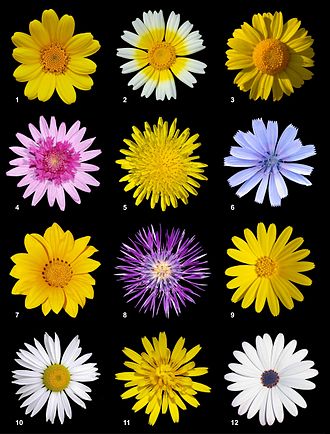
Namaqualand-style daisies (regional)
After rains, parts of Namibia can produce vivid daisy blooms (timing varies).
▶ More info
- How to identify: Daisy form; varied colors.
- Male vs female: —
- What it eats: —
- Where to find it: Open ground after rainfall (region-dependent).
- Unique: Most impressive after good rain.

Aloe
Succulents with flower spikes; common in Namibia in many habitats.
▶ More info
- How to identify: Fleshy leaves; tall flower spikes.
- Male vs female: —
- What it eats: —
- Where to find it: Rocky or drier patches; also around lodges.
- Unique: Attracts birds and insects when flowering.

Gazania
Bright daisy-like flowers in open sun; can bloom after rain.
▶ More info
- How to identify: Bright daisy flowers; low growth.
- Male vs female: —
- What it eats: —
- Where to find it: Open ground and verges.
- Unique: Often opens in sunlight.

Wild basil
Aromatic herb-like plants often found on disturbed ground.
▶ More info
- How to identify: Aromatic leaves; small flowers.
- Male vs female: —
- What it eats: —
- Where to find it: Road edges and clearings.
- Unique: Scent noticeable when crushed.

Wild sage
Flowering plants common in warm climates; good for pollinators.
▶ More info
- How to identify: Aromatic leaves; purple/blue flowers.
- Male vs female: —
- What it eats: —
- Where to find it: Open woodland edges and verges.
- Unique: Attracts insects.

Hibiscus
Showy flowers in warm seasons; occurs in many African habitats.
▶ More info
- How to identify: Large trumpet-like flowers.
- Male vs female: —
- What it eats: —
- Where to find it: Bushy edges; more common near moister microhabitats.
- Unique: Adds color in green season.

Acacia blossoms
Many thorn trees flower seasonally, adding nectar for insects and birds.
▶ More info
- How to identify: Puffball or spike flowers on thorn trees.
- Male vs female: —
- What it eats: —
- Where to find it: Woodland and savanna.
- Unique: Great for bird activity.

Indigofera
Common shrub genus in southern Africa with small flowers; appears in many habitats.
▶ More info
- How to identify: Small compound leaves; tiny flowers.
- Male vs female: —
- What it eats: —
- Where to find it: Bush and scrub edges.
- Unique: Nitrogen-fixing legumes can help soils.

Everlasting flowers
Papery flower heads; often seen in open areas after rains.
▶ More info
- How to identify: Silvery leaves; papery flower heads.
- Male vs female: —
- What it eats: —
- Where to find it: Open ground and grassland edges.
- Unique: Keeps shape even when dry.
Things to do
1) Waterhole loop game drive
Etosha rewards patience. Pick a loop with multiple water points, stop often, and spend real time watching behavior (not just ticking sightings).
2) Floodlit waterhole at Okaukuejo (night viewing)
One of Etosha’s iconic experiences: rhino, elephant and other animals can appear after dark at the camp waterhole.
3) Pan-edge viewpoints (the “Great White Place”)
The Etosha Pan is a landscape experience as much as a wildlife one—huge horizons, mirages, and open-sky photography.
4) Split-stay safari (west → central → east)
Etosha is big. The simplest “upgrade” is sleeping in at least two areas (e.g., Okaukuejo + Namutoni) so you don’t lose hours to backtracking.
5) Guided drives (for extra learning)
Even if you self-drive, adding one guided drive can improve your “reading the bush” skills and help you find elusive species.
FAQ
How many days do I need for Etosha?
For highlights, 2 nights can work (Okaukuejo + one full day). For a “proper” feel, aim for 3–5 nights split across west/central/east so you can work different waterhole networks.
Is Etosha good for first-time safari travelers?
Yes. Wildlife viewing is straightforward (waterholes) and the park is comparatively easy to self-drive. Just keep expectations realistic: some species are luck-based, and midday can be quiet.
What’s the #1 game-viewing strategy?
In the dry season: drive early, then commit to a strong late-afternoon waterhole stakeout. In the green season: focus on birds, landscapes, and follow fresh tracks/animal movement rather than expecting packed waterholes.
What should I pack?
Dry season: warm layer for early mornings, sun protection, dust protection. Green season: light rain gear, insect repellent, quick-dry clothing. Binoculars help a lot for distant cats and birds.
Leave a Reply