
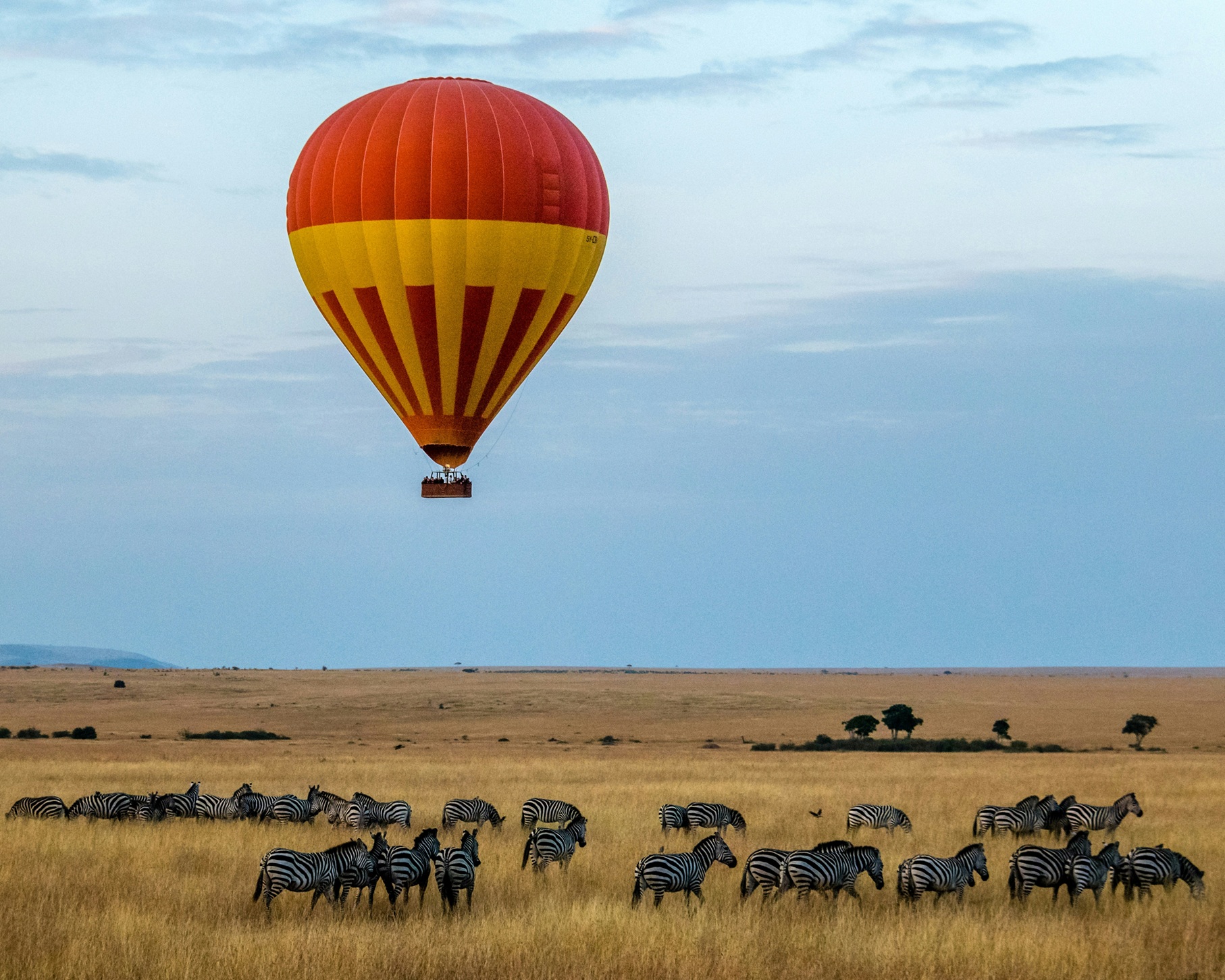
Masai Mara National Reserve
A practical, scroll-friendly guide to wildlife, birds, and signature plants — plus a map to help you pick gates, airstrips, and the best “base areas” for your safari days.
▶ Table of contents
Quick facts
Seasons & month planner
Choose your travel month
Masai Mara is excellent year-round. Dry months typically give easier viewing and road conditions. Migration timing varies by rainfall, but July–October is the classic peak window.
Mara “base areas” cheat sheet
Use this to match your stay to your priorities (cats, crossings, fewer crowds).
Convenient entry for many lodges/camps. Great general game and classic plains driving.
Often strong predator potential around marshy areas and riverine edges.
Huge skies and strong wildlife. A smart pick if you want more space and river focus.
Best place to “be near the action” in migration months—still unpredictable, but this is where it happens.
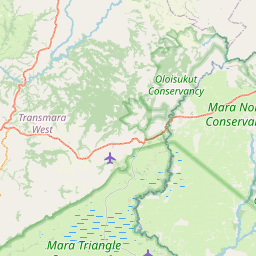
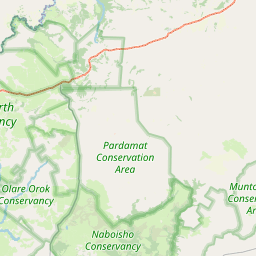
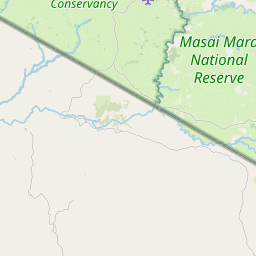
Map (key gates, airstrips & hotspots)




25 Common Animals (non-birds)

African bush elephant
Mara’s heavyweight icon—often in family groups crossing the plains and riverine edges.
▶ More info
- How to identify: Huge grey body, trunk, tusks; family groups with calves.
- Male vs female: Males are larger with thicker heads and (often) bigger tusks; females smaller in family groups.
- What it eats: Browsers and grazers: leaves, bark, grasses; drinks regularly.
- Where to find it: Throughout; often near riverine trees and waterholes
- Unique: Elephants reshape habitats—pushing trees and opening woodland.

Lion
The Mara is famous for lions—often seen resting in shade or scanning from small rises.
▶ More info
- How to identify: Large cat; pride structure; males may have manes.
- Male vs female: Males larger; many have manes (size varies). Females are sleeker and do most hunting.
- What it eats: Carnivore: wildebeest, zebra, gazelles; also scavenges.
- Where to find it: Plains and around prey concentrations; early/late hours are best
- Unique: Look for vultures circling—often hints at predator activity nearby.

Leopard
Elusive and elegant—most likely near riverine trees, thicker cover, and marsh edges.
▶ More info
- How to identify: Rosette coat; long tail; often in trees or dense shade.
- Male vs female: Males larger with broader heads; females smaller and more agile.
- What it eats: Carnivore: gazelles, impala, birds; often hoists prey into trees.
- Where to find it: Riverine zones and thickets (especially early morning/late afternoon)
- Unique: Listen for alarm calls from baboons and birds.

Cheetah
Speed specialist of open plains—classic Mara sighting on termite mounds scanning for prey.
▶ More info
- How to identify: Slim build; black ‘tear lines’; long tail for balance.
- Male vs female: Males may form coalitions; females often solitary with cubs.
- What it eats: Carnivore: small to medium antelope (often gazelles).
- Where to find it: Open grassland and lightly wooded plains
- Unique: Prefers visibility—best spotted in open areas and short grass.

Spotted hyena
Powerful hunter and scavenger—often seen at dawn and dusk or near kills.
▶ More info
- How to identify: Sloping back; spotted coat; loping gait; strong jaws.
- Male vs female: Females are larger and dominant; males smaller.
- What it eats: Carnivore/scavenger: antelope, carrion.
- Where to find it: Throughout; frequently in open plains and near predator action
- Unique: Highly social clans with complex communication.

African wild dog
Rare and highly social—a ‘drop everything’ sighting if you find a moving pack.
▶ More info
- How to identify: Mottled coat; large rounded ears; fast-moving pack.
- Male vs female: Males and females similar; packs have a dominant breeding pair.
- What it eats: Carnivore: cooperative pack hunter.
- Where to find it: Wide-ranging and unpredictable; sightings are rare
- Unique: Often hunts in daylight; success rates can be very high.

African buffalo
Dense herds and tough attitudes—buffalo are a classic Mara ‘big five’ animal.
▶ More info
- How to identify: Dark heavy body; sweeping horns; big herds with calves.
- Male vs female: Males heavier with larger horn boss; females smaller boss.
- What it eats: Grazers: grasses; needs regular water.
- Where to find it: Plains and near water; often in large herds
- Unique: Keep respectful distance—herds can be defensive.

Black rhinoceros
A rare, special sighting—rhino exists but is not an everyday animal here.
▶ More info
- How to identify: More compact than white rhino; hooked lip; often browsing shrubs.
- Male vs female: Males generally larger; females smaller.
- What it eats: Browsers: leaves and shoots; hooked upper lip.
- Where to find it: Localized; often in thicker bush or protected zones
- Unique: Treat it as a bonus—never assume you’ll see rhino on a short trip.

Hippopotamus
Daytime river resident—look for big pods in deeper pools along the Mara River system.
▶ More info
- How to identify: Huge barrel body; nostrils/eyes above water; yawning displays.
- Male vs female: Males larger with broader heads; females smaller.
- What it eats: Grazers (mostly at night): short grass.
- Where to find it: Rivers and permanent pools
- Unique: Very dangerous on foot—keep distance, especially near water.

Nile crocodile
Ambush predator of the rivers—often seen basking on banks or floating like logs.
▶ More info
- How to identify: Armored body; long snout; often motionless at water edge.
- Male vs female: Males generally larger; females smaller.
- What it eats: Fish, birds, mammals; opportunistic.
- Where to find it: Rivers and pools (especially Mara River)
- Unique: In migration months, watch banks carefully—crocodiles are part of the river drama.

Masai giraffe
The Mara’s tall browser—often seen in small groups, especially near acacia trees.
▶ More info
- How to identify: Very long neck; patchy coat; ossicones on head.
- Male vs female: Males larger with thicker ossicones; females slimmer.
- What it eats: Browsers: leaves (often acacias), shoots.
- Where to find it: Wooded savanna and edges of plains
- Unique: Uses a long dark tongue to strip thorny branches.

Plains zebra
A constant Mara companion—often mixing with wildebeest for safety and grazing.
▶ More info
- How to identify: Black-and-white stripes; groups with alert posture.
- Male vs female: Males slightly bulkier; females slightly smaller.
- What it eats: Grazers: grasses; often feed in open areas.
- Where to find it: Open plains and near water
- Unique: Stripe patterns are unique to each individual.

Blue wildebeest
The migration engine—plus resident herds. When numbers are high, the plains feel alive.
▶ More info
- How to identify: Sloping back, beard, curved horns; herds in open grass.
- Male vs female: Males heavier; females slightly smaller.
- What it eats: Grazers: grasses; often near water.
- Where to find it: Open plains; especially in migration season
- Unique: Often associates with zebra; massive herds can appear and disappear quickly.

Thomson’s gazelle
Small, fast plains gazelle—often in open short grass where visibility is high.
▶ More info
- How to identify: Tan back; white belly; dark side stripe; small size.
- Male vs female: Males have horns; females usually smaller with shorter horns.
- What it eats: Grazers/browsers depending on season.
- Where to find it: Short-grass plains and open areas
- Unique: Sharp zig-zag sprinting makes it hard for predators to catch.

Grant’s gazelle
A slightly larger gazelle—often near drier plains and edges.
▶ More info
- How to identify: Pale body; prominent white rump patch; larger than Thomson’s.
- Male vs female: Males have longer horns; females smaller.
- What it eats: Browses and grazes; can handle drier conditions.
- Where to find it: Open plains and bushy edges
- Unique: Often stands tall and alert—great ‘scan for predators’ indicator.

Topi
Long-faced antelope that often stands on termite mounds—easy to recognize at distance.
▶ More info
- How to identify: Rich reddish coat with darker shoulders; tall stance.
- Male vs female: Males and females similar; males a bit heavier.
- What it eats: Grazers: grasses.
- Where to find it: Open plains and slightly wetter grassland
- Unique: Termite-mound ‘lookout’ behavior makes them very visible.

Coke’s hartebeest
High-shouldered, long-faced antelope—often in small groups on open grass.
▶ More info
- How to identify: Sloped back; long narrow face; ringed horns.
- Male vs female: Males slightly larger with thicker horns.
- What it eats: Grazers: grasses.
- Where to find it: Open plains and gentle slopes
- Unique: Often pauses to stare—helpful for photo opportunities.

Common eland
Africa’s biggest antelope—heavy-bodied and surprisingly agile.
▶ More info
- How to identify: Very large antelope; faint stripes; slight shoulder hump.
- Male vs female: Males larger; may show thicker neck dewlap and more robust build.
- What it eats: Browsers and grazers depending on season.
- Where to find it: Plains and bushy edges; sightings can be patchy
- Unique: Despite size, can jump very well.

Impala
A key prey species—where there are impala, predators often follow.
▶ More info
- How to identify: Reddish-tan coat; black tail stripe; males with curved horns.
- Male vs female: Males have lyre-shaped horns; females are hornless.
- What it eats: Mixed feeder: grasses and browse depending on season.
- Where to find it: Throughout; especially near woodland edges
- Unique: Can leap high and far—classic ‘springing’ escape.

Common warthog
Comic-looking pig with tusks—often seen kneeling to graze in short grass.
▶ More info
- How to identify: Stocky body; facial warts; tail held upright when running.
- Male vs female: Males larger with bigger tusks and facial ‘warts’.
- What it eats: Grazers/rooters: short grass, bulbs, roots.
- Where to find it: Open plains and near tracks (also around camps)
- Unique: Uses burrows (often aardvark holes) for shelter.

Olive baboon
Intelligent and bold—often near riverine zones and busy picnic areas.
▶ More info
- How to identify: Dog-like muzzle; big troops; confident posture.
- Male vs female: Males larger with bigger canines; females smaller.
- What it eats: Omnivore: fruits, roots, insects; opportunistic.
- Where to find it: Throughout; especially river edges and near lodges
- Unique: Alarm calls can reveal nearby predators.

Vervet monkey
Clever and curious—fun to watch, but keep food secured.
▶ More info
- How to identify: Grey fur; black face; long tail; active groups.
- Male vs female: Males larger; coloration visible up close.
- What it eats: Omnivore: fruits, seeds, insects; opportunistic around people.
- Where to find it: Riverine trees, lodges, picnic areas
- Unique: Very good at finding unattended snacks—don’t feed them.

Serval
A marsh-edge cat—if you’re lucky, you’ll see it hunting rodents in taller grass.
▶ More info
- How to identify: Tall ears; golden coat with black spots/stripes; long legs.
- Male vs female: Males slightly larger; females smaller.
- What it eats: Carnivore: rodents, birds, small prey.
- Where to find it: Marshy zones and wetter grassland (often early/late)
- Unique: Excellent hearing—often ‘pounces’ into grass to catch prey.

Black-backed jackal
Mara’s opportunist—often near kills, following big cats at a respectful distance.
▶ More info
- How to identify: Black ‘saddle’ on back; pointed muzzle; alert stance.
- Male vs female: Males slightly larger.
- What it eats: Omnivore/scavenger: small animals, carrion, insects.
- Where to find it: Open plains and near predator action
- Unique: Watch their behavior—jackals can hint at nearby predators.

Bat-eared fox
A small fox with huge ears—often active in cooler hours on open short grass.
▶ More info
- How to identify: Very large ears; small body; pale coat; low trot.
- Male vs female: Males and females similar.
- What it eats: Insects (especially termites), small prey.
- Where to find it: Short-grass plains and open areas
- Unique: Ears help detect insects underground—an excellent ‘micro-safari’ animal.
Top 10 Birds

Lilac-breasted roller
One of the most photogenic safari birds—often perches on roadside branches.
▶ More info
- How to identify: Bright lilac breast, turquoise wings, chestnut back.
- Male vs female: Males and females similar.
- What it eats: Insects and small reptiles.
- Where to find it: Open woodland and savanna throughout
- Unique: Performs acrobatic ‘rolling’ display flights.

Secretarybird
Long-legged hunter that walks the grasslands—famous for snake hunting.
▶ More info
- How to identify: Very long legs; crest feathers; walks rather than flies.
- Male vs female: Males and females similar.
- What it eats: Snakes, lizards, insects, small mammals.
- Where to find it: Open grassland and savanna
- Unique: Kills prey with powerful stomping kicks.

Grey crowned crane
Elegant crane with a golden crown—often in wetter grassland and marsh edges.
▶ More info
- How to identify: Golden crown; grey body; white wing patches in flight.
- Male vs female: Males and females similar.
- What it eats: Seeds, insects, small animals.
- Where to find it: Wet areas, marsh edges, open grassland near water
- Unique: One of Africa’s most iconic ‘crowned’ birds.

Kori bustard
Huge ground bird of open plains—often seen walking slowly and feeding.
▶ More info
- How to identify: Very large bird; slow deliberate walk; cryptic buff pattern.
- Male vs female: Males much larger than females.
- What it eats: Omnivore: insects, seeds, small animals.
- Where to find it: Open grassland and plains
- Unique: One of the heaviest flying birds.

African fish eagle
Iconic call of African waterways—watch for it above rivers and pools.
▶ More info
- How to identify: White head and chest; dark body; yellow beak.
- Male vs female: Females larger than males.
- What it eats: Fish, waterbirds, carrion.
- Where to find it: Mara River and waterholes
- Unique: Often steals fish from other birds.

Martial eagle
Powerhouse raptor—often perched high scanning open plains for prey.
▶ More info
- How to identify: Large eagle; pale underside with spots; strong beak.
- Male vs female: Females larger.
- What it eats: Medium mammals and birds.
- Where to find it: Open woodland and savanna
- Unique: Can take surprisingly large prey.

Bateleur
Short-tailed eagle with rocking flight—often seen gliding above plains.
▶ More info
- How to identify: Short tail; black body; chestnut shoulders; dramatic rocking flight.
- Male vs female: Females slightly larger; plumage similar.
- What it eats: Carrion and small animals.
- Where to find it: Woodlands and open areas
- Unique: Often among the first raptors at carcasses.

Saddle-billed stork
Striking stork with bold bill colors—a prized river/lake sighting.
▶ More info
- How to identify: Very tall; black-and-white body; red/black/yellow bill.
- Male vs female: Females often have yellow eyes; males often darker eyes.
- What it eats: Fish, frogs, aquatic animals.
- Where to find it: Rivers, pans, marsh edges
- Unique: Stands motionless, then strikes quickly.

Superb starling
A colorful, confident camp-and-savanna starling—often around lodges and picnic areas.
▶ More info
- How to identify: Metallic blue-green back; orange belly; white chest band.
- Male vs female: Males and females similar.
- What it eats: Insects and fruit.
- Where to find it: Open woodland, camps, picnic spots
- Unique: One of the ‘most photographed’ small birds on safari.

Lappet-faced vulture
Massive vulture—often the dominant bird at a carcass.
▶ More info
- How to identify: Large head; powerful bill; broad wings.
- Male vs female: Males and females similar (females slightly larger).
- What it eats: Carrion.
- Where to find it: Open plains; follow predator activity
- Unique: A key scavenger—important for ecosystem health.
Top 10 Trees & Signature Plants

Whistling thorn
Classic East African savanna acacia—often associated with ants living in its swollen thorns.
▶ More info
- How to identify: Acacia form; swollen thorn bases on many branches.
- Male vs female: —
- What it eats: —
- Where to find it: Savanna plains and open woodland
- Unique: Mutualism with ants helps defend the tree from browsers.

Umbrella thorn acacia
The iconic ‘umbrella’ silhouette tree—defines classic safari landscapes.
▶ More info
- How to identify: Flat-topped umbrella canopy; thorny branches.
- Male vs female: —
- What it eats: —
- Where to find it: Open plains and savanna
- Unique: A favorite shade tree—great for photos at sunrise/sunset.

Sycamore fig
Big riverine fig that attracts birds and mammals when fruiting.
▶ More info
- How to identify: Broad crown; fig fruits; often huge trunks near water.
- Male vs female: —
- What it eats: —
- Where to find it: Along rivers and wetter drainage lines
- Unique: Figs are a crucial wildlife food source during dry periods.

Sausage tree
Known for heavy ‘sausage’ fruits hanging from long stalks.
▶ More info
- How to identify: Large hanging fruits; showy flowers (seasonal).
- Male vs female: —
- What it eats: —
- Where to find it: Riverine areas and damp ground
- Unique: Fruits are heavy—avoid standing directly beneath in fruiting season.

Fever tree
Bright yellow-green bark makes it glow in late afternoon light—often near wet areas.
▶ More info
- How to identify: Smooth yellow-green bark; thorns; often near water.
- Male vs female: —
- What it eats: —
- Where to find it: Wet areas and river edges
- Unique: The luminous bark stands out beautifully in photos.

African olive
Hardy evergreen tree found in East African landscapes and escarpment areas.
▶ More info
- How to identify: Small leathery leaves; gnarled trunk in older trees.
- Male vs female: —
- What it eats: —
- Where to find it: Wooded slopes, higher ground, and riverine edges
- Unique: Very tough wood; can live for a long time.

Croton
A common East African tree in many landscapes—often seen in mixed woodland zones.
▶ More info
- How to identify: Broad leaves; often a medium-sized tree with dense canopy.
- Male vs female: —
- What it eats: —
- Where to find it: Woodland edges and mixed tree lines
- Unique: Also known for its oil-rich seeds (outside safari context).

Wild date palm
Clumping palm often found near watercourses—adds a ‘river oasis’ feel.
▶ More info
- How to identify: Clumping palms; feather-like fronds.
- Male vs female: —
- What it eats: —
- Where to find it: Riverine zones and wetter patches
- Unique: Creates shade and shelter for birds and small animals.

Red oat grass
A signature savanna grass—turns reddish in parts of the season, shaping the ‘Mara look’.
▶ More info
- How to identify: Tufted grass; reddish tones at times; common on plains.
- Male vs female: —
- What it eats: —
- Where to find it: Open plains and grasslands
- Unique: Key grazing base for herbivores—landscape-defining plant.

Desert date
A hardy savanna tree used by wildlife and people in many East African regions.
▶ More info
- How to identify: Spiny branches; oval leaves; fruits when in season.
- Male vs female: —
- What it eats: —
- Where to find it: Drier savanna edges and mixed woodland
- Unique: Very drought tolerant—survives harsh conditions.
Top 10 Flowers & Bushes

Kenya aloe
Aloes can flower seasonally and attract birds and insects—best after rains and in drier sunny spots.
▶ More info
- How to identify: Succulent rosette; tall flower spikes (seasonal).
- Male vs female: —
- What it eats: —
- Where to find it: Rocky ground and open savanna edges
- Unique: Flowering spikes can be surprisingly tall and vivid.

Klipp dagga
Orange ‘pom-pom’ flower rings on tall stems—often attracts birds and insects.
▶ More info
- How to identify: Tall stems; orange flower whorls; spiky seed heads later.
- Male vs female: —
- What it eats: —
- Where to find it: Edges, disturbed ground, bushveld margins
- Unique: A very noticeable orange accent in the landscape when flowering.
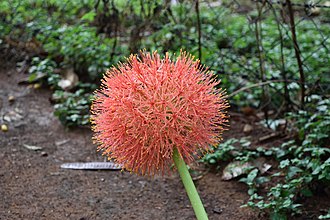
Fireball lily
A dramatic red spherical bloom that appears after rains in shaded areas.
▶ More info
- How to identify: Round ‘pom-pom’ bloom on a single stalk.
- Male vs female: —
- What it eats: —
- Where to find it: Shaded woodland and riverine edges after good rains
- Unique: One of the most striking ‘after rain’ flowers in Africa.

Sickle bush
Thorny shrub common across savannas—often forms dense patches in some areas.
▶ More info
- How to identify: Thorny branching; distinctive flower spikes in season.
- Male vs female: —
- What it eats: —
- Where to find it: Savanna edges and bushy zones
- Unique: Can create thick cover—useful habitat for smaller animals.

Two-colour raisin
A savanna shrub with small flowers and edible fruits in some Grewia species.
▶ More info
- How to identify: Shrubby form; small leaves; seasonal small flowers/fruits.
- Male vs female: —
- What it eats: —
- Where to find it: Savanna and bushland
- Unique: Grewia fruits are important for birds and small mammals.
African myrrh
Resinous savanna plant—often with distinctive bark and aromatic resin.
▶ More info
- How to identify: Small tree/shrub; often peeling bark; aromatic resin.
- Male vs female: —
- What it eats: —
- Where to find it: Drier bushland and savanna edges
- Unique: Commiphora species are famous for fragrant resins.

Apple of Sodom
A tough shrub with milky sap and distinctive seed pods—often in warmer, drier areas.
▶ More info
- How to identify: Grey-green leaves; milky sap; balloon-like pods.
- Male vs female: —
- What it eats: —
- Where to find it: Dry open ground and disturbed areas
- Unique: Sap can irritate—avoid contact.

Wild hibiscus (group)
Showy hibiscus-like blooms can appear after rains—great for close-up photography.
▶ More info
- How to identify: Large petals; hibiscus shape; highly seasonal.
- Male vs female: —
- What it eats: —
- Where to find it: Edges, drainage lines, disturbed ground
- Unique: Attracts pollinators; excellent macro subject.

Lantana (invasive but common)
Colorful flower clusters—common in many warm regions (often invasive).
▶ More info
- How to identify: Multi-color flower clusters; rough aromatic leaves.
- Male vs female: —
- What it eats: —
- Where to find it: Road edges and disturbed ground
- Unique: Can spread aggressively—often abundant near human-disturbed areas.

Acacia blossom (group)
Puffy yellow/cream blooms attract insects and birds—one of the signature ‘savanna smells’ in bloom periods.
▶ More info
- How to identify: Ball-like flower clusters on thorn trees.
- Male vs female: —
- What it eats: —
- Where to find it: Savanna woodland
- Unique: A key nectar source during bloom periods.
Things to do
Classic sunrise / sunset game drives
The Mara rewards early starts. Predators are often most active in cooler hours, and the light is best for photos.
Great Migration focus days
In peak months (often July–October), you can dedicate 1–2 days to the Mara River corridor. Crossings are unpredictable—plan for patient waiting and treat it as “bonus magic” if it happens.
- Best tactic: stay closer to river areas and add nights
- Reality: herds can be nearby without crossing that day
Hot air balloon safari
A bucket-list view of the plains at sunrise. If you do it, keep the same day’s afternoon drive short—balloon mornings start very early.
Walking & community experiences
Walking inside the core reserve is typically restricted. Many walking experiences happen in nearby conservancies / community areas (rules vary), often paired with cultural visits.
Big Five (Mara)
Lion, leopard, elephant and buffalo are commonly seen. Rhino exists but can be much harder—treat it as a special bonus sighting.
FAQ
Best time to visit Masai Mara?
For easiest viewing and road conditions, the drier months (roughly June–October) are usually best. For migration herds, the classic peak is roughly July–October (timing varies by rainfall). The greener months can be stunning for photography and birds, with fewer crowds—expect rain in March–May and shorter showers in November–December.
Where should I base myself?
If you want easy access and lots of lodge options, base near Talek/Sekenani. If you want fewer crowds, consider the Mara Triangle. If you’re chasing the migration, stay closer to the Mara River corridor and add nights.
Is Masai Mara a malaria area?
Yes—parts of the Mara region can have malaria risk. Risk varies by season and location, so check current medical advice before travel and use mosquito precautions (repellent, long sleeves at dusk, screened rooms).
- Mount Kenya National Park Guide: Routes, Map & Lenana (2026 Guide)
- Etosha National Park Guide (2026): Best Time & Map
- Hidden Gem Hotels in Botswana: 10 Underrated Stays
- Okavango Delta Guide: Best Time, Map & Safaris (2026 Guide)
- Hidden Gem Hotels in Namibia: 10 Underrated Stays
Share your experiences in the comments!
Leave a Reply