
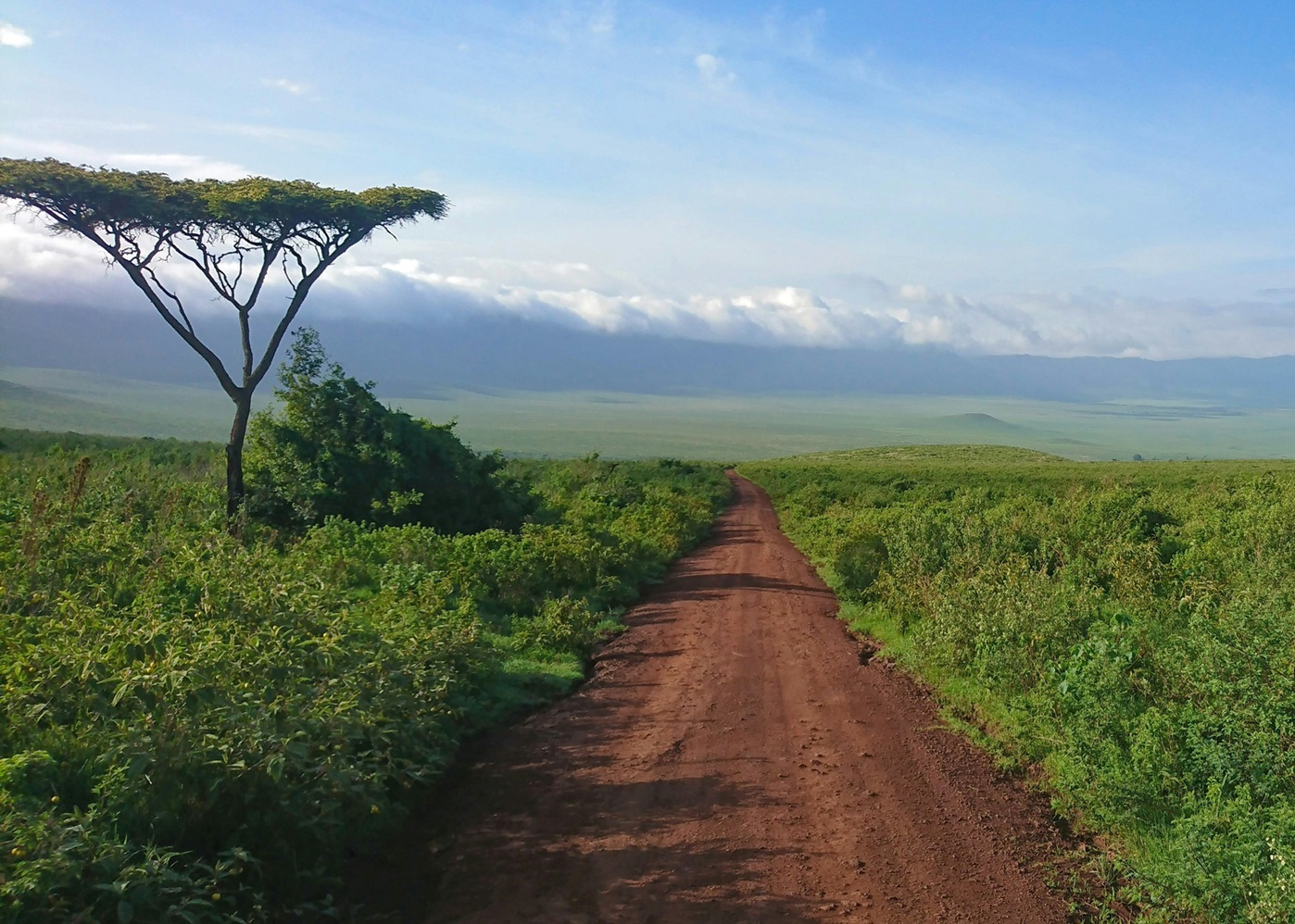
Ngorongoro Crater
A practical guide to Tanzania’s most famous caldera: when to go, how access works, what you’re likely to see on the crater floor, and hand-picked SafariBookings tours for the Northern Circuit.
▶ Table of contents
Quick facts
Seasons & month planner
Choose your travel month
The crater offers strong wildlife viewing year-round. Dry months (Jun–Oct) are easiest for visibility and road conditions; wet months (Nov–May) are greener with great birding and occasional mist on the rim.
Ngorongoro zones cheat sheet
Pick your base and add-ons based on what you want beyond the crater drive.
Open short-grass plains, swamps and soda lake. Big cats, hyena, zebra/wildebeest and (with luck) black rhino.
Cooler and often misty. Great viewpoints and forest edges; leopards are more likely here than on the open floor.
Most affordable lodging cluster between Lake Manyara and Ngorongoro. Great for 1–2 nights and flexible routing.
Add Olduvai/Oldupai museum or a Maasai cultural visit on transfer days to/from Serengeti.
SafariBookings tours (hand-picked)
Top tour ideas (mix of budgets & lengths)
These are examples from SafariBookings to help you benchmark itineraries. Prices and availability change—always re-check inclusions (park fees, flights, lodge level, private vs shared vehicle).
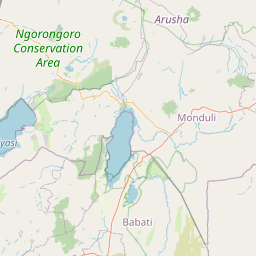
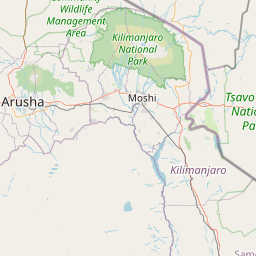
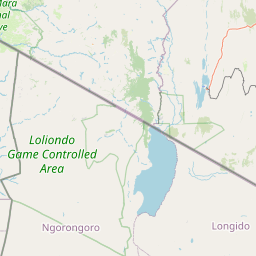
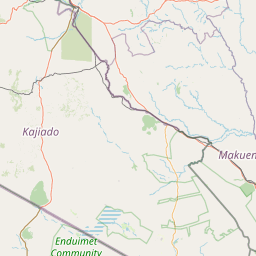
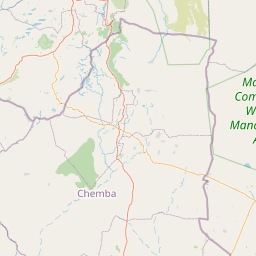
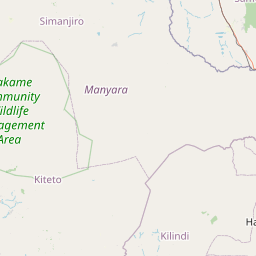
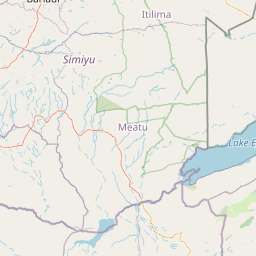
Map (gates, viewpoints & reference points)


25 Common Animals (Ngorongoro Crater)

Lion
Crater prides are a headline attraction — look for them on open plains and near herds.
▶ More info
- How to identify: Large cat; males with mane; prides often resting in shade.
- Male vs female: Males larger with mane; females do most hunting.
- What it eats: Large prey (zebra, wildebeest, buffalo), scavenging when needed.
- Where to find it: Open plains, swamps edges and near large herbivore herds.
- Unique: Early starts help: lions are often active in the cool hours.

Black rhinoceros
One of the best chances in Tanzania to see black rhino — usually at distance.
▶ More info
- How to identify: Hooked upper lip; often seen alone; keep a respectful distance.
- Male vs female: Males often larger; both sexes have two horns.
- What it eats: Browser: shrubs and small trees.
- Where to find it: Open grasslands and around the soda lake area; depends on day and luck.
- Unique: Bring binoculars — rhinos can be far across the plains.

African bush elephant
The crater is known for big old bulls; some spend time around Lerai woodland.
▶ More info
- How to identify: Large grey body, trunk, tusks; relaxed bulls can be very close.
- Male vs female: Males larger; females usually in family groups outside/around the crater.
- What it eats: Browse + graze; needs regular water.
- Where to find it: Lerai Forest and swampy areas; bulls often roam alone.
- Unique: Old ‘tusker’ bulls are a classic Ngorongoro highlight.

Cape buffalo
Big herds on the plains — and a key reason predators do so well here.
▶ More info
- How to identify: Dark, stocky; wide horns; often in large groups.
- Male vs female: Males have heavier horn bosses.
- What it eats: Grazer: grasses.
- Where to find it: Open grasslands and near water.
- Unique: Buffalo herds can trigger predator movement.

Spotted hyena
The crater has a strong hyena presence; you’ll likely see them daily.
▶ More info
- How to identify: Sloping back; spotted coat; ‘whoop’ calls.
- Male vs female: Females larger and dominant.
- What it eats: Scavenger and hunter; powerful bone-crushing jaws.
- Where to find it: Everywhere — often trotting across plains and around kills.
- Unique: Watch interactions at kills — hyenas are not just scavengers.

Leopard
More luck-based inside the crater; better odds around rim forests and woodland edges.
▶ More info
- How to identify: Rosette coat; often in trees or deep shade.
- Male vs female: Males larger; females smaller.
- What it eats: Antelope, smaller mammals and birds.
- Where to find it: Rim forest / Lerai woodland edges; early morning is best.
- Unique: Ask your guide to check forest edges quietly at first light.

Cheetah
Open plains suit cheetah — sightings are possible but not guaranteed.
▶ More info
- How to identify: Slender build; tear marks on face.
- Male vs female: Males may form coalitions; females solitary with cubs.
- What it eats: Medium antelope (gazelles) and smaller prey.
- Where to find it: Short-grass plains.
- Unique: Longer scanning stops can pay off — cheetahs blend into grass.

Hippopotamus
Expect hippos at springs and pools (often at the picnic stop).
▶ More info
- How to identify: Eyes/ears above water; yawns show large canines.
- Male vs female: Males larger; territorial in water.
- What it eats: Grazer at night.
- Where to find it: Ngoitokitok Springs and other wetlands.
- Unique: Keep distance — hippos are dangerous if surprised.

Nile crocodile
Occasional in wetter spots; more likely in rivers outside the crater.
▶ More info
- How to identify: Armoured scales; basks on banks.
- Male vs female: Males larger.
- What it eats: Fish, birds and mammals.
- Where to find it: Wetlands and streams (rare on the open floor).
- Unique: Most crater wildlife is on open plains—croc sightings are less predictable.

Plains zebra (Grant’s zebra)
Large herds are a constant feature and a key prey base for predators.
▶ More info
- How to identify: Bold stripes; often with wildebeest.
- Male vs female: Sexes similar; family groups common.
- What it eats: Grazer: grasses.
- Where to find it: Open plains.
- Unique: Herds often gather near short grass and water.

Blue wildebeest
One of the crater’s most abundant grazers; constant movement across plains.
▶ More info
- How to identify: Bearded face; loud grunts; sloping shoulders.
- Male vs female: Males slightly larger; both have curved horns.
- What it eats: Grazer: grasses.
- Where to find it: Open grasslands.
- Unique: Their density helps sustain high predator numbers.

Thomson’s gazelle
Small, fast gazelles on the short-grass plains.
▶ More info
- How to identify: Black side stripe; white belly; small size.
- Male vs female: Males have longer horns; females smaller horns.
- What it eats: Grazer/browse mix.
- Where to find it: Short-grass areas.
- Unique: Often mixed with zebra/wildebeest in open areas.

Grant’s gazelle
Larger gazelle species, often on more open, drier patches.
▶ More info
- How to identify: Larger than Thomson’s; pale coat; long horns.
- Male vs female: Males have longer horns.
- What it eats: Browses and grazes; can go longer without water.
- Where to find it: Open plains and gentle slopes.
- Unique: Often seen in smaller groups than wildebeest/zebra.

Eland
Africa’s largest antelope — occasional in the crater system and nearby highlands.
▶ More info
- How to identify: Massive antelope; dewlap; faint stripes.
- Male vs female: Males larger with thicker necks and heavier horns.
- What it eats: Browse and graze.
- Where to find it: Edges, woodlands and broader NCA.
- Unique: A special sighting if you find them in the crater landscape.

Hartebeest (Coke’s hartebeest)
Often seen on open plains; distinctive sloping back and long face.
▶ More info
- How to identify: Long narrow face; high shoulders.
- Male vs female: Sexes similar; males slightly larger.
- What it eats: Grazer.
- Where to find it: Open grasslands.
- Unique: Often stands alert on slight rises.

Warthog
Frequently seen trotting with tails up; common around short grass.
▶ More info
- How to identify: Tusked face; kneels to graze.
- Male vs female: Males larger with bigger tusks and facial warts.
- What it eats: Grazer and rooter.
- Where to find it: Grasslands and around marsh edges.
- Unique: Often near burrows and termite mounds.

African jackal (black-backed jackal)
Alert scavenger-predator; often seen around the plains and road edges.
▶ More info
- How to identify: Black saddle on back; upright ears.
- Male vs female: Sexes similar.
- What it eats: Omnivore: small prey, carrion, insects.
- Where to find it: Open plains; near carcasses.
- Unique: They are masters at ‘being there’ first at small carcasses.

Bat-eared fox
A lucky daytime find on open plains; best in quieter corners.
▶ More info
- How to identify: Huge ears; small fox body.
- Male vs female: Sexes similar.
- What it eats: Mostly insects (especially termites).
- Where to find it: Open grasslands.
- Unique: Ears help locate insects underground.

Serval
Tall-eared cat of wetlands and long grass — occasional and exciting.
▶ More info
- How to identify: Long legs; big ears; spotted coat.
- Male vs female: Sexes similar; males slightly larger.
- What it eats: Rodents and birds.
- Where to find it: Swamps and wet grassland edges.
- Unique: Hunts by listening and pouncing in tall grass.

Caracal
Rare; more likely around bushy edges and at dawn/dusk.
▶ More info
- How to identify: Tufted ears; reddish coat.
- Male vs female: Males larger.
- What it eats: Small mammals and birds.
- Where to find it: Edges and mixed habitat.
- Unique: Incredibly athletic jumper.

Olive baboon
Big troops around the rim and picnic sites — keep food secured.
▶ More info
- How to identify: Dog-like muzzle; loud troop calls.
- Male vs female: Males larger with big canines.
- What it eats: Omnivore: fruit, insects, small animals.
- Where to find it: Rim roads, viewpoints, picnic areas.
- Unique: Very opportunistic around vehicles and lunch stops.

Vervet monkey
Often near woodland and picnic areas; very used to vehicles.
▶ More info
- How to identify: Grey coat; black face with pale fringe.
- Male vs female: Males larger.
- What it eats: Fruit, leaves, insects, and human food if accessible.
- Where to find it: Lerai woodland and picnic sites.
- Unique: Secure snacks — they are fast and clever.
Bushbuck
Forest-edge antelope; more likely in rim woodland and thick cover.
▶ More info
- How to identify: Compact antelope; shy; stays close to cover.
- Male vs female: Males darker with small horns; females hornless.
- What it eats: Browser: leaves and shrubs.
- Where to find it: Dense cover and woodland edges.
- Unique: Often seen alone and late in the day.

Waterbuck
Usually close to water and woodland edges (Lerai area).
▶ More info
- How to identify: Shaggy brown coat; white rump ring.
- Male vs female: Males have ridged horns; females hornless.
- What it eats: Grazer.
- Where to find it: Near water and swamp edges.
- Unique: Often in small groups near water.

African reedbuck
A wetland antelope; occasional at swamps and marsh edges.
▶ More info
- How to identify: Grey-brown; white rump; stays near cover.
- Male vs female: Males have short horns.
- What it eats: Grazer.
- Where to find it: Swamps and tall grass.
- Unique: Often seen at dawn/dusk near wetlands.
Top 10 Birds (easy sightings)

Lesser flamingo
Often on the soda lake when conditions are right — a pink horizon line.
▶ More info
- How to identify: Bright pink; large flocks; black bill tip.
- Male vs female: Sexes similar.
- What it eats: Algae and small organisms filtered from water.
- Where to find it: Lake Magadi (seasonal).
- Unique: Numbers vary with water level and food.

Grey crowned crane
A signature wetland bird; often around marshes and open grass.
▶ More info
- How to identify: Golden crown; white cheeks.
- Male vs female: Sexes similar.
- What it eats: Insects, seeds, small animals.
- Where to find it: Swamps and grassland edges.
- Unique: One of Africa’s most photogenic cranes.

Augur buzzard
A classic highland raptor; often perched on poles or soaring above the rim.
▶ More info
- How to identify: Dark upperparts; pale underparts; rufous tail.
- Male vs female: Females larger.
- What it eats: Small mammals and reptiles.
- Where to find it: Crater rim and highlands.
- Unique: Very visible around viewpoints.

African fish eagle
Listen for the famous call near larger water bodies.
▶ More info
- How to identify: White head; chestnut body.
- Male vs female: Females larger.
- What it eats: Fish, waterbirds, carrion.
- Where to find it: Wetlands and pools.
- Unique: Often seen stealing fish.

Yellow-billed stork
Wades in shallow water and marsh edges searching for fish and frogs.
▶ More info
- How to identify: Yellow bill; black-and-white wings.
- Male vs female: Sexes similar.
- What it eats: Fish, amphibians, invertebrates.
- Where to find it: Wetlands on the crater floor.
- Unique: Often seen with herons and egrets.

Sacred ibis
Common around wetlands; distinctive bare black head.
▶ More info
- How to identify: White body; black head and curved bill.
- Male vs female: Sexes similar.
- What it eats: Invertebrates, small fish, carrion.
- Where to find it: Swamps and lakeshore edges.
- Unique: Often in mixed flocks.

African spoonbill
Sweeps its spoon-shaped bill through shallow water for prey.
▶ More info
- How to identify: Long flat spoon bill; white plumage.
- Male vs female: Sexes similar.
- What it eats: Aquatic invertebrates and small fish.
- Where to find it: Shallow wetlands.
- Unique: Feeding method is easy to spot.

Kori bustard
One of the heaviest flying birds; often seen striding through grassland.
▶ More info
- How to identify: Large, brown, long-legged bird.
- Male vs female: Males much larger.
- What it eats: Omnivore: insects, small animals, seeds.
- Where to find it: Open plains.
- Unique: A ‘big tick’ birding sighting.

Secretarybird
A striking hunter on long legs, walking the plains searching for snakes and prey.
▶ More info
- How to identify: Crested head; very long legs.
- Male vs female: Sexes similar.
- What it eats: Snakes, rodents, insects.
- Where to find it: Open grasslands.
- Unique: Famous for stamping prey.

Common ostrich
May be seen on open plains in the broader ecosystem.
▶ More info
- How to identify: Largest bird; cannot fly.
- Male vs female: Males black-and-white; females brown.
- What it eats: Plants, seeds, insects.
- Where to find it: Open plains and savanna outside the crater; occasional within wider NCA.
- Unique: Fast runner and iconic silhouette.
Top 10 Trees & Signature Plants

Yellow fever tree
The bright yellow-green bark stands out in Lerai woodland.
▶ More info
- How to identify: Smooth yellow bark; fine leaves; thorny branches.
- Male vs female: —
- What it eats: —
- Where to find it: Lerai Forest and wetter patches.
- Unique: Photogenic ‘glowing’ bark in late light.

Sycamore fig
Big fig trees provide shade and food for birds and mammals.
▶ More info
- How to identify: Large spreading crown; figs on branches/trunk.
- Male vs female: —
- What it eats: —
- Where to find it: Rivers, streams and woodland edges.
- Unique: Figs are a key wildlife food source.

African olive
Common in East African highlands; gnarled trunks and evergreen leaves.
▶ More info
- How to identify: Evergreen; small leaves; rough bark.
- Male vs female: —
- What it eats: —
- Where to find it: Crater rim and highland forest edges.
- Unique: Often used as perches by raptors.

East African juniper
Highland conifer found in montane zones around the crater highlands.
▶ More info
- How to identify: Conifer form; berry-like cones.
- Male vs female: —
- What it eats: —
- Where to find it: Highlands and montane forest patches.
- Unique: A classic East African highland tree.

Podocarpus
Evergreen conifer of Afromontane forests; part of the rim’s montane mix.
▶ More info
- How to identify: Tall evergreen; narrow leaves.
- Male vs female: —
- What it eats: —
- Where to find it: Montane forest zones around the crater highlands.
- Unique: Important canopy tree in Afromontane forests.

Hagenia
High-altitude Afromontane tree; found in East African highlands.
▶ More info
- How to identify: Large compound leaves; broad crown.
- Male vs female: —
- What it eats: —
- Where to find it: Higher crater highlands and montane zones.
- Unique: An iconic highland species.

Candelabra euphorbia
Distinctive succulent ‘tree’ in drier zones and rocky slopes.
▶ More info
- How to identify: Candelabra form; milky latex.
- Male vs female: —
- What it eats: —
- Where to find it: Drier slopes and edges in the wider region.
- Unique: Latex is irritant—don’t touch.

Whistling thorn
A common East African acacia-like tree, often with ant symbiosis.
▶ More info
- How to identify: Swollen thorns; can ‘whistle’ in wind.
- Male vs female: —
- What it eats: —
- Where to find it: Savanna woodlands around the broader ecosystem.
- Unique: Ants live in the thorns and defend the tree.
African redwood (East African camphor)
A montane forest tree in northern Tanzania; part of the wider highland flora.
▶ More info
- How to identify: Tall forest tree; aromatic leaves.
- Male vs female: —
- What it eats: —
- Where to find it: Montane forest patches (not on the open crater floor).
- Unique: Associated with East African montane forests.

Tree heath
High-altitude shrub/tree that can form heather-like woodland.
▶ More info
- How to identify: Small needle-like leaves; heather form.
- Male vs female: —
- What it eats: —
- Where to find it: Higher crater highlands (cooler zones).
- Unique: Creates a very different feel from savanna woodland.
Top 10 Flowers & Bushes (seasonal highlights)

Red hot poker
Torch-like flowers in highland grasslands (often after rains).
▶ More info
- How to identify: Tall spikes of red/orange flowers.
- Male vs female: —
- What it eats: —
- Where to find it: Highland grassland edges.
- Unique: Great for pollinators and photos.

African aloe
Aloes can flower in dry months, adding color to rocky areas.
▶ More info
- How to identify: Rosette of succulent leaves; flower spikes.
- Male vs female: —
- What it eats: —
- Where to find it: Rocky slopes and dry patches.
- Unique: Seasonal blooms can be spectacular.

Wild sage
Common highland flowers with aromatic leaves.
▶ More info
- How to identify: Aromatic leaves; purple/blue flowers.
- Male vs female: —
- What it eats: —
- Where to find it: Road edges and grasslands.
- Unique: Attracts insects and birds.

Geranium (cranesbill)
Highland wildflowers that often show up after rains.
▶ More info
- How to identify: Five-petaled flowers; lobed leaves.
- Male vs female: —
- What it eats: —
- Where to find it: Cooler highland zones.
- Unique: Often carpets wetter patches.
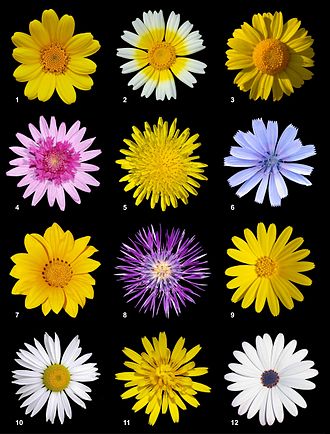
Aster daisies
Daisy-like blooms in grasslands after rainfall.
▶ More info
- How to identify: Daisy form; varied colors.
- Male vs female: —
- What it eats: —
- Where to find it: Grasslands and road verges.
- Unique: Adds color to the green season.

Cape marigold
Bright, open-faced flowers that follow the sun.
▶ More info
- How to identify: Large daisy-like blooms.
- Male vs female: —
- What it eats: —
- Where to find it: Open grassland patches.
- Unique: Most visible in sunny hours.

Wild basil
Aromatic herb-like plants in disturbed ground and edges.
▶ More info
- How to identify: Aromatic leaves; small flowers.
- Male vs female: —
- What it eats: —
- Where to find it: Road edges and clearings.
- Unique: Scent is noticeable when crushed.

African violet (relative)
Moist, shaded areas in highlands can host showy Streptocarpus flowers.
▶ More info
- How to identify: Soft leaves; purple flowers.
- Male vs female: —
- What it eats: —
- Where to find it: Shaded highland forest edges.
- Unique: Prefers moist shade.

Everlasting flowers
Silvery-leaved plants common in African highlands.
▶ More info
- How to identify: Silvery leaves; papery flower heads.
- Male vs female: —
- What it eats: —
- Where to find it: Highland grasslands and slopes.
- Unique: Looks ‘frosted’ in morning light.

Wild flax
Delicate blue flowers can appear in open highland grassland.
▶ More info
- How to identify: Small blue flowers; thin stems.
- Male vs female: —
- What it eats: —
- Where to find it: Grasslands and open slopes.
- Unique: Short-lived blooms after rain.
Things to do
1) Full-day crater game drive
Start early for the best light and to beat the convoy. Expect open plains, hippo pools, and predator action near herds.
2) Sunrise viewpoints on the rim
The crater’s classic moment: first light revealing the floor with clouds hanging in the bowl.
3) Olduvai (Oldupai) Gorge museum stop
On the Serengeti transfer route, Olduvai adds real context to the area’s human history (fossils, archaeology, and landscapes).
4) Highland hikes (Olmoti / Empakaai)
If you have an extra day, the smaller nearby craters are quieter and feel completely different from the main crater drive.
5) Cultural visit (Maasai)
A short visit can add depth to your trip—go with a respectful operator and avoid anything that feels staged or pressured.
FAQ
Is Ngorongoro a national park?
No — Ngorongoro sits inside the Ngorongoro Conservation Area (a multi-use protected area). It’s managed differently from Tanzania’s national parks and includes cultural and archaeological sites too.
Can I see the Big Five in one day?
It’s possible. Lions, buffalo, and elephant are frequent; black rhino is one of the main draws. Leopard is more “luck-based” and more often spotted around the rim/forest edges.
Why does the crater feel busy?
Most itineraries funnel into the same descent roads and hotspots. Start early, avoid long stops at the busiest sightings, and ask your guide to focus on quieter corners (forests, swamps, and the far side of Lake Magadi).
What should I pack?
Warm layer for dawn on the rim, sun protection for mid-day on the floor, and rain protection in wetter months. A zoom lens (or binoculars) helps with distant rhino sightings.
How many days do I need?
Most trips do one full crater drive. If you have time, add a second day for Olduvai/Laetoli or a highland hike (Empakaai/Olmoti) for a quieter contrast.
Leave a Reply