
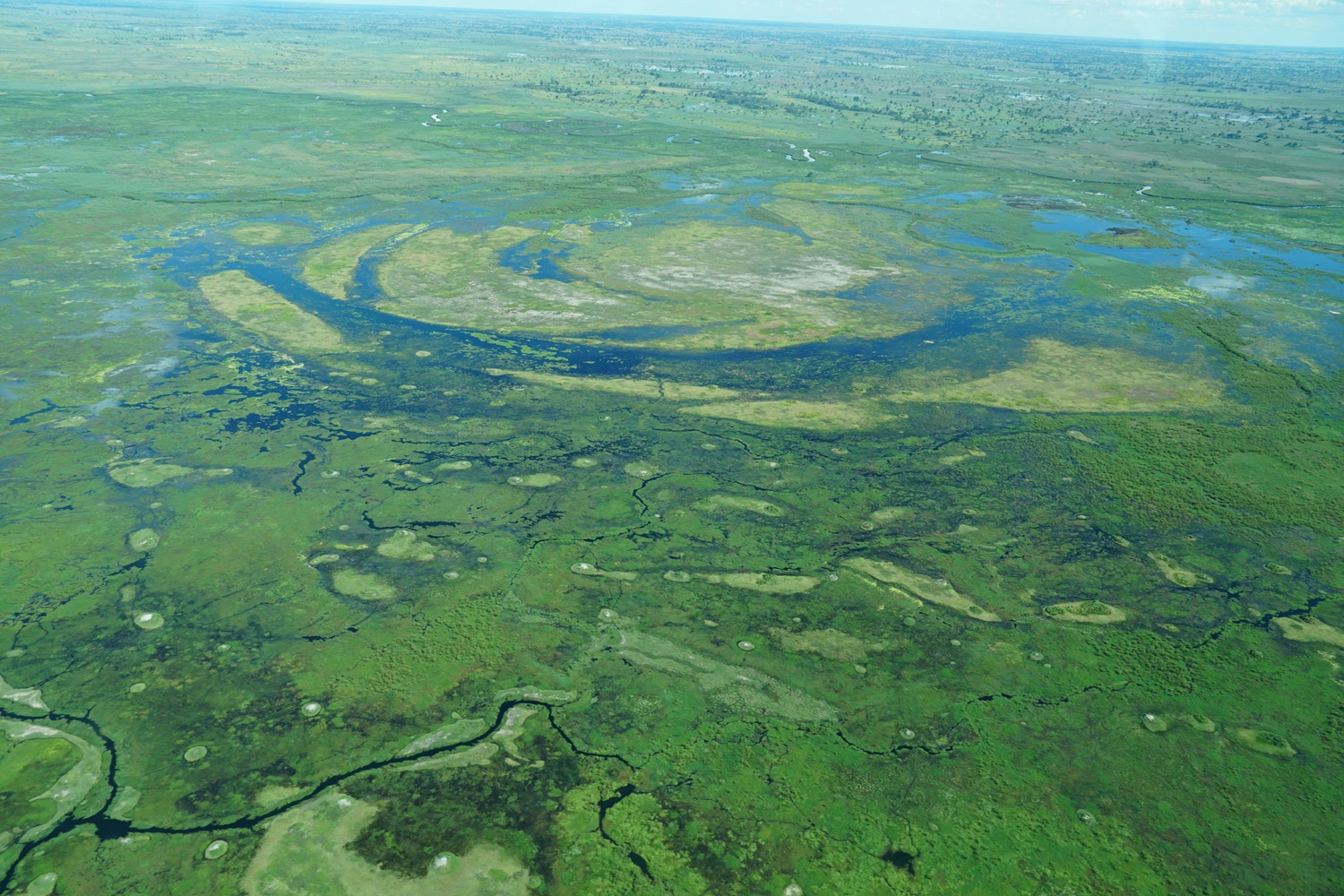
Okavango Delta
A practical guide to Botswana’s iconic inland delta: when the floods arrive, which areas fit your style (Moremi, Khwai, Panhandle, private concessions), what wildlife to expect, and quick SafariBookings tour ideas to compare operators.
▶ Table of contents
Quick facts
Seasons & flood planner
Choose your travel month
The Okavango has two “stories” at once: summer rains (roughly Nov–Mar) and the annual flood pulse arriving from Angola months later (often strongest mid-year). That’s why June–August can feel like peak “water season” even though it’s dry in Botswana.
Okavango areas cheat sheet
Pick your base based on activity permissions and how “wet” you want the experience to feel.
Best for classic Okavango water safaris: mokoro glides, reed channels, kingfishers, and sunset boat cruises.
Mix of floodplains, lagoons and woodlands. Great for game drives with strong predator potential.
Excellent wildlife corridor near Moremi. Many areas allow activities that differ from the reserve (operator-dependent).
Quieter riverine stretch with fantastic birds, papyrus swamps and relaxed boat time.
SafariBookings tours (hand-picked)
Top tour ideas (mix of budgets & lengths)
Okavango pricing varies massively by camp style (mobile, lodge, fly-in). These links are simply a fast way to compare route ideas and operator styles on SafariBookings.
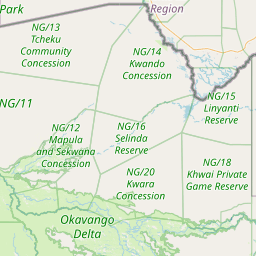
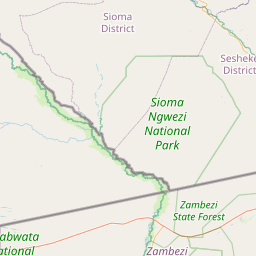
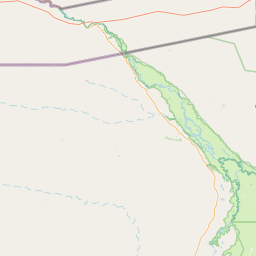
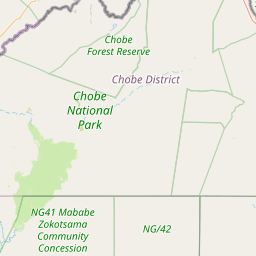
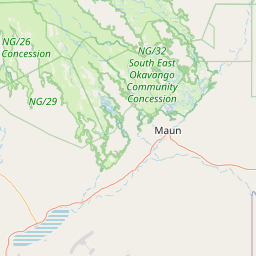
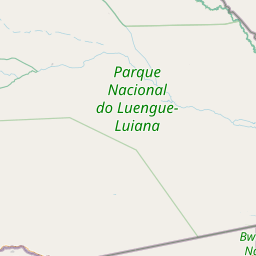
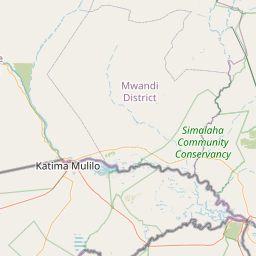
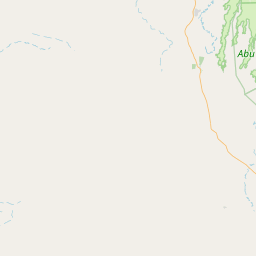
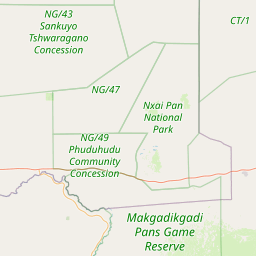
Map (airstrips, Moremi gates & reference points)


25 Common Animals (Okavango Delta)

African bush elephant
Okavango is famous for close elephant encounters — especially along channels and floodplains.
▶ More info
- How to identify: Huge body, trunk and tusks; often crossing water or feeding on islands.
- Male vs female: Males larger; females in family groups.
- What it eats: Browse + graze; needs regular water.
- Where to find it: Floodplains, islands, river edges and woodland.
- Unique: Watching elephants swim is an Okavango classic.

Lion
Strong lion populations around Moremi and Khwai — often seen on game drives.
▶ More info
- How to identify: Large cat; prides resting in shade during heat.
- Male vs female: Males larger with mane; females hunt more.
- What it eats: Large prey (buffalo, zebra, wildebeest).
- Where to find it: Floodplain edges, open grassland, woodland clearings.
- Unique: Ask guides to track early-morning movements along floodplains.

Leopard
Leopards are one of the Okavango’s big draws — especially in woodland-rich areas.
▶ More info
- How to identify: Rosette coat; often in trees or deep shade.
- Male vs female: Males larger; females smaller.
- What it eats: Antelope, smaller mammals and birds.
- Where to find it: Woodlands, big trees, riverine edges.
- Unique: Night drives (where allowed) can increase leopard odds.

African wild dog
A prized sighting — packs roam widely and can be seasonal.
▶ More info
- How to identify: Mottled coat; big round ears; fast-moving pack.
- Male vs female: Pack structure; males/females similar size.
- What it eats: Medium antelope; highly efficient hunters.
- Where to find it: Open woodland and floodplain edges; wide-ranging.
- Unique: If you find them, stay with them — action can happen quickly.

Spotted hyena
Often seen trotting between areas or waiting for scavenging opportunities.
▶ More info
- How to identify: Sloping back; spotted coat; ‘whoop’ calls.
- Male vs female: Females larger and dominant.
- What it eats: Hunter and scavenger.
- Where to find it: Everywhere, often near kills.
- Unique: Hyenas are often active at dusk and dawn.

Cheetah
Less common than in open plains parks, but possible in drier edges and open floodplains.
▶ More info
- How to identify: Slim body; tear marks on face.
- Male vs female: Males may form coalitions.
- What it eats: Medium/small antelope.
- Where to find it: Open floodplains and savanna edges.
- Unique: More likely where there’s open running space.

Cape buffalo
Buffalo herds are key prey for lions and often gather in productive floodplains.
▶ More info
- How to identify: Dark, stocky; wide horns; large herds.
- Male vs female: Males heavier horn bosses.
- What it eats: Grazer.
- Where to find it: Floodplains and woodland edges.
- Unique: Buffalo can be unpredictable — keep distance.

Hippopotamus
Hippos define the delta soundscape: grunts, splashes, and big yawns.
▶ More info
- How to identify: Eyes/ears above water; big yawns show canines.
- Male vs female: Males larger; territorial in water.
- What it eats: Grazer at night.
- Where to find it: Channels, lagoons, permanent water.
- Unique: Boat and mokoro trips often pass close — listen to guides.

Nile crocodile
Often seen basking on banks or floating like logs near reeds.
▶ More info
- How to identify: Armoured scales; basks on banks; eyes above water.
- Male vs female: Males larger.
- What it eats: Fish, birds and mammals.
- Where to find it: Channels, lagoons and river edges.
- Unique: Look for them at sharp channel bends and shallow sandbanks.

Giraffe
Giraffes browse on acacias and woodland trees — often seen on drier islands and edges.
▶ More info
- How to identify: Tallest mammal; long neck; patterned coat.
- Male vs female: Males larger with thicker ossicones.
- What it eats: Browser: leaves, especially acacias.
- Where to find it: Woodland and savanna edges.
- Unique: Great golden-hour silhouettes.

Plains zebra
Often seen with wildebeest and other grazers in floodplain areas.
▶ More info
- How to identify: Bold stripes; often in mixed herds.
- Male vs female: Sexes similar; family groups.
- What it eats: Grazer.
- Where to find it: Open floodplains and grasslands.
- Unique: Large herds can trigger predator activity.

Blue wildebeest
Wildebeest are common in productive grazing areas and floodplain edges.
▶ More info
- How to identify: Bearded face; sloping shoulders; grunts.
- Male vs female: Males slightly larger; both have horns.
- What it eats: Grazer.
- Where to find it: Open grasslands and floodplains.
- Unique: Often travel with zebra.

Impala
One of the most common antelope — expect daily sightings.
▶ More info
- How to identify: Reddish coat; black tail stripe; graceful leaps.
- Male vs female: Males have lyre-shaped horns; females hornless.
- What it eats: Grazer/browser mix.
- Where to find it: Woodland edges, floodplain margins.
- Unique: Alarm calls often reveal predators nearby.

Red lechwe
A delta specialist antelope — built for wet floodplains.
▶ More info
- How to identify: Reddish coat; often wading; splayed hooves.
- Male vs female: Males have horns; females hornless.
- What it eats: Grazer.
- Where to find it: Shallow floodplains and marsh edges.
- Unique: One of the animals that ‘looks most at home’ in water.

Sitatunga
The classic secretive swamp antelope — possible but often elusive.
▶ More info
- How to identify: Shaggy coat; long hooves; stays close to dense swamp cover.
- Male vs female: Males have spiral horns; females hornless.
- What it eats: Aquatic plants and reeds.
- Where to find it: Papyrus and reed swamps.
- Unique: A ‘big’ sighting if you get a clear view.

Greater kudu
Elegant antelope in woodlands, sometimes spotted near camp edges.
▶ More info
- How to identify: Vertical stripes; large ears; spiral horns (males).
- Male vs female: Males have long spiral horns.
- What it eats: Browser.
- Where to find it: Woodland and thicket edges.
- Unique: Often more active in cool hours.

Tsessebe
Fast antelope of open plains — often in Moremi and surrounding areas.
▶ More info
- How to identify: Dark face; swept-back horns; fast runners.
- Male vs female: Sexes similar; males slightly larger.
- What it eats: Grazer.
- Where to find it: Open grassland and floodplains.
- Unique: Often stands on termite mounds for visibility.

Sable antelope
A ‘wow’ antelope: dark coat and dramatic curved horns.
▶ More info
- How to identify: Dark coat (males); white facial markings; long curved horns.
- Male vs female: Males darker with heavier horns.
- What it eats: Grazer.
- Where to find it: Woodland and savanna edges.
- Unique: Often a special sighting rather than guaranteed.

Warthog
Often seen trotting with tails up, grazing on open edges.
▶ More info
- How to identify: Tusked face; kneels to graze.
- Male vs female: Males larger with bigger tusks and facial warts.
- What it eats: Grazer and rooter.
- Where to find it: Open grassland, woodland clearings.
- Unique: Watch for them near burrows and termite mounds.

Chacma baboon
Big troops near roads and camps — keep food secured.
▶ More info
- How to identify: Dog-like muzzle; noisy troops.
- Male vs female: Males larger with big canines.
- What it eats: Omnivore.
- Where to find it: Woodlands, camp areas, river edges.
- Unique: Very opportunistic around camps.

Vervet monkey
Often near camp trees and riverine edges.
▶ More info
- How to identify: Grey coat; black face with pale fringe.
- Male vs female: Males larger.
- What it eats: Fruit, leaves, insects.
- Where to find it: Riverine woodland and camp edges.
- Unique: Quick and curious — keep snacks hidden.

Black-backed jackal
Alert scavenger-predator, often seen at dawn or near carcasses.
▶ More info
- How to identify: Black ‘saddle’ on back; upright ears.
- Male vs female: Sexes similar.
- What it eats: Omnivore: small prey, insects, carrion.
- Where to find it: Open areas and road edges.
- Unique: Often the first to investigate a scene.

Honey badger
Tough, fearless mustelid — rare but memorable if spotted.
▶ More info
- How to identify: Black body with grey/white back stripe.
- Male vs female: Males larger.
- What it eats: Omnivore: insects, small animals, honey.
- Where to find it: Woodland and termite-rich areas.
- Unique: Often seen at night; day sightings are lucky.

African civet
Mostly nocturnal — more likely on night drives (where allowed).
▶ More info
- How to identify: Coarse fur; black-and-white pattern; low slung body.
- Male vs female: Sexes similar.
- What it eats: Omnivore.
- Where to find it: Thick cover near water and woodland.
- Unique: Distinct musky scent in territories.

African clawless otter
Occasional on channels and lagoons — a charming water-side sighting.
▶ More info
- How to identify: Large otter; often seen swimming or foraging in shallows.
- Male vs female: Sexes similar.
- What it eats: Crabs, fish and aquatic prey.
- Where to find it: Water edges, reeds, lagoons.
- Unique: Quiet mornings on boat can reveal otters.
Top 10 Birds (easy sightings)

African fish eagle
The Okavango soundtrack: the ringing call over open water.
▶ More info
- How to identify: White head; chestnut body; loud call.
- Male vs female: Females larger.
- What it eats: Fish, waterbirds, carrion.
- Where to find it: Water edges and big trees near channels.
- Unique: Often seen snatching fish right in front of boats.

Malachite kingfisher
Tiny electric-blue gem hovering over reeds before diving.
▶ More info
- How to identify: Bright blue back; orange belly; short tail.
- Male vs female: Sexes similar.
- What it eats: Small fish and aquatic insects.
- Where to find it: Reeds and calm water channels.
- Unique: Often perches low over water.

Pied kingfisher
Black-and-white hover-hunting kingfisher — very easy to spot.
▶ More info
- How to identify: Hovers then dives; bold black-and-white pattern.
- Male vs female: Males have double chest band.
- What it eats: Fish.
- Where to find it: Open water and lagoons.
- Unique: One of the most ‘active’ birds to watch.

African jacana
Walks on lily pads with comically long toes.
▶ More info
- How to identify: Chestnut body; long toes; often near water lilies.
- Male vs female: Females larger; males incubate eggs.
- What it eats: Insects and aquatic invertebrates.
- Where to find it: Floating vegetation on lagoons.
- Unique: A perfect ‘Okavango’ bird moment.

Saddle-billed stork
Massive stork with a vivid bill; a top photo target.
▶ More info
- How to identify: Huge; black-and-white; red/black bill with yellow ‘saddle’.
- Male vs female: Females often yellow eye; males dark eye.
- What it eats: Fish, frogs and aquatic prey.
- Where to find it: Shallow floodplains and marsh edges.
- Unique: Often stands perfectly still like a statue.

Wattled crane
A special wetland species — sightings depend on area and season.
▶ More info
- How to identify: Large grey crane with facial wattles.
- Male vs female: Sexes similar.
- What it eats: Tubers, insects, small aquatic prey.
- Where to find it: Floodplains and marshes.
- Unique: Often a ‘lifebird’ for many visitors.

African openbill
Stork with a distinctive ‘gap’ in the bill, often feeding on snails.
▶ More info
- How to identify: Gap between bill tips when closed.
- Male vs female: Sexes similar.
- What it eats: Snails and aquatic prey.
- Where to find it: Wetlands and flooded grass.
- Unique: Often in small feeding flocks.

Slaty egret
A sought-after Okavango bird; subtle grey tones and yellow feet.
▶ More info
- How to identify: Grey body; bright yellow feet.
- Male vs female: Sexes similar.
- What it eats: Fish and aquatic prey.
- Where to find it: Shallow floodplains.
- Unique: A real ‘Okavango specialty’ if you spot it.

African pygmy goose
Small, colorful duck often seen near water lilies.
▶ More info
- How to identify: Tiny duck; often near lilies.
- Male vs female: Males more colorful.
- What it eats: Seeds and aquatic plants.
- Where to find it: Lagoons with floating vegetation.
- Unique: Pairs often stick close together.

Southern ground hornbill
Big terrestrial hornbill; more likely in drier woodland areas.
▶ More info
- How to identify: Large black bird; heavy bill; walks on ground.
- Male vs female: Males have red throat patch; females partly blue.
- What it eats: Insects, small animals.
- Where to find it: Woodland and savanna edges.
- Unique: Deep booming calls at dawn.
Top 10 Trees & Signature Plants

Mopane
Classic Botswana woodland tree with ‘butterfly’ leaves.
▶ More info
- How to identify: Two-lobed leaves; often forms mopane scrub.
- Male vs female: —
- What it eats: —
- Where to find it: Woodlands on drier islands and edges.
- Unique: Elephants frequently browse mopane.

Leadwood
Iconic, extremely hard-wood tree; dramatic silhouettes.
▶ More info
- How to identify: Dark fissured bark; sturdy branches.
- Male vs female: —
- What it eats: —
- Where to find it: Woodland and riverine edges.
- Unique: Some leadwoods are centuries old.

Sausage tree
Recognizable by its huge ‘sausage’ fruits hanging from long stems.
▶ More info
- How to identify: Big fruits; often near water.
- Male vs female: —
- What it eats: —
- Where to find it: Riverine woodland and floodplain edges.
- Unique: Great tree to watch for birds and insects.

Jackalberry
Large shade tree common along waterways in southern Africa.
▶ More info
- How to identify: Dark bark; glossy leaves; edible fruits.
- Male vs female: —
- What it eats: —
- Where to find it: Riverine woodland and islands.
- Unique: Animals (and birds) love the fruit when in season.

Sycamore fig
Big spreading fig offering shade and a steady food source.
▶ More info
- How to identify: Large crown; figs on branches/trunk.
- Male vs female: —
- What it eats: —
- Where to find it: Watercourse edges.
- Unique: Figs are a ‘keystone’ food for many species.

Marula
Famous fruit tree; in good years it draws plenty of wildlife interest.
▶ More info
- How to identify: Grey bark; round canopy; fruits when in season.
- Male vs female: —
- What it eats: —
- Where to find it: Woodlands and savanna edges.
- Unique: Elephants are known to seek out fallen marulas.

Knobthorn
Acacia-type tree with distinctive ‘knobs’ on the trunk.
▶ More info
- How to identify: Dark trunk knobs; thorny branches.
- Male vs female: —
- What it eats: —
- Where to find it: Woodlands and savanna.
- Unique: Often used by birds as lookouts.

Ilala palm
Fan palm adding a tropical feel to some delta fringes.
▶ More info
- How to identify: Fan-shaped leaves; stout trunk.
- Male vs female: —
- What it eats: —
- Where to find it: Sandy edges and palm islands in parts of Botswana.
- Unique: Palm clusters can be photogenic at sunset.

Wild date palm
Clumping palm often near water in southern Africa.
▶ More info
- How to identify: Clumping palm; feather-like fronds.
- Male vs female: —
- What it eats: —
- Where to find it: Water edges and riverine zones.
- Unique: Often shelters birds and small mammals.

Papyrus
The iconic delta plant — towering papyrus walls along channels.
▶ More info
- How to identify: Tall stems with umbrella-like heads.
- Male vs female: —
- What it eats: —
- Where to find it: Permanent water channels and swamps.
- Unique: Creates the famous ‘green corridors’ for mokoro trips.
Top 10 Wetland Plants (channels & floodplains)

Water lily
Floating lilies that turn lagoons into postcards.
▶ More info
- How to identify: Floating pads; showy flowers.
- Male vs female: —
- What it eats: —
- Where to find it: Still lagoons and calm channels.
- Unique: Jacanas often walk on the pads.

Common reed
Reed beds line channels and provide cover for birds.
▶ More info
- How to identify: Tall reeds with feathery tops.
- Male vs female: —
- What it eats: —
- Where to find it: Water edges and marshes.
- Unique: Reed beds are kingfisher hotspots.

Bulrush / cattail
Dense stands in shallow water; important wetland habitat.
▶ More info
- How to identify: Brown ‘cigar’ seed heads.
- Male vs female: —
- What it eats: —
- Where to find it: Marshes and shallow floodplains.
- Unique: Great cover for small birds.

Hippo grass
Tall floating grass often associated with hippo channels.
▶ More info
- How to identify: Tall grass mats near water.
- Male vs female: —
- What it eats: —
- Where to find it: Slow channels and floodplain edges.
- Unique: Creates floating islands in floods.

Water lettuce
Floating rosettes that can carpet calm water.
▶ More info
- How to identify: Floating lettuce-like rosettes.
- Male vs female: —
- What it eats: —
- Where to find it: Calm backwaters.
- Unique: Clusters in sheltered lagoons.

Duckweed
Tiny floating plants in still water patches.
▶ More info
- How to identify: Green film of tiny leaves on water.
- Male vs female: —
- What it eats: —
- Where to find it: Still water surfaces.
- Unique: Often indicates very calm water.

Sedges
Essential wetland plants forming ‘lawns’ on floodplains.
▶ More info
- How to identify: Grass-like; often in shallow water.
- Male vs female: —
- What it eats: —
- Where to find it: Floodplains and marsh edges.
- Unique: Important grazing base in many areas.

Wild hibiscus
Bright flowers that can appear near water edges in warmer months.
▶ More info
- How to identify: Large hibiscus-like blooms.
- Male vs female: —
- What it eats: —
- Where to find it: Wet ground and edges.
- Unique: Adds color in greener months.

Morning glory (riverbank vines)
Vines that can flower along edges and disturbed ground.
▶ More info
- How to identify: Trumpet-shaped flowers.
- Male vs female: —
- What it eats: —
- Where to find it: Edges, clearings, camp surroundings.
- Unique: Often visible after rains.
Papyrus (young stands)
Young papyrus stands can look like bright green ‘brush’ in shallows.
▶ More info
- How to identify: Shorter papyrus growth at edges.
- Male vs female: —
- What it eats: —
- Where to find it: Channel edges.
- Unique: Good indicator of water level changes.
Things to do
1) Mokoro (dugout canoe) safari
Quiet, slow, and very “Okavango”. Drift through papyrus channels and listen for birds. Often paired with short island walks.
2) Sunset boat cruise
Classic photography time: hippos, elephants crossing, golden reeds, and fish eagles calling overhead.
3) Game drives (Moremi / Khwai)
For big cats and varied sightings, land-heavy zones often deliver: lion, leopard, wild dog, and big herds in the right season.
4) Walking safari (where permitted)
Short guided walks can be incredible for tracking, plants, and the “small stuff” most people miss on drives.
5) Scenic flight over the delta
The fastest way to understand the landscape: channels, islands, floodplains — and often wildlife from above.
6) Birding and photography time
If birds matter to you, do at least one full “slow day”: sit at lagoons, scan reeds, and ask guides to prioritize species.
FAQ
What’s the difference between “flood season” and “rainy season”?
Rain falls mainly in summer (roughly Nov–Mar). The big Okavango flood pulse arrives later (often strongest mid-year), because water travels from Angola through the river system before spreading across the delta.
Can I self-drive the Okavango?
You can self-drive to certain areas (including parts of Moremi/Khwai) if you have experience with 4×4, sand, and potentially deep water. Many “deep delta” concessions are fly-in only and require camp transfers.
Will I definitely do mokoro?
Not automatically. Some camps focus mostly on game drives. Always confirm that mokoro/boat activities are included and possible during your month (water levels matter).
Is Okavango good for families?
Yes—especially if you pick a camp with flexible activities (shorter boat trips, relaxed game drives). Always confirm age rules for mokoro and walking.
How many days do I need?
3–4 nights in one area works well. If you want both water activities and land-heavy predator areas, 5–7 nights is a good split across two regions.
Leave a Reply