
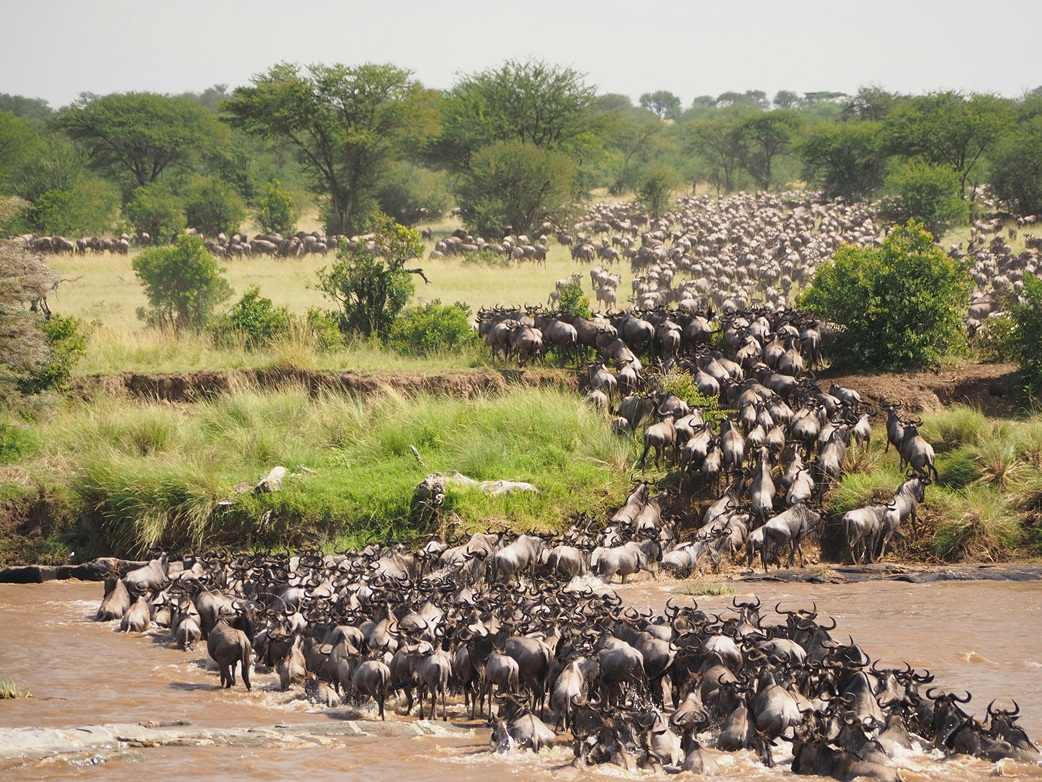
Serengeti National Park
A practical guide to the Great Migration, regions (Central/Western/Northern), common wildlife and birds, and a planning map with key gates & hubs.
▶ Table of contents
Quick facts
Great Migration planner
Choose your travel month
The migration is dynamic (rainfall shifts), but these suggestions are a solid planning baseline.
Serengeti regions cheat sheet
Use this to understand what “Central / Western / Northern” means on the ground.
Reliable big cats, riverine areas, and a strong base for first-time visitors.
Seasonal movement; crocodiles along rivers; quieter stretches if you go early.
River-crossing season (most years). Dramatic action, more vehicles at hotspots.
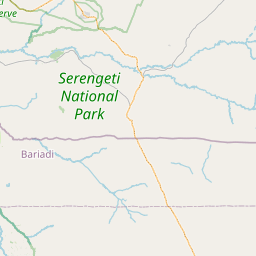
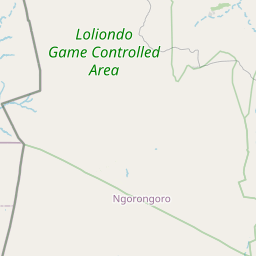
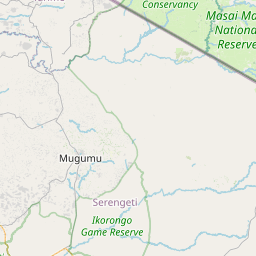
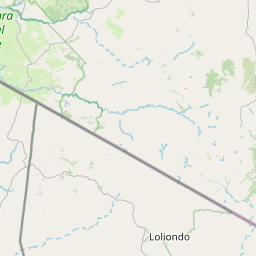
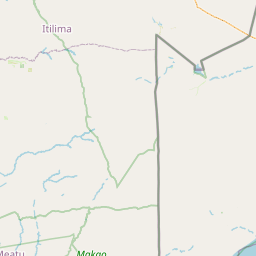
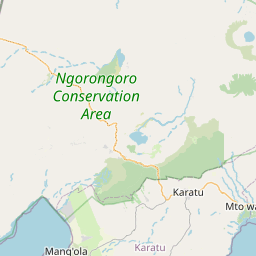
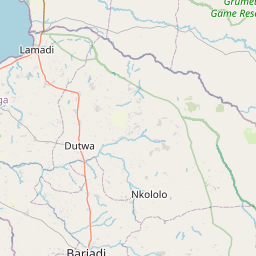
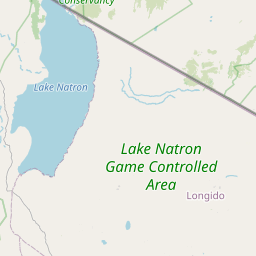
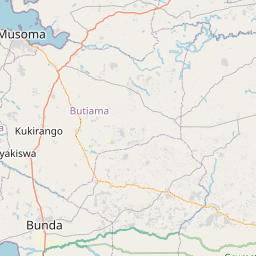
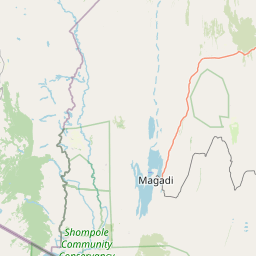
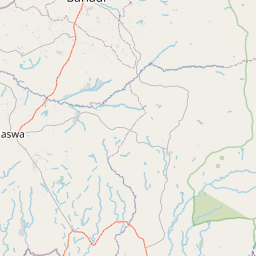
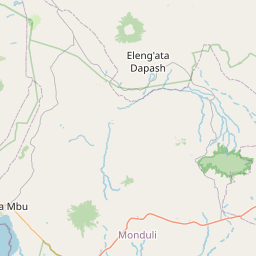
Map (key gates & hubs)


25 Common Animals (non-birds)

Wildebeest
The engine of the Great Migration—huge herds shape the whole ecosystem.
▶ More info
- How to identify: Large antelope with sloping back, beard, curved horns, often in vast herds.
- Male vs female: Males often heavier with thicker horns/boss; females slimmer.
- What it eats: Grazers: short grasses; follow rainfall-driven green flush.
- Where to find it: Southern plains (seasonal), Central corridors, Northern in late dry season
- Unique: Mass movement is driven by rainfall and grass quality, not a fixed calendar.

Plains zebra
Often travels with wildebeest—excellent visibility in open grassland.
▶ More info
- How to identify: Bold black-and-white striping; tail tuft; groups with alert posture.
- Male vs female: Males slightly bulkier neck/chest; females often smaller.
- What it eats: Grazers; tolerate tougher grasses, often ‘prep’ grass for wildebeest.
- Where to find it: Open plains; commonly with wildebeest routes
- Unique: Striping patterns are unique like fingerprints.

Thomson’s gazelle
Small, fast gazelle of short-grass plains—classic Serengeti sighting.
▶ More info
- How to identify: Tan back, white belly, distinct black side stripe; males with long horns.
- Male vs female: Males have thicker, longer horns; females smaller with shorter horns.
- What it eats: Grazers/browsers: grasses and herbs.
- Where to find it: Short-grass plains (south), open areas near central plains
- Unique: Famous for stotting (high jumps) to signal fitness to predators.

Grant’s gazelle
Elegant gazelle with long horns and pale rump—often in drier grasslands.
▶ More info
- How to identify: Pale, clean face; long sweeping horns (esp. males); white rump.
- Male vs female: Males larger with thicker horns; females smaller with shorter horns.
- What it eats: Browses and grazes; can go long without free water.
- Where to find it: Drier open country; often mixed with other grazers
- Unique: Can extract moisture from food—adapted to arid conditions.

Coke’s hartebeest
High-shouldered antelope with long face—often called kongoni in East Africa.
▶ More info
- How to identify: Sloped back, long narrow face, lyre-shaped horns.
- Male vs female: Males heavier with thicker horns; females slimmer.
- What it eats: Grazers; favor grasses in open habitat.
- Where to find it: Open plains and lightly wooded grassland
- Unique: Excellent endurance—built for long-distance movement.

African buffalo
Tough herd animal—serious presence around water and woodlands.
▶ More info
- How to identify: Dark heavy body; sweeping horns; herds with calves.
- Male vs female: Males heavier with larger horn boss; females smaller boss.
- What it eats: Grazers; prefer grass near water/cover.
- Where to find it: Riverine areas and woodlands; often near permanent water
- Unique: One of Africa’s most dangerous animals when threatened.

Lion
Serengeti icon—often seen around kopjes and open plains.
▶ More info
- How to identify: Large cat; pride structure; males with mane.
- Male vs female: Males with mane; females smaller, no mane.
- What it eats: Predator: wildebeest, zebra, buffalo calves; scavenges too.
- Where to find it: Kopjes (e.g., Moru), open plains, near prey concentrations
- Unique: Hunting success depends on teamwork and cover, often at night/dawn.

Leopard
Elusive—best chances in riverine thickets and big trees.
▶ More info
- How to identify: Rosette coat; long tail; often in trees.
- Male vs female: Males larger, broader head; females slimmer.
- What it eats: Predator: impala, young gazelles, birds; caches in trees.
- Where to find it: Riverine woodland (Seronera), rocky kopjes, dense cover
- Unique: Known for dragging prey into trees to avoid hyenas/lions.

Cheetah
Fastest land animal—often on open plains scanning for gazelles.
▶ More info
- How to identify: Slim build, tear marks on face, small head.
- Male vs female: Males often in coalitions; females solitary with cubs.
- What it eats: Predator: gazelles, young wildebeest; prefers daylight hunts.
- Where to find it: Open short grass plains; south/central plains
- Unique: High-speed hunts are short; overheating is the main limiter.

Spotted hyena
Highly social and intelligent—both hunter and scavenger.
▶ More info
- How to identify: Sloping back, spotted coat, ‘laughing’ calls at night.
- Male vs female: Females larger and dominant.
- What it eats: Opportunistic: hunts and scavenges; strong jaw for bone-crushing.
- Where to find it: Widespread; den sites near plains and edges
- Unique: One of the strongest bite forces relative to size.

African elephant
Often in wooded/riverine zones rather than open short grass.
▶ More info
- How to identify: Largest land mammal; trunk; tusks (vary).
- Male vs female: Males larger with bigger tusks; females in family groups.
- What it eats: Browsers/grazers: leaves, bark, grasses; need water regularly.
- Where to find it: Woodland pockets, riverine areas, quieter corridors
- Unique: Can reshape landscapes by pushing trees and opening pathways.

Giraffe (Masai giraffe)
Tall browser—often along acacia woodlands and drainage lines.
▶ More info
- How to identify: Tallest mammal; patchy coat; long neck.
- Male vs female: Males heavier with thicker ossicones; females slimmer.
- What it eats: Browsers: leaves (esp. acacia); uses long tongue.
- Where to find it: Woodland edges and acacia zones
- Unique: Can go long periods without drinking if foliage is moist.

Hippopotamus
Daytime in water; grazes at night—dangerous if surprised.
▶ More info
- How to identify: Huge barrel body; mostly submerged; yawning displays.
- Male vs female: Males larger, more territorial.
- What it eats: Grazers; short grasses near water.
- Where to find it: Rivers/hippo pools; near permanent water
- Unique: Produces natural sunscreen-like secretion (pink ‘sweat’).

Nile crocodile
Big rivers + crossings = crocodile territory—watch water edges.
▶ More info
- How to identify: Large reptile; armored back; floats with eyes above water.
- Male vs female: Males larger with heavier head/neck.
- What it eats: Predator: fish, birds, mammals; ambush hunter.
- Where to find it: Grumeti and Mara river systems
- Unique: Can fast for long periods; bursts of explosive power.

Warthog
Often seen trotting with tail up; loves short grass areas.
▶ More info
- How to identify: Facial ‘warts’, curved tusks, tail held upright when running.
- Male vs female: Males larger with bigger tusks/warts.
- What it eats: Grazers; roots and bulbs in dry times.
- Where to find it: Open grassland edges, near burrows
- Unique: Uses burrows for shelter—often backs into them.

Topi
Dark reddish-brown antelope often standing on termite mounds.
▶ More info
- How to identify: Rich chestnut coat with darker legs/shoulders; lyre horns.
- Male vs female: Males slightly larger; both sexes horned.
- What it eats: Grazers; grasses.
- Where to find it: Open plains; visibility points (mounds/rises)
- Unique: Uses elevated mounds to spot predators.

Eland
Largest antelope—often calm, in small groups.
▶ More info
- How to identify: Large tan antelope; dewlap; slight spiral horns.
- Male vs female: Males much heavier with thicker neck/dewlap.
- What it eats: Browsers/grazers depending on season.
- Where to find it: Mixed woodland/grassland mosaics
- Unique: Can jump surprisingly high despite size.

Black-backed jackal
Often seen around kills and camps—alert, opportunistic.
▶ More info
- How to identify: Black ‘saddle’ on back; sharp face; upright ears.
- Male vs female: Males slightly larger.
- What it eats: Omnivore/scavenger: small prey, carrion, insects.
- Where to find it: Open areas and edges; follows predator activity
- Unique: Pairs often cooperate—one distracts while other steals scraps.

Banded mongoose
Busy groups in grasses—look for stripy bodies and constant chatter.
▶ More info
- How to identify: Grey-brown with dark bands; moves in groups.
- Male vs female: Similar; social group-living.
- What it eats: Insects, grubs, small vertebrates.
- Where to find it: Grassland edges, termite areas
- Unique: Cooperative breeders—helpers raise the young.

Serval
If you see a tall-eared cat hunting rodents—lucky day.
▶ More info
- How to identify: Long legs, big ears, spotted coat.
- Male vs female: Males slightly larger.
- What it eats: Rodents, birds; incredible hearing for locating prey.
- Where to find it: Grassland with cover; marshy patches
- Unique: Can leap high to catch birds midair.

Baboon (olive baboon)
Smart and bold—keep food secured at stops.
▶ More info
- How to identify: Dog-like muzzle; social troops; males bigger.
- Male vs female: Males larger with mane-like neck fur.
- What it eats: Omnivore: fruit, seeds, insects, small animals.
- Where to find it: Woodland edges, rocky areas, camps
- Unique: Highly adaptable; can use human areas if not managed.

Vervet monkey
Common around riverine trees and picnic areas.
▶ More info
- How to identify: Grey fur; black face; white fringe.
- Male vs female: Males larger; bright blue scrotum (males).
- What it eats: Omnivore: fruit, leaves, insects.
- Where to find it: Riverine woodlands; camps
- Unique: Alarm calls differ for eagles vs leopards—remarkably specific.

Dik-dik (Kirk’s dik-dik)
Tiny antelope of brushy edges—often a quick glimpse.
▶ More info
- How to identify: Very small; elongated snout; big eyes.
- Male vs female: Males have small horns; females hornless.
- What it eats: Browsers: leaves/shoots; little need for free water.
- Where to find it: Bushy thickets, dry scrub pockets
- Unique: Pairs often monogamous and territorial.

African hare
Often flushed from grass—quick zig-zag runners.
▶ More info
- How to identify: Long ears; fast zig-zag run.
- Male vs female: Similar.
- What it eats: Herbivore: grasses and herbs.
- Where to find it: Grasslands; roadside sightings at dawn/dusk
- Unique: Key prey for many predators.
Top 10 Birds

Secretarybird
Tall raptor that hunts on foot—classic savanna bird.
▶ More info
- How to identify: Long legs; crest feathers; eagle-like head.
- Male vs female: Similar; females slightly smaller.
- What it eats: Snakes, rodents, insects.
- Where to find it: Open grasslands
- Unique: Powerful kicks to stun prey.

Lilac-breasted roller
Color explosion on a branch—often seen near tracks.
▶ More info
- How to identify: Lilac chest, turquoise wings; acrobatic display flight.
- Male vs female: Similar.
- What it eats: Insects, small lizards.
- Where to find it: Scattered trees and open country
- Unique: Often perches low to spot insects.

Kori bustard
One of the heaviest flying birds—seen in open plains.
▶ More info
- How to identify: Very large ground bird; slow deliberate steps.
- Male vs female: Males much larger.
- What it eats: Omnivore: insects, small vertebrates, seeds.
- Where to find it: Open grasslands
- Unique: Spectacular throat-inflating display in males.

Grey crowned crane
Elegant crane with golden crown—often near wetlands.
▶ More info
- How to identify: Golden crown; white wing patches.
- Male vs female: Similar.
- What it eats: Insects, small aquatic animals, seeds.
- Where to find it: Marshy areas, seasonal wetlands
- Unique: Known for ‘dancing’ displays.

Marabou stork
Big scavenger stork often around kills and camps.
▶ More info
- How to identify: Huge bill; bare head/neck; dangling throat pouch.
- Male vs female: Similar.
- What it eats: Scavenger; also fish and small animals.
- Where to find it: Kills, water edges, open areas
- Unique: Soars efficiently on thermals.

Rüppell’s vulture
High-flying vulture; often mixed with other scavengers.
▶ More info
- How to identify: Pale mottled neck ruff; large soaring silhouette.
- Male vs female: Similar.
- What it eats: Carrion.
- Where to find it: Over plains; near carcasses
- Unique: Among the highest-flying birds recorded.

White-backed vulture
Common scavenger; look for groups circling.
▶ More info
- How to identify: Pale ‘back’ patch; hunched resting posture.
- Male vs female: Similar.
- What it eats: Carrion.
- Where to find it: Kills; soaring over plains
- Unique: Plays major role in carcass cleanup.

Martial eagle
Large eagle—often perched on prominent trees.
▶ More info
- How to identify: Very large eagle; pale underside with spotting.
- Male vs female: Females larger.
- What it eats: Birds, mammals, reptiles.
- Where to find it: Wooded edges, big trees
- Unique: Can take surprisingly large prey.

Southern ground hornbill
Big black bird on foot—deep booming calls.
▶ More info
- How to identify: Huge bill; red facial skin; walks in groups.
- Male vs female: Males have blue throat; females show more red/purple.
- What it eats: Insects, small reptiles, mammals.
- Where to find it: Open savanna with scattered trees
- Unique: Very long-lived; slow breeder.

Helmeted guineafowl
Noisy flocks crossing the track—very common.
▶ More info
- How to identify: Speckled body; bare head with helmet-like casque.
- Male vs female: Similar.
- What it eats: Seeds, insects; tick-eaters around grazers.
- Where to find it: Everywhere; especially open edges
- Unique: Excellent ‘alarm system’ bird—calls at disturbance.
Top 10 Trees & Signature Plants

Umbrella thorn
Iconic flat-topped acacia of East African savannas.
▶ More info
- How to identify: Wide umbrella canopy; small paired thorns.
- Male vs female: —
- What it eats: —
- Where to find it: Open savanna; scattered trees
- Unique: Key shade tree; supports many insects/birds.

Whistling thorn
Ant-acacia with swollen thorns that can ‘whistle’ in wind.
▶ More info
- How to identify: Swollen thorn bases; straight thorns; often ants present.
- Male vs female: —
- What it eats: —
- Where to find it: Savanna flats
- Unique: Ant symbiosis protects tree from browsers.

Sausage tree
Recognizable by huge sausage-like fruits hanging on long stalks.
▶ More info
- How to identify: Large dangling fruits; compound leaves.
- Male vs female: —
- What it eats: —
- Where to find it: Riverine zones, drainage lines
- Unique: Bats often pollinate the flowers.

Baobab
Massive ‘upside-down’ tree, more common in some Serengeti areas than others.
▶ More info
- How to identify: Huge swollen trunk; sparse branches.
- Male vs female: —
- What it eats: —
- Where to find it: Rocky/wooded pockets
- Unique: Stores water in trunk; iconic silhouette.

African olive
Hardy evergreen; often in higher/rocky zones in East Africa.
▶ More info
- How to identify: Small leathery leaves; olive-like fruit.
- Male vs female: —
- What it eats: —
- Where to find it: Rocky slopes, woodlands (localized)
- Unique: Very hard wood; long-lived.
Croton
Savanna shrub/tree with distinctive leaves; often used in traditional contexts.
▶ More info
- How to identify: Variable leaves; often aromatic when crushed.
- Male vs female: —
- What it eats: —
- Where to find it: Woodland edges and bushland
- Unique: Many Croton species have medicinal uses.

Commiphora (myrrh)
Aromatic trees with peeling bark common in dry bushland.
▶ More info
- How to identify: Peeling papery bark; resin scent.
- Male vs female: —
- What it eats: —
- Where to find it: Dry bushland pockets
- Unique: Resins used historically for fragrances.

Sycamore fig
Big fig tree often near water—wildlife magnet when fruiting.
▶ More info
- How to identify: Large spreading fig; clusters of figs.
- Male vs female: —
- What it eats: —
- Where to find it: Riverine areas
- Unique: Figs feed many birds and mammals.

Wild date palm
Clumping palm often near watercourses.
▶ More info
- How to identify: Clumps of slender palms; feathery fronds.
- Male vs female: —
- What it eats: —
- Where to find it: Wet spots/riverine
- Unique: Provides nesting cover for birds.

Yellow fever tree
Smooth yellow-green bark—striking in riverine areas.
▶ More info
- How to identify: Yellow-green bark; feathery leaves; thorny.
- Male vs female: —
- What it eats: —
- Where to find it: Riverine/wet edges
- Unique: Bark color remains vivid even in shade.
Top 10 Flowers & Bushes
Wild sage
Aromatic shrub; leaves release strong scent when crushed.
▶ More info
- How to identify: Aromatic leaves; small clustered flowers.
- Male vs female: —
- What it eats: —
- Where to find it: Roadside bushland, disturbed edges
- Unique: Often used as herbal tea in East/Southern Africa.

Tickberry
Colorful flower clusters; can form dense thickets.
▶ More info
- How to identify: Small multicolored flower clusters; rough leaves.
- Male vs female: —
- What it eats: —
- Where to find it: Edges, disturbed sites
- Unique: Bird-dispersed seeds; invasive in many regions.

Aloe
Succulent with flower spikes; varies by location and season.
▶ More info
- How to identify: Fleshy leaves; tall flower stalk.
- Male vs female: —
- What it eats: —
- Where to find it: Rocky areas, dry slopes
- Unique: Drought-adapted; stores water in leaves.

Devil’s claw
Ground plant with clawed fruit (species vary by region).
▶ More info
- How to identify: Low-growing; distinctive hooked fruit.
- Male vs female: —
- What it eats: —
- Where to find it: Sandy/loose soils (localized)
- Unique: Fruits hook onto animals for dispersal.
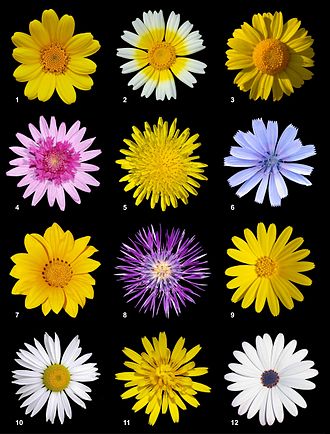
African daisy (group)
A variety of daisies appear after rains.
▶ More info
- How to identify: Daisy-like blooms; highly seasonal.
- Male vs female: —
- What it eats: —
- Where to find it: Open grassland after rains
- Unique: Peak after rains; good for macro photos.

Acacia flower (group)
Puffy yellow/cream blooms attract insects and birds.
▶ More info
- How to identify: Ball-like flower clusters on thorn trees.
- Male vs female: —
- What it eats: —
- Where to find it: Savanna woodland
- Unique: Key nectar source in bloom periods.

Desert rose
Showy pink flowers; more common in drier zones of East Africa.
▶ More info
- How to identify: Swollen base; pink trumpet flowers.
- Male vs female: —
- What it eats: —
- Where to find it: Dry rocky areas (localized)
- Unique: Stores water; toxic latex deters herbivory.

Paperbush (group)
Hardy shrub with small flowers and edible fruits in some species.
▶ More info
- How to identify: Small leaves; star-like flowers; berry-like fruit.
- Male vs female: —
- What it eats: —
- Where to find it: Bushland edges
- Unique: Fruits attract birds; useful browse.

Wire bush (group)
Common roadside herb/shrub; tiny yellow flowers.
▶ More info
- How to identify: Small yellow flowers; hairy leaves.
- Male vs female: —
- What it eats: —
- Where to find it: Roadside disturbed ground
- Unique: Spreads by seed; very hardy.

Wild hibiscus (group)
Bright hibiscus-like flowers may appear after rains.
▶ More info
- How to identify: Large showy petals; hibiscus shape.
- Male vs female: —
- What it eats: —
- Where to find it: Edges and seasonal drainage lines
- Unique: Attracts pollinators; great photo subject.
Things to do
Walking safari
Serengeti is primarily a game-drive park. Walking is typically only permitted in designated zones and with authorized guides/rangers (rules depend on concession/area).
Accommodation
Options range from public campsites to tented camps and lodges. Where you stay matters: Seronera (Central) is best for all-year wildlife, while Kogatende (North) is strategic in late dry season.
- Central (Seronera): most versatile base
- Northern (Kogatende): river crossing season (most years)
- Western (Grumeti): seasonal movement window; quieter pockets
Food & picnic sites
Picnic stops are a great way to save money and time on full-day drives. Pack a refillable water bottle and keep food secured—baboons and birds are experts at opportunistic snacking.
The Big Five (Serengeti)
Serengeti is famous for lions and leopards, and you can also see buffalo and elephants. Rhinos are far less common and depend on area and luck.
FAQ
Best time to visit Serengeti?
Dry season (often Jun–Oct) is usually easiest for wildlife viewing and road conditions. Green season can be quieter and dramatic — the migration shifts with rainfall, so use the planner above.
Where are the famous river crossings?
Most years the best-known crossings are in the north around the Mara River (Kogatende area), typically in late dry season. Timing varies.
How to save money on safari?
Travel in shoulder/green season, share a vehicle, compare lodge vs tented camp pricing, and carry a refillable water bottle. Booking flights early can also reduce costs.
Share with others which spots are the best to find which animals in the comments below!
Leave a Reply