
Hotel Manager Interview Series
Among the Erg Chebbi dunes, hospitality begins with a sense of belonging.
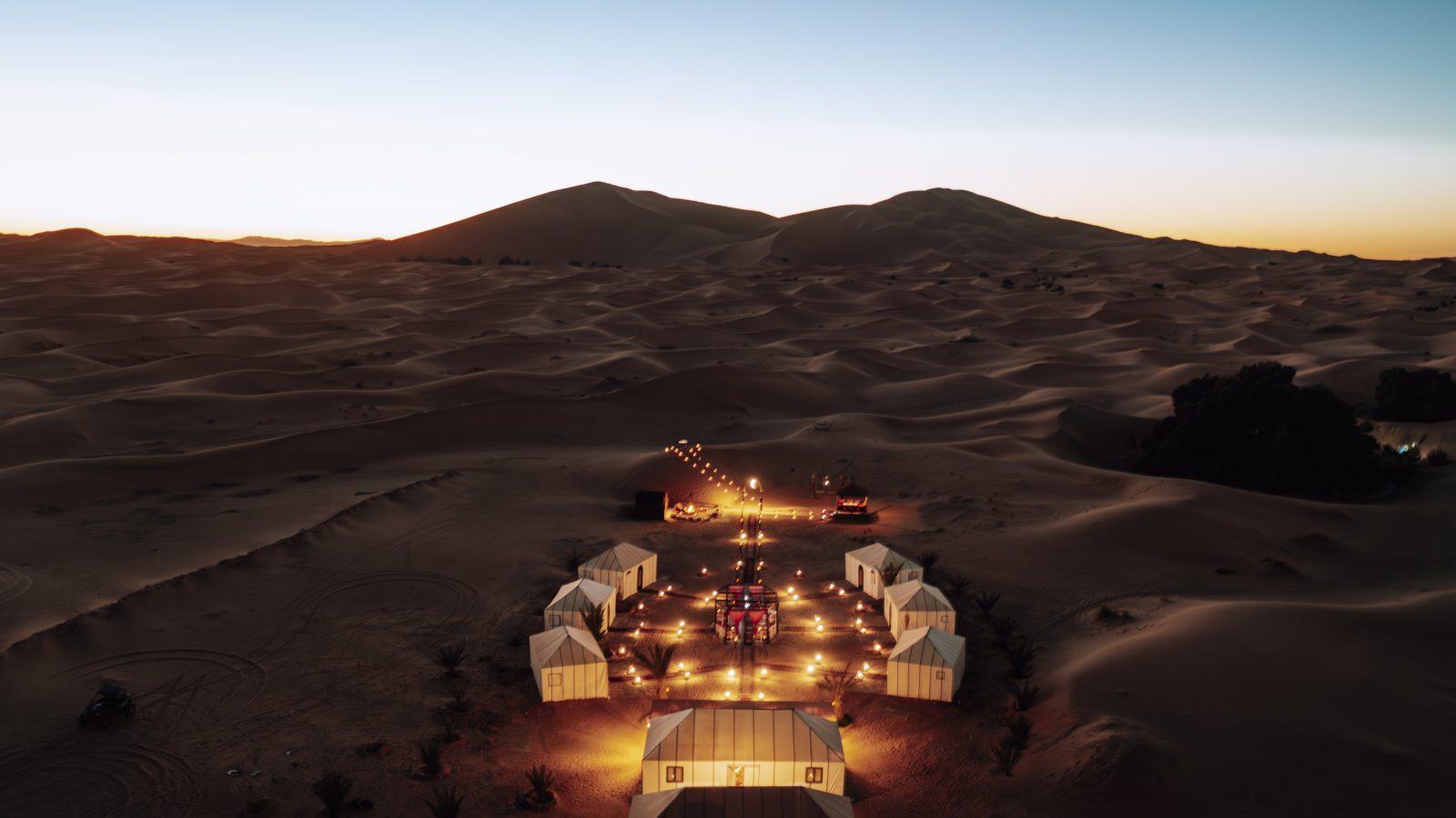
Image: Tiziri Camp / official website.
The conversation
For guests arriving in Morocco’s Erg Chebbi dunes, Tiziri Camp offers a chance to experience the Sahara through its landscape, people and traditions. Amed, the camp’s General Manager, shares how camel journeys, Amazigh hospitality, music and thoughtfully equipped tents combine with a personal approach to service. He also reflects on an ideal day in the desert and the leadership lessons learned along the way.
“A beautiful camp and a great location are important, but what guests remember most is how they were treated and how they felt.”
Amed, General Manager
The Sahara as a way of life
What makes this hotel—and its surrounding destination—different from anywhere else in Africa?
Amed
Tiziri Camp is located in the heart of the Sahara Desert near Merzouga, surrounded by the beautiful Erg Chebbi dunes. What makes the experience special is the combination of the vast desert landscape, Amazigh culture, traditional hospitality, and the feeling of being completely immersed in nature.
At Tiziri, guests do not simply stay in a hotel—they experience the desert itself. From arriving by camel and watching the sunset over the dunes to enjoying traditional food and music under the stars, every part of the stay is connected to the landscape and local culture.
What local traditions, ingredients, art, or experiences do you incorporate into the guest experience?
Amed
We try to make the experience genuinely local. Guests can enjoy traditional Moroccan and Amazigh dishes, Moroccan mint tea, local music around the fire, sandboarding, camel rides, and excursions into the desert to meet nomadic families.
Our camp also reflects the local style through Moroccan carpets, traditional decoration, craftsmanship, and the use of natural elements. We want guests to experience the Sahara through its people, food, traditions, and landscapes.
A welcome that stays with you
Can you share a memorable story about a guest, employee, or community member that captures the spirit of this hotel?
Amed
One of the things we remember most is how many guests arrive expecting simply to see the desert but leave feeling emotionally connected to it.
We have had guests who were initially nervous about sleeping in the desert or riding a camel. After watching the sunset from the dunes, sharing tea, listening to traditional music, and looking at the stars, they told us that it became one of the most memorable experiences of their lives.
For us, that captures the spirit of Tiziri: creating moments that guests remember long after they leave Morocco.
What is the first thing you want guests to feel when they walk through the door?
Amed
We want them to feel welcome, relaxed, and connected to the place.
Many guests arrive after a long journey, so our first priority is to make them feel that they can slow down, enjoy the moment, and forget about their daily routine. We want them to feel that they are not simply customers, but guests in our home.
Sleeping among the dunes
Which is your favorite room in the hotel, and what makes it special to you?
Amed
It is difficult to choose just one because every suite has its own view and atmosphere. What I particularly love about all our tents is that they allow guests to enjoy the comfort of a private suite while still feeling connected to the desert.
Waking up and seeing the dunes from your tent is something very special. The silence and the changing colors of the desert throughout the day make every tent unique.
Comfort and culture, side by side
How do you balance international hospitality standards with an experience that feels genuinely local?
Amed
For us, good hospitality means combining comfort and professionalism with authenticity.
We provide the standards international travelers expect—comfortable suites, private bathrooms, air conditioning, Wi-Fi, good food, and attentive service—but we do not want the experience to feel like a hotel that could be anywhere in the world.
The desert, Amazigh culture, Moroccan hospitality, local cuisine, music, and traditions are at the heart of the experience.
How do you maintain consistently high standards across every part of the guest experience?
Amed
It starts with our team. We communicate closely, pay attention to small details, and listen carefully to guest feedback.
We also believe that hospitality is personal. We try to anticipate what guests may need rather than waiting for them to ask. From the moment they arrive at the meeting point until they leave the desert, our team works together to make the experience smooth and comfortable.
The lessons the desert teaches
What do you do to help employees grow into future leaders?
Amed
We give our team responsibility and encourage them to learn different parts of the operation. Hospitality is a team effort, so everyone needs to understand the importance of communication, problem-solving, and taking care of guests.
We also encourage team members to share their ideas and take initiative. When someone shows responsibility and passion for the work, we give them more opportunities to lead.
What is the most important leadership lesson that working in hospitality has taught you?
Amed
The most important lesson is that hospitality is about people before anything else.
A beautiful camp and a great location are important, but what guests remember most is how they were treated and how they felt.
I have learned that a good leader needs to listen—to guests, to employees, and to the local community. You need to stay calm when unexpected things happen, support your team, and always look for a solution.
In the Sahara, we also learn an important lesson from the desert itself: things do not always happen exactly as planned, so you have to be flexible, patient, and positive.
The interviewee
Meet Amed
Amed is the General Manager / Hotel Manager at Tiziri Camp, Merzouga. In this interview he shares his approach to welcoming guests, developing his team and honouring the Sahara’s culture and landscape.
Interview answers shared with See.Africa by the Tiziri Camp team.
The property
Tiziri Camp
Located near Merzouga in Morocco’s Erg Chebbi dunes, Tiziri Camp brings together desert excursions, Amazigh-inspired experiences and the comforts of private tent suites.
Part of the See.Africa Hotel Manager Interview Series. Answers reflect the interviewee’s own experience and views. Interview edited for layout and readability.