
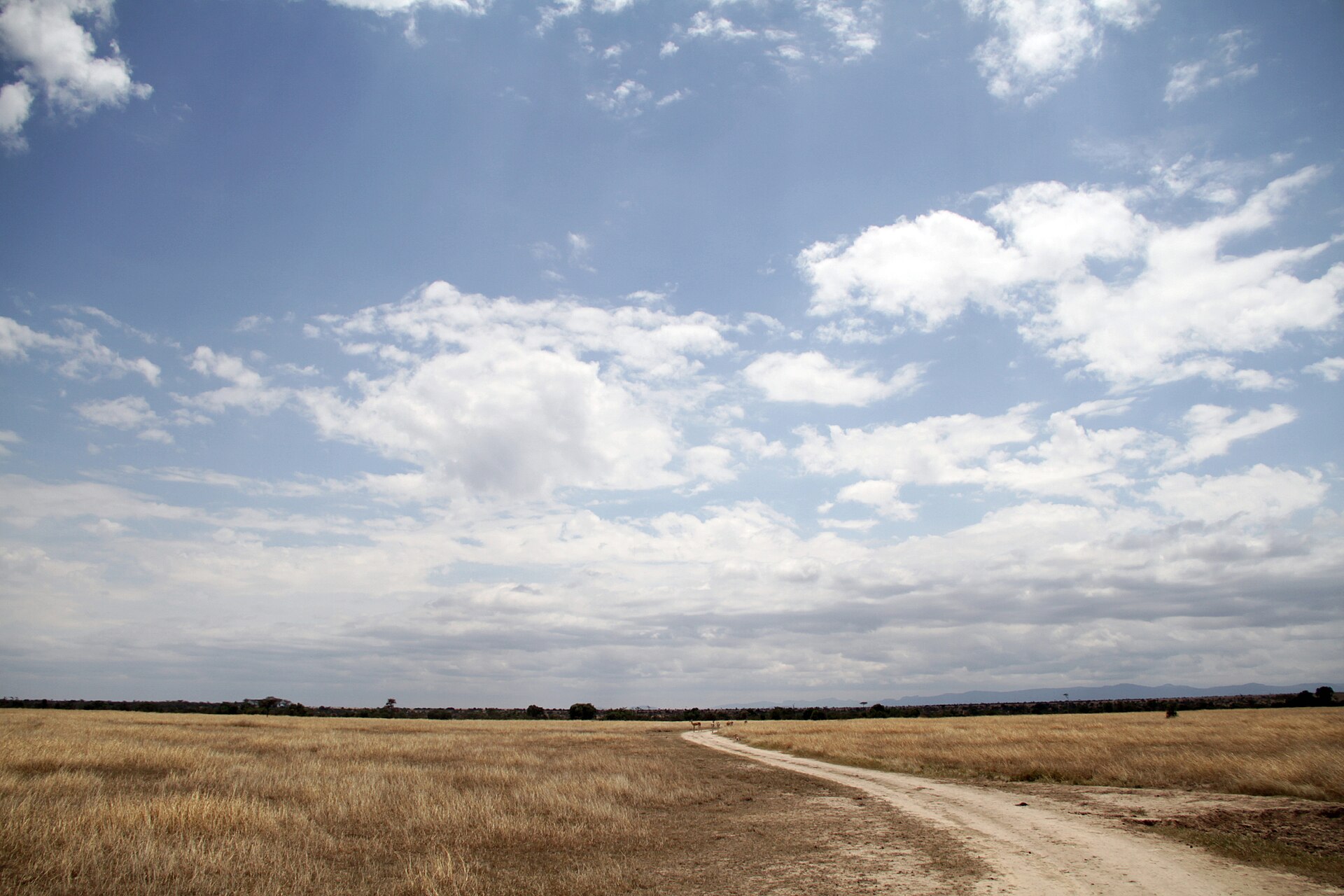
Ol Pejeta Conservancy Guide (2026)
Rhinos, rescued chimpanzees, Big Five game drives and a practical Laikipia travel plan — with a map and lodges.
Information reviewed 26 October 2026Hero source and image attribution recorded in the WordPress Media Library.
Ol Pejeta at a glance
Ol Pejeta Conservancy is a private wildlife conservancy on Kenya’s Laikipia plateau. It combines the Big Five, serious rhino conservation and the Sweetwaters Chimpanzee Sanctuary. Its most distinctive conservation story is the protection of Najin and Fatu, the last two known living northern white rhinos.
Quick answers
Entry fees (2026)
Adult: KES 2,000 (East African citizen), KES 3,500 (East African resident) or USD 110 (non-resident). Children aged 3–11: KES 1,000 / KES 1,750 / USD 55 respectively. Vehicle entry costs extra. See all fees and the official source.
Big Five?
All five species occur here; sightings cannot be guaranteed.
Self-drive?
Allowed on designated routes subject to conservancy rules.
From Nanyuki?
A practical road transfer; allow time for gate procedures.
Northern white rhinos
Special access needs advance arrangement.
Chimpanzees
View rescued chimps at Sweetwaters subject to sanctuary rules.
Best time to visit Ol Pejeta
Wildlife viewing is rewarding throughout the year. January–March and June–October often have relatively favourable road and game-drive conditions; rain remains possible. Laikipia evenings can be cold, especially around dawn.
Dry stretches
Open landscapes, reasonable road conditions and crisp mornings.
Rainy periods
Greener scenery; occasional slippery tracks.
Dawn and dusk
Useful for more active predators and softer photographic light.
Rhino conservation
Activities are scheduled separately, so book ahead.
Ol Pejeta entrance fees (official 2026 tariff)
Ol Pejeta Conservancy’s official 2026 tariff lists the following daily prices:
| Category | Adult | Child (3–11) |
|---|---|---|
| East African citizen | KES 2,000 | KES 1,000 |
| East African resident | KES 3,500 | KES 1,750 |
| Non-resident | USD 110 | USD 55 |
Children under three enter free. Vehicle entry is additional: KES 1,000 (up to six seats), KES 5,000 (7–14 seats) or KES 12,000 (15 seats or more). A ticket permits a single entry; exiting and returning requires another ticket. Activities such as northern white rhino encounters are separately booked.
Official sources: Ol Pejeta Conservancy — Tariff Guide, January–December 2026 (PDF) and Conservancy entry rates webpage; retrieved 26 October 2026. Check the live official booking rate before payment.
Special activities (2026)
The official conservancy tariff lists Meet the Northern White Rhinos at USD 70 per adult, night game drives and lion tracking at USD 70 per adult / USD 35 per child, and conservation talks at USD 20 per adult. These are separate from the regular entry fee. Booking in advance is recommended and availability is limited.
Official source: Ol Pejeta Conservancy, Tariff Guide January–December 2026 (PDF), retrieved 26 October 2026. Confirm current prices and booking eligibility with the conservancy.
Ol Pejeta opening hours, gates and routes
Visitor gate hours: 7:00 a.m.–7:00 p.m. via Rongai and Serat gates, according to conservancy visitor information. The normal overland approach is Nairobi → Nanyuki → Ol Pejeta; confirm the entrance appropriate to your camp. Travellers arriving by air can use Nanyuki Airstrip and arrange a lodge road transfer. Do not treat the map’s approximate centre as a gate location.
Road from Nairobi
Travel to Nanyuki and continue by road to the gate agreed with your lodge; traffic and final approach can vary.
Rongai Gate
Official entry/exit gate. Check the gate your accommodation uses.
Serat Gate
Alternative entry/exit gate; arrange pickup and transfer beforehand.
Fly-in arrival
Use Nanyuki Airstrip when flights operate, then a prearranged road transfer.
Sources: Ol Pejeta Conservancy, Plan Your Visit; Ol Pejeta official 2026 tariff and entry policy. Retrieved 26 October 2026. Confirm gate schedules with the conservancy before travel.
Ol Pejeta orientation map
Map markers indicate approximate conservancy centre, Nanyuki, Nanyuki Airfield and Mount Kenya direction. Not a turn-by-turn gate or ranger route.
View Ol Pejeta region in OpenStreetMap if the interactive map is blocked.
One-day and two-night safari plans
Day trip
Early game drive, planned chimpanzee sanctuary visit and a final afternoon loop.
Night one
Overnight inside the conservancy for less transit and dawn wildlife.
Day two
Add a dedicated rhino conservation experience if permitted.
Before departure
Check gates, transfer timing and the day’s activity bookings.
18 mammal field-guide profiles
Wildlife varies by season and time of day. Images illustrate species, and are not necessarily photographed within Ol Pejeta. Sensitive rhino visits depend on the conservancy’s rules.
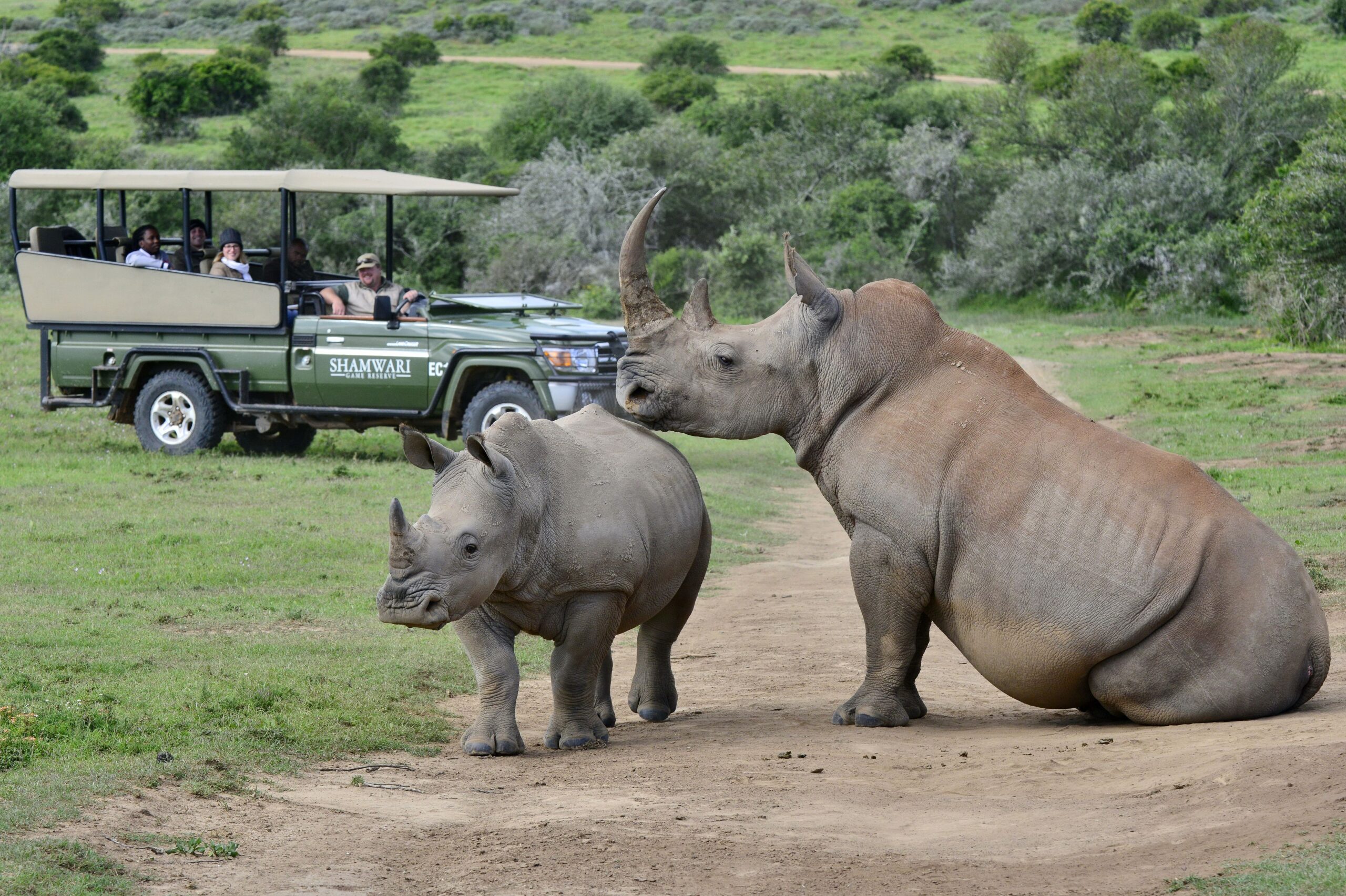
White rhinoceros
Ceratotherium simumThe conservancy is a major sanctuary for southern white rhinos; guided drives offer chances of sightings
Black rhinoceros
Diceros bicornisA more secretive rhino with a hooked browsing lip; give individuals ample space
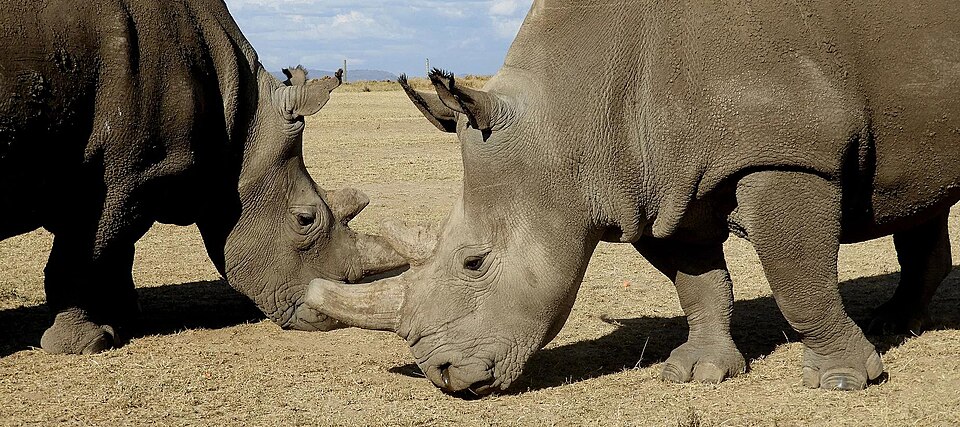
Northern white rhinos
Ceratotherium simum cottoniNajin and Fatu are the last two known living northern white rhinos; any visit is tightly controlled

African elephant
Loxodonta africanaLarge family herds use grasslands and bush; never block their movement
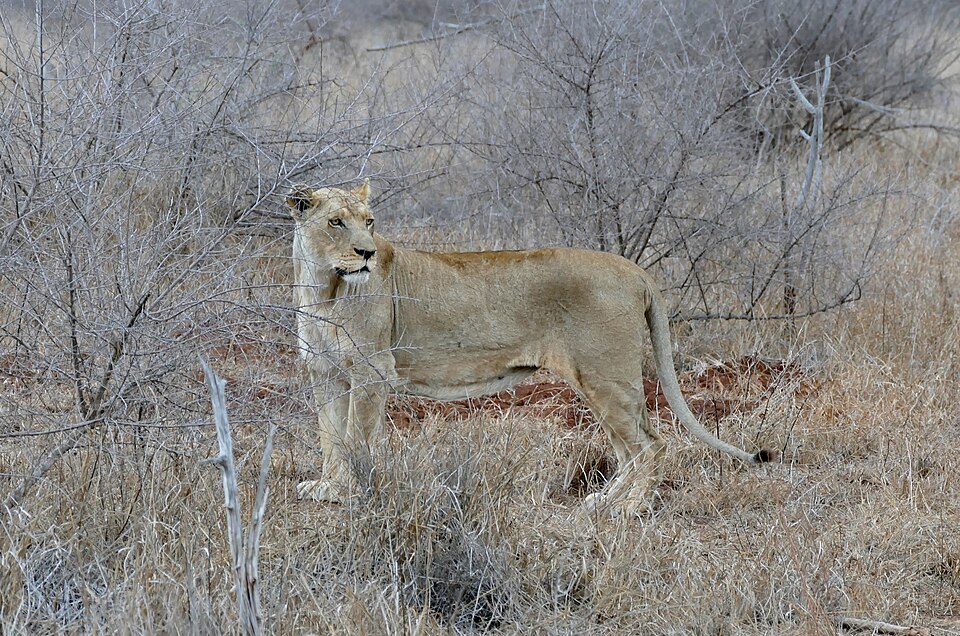
African lion
Panthera leoPresent in this Big Five ecosystem, but not guaranteed
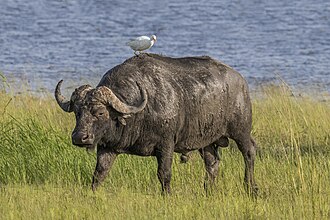
African buffalo
Syncerus cafferOften in grazing groups; keep well clear when near roads
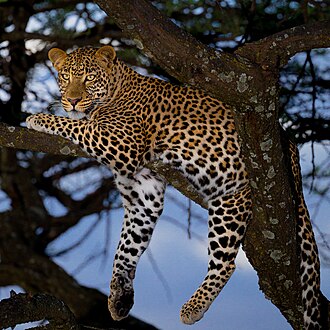
Leopard
Panthera pardusElusive, often most active in low light
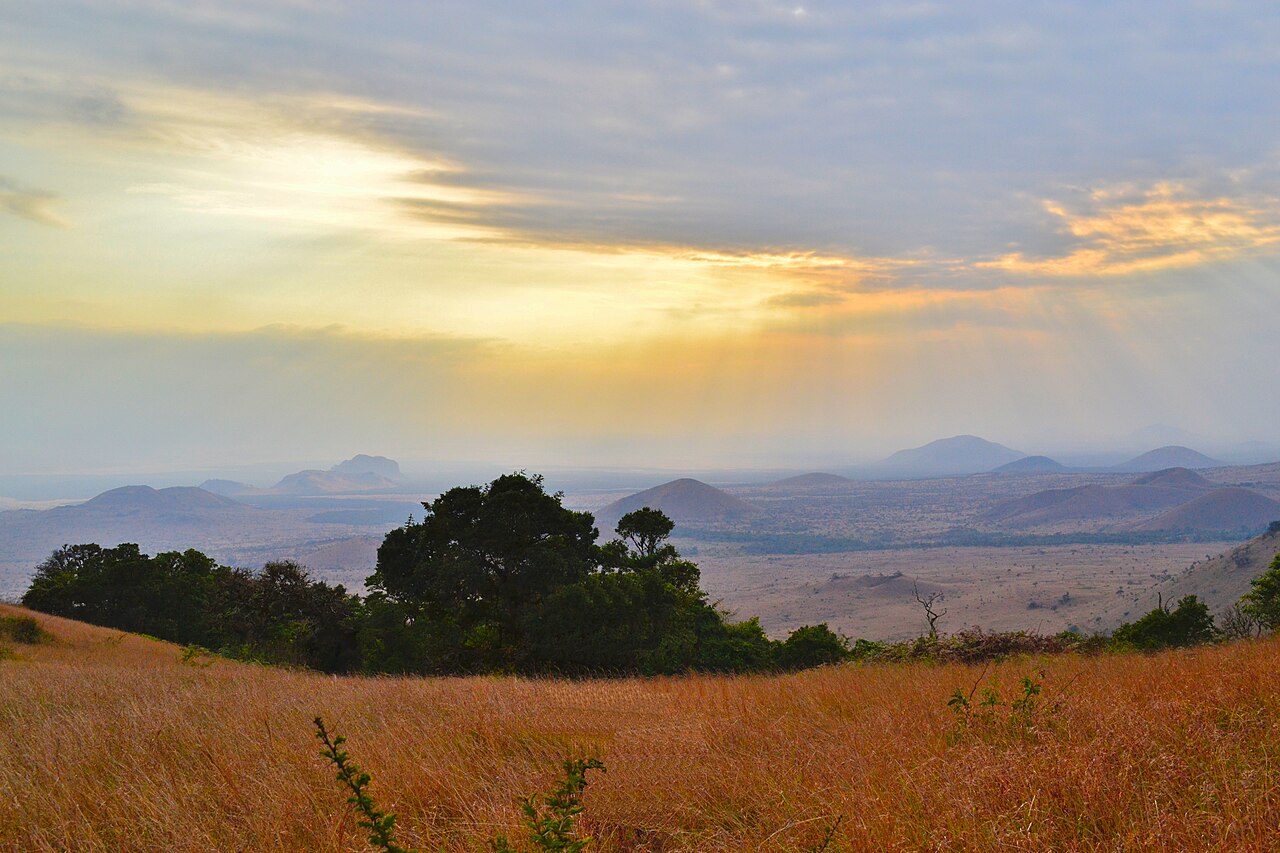
Cheetah
Acinonyx jubatusOccasional open-grassland predator; sightings are unpredictable
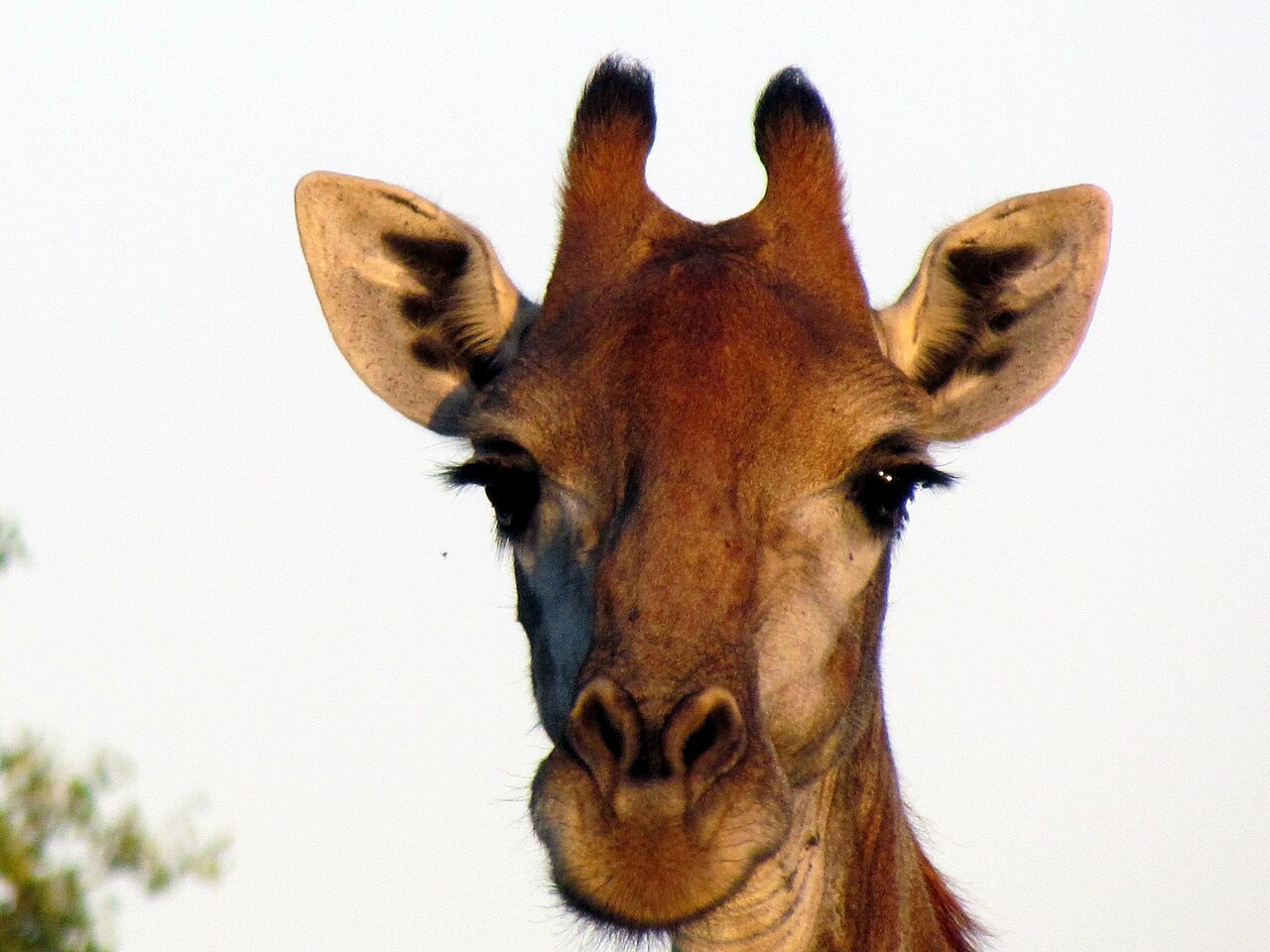
Reticulated giraffe
Giraffa reticulataDistinctive polygonal coat pattern; identify with your guide

Plains zebra
Equus quaggaCommon grazing wildlife on open ground
Grevy’s zebra
Equus grevyiEndangered zebra of northern Kenya; regional conservation significance, check current on-site presence
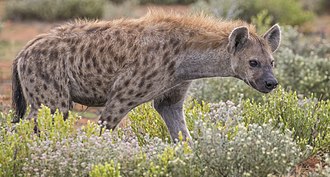
Spotted hyena
Crocuta crocutaScavenger and predator; usually more active outside midday heat
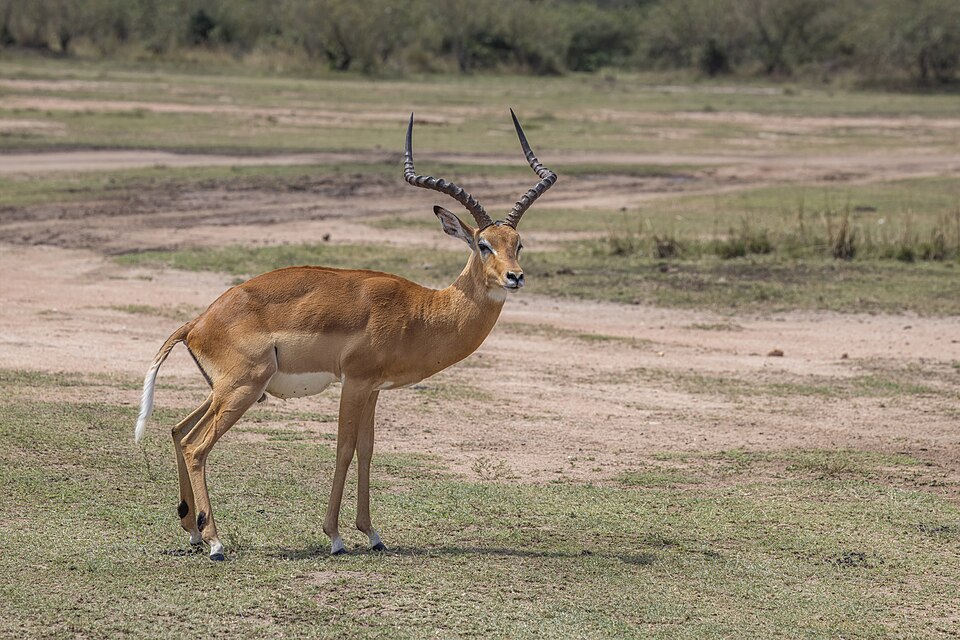
Impala
Aepyceros melampusAntelope found in more open woodland and grassland
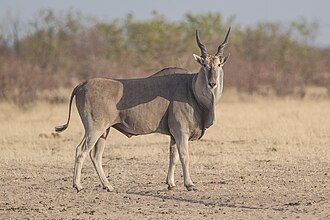
Common eland
Taurotragus oryxLarge antelope often in smaller groups
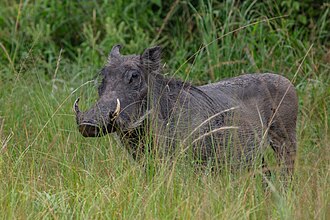
Common warthog
Phacochoerus africanusOften feeds kneeling in grass; near roads as well
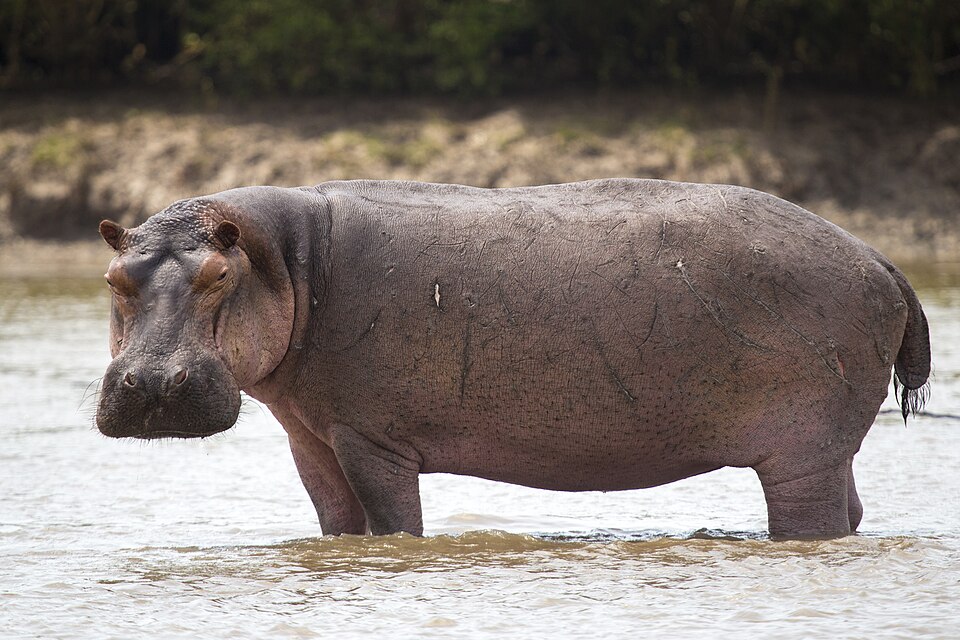
Hippopotamus
Hippopotamus amphibiusWater-associated mammal; localised, never approach on foot
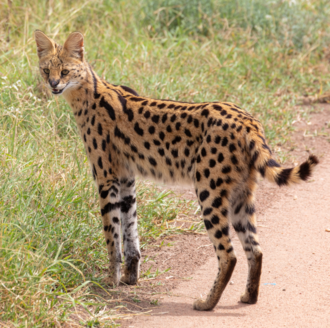
Serval
Leptailurus servalSecretive spotted cat in tall grasses
Olive baboon
Papio anubisSocial primate, particularly in wooded habitats
12 birds to watch for
Bird habitats range from open grasslands to waterholes and woodland. Some entries illustrate wider regional species rather than guaranteed on-site sightings.
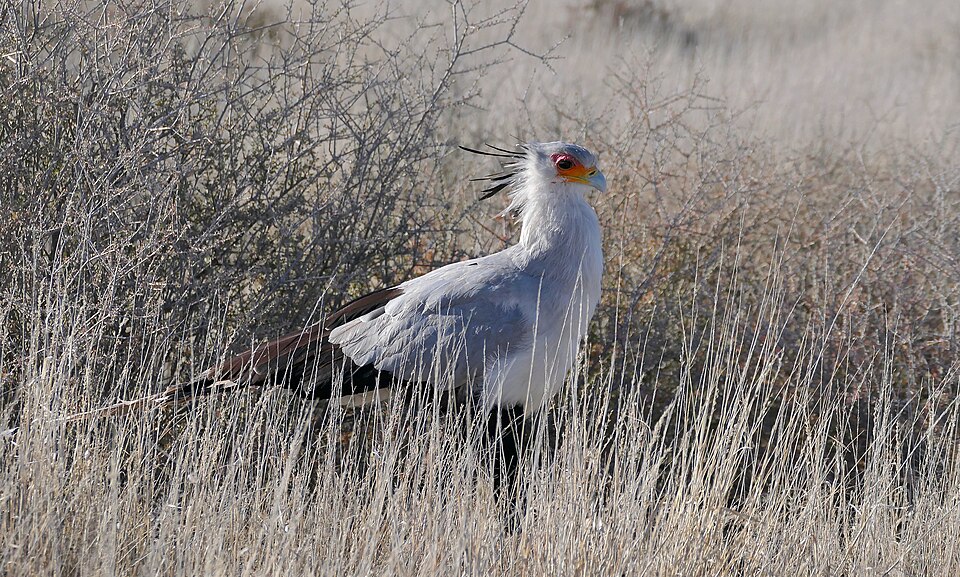
Secretarybird
Sagittarius serpentariusTall grassland raptor; look for a walking hunting silhouette

Martial eagle
Polemaetus bellicosusPowerful raptor; scan mature trees and skies
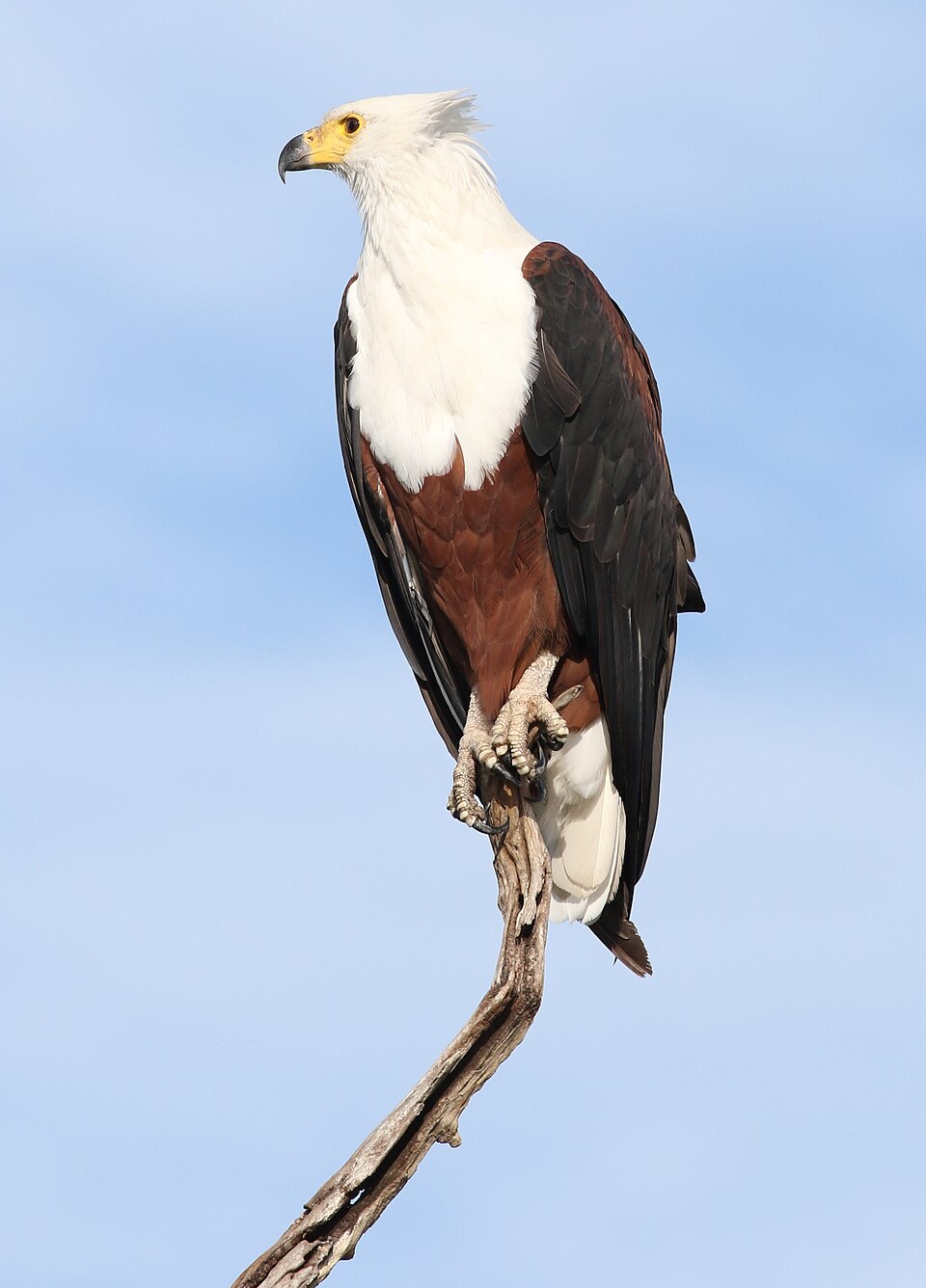
African fish eagle
Icthyophaga vociferNear suitable water, voice often heard before sighting
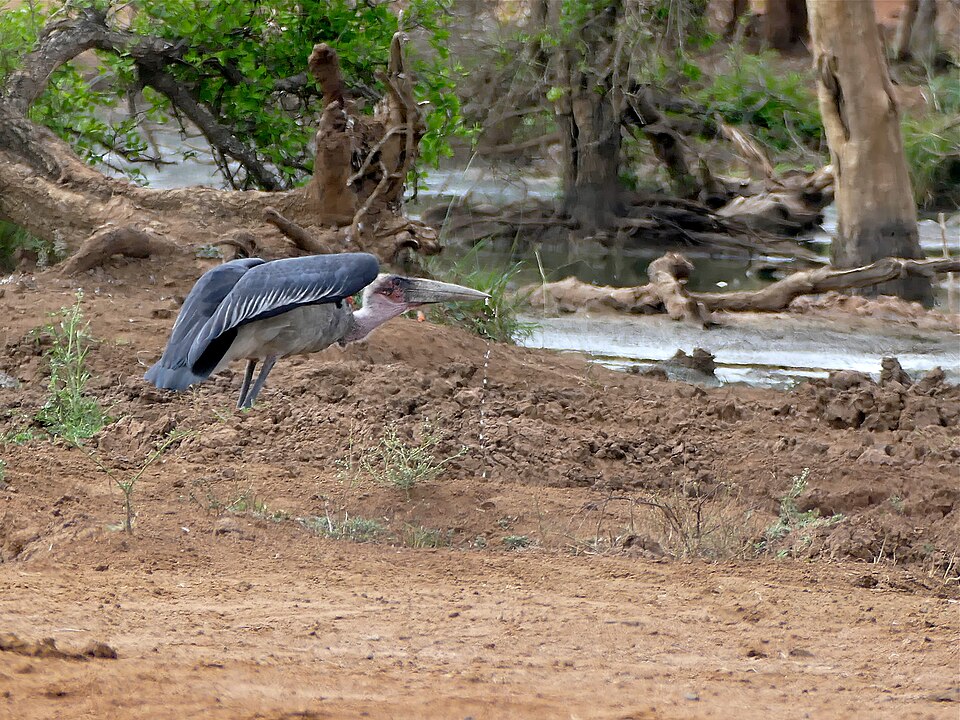
Marabou stork
Leptoptilos crumeniferLarge scavenging bird in open settings
Crowned lapwing
Vanellus coronatusOpen ground, with distinctive black crown
Lilac-breasted roller
Coracias caudatusBrilliantly coloured perch-hunter
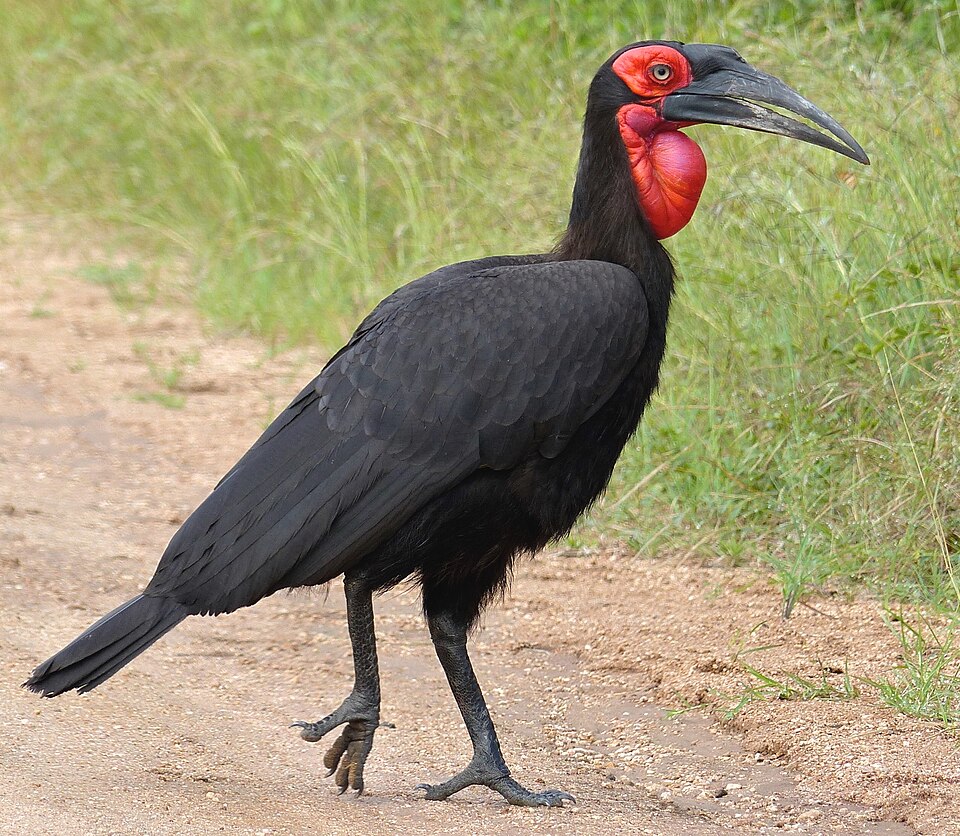
Southern ground hornbill
Bucorvus leadbeateriGround-walking bird of open savannah; local records vary
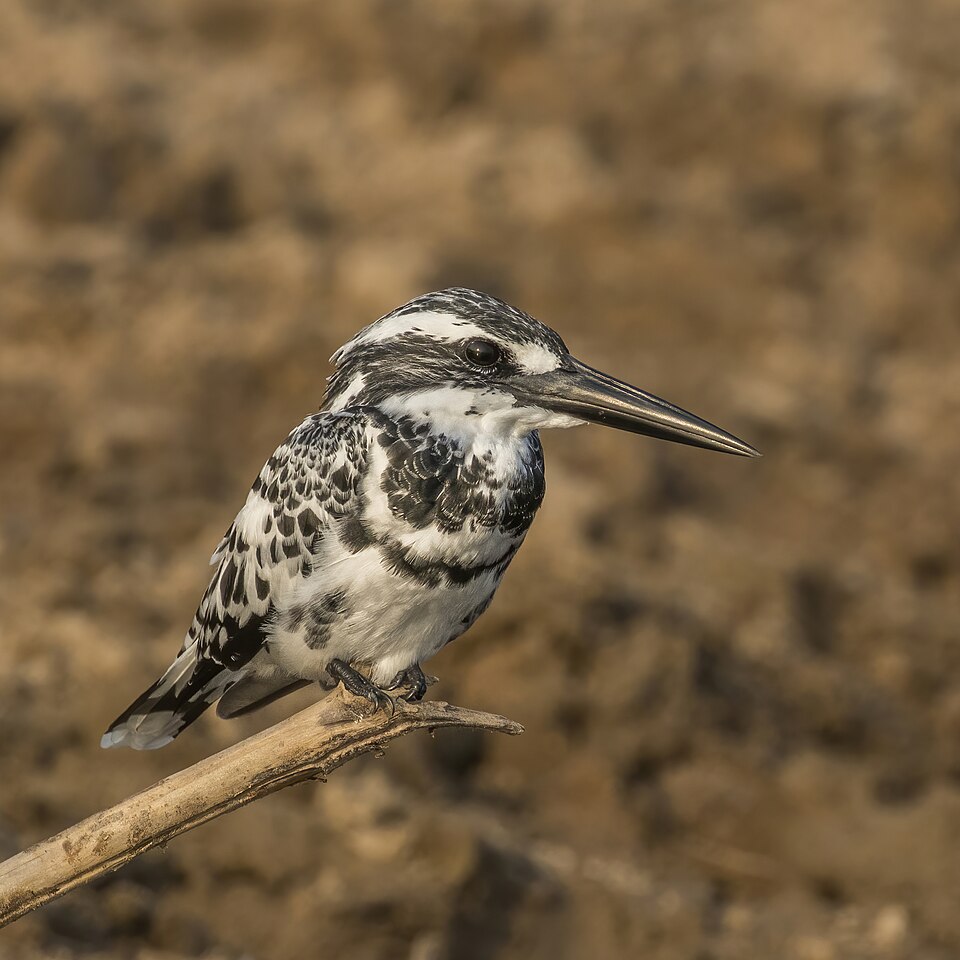
Pied kingfisher
Ceryle rudisHovering fish-hunter near water
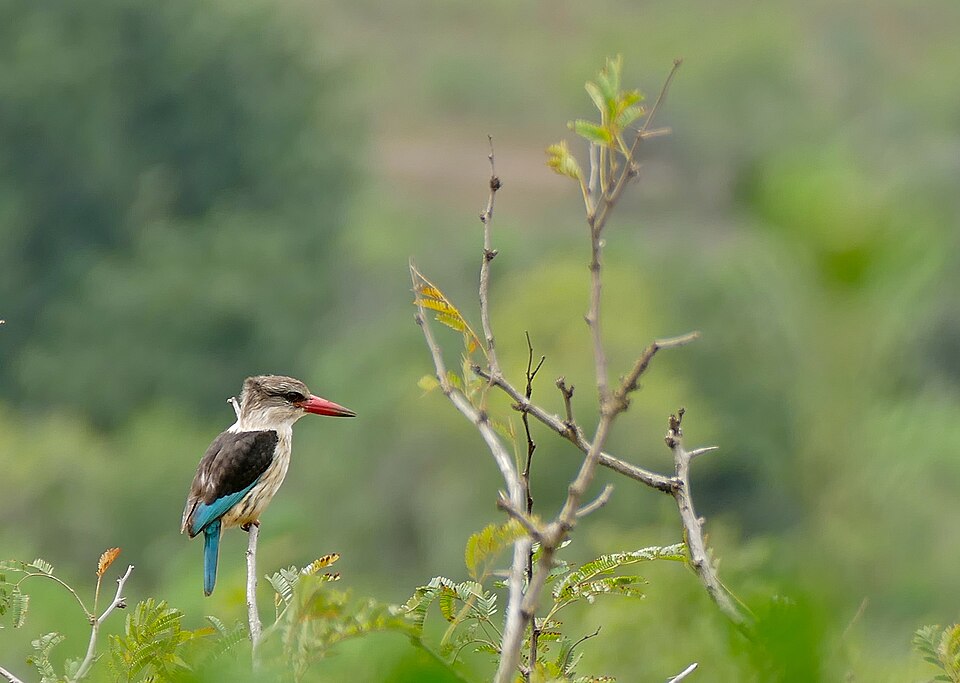
Brown-hooded kingfisher
Halcyon albiventrisWoodland hunter, not strictly tied to water
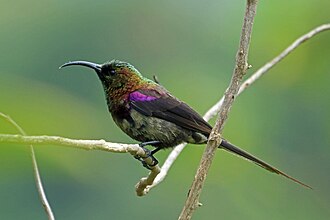
Sunbirds
NectariniidaeSmall nectar-feeders near flowering shrubs
Weaverbirds
PloceidaeLook for hanging grass nests, especially near water
Oxpeckers
Buphagus spp.Often on larger mammals, feeding on ectoparasites
Trees, grasses and flowers
Ol Pejeta’s plateau includes acacia woodland, grassland and wetter pockets. Some photographs show related regional habitats or plants; botanical identification should be verified locally.
Whistling-thorn acacia
Vachellia drepanolobiumCharacteristic thorn tree of East African highland savanna
Umbrella thorn
Vachellia tortilisRecognisable spreading crown in drier habitats
Fever tree
Vachellia xanthophloeaYellow-green bark near wetter ground
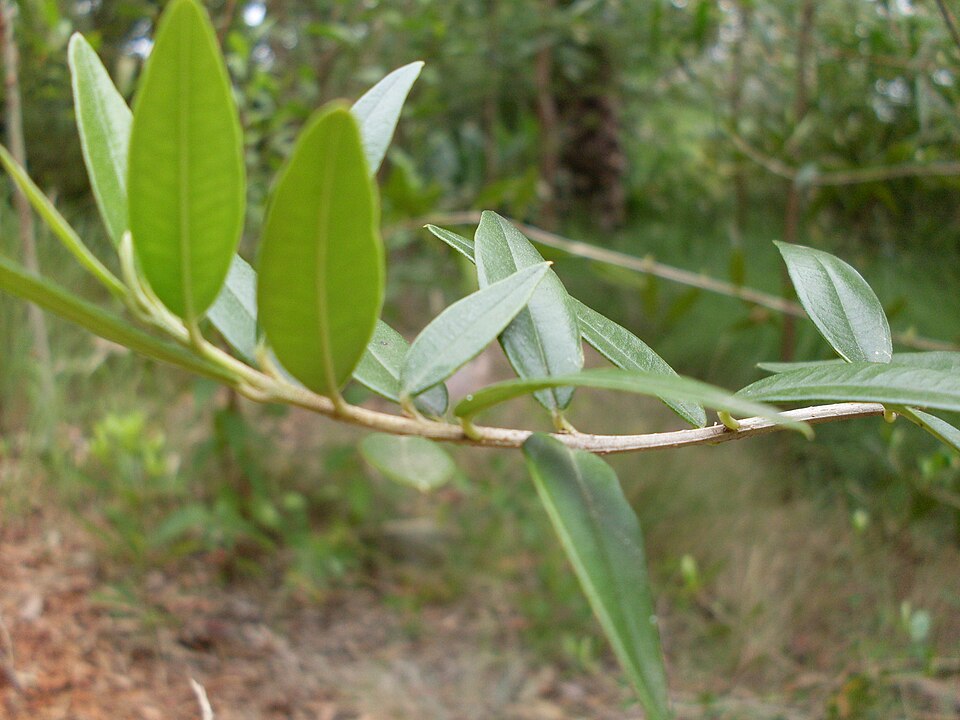
African olive
Olea europaea subsp. cuspidataHardy upland woody species
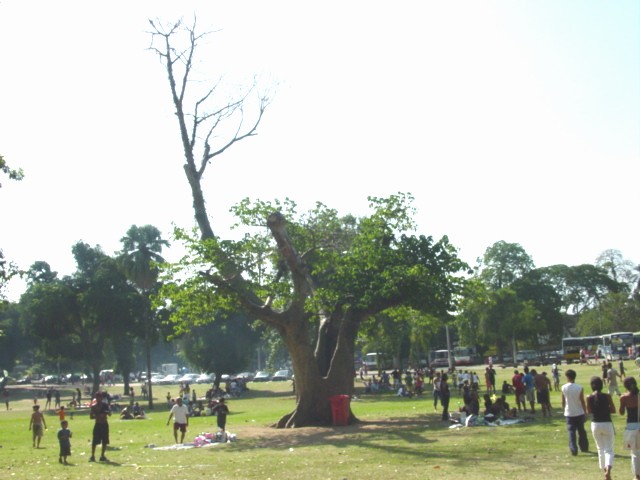
Wild fig trees
Ficus spp.Fruit can attract birds and primates
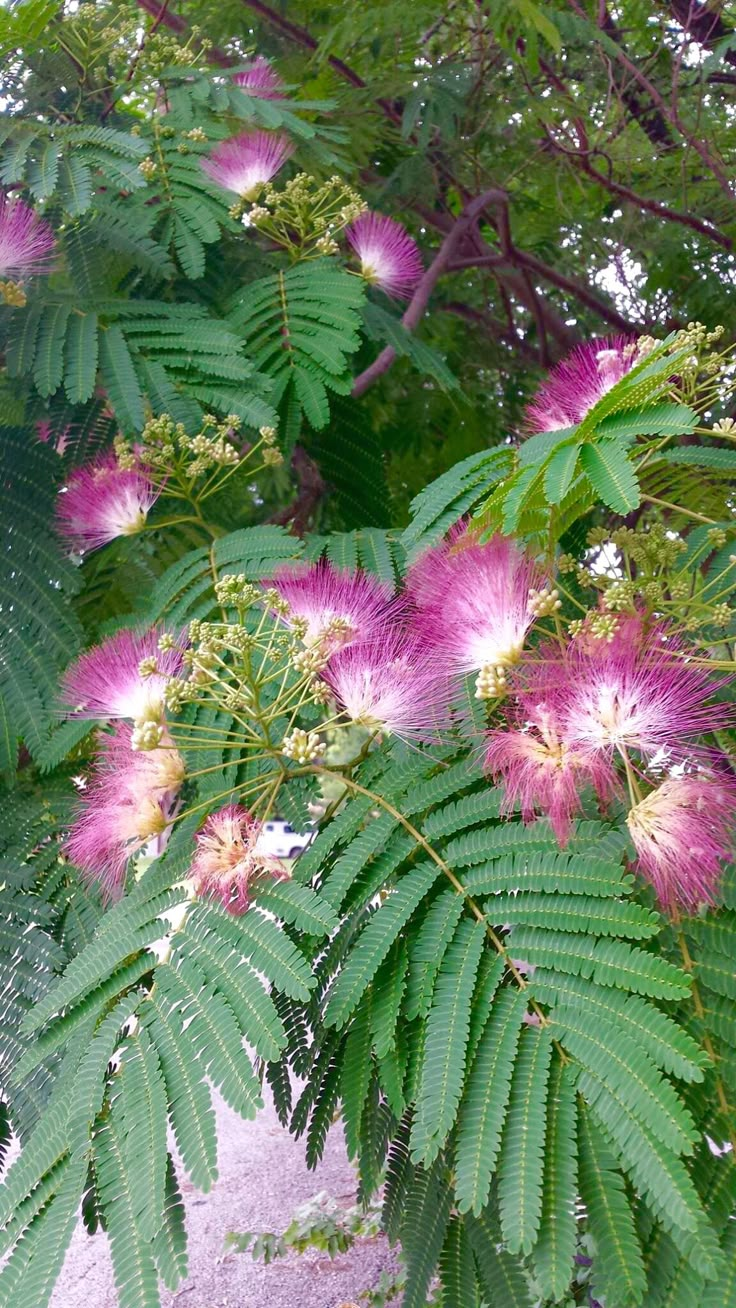
Albizia
Albizia spp.Feathery leaves and spreading shade
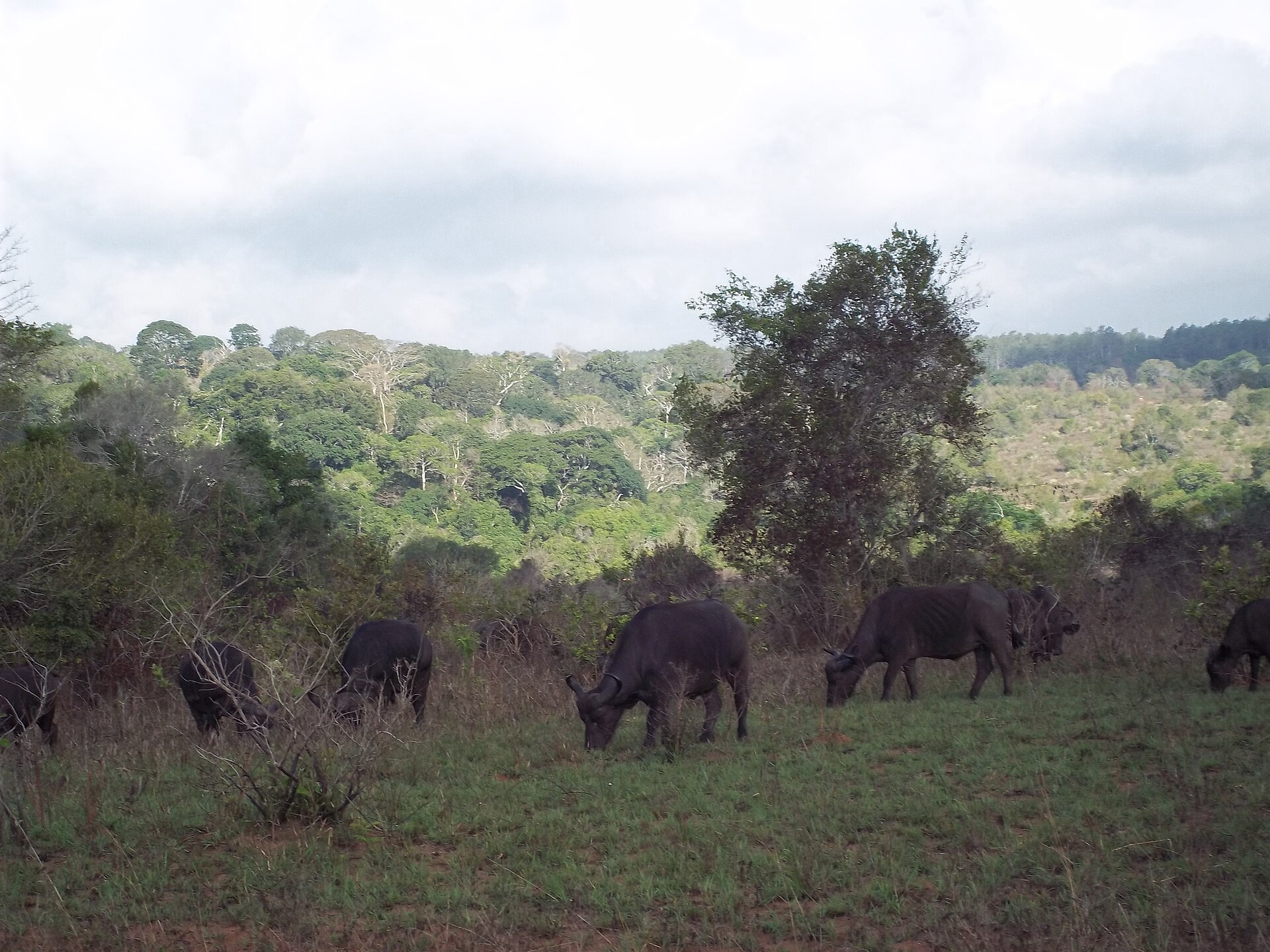
Croton
Croton spp.Broadleaf woodland species; local identification important
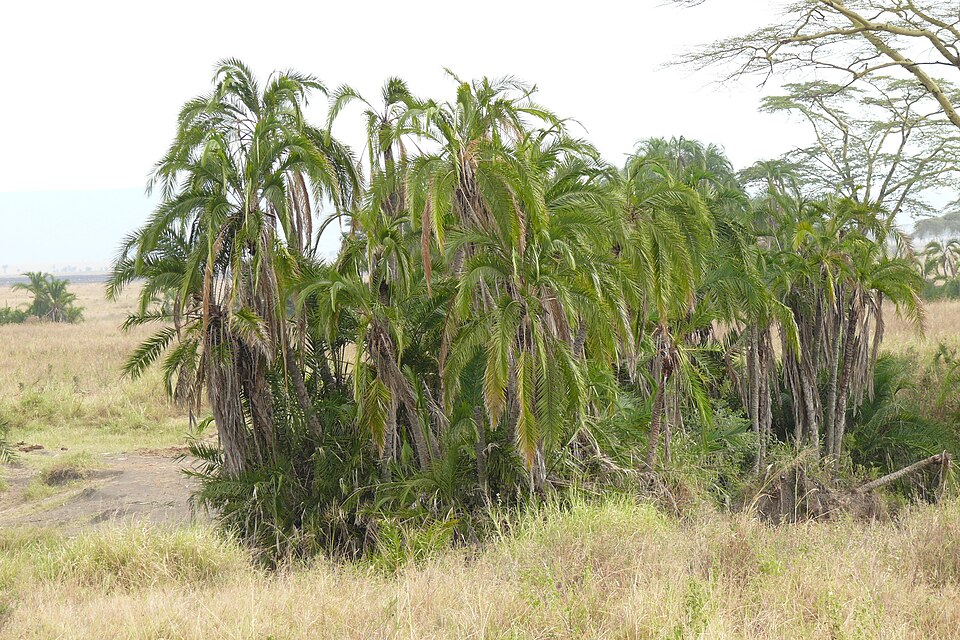
Wild date palm
Phoenix reclinataAssociated with wetter patches
Acacia woodland understory
Mixed shrubsDiverse shrubs for small browsers
Savannah grasses
PoaceaeGrazing foundation for zebras and antelope
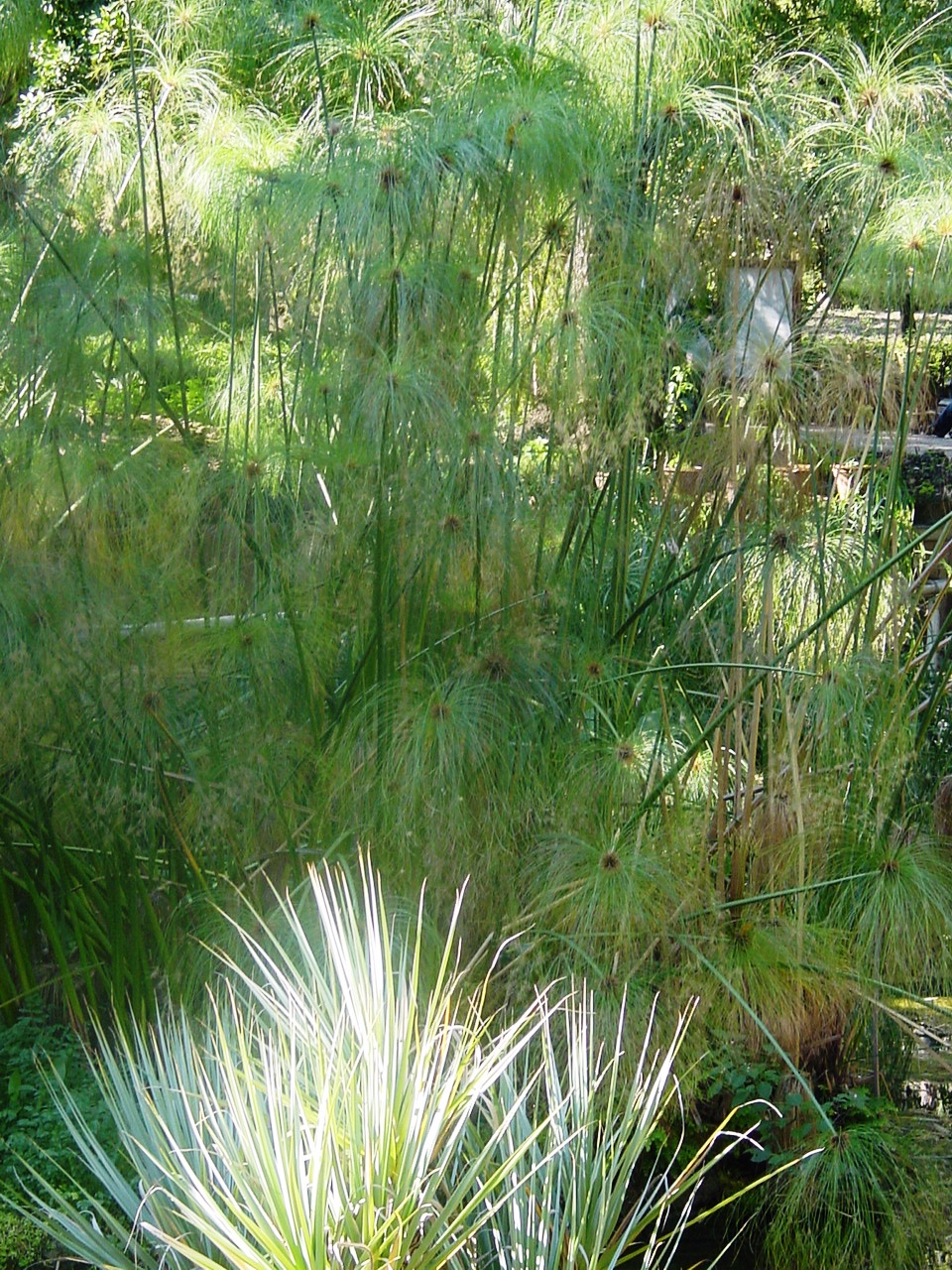
Sedges
CyperaceaeWetland margins
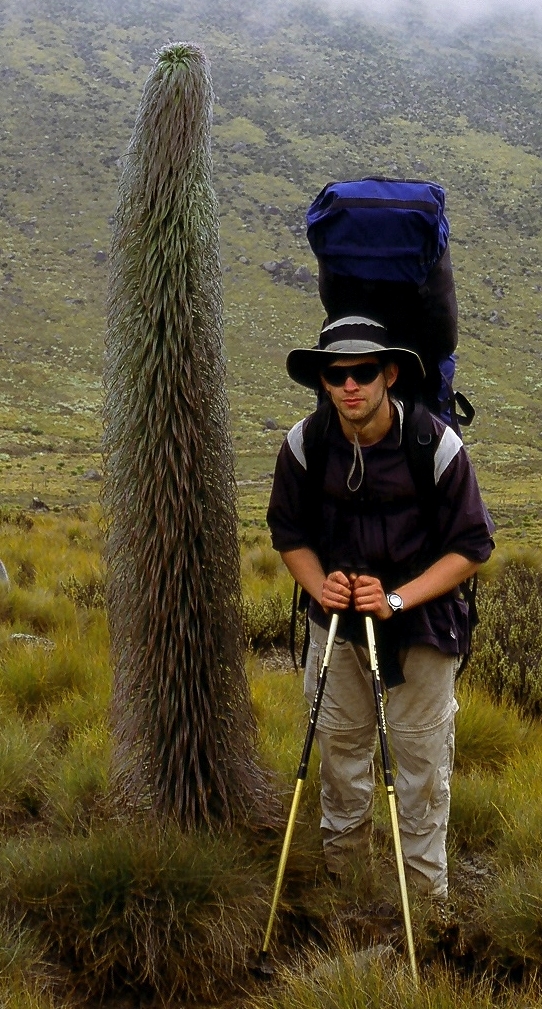
Seasonal flowering herbs
Mixed familiesSeasonal flowers respond to rainfall
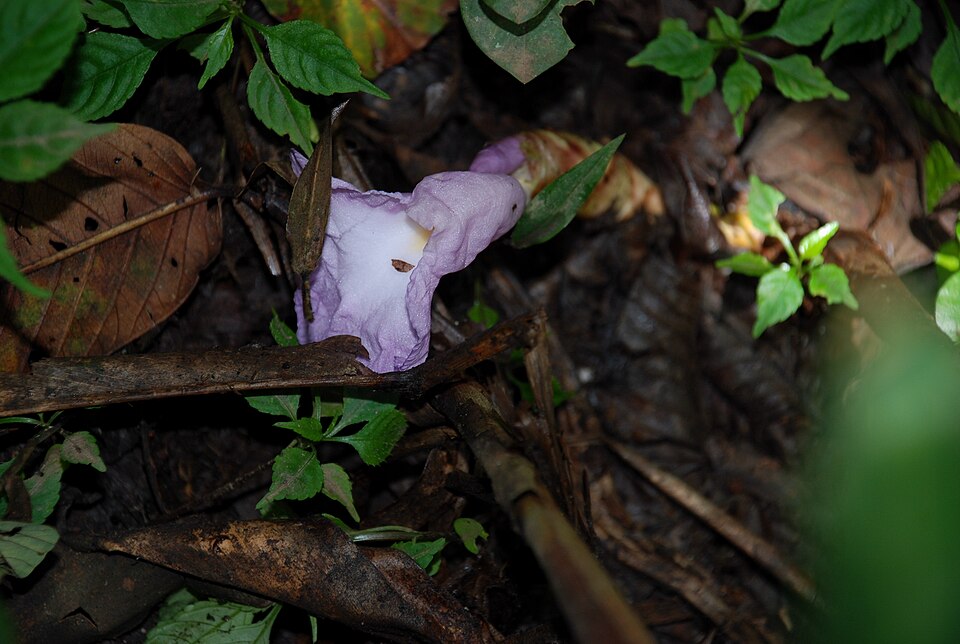
Wild gingers
ZingiberaceaeNot a signature feature of open savanna; look only in suitable shaded habitats
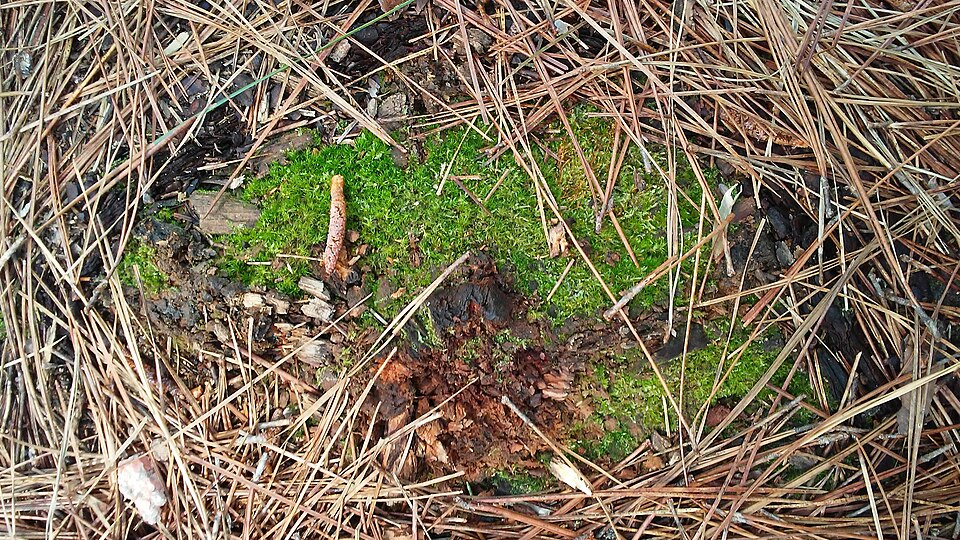
Lichens and mosses
Multiple taxaOn shaded trunks and moist stones
What to do in Ol Pejeta
Rhino conservation
Learn about southern black and white rhinos and special northern white rhino conservation.
Sweetwaters sanctuary
Visit rescued chimpanzees under sanctuary management rules.
Game drives
Explore designated tracks with a guide or self-drive where allowed.
Night drives
Confirm availability and licensing with the conservancy.
Bush walks
Only on approved guided walks.
Photography
Use longer lenses and never crowd endangered animals.
Best places to stay around Ol Pejeta
Choose Sweetwaters for a stay inside the conservancy; choose Nanyuki for hotels and more flexibility. The Expedia links below open property-name searches so you can confirm the exact listing, date and availability, rather than relying on unverified hotel ID numbers.
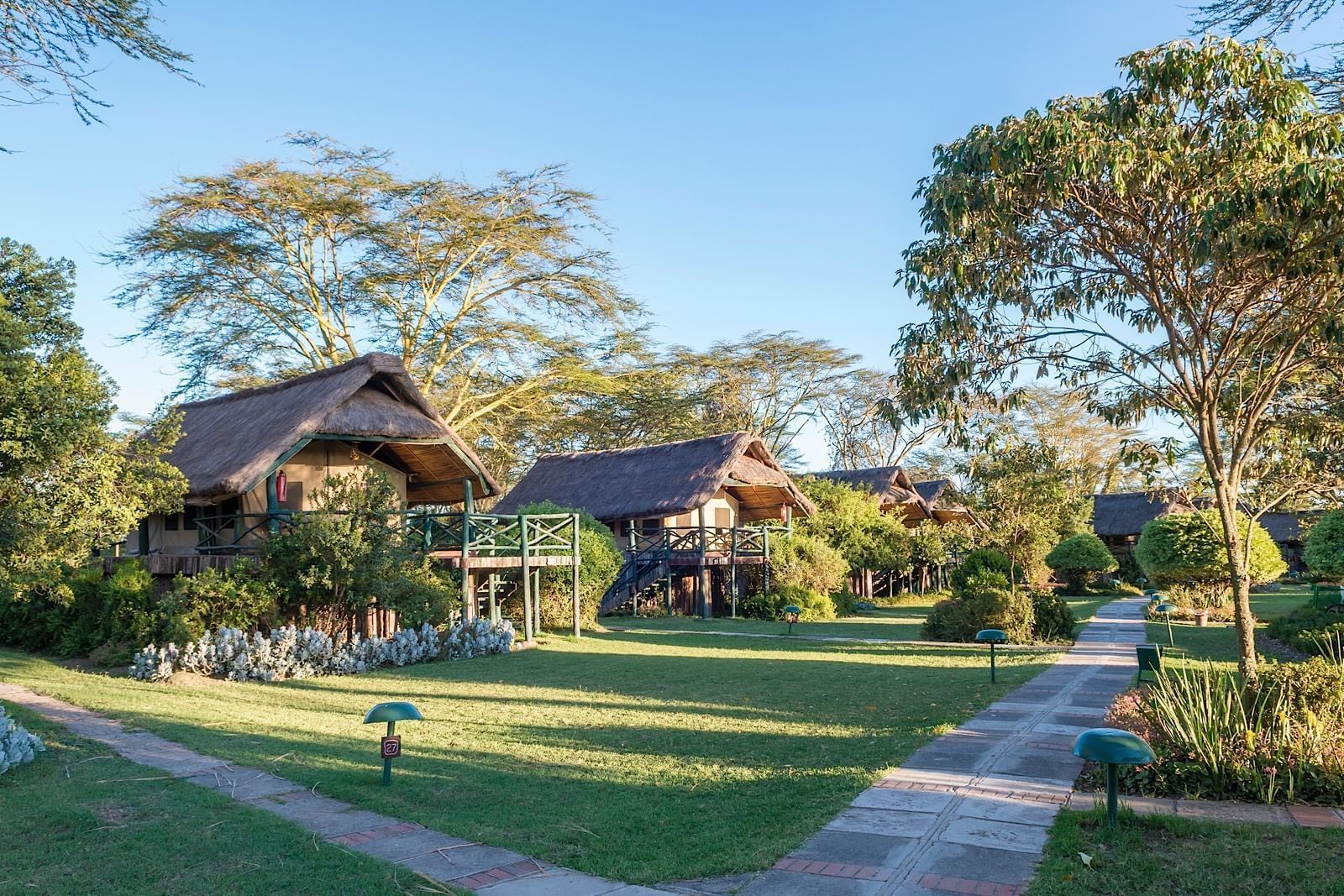
Sweetwaters Serena Camp
Best choice for early game drives without leaving the conservancy. Tented safari setting overlooking the waterhole.
Find hotel on Expedia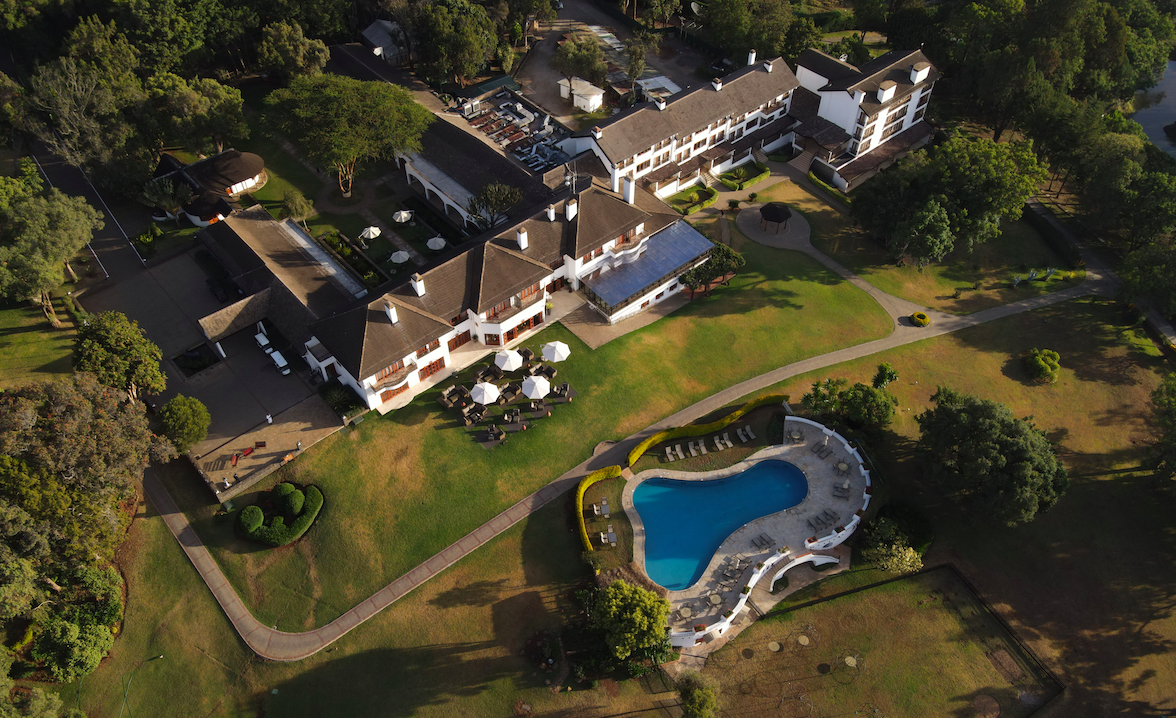
Fairmont Mount Kenya Safari
Historic resort at the foothills of Mount Kenya, with comfortable grounds but requiring a road transfer to Ol Pejeta.
Find hotel on Expedia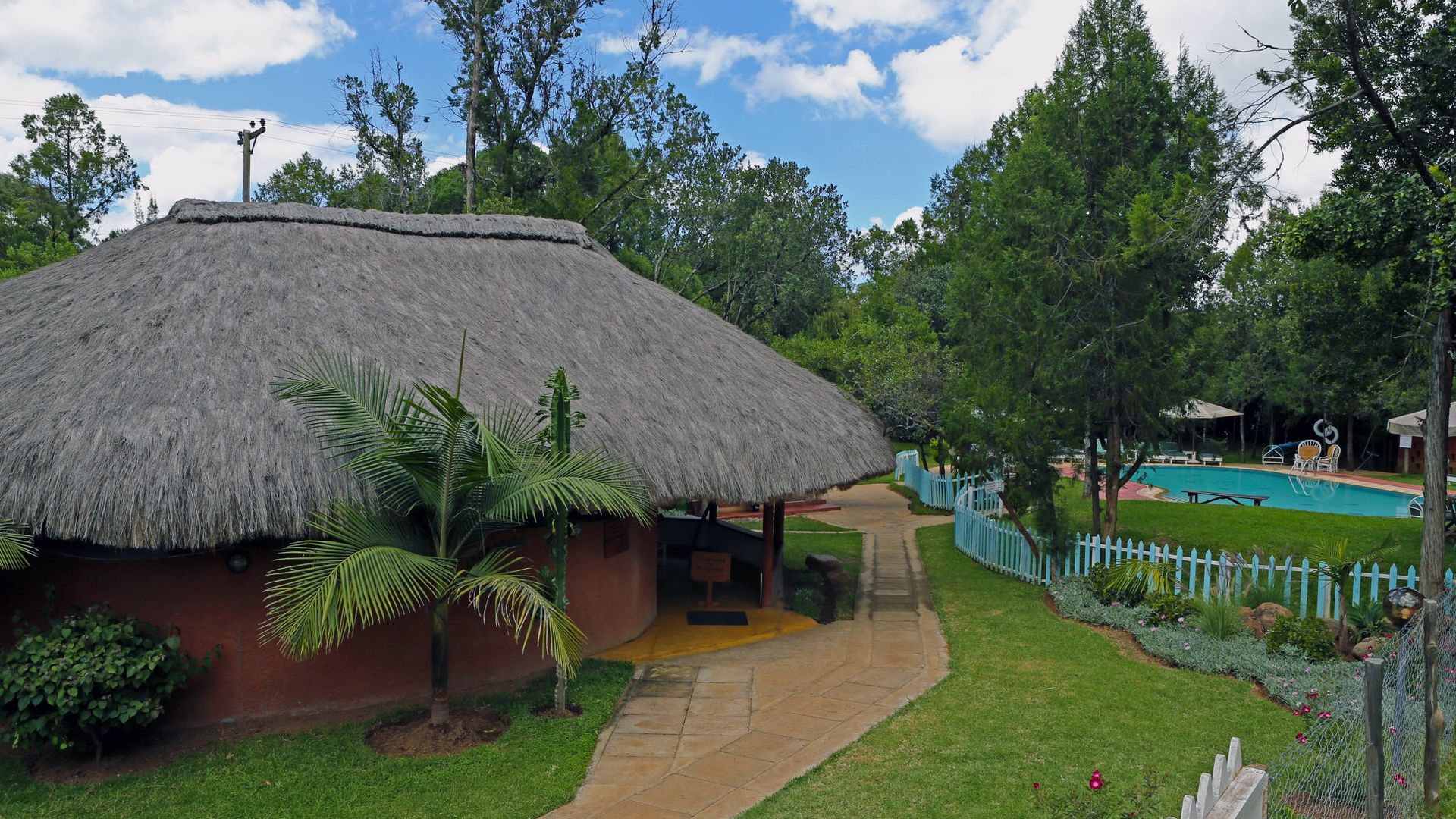
Kongoni Camp Nanyuki
Alternative for travellers combining the conservancy with Nanyuki activities. Confirm travel time to the gate.
Find hotel on ExpediaAffiliate disclosure: See.Africa may earn a commission from eligible Expedia bookings at no extra cost. Conservation fees and guided activities are separate.
Safety and conservation rules
Follow conservancy rangers’ instructions, obey speed and access restrictions, keep safe distances from all wildlife and never get out of your vehicle on unauthorised tracks. Respect sanctuary procedures and never feed chimpanzees or wild animals.
Frequently asked questions
Can you see northern white rhinos?
The conservancy protects Najin and Fatu, the last two known living northern white rhinos. Visits require the conservation programme’s permission and advance booking.
Can I see chimpanzees?
Yes, the Sweetwaters Chimpanzee Sanctuary houses rescued chimpanzees. Viewing depends on opening and sanctuary rules.
How much is entry?
Ol Pejeta’s 2026 adult daily entry is KES 2,000 for East African citizens, KES 3,500 for East African residents and USD 110 for non-residents. Children aged 3–11 pay KES 1,000, KES 1,750 or USD 55 respectively. Vehicle fees are additional. See the fee table and official 2026 tariff source.
Can I self-drive?
Yes, within authorised routes and visitor regulations. Enquire about road conditions, especially after rain.
How long should I stay?
One full day is possible; two nights allow more game drives and fewer rushed activities.
Is Ol Pejeta a national park?
No. Ol Pejeta is a privately managed wildlife conservancy in Laikipia County, Kenya.
Which lodge is inside the conservancy?
Sweetwaters Serena Camp is a well-known in-conservancy property; Nanyuki hotels require a transfer.
Primary sources and editorial method
Information reviewed 26 October 2026. For up-to-date fees, special visits, gate access and safety advice, Ol Pejeta’s own visitor guidance takes precedence. This page uses illustrative species photography and approximate map markers.
Leave a Reply