
Hotel Manager Interview Series
A Moroccan kasbah where the landscape shapes every detail.
The conversation
Set among the argan-covered foothills outside Agadir, Atlas Kasbah Ecolodge offers a different perspective on Morocco: one shaped by Amazigh heritage, local craftsmanship and the communities living around it. Manager Hassan Aboutayeb describes why the ecolodge was created, how traditional building materials and regional food influence the guest experience, and what local employees have brought to its identity. He also shares a pioneering environmental project developed with the University of Agadir, favourite excursions into the Souss countryside, and his conviction that meaningful hospitality depends on the people behind it.
“For us, the argan forest is much more than the setting of Atlas Kasbah. It is the very reason the ecolodge exists.”
Hassan Aboutayeb · Atlas Kasbah Ecolodge
Rooted in the argan forest
The landscape, traditional architecture and living Amazigh culture
What makes your hotel and its surrounding destination different from anywhere else in Africa?
Hassan Aboutayeb
What makes Atlas Kasbah special is its close connection to the land and the people around it.
Our ecolodge is located in the foothills of the Atlas Mountains, within the Arganeraie Biosphere Reserve, recognised by UNESCO. This is a remarkable environment, home to the argan tree, a symbol of southwestern Morocco and an important part of the region’s natural and cultural heritage.
When we opened Atlas Kasbah in May 2009, our aim was not simply to build a hotel in a beautiful setting. We wanted to show that tourism could be done differently, offering guests a high-quality experience while protecting the environment, supporting the local economy and preserving cultural heritage.
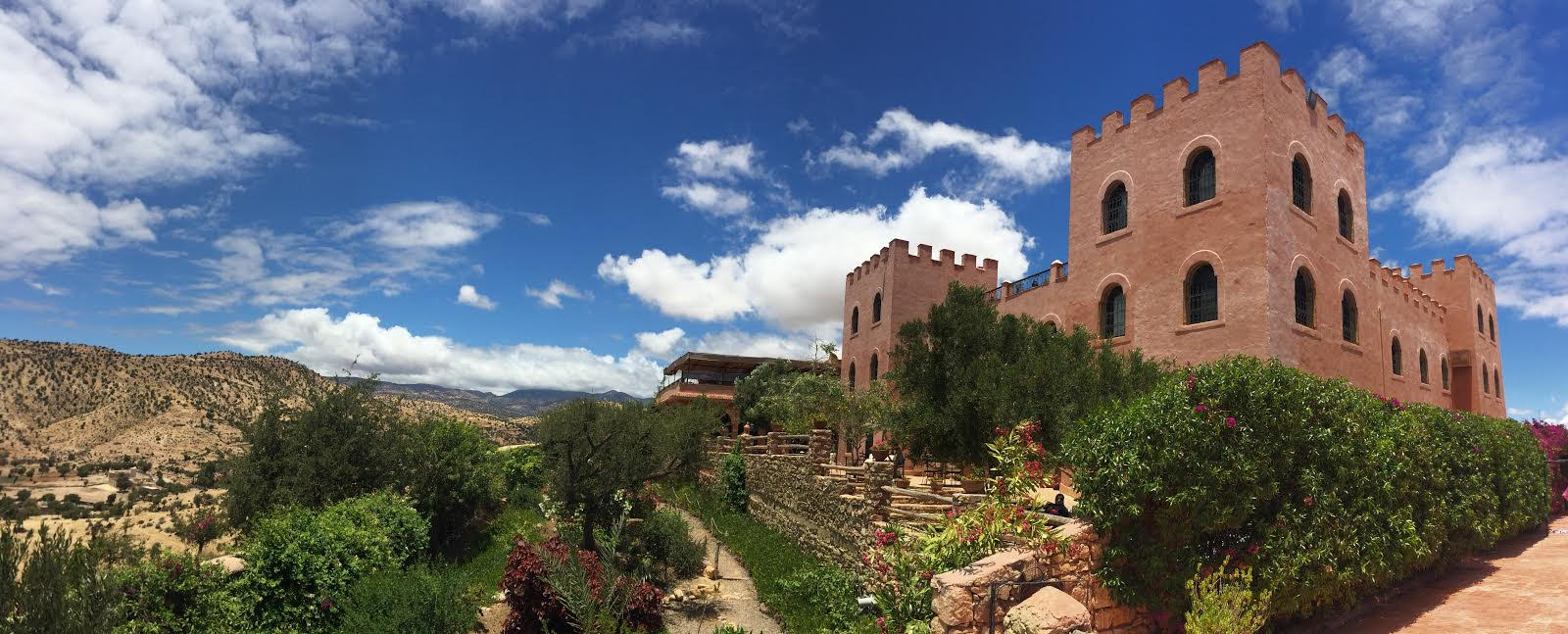
Our architecture reflects this approach. Inspired by the traditional kasbahs of southern Morocco, the building incorporates natural materials such as rammed earth, stone, wood and tadelakt, with much of the work carried out by local craftsmen.
For us, the argan forest is much more than the setting of Atlas Kasbah. It is the very reason the ecolodge exists.
We want our guests to experience a place that truly belongs to its surroundings, shaped by the landscape, the culture and the people who live here.
What local traditions, ingredients, art or experiences do you incorporate into the guest experience?
Hassan Aboutayeb
Amazigh culture is an essential part of Atlas Kasbah’s identity. It is reflected in our architecture and decoration, of course, but above all in the people who work here.
Almost all our team members come from nearby villages. We also work with local artisans, farmers, producers and cooperatives, helping to ensure that tourism benefits the surrounding communities.
Our kitchen celebrates traditional Moroccan recipes, seasonal ingredients and locally sourced produce.
We also enjoy introducing guests to the region’s traditional crafts and skills, including tadelakt plasterwork, pottery, woodwork, farming practices and argan oil production.
Argan oil is particularly important to our region. Behind every bottle lies a remarkable ecosystem, generations of knowledge and the work of women and cooperatives who keep these traditions alive.
We don’t want our guests to see a culture that has been recreated for tourists. We want them to experience a living culture through genuine encounters with the people who are part of it.
The people who make it possible
Local skills, a close-knit team and responsible hospitality
Can you share a memorable story about a guest, employee or community member that captures the spirit of your hotel?
Hassan Aboutayeb
One of the things that means the most to me is seeing how our team has grown over the years.
From the beginning, we made a conscious decision to recruit locally and provide training in hospitality to people from the surrounding villages.
Over time, we have watched team members develop new skills, become more confident and take on greater responsibilities within the ecolodge.
Seeing this progress has been just as rewarding as any recognition Atlas Kasbah has received.
We have always believed that a hotel cannot truly call itself sustainable unless the surrounding communities also benefit from its success.
In many ways, the story of Atlas Kasbah is the story of the people who helped build it and who continue to give it its character every day.
How do you maintain consistently high standards across every part of the guest experience?
Hassan Aboutayeb
For us, good hospitality starts with the people who provide it.
We place great importance on training our team, sharing knowledge and creating a working environment where people feel valued and supported.
We want every guest to feel genuinely welcome, with attentive, personal service that comes naturally rather than feeling scripted.
But our idea of quality goes beyond comfortable rooms and good service. It also includes the food we serve, how we manage our resources and the relationships we build with local suppliers and partners.
For example, in collaboration with the University of Agadir, we developed a natural wastewater treatment system using aquatic plants. The treated water can then be reused, particularly for irrigating our gardens.
We have also created a permaculture garden with argan trees, fruit trees, aromatic and medicinal plants, and a vegetable garden.
We believe that providing a high-quality guest experience and caring for the environment should go hand in hand.
Rooms with a sense of place
Earth-coloured walls, craftsmanship and discoveries beyond Agadir
Which is your favourite room in the hotel, and what makes it special to you?
Hassan Aboutayeb
It’s difficult to choose just one room because each has its own character.
What I particularly like about our rooms is the way they reflect traditional kasbah architecture and the surrounding landscape.
The natural materials, earth-coloured walls, tadelakt finishes, wood and handcrafted details create a warm atmosphere that feels very different from a standard hotel room.
For me, a good room should offer more than comfort. It should give guests a sense of where they are, allow them to enjoy the peace and quiet, and help them slow down.
That combination of simplicity, traditional craftsmanship and personal hospitality is what makes our rooms special.
What is one nearby experience visitors often overlook but absolutely shouldn’t miss?
Hassan Aboutayeb
I would definitely recommend exploring the argan forest and the countryside around Agadir. The region has so much natural beauty, history and culture that many visitors never get to see.
Agadir is best known for its beaches and sunshine, but just a short distance from the coast, there is a very different side of Morocco, with beautiful landscapes, Amazigh villages, living traditions and fascinating historical sites.
At Atlas Kasbah, we encourage our guests to explore the area around the ecolodge. A local excursion might take them through the argan forest to the Imi N’Taghzoute gorges, the 16th-century Saadian tombs or the Aguerd Mosque, which is part of the region’s historical and spiritual heritage.
For those who want to venture further, there is plenty to discover: Paradise Valley, the Honey Road and its villages known for traditional beekeeping, Tafraoute and the striking landscapes of the Anti-Atlas Mountains, the ancient Amazigh communal granaries known as igoudars, the historic city of Taroudant and the oasis of Tiout.
These excursions are about much more than scenery. They offer a chance to understand how local communities have lived with their environment for generations, discover traditional skills and appreciate the cultural richness of the Souss region.
Often, these are the experiences our guests remember most.
We hope visitors will leave feeling that they have discovered not just a destination, but also its history, its culture and the people who call it home.
An unhurried day in Souss
Sunrise walks, village encounters and a Moroccan evening
What is your ideal day in the area, from morning until evening?
Hassan Aboutayeb
My ideal day would begin early, with a walk through the argan forest at sunrise.
I particularly enjoy that time of day, when the light slowly changes over the hills, the birds begin to sing and everything is still quiet.
After a traditional Moroccan breakfast made with local ingredients, I would visit some of the nearby villages, perhaps stopping to meet local artisans or producers.
I would then spend some time exploring a traditional market or the countryside before heading towards the Atlantic coast in the late afternoon.
In the evening, I would return to Atlas Kasbah for a Moroccan dinner prepared with seasonal produce, followed by a quiet moment under the stars.
For me, it’s a perfect day because it combines nature, local culture, good food and the simple pleasure of taking your time.
If you could describe the hotel in just three words, which would you choose, and why?
Hassan Aboutayeb
Authenticity, responsibility and people.
Authenticity, because Atlas Kasbah is deeply rooted in its surroundings. Its architecture, materials, food and cultural identity all reflect the Souss region and its Amazigh heritage.
Responsibility, because we have always believed that tourism should help protect natural resources and create opportunities for local communities.
People, because behind every experience, every handmade object, every meal and every warm welcome are the people who make Atlas Kasbah what it is.
These three words reflect the kind of hospitality we believe in: one that respects guests, the environment and the local community.
A vision built together
Leadership, sustainability and a different definition of luxury
What is the most important leadership lesson that working in hospitality has taught you?
Hassan Aboutayeb
Probably that you cannot build something lasting on your own.
When we started Atlas Kasbah, we had a clear vision of what we wanted to achieve environmentally and culturally. But making that vision a reality depended on our team, the artisans, the producers and the local communities we work with.
Running a hotel is not just about managing operations or achieving financial results. It’s also about sharing values, building trust, helping people develop their skills and giving them the opportunity to grow.
I’ve also learned that sustainability requires patience and humility.
There is always something we can improve, whether it’s reducing our environmental impact, managing resources more carefully or finding better ways to work with our community.
Good leadership, to me, means having a clear direction while remaining willing to listen, learn and adapt.
What inspired you to build a career in hospitality?
Hassan Aboutayeb
Atlas Kasbah began less as a plan to open a conventional hotel and more as a desire to create something meaningful.
We believed that tourism could help protect a region, celebrate its heritage and create economic opportunities for the people who live there.
We wanted to show that it was possible to offer a high standard of hospitality without creating a hotel that felt disconnected from its surroundings.
Hospitality brought together several things we care deeply about: nature, architecture, Moroccan culture, human connections and sustainable development.
What continues to motivate us today is seeing guests discover our region in a different way.
We hope they leave not only with good memories of their stay, but also with a better understanding of the landscape, the people and the traditions that make this part of Morocco special.
Because, ultimately, we believe that true luxury is not necessarily about having more. Sometimes, it’s simply about experiencing something real.
Meet the manager
Hassan Aboutayeb
Manager of Atlas Kasbah Ecolodge and an advocate for tourism rooted in local culture and the environment. He highlights the skills of the ecolodge’s team, the value of local partnerships and a vision of hospitality that benefits the surrounding communities.
About the property
Atlas Kasbah Ecolodge
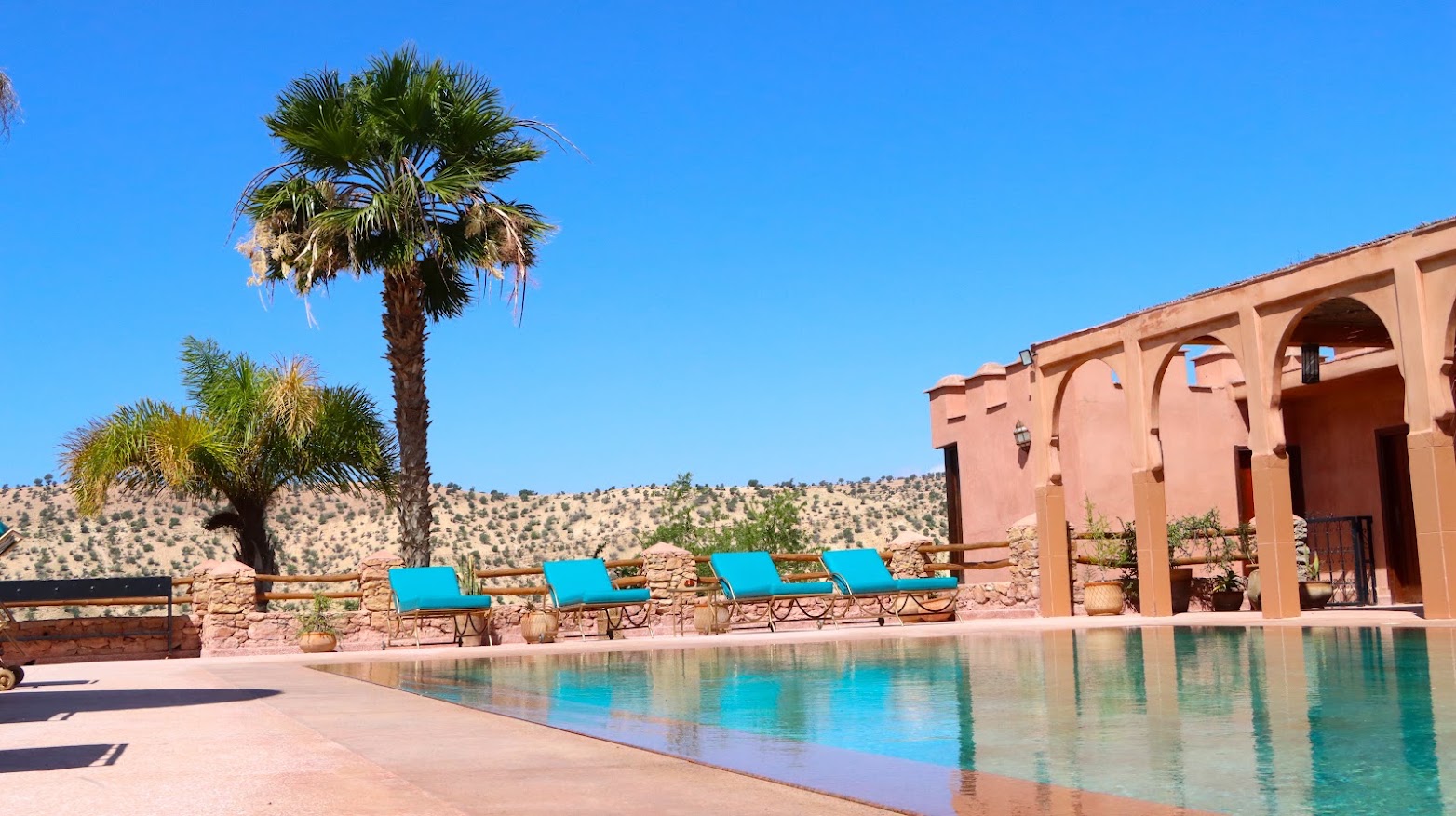
A traditional kasbah-inspired ecolodge in the UNESCO-recognised Arganeraie Biosphere Reserve near Agadir, Morocco. The property focuses on Amazigh craftsmanship, regional ingredients and responsible resource use, with an outdoor swimming pool and rooms designed to reflect the surrounding landscape.
Part of the See.Africa Hotel Manager Interview Series. Answers provided by Atlas Kasbah Ecolodge and lightly edited for punctuation, grammar and readability. Property photographs supplied for publication by Atlas Kasbah Ecolodge.