
Kidepo Valley National Park Guide
The practical 2026 guide to Kidepo Valley National Park: Narus Valley wildlife, lions, cheetahs, rhinos, best time, fees, road and flight access, interactive map and how to plan a remote Uganda safari.
Kidepo Valley National Park at a glance
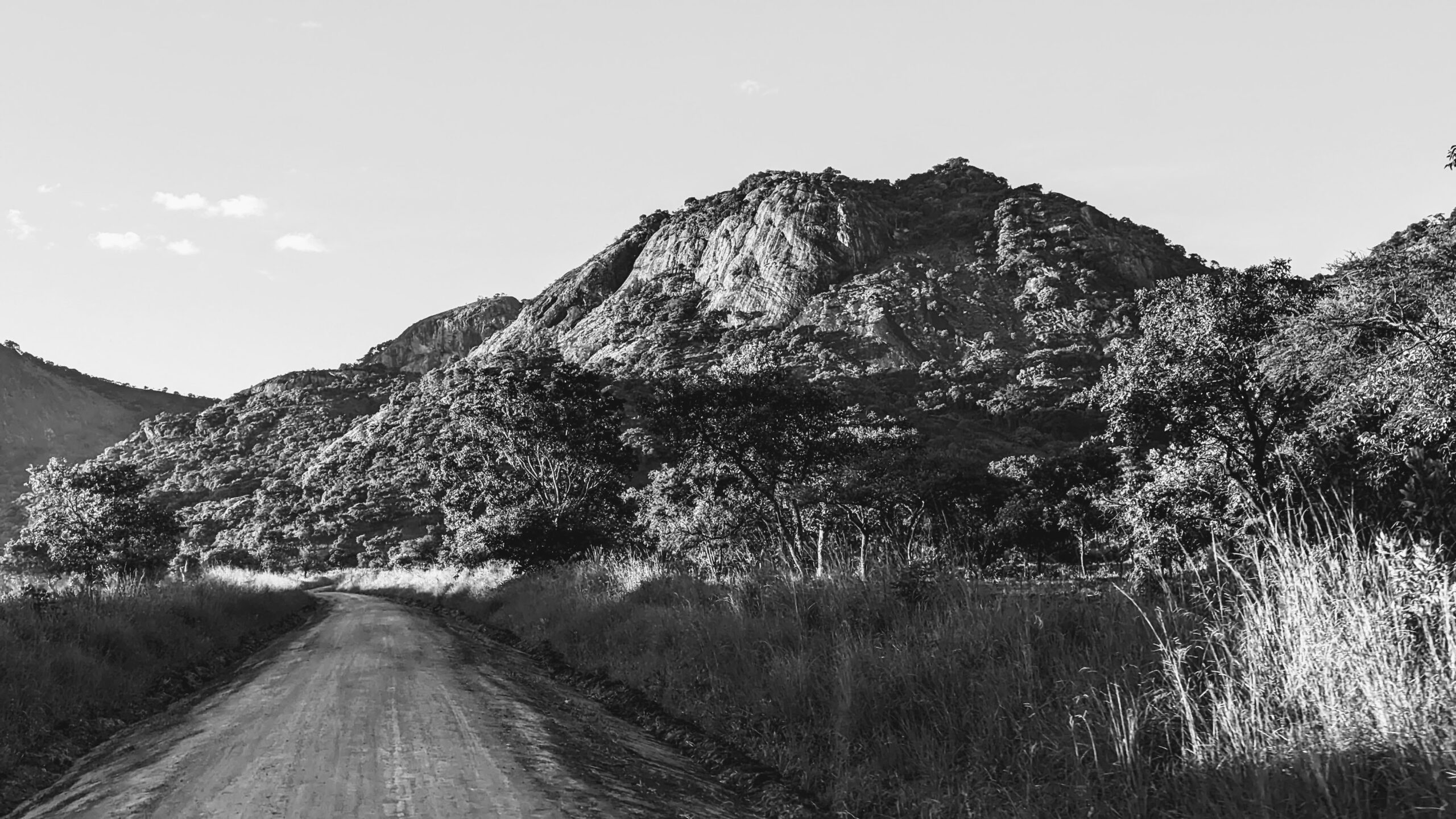
Kidepo Valley National Park is Uganda’s most remote classic savanna park, in the semi-arid Karamoja region near the borders with South Sudan and Kenya. Uganda Wildlife Authority currently lists the park at 1,442 km², with 77+ mammal species and 476 bird species. The main wildlife concentration is the Narus Valley, while the drier Kidepo Valley adds a more austere landscape, ostriches and the Kanangorok Hot Springs.
Best time to visit Kidepo Valley National Park
September to March is the best overall period for wildlife viewing. Kidepo has one main wet season, broadly April–August. In the dry months animals concentrate around dependable Narus Valley water, grass gets shorter and visibility improves. The wet season is greener, cooler and often better for birding, but wildlife spreads into higher ground.
For concentrated wildlife
November–February. Narus Valley becomes increasingly important as permanent water attracts buffalo, elephants, antelopes and predators.
For a broader dry-season window
September–March. This is the safest default for first-time safari planning.
For greener landscapes + birds
April–August. Expect afternoon showers, dispersed wildlife and fresher mountain views.
Kidepo Valley National Park entrance fees and activity costs
Uganda Wildlife Authority currently displays adult park entry at US for foreign non-residents, US for foreign residents and UGX 20,000 for East African visitors. UWA’s February 2026 tariff-change notice says the listed revised tariff adjustments take effect on 1 January 2027; the live Kidepo page still showed the figures below when this guide was checked on 20 August 2026. Re-check UWA immediately before payment.
US
Current adult park-entry amount displayed by UWA for Kidepo.
US
Current displayed UWA amount; qualifying residency documents may be required.
UGX 20,000
Current East African adult park-entry amount displayed by UWA.
Useful current UWA activity prices
Guided day game drive
US FNR / US FR / UGX 20,000 EAC per applicable UWA tariff line.
Guided night game drive
US FNR / US FR / UGX 50,000 EAC per person. UWA requires a guide for night drives and pre-registration rules apply.
Bird watching
US FNR / US FR / UGX 20,000 EAC per person.
Lonyili summit hike
US FNR / US FR / UGX 50,000 EAC in UWA’s current Kidepo tariff listing.
How to get to Kidepo Valley National Park
UWA places Kidepo roughly 700 km from Kampala and explicitly says scheduled or chartered flying is the easiest way to reach the park. Road travel is possible, but this is one of Uganda’s genuinely remote safari destinations.
Fly to Kidepo
Scheduled or chartered light aircraft are the most efficient option. Flights are normally arranged by a tour operator with a lodge/vehicle transfer on arrival.
Gulu → Kitgum → Lokumoit Gate
UWA gives roughly 10 hours for the direct road route. Breaking the drive in Gulu or Kitgum makes the journey less punishing.
Karamoja / Moroto route
Longer routes can approach through Karamoja and Nataba Gate. This works better as a deliberate northern-Uganda road itinerary than as a transfer day.
Kidepo map: Apoka, Narus Valley and Kidepo Valley
Use this map for orientation, not turn-by-turn navigation. Apoka is the practical tourism base; Narus Valley is the main game-drive zone; the Kidepo Valley runs north toward Kanangorok Hot Springs and the South Sudan frontier. Approximate points are labelled as such.
The optional route is a planning sequence, not exact road geometry. Habitat shading indicates broad typical viewing habitat, not live animal locations. Follow UWA signage and ranger/lodge instructions on the ground.
How to use one full day in Kidepo
Dawn: Narus Valley predators
Start in the Narus Valley while temperatures are lower. Lions, hyenas and cheetahs can be more active before the heat builds, while grazers cluster near permanent water.
Morning: buffalo + elephant country
Stay with productive water and grassland rather than covering distance for its own sake. Kidepo’s scale rewards patience.
Midday: Apoka reset
Use the hottest hours for rest, lunch and a slower scan of nearby savanna and birds. Midday heat can be severe in the dry season.
Afternoon: valley contrast
Either return to Narus for late light and predators or, with enough time, explore farther north toward the Kidepo Valley and Kanangorok landscape.
20 mammals to know in Kidepo Valley
Kidepo has some of Uganda’s most diverse savanna mammal fauna, including dry-country species uncommon or absent in the country’s western parks.
Lion
One of Kidepo’s headline predators. Dawn and late afternoon around prey-rich Narus Valley are the best default search periods.
Cheetah
Kidepo is Uganda’s classic cheetah destination. Scan open plains and low rises where a cheetah can watch grazing herds.
African bush elephant
Dry-season elephants use the Narus system heavily. Give family groups and bulls plenty of space.
African buffalo
Kidepo is famous for enormous buffalo concentrations. Even when herd numbers vary, the scale can be one of the park’s defining sights.
Nubian / Rothschild’s giraffe
Giraffes stand out against the open valley and acacia woodland and are among Kidepo’s most photogenic large mammals.
Plains zebra
Kidepo and Lake Mburo are Uganda’s best-known zebra parks. Look for mixed grazing areas around Narus.
Jackson’s hartebeest
A long-faced antelope built for open plains; often easier to spot in uncluttered savanna.
Common eland
Africa’s largest antelope, surprisingly capable of melting into woodland and tall grass despite its size.
Greater kudu
Look in bushier and rockier country rather than open valley floors; mature males carry spectacular spiral horns.
Patas monkey
A fast, long-legged primate of open dry savanna and one of Kidepo’s most distinctive non-antelope mammals.
Show 10 more Kidepo mammals
Leopard
Present but difficult to target. Scan rocky outcrops, drainage lines and thicker bush at first and last light; alarm calls from primates or antelope can be useful clues.
Spotted hyena
Both hunter and scavenger. Dawn sightings, tracks and whooping calls are common ways visitors detect them around prey-rich plains.
Black-backed jackal
Small alert canid of open country. Watch around predator activity and short grass where its dark saddle is easy to pick out.
Bat-eared fox
A Kidepo dry-country specialty. Huge ears and a low-slung profile are diagnostic; cooler early and late hours give the best chance.
Oribi
Small upright antelope usually seen singly or in pairs. Look for a compact tan body and alert posture in shorter grass.
Klipspringer
Ignore the flat valley when searching for this species: rocky outcrops and steep slopes are the right habitat. Its tip-toe stance is distinctive.
Common warthog
Often grazes on its knees around short lawns near water. The upright tail when running is one of the easiest field marks.
Uganda kob
Less defining here than in some western Ugandan parks. Males are richer reddish-brown with ringed horns; check open grass near dependable water.
Caracal
A genuine bonus sighting rather than a safari target. Long black ear tufts and a plain reddish coat separate it from other small cats.
Southern white rhinoceros
UWA began reintroducing southern white rhinos to Kidepo in March 2026 after a 43-year absence. They are under intensive protection in a secure sanctuary, so do not plan a normal game drive around seeing them.
10 Kidepo birds worth learning
UWA lists 476 bird species, with Kidepo especially strong for dry-country birds and raptors.
Common ostrich
Kidepo is Uganda’s signature wild-ostrich park. Search the drier Kidepo Valley and open northern country.
Secretarybird
Long-legged ground-hunting raptor of open savanna; often spotted striding rather than perched.
Kori bustard
Huge open-country bird; scanning broad grassland slowly is more effective than chasing sightings.
Pygmy falcon
A tiny dry-country raptor associated with thorny savanna.
White-bellied go-away-bird
Conspicuous in dry woodland and thorn scrub; often easier to hear before it is seen.
Northern carmine bee-eater
Brilliant red bee-eater associated with open country and seasonal insect abundance.
Dark chanting goshawk
Often uses exposed perches in dry savanna, making it relatively approachable for identification.
Red-and-yellow barbet
Strikingly patterned dry-country barbet, often around termite-rich scrub and woodland.
Jackson’s hornbill
A regional dry-country specialty associated with northern East African bushland.
Karamoja apalis
A regionally important specialty of thorny savanna. Specialist birding effort and local knowledge improve the odds.
Kidepo flora: trees, shrubs, grasses and dry-country plants
Kidepo spans semi-arid valley floors, thorn woodland, rocky slopes and greener drainage lines. The exact mix changes with altitude, soil and rainfall, so this section is best used as a habitat-recognition field guide rather than a definitive botanical checklist.
Trees & shrubs
Umbrella thorn
Flat-topped dry-savanna tree. Look for it on open valley margins where it provides shade and browse.
Whistling-thorn type acacias
Thorny acacias are a defining part of Kidepo’s dry woodland and browsing habitat.
Red-barked thorn trees
Common dry-country form; useful to recognize where giraffe and kudu feed.
Desert date
Hardy, drought-tolerant tree adapted to hot semi-arid country.
Combretum woodland
Broad-leaved woodland becomes more important away from the driest valley floor.
Commiphora scrub
Resinous shrubs and small trees typical of dry rocky slopes and bushland.
Riverine figs
Better-watered drainage lines support larger fruiting trees used by birds and primates.
Grewia shrubs
Dry-savanna shrubs that contribute browse and cover along bushier edges.
Terminalia woodland
Look for these in less arid woodland patches and on better-drained ground.
Mixed thorn scrub
A key structural habitat of northern Kidepo, especially toward drier country.
Flowers, reeds, grasses & understory plants
Red oat grass
Important savanna grass where soils and rainfall permit; attractive to large grazers.
Buffel grass
Drought-tolerant perennial common in semi-arid grazing country.
Star grasses
Short lawns near dependable water can become prime dry-season feeding areas.
Hyparrhenia grasses
Taller bunch grasses become more conspicuous after rain and away from heavily grazed lawns.
Sporobolus grasses
Hardy grasses suited to dry and sometimes saline or compacted valley soils.
Valley sedges
Greener drainage channels and wet patches create a sharp habitat contrast with surrounding dry plains.
Seasonal herbs
Rain can rapidly transform bare-looking ground into a flush of herbs and flowers.
Aloe-like succulents
Rocky slopes and dry hills support drought-adapted succulents; exact identification requires local botanical knowledge.
Wild legumes
Low shrubs and herbs in the pea family are common components of savanna understory after rain.
Rock-slope herbs
Shallow soils around hills support a distinct plant community from the open valley floor.
Best Kidepo Valley National Park experiences
1. Narus Valley game drive
The core Kidepo safari: buffalo, elephant, zebra, giraffe, antelope and the best predator chances.
2. Kidepo Valley drive
A drier, wilder-feeling landscape with ostrich country and much lower wildlife density than Narus—but stronger wilderness atmosphere.
3. Kanangorok Hot Springs
Remote hot springs near the northern end of the Kidepo Valley; combine them with a long scenic drive rather than treating them as a quick roadside stop.
4. Guided nature walk
UWA offers guided walking activities around suitable areas near the tourism base.
5. Birding
Dry-country specials, ostriches and raptors make Kidepo one of Uganda’s most distinctive birding parks.
6. Cultural/community experiences
Karamoja is culturally distinct. Choose community-led experiences with clear local benefit and respectful photography.
Rules that matter in Kidepo
Do not approach wildlife on foot
Large buffalo herds, elephants, lions and other dangerous wildlife make unsupervised walking inappropriate.
Carry real road reserves
Kidepo is remote. On road trips, fuel, water, tyre condition and daylight margins matter more than they do near Kampala.
Respect rhino restrictions
The 2026 rhino reintroduction uses a secure sanctuary and intensive monitoring. Follow ranger instructions and do not assume access.
Stay on permitted tracks
Do not create shortcuts across fragile dry-country habitat. Ask about current road condition before long northern drives.
Kidepo Valley National Park FAQ
What is Kidepo Valley National Park famous for?
Kidepo is famous for remote wilderness, huge buffalo herds, lions, elephants, cheetahs, dry-country wildlife and dramatic mountain-backed savanna. It also has Uganda’s signature wild ostrich population.
What is the best time to visit Kidepo?
September to March is the best overall wildlife-viewing period. Animals concentrate around dependable Narus Valley water, while April to August is greener and often better for birding.
How far is Kidepo from Kampala?
UWA places the park at roughly 700 km from Kampala. The most direct road journey via Gulu and Kitgum takes about 10 hours before stops and road variability.
Should I fly or drive to Kidepo?
Flying is the easiest option for a short safari. Driving makes more sense when Kidepo is part of a wider northern-Uganda or Karamoja road itinerary.
Where is the best wildlife viewing in Kidepo?
Narus Valley is the core game-viewing area. Permanent water attracts large mammals especially during the dry season.
Are there cheetahs in Kidepo?
Yes. Kidepo is Uganda’s most reliable classic cheetah destination, although sightings are never guaranteed.
Are there rhinos in Kidepo in 2026?
Yes. UWA began reintroducing southern white rhinos in March 2026 after a 43-year absence. They were initially placed in a secure sanctuary for adaptation and protection.
How many nights do you need in Kidepo?
Two to three nights is a strong minimum. Two gives one full safari day; three makes it easier to combine Narus Valley with the more remote Kidepo Valley.
How this guide was checked
See.Africa reviewed time-sensitive Kidepo information on 20 August 2026. Park size, fees, access, official wildlife totals and the 2026 rhino reintroduction were checked against Uganda Wildlife Authority. Best-time seasonality and species context were cross-checked against current specialist safari references.