
Mahale Mountains National Park Guide
Wild chimpanzees, Lake Tanganyika beaches and remote mountain forest. This 2026 guide covers chimp trekking, access by air and boat, current TANAPA fees, Mount Nkungwe, a detailed map, wildlife and practical planning.
Information checked 6 September 2026Mahale Mountains National Park at a glance
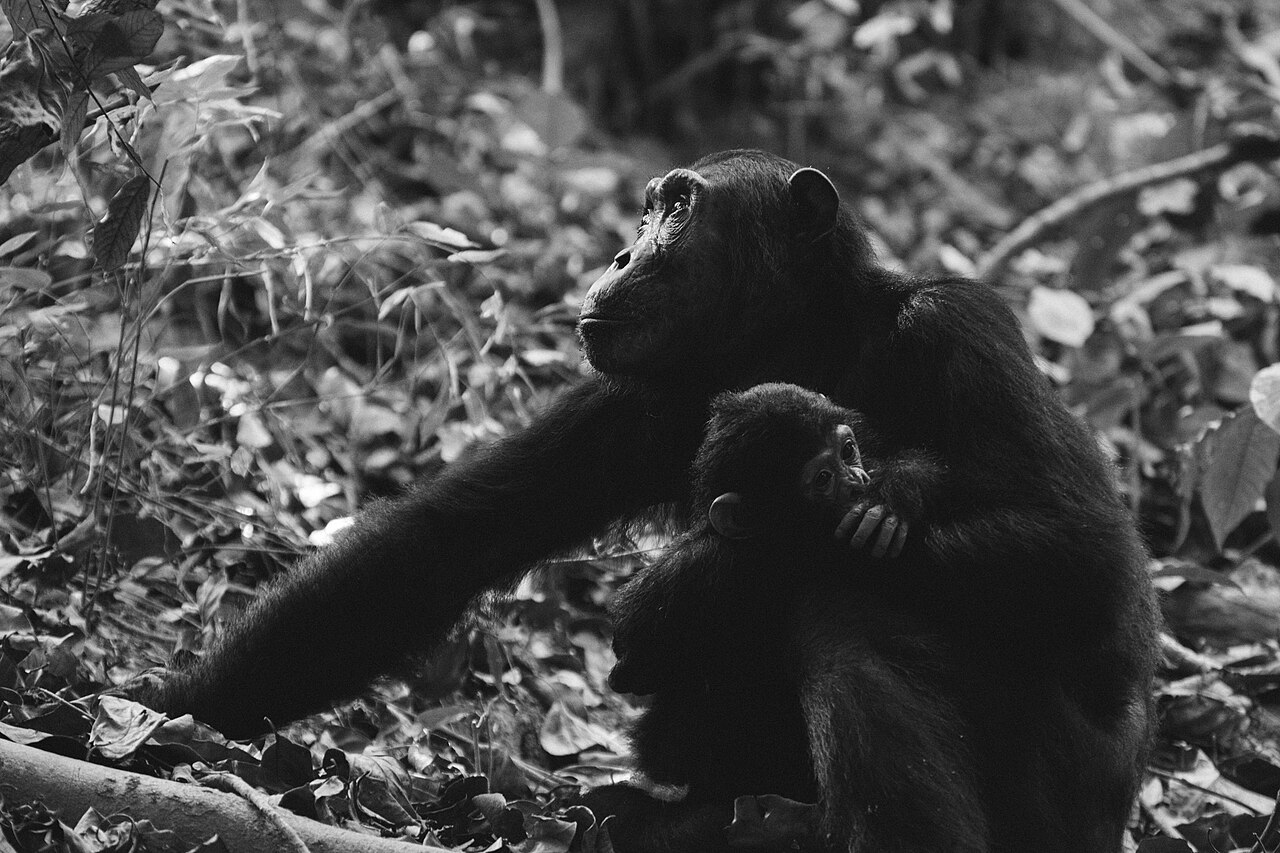
Mahale is one of Africa’s most unusual national parks: rainforest mountains fall directly into Lake Tanganyika, and the core wildlife experience is ranger-led chimpanzee trekking. TANAPA currently lists 1,613+ km², more than 20 km of pristine lakeshore and Mount Nkungwe above 2,400 m.
Quick Answers
For a broader Tanzania itinerary, compare with the Udzungwa Mountains guide or browse the Tanzania destination guide and all National Park Guides.
What is the best time to visit Mahale?
June to October is the easiest recommendation for a first trip. Drier trail conditions make chimp trekking more comfortable and lake time simpler. November–February is greener and quieter. March–May is wetter: forest is spectacular, but steep trails can be slippery and lake weather less predictable.
How much does Mahale Mountains National Park cost?
TANAPA currently lists US$70 for international adults, US$20 for international children and TZS 20,000 for East African residents. Chimp trekking, guiding, camping, boating and accommodation may carry separate charges.
Which part of Mahale matters most?
| Area | Best for | Access | Planning note |
|---|---|---|---|
| Kasoje / lodge zone | Chimp trekking, beaches, first visit | Boat from airstrip / Kigoma | Most visitor logistics and habituated-chimp trekking concentrate around this central lakeshore area. |
| Bilenge / northern park | Research history, remote chimp habitat | Boat / ranger logistics | Not a casual independent excursion; access depends on current park arrangements. |
| Mount Nkungwe | Serious hiking, altitude, views | Guided multi-day trek | For fit hikers; route, camps, water and ranger requirements need advance confirmation. |
| Lake shoreline | Kayaking, snorkeling, beaches, birding | Boat / lodge | Lake conditions can change quickly; use lifejackets and follow skipper guidance. |
How do you get to Mahale?
Most visitors fly to Mahale Airstrip and continue by boat to their lodge or camp. TANAPA also lists Kigoma as a gateway, followed by a Lake Tanganyika boat transfer. Limited dry-season road access exists in the wider area, but Mahale is not a normal self-drive park.
Best for fly-in trips. Coordinate the boat transfer with your lodge before departure.
Useful if combining Mahale with Gombe or western-Tanzania travel. Boat times depend on vessel and lake conditions.
Movement is primarily on foot and by boat; there is no conventional visitor road network through the core park.
Mahale Mountains National Park map
This map emphasizes boat arrival, air access, chimp-trek country, camps, beaches and mountain routes. Exact public coordinates are used where reasonably verified; remote trail and shoreline points are clearly approximate.
How should you plan a chimpanzee-trekking day?
TANAPA says treks typically depart in the morning. Follow the day’s ranger instructions and health screening.
Wear closed, grippy shoes, carry water and rain protection, and expect steep, humid terrain.
Stay quiet, obey distance and group-size rules, do not eat near chimpanzees and never imitate calls.
Use the beach or lake for recovery rather than overloading the day with another strenuous hike.
Use lifejackets and follow skipper guidance. Winds and waves can build quickly on Tanganyika.
Save transfer contacts, lodge radio/phone details and flight information before reaching the remote lakeshore.
16 mammals to know in Mahale
Chimpanzees are the headline, but Mahale also supports a diverse forest-primate community plus elusive larger mammals.
Eastern chimpanzee
Flagship
Where: montane and sub-montane forest. ID: dark ape, long arms, expressive face. Behavior: complex social communities; trekking success depends on daily ranging.
Red colobus
Good forest chance
Where: canopy. ID: reddish body tones with long limbs. Behavior: social leaf-eating troops.
Blue monkey
Good chance
Where: dense forest. ID: dark crown, grey-blue body. Behavior: active in canopy and fruiting trees.
Red-tailed monkey
Good chance
Where: forest mid-canopy. ID: pale cheek markings and reddish tail. Behavior: quick, social and often vocal.
Angolan colobus
Possible
Where: mature canopy. ID: black-and-white coat and long tail. Behavior: quiet leaf-eater.
Yellow baboon
Common near edges
Where: woodland and open edges. ID: yellow-brown coat, long muzzle. Behavior: terrestrial troops.
Vervet monkey
Common
Where: forest edge and lodge zones. ID: grey coat, black face. Behavior: adaptable and social.
Bushbuck
Possible
Where: dense undergrowth. ID: compact antelope with pale markings. Behavior: shy and solitary.
Bushpig
Possible signs
Where: forest floor and stream margins. ID: bristly dark pig. Behavior: mainly nocturnal.
Blue duiker
Possible
Where: dense forest. ID: tiny dark antelope. Behavior: fast and secretive.
African bush elephant
Present, elusive
Where: remote forest and woodland. ID: tracks and dung may be easier to find than animals.
Leopard
Very rarely seen
Where: forest and rocky slopes. Behavior: secretive and largely nocturnal.
Lion
Remote / rare
Where: drier eastern woodland rather than the usual chimp-trekking zone. Behavior: not a realistic target for a standard visitor stay.
Hippopotamus
Lake-dependent
Where: suitable shoreline and river mouths. Behavior: potentially dangerous; never approach on foot.
Genet
Mostly nocturnal
Where: forest edge. ID: spotted body and ringed tail.
Galago
Night specialist
Where: forest and woodland. ID: large eyes and powerful jumping legs.
12 birds worth learning in Mahale
African fish eagle
Where: shoreline and coves. Iconic ringing call; white head and chestnut body.
Pied kingfisher
Where: lake edge. Often hovers before diving for fish.
Giant kingfisher
Where: wooded shoreline and streams. Large black-and-white kingfisher with heavy bill.
Palm-nut vulture
Where: palm-rich shoreline. Striking white-and-black adult plumage.
Narina trogon
Where: shaded forest. Brilliant green-and-red but surprisingly hard to spot.
Trumpeter hornbill
Where: fruiting forest trees. Loud calls and broad-winged flight.
African crowned eagle
Where: mature forest and ridges. Powerful forest raptor.
Kungwe apalis
Where: high forest in the Mahale/Kungwe region. A specialist birders’ target.
White-striped pipit
Where: rocky/open mountain habitats. Search higher exposed slopes.
Malachite kingfisher
Where: quiet stream and shoreline vegetation. Tiny, brilliant blue-orange kingfisher.
Great cormorant
Where: open lake and rocky perches. Often seen drying wings.
Ross’s turaco
Where: forest canopy. Deep violet-blue bird with vivid red flight feathers.
Flora: lakeshore forest to bamboo and high ridges
Mahale’s vegetation changes rapidly with elevation. TANAPA highlights fig-rich forest, montane forest, woodland patches, riverine strips and bamboo at higher levels.
Trees & shrubs
Key fruiting trees for chimpanzees, monkeys and birds.
Tall canopy trees in mature moist forest.
Large montane canopy components.
Moist forest and streamside trees with fleshy fruits.
Light-crowned forest-edge trees.
Characteristic drier woodland component.
Important eastern and drier-slope woodland.
Miombo partner species in drier sectors.
Occur around suitable wet shoreline and valley habitats.
Woody climbers connect canopy layers and create chimp travel routes.
Bamboo, ferns, flowers & understory
Higher-elevation thickets on suitable slopes.
Moist gullies and shaded streamlines.
Dense in spray zones and constantly damp rock.
Shade-loving herbs of humid forest.
Colorful flowers in moist forest clearings.
Epiphytic and terrestrial species across humid forest.
Broad-leaved herbs in warm understory.
Abundant on damp trunks and rocks.
Open high ridges shift away from closed forest.
Localized around sheltered wet margins and stream mouths.
Best things to do in Mahale
The headline experience and the reason most visitors come.
Use boats for transfers, shoreline exploration and scenic sunset outings.
A quiet way to explore sheltered coves when lake conditions are suitable.
Clear shallows reveal colorful endemic cichlids; follow local safety guidance.
Ambitious multi-day hiking for fit visitors with current guide/ranger logistics.
Combine fish-eagle shoreline birding with deep forest specialties.
What rules matter most in Mahale?
Chimpanzee health protection is the priority. TANAPA’s published viewing rules require at least 10 m distance, masks near chimpanzees, no food or drink near them, no trekking when ill, and no chimp visits for children under 12. Group size and viewing-time limits also apply; always follow the ranger’s current briefing.
Mahale Mountains National Park FAQ
Is Mahale Mountains National Park worth visiting?
Yes, particularly for travelers who value wild chimpanzee trekking, remote rainforest, Lake Tanganyika beaches and a low-traffic wilderness experience.
What is Mahale famous for?
Mahale is famous for habituated wild chimpanzees, forested mountains, Mount Nkungwe and beaches on Lake Tanganyika.
What is the best time to visit Mahale?
June to October is the easiest first choice because trekking trails are generally drier and lake activities are easier to plan.
How do you reach Mahale?
Most visitors fly to Mahale Airstrip or travel via Kigoma, then continue by boat along Lake Tanganyika to their lodge or camp.
How much is Mahale National Park entry?
TANAPA currently lists US$70 for international adults and US$20 for international children, with separate activity, guide, boat and accommodation charges possible.
Can children trek chimpanzees in Mahale?
TANAPA’s published chimpanzee-viewing rules state that children under 12 are not permitted to visit the chimpanzees.
How close can you get to chimpanzees?
Follow the ranger’s live instruction. TANAPA’s published rules specify at least 10 metres and additional health precautions including masks when close to chimpanzees.
Mahale or Gombe?
Choose Mahale for a longer remote stay combining chimp trekking, beaches, boating and mountains. Choose Gombe for a smaller chimp park that is easier to combine with Kigoma.
How this Mahale guide was checked
Time-sensitive information was checked against current Tanzania National Parks (TANAPA) Mahale, visitor-guide, wildlife and tariff pages. TANAPA’s published chimpanzee-viewing regulations were used for health and age rules. Public mapping was used for selected coordinates; approximate remote points are labelled.