
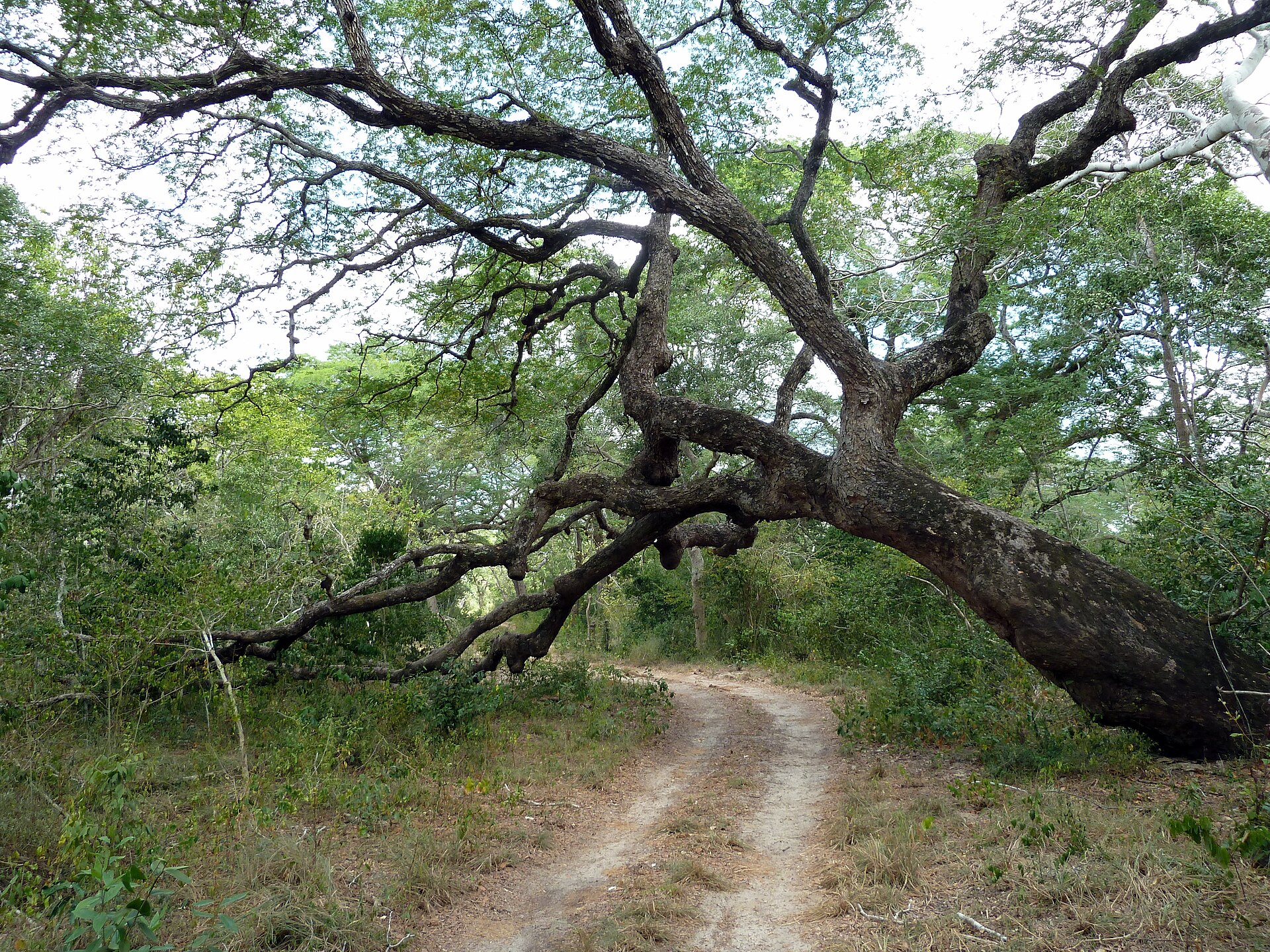
Arabuko-Sokoke Forest Reserve Guide (2026)
Rare birds, golden-rumped sengis and fascinating coastal forests — with a Watamu visit plan, map and accommodation.
Photo attribution in the WordPress Media Library.
Arabuko-Sokoke at a glance
Arabuko-Sokoke is an exceptionally important surviving East African coastal forest. It protects threatened mammals and specialist birds in three main habitats: mixed forest, Brachystegia woodland and dense Cynometra woodland. Its nature trails are very different from an open-plains safari.
Quick answers
Best base
Watamu or Malindi, with a prearranged guided excursion.
Main wildlife
Rare forest mammals and birds, many difficult to spot.
Forest fee reference
KFS general adult forest tariff KES 200 citizen / KES 400 resident / KES 600 non-resident, before VAT. Exact Arabuko gate charges and guiding are separate; see fee sources.
Can you drive?
Some forest routes are vehicle-accessible with permission; guides are strongly advised.
Time to allow
Half day for introductions; full day for serious birding.
Visit style
Walk quietly, listen for calls and watch the forest floor.
Best time to visit
Visit year-round, but mornings are often cooler and bird activity can be better. The coastal long rains generally occur around April–June and shorter rains around October–December, though seasons fluctuate. Waterproof shoes, water and mosquito protection are useful.
Dry stretches
Easier walking on sandy tracks; early starts still help.
Wet periods
Lush habitat and possible muddy approaches.
Morning birding
Listen before approaching habitats; avoid playback near sensitive nests.
Specialist trips
Ask guides about seasonal movements and habitat access.
Arabuko-Sokoke entrance fees and visiting hours
Ticket purchases: 6:00 a.m.–6:00 p.m. according to Kenya Forest Service; early birders may arrange tickets beforehand. Specialist guided walks cost extra.
The Kenya Forest Service general recreational-forest entry tariff lists:
| Category | Adult per day | Child per day |
|---|---|---|
| Kenyan / East African citizen | KES 200 | KES 50 |
| Kenya resident | KES 400 | KES 100 |
| Non-resident | KES 600 | KES 150 |
Important: This is the general KFS tariff, exclusive of VAT, not a confirmed Arabuko-Sokoke gate-specific total. The forest visitor guidance asks travellers to contact the forest office for its actual payable charge; guiding is additional. Confirm with KFS Kilifi/Malindi forest office on +254 755 838 366 or +254 717 318 134; email zmkilifi@kenyaforestservice.org.
Sources retrieved 26 October 2026: Kenya Forest Service — general fees and charges; Kenya Forest Service — Arabuko-Sokoke opening times and visitor arrangements.
Actual routes to Arabuko-Sokoke
Kenya Forest Service locates the forest on the Mombasa–Malindi highway, approximately 100 km north of Mombasa and 18 km south of Malindi. Visitor access is signposted toward the KFS Malindi Forest Zone office. Watamu and Gede provide practical accommodation bases; arrange transport to the entrance, not the centre marker on the map.
Mombasa
Drive north along the Mombasa–Malindi highway to the signed forest entrance.
Malindi
Drive south on the highway; KFS quotes approximately 18 km.
Watamu / Gede
Arrange a local transfer and confirm the guide meeting location.
Inside the forest
KFS describes walking paths and driving tracks; a 4WD helps reach more remote sections. Maximum driving speed 40 km/h.
Source: KFS Arabuko-Sokoke access and trail information; retrieved 26 October 2026.
Arabuko-Sokoke orientation map
Markers indicate approximate forest, Gede, Watamu and Malindi locations, not GPS-certified forest gates or official routes.
Open the map directly in OpenStreetMap if interactive tiles are unavailable.
Practical guided half-day plan
Early
Meet your guide, confirm permits, agree on habitats and route.
Forest floor
Watch quietly for sengis, insects and small birds.
Woodland
Compare Brachystegia forest with the denser Cynometra zone.
Finish
Return before heat builds and allow time to get back to Watamu.
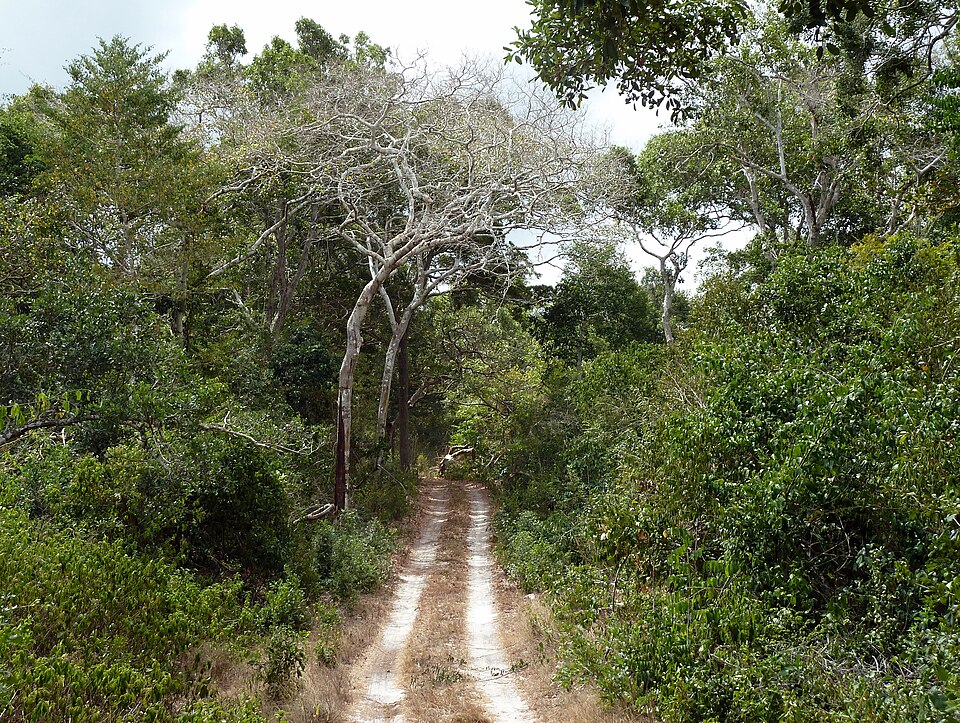
Mammals: forest wildlife field guide
Many are nocturnal or elusive. Species images are illustrative and not evidence of a sighting; labelled habitat images stand in where suitable species images are unavailable.
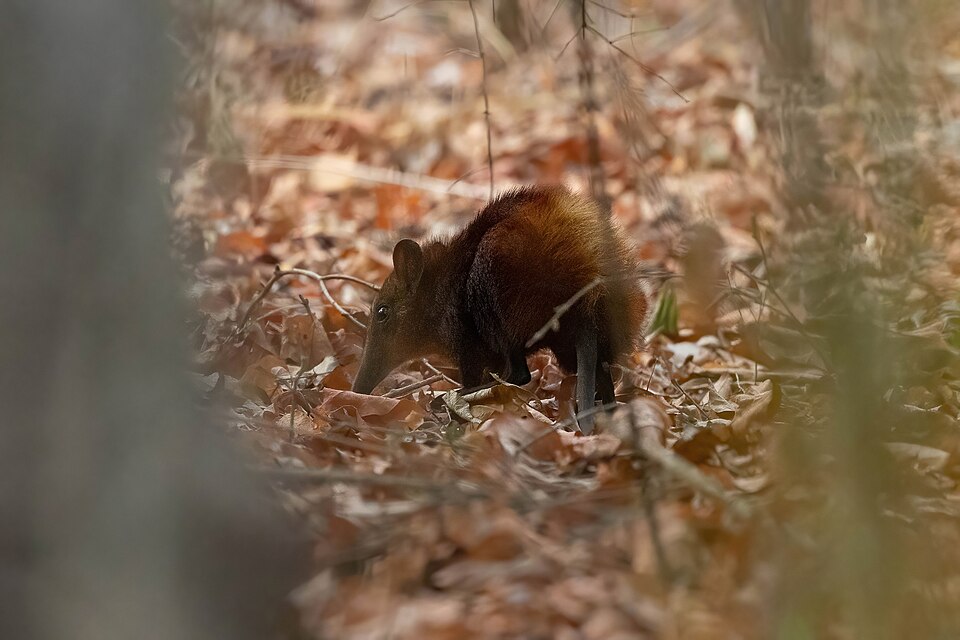
Golden-rumped sengi
Rhynchocyon chrysopygusEndangered insect-eating forest mammal; quick movements along the forest floor.
Ader’s duiker
Cephalophus adersiRare forest antelope; sightings are exceptional.
Illustrative habitat photoSokoke bushy-tailed mongoose
Bdeogale omnivoraRare shy coastal-forest mongoose.
Illustrative habitat photoAfrican elephant
Loxodonta africanaEvidence may be seen; not a regular elephant game drive.
Illustrative habitat photo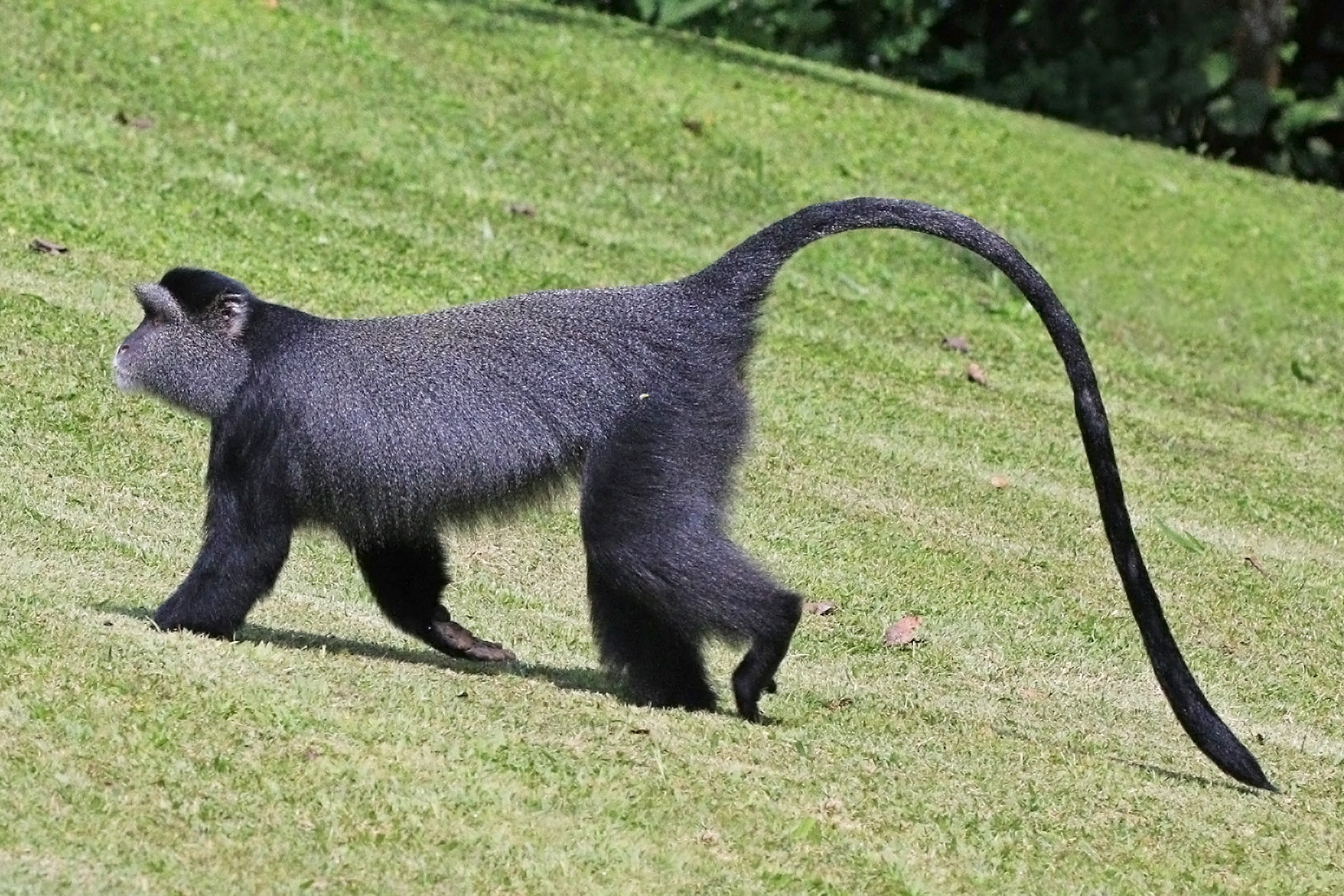
Sykes’ monkey
Cercopithecus mitisWatch mature canopy and fruiting trees.
Vervet monkey
Chlorocebus pygerythrusLook along forest edges.
Illustrative habitat photoYellow baboon
Papio cynocephalusTroops may use forest openings.
Illustrative habitat photo
African civet
Civettictis civettaNocturnal and rarely observed.
Genet
Genetta spp.Nocturnal carnivore; species often hard to identify.
Illustrative habitat photo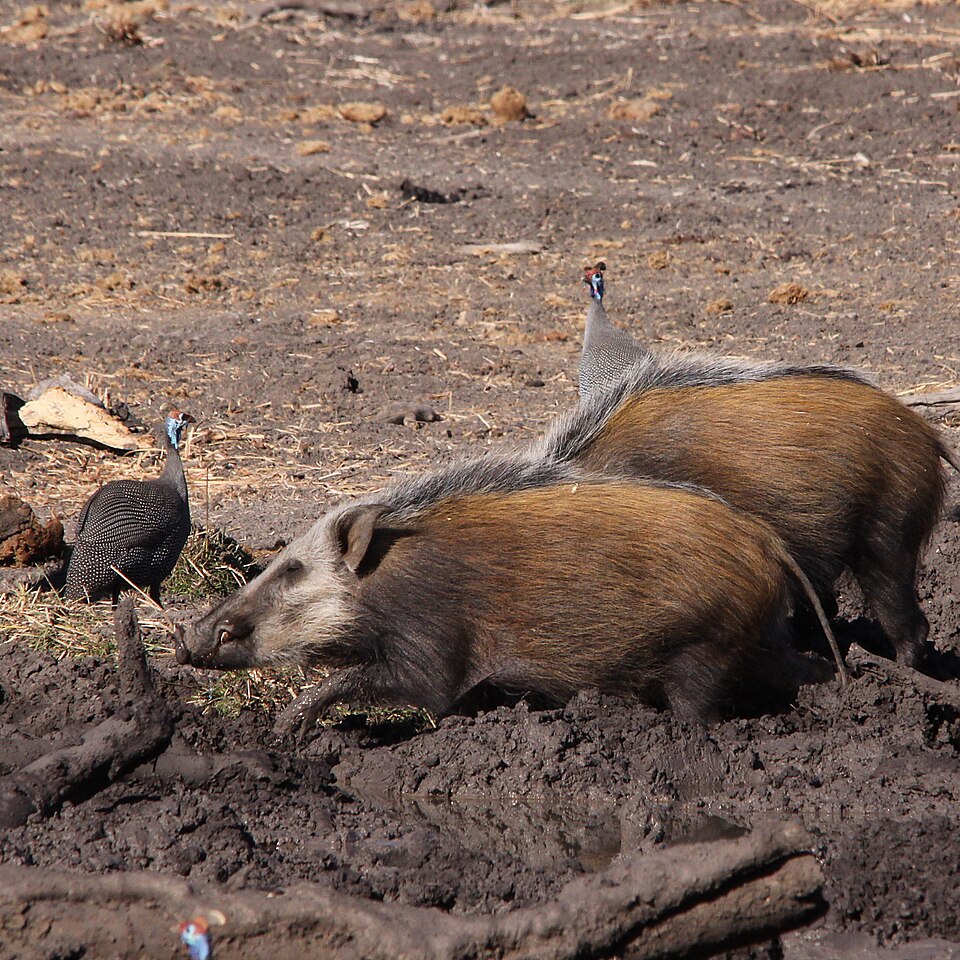
Bushpig
Potamochoerus larvatusLook for signs of rooting.
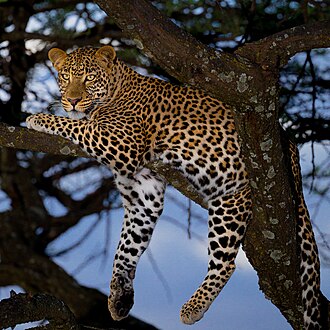
Leopard
Panthera pardusExtremely elusive.
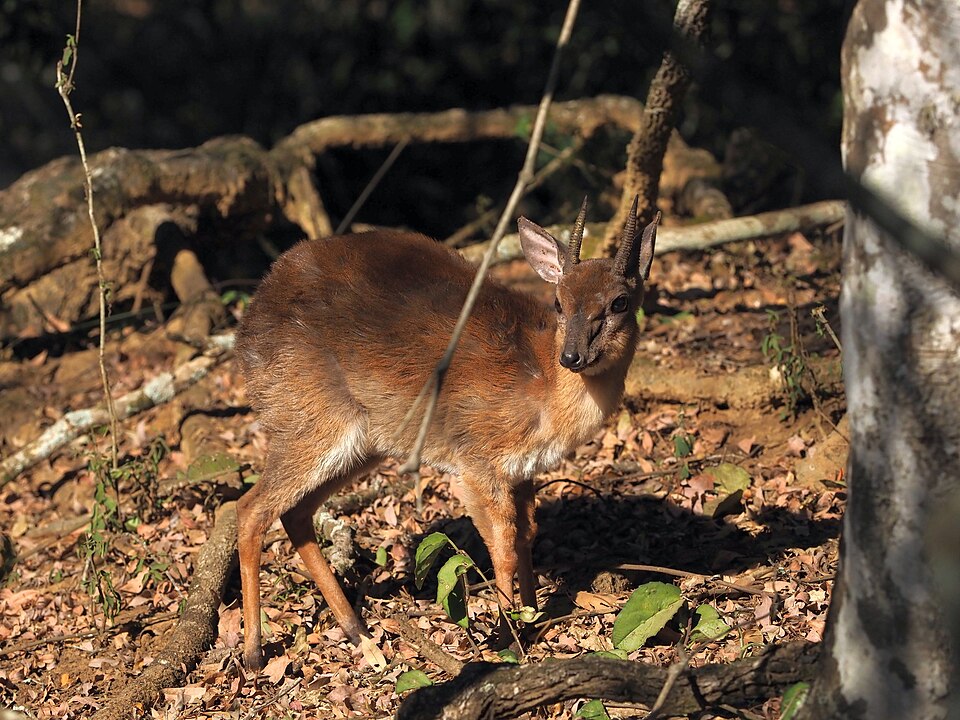
Suni
Nesotragus moschatusTiny forest antelope.
Birds: coastal forest specialties
Threatened and cryptic birds such as the Sokoke scops owl, Clarke’s weaver and Sokoke pipit are important reasons to visit. A specialist guide can substantially improve the experience.
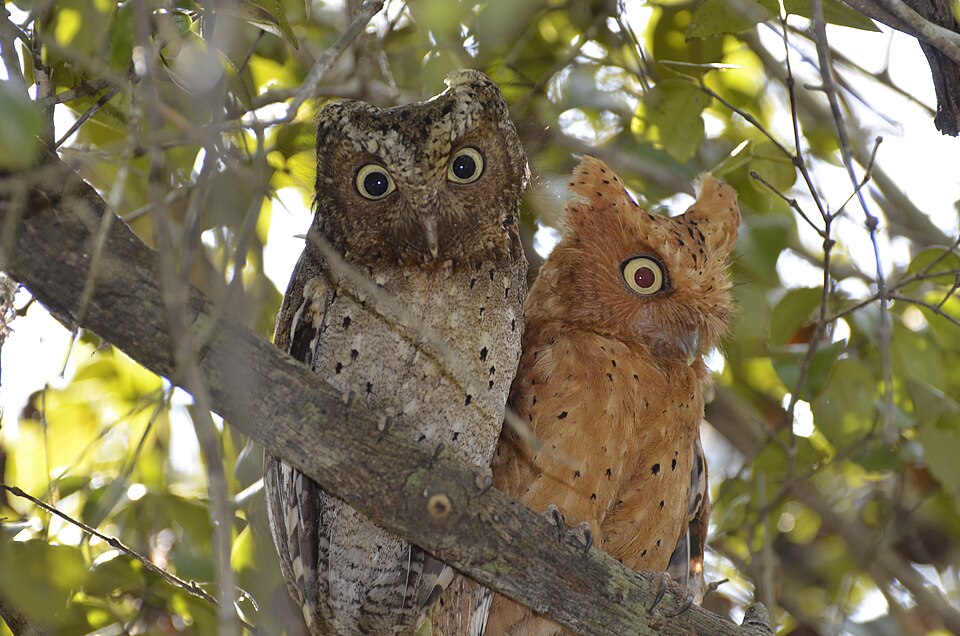
Sokoke scops owl
Otus ireneaeThreatened forest owl; specialist guide needed.
Clarke’s weaver
Ploceus golandiForest specialist, often hard to locate.
Illustrative habitat photoSokoke pipit
Anthus sokokensisQuiet forest-floor bird.
Illustrative habitat photoAmani sunbird
Hedydipna pallidigasterRare flowering-tree visitor.
Illustrative habitat photoEast Coast akalat
Sheppardia gunningiShy understory bird.
Illustrative habitat photoSpotted ground thrush
Geokichla guttataSecretive seasonal visitor.
Illustrative habitat photo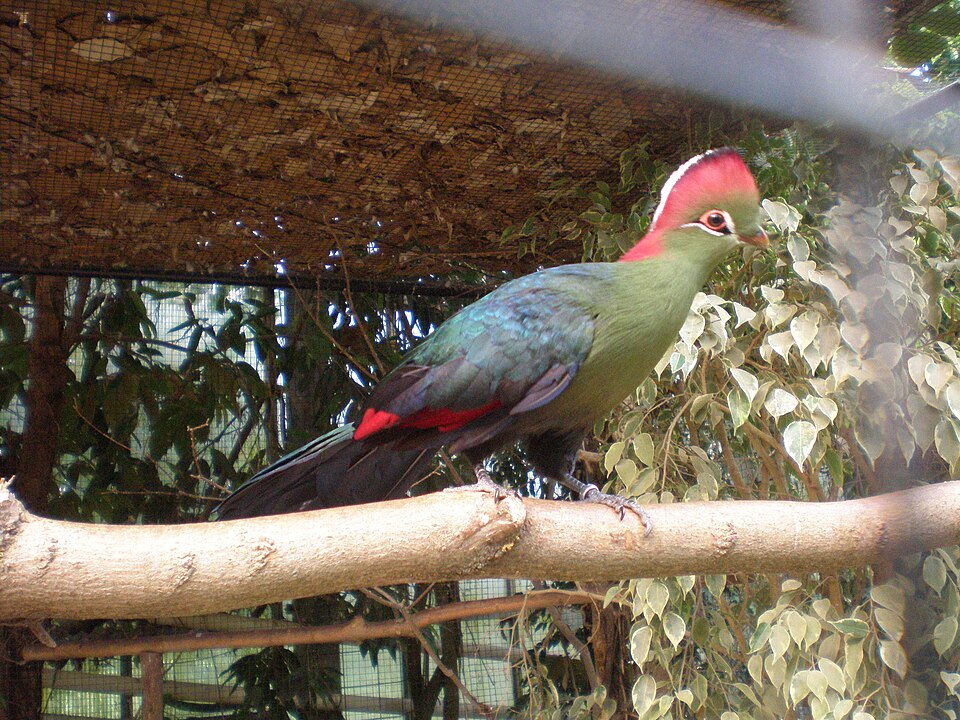
Fischer’s turaco
Tauraco fischeriListen for calls in canopy.
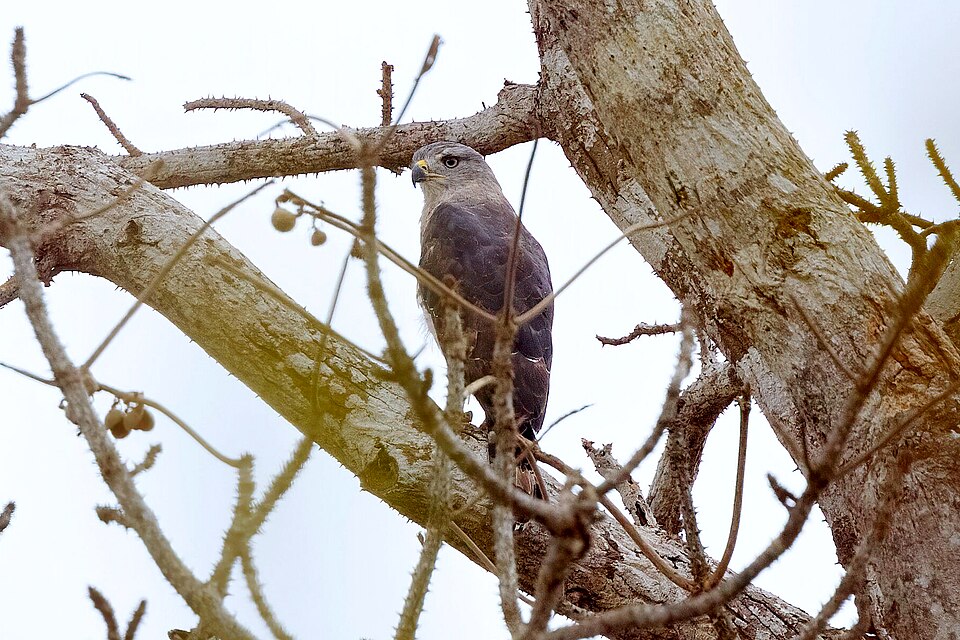
Southern banded snake eagle
Circaetus fasciolatusForest raptor, often detected by call.
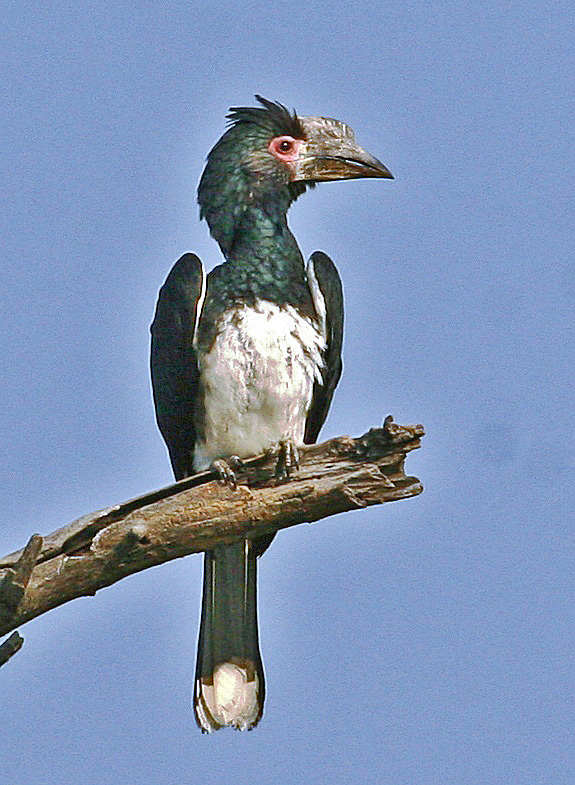
Trumpeter hornbill
Bycanistes bucinatorLarge noisy fruit-eater.
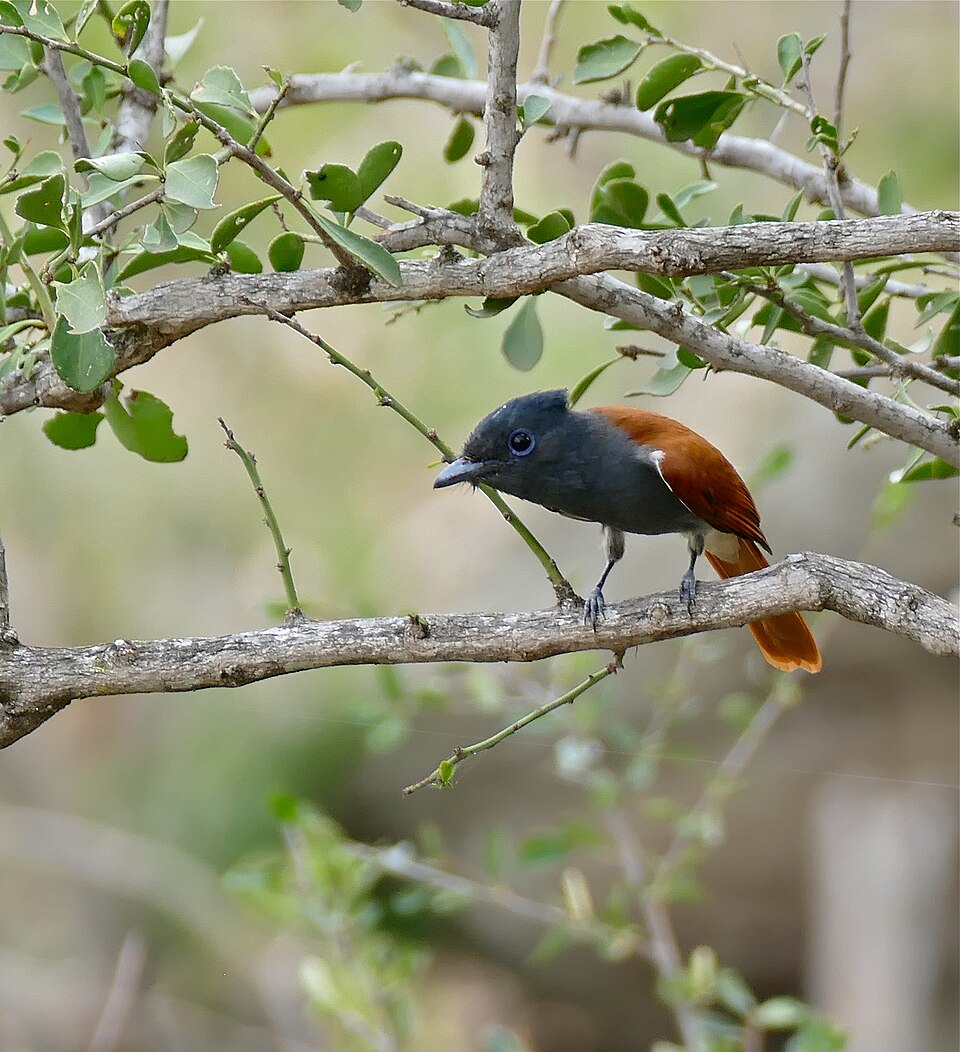
African paradise flycatcher
Terpsiphone viridisActive forest-edge flycatcher.
Green barbet
Stactolaema olivaceaOften heard in fruiting trees.
Illustrative habitat photo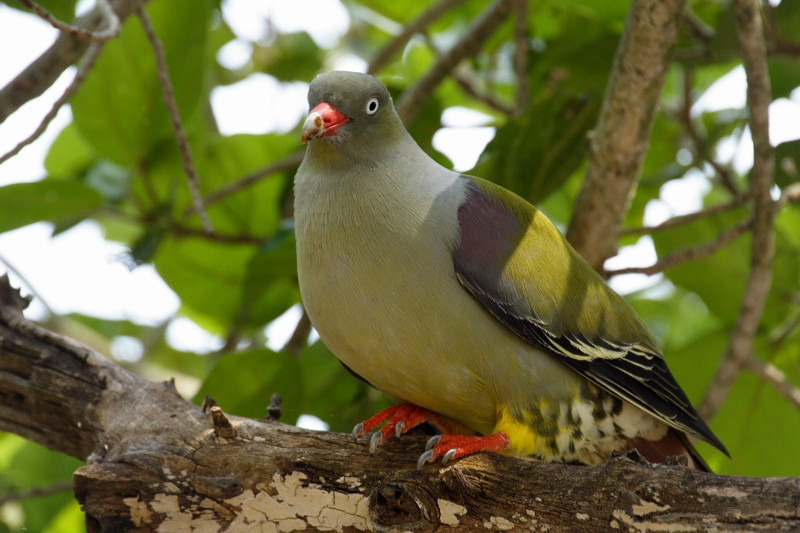
African green pigeon
Treron calvusCanopy fruit eater.
Flora: trees and forest understory
The habitats support different wildlife communities and help explain why Arabuko-Sokoke is special. Plant IDs often need local expertise.
Trees and shrubs
Cynometra woodland
Cynometra webberiDense owl habitat.
Illustrative habitat photoBrachystegia woodland
Brachystegia spiciformisOpen sandy woodland.
Illustrative habitat photo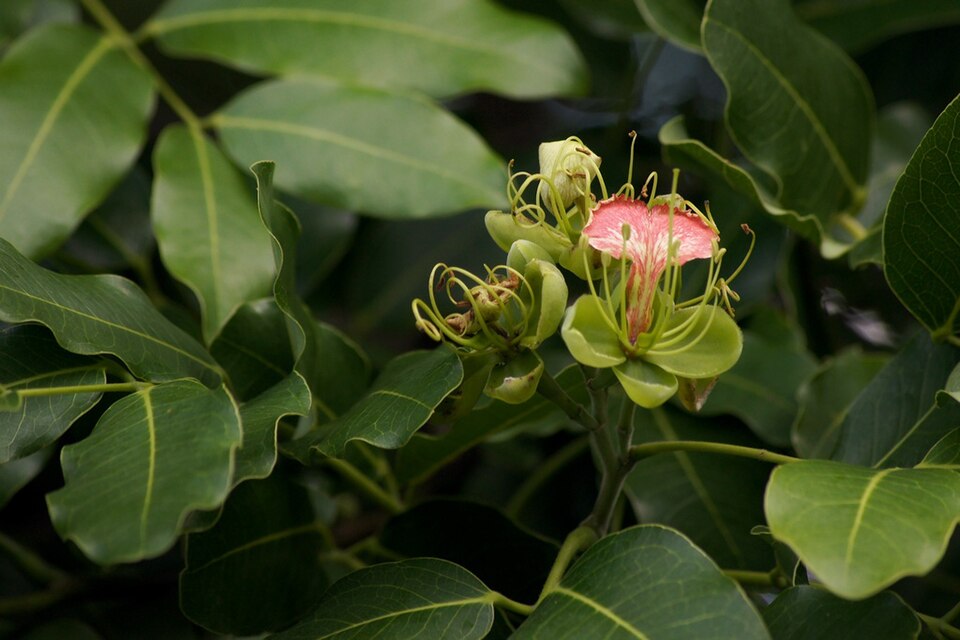
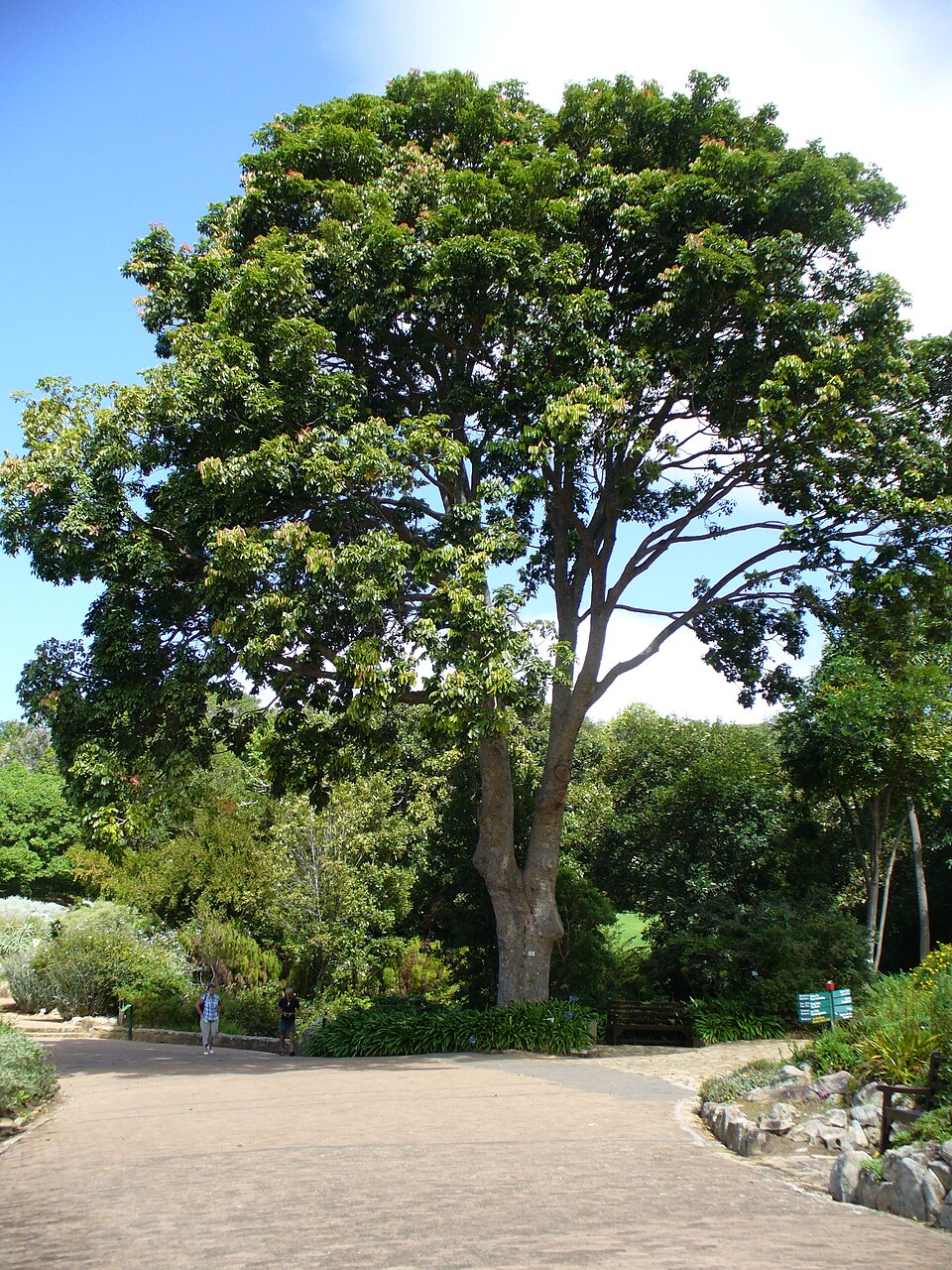
Afzelia
Afzelia quanzensisImportant coastal woodland tree.
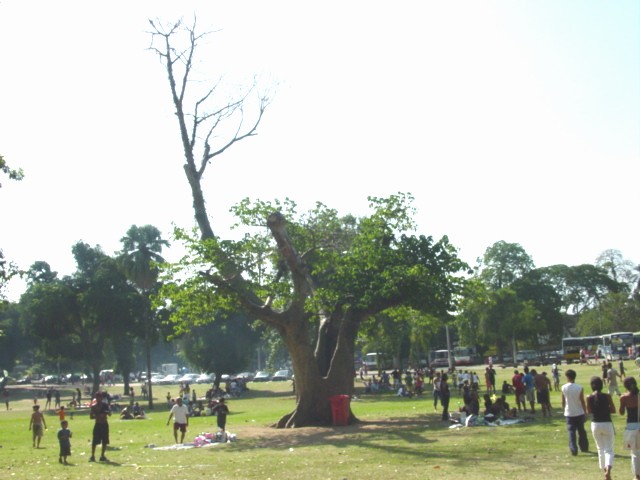
East African mahogany
Khaya anthothecaForest canopy tree.
Wild fig
Ficus spp.Fruit supports forest fauna.
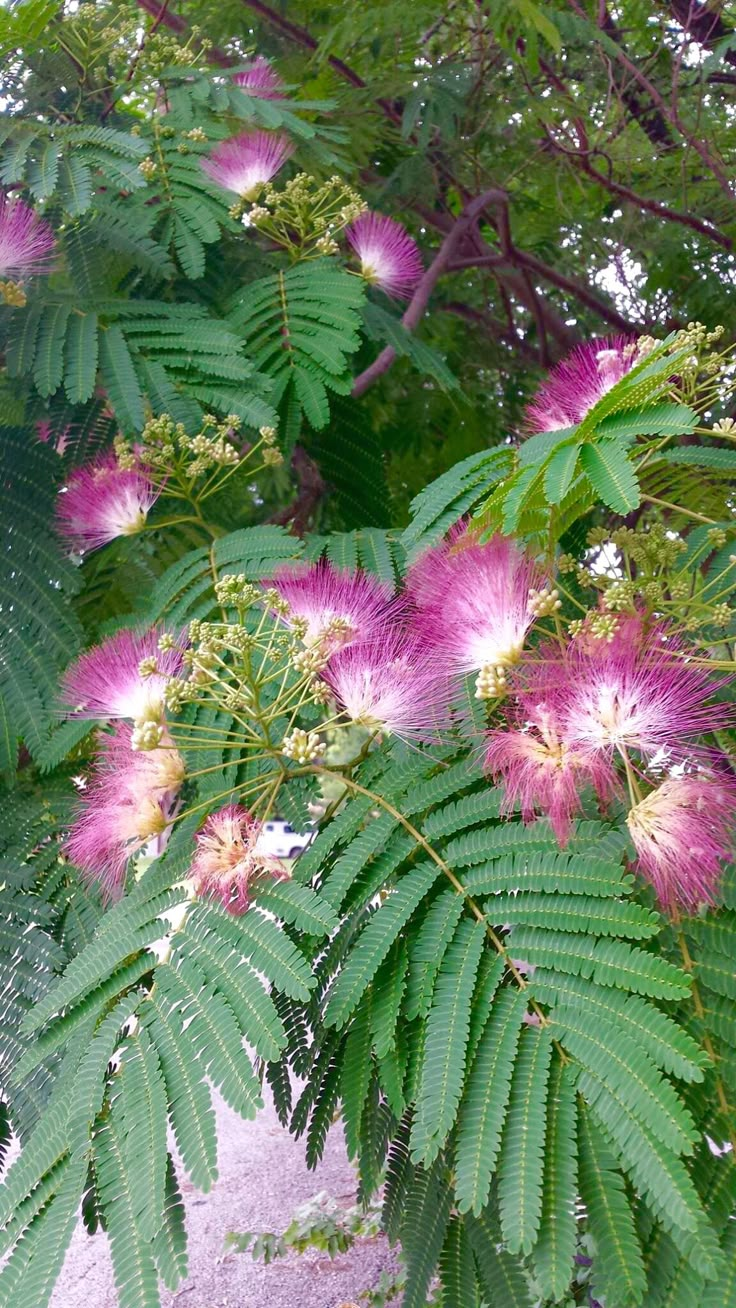
Albizia
Albizia spp.Spreading canopy with delicate foliage.
Forest vines
LianasConnect forest canopy layers.
Illustrative habitat photoShrubs
Mixed familiesDense cover for small animals.
Illustrative habitat photoFerns and flowers
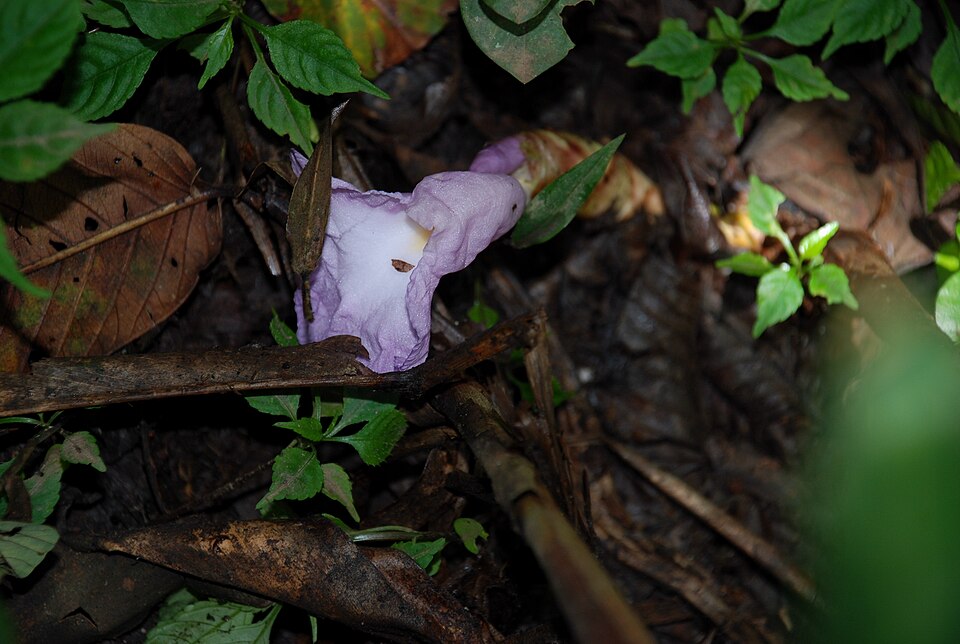
Wild gingers
ZingiberaceaeShady forest understory.
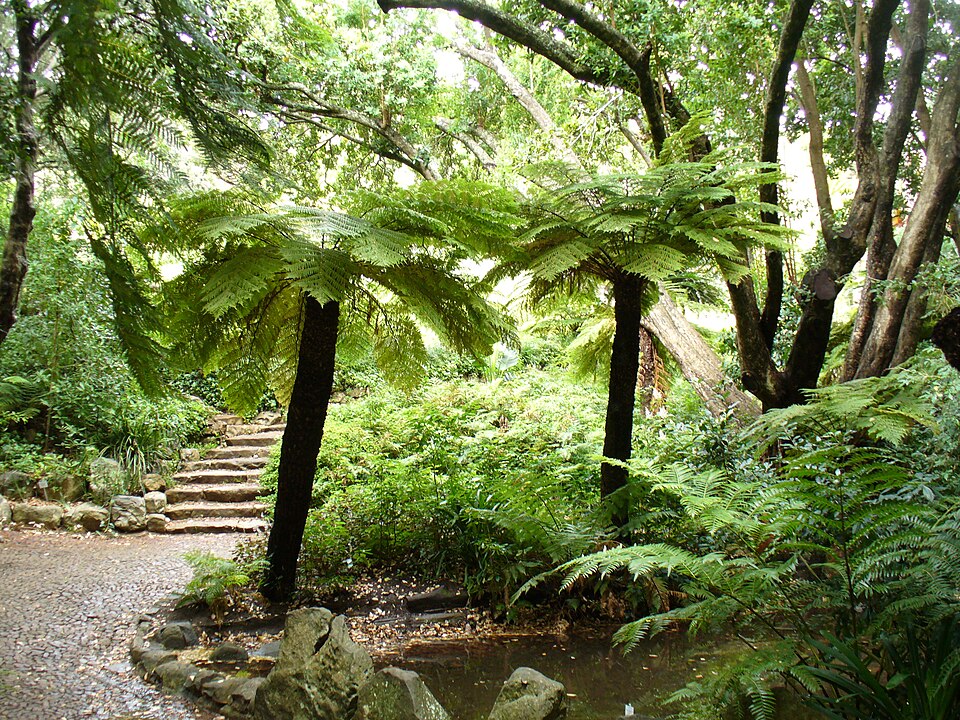
Ferns
PolypodiopsidaMoist shaded spots.
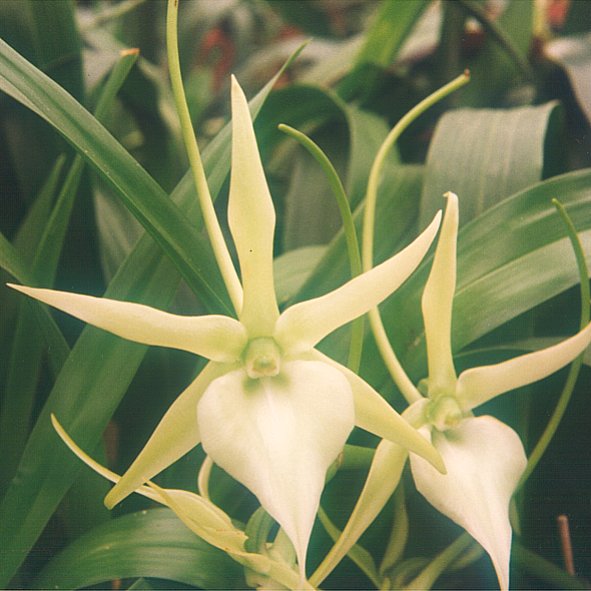
Orchids
OrchidaceaeEpiphytes and forest flowers.
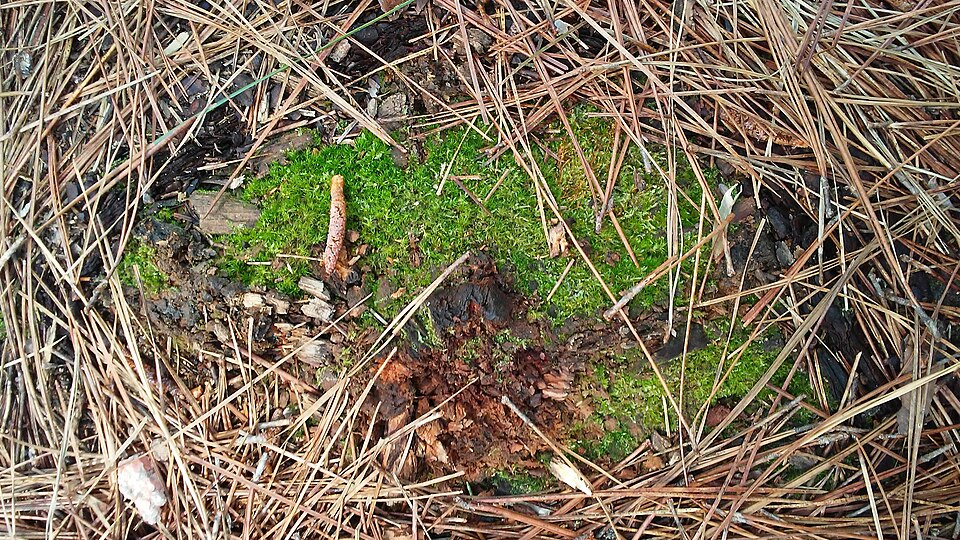
Mosses
BryophytaOn damp shaded tree trunks.
Things to do
Guided nature walk
Explore coastal ecology and smaller fauna.
Expert birdwatching
Target forest endemics with conservation-minded guides.
Kipepeo butterfly project
Ask about locally available community conservation visits.
Watamu and Mida Creek
Combine forest walks with separately booked beach or mangrove trips.
Forest photography
Focus on texture, canopy and respectful wildlife observation.
Forest interpretation
Learn to distinguish woodland, dense Cynometra forest and mixed forest.
Where to stay: Watamu accommodation
These hotels are Watamu coastal bases, not lodges inside the reserve. Plan a separate guide and transfer for forest access.
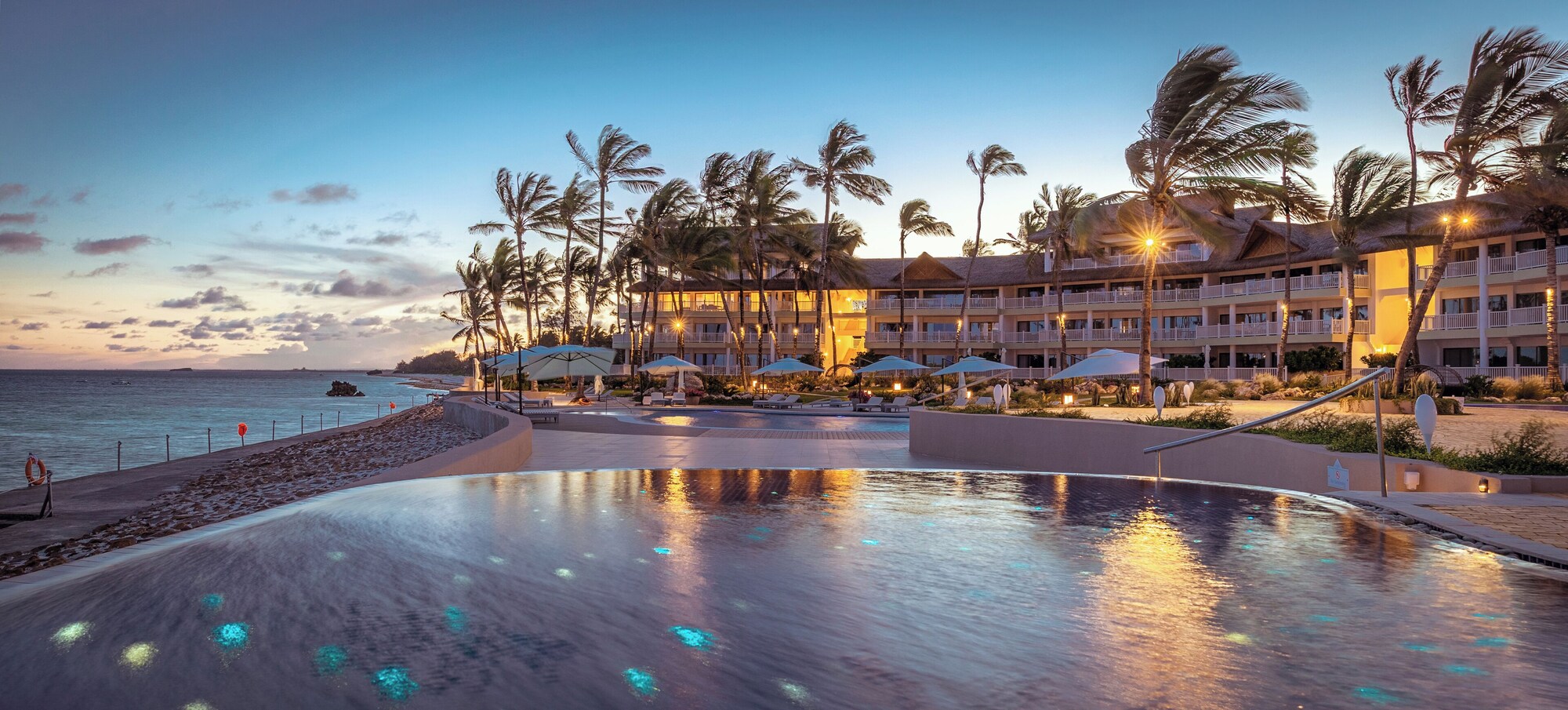
Hemingways Watamu
A comfortable coastal stay for forest excursions, with resort facilities.
Check rates on Expedia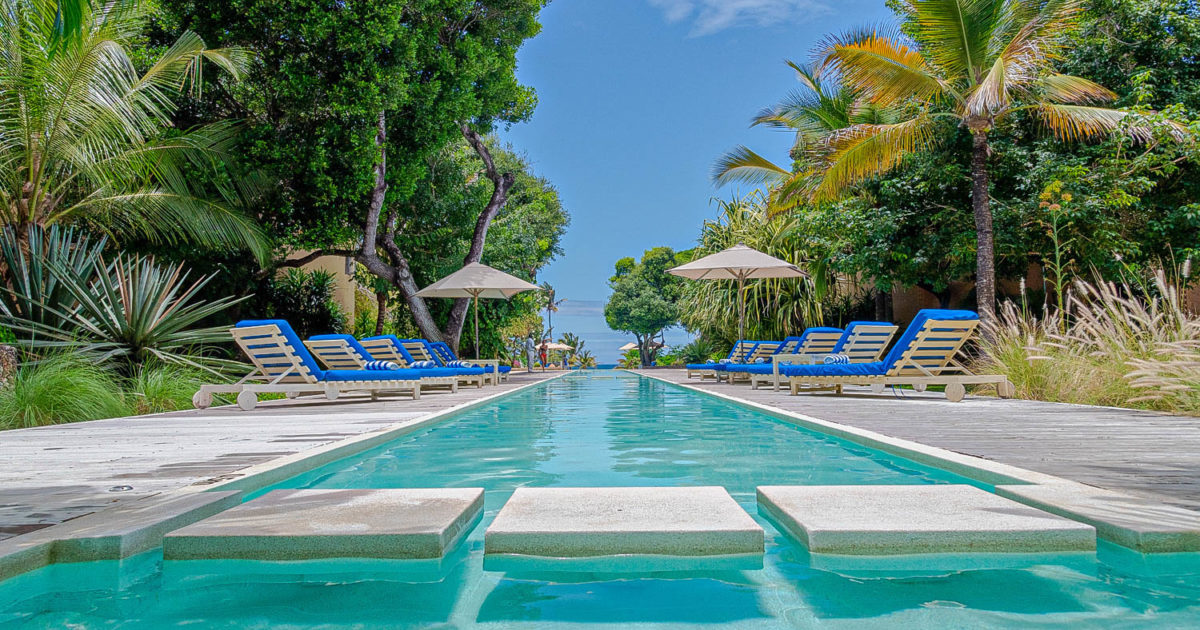
Medina Palms
A Watamu base well-suited to families and visitors combining forest, mangroves and beaches.
Check rates on Expedia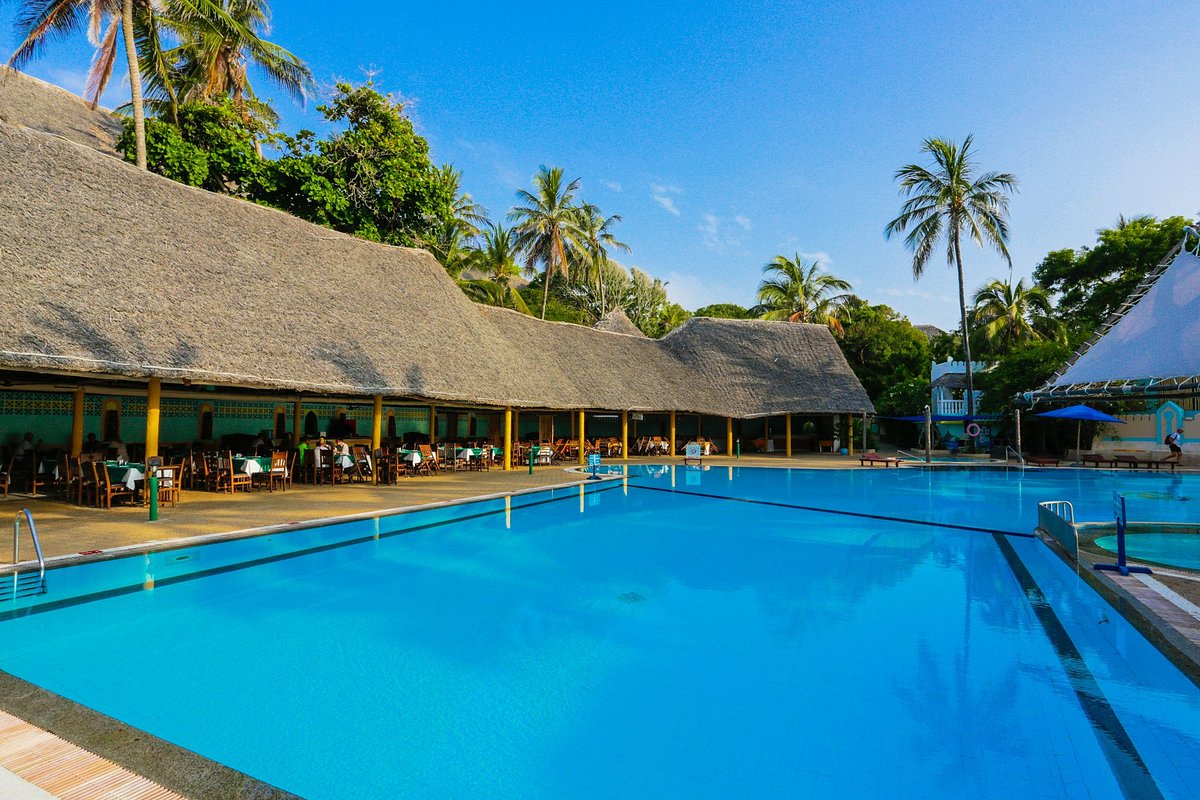
Turtle Bay Beach Club
A family-friendly base for a guided forest day trip.
Check rates on ExpediaAffiliate disclosure: See.Africa may receive a commission on qualifying Expedia bookings at no additional cost to you. Hotel prices, forest fees and transfers are separate.
Safety and conservation rules
Use authorised routes and a recognised guide, keep distance from animals, and do not disturb owls or nests. Carry water, wear closed shoes and insect protection, pack out rubbish and never collect plants.
Frequently asked questions
Can I visit from Watamu?
Yes. Watamu is a practical hotel base. Arrange a forest guide and the correct entry point beforehand.
What animals are special here?
Golden-rumped sengi, Ader’s duiker and Sokoke bushy-tailed mongoose are remarkable coastal-forest specialists.
Is it a self-drive safari?
Primarily a guided forest experience, not a big-game drive. Confirm permitted tracks locally.
Can I see the Sokoke scops owl?
A specialist licensed guide is strongly recommended; sightings cannot be guaranteed.
What does entry cost?
The general KFS forest tariff lists citizen adults KES 200, residents KES 400 and non-residents KES 600 before VAT. KFS asks Arabuko-Sokoke visitors to verify the specific gate total and guide charges. Fees and source links.
How long do I need?
Half a day suits a general walk; dedicated birdwatchers should plan longer.
Sources and editorial review
Reviewed 26 October 2026. First-party conservation information takes precedence; forest fees and access must be confirmed locally.
Leave a Reply