
Shimba Hills National Reserve Guide (2026)
Sable antelope, coastal rainforest, the Sheldrick Falls walk and the best way to visit from Diani — with maps, entry fees, wildlife and places to stay.
Visitor information reviewed 25 October 2026Photograph: Shimba Hill 01.JPG, Holger Günther / Wikimedia Commons. Licensing and credit details in the image attachment.
Shimba Hills National Reserve at a glance
Shimba Hills National Reserve is one of Kenya’s distinctive coastal wildlife escapes, protecting forested hills and open grassy areas just inland from Diani. It is best known for protecting sable antelope, as well as elephants and birdlife, and for scenic walks to Sheldrick Falls. It is not a substitute for a vast Big Five driving safari such as Tsavo.
Quick answers for your first visit
Planning a coast holiday? Compare our 10 best Diani beach hotels, read things to do around Diani, or browse the See.Africa National Park Guides library.
When is the best time to visit Shimba Hills?
Shimba Hills is accessible year-round. Drier days can make the forest trails more comfortable and photography easier, but coastal humidity and showers are possible in every season. For wildlife viewing, the earlier part of the morning is often most pleasant.
January–March
Often warmer with relatively drier stretches. Carry water and start walking before midday heat.
April–June
Long rains can make steep forest trails muddy; confirm whether Sheldrick Falls access is advisable.
July–October
Often comfortable for walking and combining Shimba Hills with a Diani stay; intermittent rain remains possible.
November–December
Short rains can affect visibility and road traction; keep a flexible schedule.
Shimba Hills entry fees (2026): what will you pay?
According to the live Kenya Wildlife Service rates and its eCitizen booking tariff, checked 25 October 2026:
| Visitor group | Adult | Child |
|---|---|---|
| East African citizen | KES 500 | KES 250 |
| Kenya resident | KES 675 | KES 350 |
| Other African citizen | USD 20 | USD 10 |
| Foreign non-resident | USD 50 | USD 25 |
KWS reports that children under six enter free. Rules, rates and categories may change at short notice.
Getting to Shimba Hills from Diani, Ukunda and Mombasa
KWS describes the route along the Likoni–Ukunda road, branching off at Kombani Junction toward the main gate. It lists around 31 km from Diani to the main gate and Ukunda Airport as the air access option. Do not confuse road distances with driving time; allow for slow sections and gate processing.
| Starting point | Good for | Considerations |
|---|---|---|
| Diani / Ukunda | Day trip from beach hotels | Leave early, plan a return before dusk |
| Kwale / nearby lodge | Nature-focused overnight stay | Confirm actual gate approach and current road conditions |
| Mombasa | City and coast visitors | Extra road or ferry delays may apply |
| Within park – KWS cottages | Quiet overnight nature stay | Reserve official accommodation in advance |
Fly-in travellers: Ukunda is the nearest practical domestic airport serving the Diani area, followed by road transport. Do not assume an airstrip is open inside the reserve for private arrivals.
Shimba Hills interactive map: reserve, airport and waterfall
Map markers show approximate orientation only: reserve centre, access vicinity, Sheldrick Falls region, Kwale, Diani and Ukunda. They are not verified route geometry or ranger-approved hiking tracks.
Loading interactive OpenStreetMap…
Map © OpenStreetMap contributors. For an independent view see Shimba Hills on OpenStreetMap. Confirm access locally; the optional guide highlights planning areas, not an exact navigable road.
A practical one-day Shimba Hills plan
Early morning: grassland wildlife
Enter early, ask rangers which open areas currently offer realistic sable or elephant viewing, and drive quietly.
Mid-morning: forest edges
Scan trees for colobus and other monkeys and listen for hornbills, turacos and other forest birds.
Late morning: Sheldrick Falls
If safe and available, take a ranger-guided walk; the return climb can feel demanding in humid weather.
Afternoon: easy return
Plan a relaxed departure with enough time before closing. Avoid rushing across wet tracks.
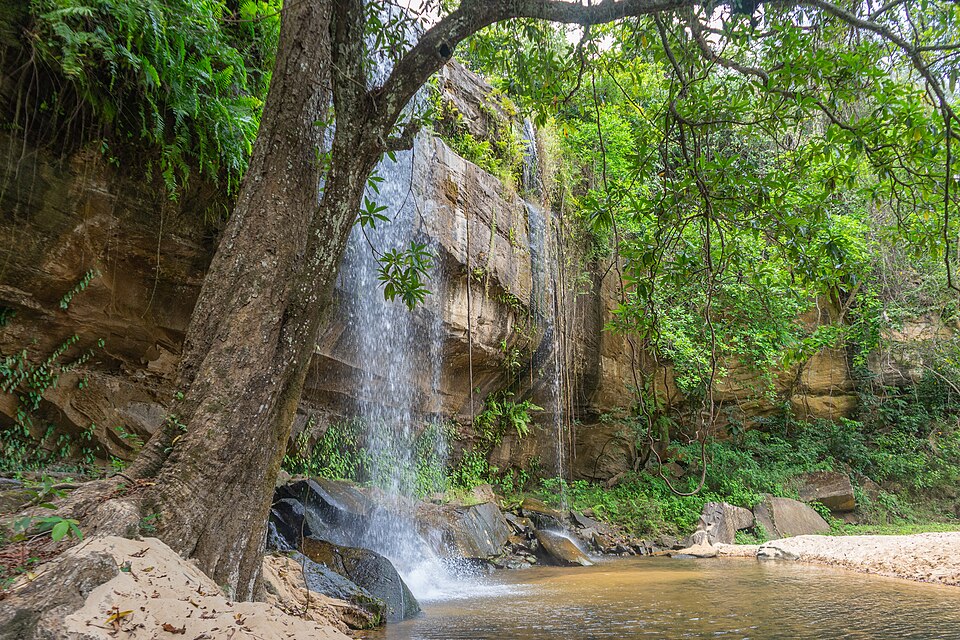
Sheldrick Falls photograph: Nina R from Africa / Wikimedia Commons, CC BY 2.0. Guided access and water conditions may vary.
Mammals of Shimba Hills: 20 species to know
This is a field-guide checklist. Some forest animals are rare, secretive or nocturnal, and the photographs are species illustrations rather than proof that the individual pictured lives in Shimba Hills.
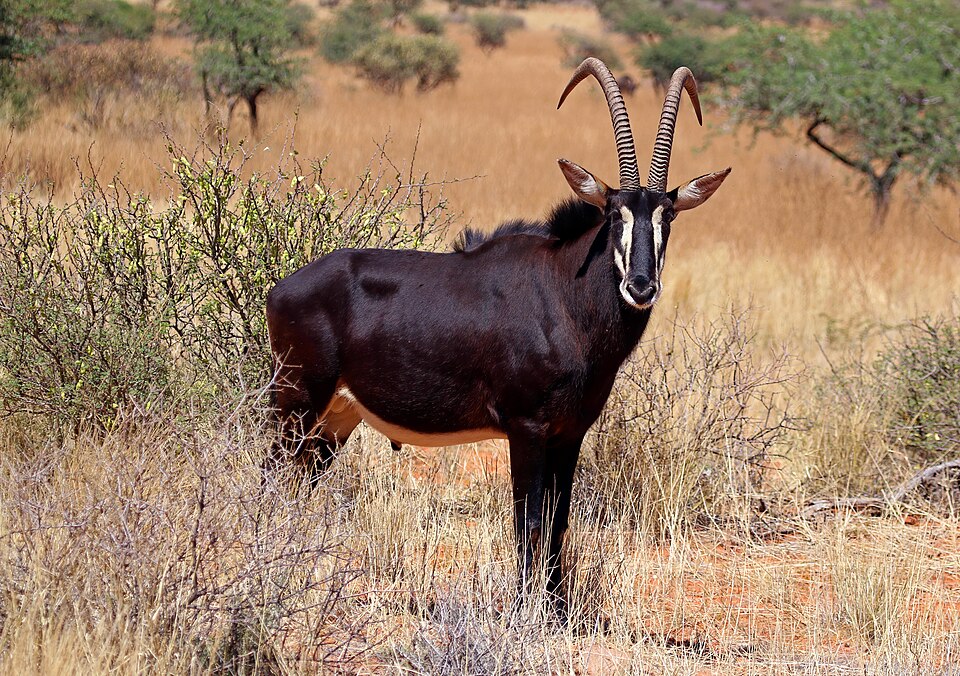
Sable antelope
Hippotragus nigerThe flagship Shimba Hills mammal. Look for dark-coated adults with backward-sweeping horns in open grassland; sightings are not guaranteed.
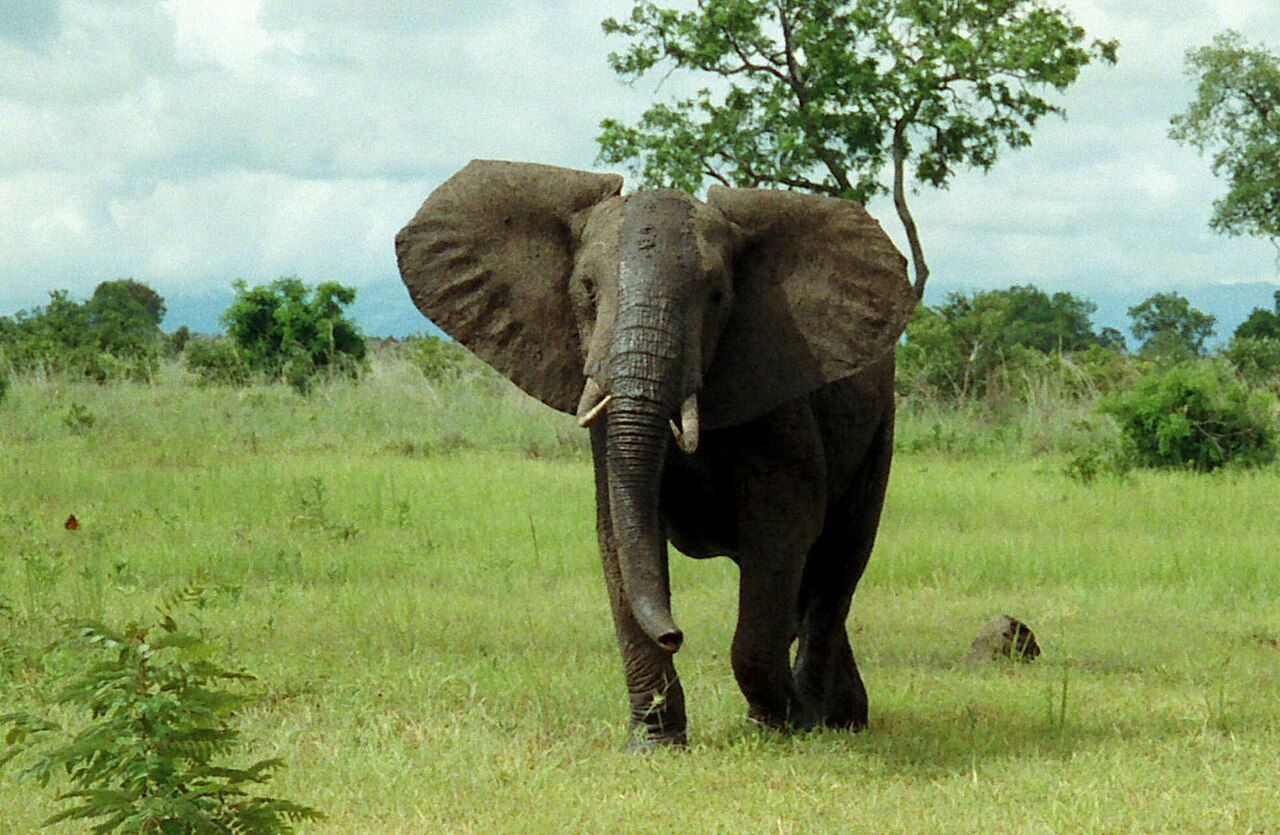
Elephant
Loxodonta africanaElephants use both woodland and forest edges; avoid approaching or blocking their route.
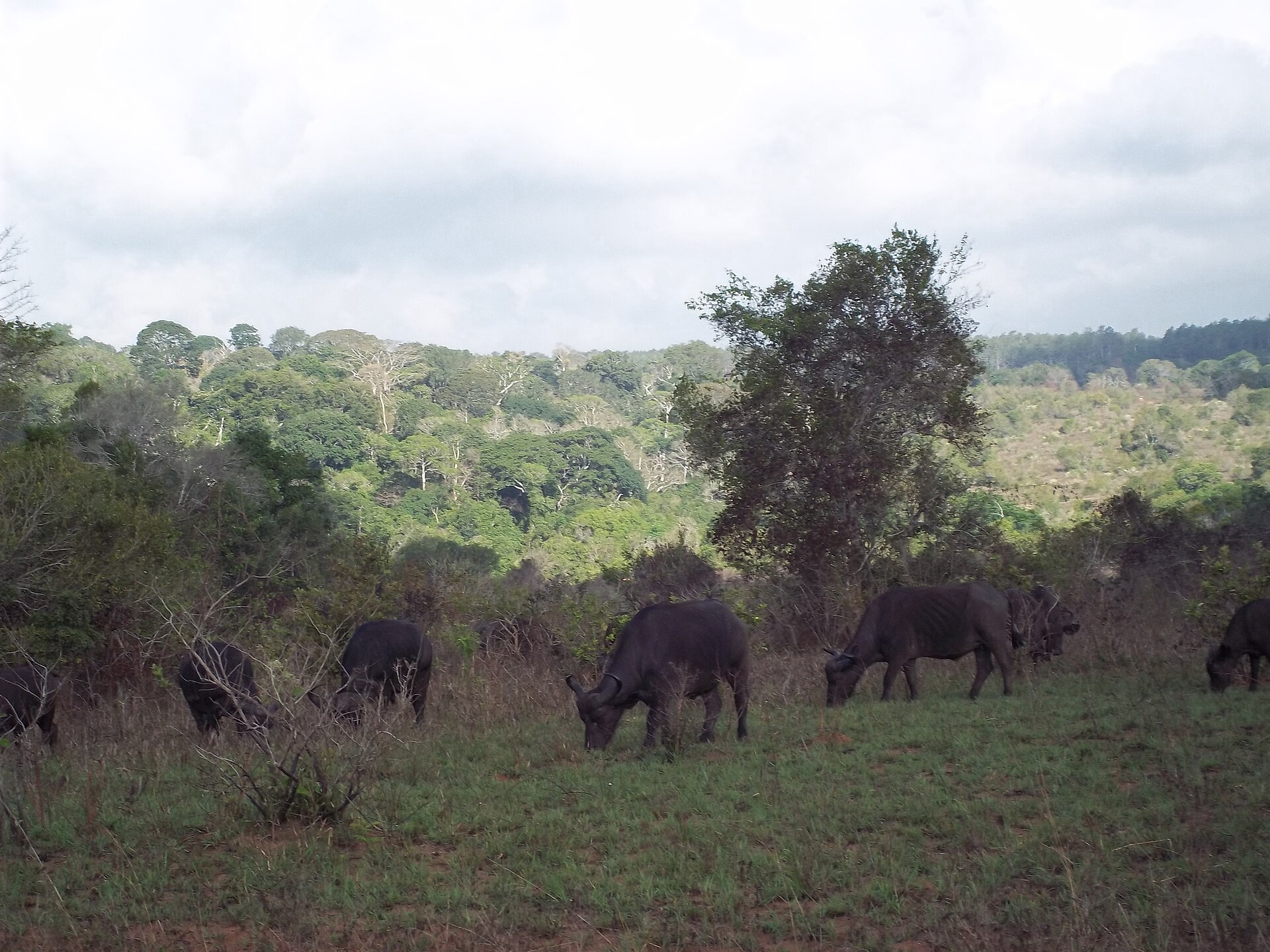
African buffalo
Syncerus cafferStrong and unpredictable. Scan grassland edges from your vehicle.
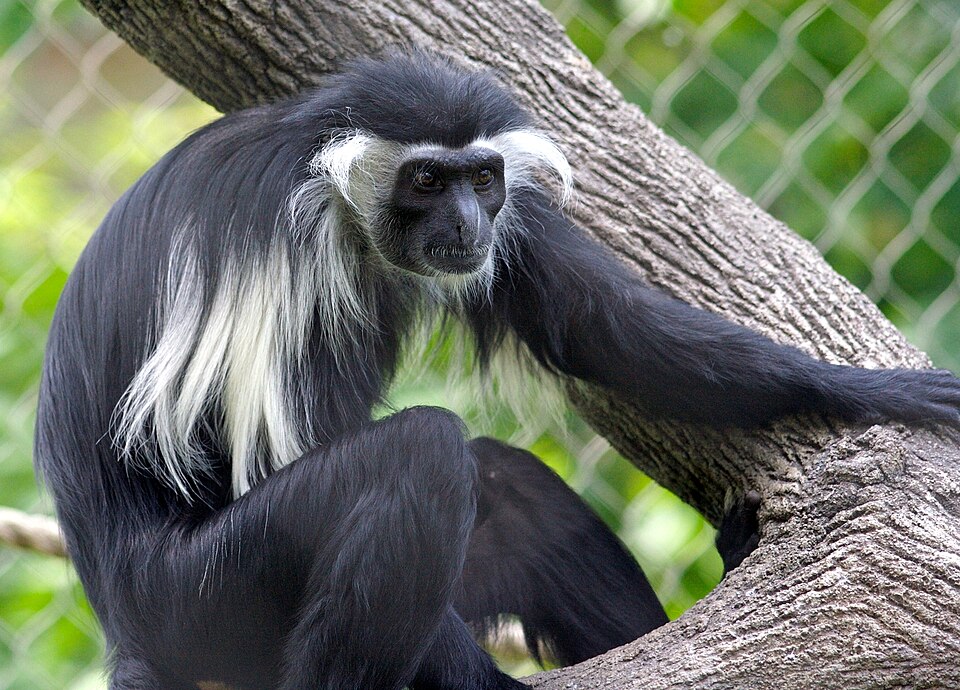
Coastal black-and-white colobus
Colobus angolensis palliatusLook for contrasting black-and-white coat high in coastal forest canopy.
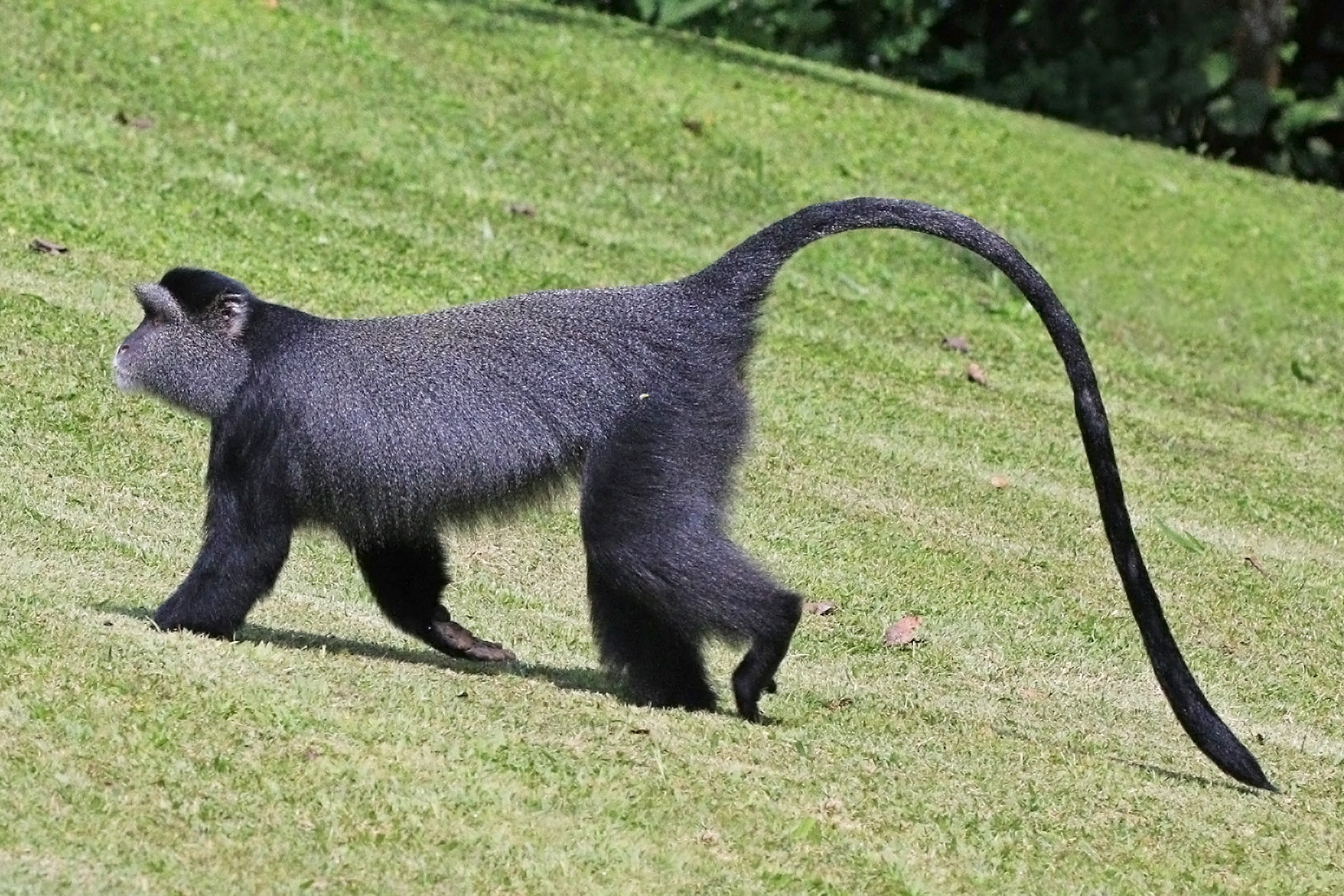
Sykes’ monkey
Cercopithecus mitisA forest monkey with dark-grey coat; look along leafy roads.
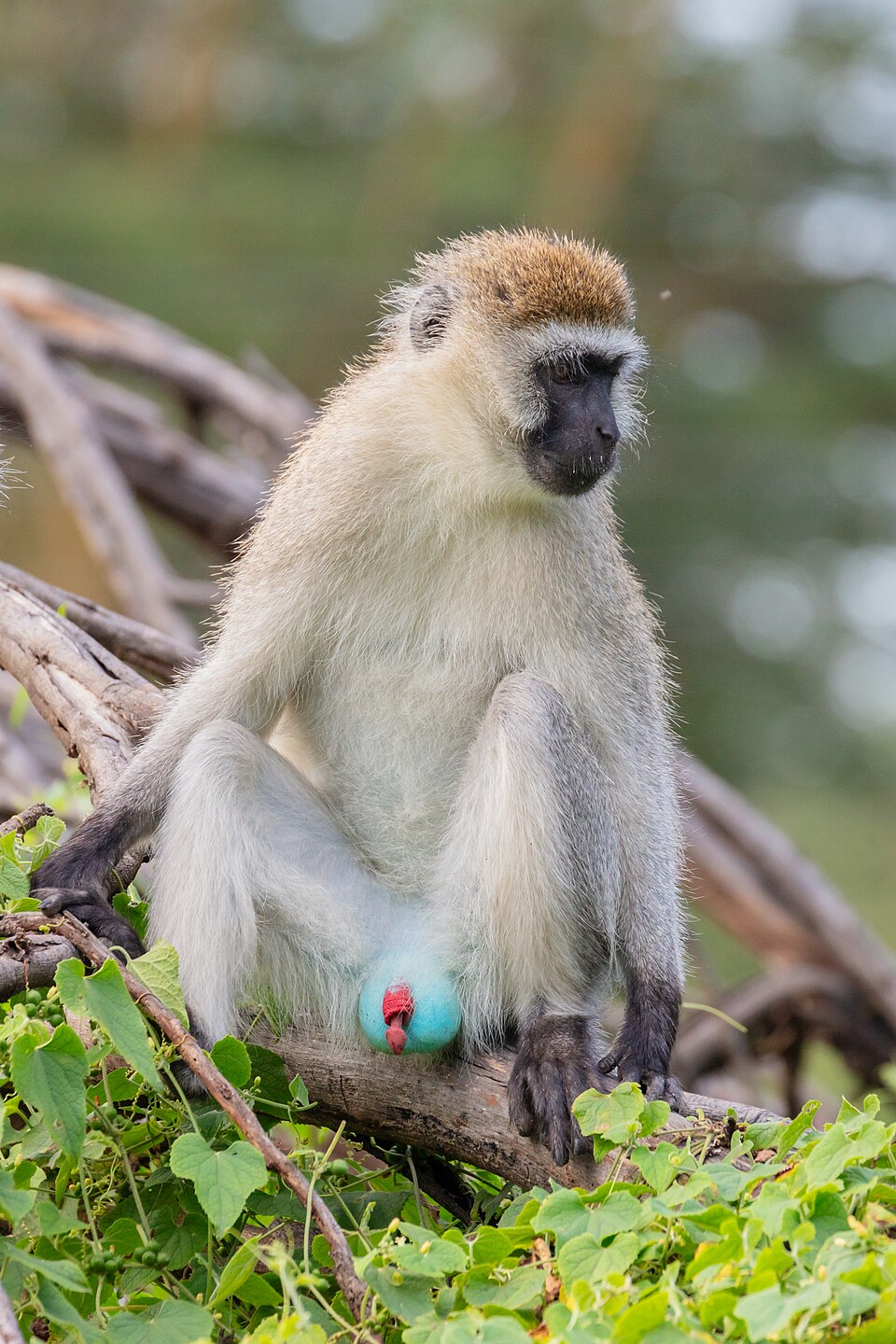
Black-faced vervet monkey
Chlorocebus pygerythrusWatch for active troops around more open forest margins.
Bushbuck
Tragelaphus scriptusElusive striped-and-spotted antelope around forest thickets.
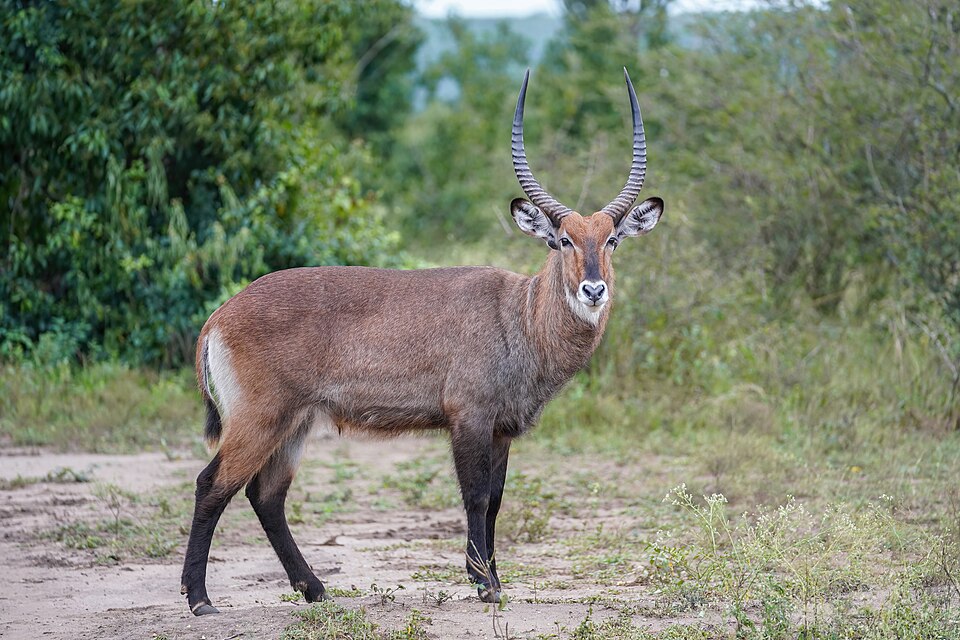
Waterbuck
Kobus ellipsiprymnusLarger shaggy antelope associated with damp grassland and water.

Giraffe
Giraffa spp.A reported species in the reserve’s wildlife lists, but do not assume you will see one.
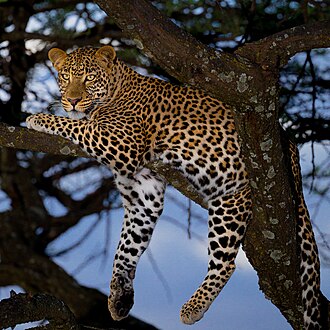
Leopard
Panthera pardusSecretive predator; sightings are uncommon and usually fleeting.
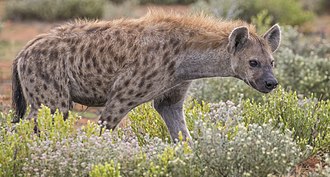
Spotted hyena
Crocuta crocutaOften active in low light and difficult to see on an ordinary day trip.
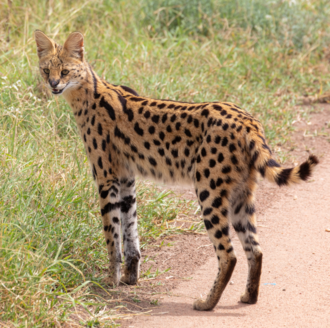
Serval
Leptailurus servalTall-eared small wild cat; rare visitor encounter.
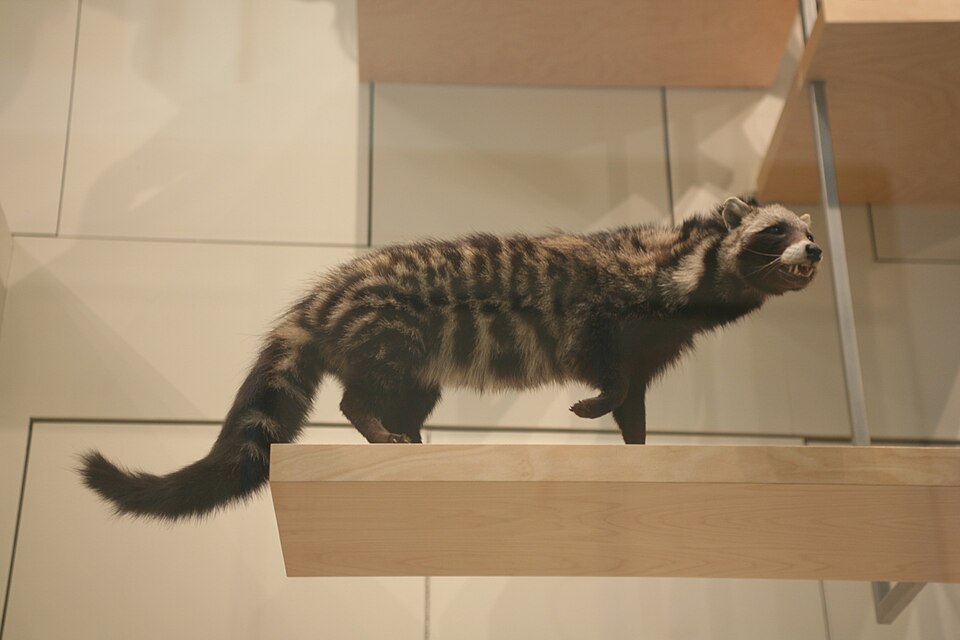
African civet
Civettictis civettaMostly nocturnal forest/edge species; look for tracks rather than expecting a sighting.

Genet
Genetta spp.Agile, spotted and predominantly nocturnal carnivore.
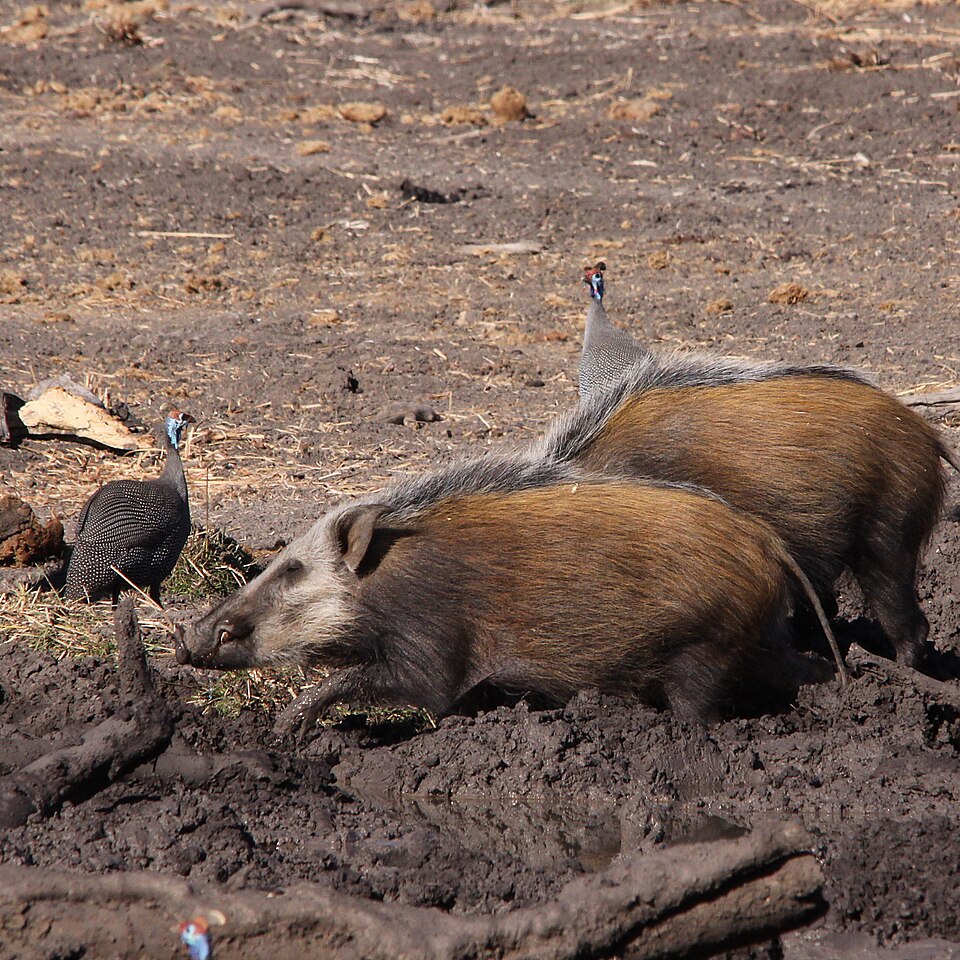
Bushpig
Potamochoerus larvatusRooting mammal, usually hidden in thick vegetation.
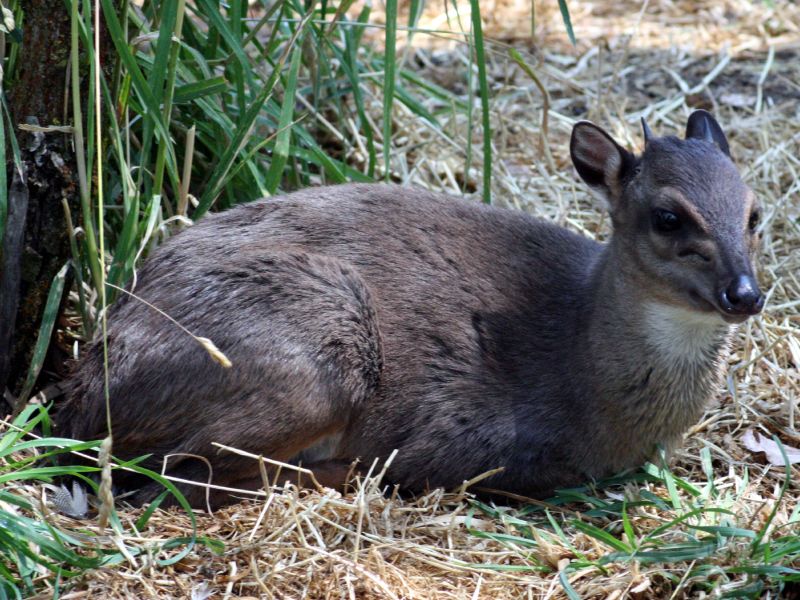
Blue duiker
Philantomba monticolaSmall shy forest-floor antelope.
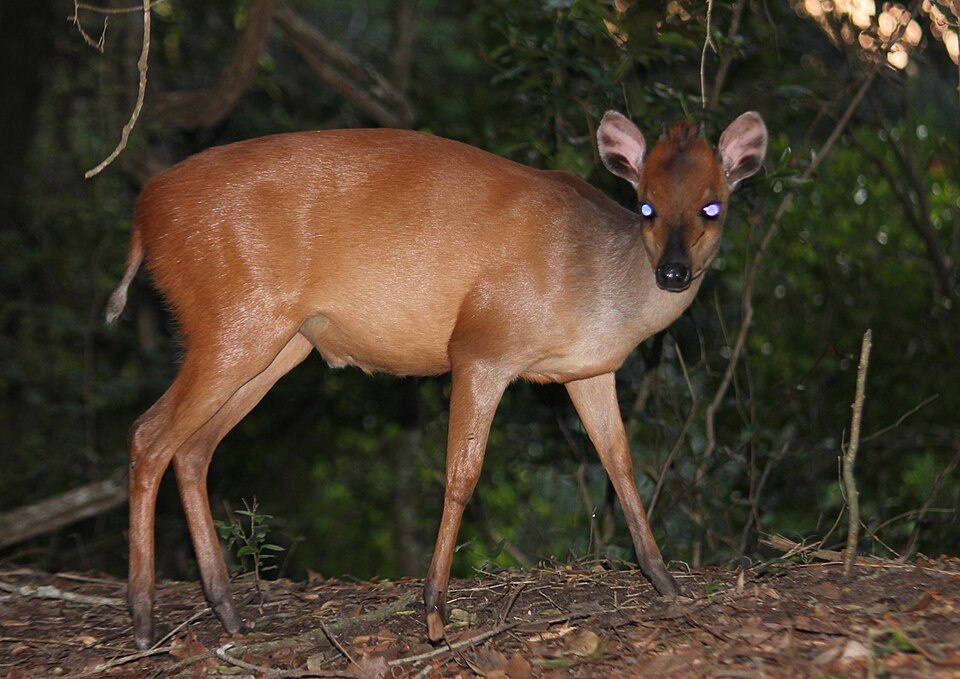
Red duiker
Cephalophus natalensisReddish antelope that uses dense vegetation.
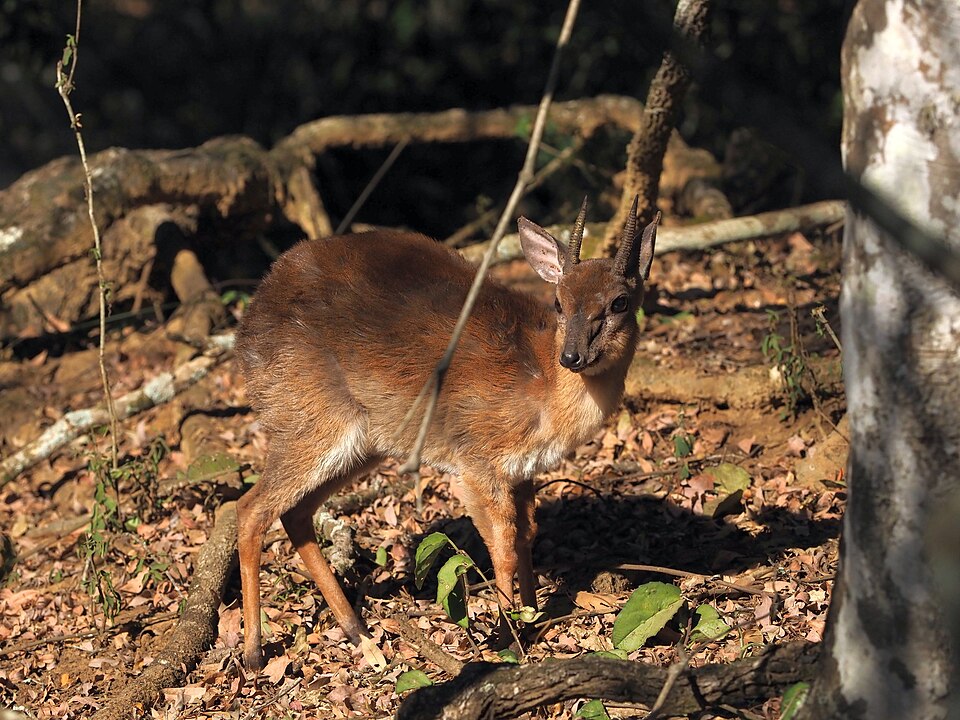
Suni
Nesotragus moschatusTiny antelope; often concealed in coastal thickets.
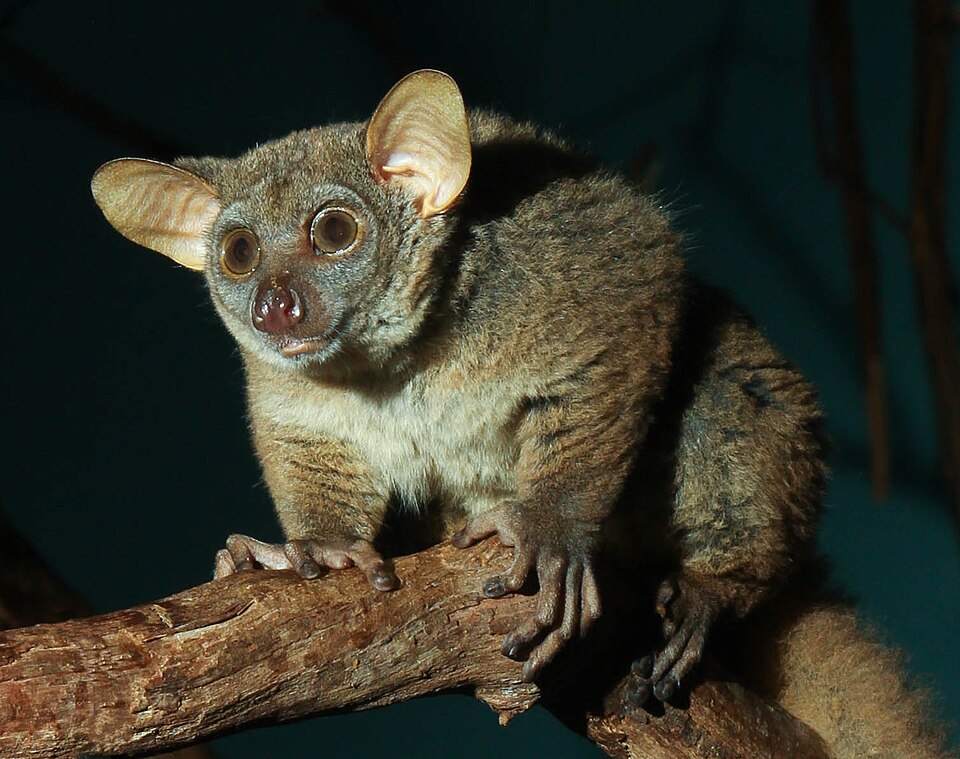
Greater galago
Otolemur garnettiiNocturnal primate more likely heard than seen by daytime visitors.
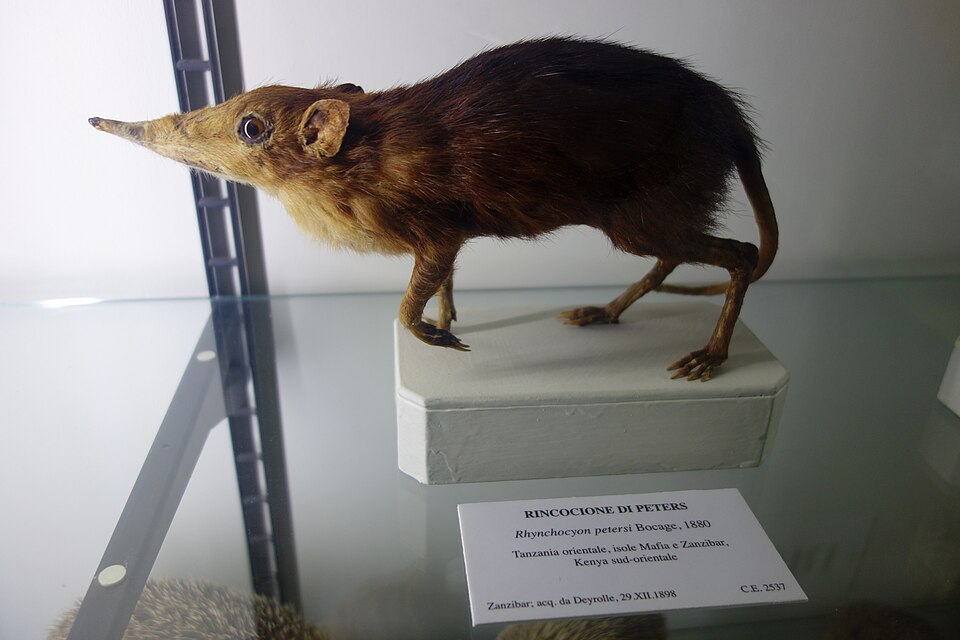
Elephant shrew / sengi
MacroscelideaSmall insect-eating mammal; identification to species requires local knowledge.
Shimba Hills birds: what to look and listen for
The contrast between forest canopy, grasslands and damp valleys creates varied birding opportunities. Start with common voices and movement in the canopy; individual species may require a specialist guide.
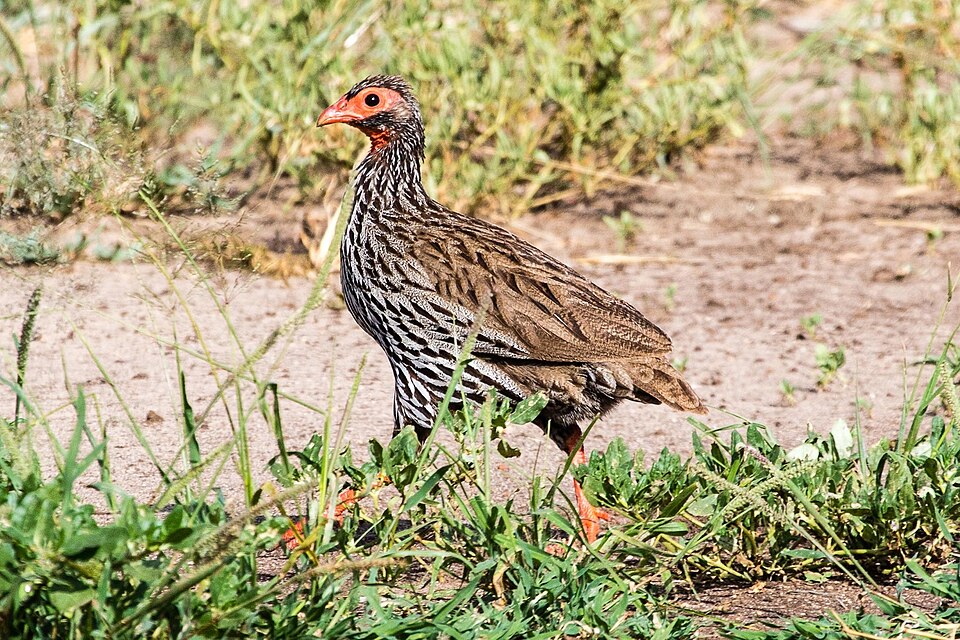
Red-necked spurfowl
Pternistis aferGrassy areas and woodland edges; listens for loud morning calls.
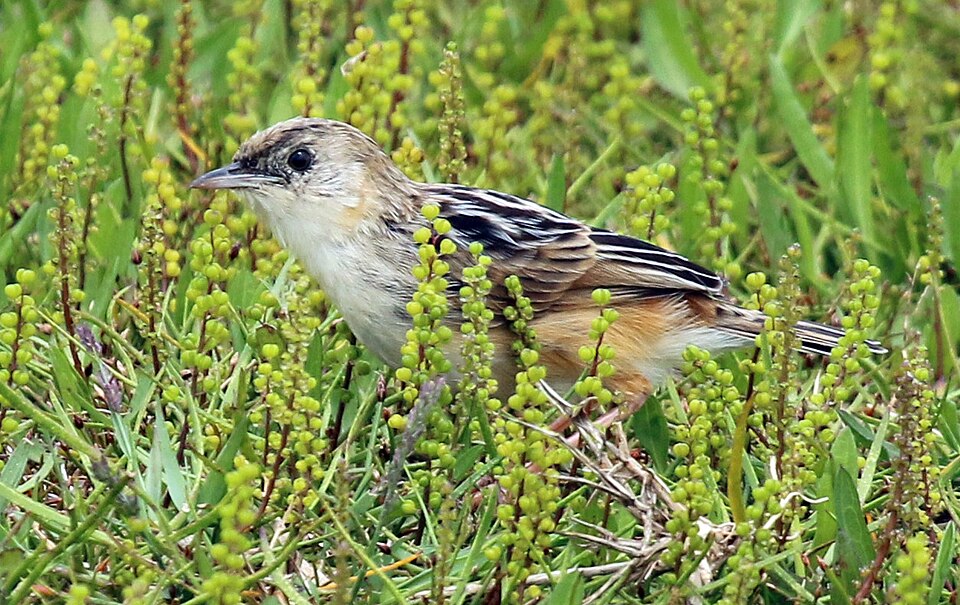
Croaking cisticola
Cisticola natalensisTall-grass bird; often detected by voice.
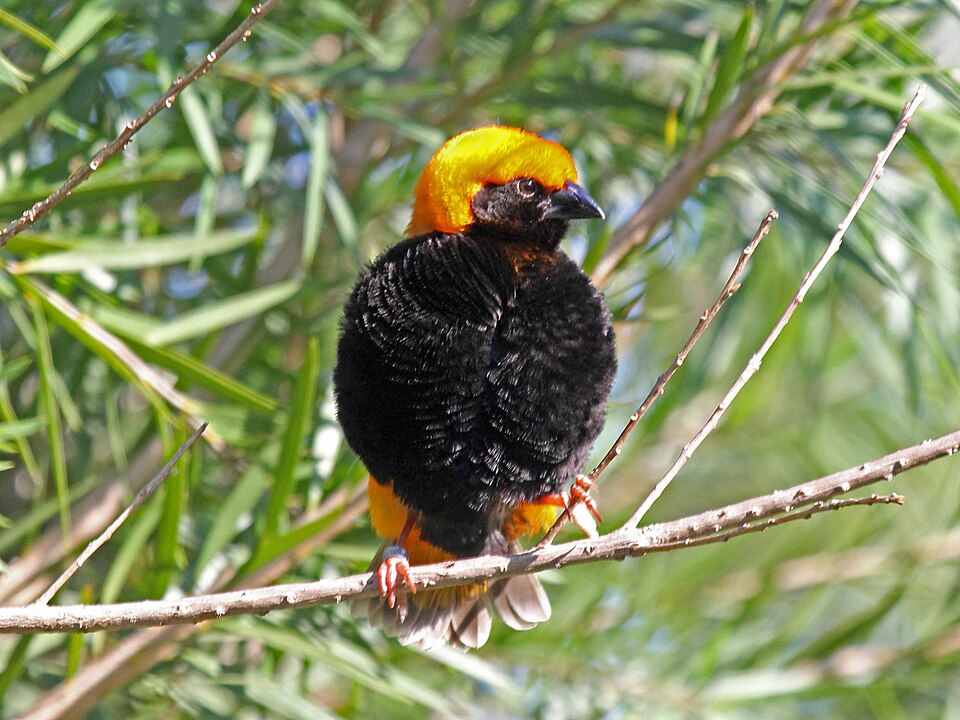
Zanzibar red bishop
Euplectes nigroventrisLook for vividly coloured breeding males in suitable grassy habitat.
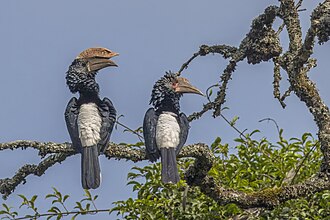
Silvery-cheeked hornbill
Bycanistes brevisLarge frugivore with conspicuous casque; regional coastal-forest specialist.
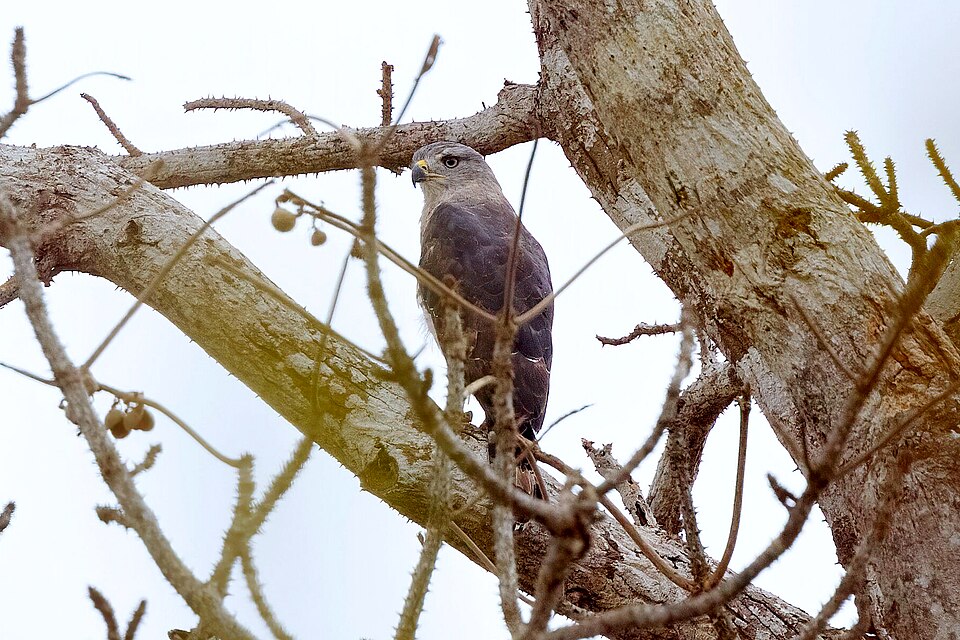
Southern banded snake eagle
Circaetus fasciolatusA distinctive coastal-forest raptor, usually hard to spot.
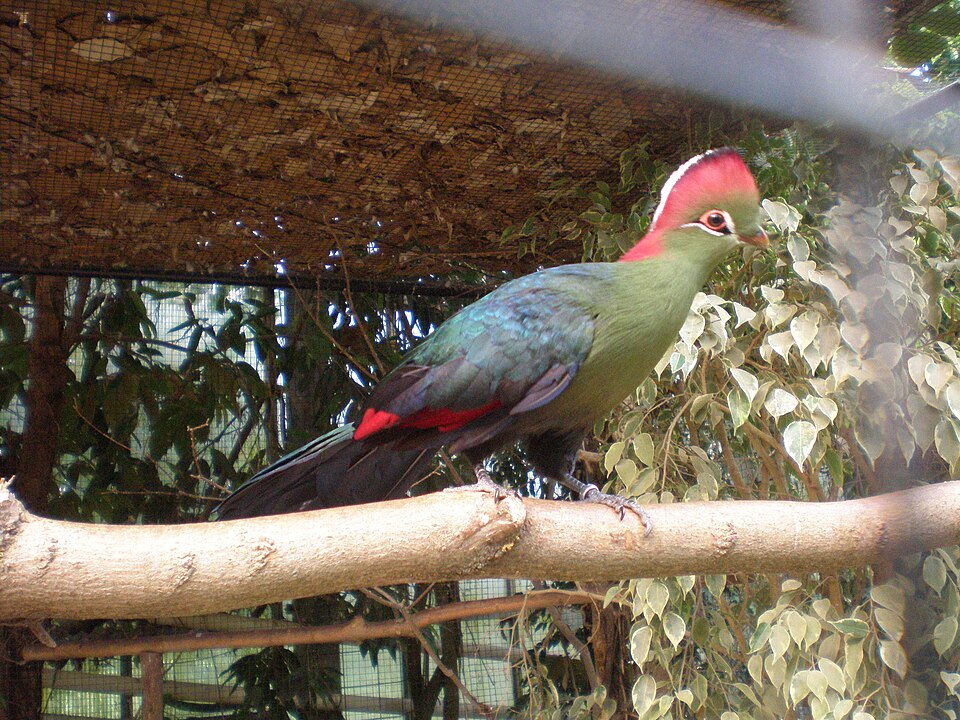
Fischer’s turaco
Tauraco fischeriA coast-associated forest bird; listen for the calls.
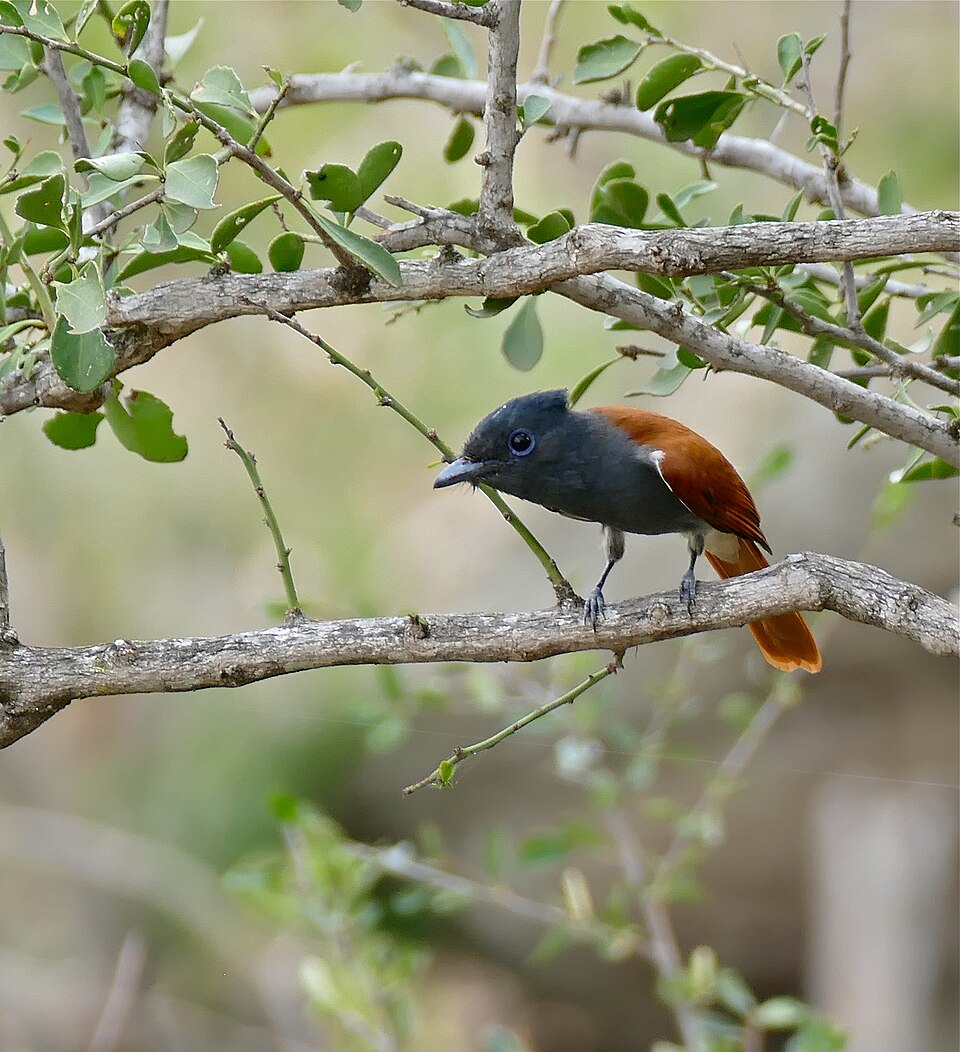
African paradise flycatcher
Terpsiphone viridisFlycatcher in shaded woodland and forest edge.
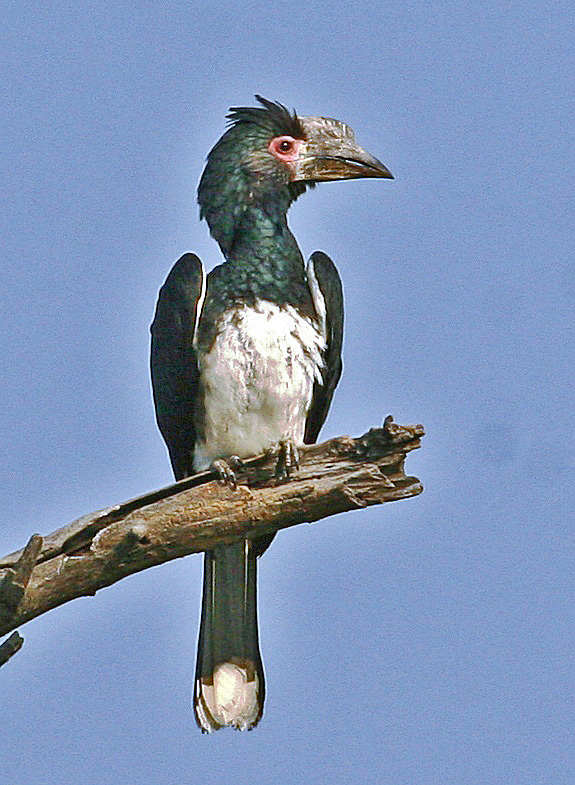
Trumpeter hornbill
Bycanistes bucinatorAnother canopy fruit-eater; its call travels far.
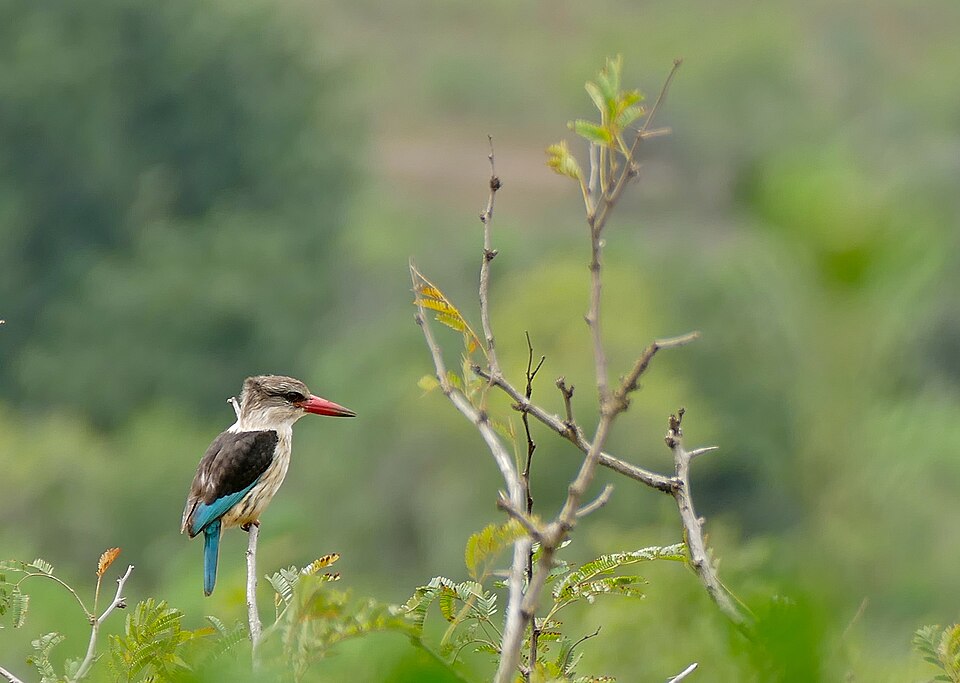
Brown-hooded kingfisher
Halcyon albiventrisLook on exposed forest-edge branches; not dependent on water.
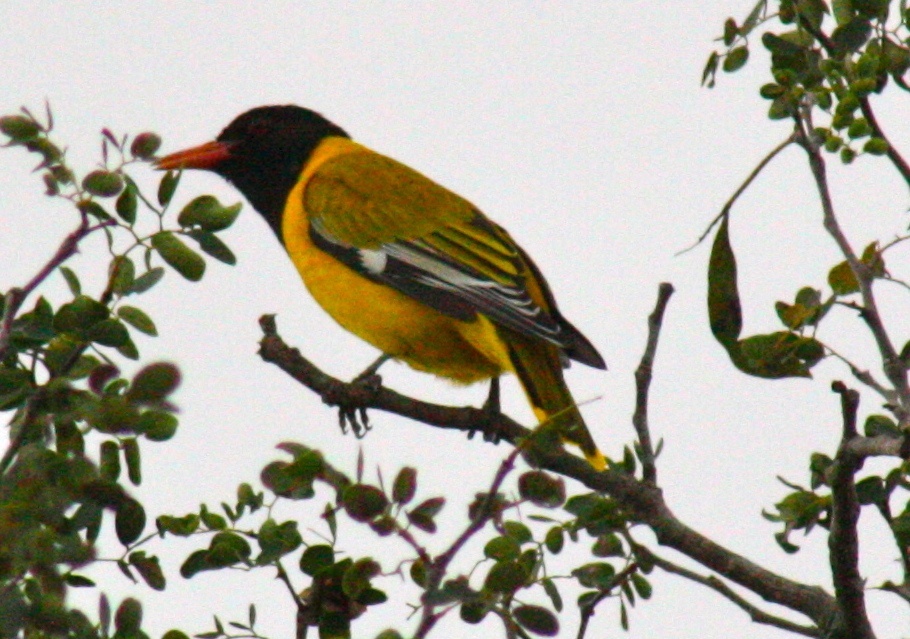
Black-headed oriole
Oriolus larvatusBright yellow woodland bird frequently first detected by song.
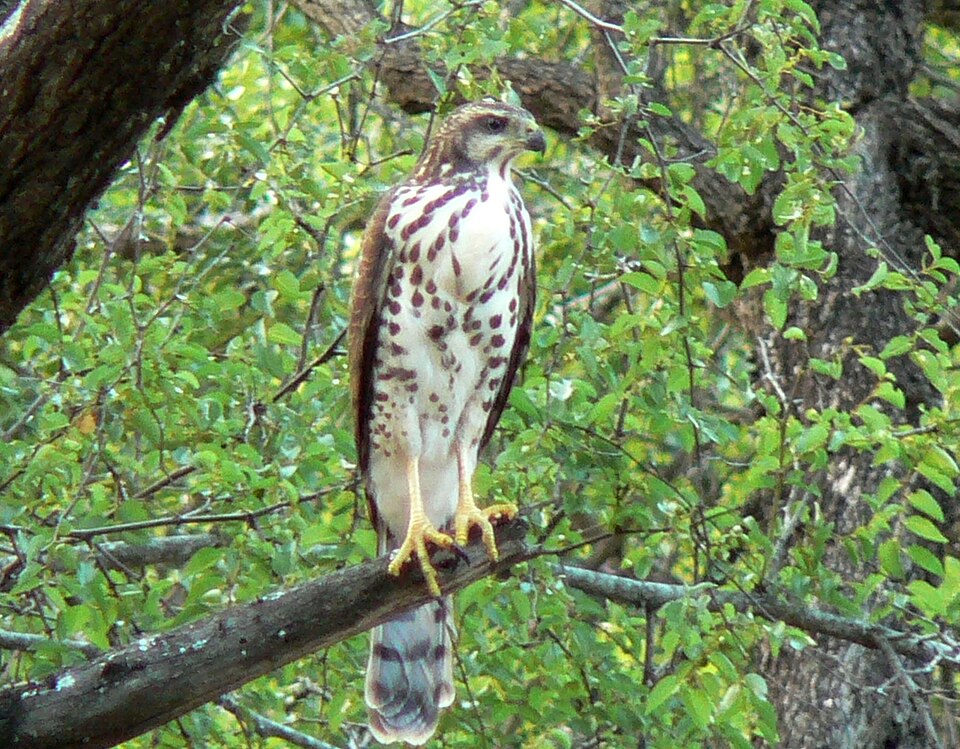
African goshawk
Accipiter tachiroForest hunting raptor; often glimpsed only briefly.
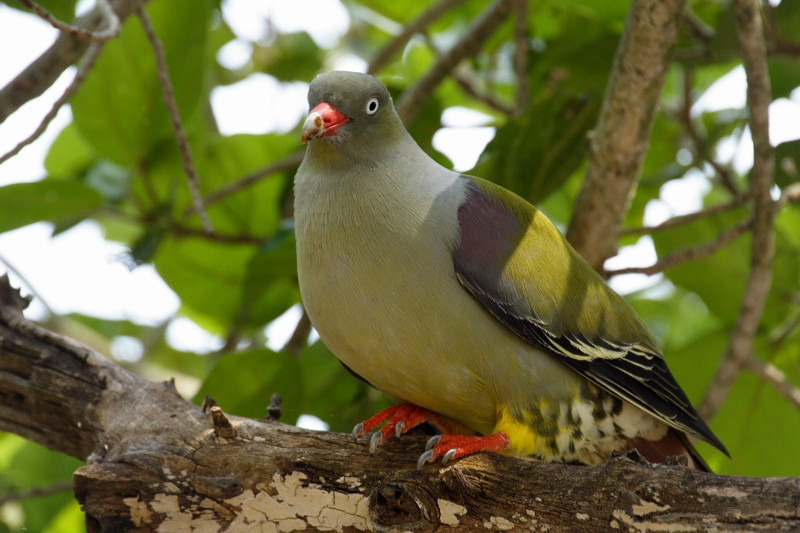
African green pigeon
Treron calvusFruit-eating canopy bird; listen for soft group calls.
Flora: coastal rainforest trees, flowers and understory
Coastal forests support multiple layers of vegetation. Individual tree and flowering-plant identifications can be difficult without close leaf, flower and fruit details. The examples below describe representative habitats and genera.
Trees and shrubs
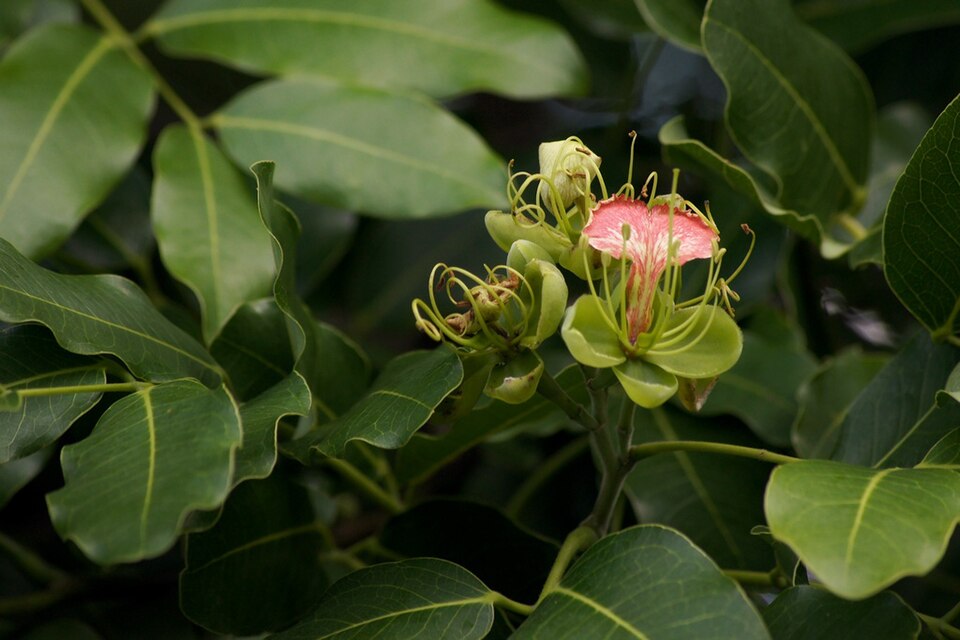
Afzelia
Afzelia quanzensisA well-known coastal forest and woodland tree; leaf and pod features assist identification.
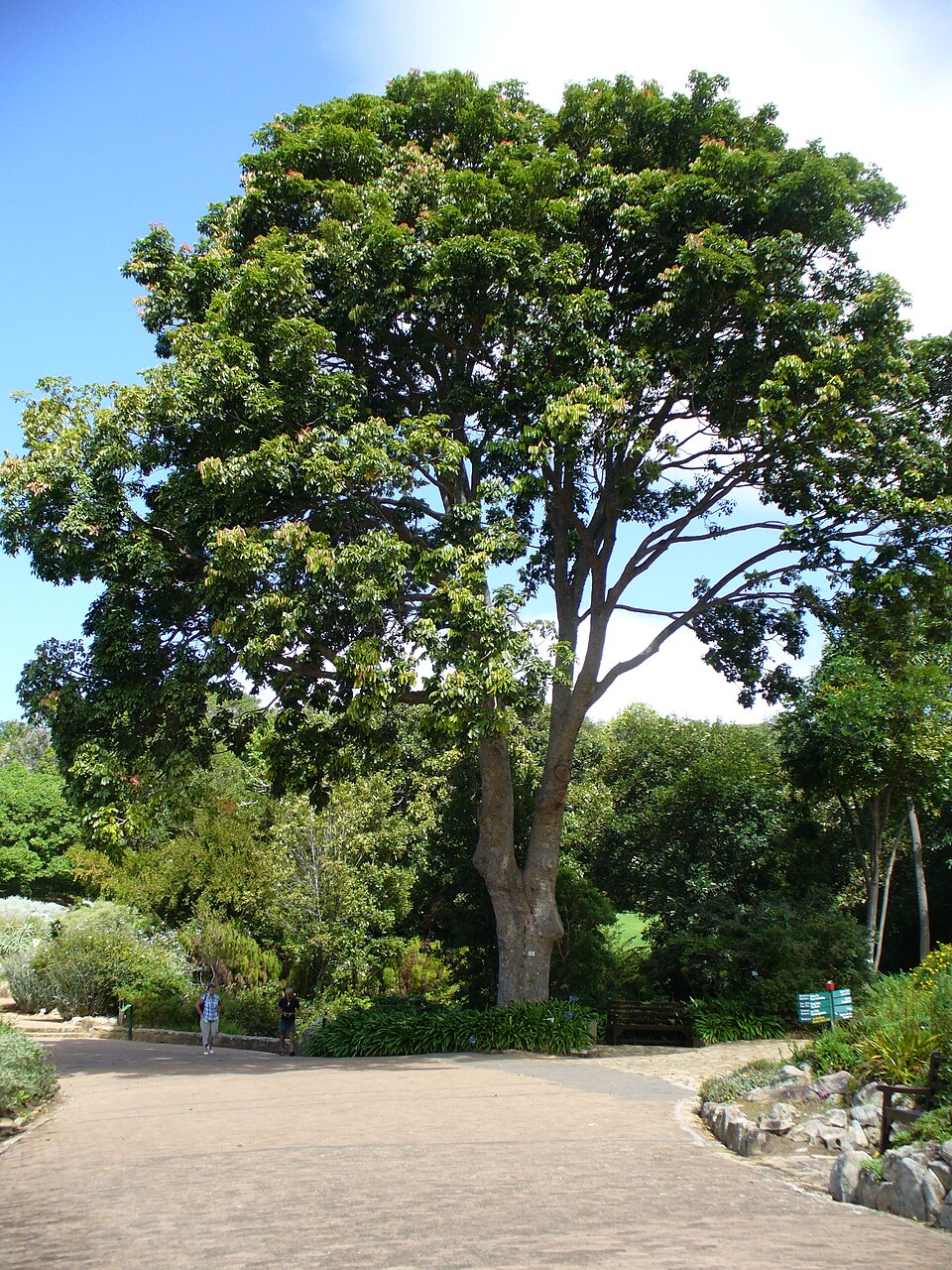
East African mahogany
Khaya anthothecaLarge forest tree found in suitable moist habitats.
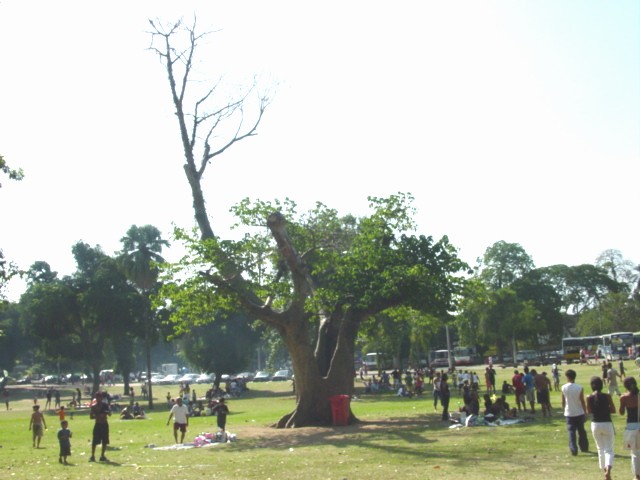
Wild fig
Ficus spp.Figs support fruit-eating birds, monkeys and other wildlife.
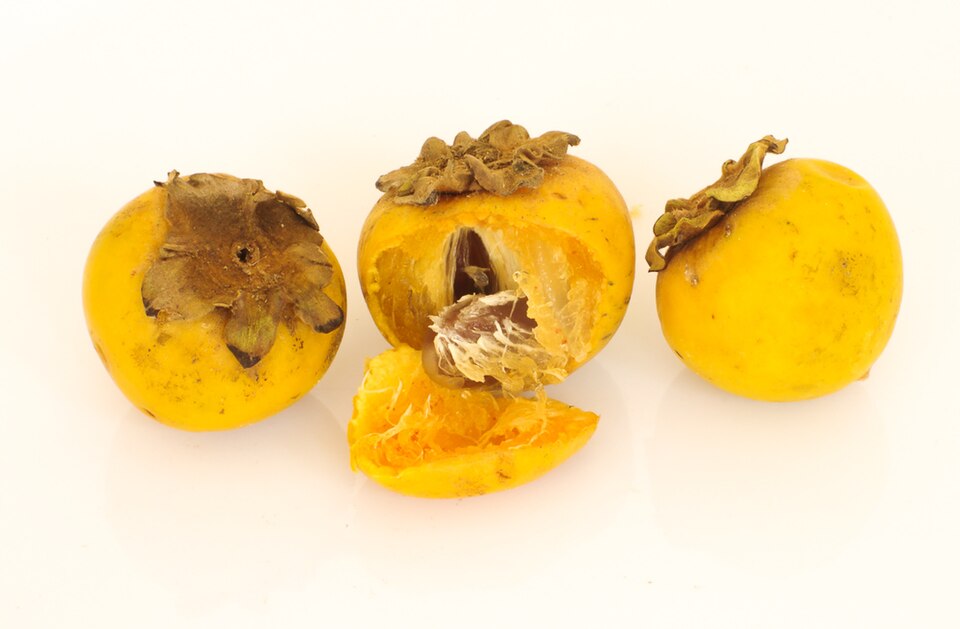
African ebony
Diospyros spp.Dense-wooded forest genus; exact species need expert identification.
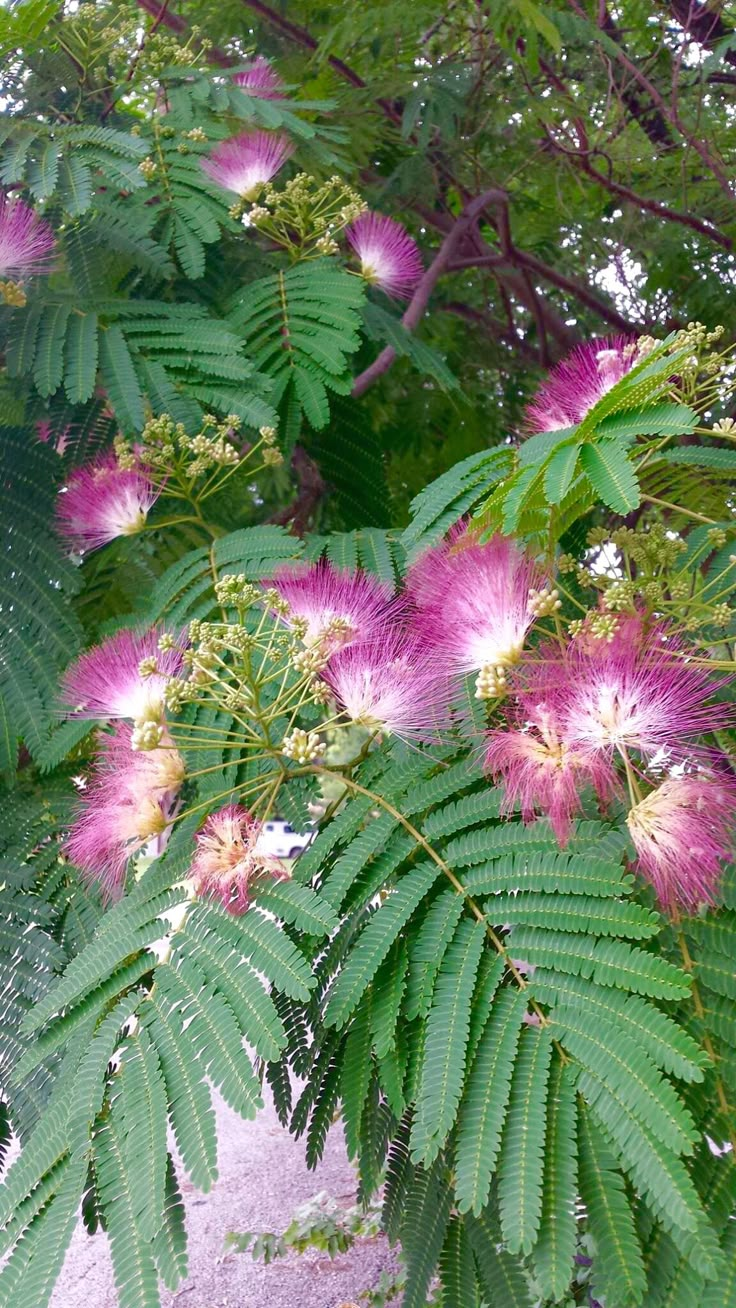
Albizia
Albizia spp.Feathery leaves and pale blossoms in mixed woodland.
Coastal understorey shrubs
Mixed familiesDense shrubs make important small-animal cover.
Climbing forest vines
Various lianasClimbers connect tree canopies and offer structural habitat.
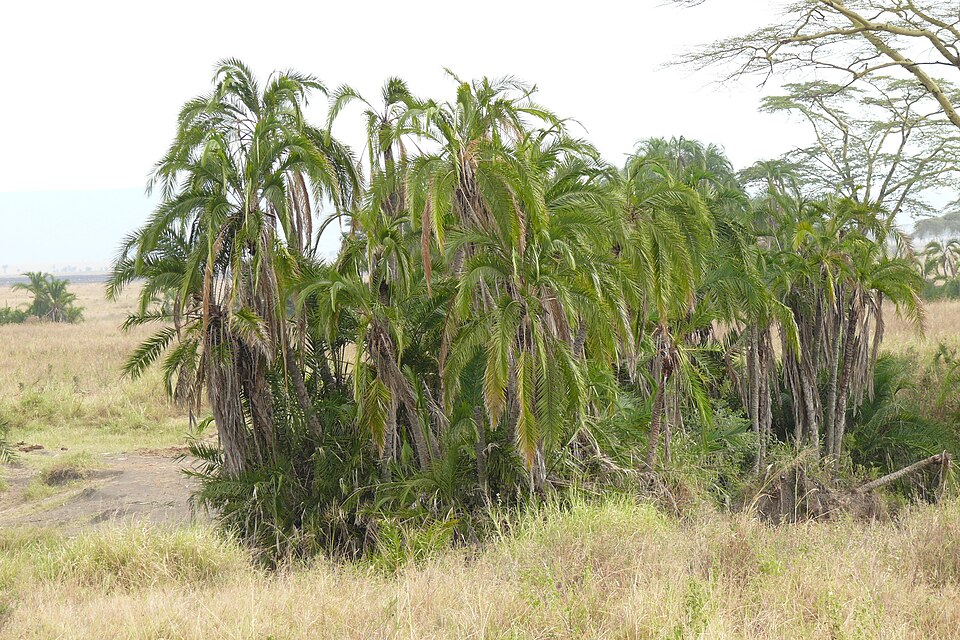
Wild date palm
Phoenix reclinataLook near suitable wet gullies and stream margins.
Ferns, flowers and ground vegetation
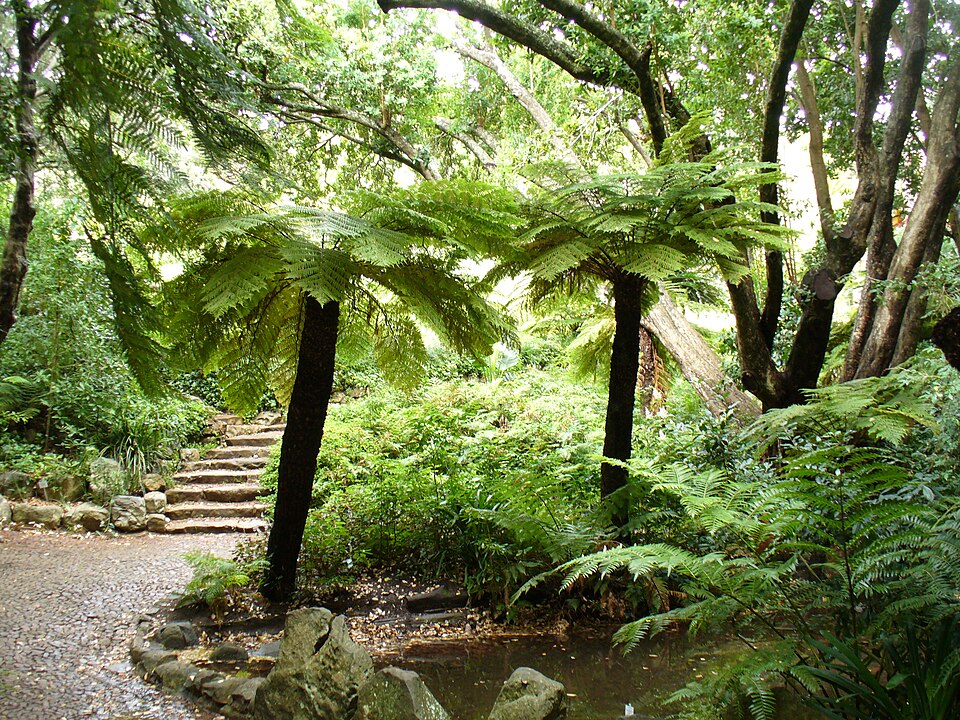
Tree ferns
Cyathea spp.Ferns in moist shaded gullies; the illustrated example was photographed outside Shimba Hills.
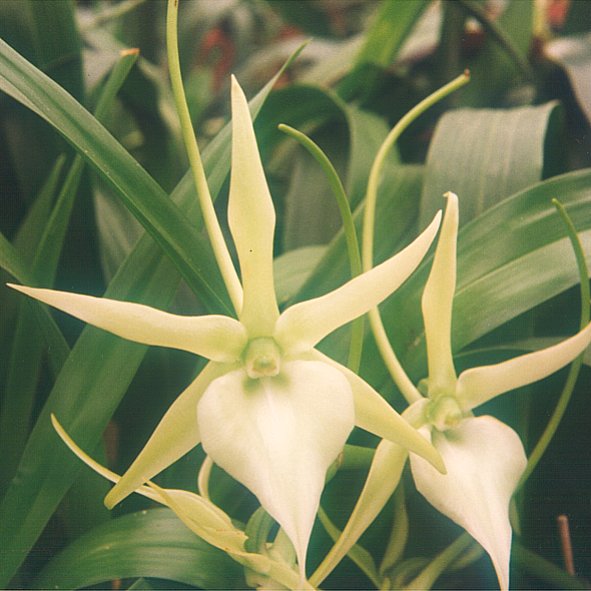
Epiphytic orchids
OrchidaceaeLook up into humid tree branches; never collect orchids.
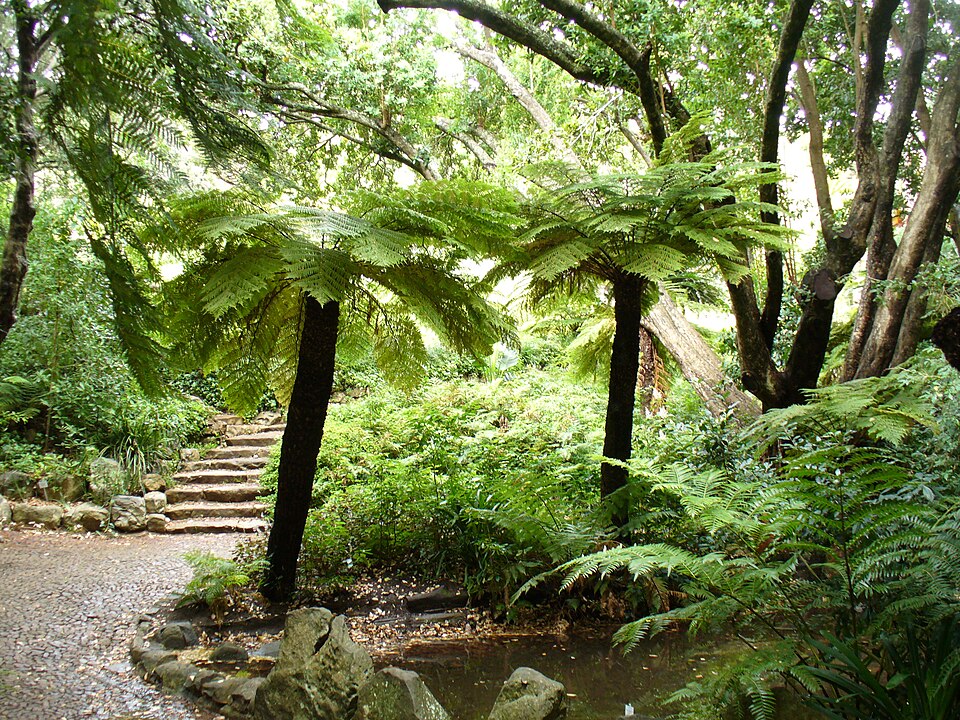
Forest ferns
PolypodiopsidaShaded floors and ravines.
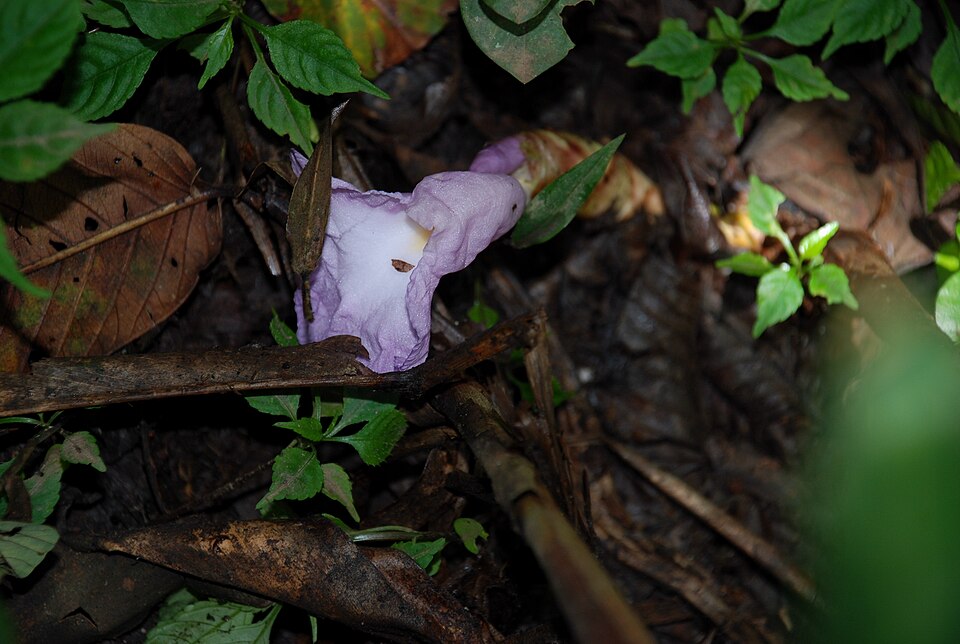
Wild gingers
ZingiberaceaeLush forest-understory plants of humid sites.
Tall savanna grasses
PoaceaeOpen grassy patches help sustain larger grazing mammals.
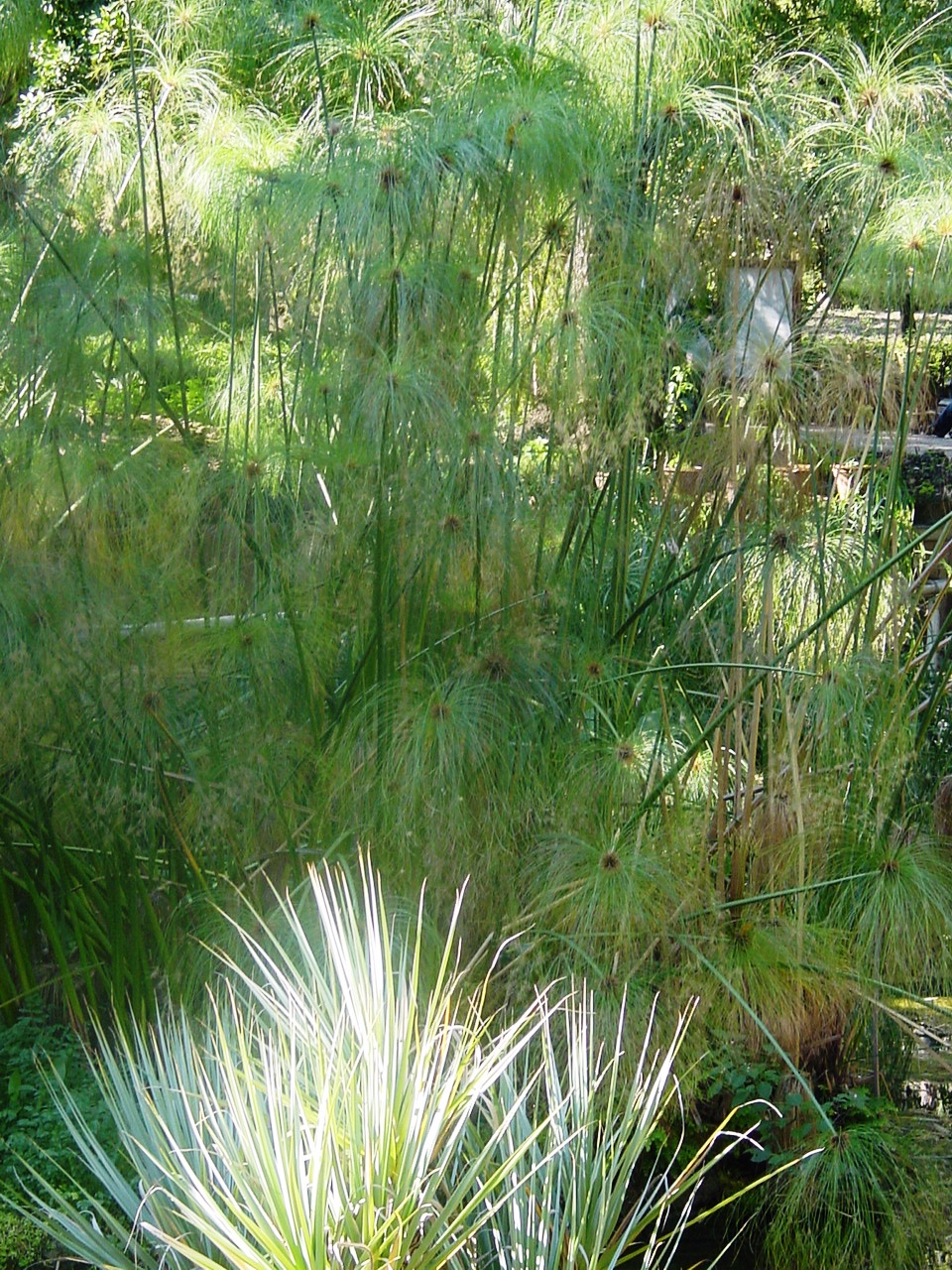
Sedges
CyperaceaeTufted wetland vegetation in damp soils.
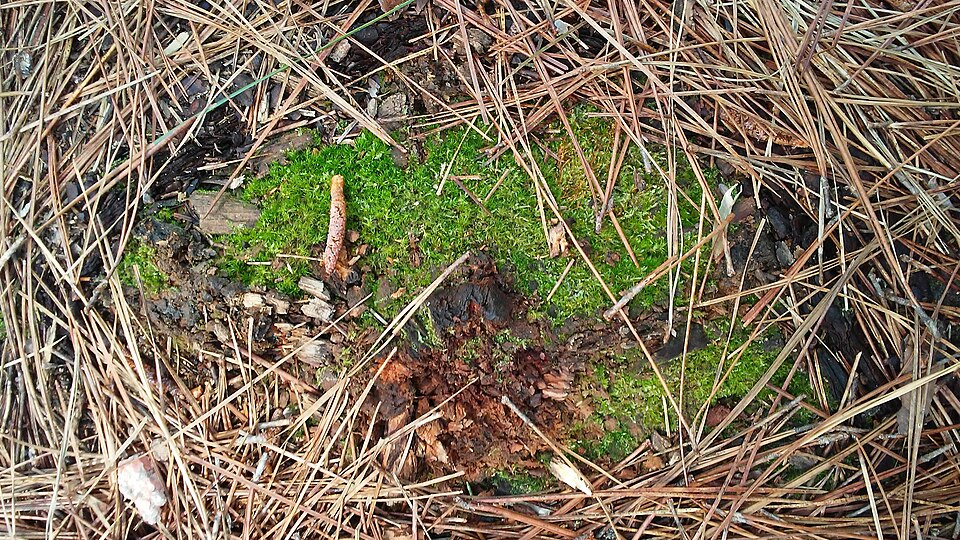
Mosses and liverworts
BryophytaSeen on shaded trunks and rocks.
Seasonal wildflowers
Mixed familiesRoadside and open grassland blooms vary with rainfall.
Plant photos are illustrative, not evidence of occurrence at a specific spot. Stay on approved paths and do not collect plants.
Things to do at Shimba Hills
Game drive
Search grasslands and forests for sable antelope and other mammals while following official vehicle rules.
Sheldrick Falls walk
Arrange a ranger-guided visit to this waterfall and allow time for steep and potentially slippery sections.
Birding
Bring binoculars for forest and open-country species; get help from an experienced local guide.
Scenic viewpoints and photography
Forest-covered slopes, open grasslands and coastal scenery can reward patient photographers.
Best places to stay near Shimba Hills: lodges and Diani hotels
For a nature-focused overnight trip, choose a lodge near Kwale. For a beach holiday with one safari day, choose Diani. The four hotels below have existing Expedia property pages; bookable rates and availability depend on your dates.
Shimba Hills landscape — illustrative location photograph, not the lodge
Shimba Green Lodge
Kwale · near the reserve. A convenient choice for an early start and a quiet countryside base. Expedia currently lists it close to Shimba Hills National Reserve.
Check dates and rates on Expedia
The Sands at Nomad — hotel photograph
The Sands at Nomad
Diani Beach · boutique beachfront. A polished beach base if the reserve is just one day in a longer coast holiday.
Check dates and rates on Expedia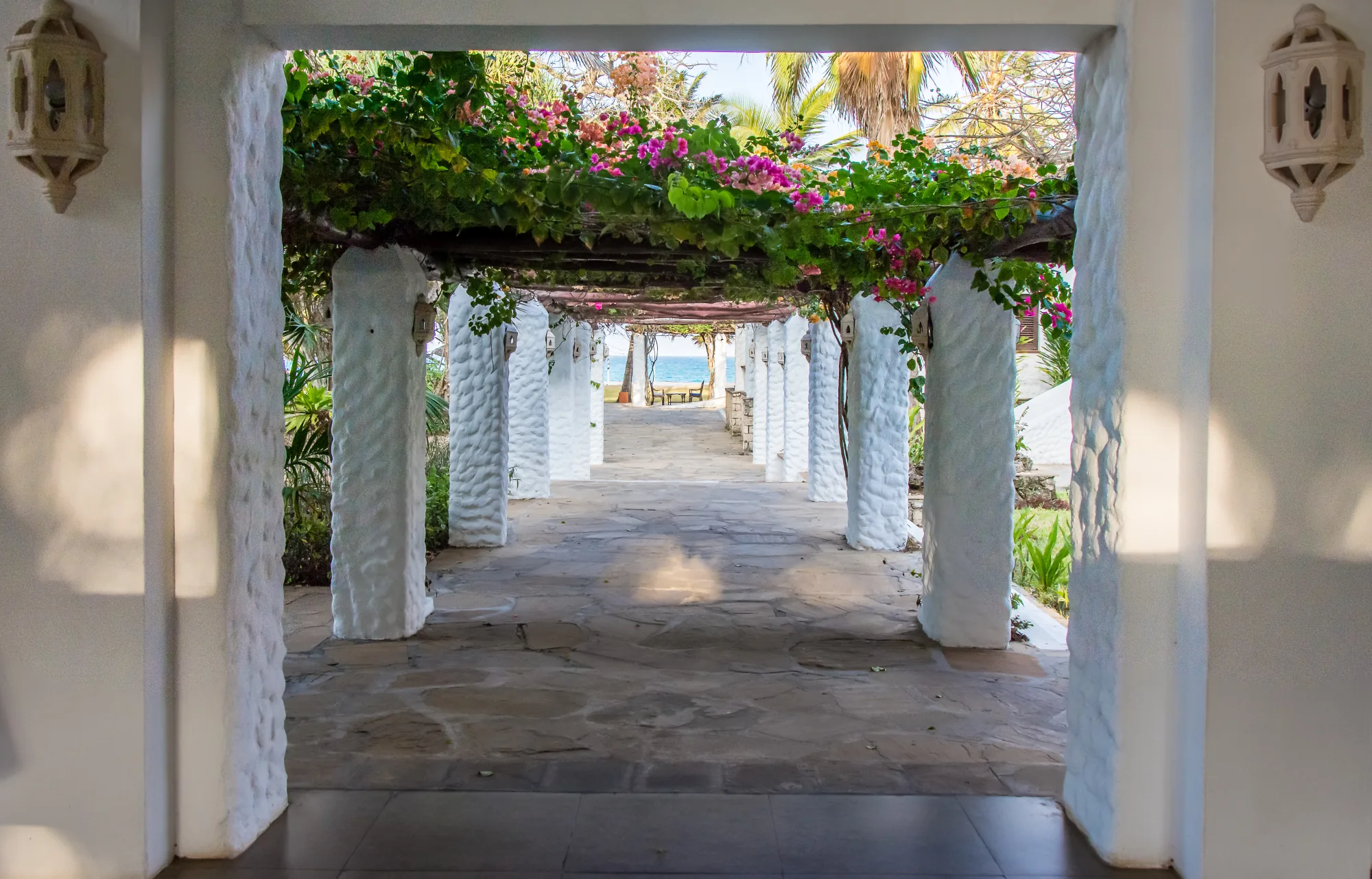
Jacaranda Indian Ocean Beach Resort — hotel photograph
Jacaranda Indian Ocean Beach Resort
Diani Beach · family-friendly. A traditional seaside option for families combining the shore with a guided wildlife outing.
Check dates and rates on Expedia
Pinewood Beach Resort & Spa — hotel photograph
Pinewood Beach Resort & Spa
Galu Beach · quieter retreat. A laid-back base farther down the coast; confirm round-trip travel time before reserving a game drive.
Check dates and rates on ExpediaShimba Hills landscape — illustrative setting, not the cottages
Sable Cottages / Bandas – inside Shimba Hills
KWS operates simple accommodation within the reserve (listed as Sable Cottages by Mbugani Homes and Sable Bandas in the KWS park information). This is a direct KWS booking rather than an Expedia affiliate.
View KWS overnight accommodationAffiliate disclosure: See.Africa may earn a commission on qualifying Expedia reservations without increasing the price you pay. Booking a lodge does not include park fees or guided activities unless explicitly specified.
Compare more coastal options in our Diani hotels guide.
Shimba Hills safety and park rules
KWS instructs visitors to stay on roads, avoid off-road driving, observe the posted gate times, keep a safe distance from wildlife, remain in vehicles except at designated locations, and not feed animals. Single-use plastics are prohibited. Its park page specifies a 40 km/h speed limit and 20-metre minimum wildlife distance. Take special care around elephants, forest edges and steep waterfall trails.
Frequently asked Shimba Hills questions
Is Shimba Hills worth visiting from Diani?
Yes. It is an accessible coastal-forest and grassland reserve, and a well-planned day trip can combine wildlife viewing and Sheldrick Falls.
Can you see sable antelope in Shimba Hills?
Yes, but sightings are not guaranteed. Ask KWS rangers for the latest guidance on broad grassland viewing areas.
How much are Shimba Hills park fees in 2026?
The KWS live tariff checked 25 October 2026 lists foreign non-resident adults at USD 50 and East African citizen adults at KES 500; other categories differ.
What are the opening hours?
Kenya Wildlife Service lists a 6:00 a.m. opening and 6:00 p.m. closing for day visitors.
Can I walk to Sheldrick Falls?
It is a popular guided walk. Confirm current ranger arrangements and trail condition on the day.
Is Shimba Hills suitable for children?
Many families visit by vehicle, but the waterfall walk can be steep and slippery. Discuss distance and conditions with your guide.
Can I self-drive in the reserve?
Use designated roads, obey KWS entry and exit rules, and remain inside your vehicle except in permitted areas.
Where should I stay?
Shimba Green Lodge in Kwale is one option near the reserve. Diani Beach has broader resort choices for a coast-and-safari trip.
Primary sources and last review
See.Africa reviewed time-sensitive visitor details against Kenya Wildlife Service and its eCitizen portal on 25 October 2026. Official instructions and ranger directions take priority over this general field guide and its schematic maps.
- KWS – Shimba Hills National Reserve: access, rules, highlights and current charges
- KWS eCitizen – visitor and guide fees
- KWS Mbugani Homes – Sable Cottages
Browse the See.Africa national park guides collection.
Leave a Reply