
Gaborone Game Reserve Guide
The practical 2026 guide to Gaborone Game Reserve: urban self-drive wildlife, bird hides, map, best time, picnic sites, the small dam and an easy half-day trip from the city.
Gaborone Game Reserve at a glance
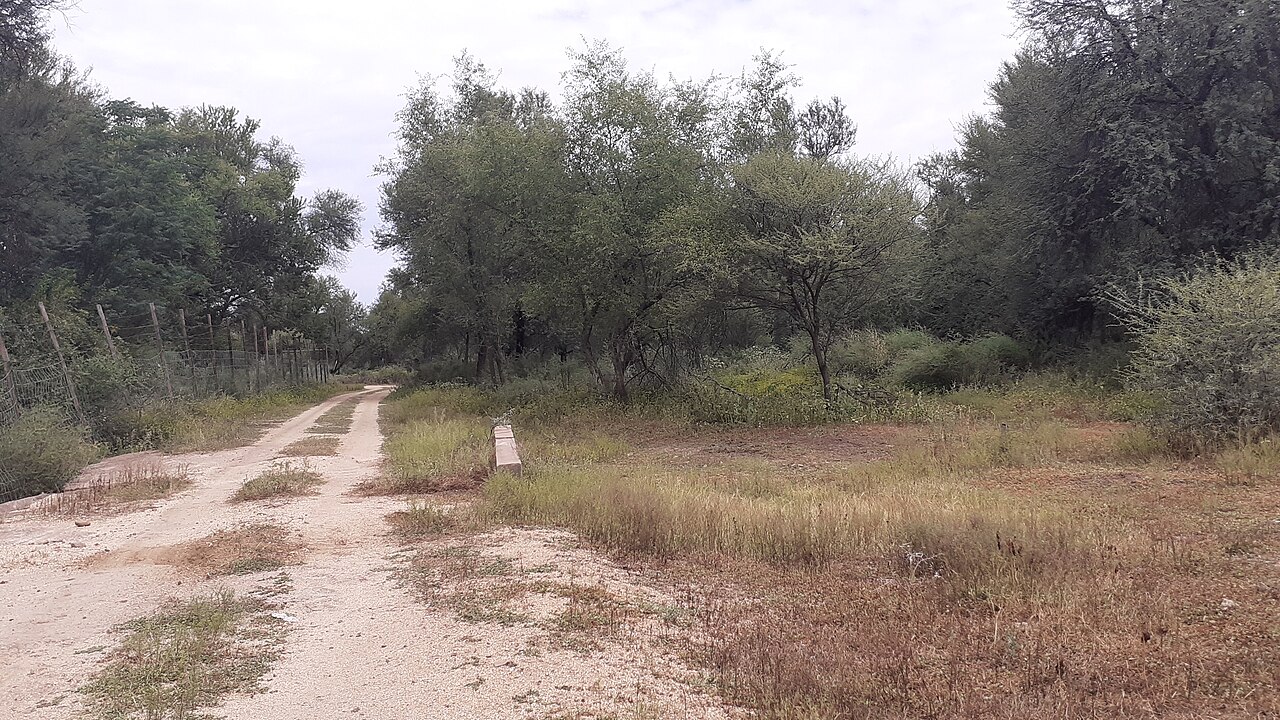
Gaborone Game Reserve is a compact 5 km² wildlife reserve inside Botswana’s capital. Botswana Tourism describes it as one of the unusual national reserves situated within a city, with tree savanna, riparian woodland, marsh and rocky outcrops packed into a small area.
What is the best time to visit Gaborone Game Reserve?
May to September is the easiest all-round period for comfortable driving and wildlife viewing. The dry winter months are cooler and vegetation is thinner. November to March is greener and more rewarding for migrant birds, but afternoons can be hot and storms may affect tracks.
May–August
Cool and dry with comfortable temperatures; early mornings can be chilly.
September–October
Dry but hotter. Wildlife often concentrates around remaining water and shade.
November–February
Green season with summer migrant birds, fresh grass and dramatic skies.
March–April
Useful shoulder season as rains ease and the reserve remains relatively green.
How much does Gaborone Game Reserve cost?
The current published Botswana Educational Game Reserve Regulations list a simple statutory tariff for educational reserves such as Gaborone. Because gate practice can be updated administratively, use these as the official published baseline and confirm the amount displayed at the entrance before paying.
| Published statutory fee | Amount | Note |
|---|---|---|
| Adult (18+) | P10 per day | Entry fee in the published Educational Game Reserve Regulations |
| Child 9–17 | P5 per day | Under 18 and over 8 years |
| Child 8 and under | Free | Published statutory schedule |
| Picnic site — adult | P5 per day | Additional published picnic-site fee |
| Picnic site — child 9–17 | P2.50 per day | Children 8 and under free |
How do you get to Gaborone Game Reserve?
The reserve is inside Gaborone, making it one of the simplest wildlife areas in Botswana to reach. The main public listing uses Game Reserve Road / the eastern side of the city. From central Gaborone the drive is normally short, while Sir Seretse Khama International Airport is roughly 15–20 minutes away in light traffic.
From central Gaborone
Use current navigation to Game Reserve Road and the signed entrance. City traffic can matter more than actual distance.
From the airport
Allow roughly 15–20 minutes in normal traffic, but build in extra time during commuter periods.
At the gate
Confirm the current closing time and fee before entering so you do not start a loop too late.
Vehicle choice
A normal car is generally sufficient on the main loops in dry weather; ask about conditions after heavy rain.
Gaborone Game Reserve map
The map shows the reserve/entrance orientation point plus broad habitat markers for the dam/birding area and central picnic/visitor zone. Approximate internal points are labelled as such; use the reserve’s current map and signs for actual driving.
How should you plan a half-day visit?
1. Arrive early
Enter close to opening for quieter roads, cooler temperatures and better wildlife activity.
2. Drive the main loop slowly
The reserve is small, so there is no benefit in rushing. Scan woodland edges and open grass carefully.
3. Stop at the dam
Spend time at the birding area rather than treating the visit only as a drive-through.
4. Use a hide
Quiet observation can produce better birding and close animal behaviour than constantly moving.
5. Picnic if useful
Use designated sites only, keep food secured from monkeys and leave no litter.
6. Save details offline
Screenshot the reserve location, closing time and route before you leave your hotel or the city centre.
Which mammals can you see?
Gaborone Game Reserve is best for plains game and smaller urban-edge wildlife rather than predators. Botswana Tourism specifically lists zebra, eland, gemsbok, red hartebeest, blue wildebeest, impala, kudu, steenbok, vervet monkeys, warthog and rock hyrax.
Plains zebra
One of the reserve’s most visible mammals. Look on open grassy loops and near the small dam.
Common eland
Africa’s largest antelope and one of the species specifically listed by Botswana Tourism for Gaborone Game Reserve.
Gemsbok
A dry-country antelope with long straight horns and bold facial markings, well suited to the reserve’s open savanna.
Red hartebeest
Tall-shouldered grazer of open areas; the elongated face and sloping back are distinctive.
Blue wildebeest
Often associated with open grassland and may be seen with zebra or other grazers.
Impala
Common around woodland edges; watch for alarm snorts when animals detect disturbance.
Greater kudu
A browser of thicker bush. Mature males have long spiral horns and blend easily into woodland.
Steenbok
Small, solitary and easy to miss; scan quiet scrub and open ground carefully.
Common warthog
Frequently seen grazing short grass; often trots away with tail upright.
Vervet monkey
Common around wooded areas and picnic sites. Do not feed them or leave food unattended.
Rock hyrax
Botswana Tourism lists rock dassies in the reserve; look around rocky outcrops and sunny boulders.
Common duiker
A small browsing antelope of denser cover, usually solitary and quick to disappear.
Black-backed jackal
A small opportunistic predator that may be seen on quiet roads or open ground, especially early or late.
Bat-eared fox
Possible in open grassland around dawn or dusk, though not an animal to expect on every visit.
Aardvark
Mostly nocturnal; burrows and diggings are far more likely than a daytime sighting.
Which birds should you look for?
The small dam, marsh and bird hides are the reserve’s strongest birding features. Resident savanna species mix with summer migrants and occasional wetland specialists after rain.
African crake
A seasonal wetland bird associated with marshy vegetation after good rains; usually easier to hear than see.
Greater painted-snipe
A cryptic wetland species to look for at shallow muddy margins around the small dam.
Common sandpiper
A migrant shorebird that often walks along exposed water edges, bobbing its rear body.
Wood sandpiper
A migrant wader of shallow freshwater margins, especially after rains.
Black-chested snake eagle
A striking raptor of open savanna; adults show a dark chest contrasting with a pale belly.
Little sparrowhawk
A small woodland raptor that may dash through trees after small birds.
Marsh owl
Associated with grassland and marshy habitat; most active around dusk and dawn.
Little bee-eater
A colourful perch-hunter, often seen low over open scrub and near water.
Blue-cheeked bee-eater
A seasonal migrant that may appear in numbers during warmer months.
European bee-eater
Another migrant, often detected first by its rolling calls overhead.
Hamerkop
Look around the small dam and wet margins for this distinctive brown waterside bird.
Blacksmith lapwing
Common around water and open lawns; named for its sharp metallic call.
Lilac-breasted roller
A colourful savanna bird, often perched conspicuously beside open tracks.
Southern yellow-billed hornbill
Common dry-woodland bird, often feeding on the ground or beside tracks.
What grows in Gaborone Game Reserve?
Botswana Tourism describes a mix of tree savanna, riparian woodland, marsh and rocky outcrops. That small-scale habitat diversity is one reason the reserve supports both antelope and a strong urban bird list.
Trees & shrubs
Umbrella thorn
A classic savanna tree with a broad umbrella-shaped crown, useful for shade and browse.
Black thorn
A dense thorny shrub/tree of semi-arid savanna, creating important cover for birds and small mammals.
Sickle bush
Recognizable by its two-coloured flower spikes; common in disturbed and bush-thickened savanna.
Red bushwillow
A common southern African woodland tree with four-winged fruits and reddish seasonal foliage.
Weeping wattle
A broad-crowned savanna tree with attractive yellow flowers.
Buffalo thorn
A thorny tree with paired straight and hooked thorns; common in southern African woodland.
Velvet raisin
A low shrub with edible berry-like fruits used by both wildlife and people.
Shepherd’s tree
A drought-tolerant evergreen with a pale trunk, adapted to dry savanna.
Common guarri
A dense evergreen shrub/tree that provides cover and browsing opportunities.
Jacket plum
A small-to-medium woodland tree whose fruits are attractive to birds and mammals.
Grasses, herbs & wetland plants
Red grass
A productive savanna grass with reddish seed heads later in the season.
Lehmann lovegrass
A fine-leaved perennial grass of semi-arid savanna.
Couch grass
Low mat-forming grass common on disturbed, grazed and relatively moist ground.
Buffel grass
A robust drought-tolerant bunch grass with dense bristly seed heads.
Tassel three-awn
A wiry grass of dry ground with three-awned seeds.
Guinea grass
A taller grass favouring more fertile or shaded woodland margins.
Devil thorn
A low herb with yellow flowers and hard spiny fruits, especially noticeable after rain.
Sleepy morning
A low grey-green herb/shrub of disturbed dry ground with small yellow flowers.
African dayflower
A low herb that responds quickly to summer rain and may flower in greener months.
Common reed
Associated with wetter margins where water persists around marshy areas or the small dam.
Best Gaborone Game Reserve experiences
1. Self-drive wildlife loop
The easiest way to explore the compact reserve at your own pace.
2. Bird hides
Use the hides to watch the marsh and dam quietly without constantly moving.
3. Small-dam birding
Botswana Tourism specifically identifies the dam as a strong place for resident and migrant birds.
4. Picnic
The reserve is a popular local picnic destination; use designated sites and secure food from monkeys.
5. Visitor centre
Useful for educational context, particularly for families and school groups.
6. Combine with Mokolodi
Gaborone Game Reserve works well as the easy urban option, with Mokolodi providing a larger guided wildlife experience south of the city.
Which rules matter most?
Stay on designated roads
Use current internal loops and do not create off-road tracks in the compact reserve.
Only leave the car where allowed
Use hides, picnic areas and designated visitor facilities rather than stopping on arbitrary road sections.
Do not feed monkeys
Keep food secured and avoid habituating vervet monkeys around picnic sites.
Respect closing time
Plan the final loop so you can exit before the current gate closing time.
Use designated braai/fire areas only
Dry-season fire risk can be high; fully extinguish embers and follow current reserve rules.
Keep wildlife distance
Even familiar antelope and warthogs are wild animals; do not approach for photos.
Gaborone Game Reserve FAQ
How big is Gaborone Game Reserve?
About 5 km² according to Botswana Tourism Organisation.
Can you self-drive?
Yes. Visitors commonly drive the internal reserve loops themselves.
What animals can you see?
Zebra, eland, gemsbok, red hartebeest, wildebeest, impala, kudu, steenbok, vervet monkeys, warthog and rock hyrax are all specifically listed by Botswana Tourism.
How long do you need?
About two to four hours. The reserve is compact and best treated as a half-day urban wildlife outing.
What are the opening hours?
The published permit hours are 05:00–19:00 in summer and 06:00–18:30 in winter. Follow any newer operating notice displayed at the gate.
Is there birdwatching?
Yes. The small dam, marsh and hides are particularly useful for resident and migrant birds.
Can you picnic?
Yes. Botswana Tourism describes the reserve as a popular picnic destination.
Do you need a 4×4?
Usually not for the main loops in normal dry weather. Ask about track conditions after heavy rain.
How this guide was checked
See.Africa reviewed time-sensitive information on 23 September 2026. Reserve size, habitat, wildlife, bird hides, dam, picnic use and visitor-centre information were checked against Botswana Tourism Organisation. Entry fees, picnic fees and permit hours were checked against Botswana’s currently published Educational Game Reserve Regulations. Approximate internal map points are labelled as such and are for orientation only.