
Katavi National Park Guide
Remote floodplains, huge buffalo herds, crowded hippo pools and very few vehicles. This 2026 guide covers the Katuma River, Lake Chada, Katisunga Plain, current TANAPA fees, self-drive logistics, walking trails, wildlife and a detailed planning map.
Information checked 6 September 2026Katavi National Park at a glance
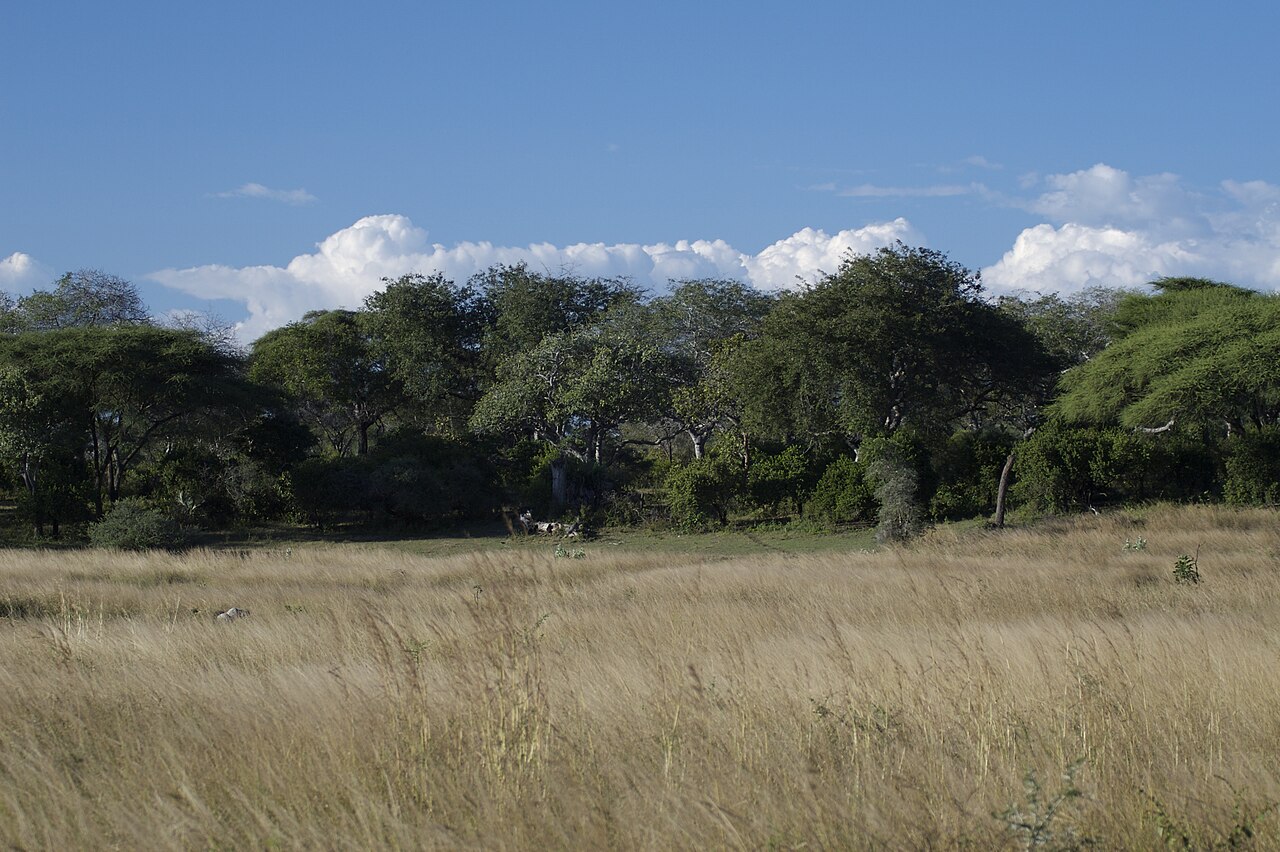
Katavi is one of Tanzania’s wildest large parks, built around the seasonal floodplains of the Katuma River, Lake Katavi and Lake Chada. As the dry season intensifies, buffalo, elephant, hippo, crocodiles and plains game concentrate around shrinking water, creating the park’s signature spectacle.
Quick Answers
For a western Tanzania circuit, combine this with the Mahale Mountains guide and Gombe guide. You can also browse all National Park Guides.
What is the best time to visit Katavi?
June to October is the classic Katavi window. Water contracts into river channels and pools, grass dries back, road conditions improve and wildlife gathers in spectacular numbers. November–February can be beautiful and green, while March–May brings the greatest access risk on black-cotton soils.
Aug–Oct: shrinking water makes buffalo, hippo and predator activity especially obvious.
Nov–Feb: lush plains, fewer visitors and excellent birds, but wildlife is less concentrated.
Mar–May: heavy rain can turn black-cotton tracks into a serious 4×4 challenge.
How much does Katavi cost in 2026?
TANAPA’s current Katavi park page lists international entry at US$70 per adult and US$20 per child, with East African resident entry shown as TZS 20,000. TANAPA’s dedicated visitor guide also notes that separate charges can apply for vehicles, camping, guides, walking safaris and special permits.
Which parts of Katavi matter most?
| Area | Why go | Planning note |
|---|---|---|
| Katisunga Plain | Classic open floodplain; buffalo, zebra, topi, elephant and predators. | One of the core dry-season game-viewing areas. |
| Katuma River / Ikuu | Hippo, crocodile and concentrated dry-season wildlife. | Water levels determine where animals bunch up. |
| Lake Chada | Huge open wetland/floodplain landscape and buffalo country. | Very seasonal; visual character changes dramatically. |
| Lake Katavi | Seasonal wetland, elephants, birds and cultural Katabi site nearby. | Useful northern/western orientation. |
| Miombo woodland | Sable, roan, kudu, elephant and specialist birds. | Slower viewing than floodplains but important biodiversity. |
| Waterfall trails | Chorangwa, Lukima and Ndido hiking landscapes. | Guided activity; confirm current trail status first. |
How do you get to Katavi National Park?
Katavi is deliberately difficult to reach. TANAPA describes long 4×4 approaches from Mbeya, Kigoma or Tabora, plus access via Mpanda Airport and seasonal/charter flights to Ikuu airstrip. Main visitor access is around Sitalike and Ikuu.
Plan long driving days, daylight arrival and enough fuel range to absorb diversions or soft-road delays.
Ikuu airstrip is the practical safari gateway; confirm seasonal schedules and lodge transfers before booking.
Carry extra water, fuel, food, spare tyre, recovery gear and reliable communications.
Katavi National Park map
The map prioritizes visitor-use areas and seasonal habitat rather than pretending every road is permanently reliable. Verified public coordinates are used where available; trail zones, river pools and habitat points are labelled approximate or broad.
How should you plan one full day in Katavi?
Use the official game-drive opening time. Head first to the nearest floodplain or Katuma water section before heat builds.
Work Katisunga or the Ikuu/Katuma system slowly for lion, buffalo, hippo and elephant.
Return toward camp, picnic or safe designated rest area. Avoid unnecessary long crossings in peak heat.
Try miombo edges or Lake Chada/Lake Katavi depending on season and current road conditions.
Return to open floodplains for predators and warm light, but retain a large time buffer.
TANAPA lists game viewing to 18:30. Remote roads make late rushing a poor strategy.
22 mammals to know in Katavi
African buffalo
Signature species
Katavi is famous for enormous dry-season herds moving across floodplains and toward remaining water.
Hippopotamus
Signature species
As the Katuma shrinks, hundreds may crowd into remaining pools. Never approach on foot without an authorized ranger.
African bush elephant
Common
Large groups move between floodplains, water and miombo shade.
Lion
Predator
Prides patrol floodplains where buffalo and plains game concentrate.
Leopard
Elusive
Best searched for in riverine thickets and woodland edges.
Spotted hyena
Good chance
Common scavenger and hunter; dawn roads and predator activity are productive.
African wild dog
Occasional
TANAPA describes wild dogs as occasional visitors; a sighting is exceptional rather than expected.
Masai giraffe
Regular
Browses woodland and savanna edges.
Plains zebra
Common
Open floodplain grazer, often mixed with topi and other antelope.
Topi
Floodplains
Characteristic open-country antelope of Katavi’s plains.
Lichtenstein’s hartebeest
Open woodland
Angular, long-faced antelope of woodland-grassland mosaics.
Sable antelope
Miombo specialist
One of Katavi’s prized woodland sightings.
Roan antelope
Scarcer
Large pale antelope of open woodland; TANAPA lists it in Katavi’s miombo habitats.
Greater kudu
Woodland
Large spiral-horned browser of thicker woodland.
Lesser kudu
Range-edge special
TANAPA highlights Katavi as the southernmost African limit where visitors can encounter lesser kudu alongside greater kudu.
Impala
Common
Woodland-edge and open-bush antelope.
Waterbuck
Water-associated
Often near rivers and wet grassland.
Bohor reedbuck
Wet grassland
Uses tall floodplain grass and lake margins.
Warthog
Common
Short-grass floodplain and road-edge regular.
Bushbuck
Thickets
Secretive browser of riverine and wooded cover.
Vervet monkey
Common
Social primate around woodland, rivers and camp areas.
Yellow baboon
Regular
Large terrestrial primate using woodland and open areas.
12 birds worth learning in Katavi
Saddle-billed stork
Large wetland stork around seasonal pools and floodplains.
African fish eagle
Rivers, lakes and large pools; classic call carries over open water.
Pink-backed pelican
Seasonal wetlands and fish-rich water.
Grey crowned crane
Wet grasslands and open plains, especially when water is widespread.
Racket-tailed roller
Miombo specialist highlighted by TANAPA.
Lilac-breasted roller
Open woodland and roadside perches.
Southern ground hornbill
Large terrestrial hornbill of woodland and open ground.
Martial eagle
Scan high perches and thermals over open plains.
African openbill
Wetland snail specialist around seasonal shallows.
Goliath heron
Large heron along rivers and deeper pools.
White-backed vulture
Critically endangered scavenger; watch above predator activity.
Yellow-billed oxpecker
Often seen riding buffalo and other large mammals.
Flora: miombo woodland, floodplain and riverine forest
Katavi’s wet–dry rhythm is as important as its species list. Broad miombo belts frame seasonal lakes, riverine thickets and black-cotton floodplains that change dramatically through the year.
Trees & shrubs
Core miombo canopy and key dry-season shade habitat.
Major miombo component across well-drained uplands.
Culturally important near Lake Katavi; the park is named for the spirit Katabi associated with a revered tamarind tree.
Common woodland and scrub trees.
Woodland trees with layered branching and winged fruits.
Thorny savanna trees on open margins.
Localized riverine figs with wildlife-attracting fruit.
Moist-site trees along drainage and riverine forest.
Palm-dotted pans and wetland margins.
Dense woody cover used by leopard, bushbuck and birds.
Grasses, reeds & understory
Seasonal grazing engine for buffalo, zebra and antelope.
Dense wetland stands around channels and seasonal lakes.
Shallow wet areas and muddy margins.
Productive in the dry season but extremely difficult to drive after rain.
Tall seasonal savanna grasses on better-drained ground.
Important grazing around wetter plains.
Respond rapidly to early rains across open ground.
Short-lived plants colonize receding mud and wet margins.
Shade-tolerant herbs beneath miombo canopy.
Localized in denser riverine woodland.
Best things to do in Katavi
The essential experience, especially Katisunga and the Katuma system in the dry season.
One of Tanzania’s most dramatic late-dry-season wildlife spectacles.
TANAPA lists short guided walks ranging roughly 1–9 km and taking more than three hours.
TANAPA lists a longer guided walking route of more than 10 km and five hours.
Guided hikes can reach Chorangwa, Lukima and Ndido waterfalls; TANAPA describes a 17 km walking trail to elevated waterfall viewpoints.
Seasonal pans, floodplains and miombo create very different birding and photographic conditions in one park.
What rules matter most in Katavi?
Stay on designated tracks, respect speed limits and do not walk near wildlife unless with an authorized ranger. TANAPA specifically warns visitors to keep distance from hippos, crocodiles and large buffalo herds, restricts off-road driving to protect floodplains, and requires advance written permission for drones.
Katavi National Park FAQ
Is Katavi National Park worth visiting?
Yes, if you value remoteness, low traffic and concentrated dry-season wildlife more than easy logistics or a large lodge choice.
What is Katavi famous for?
Katavi is famous for huge buffalo herds, crowded hippo pools, crocodiles along shrinking Katuma River channels and broad Lake Chada/Katisunga floodplains.
What is the best time to visit Katavi?
June to October is the best all-round period, with the most reliable roads and strongest wildlife concentration around remaining water.
Can you self-drive in Katavi?
Yes, but use a capable high-clearance 4×4 and plan as a remote expedition with extra fuel, water, food, tyres and communications.
Can you fly to Katavi?
Yes. TANAPA lists access via Mpanda Airport and seasonal or charter flights to Ikuu airstrip inside the park.
How much is Katavi National Park entry?
TANAPA’s current Katavi page lists US$70 per international adult and US$20 per international child, before additional vehicle, activity, guide or camping charges.
Are walking safaris available in Katavi?
Yes. TANAPA lists the Sitalike short walking trail, Chorangwa long walk and guided waterfall hikes.
Can Katavi be combined with Mahale?
Yes. Katavi plus Mahale is one of Tanzania’s strongest remote western-circuit combinations: big-game floodplains followed by chimpanzee trekking and Lake Tanganyika.
How this Katavi guide was checked
Current access, game-drive times, official activities, fees, safety and seasonal advice were checked against TANAPA’s Katavi pages and visitor guide. Wildlife/habitat claims were checked against TANAPA’s current wildlife and attractions pages. Map coordinates use public OpenStreetMap/GeoNames-based locations where available; broad floodplain, trail and waterfall zones are labelled approximate.