
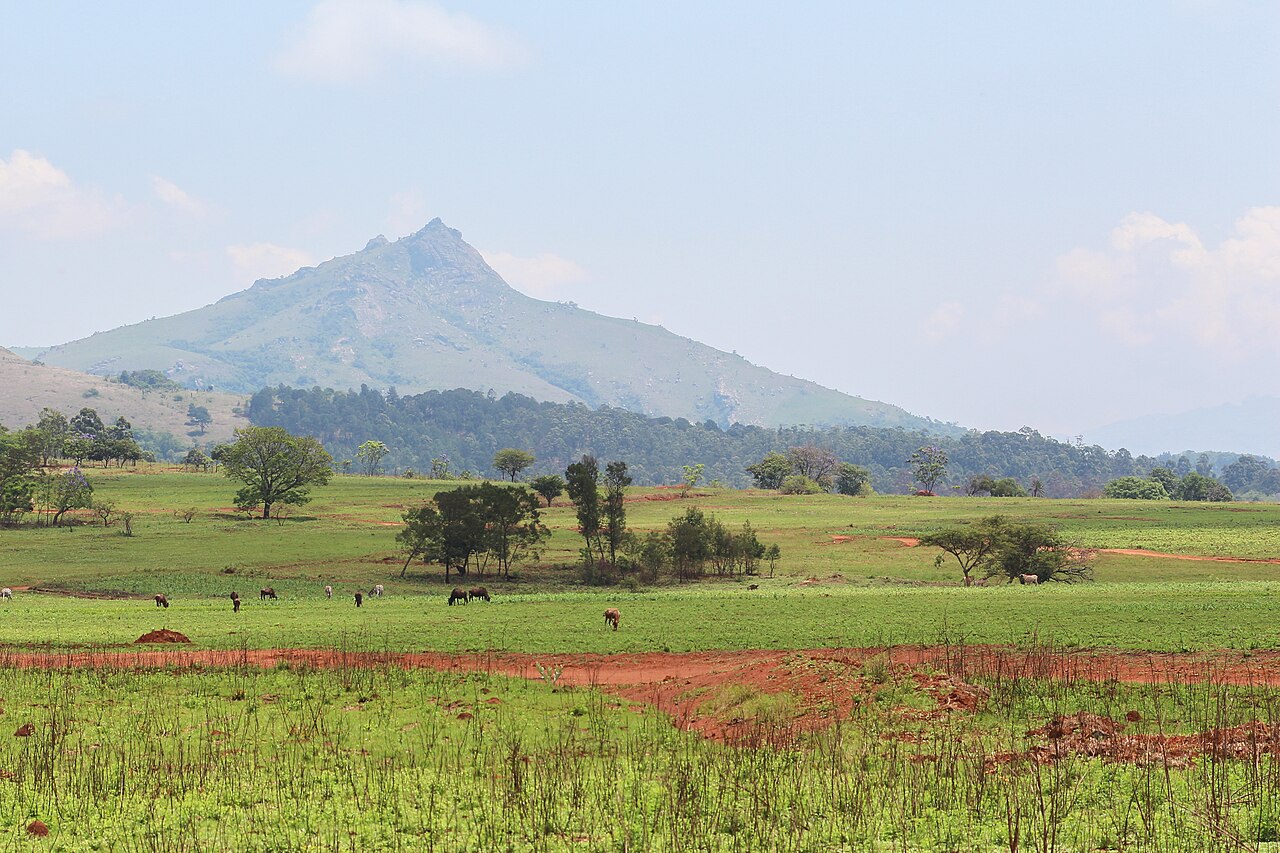
Mlilwane Wildlife Sanctuary Guide
Walk, cycle and ride through Ezulwini Valley wildlife country: trails, animal identification, accommodation and a practical interactive map.
Information reviewed 12 October 2026 • Verify current operator rulesMlilwane Wildlife Sanctuary at a glance
Mlilwane Wildlife Sanctuary is a protected area in Eswatini’s Ezulwini Valley, best known for walking, mountain biking and horseback rides among antelope and smaller animals. It offers a very different experience from Big Five game-drive parks: visitors can explore designated areas on foot or bicycle, following the operator’s guidance.
Quick answers
See Big Game Parks (official park operator) for current activity terms, fees and gate details.
When is the best time to visit Mlilwane?
May to September generally brings cool, comparatively dry weather that suits walking and cycling. October through March tends to be warmer and greener, sometimes with afternoon rain. Birdwatching and vegetation can be rewarding in the wetter season, but trails may become muddy.
Dry-season outdoors
Cool starts are pleasant for hikes. Pack warm layers for early morning.
Green-season birding
Expect more lush vegetation and changeable afternoon conditions.
What are Mlilwane entrance fees and activity rules?
Mlilwane is operated by Big Game Parks. Day-visitor conservation fees, walking/cycling rentals, guided activities and accommodation are separately priced. Check the live official tariff before quoting exact costs; season, activity and nationality can matter.
How do you reach Mlilwane and choose where to stay?
Located within Eswatini’s Ezulwini Valley, Mlilwane can be reached by car from the Mbabane–Manzini corridor. The exact entry road and gate must be checked with your accommodation or Big Game Parks rather than estimated from a park-centre map pin.
| Area | Best for | Planning note |
|---|---|---|
| Rest Camp | Walks, family-friendly nature stay | Check trail maps and activity times at reception. |
| Reilly’s Rock Hilltop Lodge | Historic hilltop accommodation | Confirm reservation and precise approach with operator. |
| Nyonyane / mountain trail area | Views and hiking | Use official trail permits or guided route where required. |
| Ezulwini Valley | Regional lodging and services | Allow transport time to park gate. |
Mlilwane interactive map: sanctuary, camps and access
Explore the approximate main sanctuary area and nearby Ezulwini landmarks. Exact trail geometry and camp access are not represented as navigation-grade data. Obtain the operator’s current trail map and follow route closures.
Planning markers are a suggested sequence, not a walking or driving line. © OpenStreetMap contributors.
How should you plan a day at Mlilwane?
Morning: walk and wildlife
Check in, select a suitable designated trail, and look for grazing antelope. Confirm which parts are safe for unescorted walking.
Midday: rest and birding
Slow down near approved visitor facilities, scan ponds from a safe distance, and keep clear of hippos or crocodiles.
Afternoon: bicycle or horse ride
Arrange rentals or guided activities in advance, staying strictly on authorised routes.
Sunset: return safely
Finish outdoor routes well before closing times. Bring water and offline maps; obtain the exact return deadline at reception.
Which mammals might you see at Mlilwane?
Blesbok, nyala, impala, zebra and warthog are rewarding wildlife subjects for visitors. These 12 species profiles are regional field-guide references; presence and visibility vary, and some wildlife occupies areas visitors cannot approach.
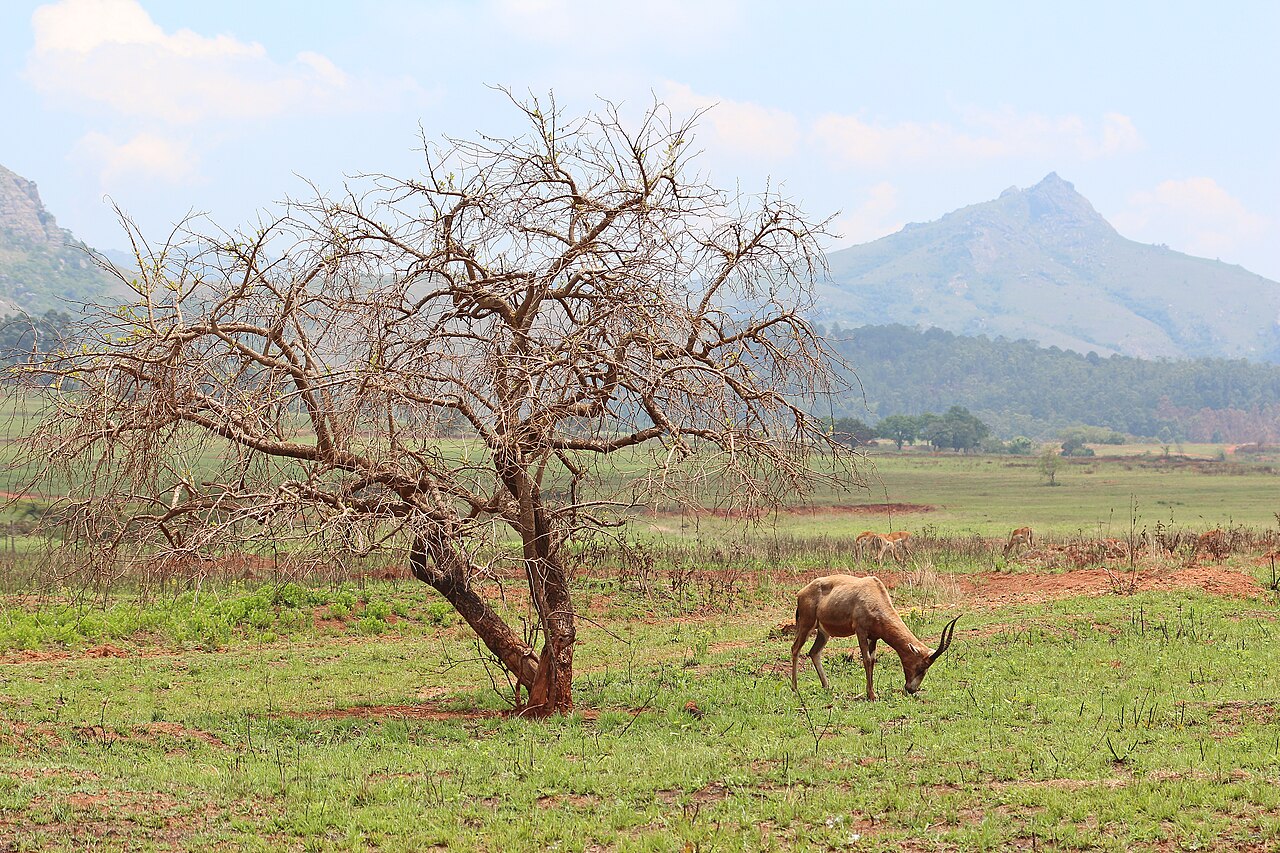 BlesbokDamaliscus pygargus phillipsi
Open grassland grazers; distinctive white blaze.
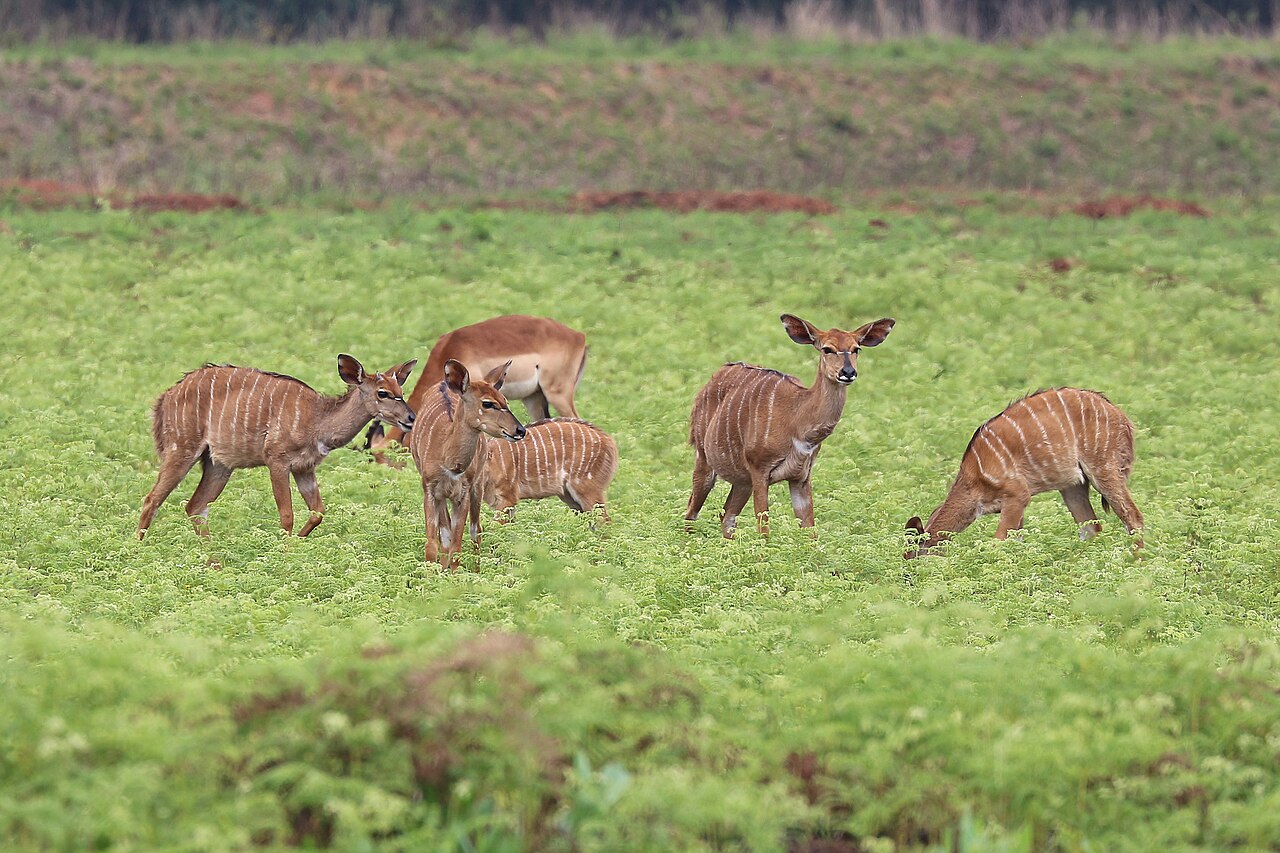 NyalaTragelaphus angasii
Thickets and wooded paths; females reddish-brown.
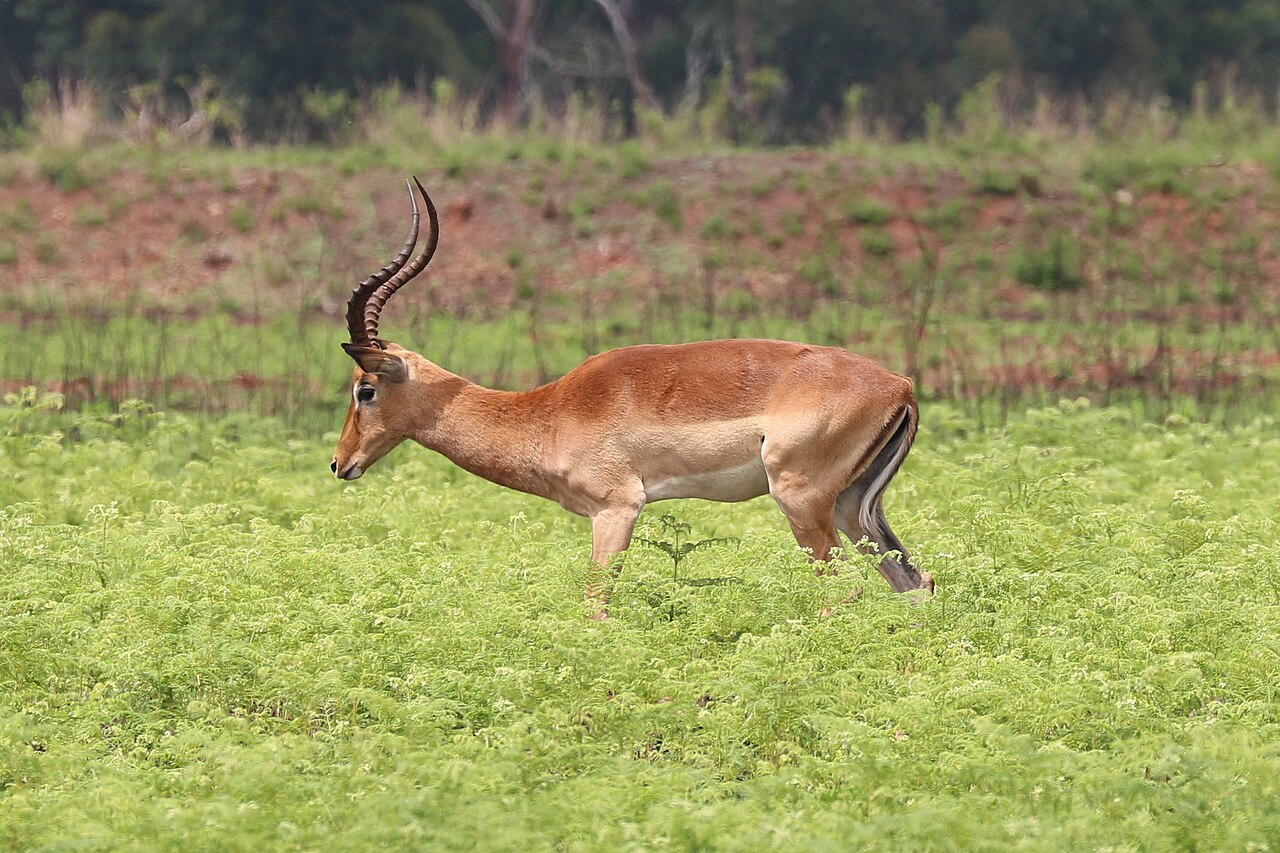 ImpalaAepyceros melampus
Common antelope along woodland and meadow edges.
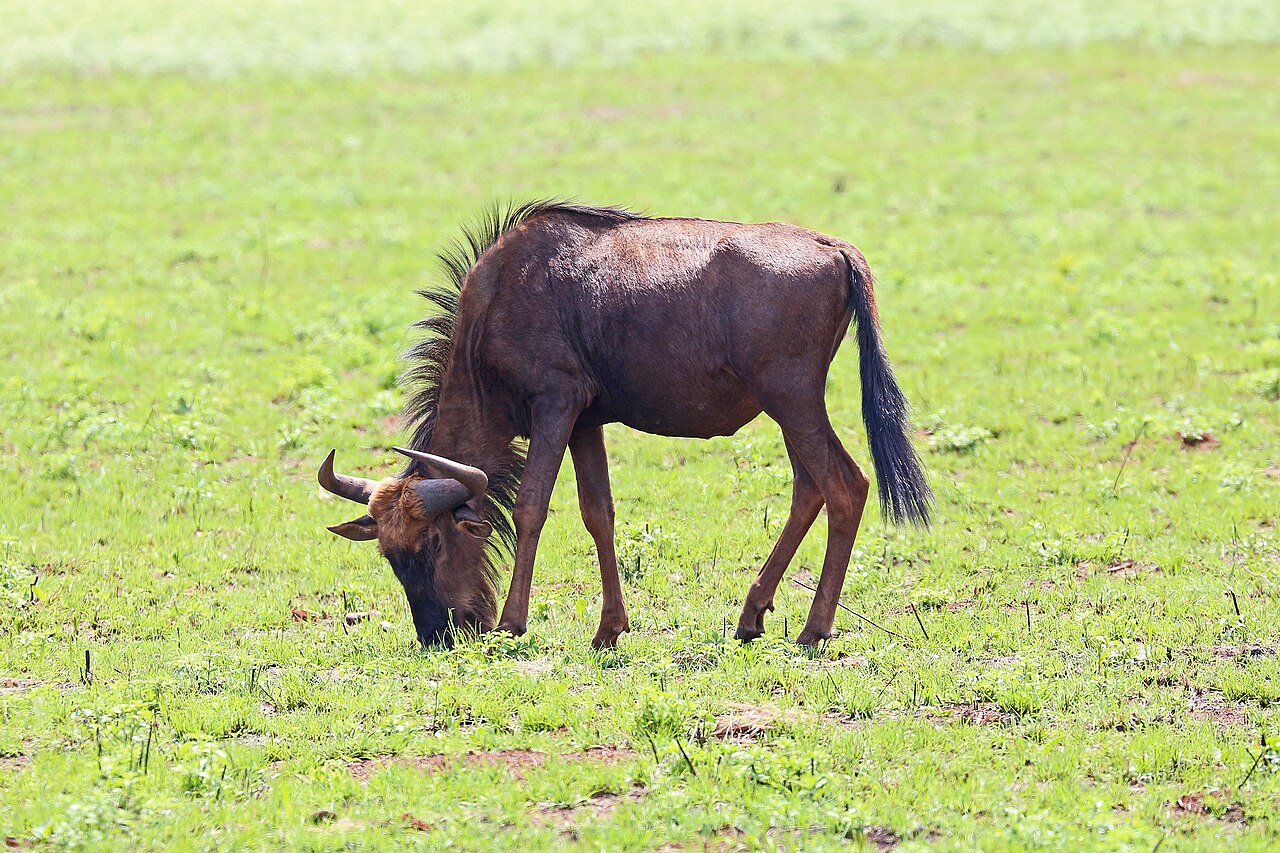 Blue wildebeestConnochaetes taurinus
Look for stocky antelope with shaggy shoulders.
 Plains zebraEquus quagga
Grazing groups on open grassland.
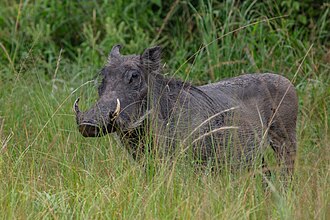 Common warthogPhacochoerus africanus
Usually on short grass near the paths.
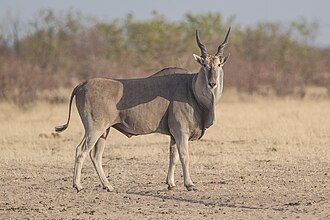 Common elandTaurotragus oryx
Large antelope; sightings depend on the section.
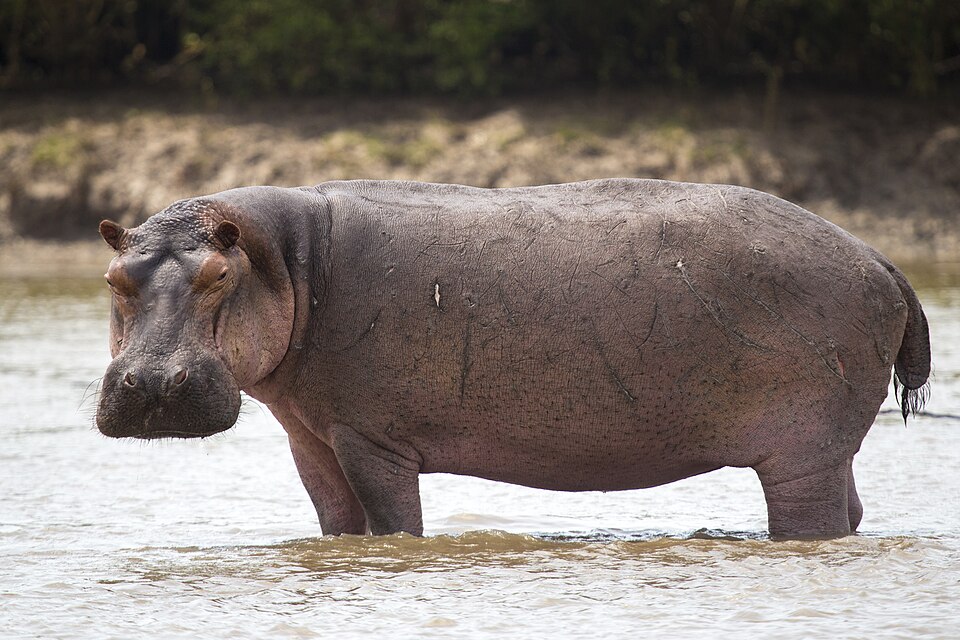 HippopotamusHippopotamus amphibius
Observe water habitats only from designated safe places.
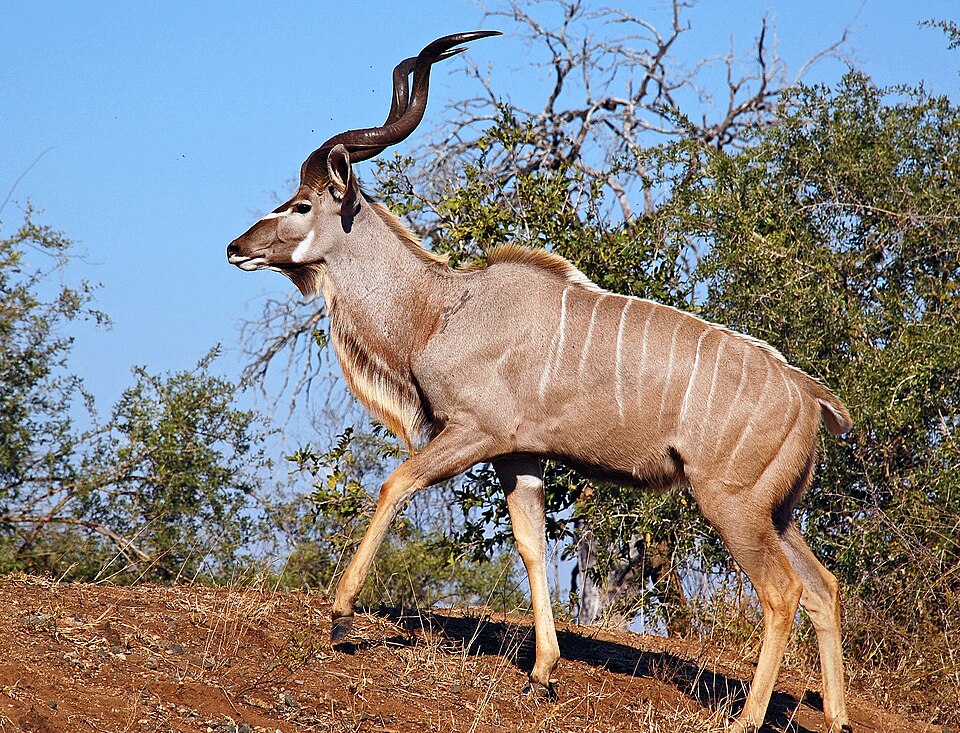 Greater kuduTragelaphus strepsiceros
Large spiralled horns in adult males.
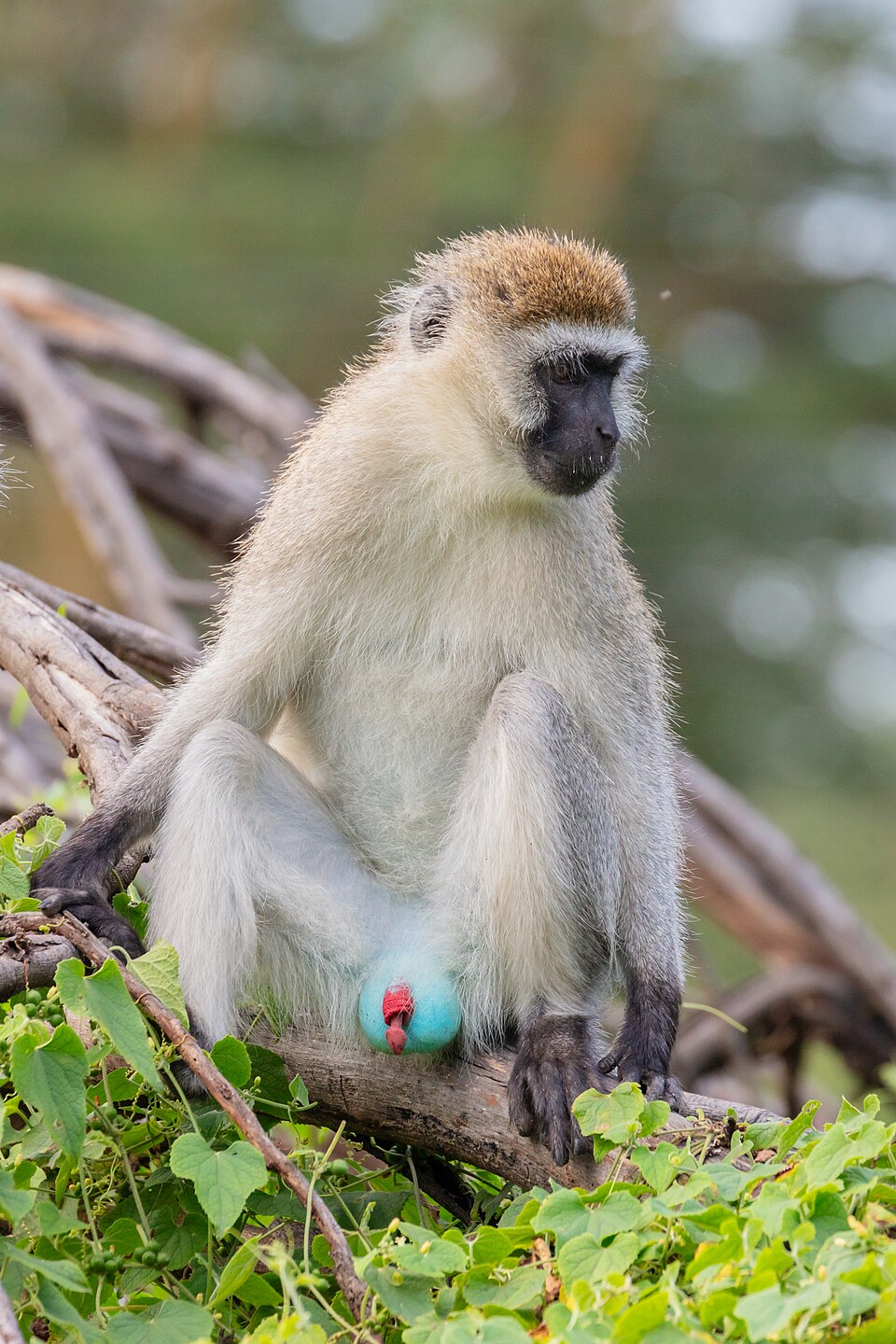 Vervet monkeyChlorocebus pygerythrus
Active around woodland; do not feed.
 BushbuckTragelaphus scriptus
Shy woodland antelope.
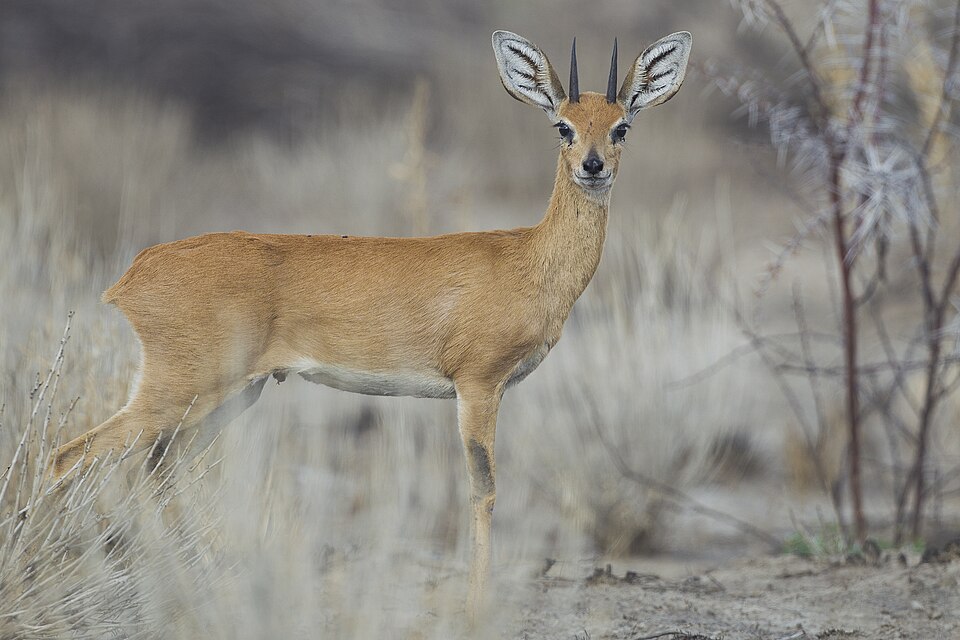 SteenbokRaphicerus campestris
Small, often solitary antelope.
What birds can you watch for?
Look around wetland habitats, tall trees and grassland edges. These bird profiles are a lowveld identification checklist, not a guaranteed park species record.
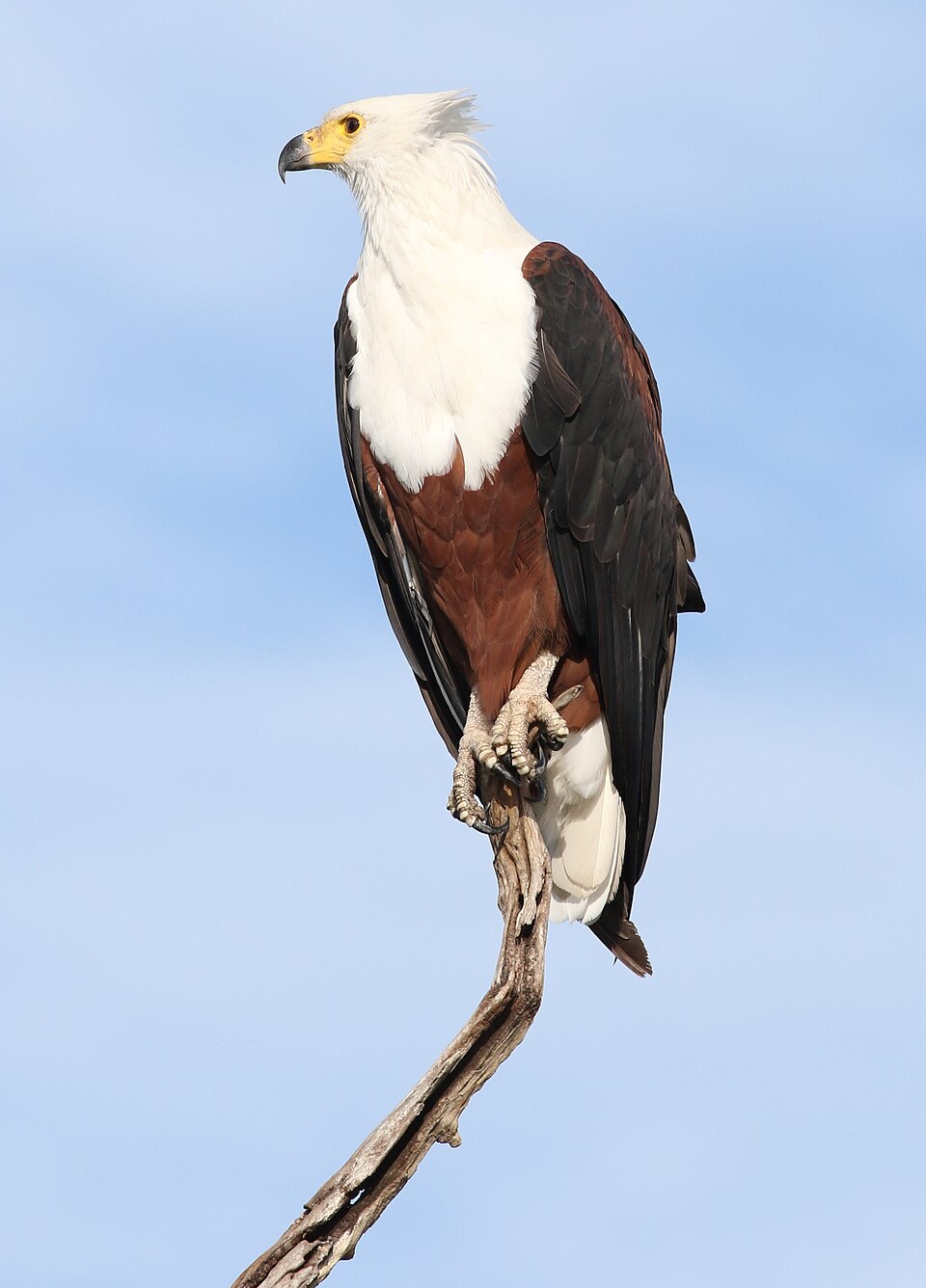 African fish eagleIcthyophaga vocifer
Call and silhouette near water.
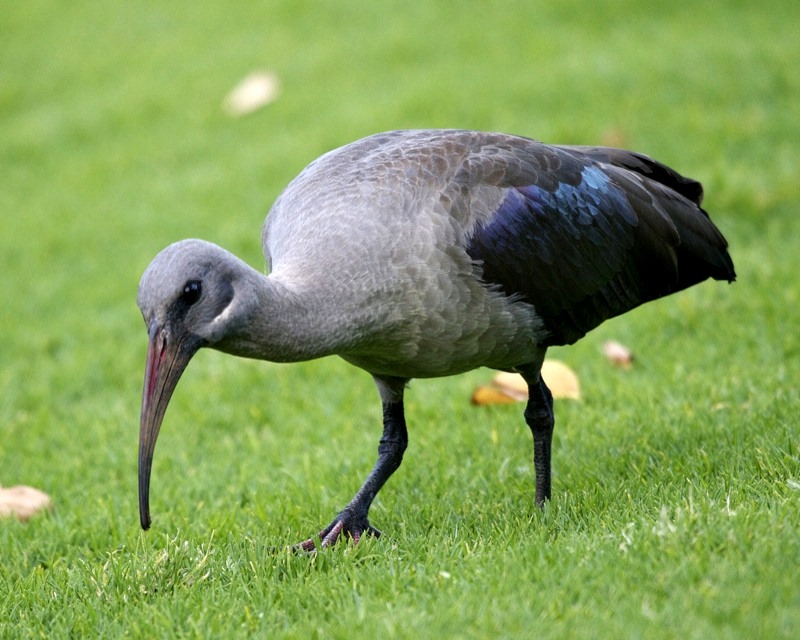 Hadada ibisBostrychia hagedash
Loud bird on grassy and wetter ground.
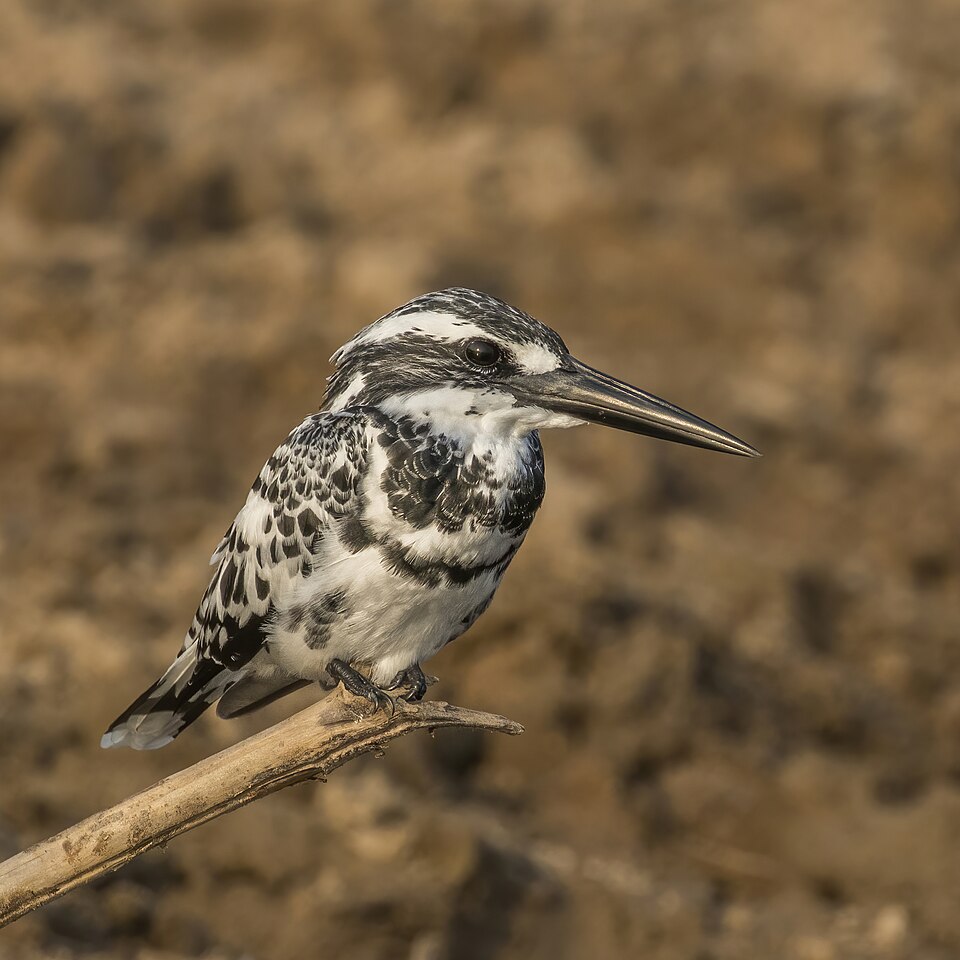 Pied kingfisherCeryle rudis
Hovers above water.
Long toes over floating vegetation.
Woodland and savanna; hooked yellow bill.
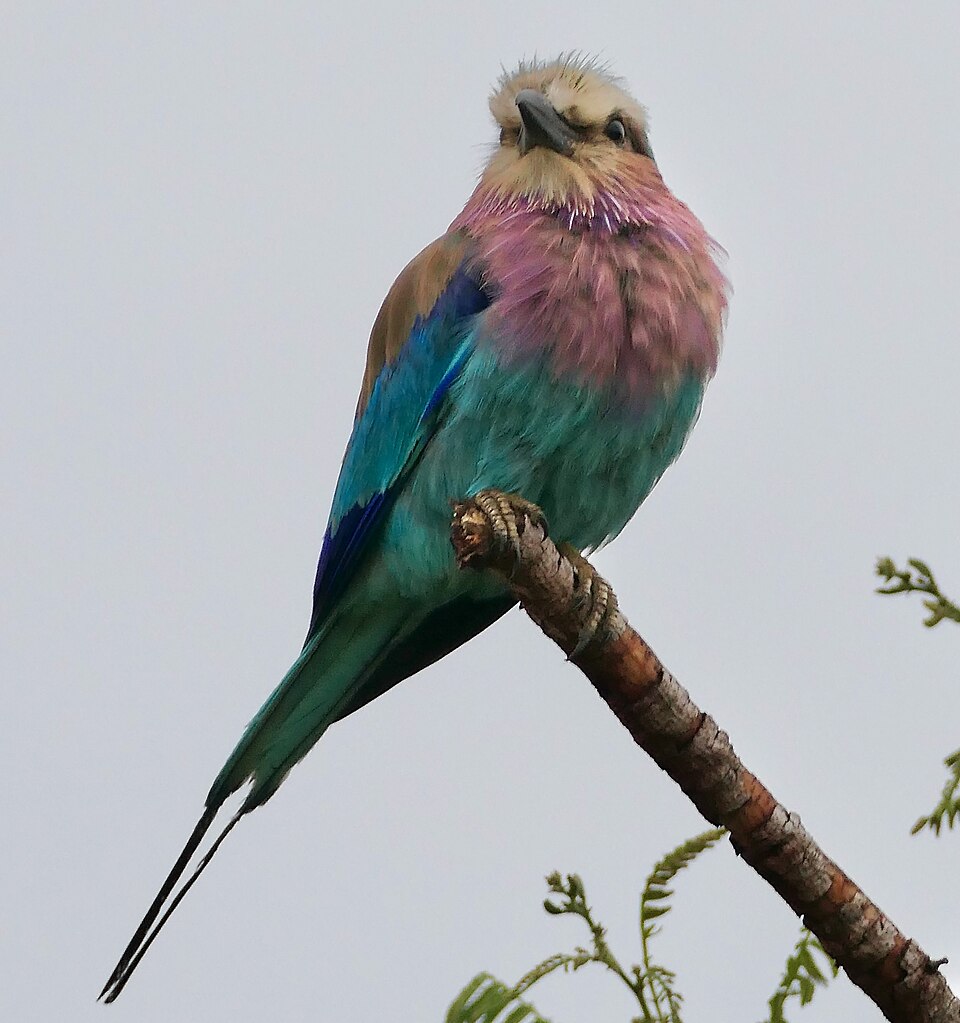 Lilac-breasted rollerCoracias caudatus
Colourful open-perch hunter.
Look high overhead for soaring birds.
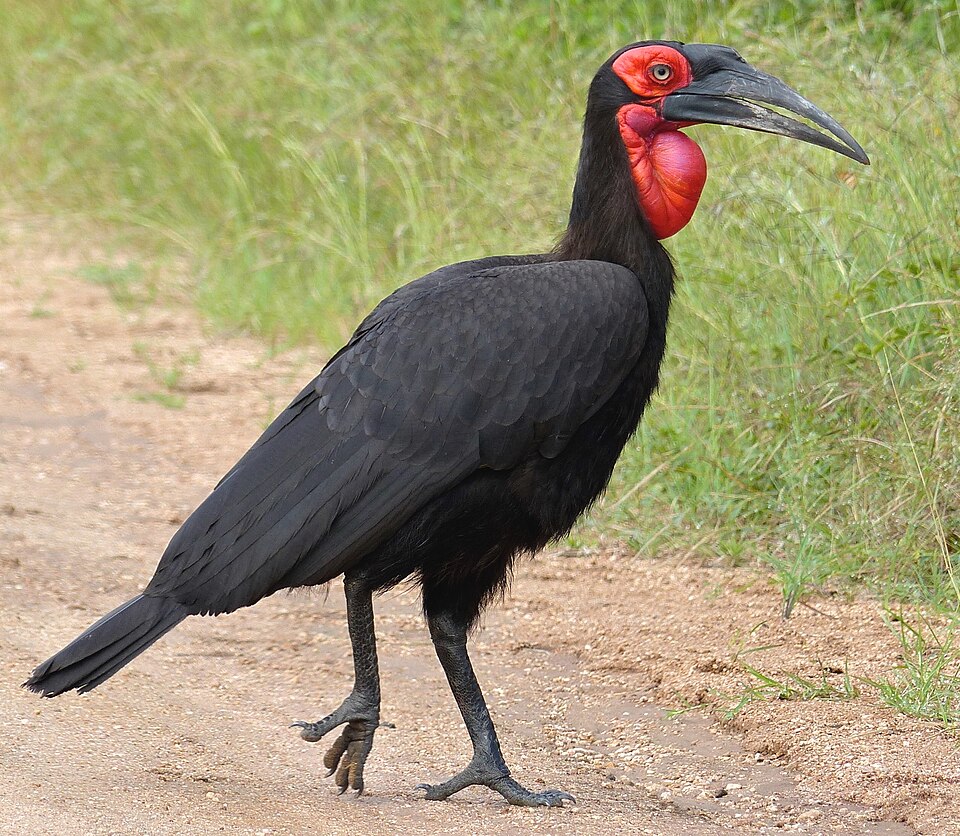 Southern ground hornbillBucorvus leadbeateri
Large black and red-faced bird; infrequent.
Dark bird with forked tail.
Often attends grazing animals.
Sometimes seen on large antelope.
Crested bird feeding on exposed ground.
Which trees, shrubs and grasses should you notice?
Mlilwane’s grassland, woodland and wetter depressions offer a range of vegetation. The entries below are ecological field references for the wider region; identify individual species with the sanctuary’s local guides before making definitive claims.
Trees and shrubs
Lowveld thorn woodland
Fruiting indigenous tree
Riverine fruiting tree
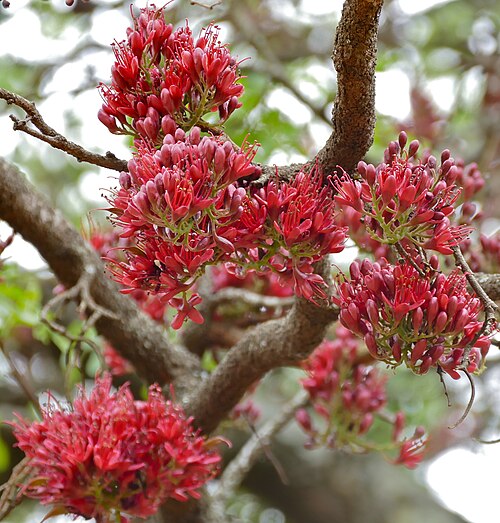 Weeping boer-beanSchotia brachypetala
Indigenous tree with seasonal red flowers
Thorny woodland shrub/tree
Thornveld savanna trees
Grasses and understory
Warm-season grassland
Tall grass in sheltered areas
Wet ground and banks
Wetland margins
Succulent plants where suitable
Seasonal flowering vegetation
What are the best things to do in Mlilwane?
Wildlife walks
Follow marked self-guided routes where the operator permits.
Mountain biking
Cycle on designated trails; enquire about rental options.
Horse riding
Arrange a guided ride if currently operating.
Nyonyane viewpoints
Ask at the activity centre about a permitted hiking route.
Birdwatching
Scan trees, open grass and water margins with binoculars.
Nature photography
Look for slower encounters with antelope and landscapes.
For a more traditional guided lion safari, see Hlane Royal National Park. Explore more parks in the National Park Guides directory.
Where should you stay near Mlilwane?
Big Game Parks operates accommodation at Mlilwane Rest Camp and Reilly’s Rock Hilltop Lodge. Check room types, pricing, meal plans and trail access directly with the operator. Ezulwini Valley has additional hotels outside the sanctuary that require transport to the park.
Walking, cycling and wildlife safety
Although Mlilwane is popular for non-motorised outdoor activities, it is still a wildlife area. Obey trail signage, never approach hippos or crocodiles, remain on the public route network, and check whether any route requires a guide. Conditions can change after rain or operational closures. Carry drinking water and protect yourself from sun and insects.
Mlilwane FAQs
Can you walk without a guide?
Yes, on designated walking trails subject to ranger directions and trail restrictions.
Can you cycle at Mlilwane?
Yes, on designated routes where allowed; confirm access and bike availability at reception.
Are there lions at Mlilwane?
Mlilwane is not a lion-drive destination. For a guided lion safari, visit Hlane Royal National Park.
How long should you spend?
A half-day is useful for one activity; one or two nights allows slower wildlife viewing and multiple activities.
When are entry hours?
Confirm day visitor entry and trail closing times at Big Game Parks before arriving; daylight-only access may apply.
Is the sanctuary malaria-free?
Do not assume so; check up-to-date regional Eswatini medical advice, particularly if combining with the eastern lowveld.
Sources and editorial methodology
Big Game Parks — official sanctuary operator • Current tariff and payment guidance • Map attribution.
Photographs include local Mlilwane images by Bernard Gagnon licensed CC BY-SA 4.0 via Wikimedia Commons. See WordPress media captions for credit and original file pages. Updated October 2026.