
Ndere Island National Park Guide
The practical 2026 guide to Ndere Island National Park: boat and road access from Kisumu, current KWS fees, hiking, wildlife, camping, birding and an interactive Lake Victoria map.
Ndere Island National Park at a glance
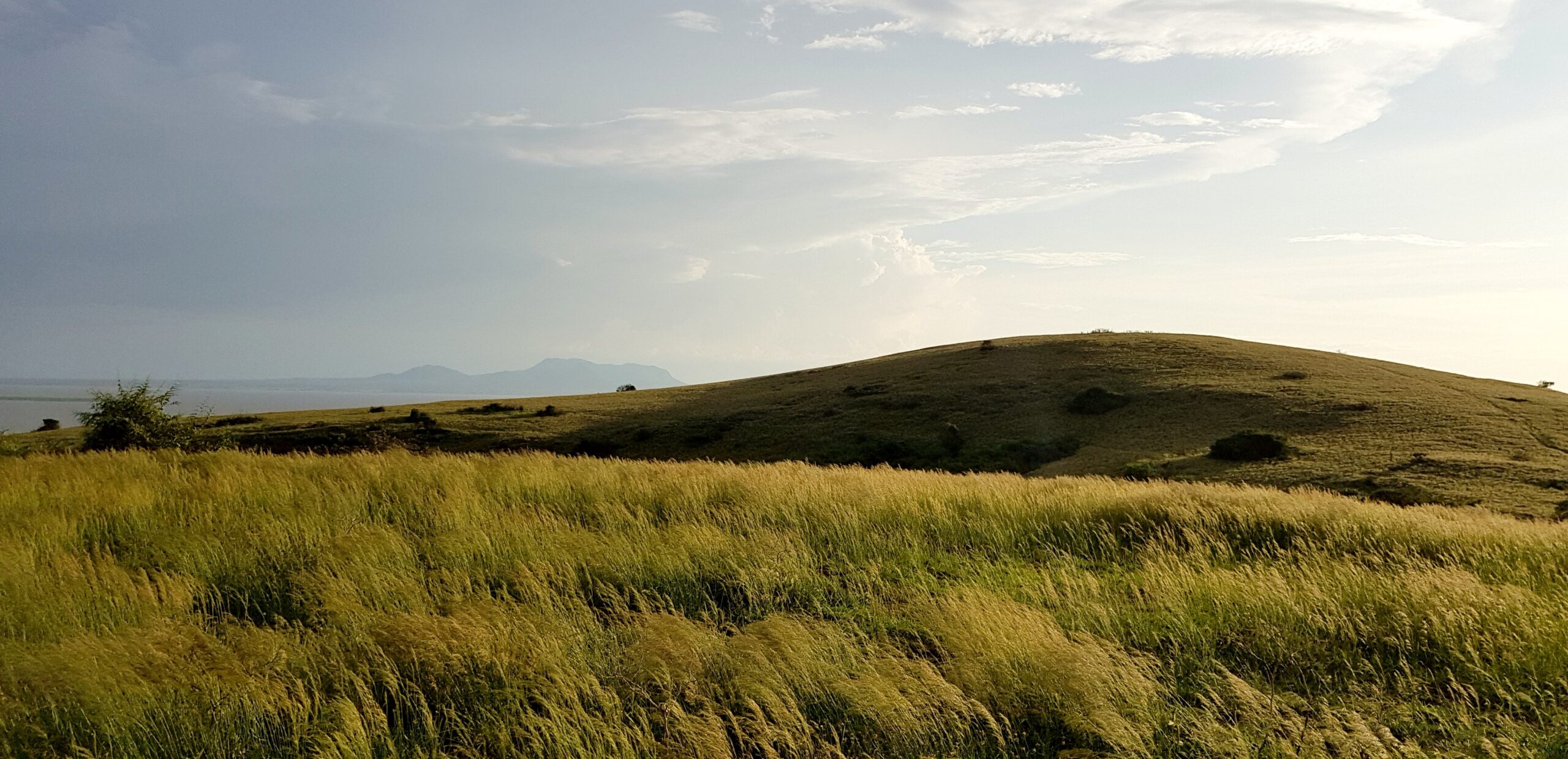
Ndere Island National Park is a tiny 4.2 km² protected island in Lake Victoria’s Winam Gulf. KWS describes it as a tranquil landscape of rolling hills and shallow valleys, with hiking, nature walks, lake views and wildlife rather than a conventional big-game safari. The island was gazetted in 1986 and originally established as a refuge for impala.
Best time to visit Ndere Island National Park
Ndere can be visited year-round, but drier spells are usually easiest for hiking and boat logistics. Lake Victoria weather can change quickly, so the most important practical variable is the day’s wind, rain and boat conditions rather than a single perfect month.
For hiking
Choose a dry morning with moderate temperatures and clear lake views.
For birds
Early morning is useful year-round; the island’s shoreline, grassland and scattered trees produce different bird groups.
For boat access
Confirm same-day lake conditions with your boat operator. Never treat a web weather forecast as a substitute for local safety advice.
Ndere Island National Park entry fees
These KWS rates were checked on 16 August 2026. Reconfirm the live park page before travel because fees can change.
KES 500 adult / KES 250 child
KES 675 adult / KES 350 child
USD 40 adult / USD 20 child
USD 20 adult / USD 10 child
How to get to Ndere Island National Park
| Option | Best for | Current KWS guidance | Planning note |
|---|---|---|---|
| Speedboat from Kisumu | Most memorable arrival | About 45 minutes | Confirm boat, life jackets, weather and return timing in advance. |
| Road to park HQ | Visitors approaching western shoreline | Kisumu–Bondo Road; turn after Holo or at Kombewa; HQ is 12 km from tarmac | Use current KWS/local directions for the final approach. |
| Fly to Kisumu | Visitors from Nairobi/elsewhere | KWS lists Kisumu International Airport about 40 km from the park | Arrange onward road/boat transport before arrival. |
Ndere Island map: Kisumu, Lake Victoria and access
Use this map for orientation only. The island and access markers are broad planning points, not navigation-grade instructions.
The optional line is a planning sequence between Kisumu and the island, not a recommended boat track. Boat captains choose safe routing for current conditions.
How to plan a day at Ndere Island
1. Start early from Kisumu
Arrange transport the day before. Early light is better for birds, photography and cooler hiking.
2. Walk the higher ground
Climb gently through the rolling grassland for broad Lake Victoria views. Stop often rather than treating the island as a race.
3. Scan the shoreline carefully
Use binoculars for fish eagles, waterbirds, hippos and crocodiles. Keep a generous distance from the water’s edge where large aquatic animals may be present.
4. Picnic and return before weather turns
Carry your own drinking water and food. Build in enough time to leave comfortably before KWS closing time and before late lake conditions become uncertain.
7 mammals to know around Ndere Island
Ndere is a small island park, so this field guide prioritises species that are actually documented for the island or its immediate Lake Victoria shoreline. KWS directly confirms impala, zebra and hippopotamus; Kisumu County tourism also records waterbuck, baboon, sitatunga and warthog. Treat anything beyond these core species as a bonus rather than an expectation.
Impala
Ndere was originally established partly as a refuge for impala. Scan open grass and woodland edges, especially early and late.
Plains zebra
KWS lists zebra among the island’s mammals. Their striped coats are easiest to pick out on open slopes.
Hippopotamus
Hippos use the surrounding lake and shoreline. Never position yourself between a hippo and the water, and do not approach for photographs.
Waterbuck
Recorded by Kisumu County tourism around the island. Look in taller grass and greener ground near water.
Sitatunga
A wetland antelope reported around the Lake Victoria shoreline. Treat any sighting as a bonus rather than an expectation.
Common warthog
Look for grazing animals in open short grass, often kneeling on their front wrists while feeding.
Olive baboon
Reported in the wider island environment. Keep food secure and never feed primates.
10 Ndere Island birds worth learning
Ndere is much stronger as a birding stop than its size suggests. KWS specifically highlights African fish eagles and swifts, while a published survey of the island documented grassland, woodland and Lake Victoria Basin species across several habitats.
African fish eagle
Listen for the carrying call and scan tall shoreline trees for adults watching the water.
Rattling cisticola
A useful grassland bird to learn by voice; the published Ndere survey found it among the characteristic open-habitat species.
Yellow-throated longclaw
Look for a bright yellow throat and breast in open grass, where the species was recorded as a grassland-dependent bird on Ndere.
Flappet lark
Often detected by its wing-clapping display or song over open slopes rather than by close views on the ground.
Black-lored babbler
A regional biome species documented in the Ndere survey. Watch scrub and woodland edges for noisy social groups.
Red-chested sunbird
A Lake Victoria Basin specialty recorded on Ndere; flowering shrubs and edges are productive places to watch.
Northern brown-throated weaver
Another regional biome bird from the published island survey, associated with wetland-edge vegetation around Lake Victoria.
White-throated bee-eater
The survey recorded this migrant in grassland habitat. Scan exposed perches and watch for fast aerial sallies after insects.
Barn swallow
Seasonal migrants can be abundant over the island; look for long forked tails as birds feed low over grass and shoreline.
Pallid harrier
A notable migratory raptor recorded by the Ndere survey. Watch for low quartering flight over open grassland in the appropriate season.
Ndere Island plants and habitats
The island is predominantly grassland with indigenous trees and shrubs scattered across slopes and shoreline. KWS emphasizes the reddish mature grass that gives Chula Rabour—“Red Island”—its local name.
Trees & shrubs
Carissa
An indigenous shrub recorded by KWS in the island vegetation.
Euclea
A hardy indigenous shrub/tree associated with East African woodland and bush.
Dovyalis
Thorny indigenous shrubs form part of the island’s scattered woody vegetation.
Shoreline woodland
Small patches of trees provide shade, bird perches and structural diversity between grassland and lake edge.
Grasses & shoreline plants
Red oat grass
The current KWS page associates mature reddish grass flowers with the island’s “Red Island” appearance.
Tall island grassland
An older KWS description identifies tall grass as dominant across much of the island. Exact grass composition can vary by season and taxonomy.
Shoreline sedges
Wet-margin sedges create feeding and cover habitat for aquatic birds and small animals.
Aquatic vegetation
Floating and emergent vegetation in sheltered margins supports fish, invertebrates and waterbirds.
Best things to do on Ndere Island
1. Hike the rolling island
The core experience: easy-to-moderate walking with changing Lake Victoria views.
2. Arrive by boat
The crossing from Kisumu turns the journey into part of the experience. Confirm safe conditions locally.
3. Bird the shoreline
Fish eagles, kingfishers, herons, swifts and other lake birds can make the island especially rewarding for beginners.
4. Look for impala and zebra
Walk quietly across open grassland and scan ahead rather than approaching wildlife directly.
5. Picnic with lake views
Bring food and water and use designated areas. Carry out everything you bring in.
6. Camp at Bao
KWS lists a public campsite for visitors wanting a slower island experience. Confirm current arrangements before arrival.
Ndere Island rules and safety
Respect hippos and crocodiles
Do not approach shoreline wildlife. Hippos can move onto land and crocodiles can be difficult to see at the water’s edge.
Stay on established roads and trails
KWS prohibits off-road driving and asks visitors to use established routes.
Keep 20 metres from wildlife
KWS currently states a minimum wildlife-viewing distance of 20 metres.
No single-use plastic
Kenyan national parks prohibit single-use plastic. Carry out all rubbish.
Ndere Island National Park FAQ
Where is Ndere Island National Park?
Ndere Island National Park lies in Lake Victoria’s Winam Gulf in western Kenya, near Kisumu. The park covers 4.2 km².
How do you get to Ndere Island from Kisumu?
KWS says a speedboat from Kisumu takes about 45 minutes. There is also a road approach via the Kisumu–Bondo Road to the park headquarters area.
How much is Ndere Island entry in 2026?
At review on 16 August 2026, KWS lists KES 500 for an East Africa citizen adult and USD 40 for a non-resident adult. Other categories have separate rates.
What animals are in Ndere Island National Park?
KWS directly lists impala, zebra, hippopotamus and Nile crocodile. The surrounding Lake Victoria ecosystem also supports waterbirds and additional shoreline wildlife.
Can you hike on Ndere Island?
Yes. Scenic hiking trails and nature walks are among the main KWS-listed attractions.
Can you camp on Ndere Island?
Yes. KWS lists Bao public campsite. Check current availability and facilities before travel.
Is Ndere Island worth visiting?
Yes for travellers who value quiet hiking, birding, Lake Victoria scenery and unusual small protected areas. It is not a substitute for a major big-game safari.
How this guide was checked
See.Africa reviewed time-sensitive Ndere visitor information on 16 August 2026 against the current Kenya Wildlife Service park page. Bird occurrence was cross-checked against the published Ndere Island ornithological survey, while older KWS material and Kisumu County tourism were used only for additional ecological context. Current KWS, ranger and boat-operator instructions override approximate map, trail or transport guidance in this web guide.