
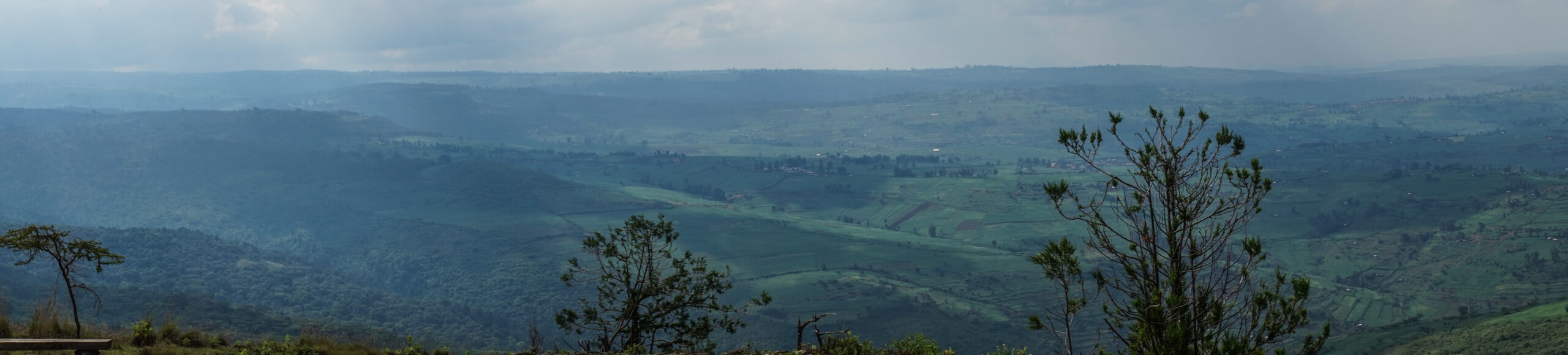
Saiwa Swamp National Park Guide
The practical 2026 guide to Saiwa Swamp National Park: sitatunga, boardwalks, birding, KWS entry fees, Kitale access, interactive map and how to plan a quiet walking visit.
Saiwa Swamp National Park at a glance
Saiwa Swamp National Park is Kenya’s smallest national park and one of the country’s most unusual wildlife experiences. Instead of a game-drive landscape, it is a compact wetland sanctuary explored on foot through forest trails and raised boardwalks. KWS highlights the rare semi-aquatic sitatunga antelope, De Brazza’s monkey and more than 372 recorded bird species.
Best time to visit Saiwa Swamp National Park
Saiwa can be visited year-round. Drier days generally make forest paths easier, while wetter periods make the swamp especially lush and bird-rich. KWS specifically recommends mud boots, which is a useful clue: expect a genuinely wetland environment rather than perfectly dry safari tracks.
For sitatunga watching
Prioritise early morning and move quietly. The animal is shy; patience at boardwalk viewpoints matters more than chasing a particular month.
For birding
Saiwa is rewarding throughout the year. Wetland, forest and edge habitats sit within a very small area, so a slow walk produces rapid habitat changes.
For easiest walking
Choose a drier weather spell and still bring footwear that can handle mud. Recent rain can make approaches and trails softer.
What is the best way to visit Saiwa Swamp?
The best first visit combines the boardwalk, forest trail and at least one long quiet stop overlooking swamp habitat. Saiwa is too small to justify rushing; its strength is that several distinct habitats can be explored at walking pace.
| Experience | Best for | Why do it | Planning note |
|---|---|---|---|
| Boardwalk + swamp edge | Sitatunga, water birds | Best chance to watch semi-aquatic habitat without disturbing it | Move quietly and use binoculars. |
| Forest trail | De Brazza’s monkey, trees, forest birds | Shows how different the riverine woodland is from the swamp | Listen first; primates may be easier to hear than see. |
| Birding-focused visit | Cranes, wetland and forest species | KWS lists 372+ bird species in this tiny park | Allow extra time and carry binoculars. |
| Overnight stay | Dawn atmosphere, slow travel | Tree Top Hut and public camping keep you close to the wetland | Book/check facilities with KWS before travel. |
Saiwa Swamp National Park entry fees
KWS currently publishes Saiwa’s visitor rates directly on the park page. These prices were checked on 16 August 2026 and can change, so verify the live KWS page or KWSPay before payment.
KES 500 adult / KES 250 child
Current published KWS rate.
KES 675 adult / KES 350 child
Carry valid documentation for the applicable visitor category.
USD 40 adult / USD 20 child
Current KWS Saiwa rate at review.
USD 20 adult / USD 10 child
Applies to African nationals outside Kenya/EA categories under KWS definitions.
How to get to Saiwa Swamp National Park
22 km toward Kapenguria
KWS directs visitors from Kitale toward Kapenguria for 22 km before turning at Kipsaina junction.
5 km murram road
From Kipsaina junction, a 5 km murram road leads to the park’s only entrance, Saiwa Gate. Conditions can vary after rain.
Kitale airstrip
KWS lists Kitale airstrip as the nearest air access, about 27 km from the park.
Saiwa Swamp map: Kitale, Kipsaina and the park
This is an orientation map for arrival planning. The park, ranger-station and campsite points use public map coordinates; the route is a simple planning sequence rather than verified turn-by-turn road geometry.
Do not use the map to invent shortcuts inside the park. Once at Saiwa Gate, follow KWS trails, boardwalks and staff guidance.
How to plan a Saiwa Swamp walking visit
1. Arrive early
Early morning is cooler, quieter and gives you more time to wait for shy wildlife. Sort payment and entry before beginning the walk.
2. Start with the swamp
Use the boardwalk and overlooks slowly. Scan reed margins and openings for sitatunga rather than walking continuously.
3. Switch habitat
Move into riverine forest and woodland for De Brazza’s monkey, turacos, trogons and labelled trees. The habitat contrast is part of the experience.
4. Finish with a second quiet watch
Return to a productive wetland viewpoint before leaving. A second patient sit often produces more than an extra kilometre of walking.
10 mammals to know in Saiwa Swamp National Park
Saiwa is a specialist wetland-and-forest park, so a shorter, realistic mammal list is more useful than pretending it offers the species volume of a savannah reserve. The emphasis is on wetland and forest mammals visitors can plausibly encounter or detect through signs.
Sitatunga
A semi-aquatic antelope with elongated, splayed hooves adapted to soft wetland ground. Watch reed edges quietly, especially early.
De Brazza’s monkey
Recognisable by its white beard and orange forehead patch. Listen for movement in dense riverside and swamp-edge forest.
Bushbuck
A secretive antelope of thickets and forest margins. It may freeze in cover rather than run into the open.
Black-and-white colobus
Look high in mature trees for black-and-white monkeys moving through the canopy.
Vervet monkey
Small black-faced monkeys that use woodland and edge habitat. Never feed them.
African clawless otter
A special water-associated sighting. Watch quietly for movement, tracks and disturbance around channels.
Spotted-necked otter
Smaller and more aquatic than the clawless otter; sightings require luck and patient wetland observation.
Giant forest squirrel
A large squirrel of forest habitat; listen for movement and feeding high in trees.
Red-legged sun squirrel
An active tree squirrel that rewards visitors who pay attention to the smaller forest fauna.
African civet
More likely to leave signs than appear on a daytime walk; treat it as an uncommon bonus rather than an expected sighting.
10 Saiwa Swamp birds worth learning
KWS records more than 372 bird species and highlights Saiwa as an Important Bird Area. The combination of swamp, riverine forest and woodland makes birding unusually varied for such a tiny park.
Grey crowned crane
An iconic wet-grassland crane. KWS specifically highlights Saiwa’s crane breeding and roosting importance.
Brown / black crowned crane
KWS refers to the Brown Crowned Crane on the Saiwa page; watch open wetland and marsh margins.
Ross’s turaco
A large, noisy forest bird; its deep calls often reveal it before its purple-blue plumage becomes visible.
Narina trogon
A quiet forest species; scan shaded branches rather than expecting it in open swamp.
Lesser jacana
A tiny wetland specialist associated with floating vegetation and shallow swamp edges.
African black duck
Look along quieter water channels and shaded wetland margins.
Grey heron
A familiar large heron that hunts patiently around open water and swamp margins.
Yellow bishop
A compact weaver-family bird of grassland and wetland-edge vegetation.
Hartlaub’s marsh widowbird
A marsh-associated widowbird that rewards careful scanning of tall grass and sedge habitat.
Collared sunbird
A small nectar-feeder of forest edges and flowering vegetation; often detected by quick movement and calls.
Saiwa Swamp plants: wetland, riverine forest and woodland
KWS describes a mosaic of tropical wetland, riverine forest, sedges and acacia woodland and notes labelled trees along the visitor trails, including the famous Meru oak. Plant composition changes noticeably over a short walk.
Trees & shrubs
Meru oak
One of the park’s best-known labelled trees and a useful anchor for paying attention to Saiwa’s forest ecology.
Waterberry
A moisture-associated tree recorded in the Saiwa catchment and typical of wetter forest margins.
Water berry
Another wet-site tree of riverine and swamp-edge habitats.
Bridelia
A forest and riverine tree recorded in the wider Saiwa Swamp catchment.
Fever tree
Its yellow-green bark makes it one of East Africa’s easiest wet-ground acacias to recognise.
Wild date palm
A palm associated with moist riverine and wetland-edge habitats.
African cherry
A highland African forest tree recorded in the Saiwa catchment vegetation survey.
River willow
A water-associated tree suited to stream and riverbank conditions.
Flowers, reeds, ferns & understory plants
Swamp sedges
The dense sedge structure is fundamental sitatunga habitat and creates cover for wetland birds.
Bulrushes
KWS highlights lush bulrushes around the swamp; these tall wetland plants provide dense cover along shallow water.
Rush beds
Dense rushes fringe parts of the wetland and help create the sheltered edge habitat used by birds and small mammals.
Wetland grasses
Grass beds mix with sedges and reeds around wetter margins and transition zones.
Riverine ferns
Look for fern growth in shaded, humid forest-edge niches rather than out in the open swamp.
Water mint
A moisture-loving herb recorded in the wider swamp catchment.
Best things to do in Saiwa Swamp National Park
1. Wait for sitatunga
The defining experience. Pick a quiet swamp overlook, settle in and let the animal come to you.
2. Walk the boardwalk
Raised sections put you inside the wetland landscape without trampling fragile habitat.
3. Bird slowly
Switch attention between cranes and water birds in the swamp and turacos, trogons and sunbirds in forest.
4. Learn the trees
Use KWS’s labelled trail trees and the Meru oak to turn the walk into a small botanical field trip.
5. Picnic or stay overnight
KWS lists picnicking, the Sitatunga campsite and Tree Top Hut for visitors who want to slow the experience down.
6. Combine with western Kenya
Saiwa works naturally with Kitale and other western-Kenya stops rather than as a rushed detour from Nairobi.
Saiwa Swamp National Park rules and practical safety
Stay on established trails
Protect the wetland by using official roads, trails and boardwalks. Do not improvise routes through reeds or forest.
Keep wildlife wild
KWS prohibits feeding wildlife and asks visitors to maintain distance and allow animals right of way.
Respect gate times
KWS currently states 06:00 opening and 18:00 closing unless you are spending overnight.
Leave no single-use plastic
KWS national parks are plastic-free and prohibit single-use plastic. Carry out all rubbish.
Saiwa Swamp National Park FAQ
Why is Saiwa Swamp National Park famous?
Saiwa is famous as a sanctuary for the rare semi-aquatic sitatunga antelope. It is also known for De Brazza’s monkey, boardwalks, wetland birding and its unusually intimate walking experience.
Is Saiwa Swamp Kenya’s smallest national park?
Yes. Kenya Wildlife Service describes Saiwa Swamp as Kenya’s smallest national park. It covers only about 3 km², making it well suited to exploration on foot.
How much is Saiwa Swamp National Park entry?
At review on 16 August 2026, KWS lists KES 500 for an East Africa citizen adult and USD 40 for a non-resident adult. Other resident, child and African-citizen categories have separate rates.
How do you get to Saiwa Swamp from Kitale?
Drive 22 km from Kitale toward Kapenguria, turn at Kipsaina junction, then follow the 5 km murram road to Saiwa Gate.
How long do you need at Saiwa Swamp?
Allow roughly two to four hours for a first visit. Serious birders, photographers and visitors waiting patiently for sitatunga may want longer.
Can you walk in Saiwa Swamp National Park?
Yes. Walking trails, gentle hikes and boardwalk exploration are central to the Saiwa experience. Stay on official trails and follow KWS guidance.
What animals can you see in Saiwa Swamp?
The headline mammals are sitatunga and De Brazza’s monkey. Bushbuck, colobus, vervet monkeys, otters, squirrels and other small forest/wetland mammals may also occur.
Can you stay overnight in Saiwa Swamp National Park?
Yes. KWS lists the Tree Top Hut and Sitatunga public campsite, with additional privately owned accommodation nearby.
How this guide was checked
See.Africa reviewed current Saiwa visitor information on 16 August 2026 against Kenya Wildlife Service park, payment and accommodation pages. Weather, fees, road conditions and facilities can change, so live KWS information overrides this guide.