
Samburu National Reserve Guide (2026)
Special Five wildlife, Ewaso Nyiro elephants, riverine landscapes, safari planning and lodges in northern Kenya.
Reviewed 26 October 2026Hero: Wikimedia Commons (Schau99, CC0). Image credit in WordPress Media Library.
Samburu at a glance
Samburu National Reserve is a northern Kenyan wildlife reserve beside the Ewaso Nyiro River. Its drier landscape and rare northern species contrast with Kenya’s southern safari parks. Look for the Samburu Special Five: Grevy’s zebra, reticulated giraffe, Beisa oryx, gerenuk and Somali ostrich.
Quick answers
Samburu or Buffalo Springs?
Separate reserves across the river, with different county authorities.
River season
Ewaso Nyiro flows vary with rainfall; crossings and tracks change.
Road access and hours
Nairobi → Nanyuki → Isiolo → Archer’s Post → Archer’s Gate. Published hours 6 a.m.–6 p.m.. Other gates.
Entry fees (2026)
Indicative adult foreign non-resident USD 85, child USD 50; resident adult KES 1,600. Citizen rates conflict across sources; see the sourced fee table.
Elephants
Riverine areas are important; sightings vary.
Best start
Early morning drives for cooler temperatures.
Compare Masai Mara, Meru National Park and our all park guides.
Best time to visit Samburu
January–March
Often hotter and relatively dry; keep drinking water and sun protection.
April–May
Rain may affect tracks, river level and access.
June–October
Often favourable for drier-season safari drives, but still variable.
November–December
Short rains can bring fresh vegetation and muddy tracks.
Samburu entry fees and opening hours (2026)
Opening hours: visitor information lists 6:00 a.m.–6:00 p.m., with last entry around 5:00 p.m.. Samburu is administered by Samburu County; Buffalo Springs and Shaba are separate Isiolo County reserves.
| Visitor | Indicative 2026 price |
|---|---|
| Foreign non-resident adult | USD 85 |
| Foreign non-resident child | USD 50 |
| Resident adult | KES 1,600 |
| Kenyan citizen adult | Conflicting published figures: KES 800 versus KES 1,600 |
Verification warning: Prices above are third-party 2026 visitor-guide figures, not authenticated county rates. Guides disagree on citizen pricing and vehicle charges. Ask Samburu County for the current fee, vehicle charge and eligible visitor classification before paying. Separate entry is required for Buffalo Springs.
Sources accessed 26 October 2026: Samburu.org 2025/2026 fees; VisitSamburu 2026 comparisons; Samburu County Finance Act 2025 (primary source, category figures not reconciled); visitor-guide hours. Confirm with the county authority.
Routes to Samburu: Archer’s Post, gates and fly-in access
The Samburu County Government tourism guide identifies Archer’s Gate near Archer’s Post on the Marsabit highway as the main entrance. Nairobi road travellers generally head north via Nanyuki and Isiolo to Archer’s Post. Other named entrances include West Gate toward the neighbouring conservancy, Kalama Gate and the Waso Bridge Gate from the Buffalo Springs side. Ask the property which entrance suits your reservation.
Road via Archer’s Post
Nairobi → Nanyuki → Isiolo → Archer’s Post → Archer’s Gate, subject to road condition and local directions.
West / Kalama entrances
Used for neighbouring conservancy approaches; arrange entry with the operator.
Waso Bridge Gate
Links the Buffalo Springs side. Confirm river crossing and separate county-entry conditions.
Fly-in safari
County tourism information identifies a central airstrip. Confirm landing approval, flight schedule and pickup with your lodge.
Source: Samburu County Government, Tourist Attraction Sites — access and entrances; reviewed 26 October 2026. Avoid unverified gate coordinates and river crossings.
Samburu map and river orientation
Map markers are schematic approximate orientation: Samburu Reserve, Ewaso Nyiro river corridor, Archer’s Post and Buffalo Springs across the river. They do not constitute an official navigable route.
Open Samburu on OpenStreetMap if the embedded map is blocked.
A practical two-day game-drive plan
Arrival afternoon
Enter via your confirmed gate and make a short river-edge drive before sunset.
First morning
Start early, scan for Grevy’s zebra and gerenuk, then look along elephant paths.
Midday
Pause at the lodge or designated rest area; avoid unnecessary heat exposure.
Second afternoon
Explore a different approved sector and look for birds, oryx and giraffes.
18 mammals: a field guide
These profiles include both common and rare species. Some images depict suitable habitat rather than the exact animal, and sightings are never guaranteed.
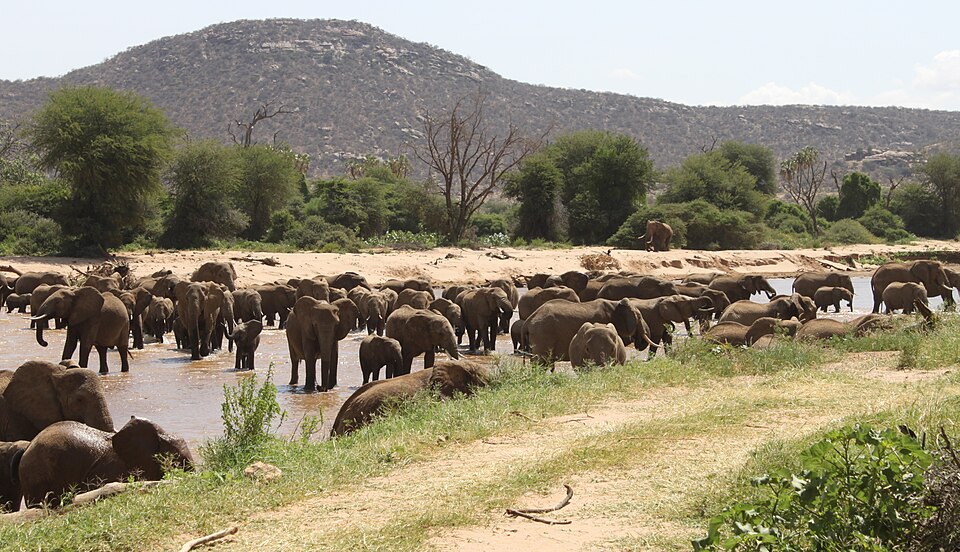
African elephant
Loxodonta africanaLook for families along the Ewaso Nyiro, giving them plenty of space.
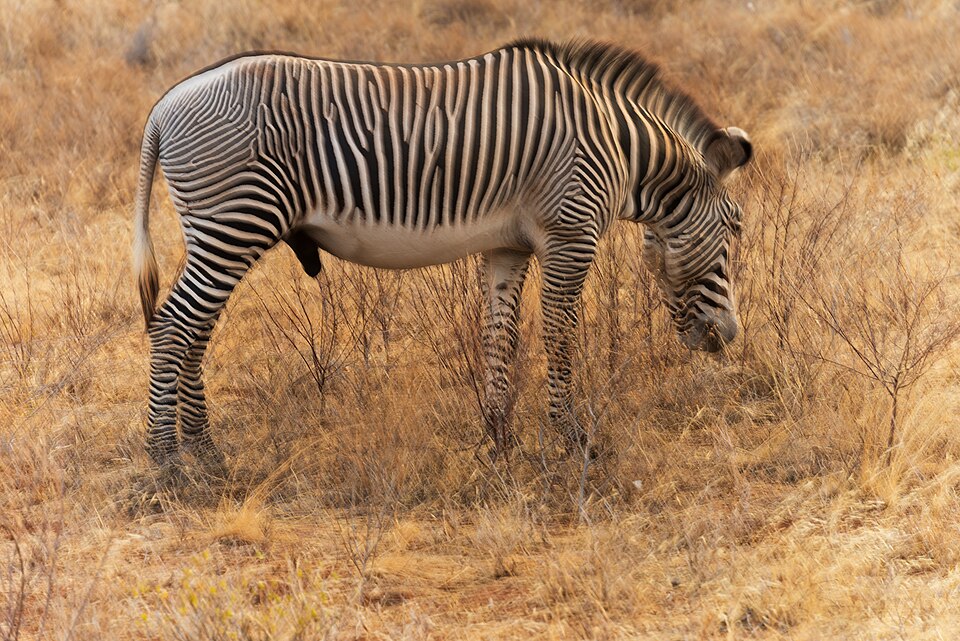
Grevy’s zebra
Equus grevyiEndangered northern zebra with fine close stripes and large ears.

Reticulated giraffe
Giraffa reticulataDistinctive polygon-shaped markings; one of the Samburu Special Five.
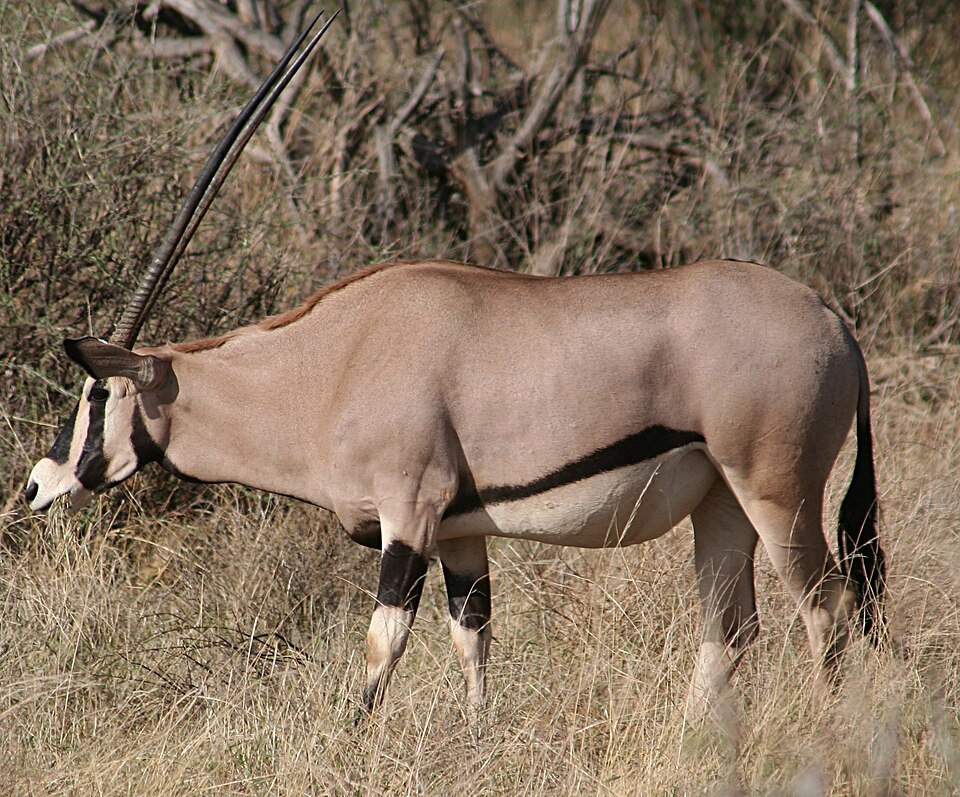
Beisa oryx
Oryx beisaLong straight horns and a pale desert-adapted coat.
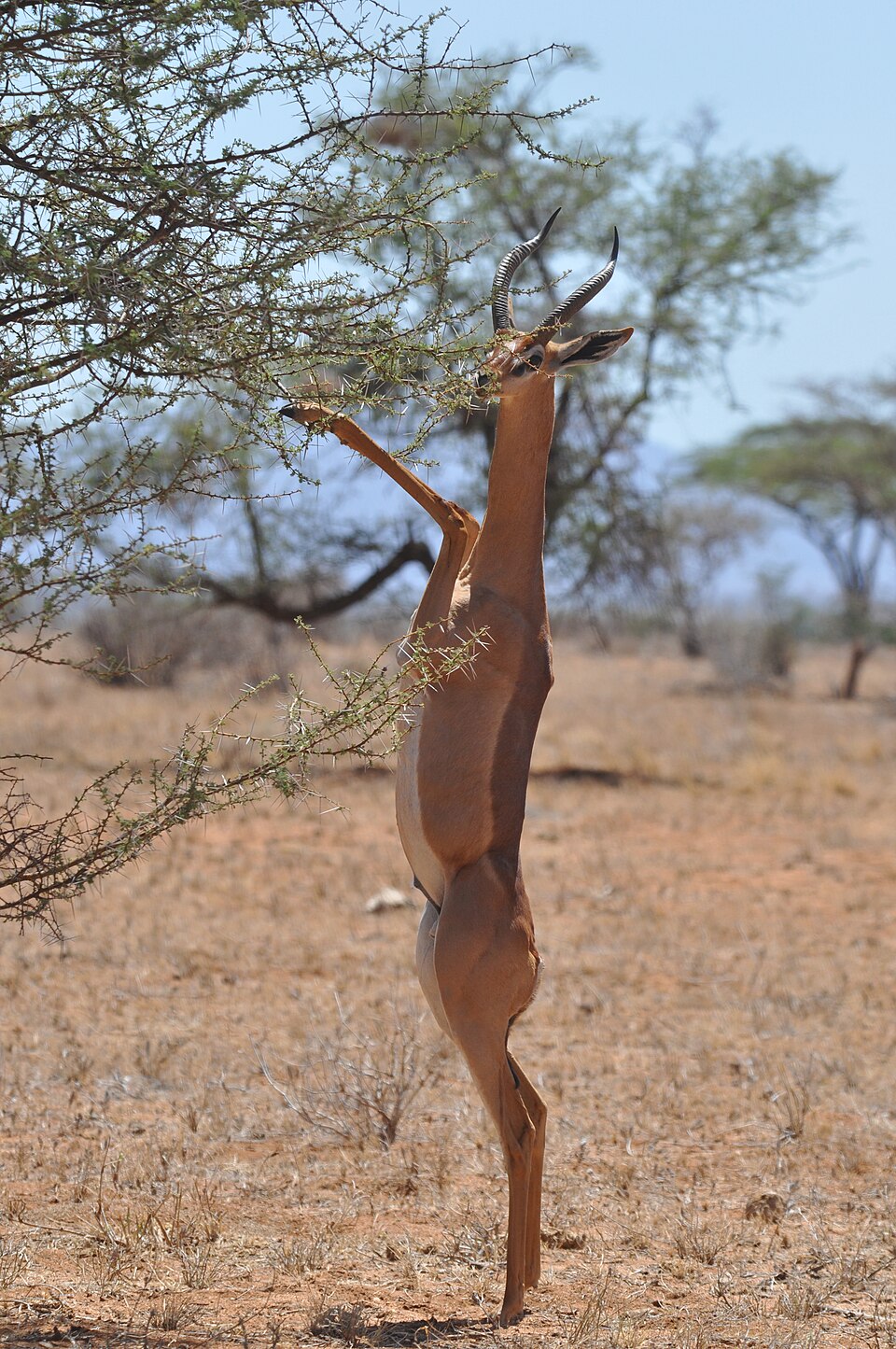
Gerenuk
Litocranius walleriLong-necked antelope sometimes rising onto its hind legs to browse.
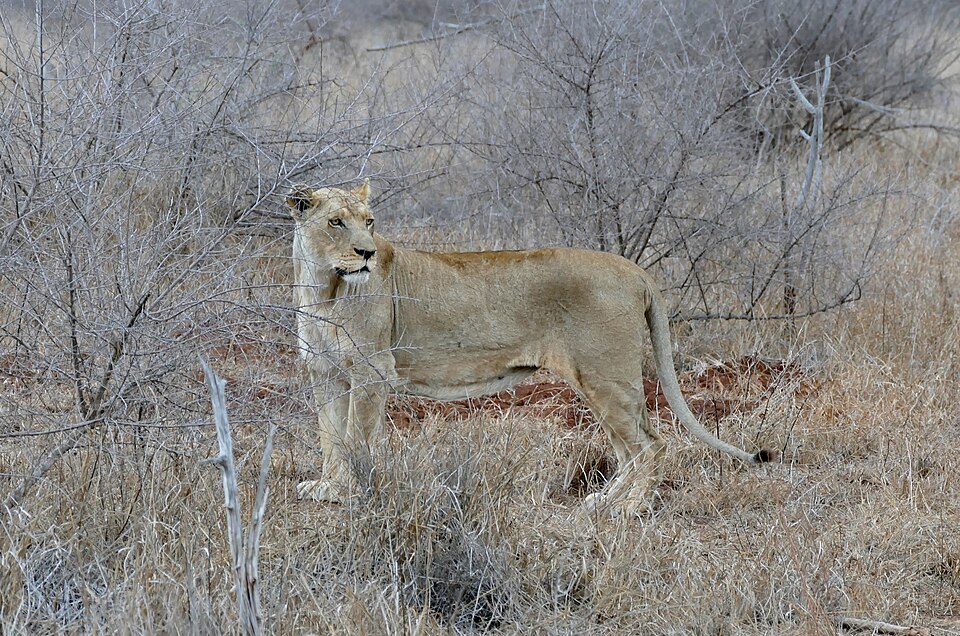
African lion
Panthera leoSearch early, especially near grazing wildlife.
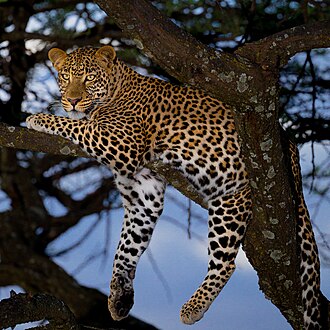
African leopard
Panthera pardusLook at riverine trees and shaded thickets; sightings are never guaranteed.
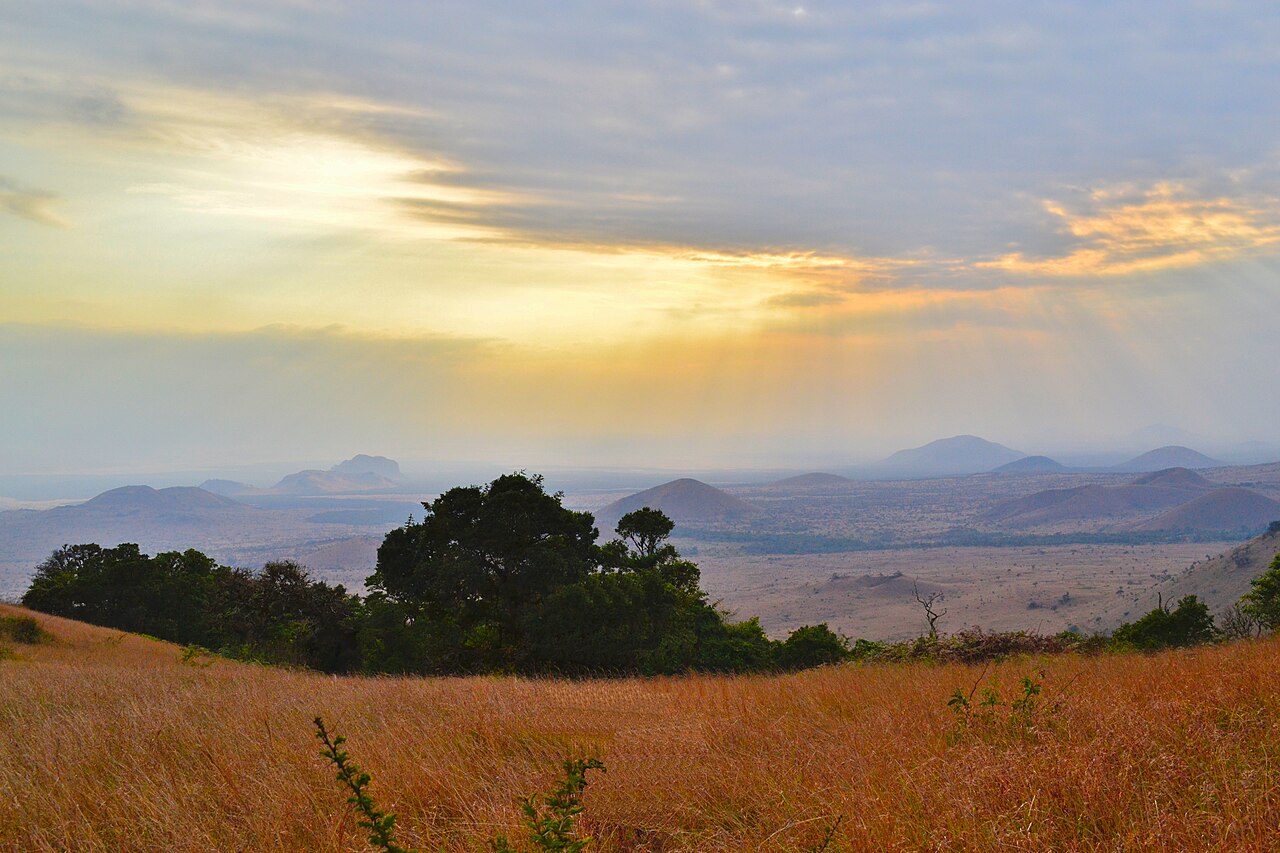
Cheetah
Acinonyx jubatusOccasional open-country predator; not a reliable sighting.
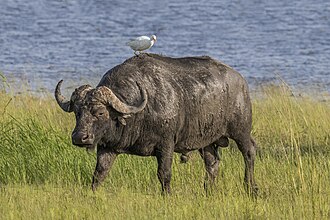
African buffalo
Syncerus cafferCan occur in the riverside habitats; maintain safe distances.
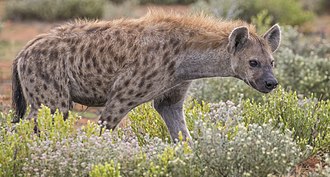
Spotted hyena
Crocuta crocutaHighly capable hunter and scavenger.
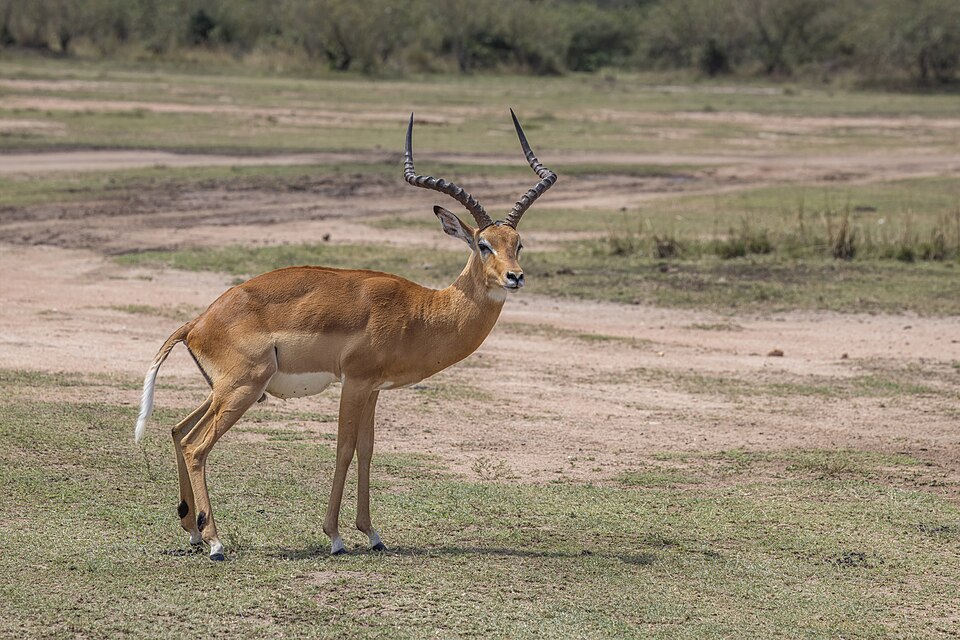
Impala
Aepyceros melampusLook in bush and near water.
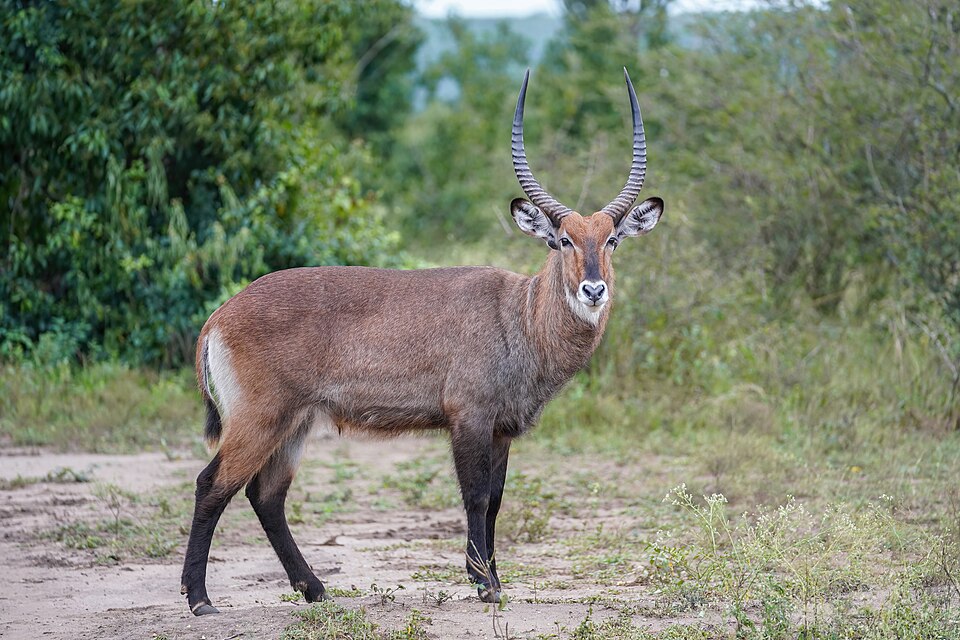
Waterbuck
Kobus ellipsiprymnusOften near permanent river water.
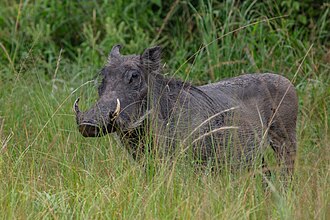
Warthog
Phacochoerus africanusFeeds in open areas, often kneeling.
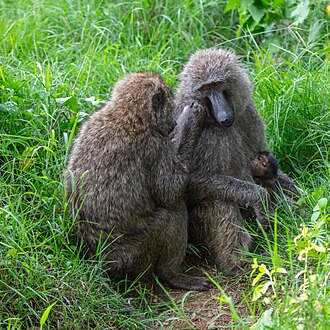
Olive baboon
Papio anubisTroops can be seen on riverside tracks.
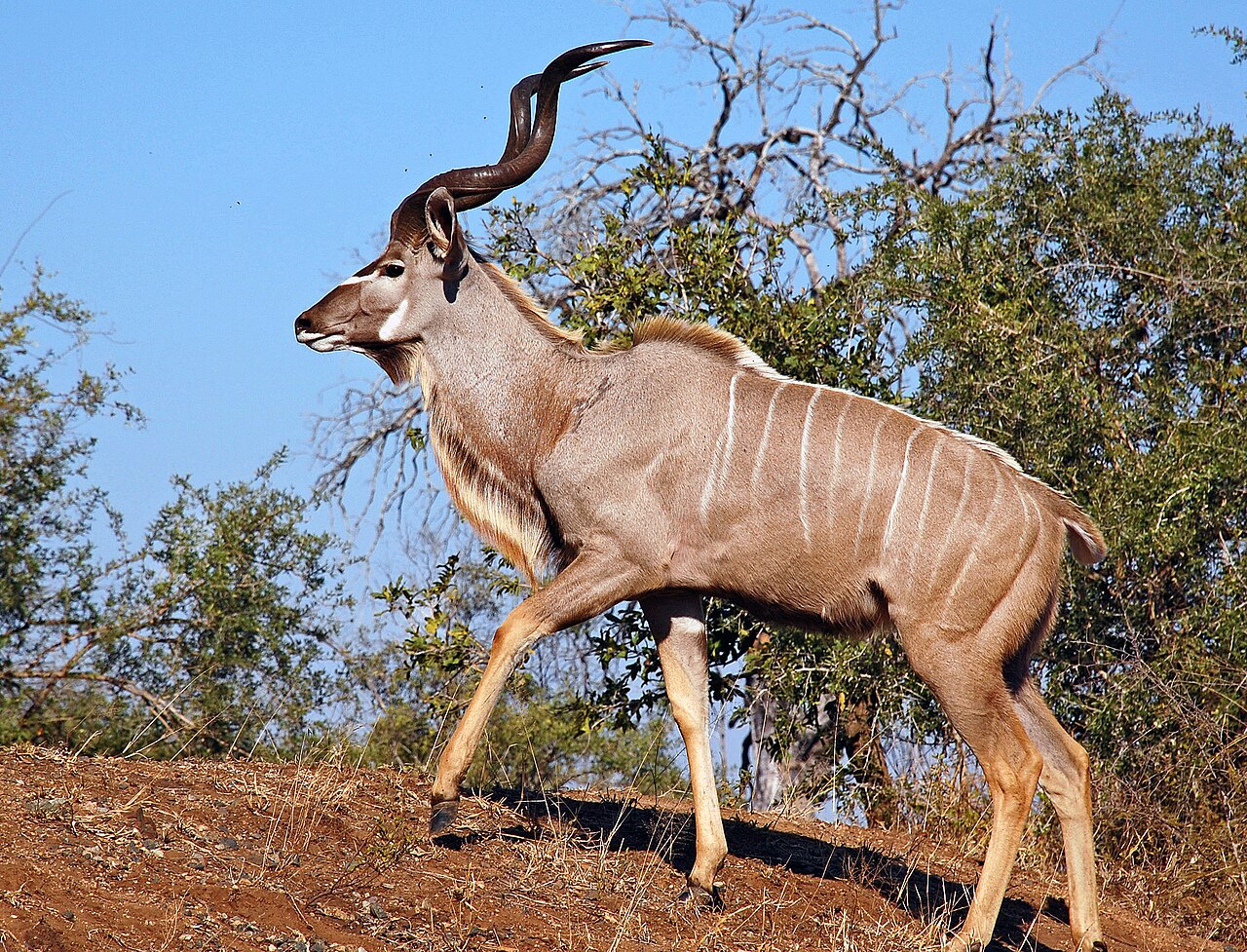
Greater kudu
Tragelaphus strepsicerosAntelope of wooded and bushy areas, often elusive.
Dik-dik
Madoqua spp.Tiny antelope that darts through dry thicket.
African wild dog
Lycaon pictusRare and wide-ranging; do not expect a sighting.
Bat-eared fox
Otocyon megalotisSmall insect-feeding canid in suitable dry open habitat.
12 birds to look for
The Somali ostrich and vulturine guineafowl are northern Kenya highlights; river and bush habitats host many more birds.
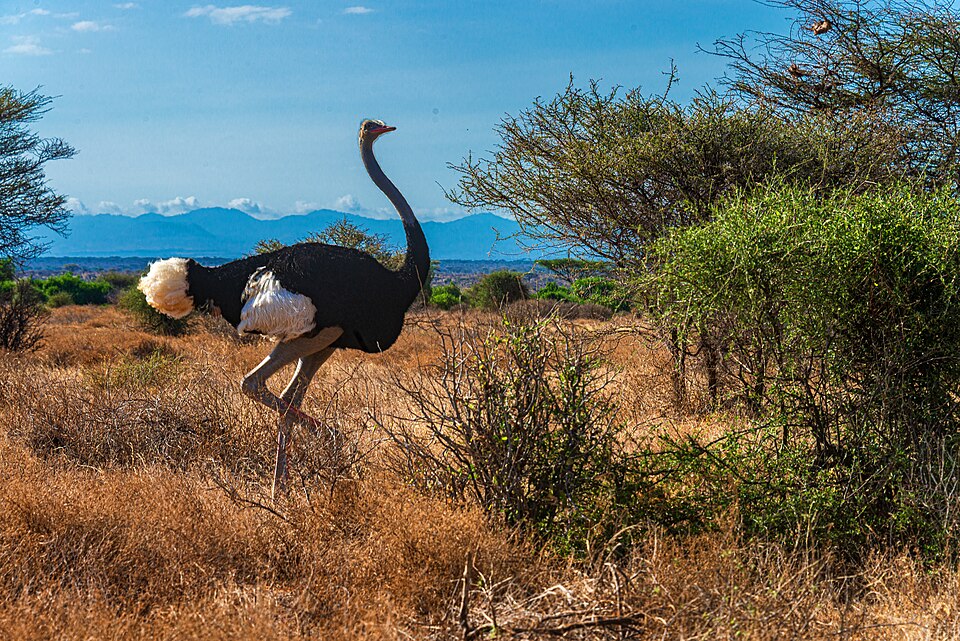
Somali ostrich
Struthio molybdophanesSpecial Five bird, distinguishable from common ostrich by blue-grey neck and legs.
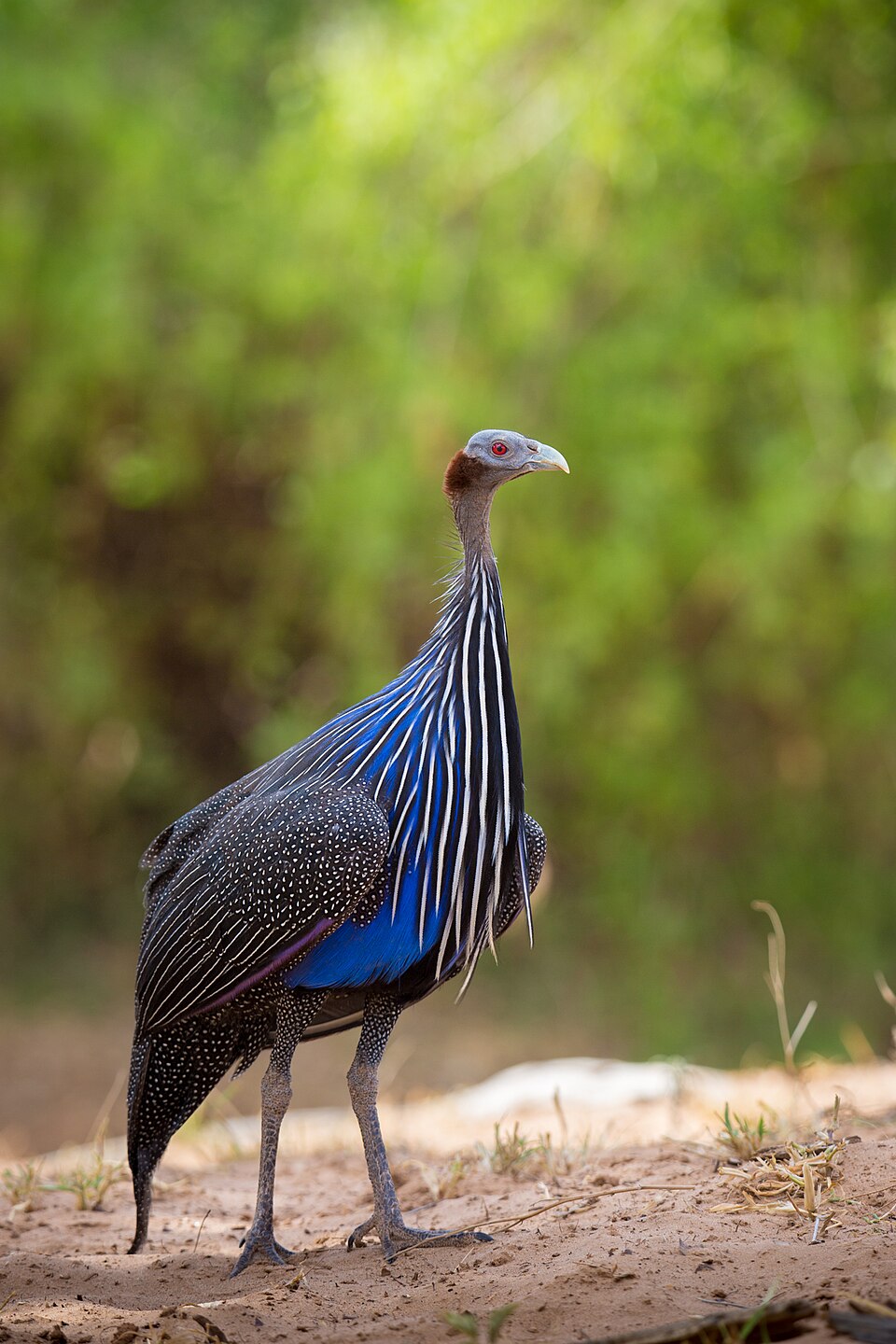
Vulturine guineafowl
Acryllium vulturinumStriking blue-feathered dry-country ground bird.

Martial eagle
Polemaetus bellicosusVery large raptor often perched on mature trees.
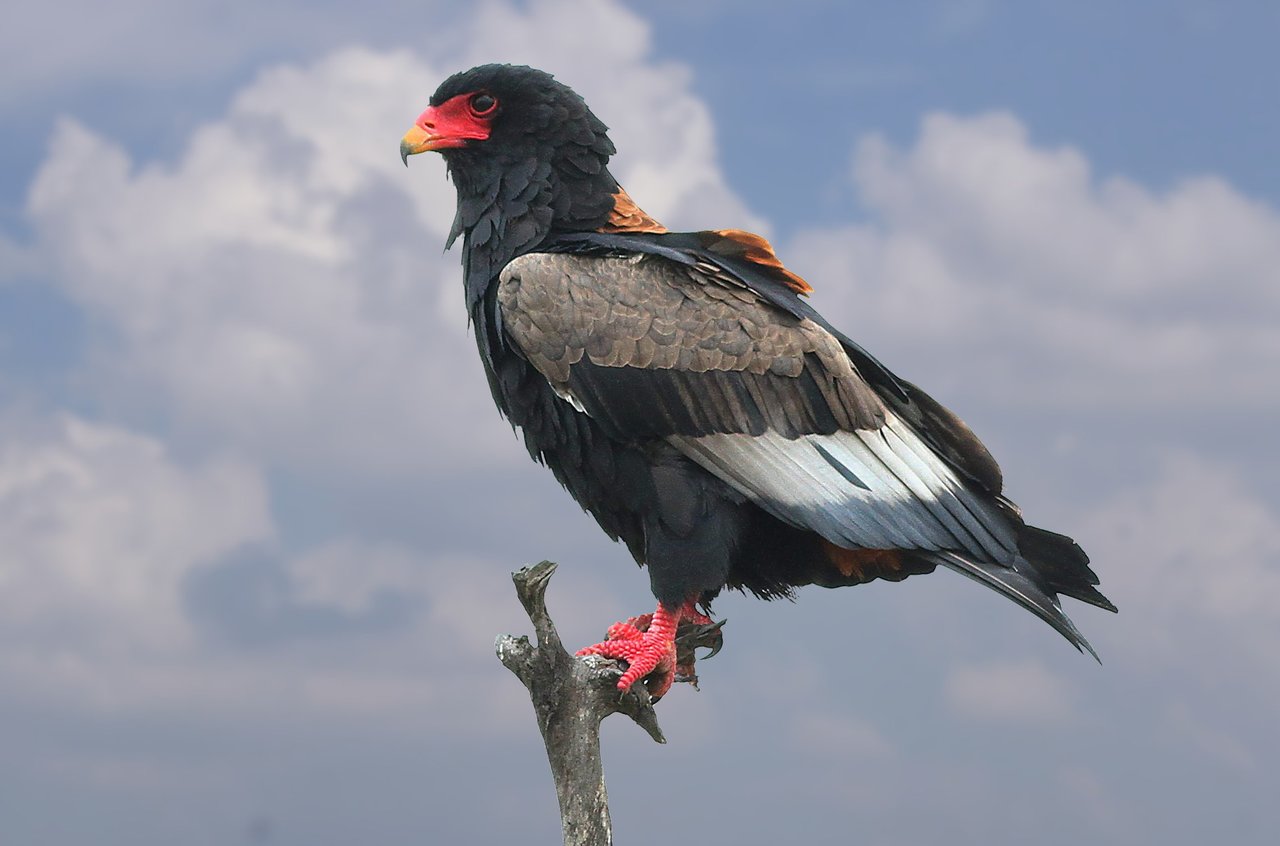
Bateleur
Terathopius ecaudatusShort-tailed eagle that soars low over bush.
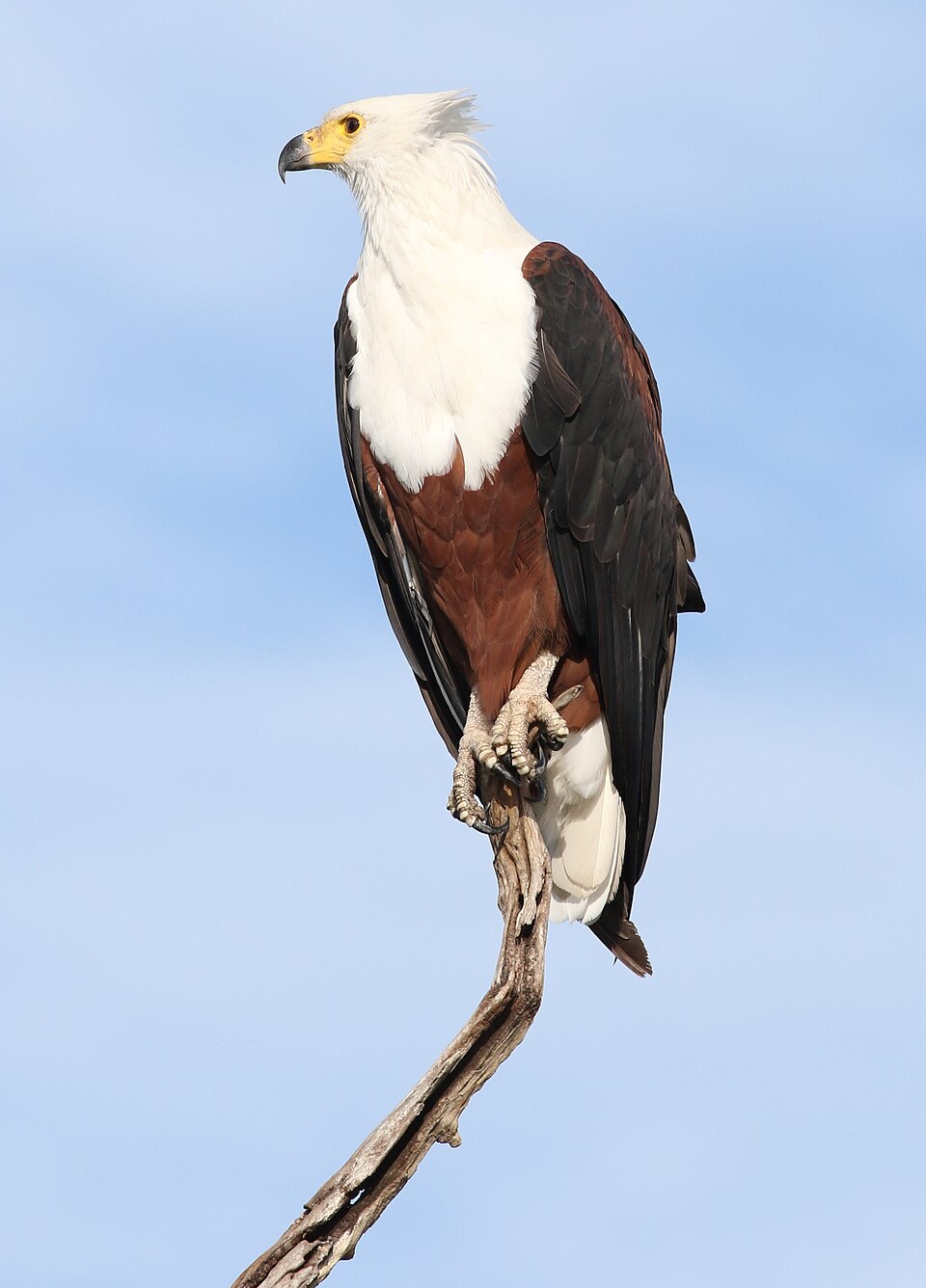
African fish eagle
Icthyophaga vociferOccasional along the river; listen for its distinctive call.
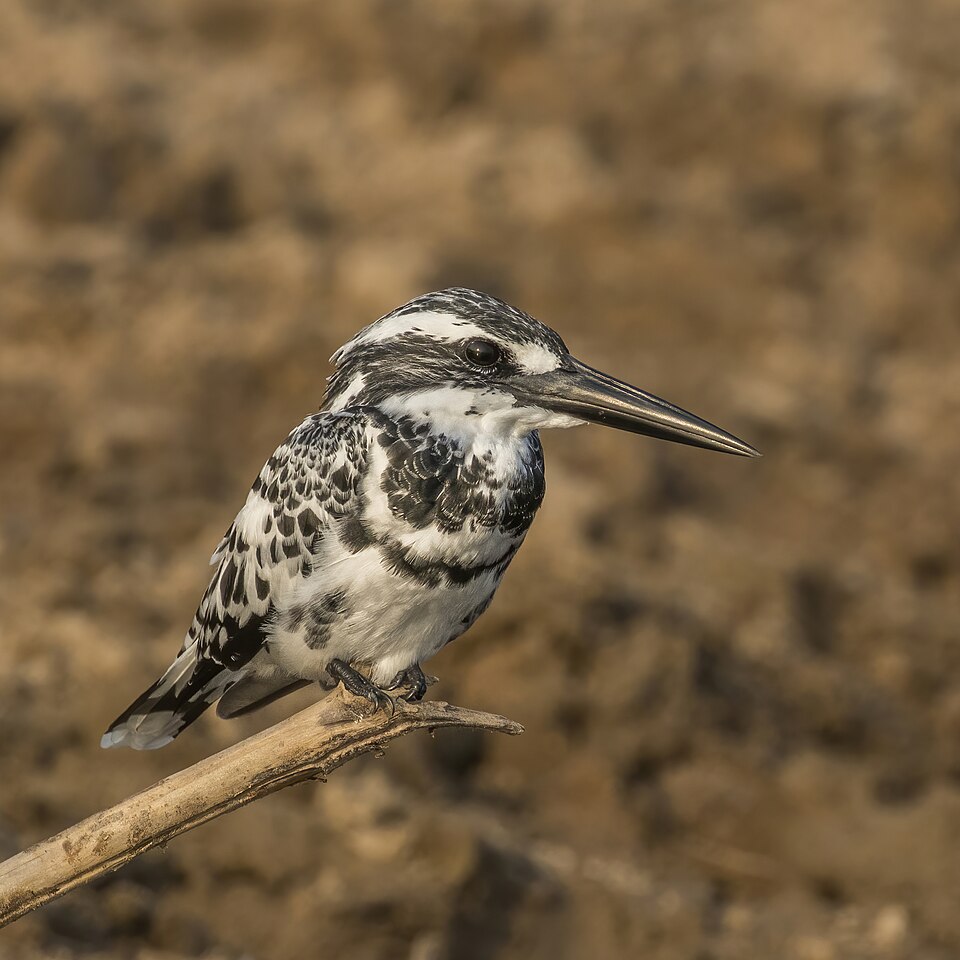
Pied kingfisher
Ceryle rudisCan hover over fishing sites near the river.
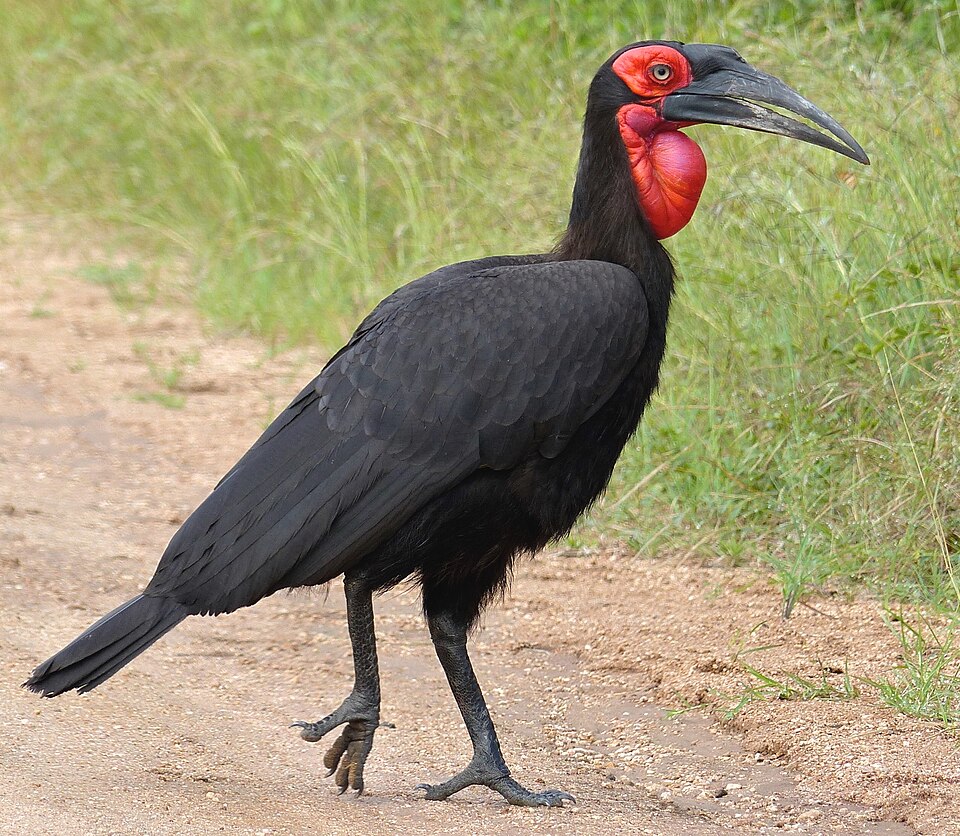
Southern ground hornbill
Bucorvus leadbeateriA large terrestrial hornbill in parts of East Africa; check local sightings.
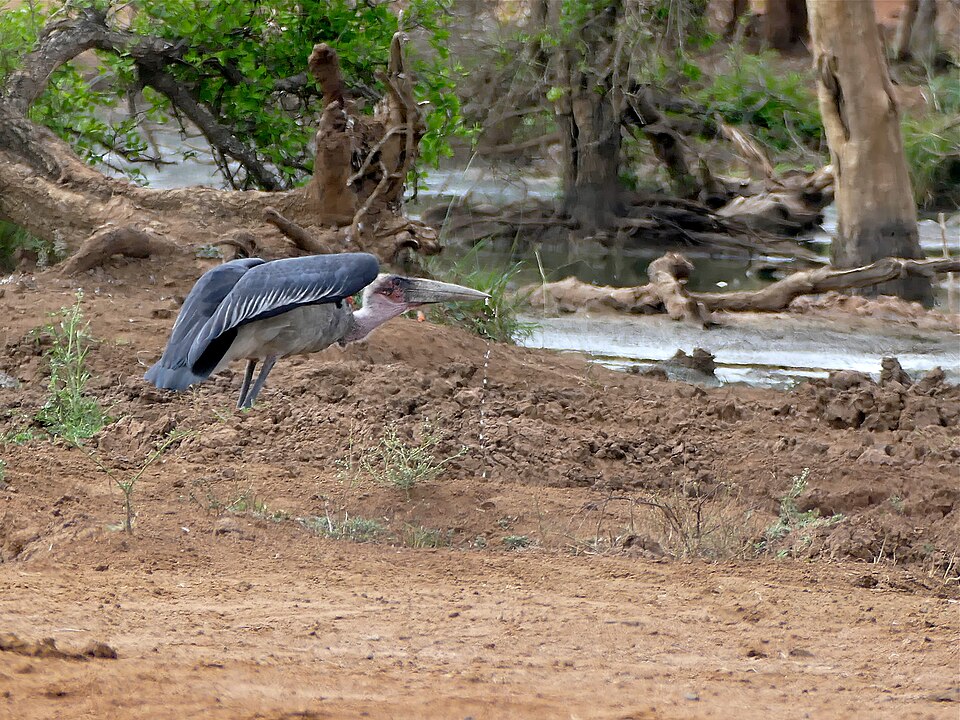
Marabou stork
Leptoptilos crumeniferOften near carrion or open riverbanks.
Superb starling
Lamprotornis superbusBright blue-and-orange bird around dry bush and settlements.
Lilac-breasted roller
Coracias caudatusColourful perch-hunter that catches insects.
White-headed buffalo weaver
Dinemellia dinemelliDry bush weaver with conspicuous white head.
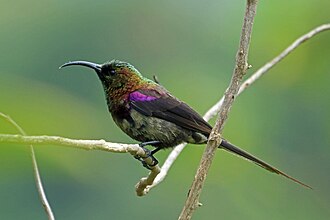
Sunbirds
NectariniidaeSmall nectar-feeding birds near flowering shrubs.
Trees, palms, shrubs and flowers
Riverine doum palms, dry bush and seasonal grasses define the scenery. Some illustrations show habitat rather than precise species.
Trees and shrubs
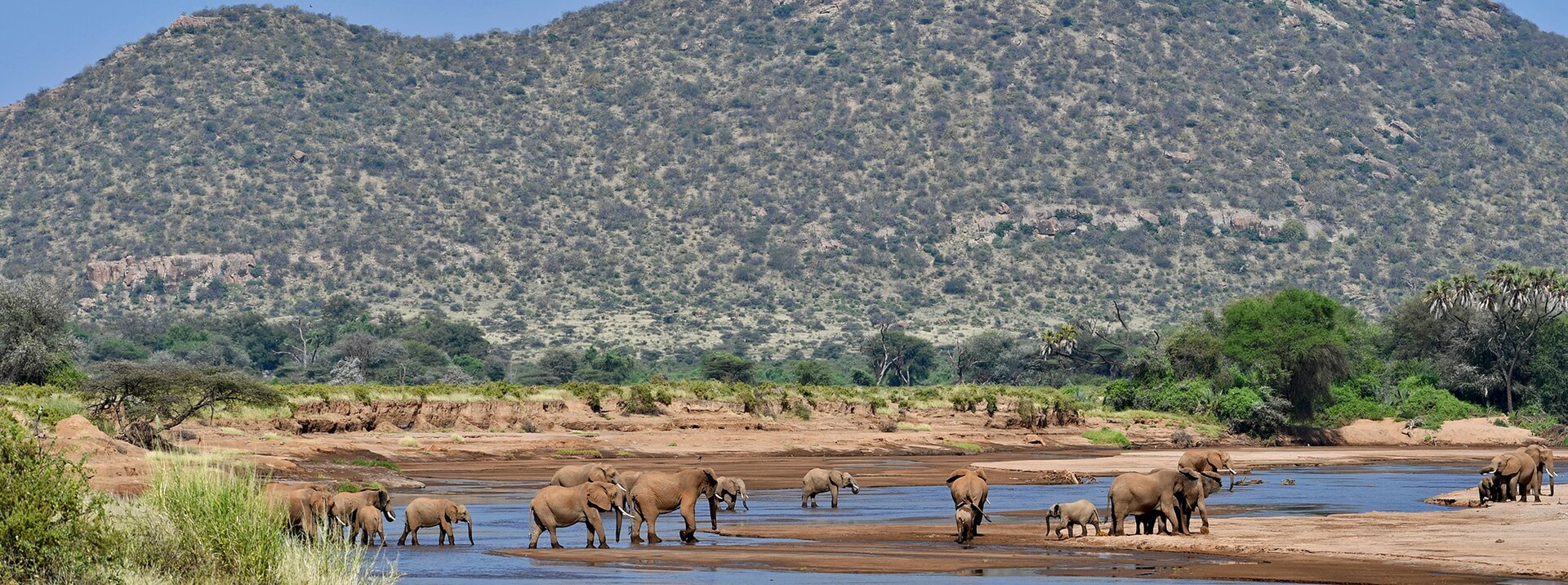
Doum palm
Hyphaene compressaCharacteristic riverine palm along the Ewaso Nyiro.
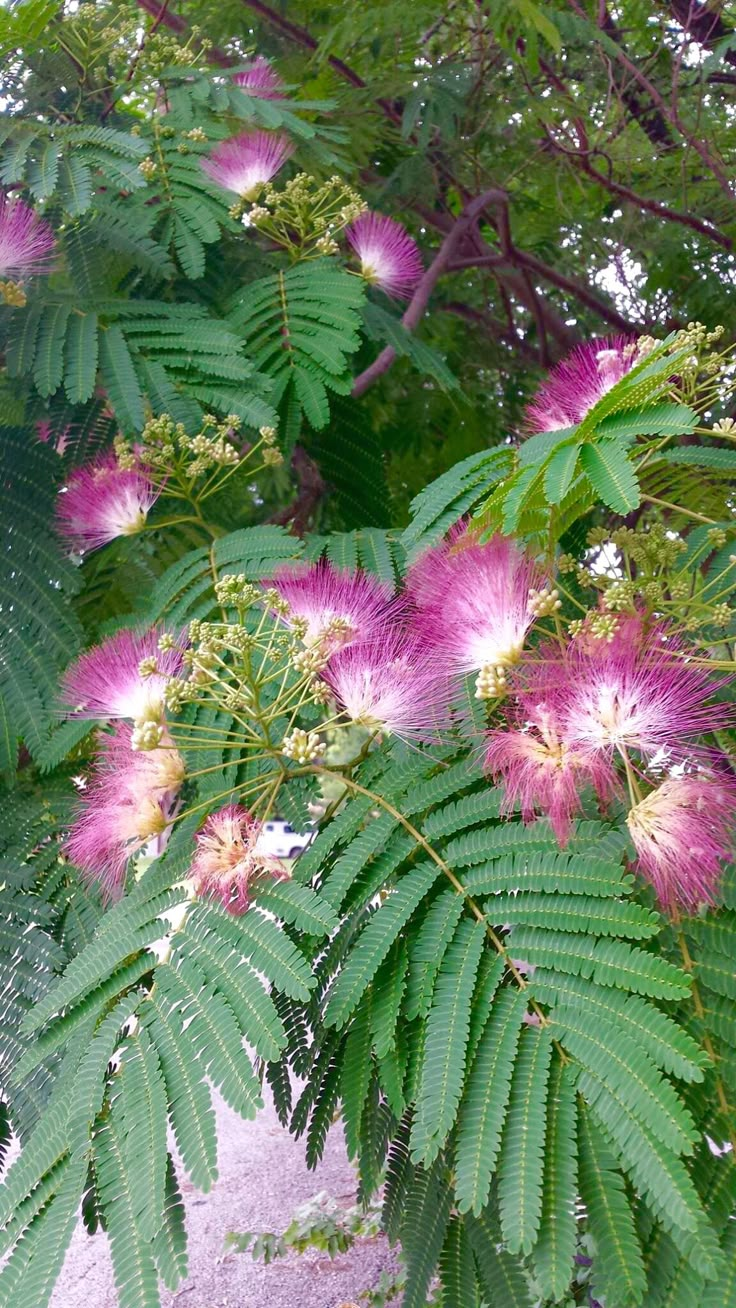
Umbrella thorn
Vachellia tortilisSavanna tree with spreading crown.
Whistling thorn
Vachellia drepanolobiumThorny woodland tree; not every habitat has it.
Commiphora
Commiphora spp.Dry woodland shrubs and trees, several have aromatic resins.
Salvadora
Salvadora persicaDrought-tolerant tree used traditionally as a toothbrush tree.
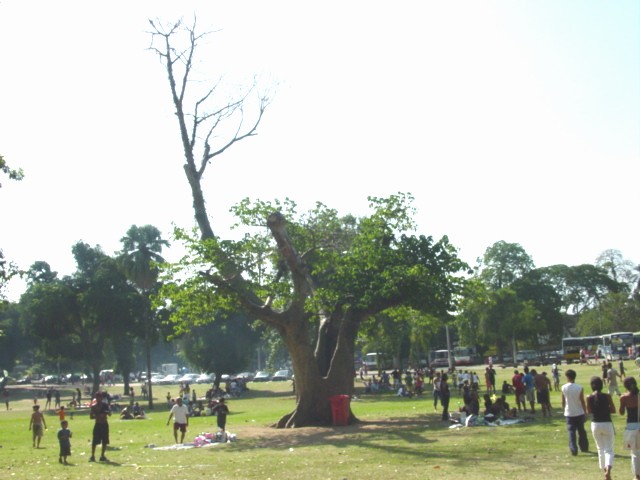
Riverine figs
Ficus spp.Help shade the river corridor and feed wildlife.
Albizia
Albizia spp.Compound-leaved trees in suitable woodland.
Acacia scrub
Mixed Vachellia spp.Protective cover for small mammals and birds.
Grasses and understory
Dryland grasses
PoaceaeKey forage for grazers in the reserve.
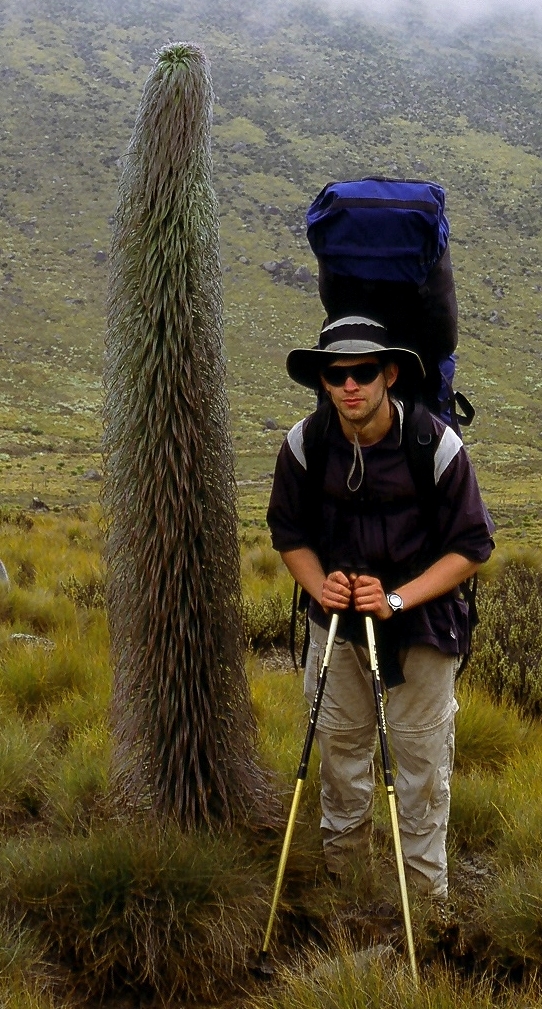
Seasonal flowering herbs
Various familiesBrief flushes of flowering after rainfall.
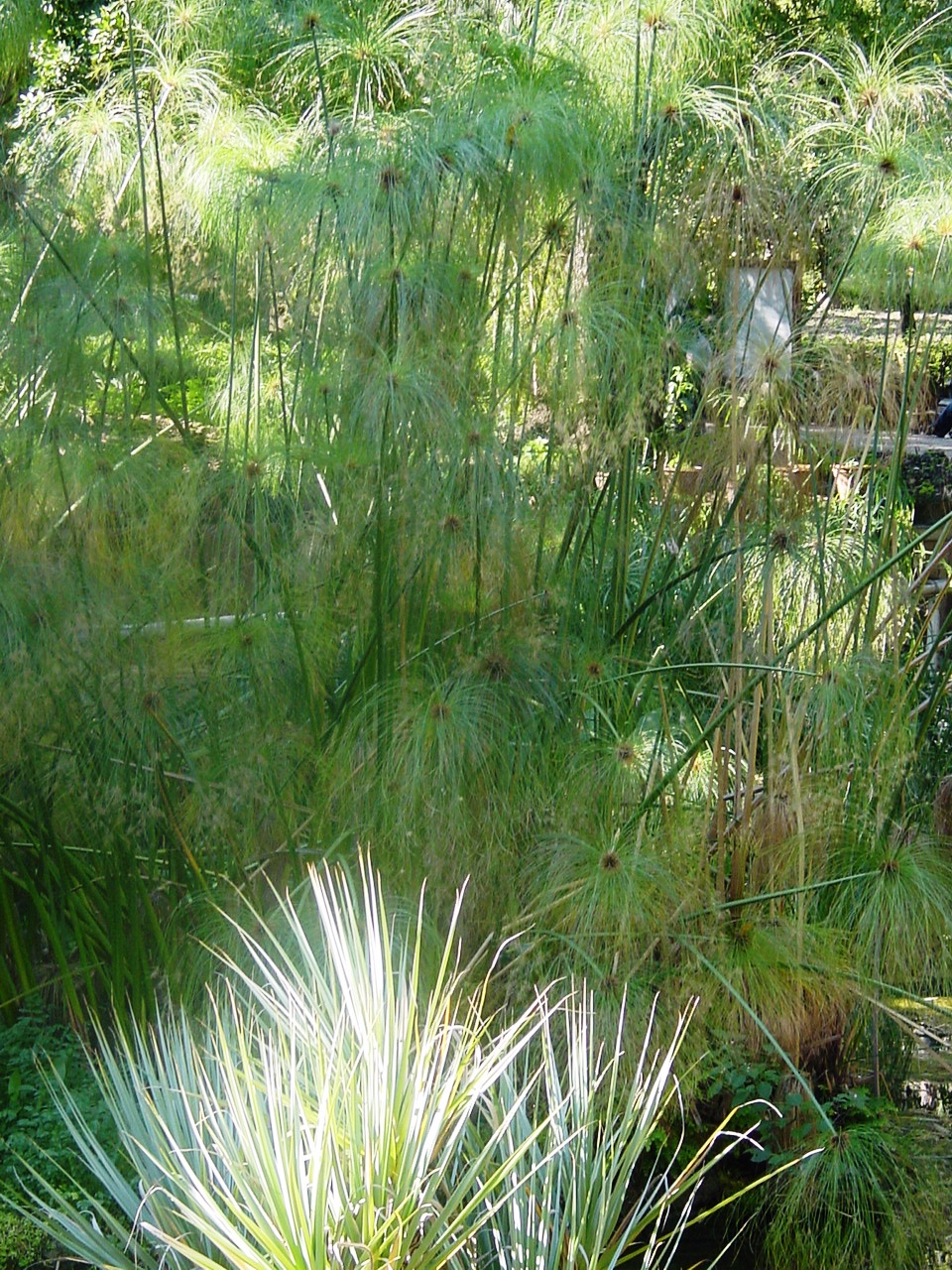
Wet bank sedges
CyperaceaeVegetation on damp edges.
Climbing vines
Various familiesDense riverine vegetation where water permits.
Best Samburu activities
Game drives
Scan savannah and river tracks for elephants and northern species.
Birdwatching
Bring binoculars for Somali ostrich, guineafowl and raptors.
Guided cultural visits
Arrange respectful community visits through verified local hosts.
Photography
Take advantage of river light and acacia silhouettes.
Extended Ewaso ecosystem
Combine the reserve with neighbouring areas, checking separate entry conditions.
Private fly-in safari
Ask lodges about airstrip access and aircraft transfer arrangements.
Best places to stay in Samburu
Three safari accommodation options within the wider Samburu area. Reserve landscape images are used as labelled illustrations where approved property photographs could not be verified. These are not presented as hotel photographs.
Elephant Bedroom Camp
Riverfront luxury tentsIntimate tented safari stay along the Ewaso Nyiro River; ideal for travellers prioritising wildlife and river scenery.
Check on ExpediaSamburu Intrepids Tented Camp
Family-friendly river campRiverside tents and guided safari activities; confirm what game drives and transfers are included.
Check on ExpediaSamburu Sopa Lodge
Hillside lodge baseA lodge option with views across the Samburu landscape, suited to travellers preferring traditional accommodation.
Check on ExpediaAffiliate disclosure: See.Africa may earn a commission on eligible Expedia bookings at no additional cost. Check booking page, availability and whether reserve entry or game drives are included.
Wildlife safety and conservation
Stay on authorised vehicle routes, never feed animals and follow ranger instructions. Do not get out of the vehicle near elephants or carnivores. Observe local community privacy and seek permission before photographing people. Avoid unsafe river crossings and carry drinking water.
Frequently asked questions
Where is Samburu National Reserve?
In Samburu County in northern Kenya, along the Ewaso Nyiro River, near Archer’s Post.
What are the Samburu Special Five?
Grevy’s zebra, reticulated giraffe, Beisa oryx, gerenuk and Somali ostrich.
Can I enter Buffalo Springs on the same ticket?
No combined ticket is documented. Samburu is Samburu County, Buffalo Springs is Isiolo County; pay separately and confirm the bridge route. Fee sources.
When is the best time?
Often January–March and June–October for generally drier conditions; the weather varies.
Are elephants common?
The river corridor is a known elephant habitat, but viewing depends on season and conditions.
Can I self-drive?
Generally possible on authorised tracks, though higher clearance and a guide can be valuable.
How many nights?
Two to three nights make early morning game drives and time by the river much more relaxed.
Primary sources and how this guide was checked
Reviewed 26 October 2026 using Samburu County information and conservation/travel sources. Prices and local access vary; confirm the latest rules with the reserve authority. Map pins are approximate, and species pictures are illustrations.
Leave a Reply