
Tarangire National Park Guide
The practical 2026 guide to Tarangire National Park: best time to visit, elephant season, safari areas, current entry fees, access from Arusha, interactive map, wildlife, baobabs and how to plan your safari.
Tarangire National Park at a glance
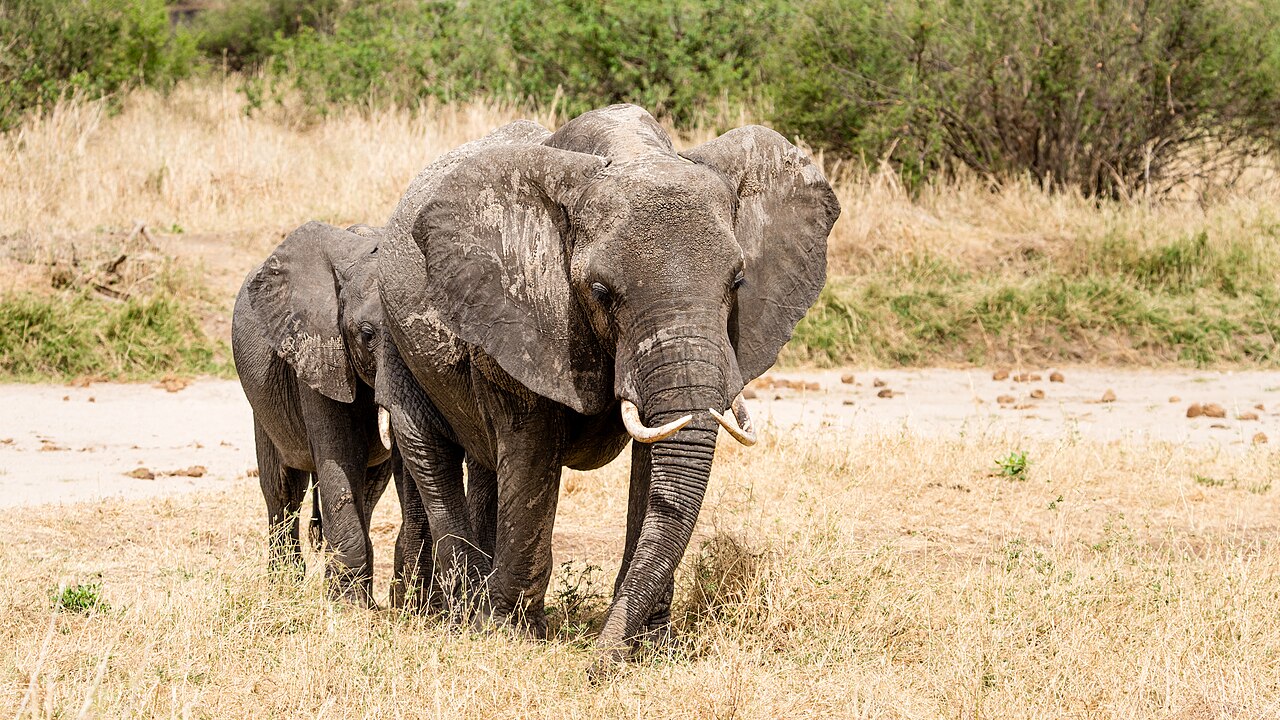
Tarangire National Park is one of the key wildlife parks on Tanzania’s Northern Circuit. It is best known for extraordinary elephant viewing, giant baobab trees and dry-season wildlife gathering around the Tarangire River. TANAPA currently describes Tarangire as the “Paradise of Elephants” and lists the park at more than 2,850 km².
Quick answers for Tarangire National Park
Best time to visit Tarangire National Park
The best time to visit Tarangire National Park for most first-time safari travellers is June to October. As the landscape dries, wildlife increasingly concentrates around reliable water, particularly the Tarangire River and wetland systems. The green season is much lusher, excellent for birding and often quieter, but wildlife is more dispersed and some tracks can be slower after rain.
For elephants
July–October is especially strong because elephant families and other herbivores rely heavily on the park’s remaining water.
For birding
November–April brings greener habitat, more insect activity and seasonal bird movement. Tarangire is a serious birding park, not only an elephant destination.
For fewer vehicles
Green-season months and the park’s farther southern sectors can feel markedly quieter than the busy northern day-trip zone.
Best safari areas in Tarangire National Park
| Area | Best for | Why it matters | Planning note |
|---|---|---|---|
| Tarangire River corridor | Elephants, predators, general wildlife | The park’s central dry-season lifeline and one of the most productive areas. | Can be busier near the main gate in peak season. |
| Silale Swamp | Elephants, buffalo, water-associated wildlife, birds | A broad green wetland system that remains productive as surrounding country dries. | Worth a full-day or deeper-park itinerary rather than a rushed day trip. |
| Baobab woodland | Landscape photography, elephants, classic Tarangire scenery | Tarangire’s giant baobabs create some of Tanzania’s most distinctive safari landscapes. | Slow down: wildlife often disappears visually against woodland and termite mounds. |
| Southern Tarangire | Wilderness feel, lower vehicle density | Farther from the main gate and therefore less visited by day-trip traffic. | Best when staying inside/near the park for multiple nights. |
Tarangire National Park entrance fees
At the time of this guide’s review on 16 August 2026, TANAPA’s Tarangire visitor page lists US$70 for international adults, US$20 for international children and TZS 20,000 for East African residents. TANAPA’s tariff information says conservation fees are generally valid for 24 hours from entry and that payments use Tanzania’s Government Electronic Payment Gateway. Fees and categories can change, so recheck the official source immediately before travel.
US$70
Current TANAPA Tarangire visitor-page rate at this guide’s review.
US$20
TANAPA states child rates apply to ages 5–15; under-fives are generally free.
TZS 20,000
Correct documentation is required for resident/citizen categories.
How to get to Tarangire National Park
From Arusha
Tarangire is commonly reached by road from Arusha as the first or final major safari stop on the Northern Circuit. Allow a substantial part of the morning for transfer, gate formalities and the first game drive.
Lake Manyara + Ngorongoro
Tarangire works particularly well before or after Lake Manyara and Ngorongoro because the routes connect through the wider Manyara/Arusha safari corridor.
Light aircraft
Safari airstrips serve the broader Tarangire ecosystem. Confirm the exact strip and lodge transfer before booking because the park is large.
Tarangire National Park map
This map highlights the main entrance, Tarangire River corridor, Silale Swamp, key safari zones and a sample one-day sequence. Pins are planning references rather than turn-by-turn navigation points; follow TANAPA signage and ranger instructions inside the park.
Road conditions vary seasonally. Do not use this map as a substitute for current park maps, signage or local navigation advice.
How to plan a Tarangire safari day
Dawn: river + predators
Start early and work riverine/woodland edges before heat builds. Lions, hyenas and elephants can be more active and photography is softer.
Morning: baobab country
Slow down in mature baobab woodland. Look beyond the road for elephant families, giraffes, browsing antelope and raptors using the trees.
Midday: Silale strategy
On a full-day drive, push farther toward productive wetland habitat rather than repeatedly circling the busiest gate area.
Late afternoon: return to water
As temperatures fall, reposition toward water, river crossings or productive open areas while leaving comfortable time to meet closing rules.
20 mammals to know in Tarangire National Park
Tarangire is famous for elephants, but its dry-season wildlife concentrations include a broad mix of grazers, browsers and predators. Sightings are never guaranteed and distributions change with water and rainfall.
African bush elephant
Tarangire’s defining animal. Large family groups concentrate around water in the dry season and move through baobab woodland year-round.
Lion
Search river corridors, shade, termite mounds and areas with concentrated prey, especially early and late.
Leopard
Present but less predictable. Riverine woodland and mature trees offer the best habitat to search carefully.
Cheetah
More likely in open country than dense woodland; use high points and plains to scan at distance.
African buffalo
Large herds can gather around remaining water and greener feeding areas as the dry season advances.
Masai giraffe
Well suited to Tarangire’s acacia and mixed woodland; one of the easiest large mammals to photograph against the park’s trees.
Plains zebra
Dry-season herds move toward dependable water and often mix with wildebeest and other grazers.
Blue wildebeest
Part of Tarangire’s wider seasonal wildlife movement rather than the Serengeti-style mass migration spectacle.
Waterbuck
Often associated with riverine vegetation and reliable water, making wetland edges productive places to look.
Common warthog
Frequently seen grazing short grass or running tail-up between feeding areas and burrows.
Show 10 more Tarangire mammals
Spotted hyena
Listen and scan around dawn and dusk. Hyenas hunt as well as scavenge and can cover large distances between prey concentrations and water.
Impala
Look around mixed bush and woodland rather than the driest open plains. Mixed-sex herds are easy to recognize by the males’ lyre-shaped horns.
Common eland
Africa’s largest antelope. Small groups can appear surprisingly light-footed despite their size; scan quieter plains and woodland margins.
Grant’s gazelle
A large pale gazelle adapted to dry country. The white rump extends above the tail and helps separate it from smaller Thomson’s gazelles.
Fringe-eared oryx
One of Tarangire’s sought-after dry-country antelopes. Long straight horns, bold facial markings and a grey body are the key field marks.
Gerenuk
Long-necked browser of arid thornbush. Watch for the characteristic habit of standing upright on the hind legs to reach leaves.
Lesser kudu
A secretive striped antelope. Search slowly in thicker cover, where the vertical white body stripes help break up its outline.
Olive baboon
Large social troops use trees, river edges and open feeding areas. Observe natural behavior and never feed animals near camps or picnic areas.
Vervet monkey
Small black-faced monkeys are easiest to find around riverine woodland and camps. Keep food secured to avoid habituating them.
Black-backed jackal
A small alert canid with a dark saddle along the back. Watch individuals around plains game and larger predator activity.
10 Tarangire birds worth learning
Lilac-breasted roller
A colourful savanna classic often perched conspicuously beside safari tracks.
Yellow-collared lovebird
A northern Tanzania specialty; fast-moving flocks reward patient birding around woodland.
Ashy starling
A Tanzanian specialty strongly associated with the country’s north-central dry savannas.
White-headed buffalo weaver
Large social weaver common in dry acacia country.
Southern ground hornbill
Large ground-walking hornbill often travelling in family groups.
Secretarybird
Long-legged raptor that hunts on foot through open grassland.
Kori bustard
One of Africa’s heaviest flying birds and a classic open-country species.
Bateleur
Distinctive short-tailed eagle frequently seen cruising above safari country.
Von der Decken’s hornbill
A dry-country hornbill associated with woodland and thorn scrub.
Ostrich
Look for tall birds crossing open ground or feeding in sparse savanna.
Trees, shrubs and wetland plants in Tarangire
Tarangire National Park is shaped by baobab woodland, acacia-dominated savanna, riverine vegetation and seasonal wetlands. These plant communities are not just scenery: they influence where elephants browse, where birds concentrate and where wildlife remains during the dry season.
Trees & shrubs
African baobab
Where to look: widespread in classic Tarangire woodland. Massive trunks, sparse crowns and smooth bark make mature trees unmistakable. Elephants sometimes strip bark or feed around them.
Umbrella thorn
Where to look: open savanna and mixed woodland. Flat umbrella-shaped crowns provide shade and browsing for giraffes.
Whistling thorn
Where to look: suitable seasonally wet or black-cotton soils. Swollen thorns can house ants, creating one of East Africa’s best-known plant-animal partnerships.
Fever tree
Where to look: wetter depressions and water-associated habitat where present. Pale yellow-green bark is the easiest identification clue.
African myrrh
Where to look: drier bushland. Peeling bark and a compact dryland form help distinguish it from acacias.
Sausage tree
Where to look: riverine habitat and better-watered ground. Long hanging sausage-shaped fruits are distinctive.
Desert date
Where to look: dry savanna and disturbed woodland. A tough thorny tree that tolerates heat and seasonal drought.
Toothbrush tree
Where to look: dry or saline-prone ground. Dense foliage and drought tolerance make it useful in harsh habitats.
Doum palm
Where to look: drainage lines and places with more dependable subsurface moisture. Fan-shaped leaves make palms easy to separate from surrounding woodland.
Sycamore fig
Where to look: riverine and moisture-rich sites. Fruiting figs can attract birds, monkeys and other wildlife.
Flowers, grasses, reeds & understory
Red oat grass
A major savanna grass that supports grazing herbivores. Seed heads can turn reddish-brown in mature stands.
Buffel grass
Drought-tolerant perennial grass common across dry African savannas and useful forage in suitable areas.
Star grass
Low-growing grasses occur in grazed and disturbed areas and can create attractive feeding patches for plains game.
Papyrus
Where to look: permanently wet areas where conditions allow. Tall umbrella-like heads are highly distinctive.
Wetland sedges
Common around marshy ground and the Silale wetland system, where they help support birds and grazing wildlife.
Common reed
Dense reedbeds can occur along wet edges and provide cover for birds and smaller animals.
Cattails
Wetland plants with characteristic brown flower spikes; most likely around standing or slow-moving water.
Aloe species
Succulent rosettes can produce striking flower spikes after favorable rainfall and are attractive to nectar-feeding birds and insects.
Wild hibiscus relatives
Seasonal herbs and shrubs can flower after rains, adding color to otherwise dry woodland and grassland.
Seasonal savanna herbs
Small flowering plants can appear rapidly after rains, especially in disturbed ground, grassland margins and damp depressions.
Best things to do in Tarangire National Park
1. Dawn game drive
Best combination of cooler wildlife activity, softer light and quieter tracks.
2. Elephant-focused safari
Spend time with family groups instead of simply ticking elephants off a list; observe behaviour around water and baobabs.
3. Silale Swamp full-day drive
A strong option for visitors staying multiple nights who want to get beyond the busiest northern circuit.
4. Hot-air balloon safari
TANAPA lists balloon safaris among Tarangire experiences. Book with an authorized operator and confirm seasonal operation.
5. Night game drive
TANAPA lists night drives as an experience. These require the appropriate authorized arrangement; they are not an independent self-drive activity.
6. Birding safari
Slow down around wetlands, baobab woodland and open plains to look beyond the large mammals.
7. Baobab photography
Use elephants, giraffes or dust as scale elements to show the extraordinary size of mature baobabs.
8. Northern Circuit combination
Link Tarangire with Ngorongoro and Serengeti rather than treating it as an isolated destination.
Tarangire safari rules that matter
Respect closing time
TANAPA currently states that park gates close at 18:00. Plan the final drive with enough margin.
Stay on permitted roads
Do not drive off-road simply to improve a photograph or follow wildlife. Current ranger instructions take priority.
Give elephants room
Never block a herd’s direction of travel. If animals approach, remain calm, quiet and allow them space to choose their path.
Authorized activities only
Walking, night drives and other specialist experiences require appropriate authorized arrangements rather than independent access.
Tarangire National Park FAQ
What is Tarangire National Park famous for?
Tarangire National Park is most famous for large elephant herds, giant baobab trees and dry-season wildlife gathering around the Tarangire River. TANAPA markets it as the “Paradise of Elephants.”
What is the best time to visit Tarangire National Park?
June to October is the best overall period for most first-time visitors. Wildlife concentrates around remaining water in the dry season, making elephants and other large mammals easier to find.
How many days do you need in Tarangire?
Two nights is a strong first-visit default. It provides an arrival drive, a full safari day and a final morning. Three nights is better if you want to explore farther south and reduce time pressure.
Is Tarangire better than Serengeti?
They offer different strengths. Serengeti is larger and famous for the Great Migration, while Tarangire is particularly strong for elephants, baobab landscapes and dry-season wildlife concentrations. A Northern Circuit trip is usually better with both than by choosing only one.
Is Tarangire worth a day trip from Arusha?
Yes, but overnight is better. A day trip can deliver an excellent safari, but staying inside or near the park gives access to cooler dawn/late-afternoon wildlife periods and more time to reach quieter areas.
Can you self-drive in Tarangire National Park?
Yes. A high-clearance four-wheel-drive vehicle is the sensible choice, especially after rain or when exploring less-used tracks. Follow TANAPA signs, road restrictions and current ranger instructions.
How much is Tarangire National Park entry in 2026?
At this guide’s review on 16 August 2026, TANAPA lists US$70 for international adults and US$20 for international children. Additional charges may apply and tariffs can change, so confirm directly with TANAPA before travel.
Are there rhinos in Tarangire?
Rhino should not be treated as a normal Tarangire safari expectation. Choose Tarangire for elephants, baobabs, predators, birds and dry-season concentrations rather than for completing a Big Five checklist.
How this Tarangire guide was checked
Time-sensitive visitor information was reviewed on 16 August 2026 against Tanzania National Parks (TANAPA). Wildlife and seasonal advice reflects ecological patterns rather than guarantees. Fees, roads, activity rules and access can change, so current TANAPA and on-the-ground instructions override this guide.