
Borana Conservancy: Rhino Safari, Map & Lodges
An independent, practical guide to Kenya’s Lewa–Borana landscape: wildlife, where to stay, verified 2026 lodge rates, arrival logistics and an interactive orientation map.
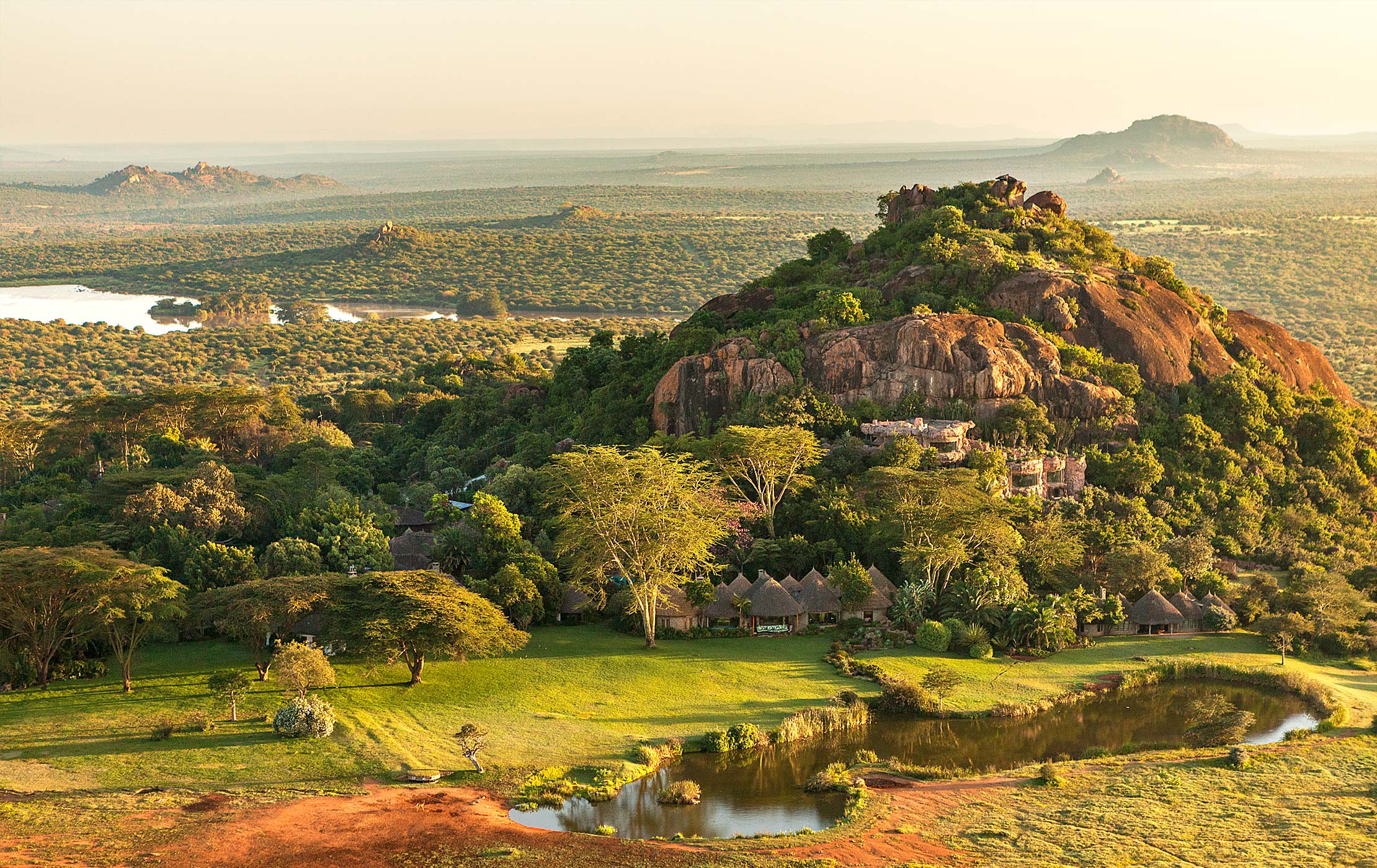
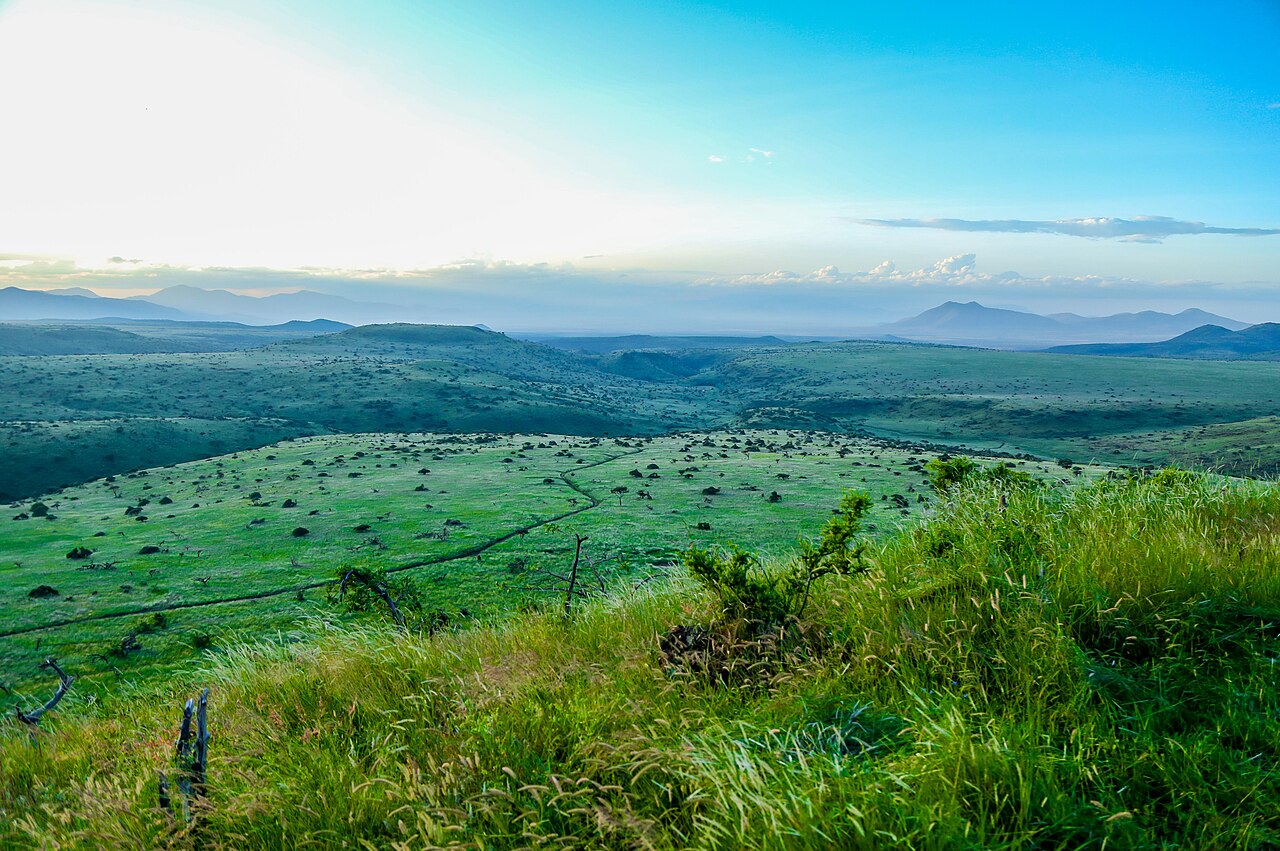
Hero: Laikipia Plateau (regional setting; not a verified Borana viewpoint). Schau99 / Wikimedia Commons, CC0 1.0.
Borana Conservancy sits on the Laikipia Plateau, where a working rangeland and a private safari destination protect some of Kenya’s most important rhino habitat. This guide explains the costs and access decisions that matter before you travel — without confusing Borana with a public, drive-in national park.
Borana Conservancy at a glance
Why Borana matters
On the northern foothills of Mount Kenya, Borana protects open rangeland, hills and forest edges while supporting conservation employment, community programmes and carefully managed livestock. The conservancy and neighbouring Lewa share an open wildlife landscape after the old boundary fence was removed. Black and white rhinos, reticulated giraffes, Grevy’s zebra and big predators form part of the wider ecosystem.
Borana’s official website describes a 28,000-acre protected area, while other operator pages reference a larger historic figure. This guide uses the present conservancy figure and avoids treating the larger Lewa-Borana wildlife population as a Borana-only count. Official conservancy background.
Best time to visit Borana
Borana is a year-round destination at elevation. Instead of chasing a single month, consider ground conditions for horseback riding and walks, quiet periods, and how a second stop at Lewa or Samburu fits into your trip.
Good for open-country wildlife drives; conditions remain variable and mornings can be cool.
Showers and soft tracks can affect riding and forest outings; landscapes become lush.
Generally firm ground and wide views. June and October are particularly favoured by the Borana Lodge team.
Rain can be intense and local conditions change quickly; ask about activity adjustments.
Pack layers for cold mornings and confirm the activities offered during your travel dates. Borana Lodge seasonal advice.
Borana entrance fees, lodge rates & visitor rules (2026)
Published Borana Lodge rates for 2026
| Season | Adult inclusive rate | Child inclusive rate | Minimum stay |
|---|---|---|---|
| Standard | USD 1,025 | USD 513 | 2 nights |
| Peak | USD 1,320 | USD 660 | 3 nights |
The lodge’s published rates include a 24% contribution to conservation, full-board accommodation and eligible on-conservancy activities and airstrip transfers. The lodge excludes activities beyond Borana, some beverages, tips and private arrangements. Child rates apply to ages 5–15; confirm exact eligibility, nightly/per-person basis, availability, supplements and what your quoted stay includes. Official 2026 Borana Lodge rate sheet.
Before paying, ask
- Does the rate include every conservancy-related charge?
- Which lodge, house or vehicle is authorised to host us?
- Which airstrip and exact pickup point should we use?
- Are night drives, walks, riding and ranger visits included or subject to conditions?
- What are the restrictions for children and non-riders?
- Is emergency evacuation cover included, and what travel insurance is still required?
Safe and respectful access
- Do not assume self-drive access through public gates.
- Stay with the approved guide when viewing rhinos, lions, buffalo or elephants.
- Never publish sensitive rhino locations.
- Ask before visiting conservation operations or community projects.
- Walking and horse riding must follow the operator’s assessment and instructions.
- Check conditions after rain and avoid unauthorised roads.
Borana map: lodges, headquarters & access
Use the map for geographical orientation only: it shows publicly mapped accommodation, headquarters and nearby Ngare Ndare Forest attractions. Toggle arrival points to add Lewa Downs, Timau and Nanyuki. These markers are not permitted access routes, private gate coordinates or self-drive instructions. We deliberately omit sensitive rhino-tracking zones and unverified Pride Rock coordinates.
All 10 mapped locations & source links
- Borana Lodge lodge · 0.23352, 37.31747
- Laragai House lodge · 0.27070, 37.32743
- Sirai House lodge · 0.19971, 37.32518
- Borana Conservancy HQ info · 0.22542, 37.28318
- Ngare Ndare Waterfall & Blue Pools water · 0.16089, 37.34549
- Ngare Ndare Campsite camp · 0.17414, 37.33419
- Ngare Ndare Forest Trust HQ info · 0.14728, 37.36453
- Lewa Downs Airstrip air · 0.19750, 37.46417
- Timau town · 0.08594, 37.23891
- Nanyuki town · 0.01670, 37.06670
How to get there
By air
The Borana airstrip accepts private charters subject to operator coordination; scheduled flights to Lewa Downs can connect to a lodge-arranged transfer. Borana Lodge describes Lewa Downs as around 1.5 hours by game-drive transfer, but verify the actual trip and luggage allowance.
By road
Approach arrangements vary by property, and unmarked tracks are not public touring roads. Confirm the exact driving instructions, meeting time, driver contact, vehicle type and weather conditions directly with your Borana host; do not rely on an approximate map pin to find an entrance.
Suggested three-day Borana safari
Meet the lodge team at your agreed airstrip or road collection point. After orientation, enjoy an afternoon guided wildlife drive and a low-key sundowner, subject to weather and arrival time.
Start early with a guide-led game drive or prearranged ranger conservation experience. Choose a gentle walk, riding activity or photography-focused drive in the afternoon, followed by an evening drive if permitted.
With your host, arrange a guided Pride Rock viewpoint outing or a separate, paid visit to Ngare Ndare Forest, with its canopy walk and pools. Confirm whether either is suitable given age, fitness, weather and travel time.
Best add-on: Extend the safari to neighbouring Lewa Wildlife Conservancy or Samburu National Reserve. Avoid planning a cross-conservancy transfer without preapproval from both hosts.
25 mammals of the Lewa–Borana landscape
Borana’s official biodiversity overview confirms rhinos, elephants, lions, cheetahs, African wild dogs, Jackson’s hartebeest, reticulated giraffes and Grevy’s zebras. The profiles below are a broader regional field-identification collection, including some uncommon, elusive or habitat-dependent species. They are not a verified checklist of animals present on every Borana parcel or a promise of sightings. Species photographs are identification references, sometimes taken elsewhere in Kenya or Africa.
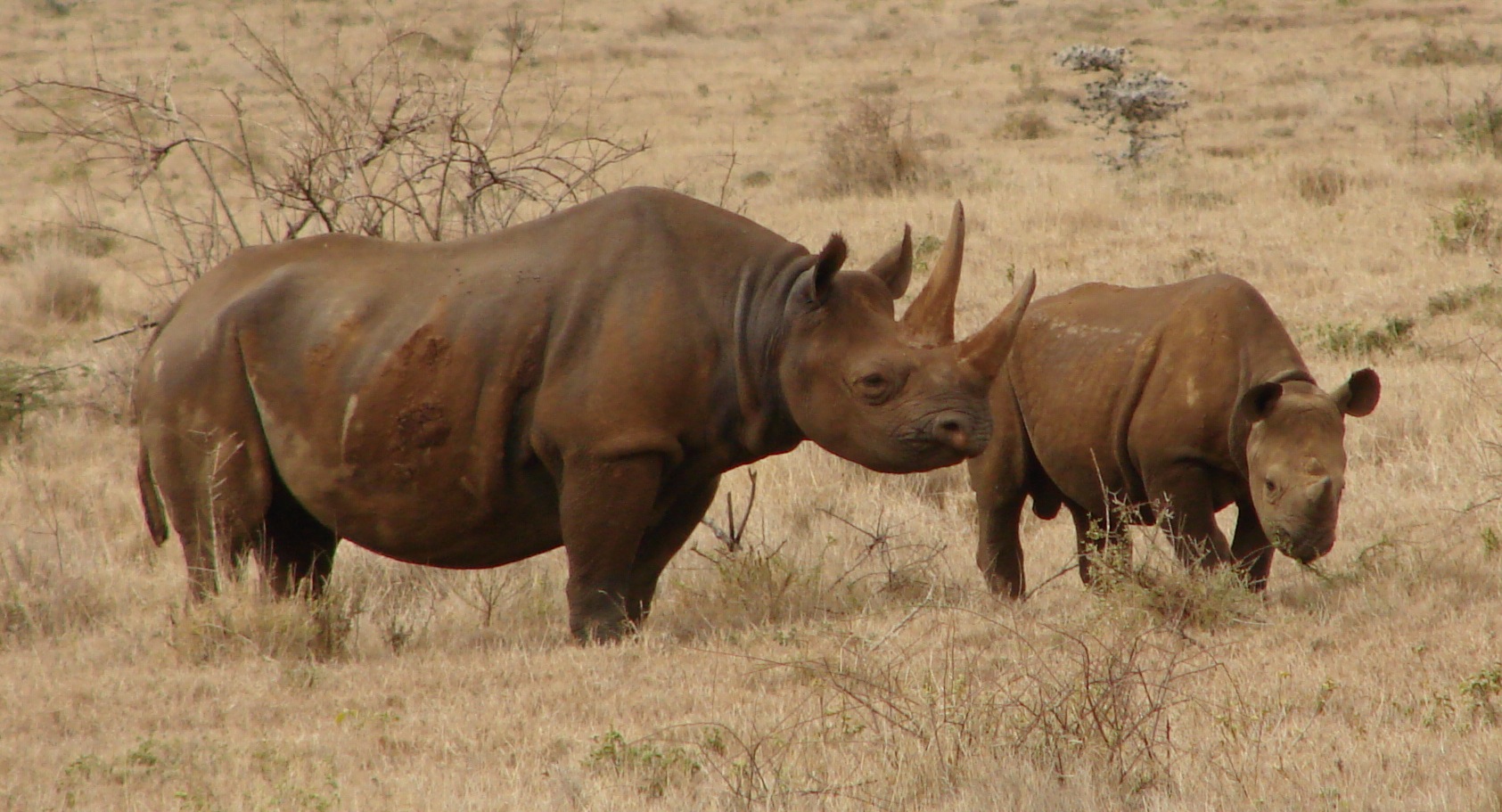
Black rhinoceros
Diceros bicornis
An icon of Lewa’s conservation story. Black rhinos browse on shrubs; approach only with your guide and give them space.
Signature
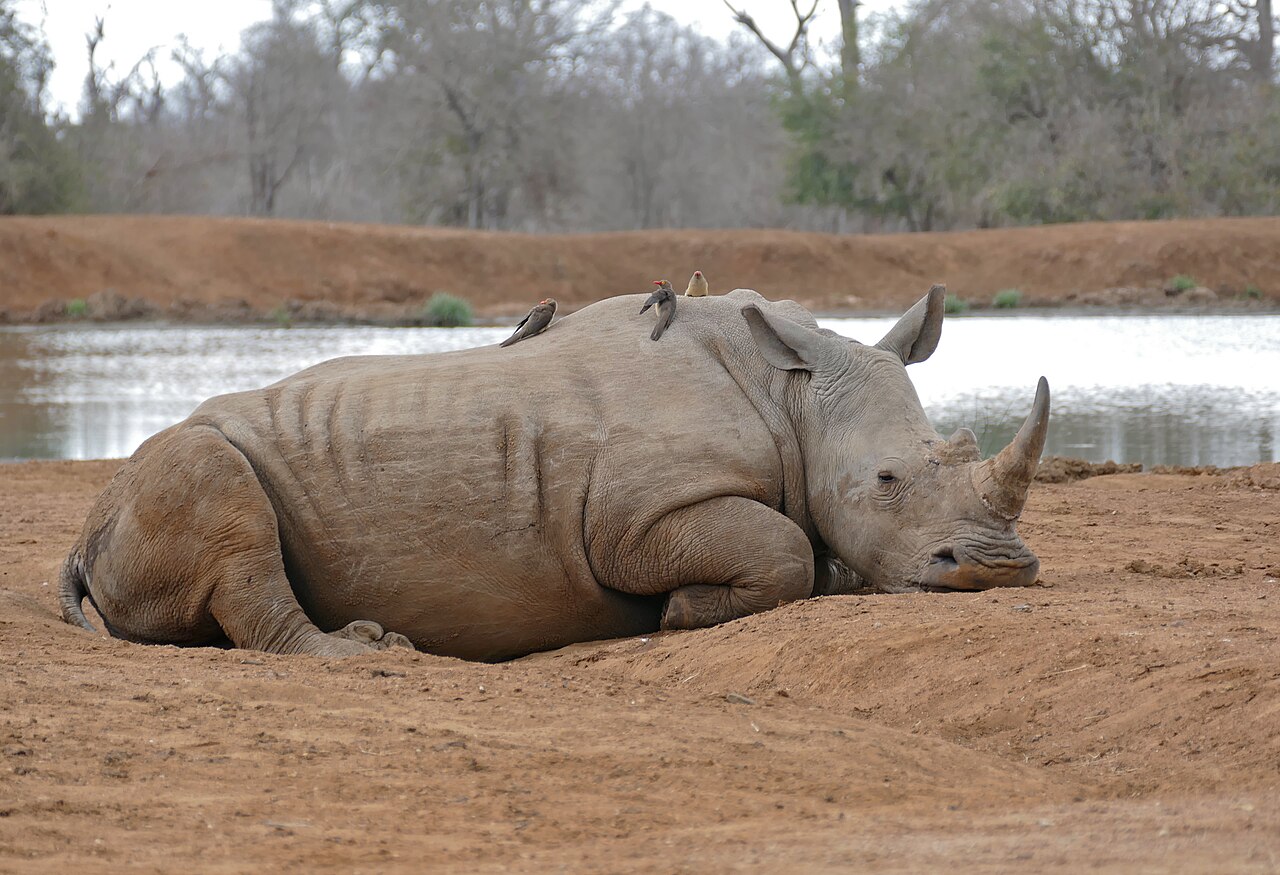
Southern white rhinoceros
Ceratotherium simum simum
Often grazes in open country. Note the broad, square muzzle rather than relying on colour.
Signature
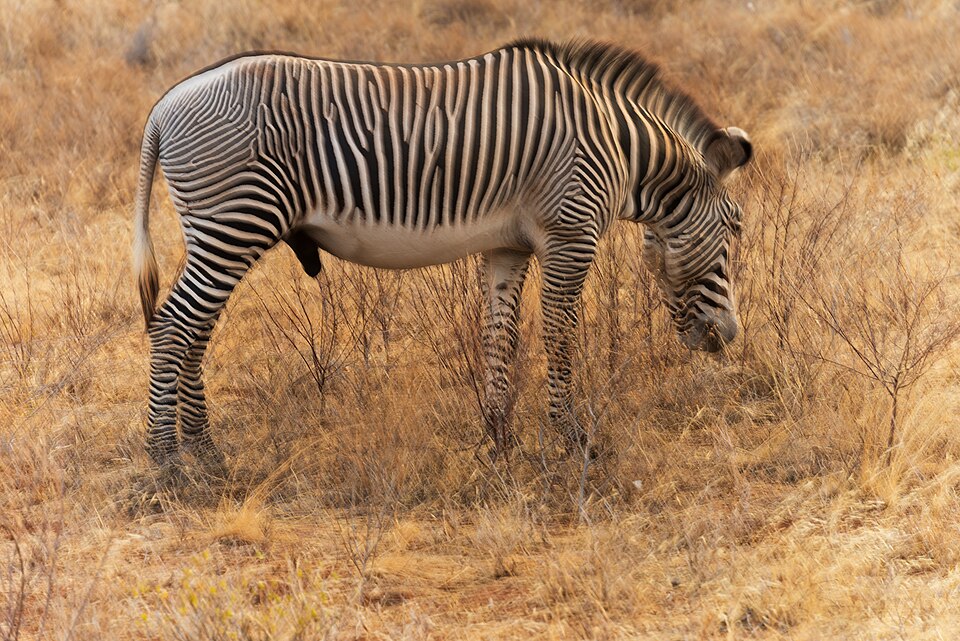
Grevy’s zebra
Equus grevyi
Narrow stripes, large rounded ears and a pale belly distinguish this endangered northern species.
Signature

Plains zebra
Equus quagga
The more familiar zebra of grasslands; compare its wider stripe pattern with Grevy’s zebra.
Signature
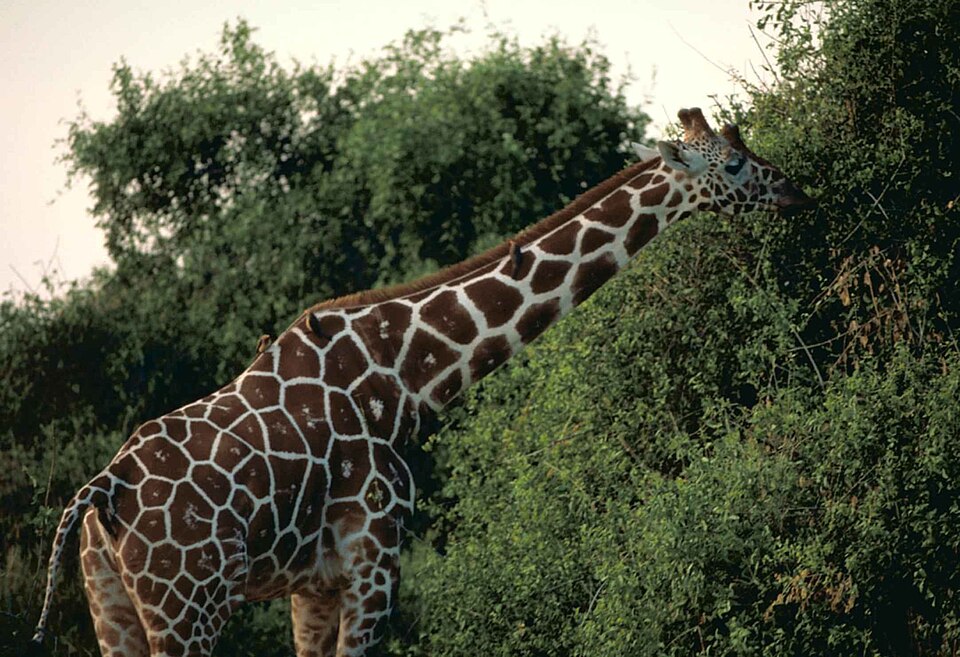
Reticulated giraffe
Giraffa reticulata
A northern Kenya giraffe with a geometric coat pattern, usually browsing taller vegetation.
Signature
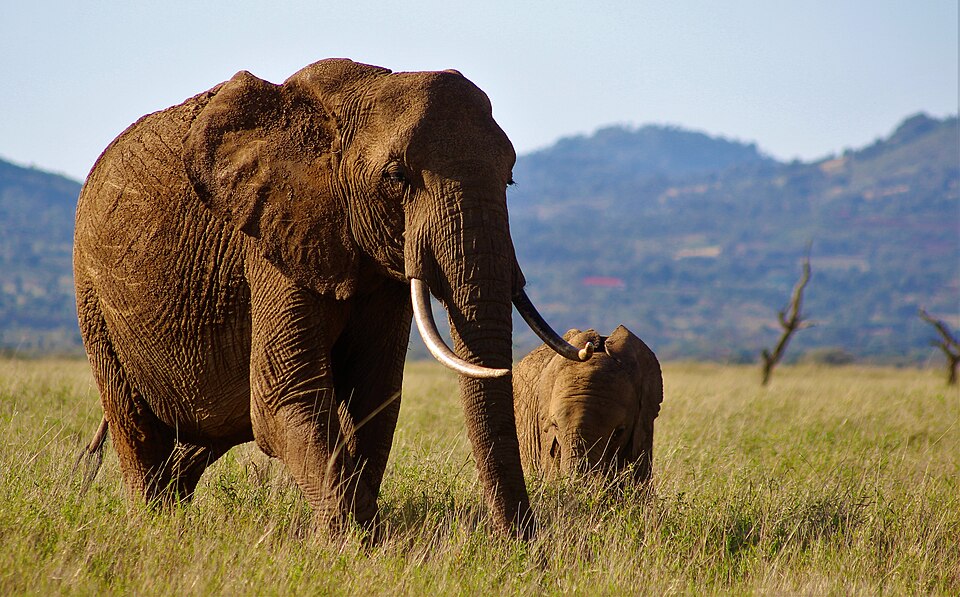
African savanna elephant
Loxodonta africana
Families travel through open grassland, woodland and corridors connected to the wider landscape.
Signature
African buffalo
Syncerus caffer
Powerful grazers that may gather in herds. Keep well clear on foot and in vehicles.
Signature
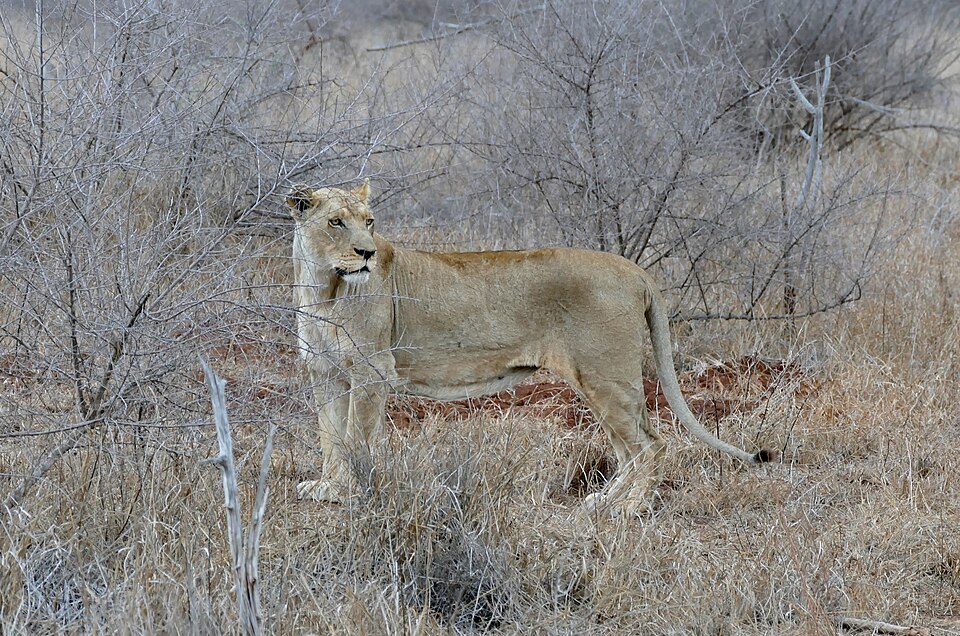
Lion
Panthera leo
Resident predator; early drives and listening to guides improve the chance of an encounter.
Predators
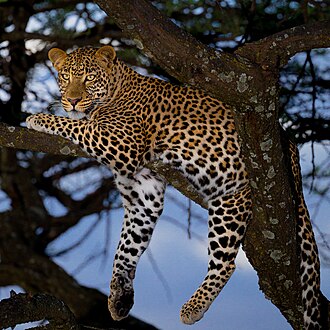
Leopard
Panthera pardus
Secretive and less predictable; watch rocky cover and mature trees without disturbing wildlife.
Predators
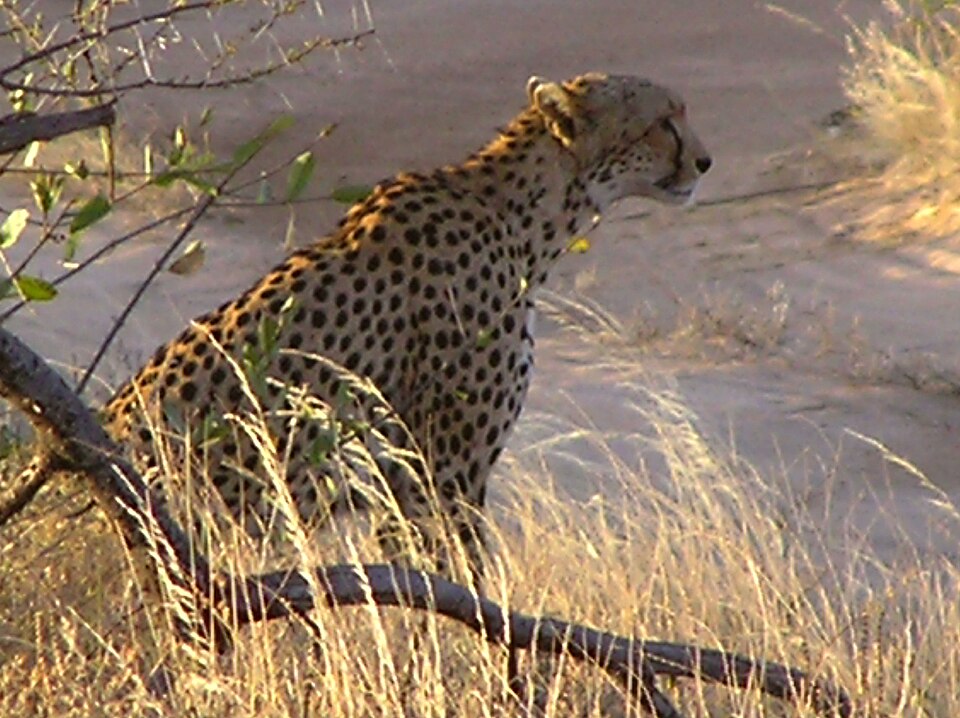
Cheetah
Acinonyx jubatus
An open-country cat; sightings depend on prey movements and visibility.
Predators
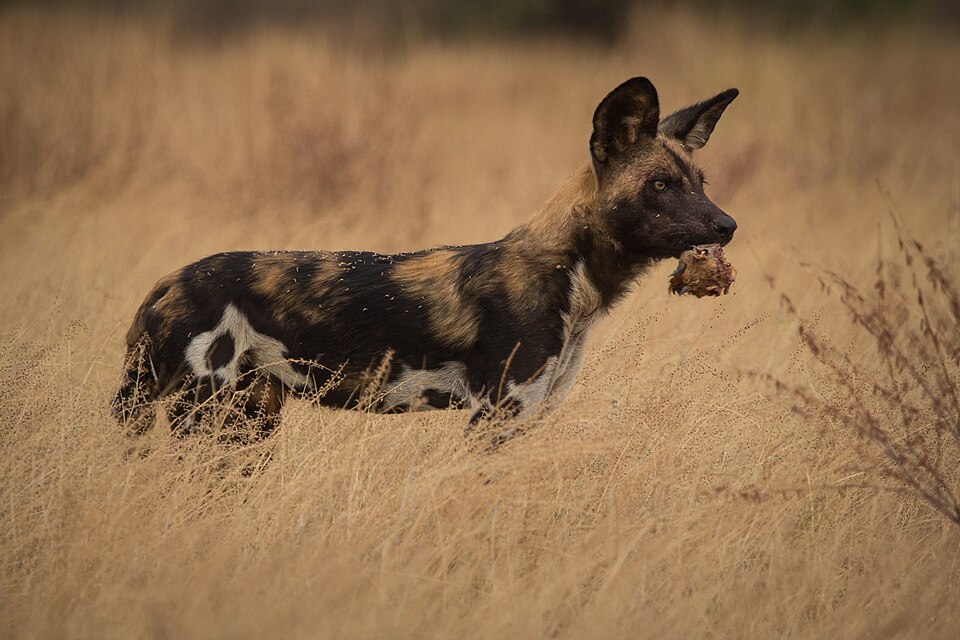
African wild dog
Lycaon pictus
Occasional visitor to the wider Lewa landscape, not a sighting to plan a trip around.
Predators
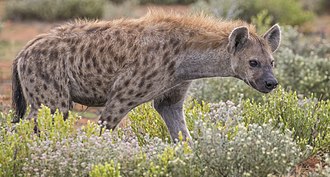
Spotted hyena
Crocuta crocuta
A major carnivore and scavenger; often active around dawn and dusk.
Predators
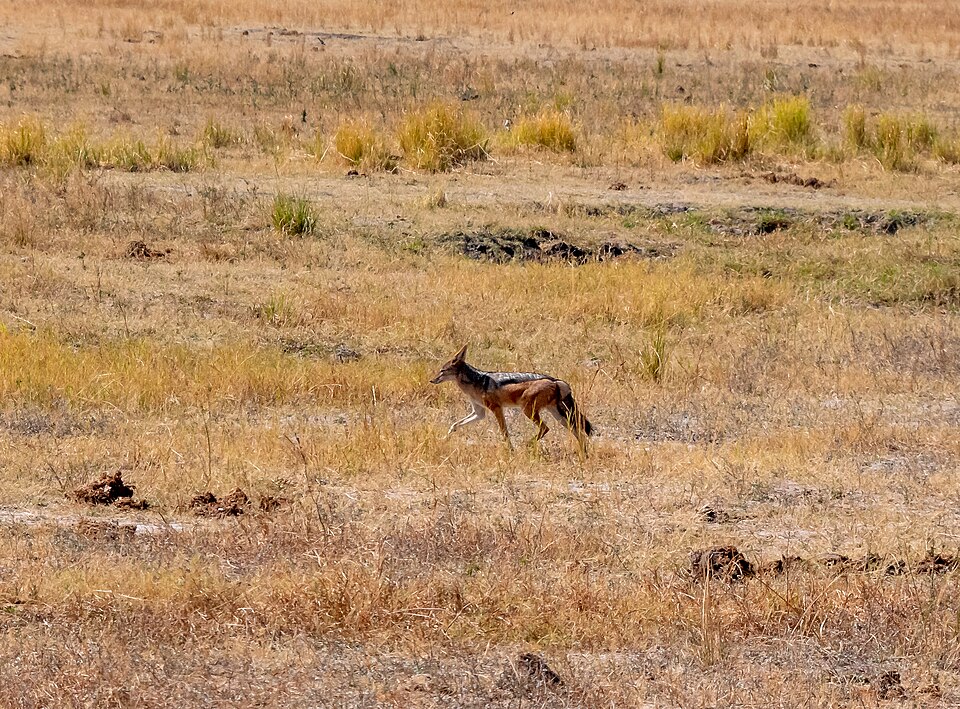
Black-backed jackal
Lupulella mesomelas
Small canid of open ground and bush, often moving singly or in pairs.
Predators
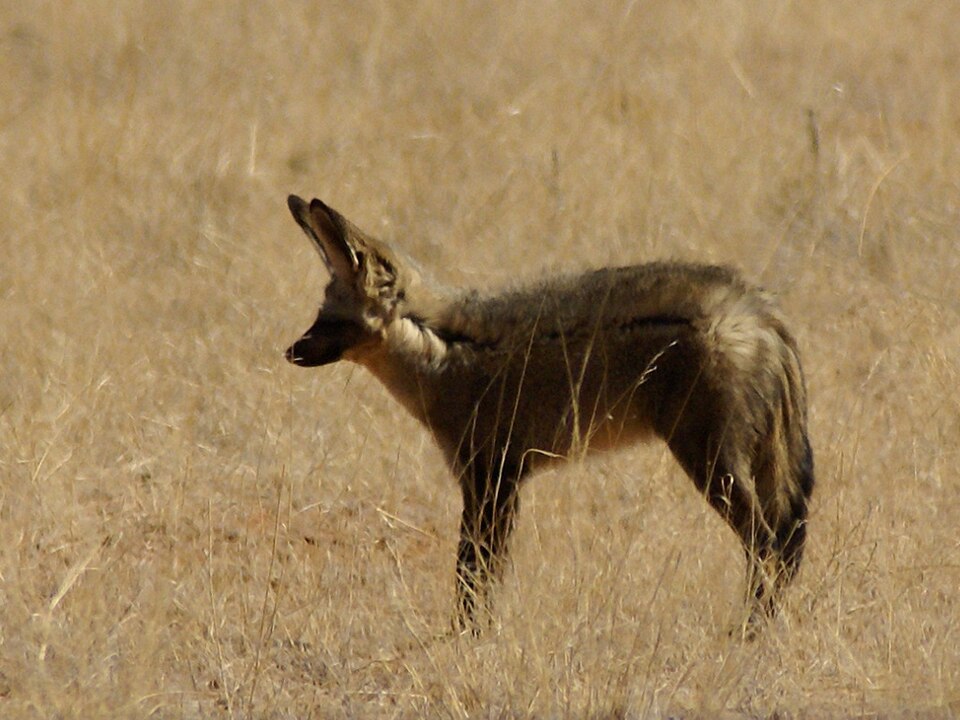
Bat-eared fox
Otocyon megalotis
A small insect-eating fox worth scanning for in suitable grassland.
Predators
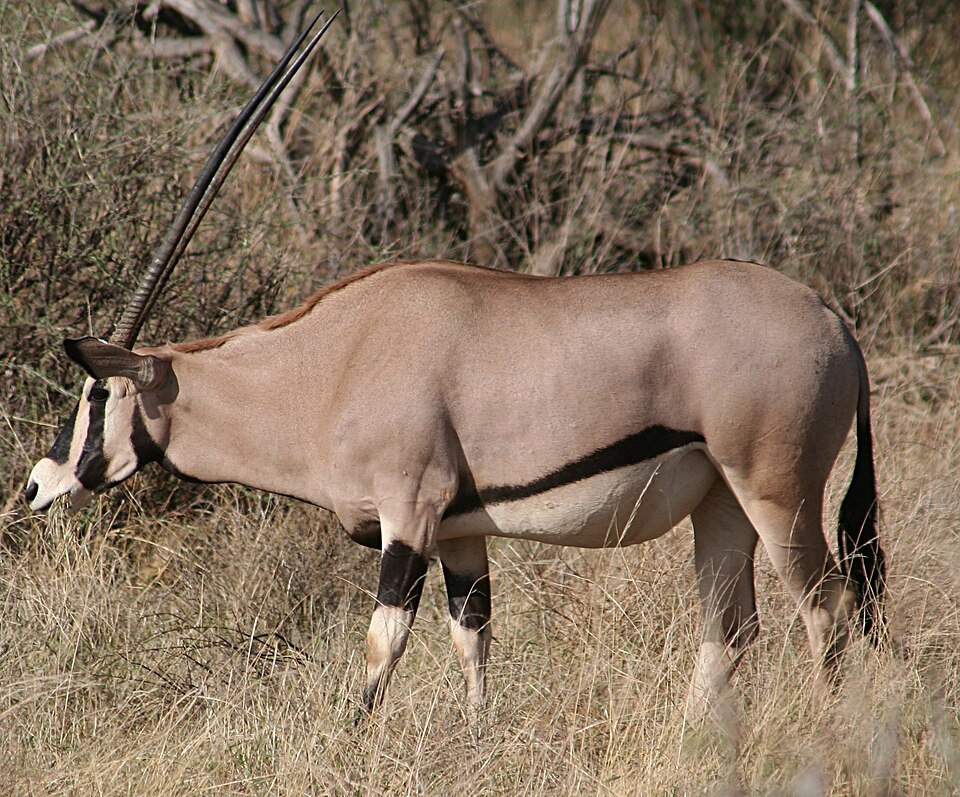
Beisa oryx
Oryx beisa
Elegant long-horned antelope adapted to drier northern habitats.
Grazers & browsers
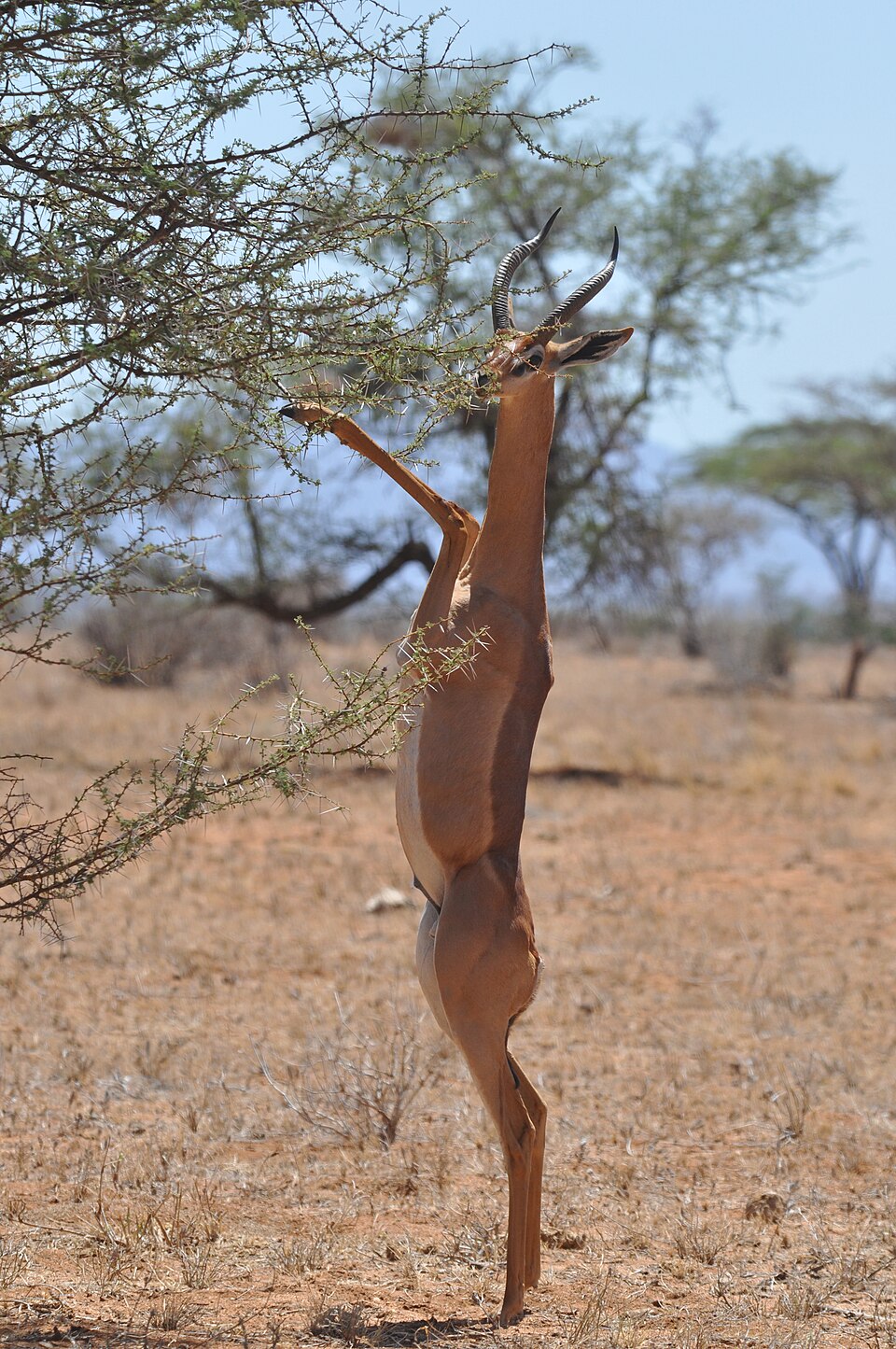
Gerenuk
Litocranius walleri
Long-necked browser that sometimes stands on its hind legs to reach leaves.
Grazers & browsers
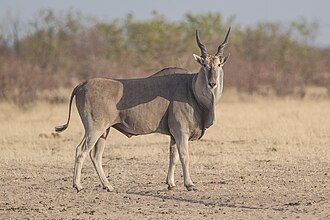
Common eland
Taurotragus oryx
Africa’s largest antelope; surprisingly agile despite its size.
Grazers & browsers
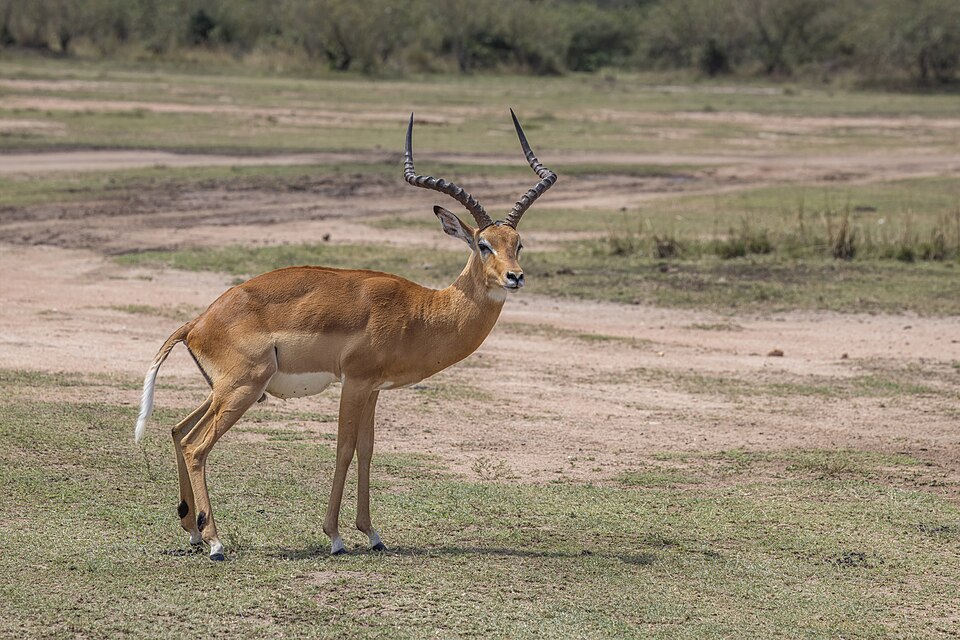
Impala
Aepyceros melampus
Agile antelope associated with savanna edges and light woodland.
Grazers & browsers
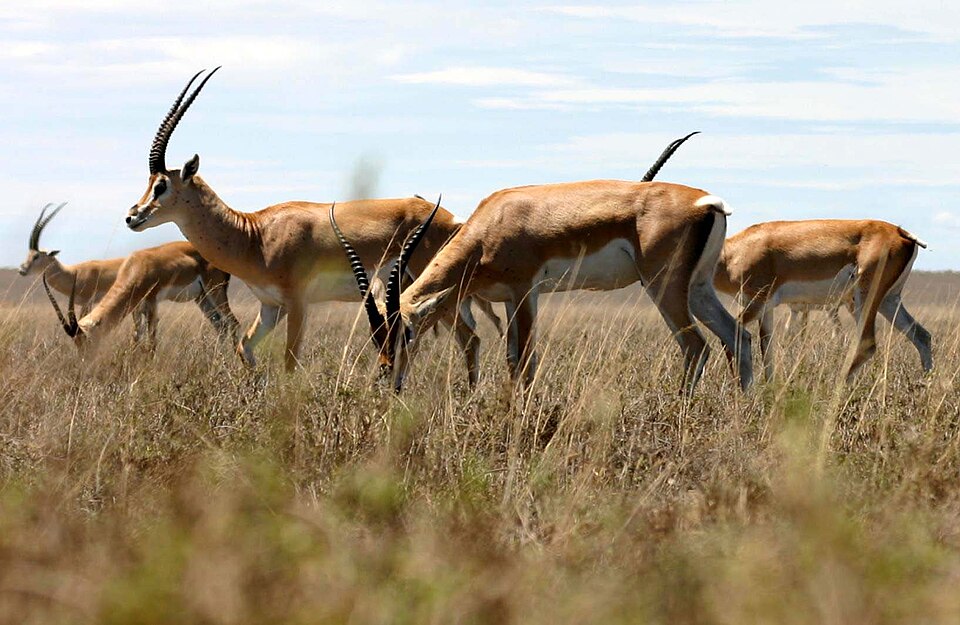
Grant’s gazelle
Nanger granti
Look for this gazelle in open, dry grassland; distinguish it from smaller antelope.
Grazers & browsers
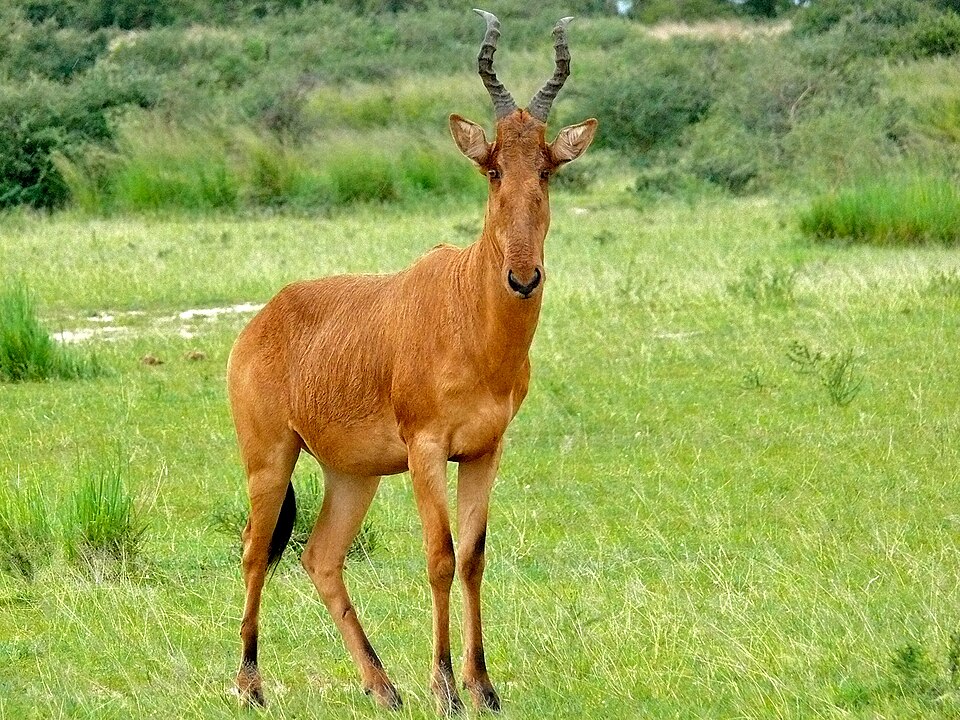
Lelwel hartebeest
Alcelaphus buselaphus lelwel
Distinctive sloping back and long face; part of Lewa’s monitored ungulates.
Grazers & browsers
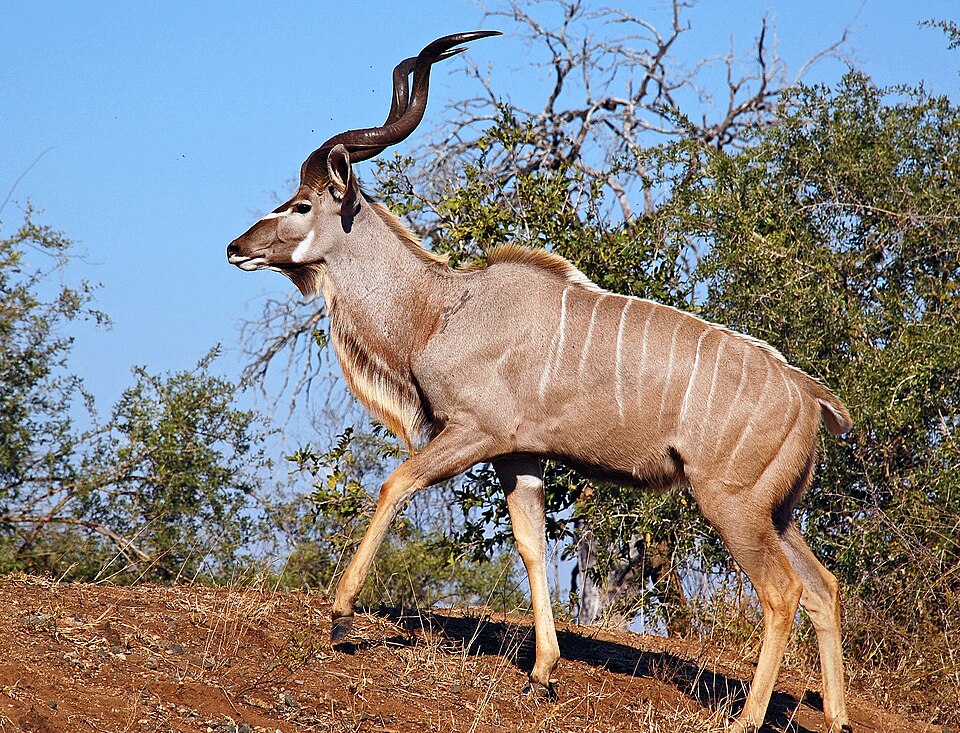
Greater kudu
Tragelaphus strepsiceros
A shy woodland antelope; adult males carry impressive spiral horns.
Grazers & browsers
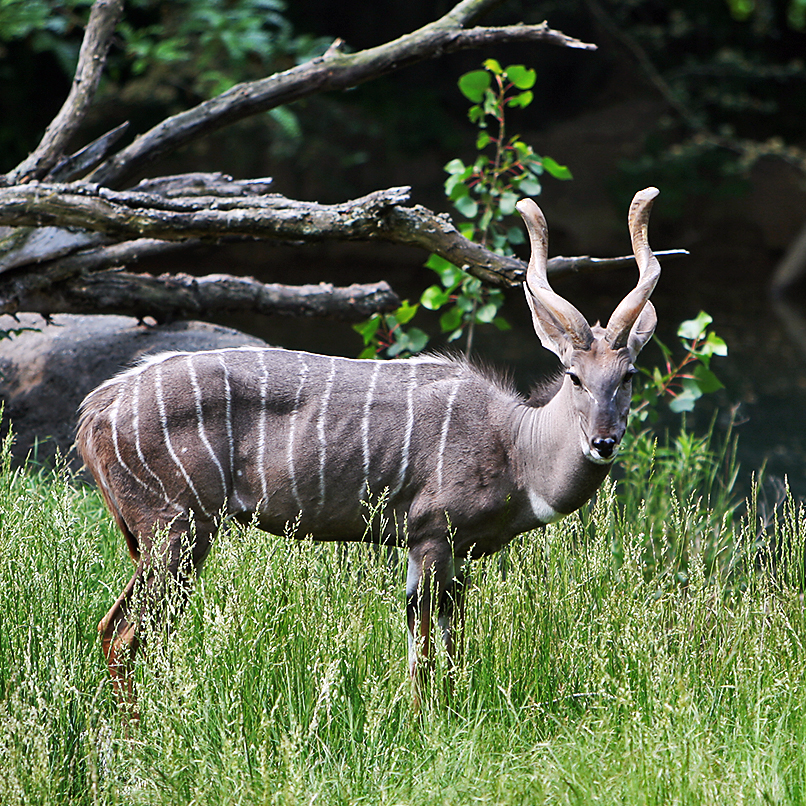
Lesser kudu
Tragelaphus imberbis
A more elusive striped browser of dense bush and dry woodland.
Grazers & browsers
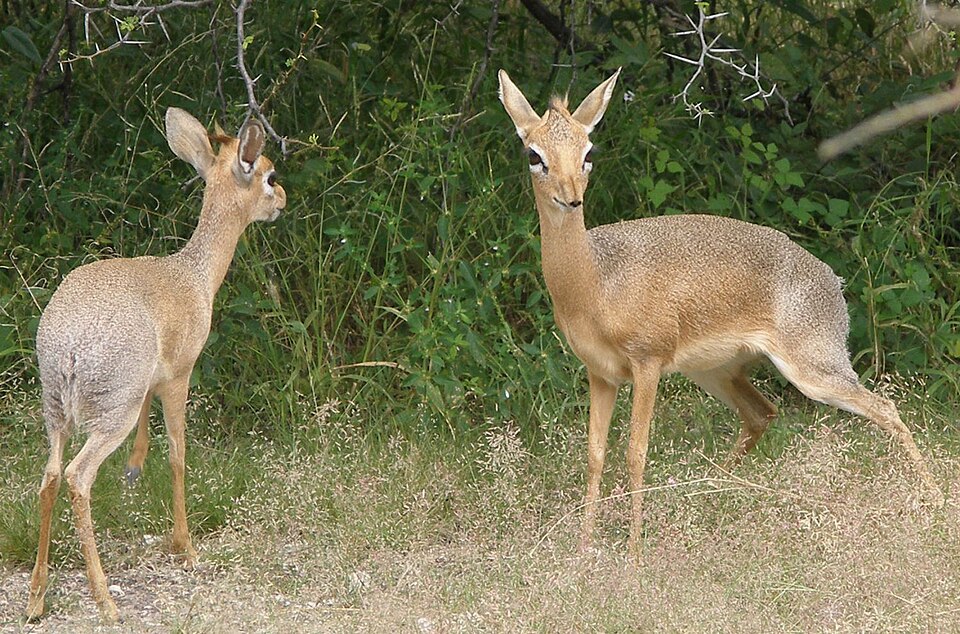
Kirk’s dik-dik
Madoqua kirkii
Tiny antelope often seen as a pair darting into thorn scrub.
Grazers & browsers
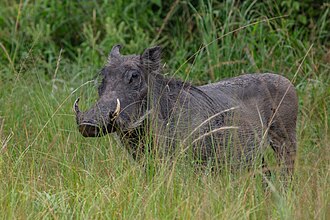
Common warthog
Phacochoerus africanus
Often trots with tail erect; a familiar grazer around open tracks.
Grazers & browsers
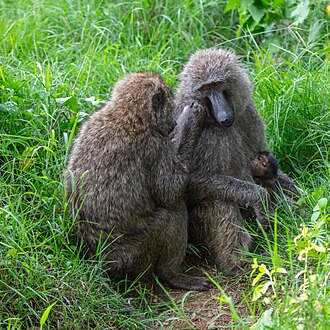
Olive baboon
Papio anubis
Social primate near woodland and water. Never feed or leave food unsecured.
Grazers & browsers
10 birds to recognise around Borana
Borana Lodge describes a long-running bird list of close to 400 species across habitats. These ten are illustrative regional identification profiles, from grassland raptors to colourful dryland birds; seasonal occurrence and sightings differ. Always confirm birds with a local guide before adding them to a Borana trip list.
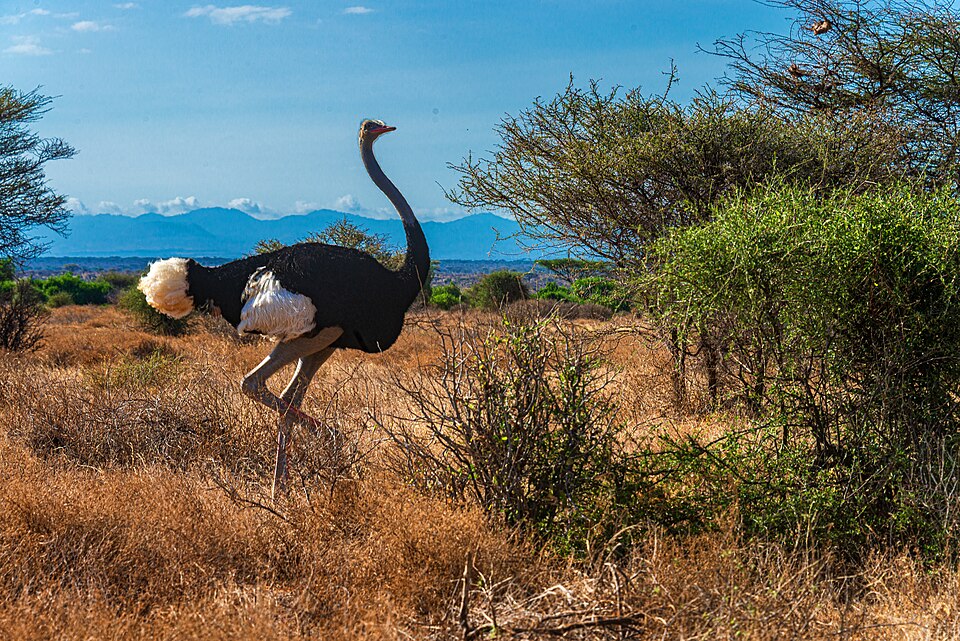
Somali ostrich
Struthio molybdophanes
Northern-specialty bird of dry open ground.
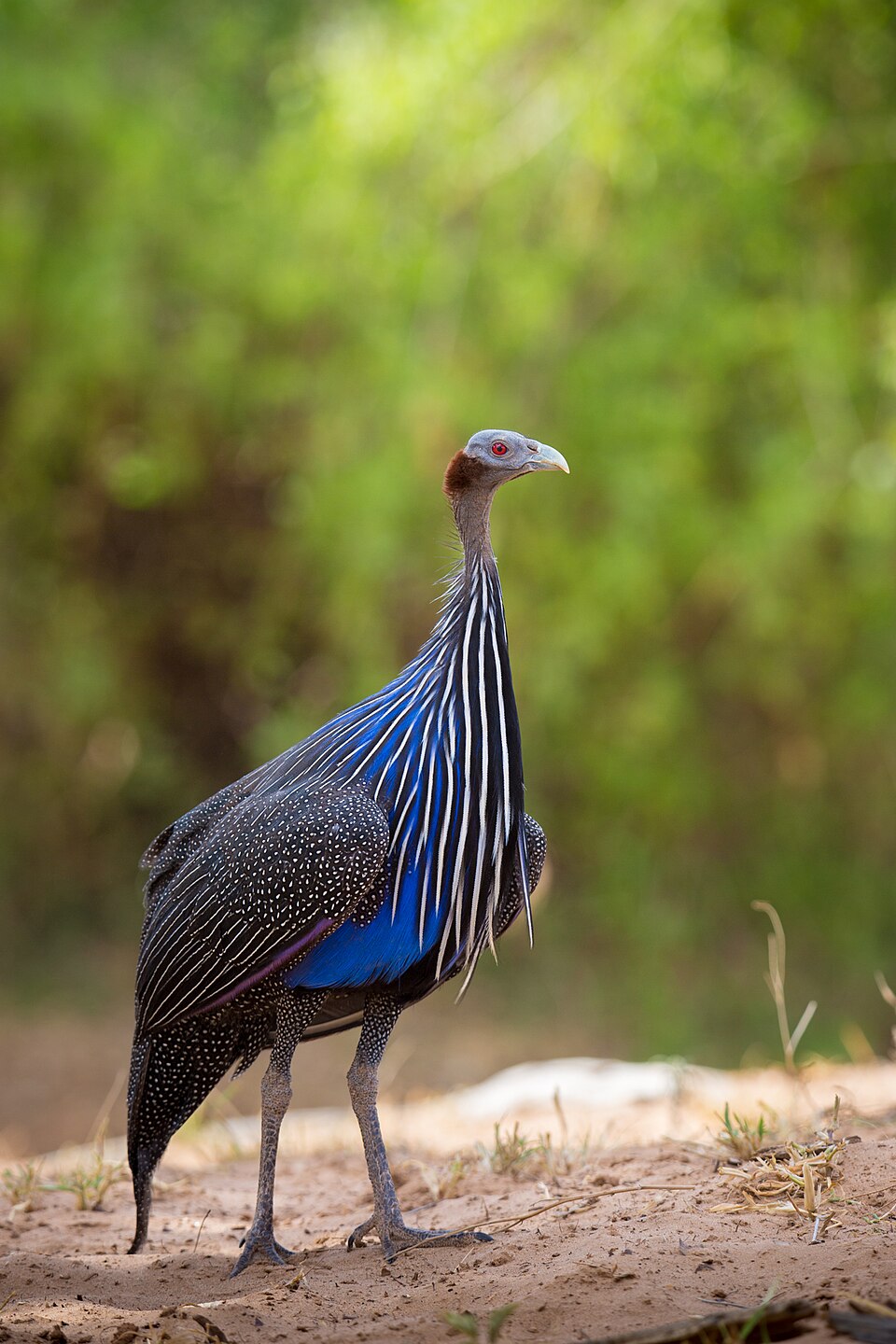
Vulturine guineafowl
Acryllium vulturinum
Electric-blue breast and striking neck feathers.
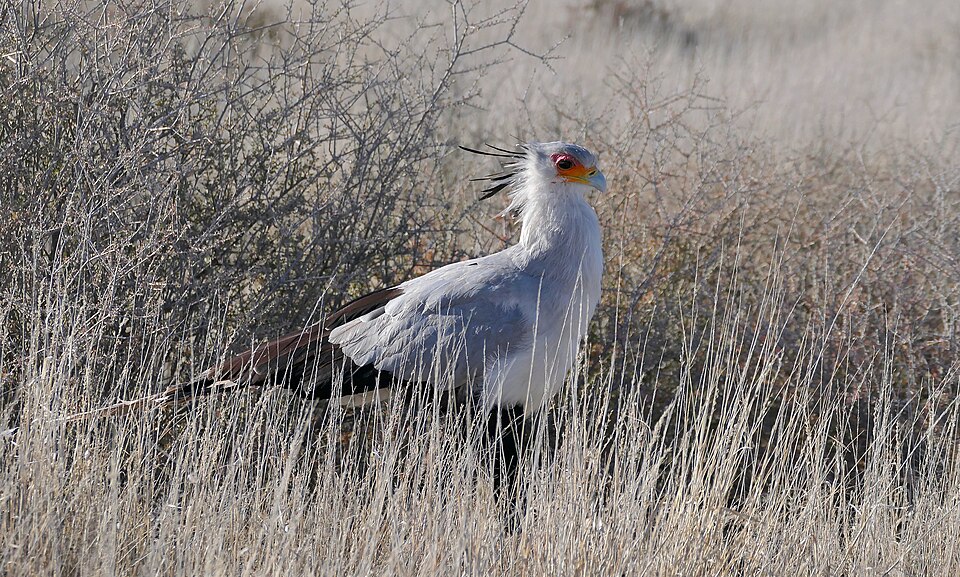
Secretarybird
Sagittarius serpentarius
Long-legged raptor that hunts on foot across open plains.

Martial eagle
Polemaetus bellicosus
Large raptor; scan trees and skies with binoculars.
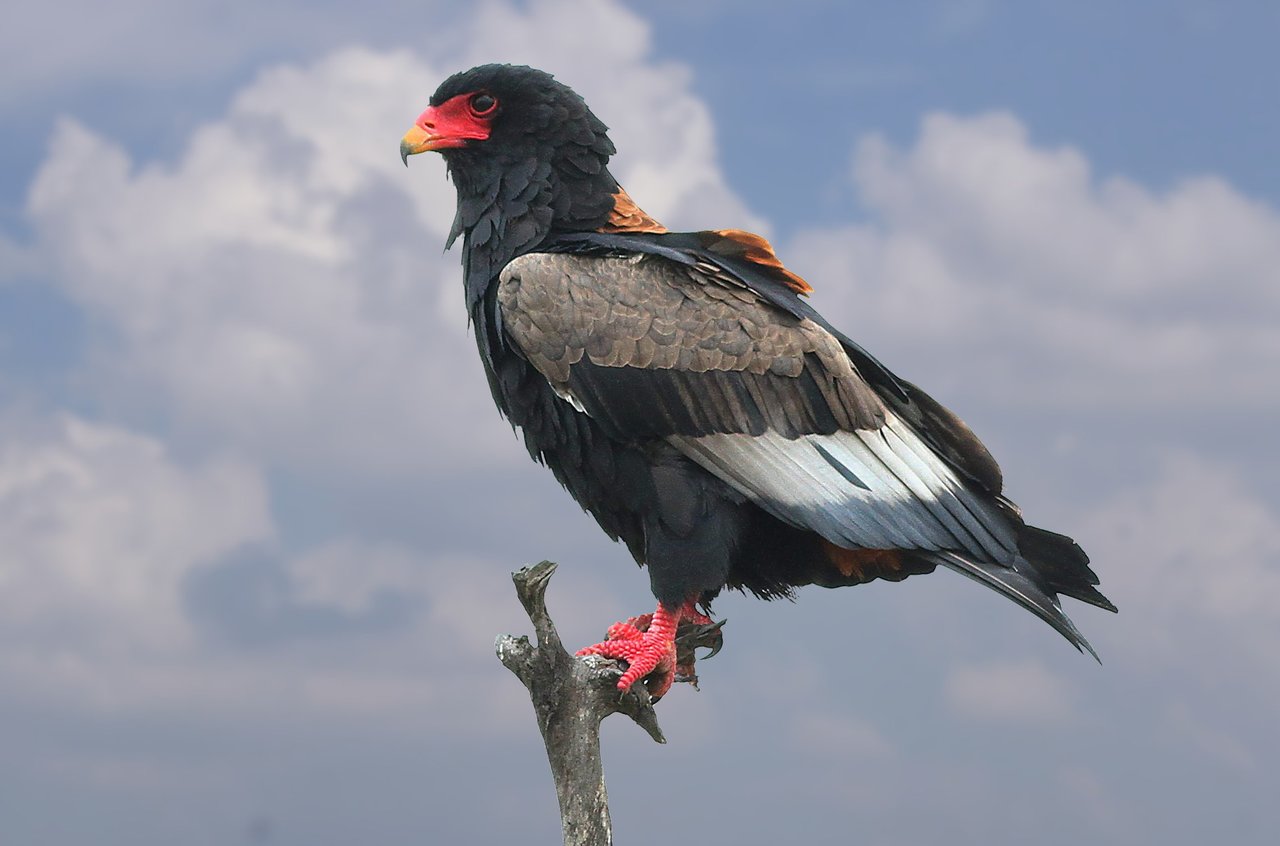
Bateleur
Terathopius ecaudatus
Short-tailed eagle with a distinctive tilting flight.
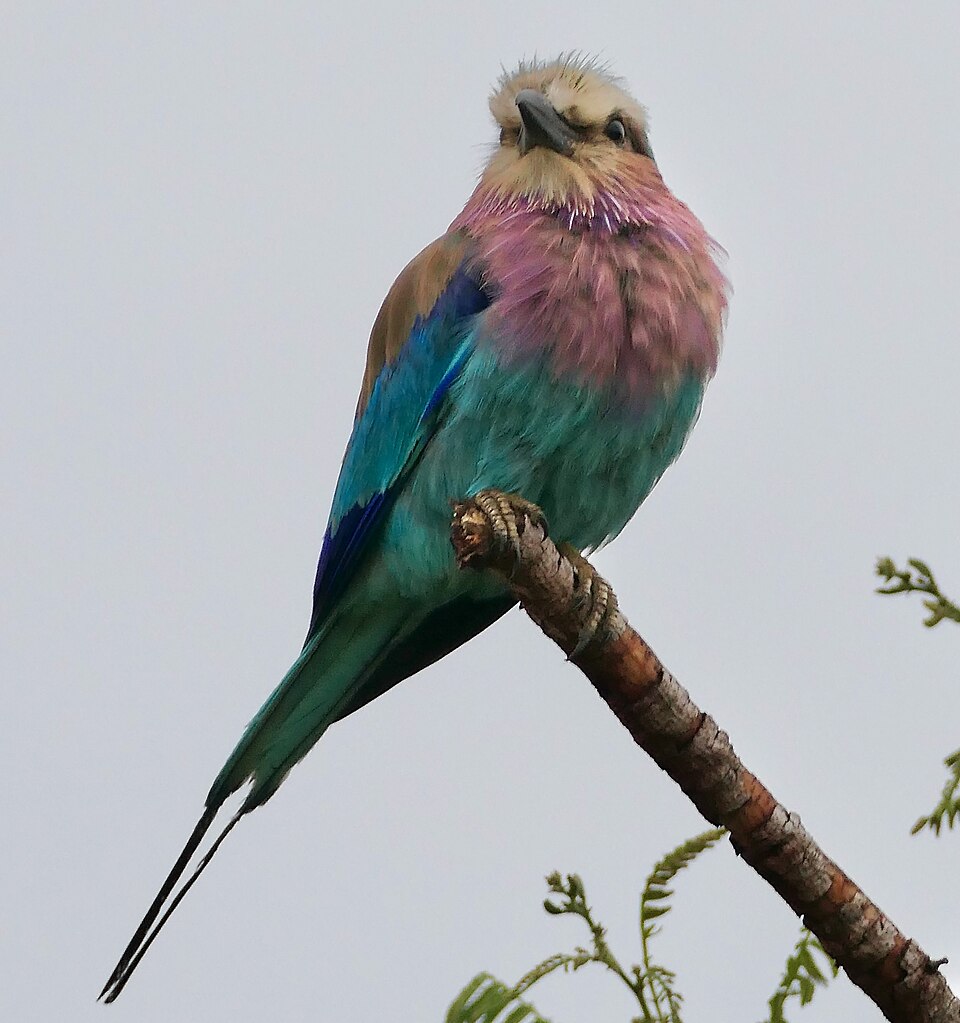
Lilac-breasted roller
Coracias caudatus
Colourful roadside bird that hunts from exposed perches.
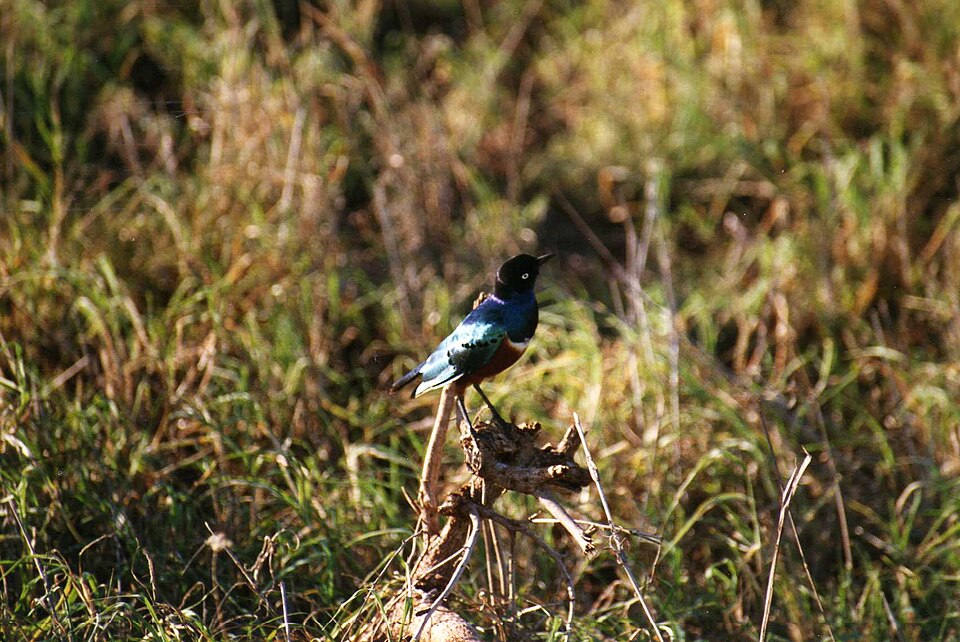
Superb starling
Lamprotornis superbus
Iridescent blue and orange; often near camp areas.
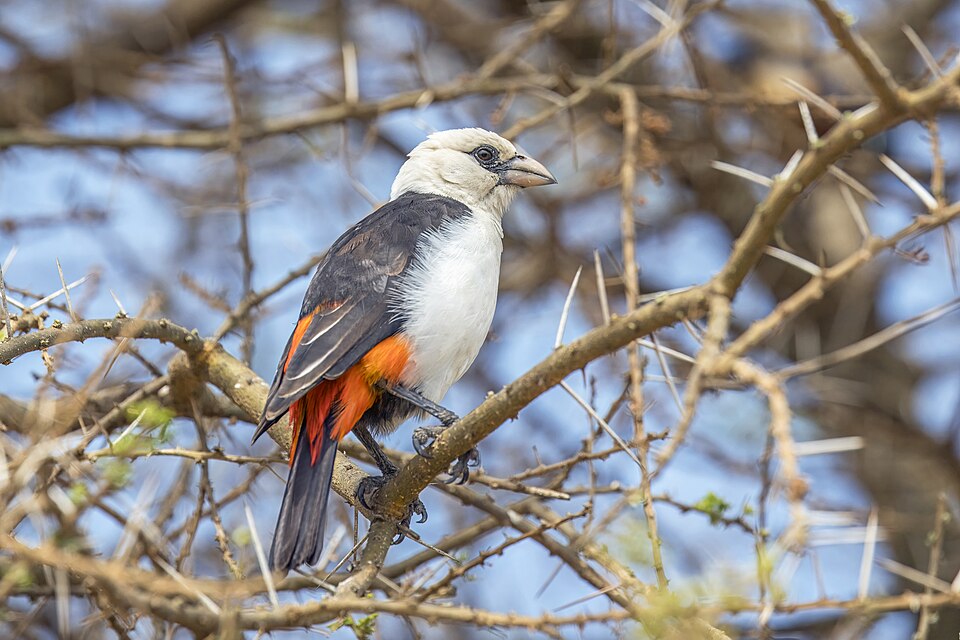
White-headed buffalo weaver
Dinemellia dinemelli
Dry-country weaver, frequently seen in thorn trees.
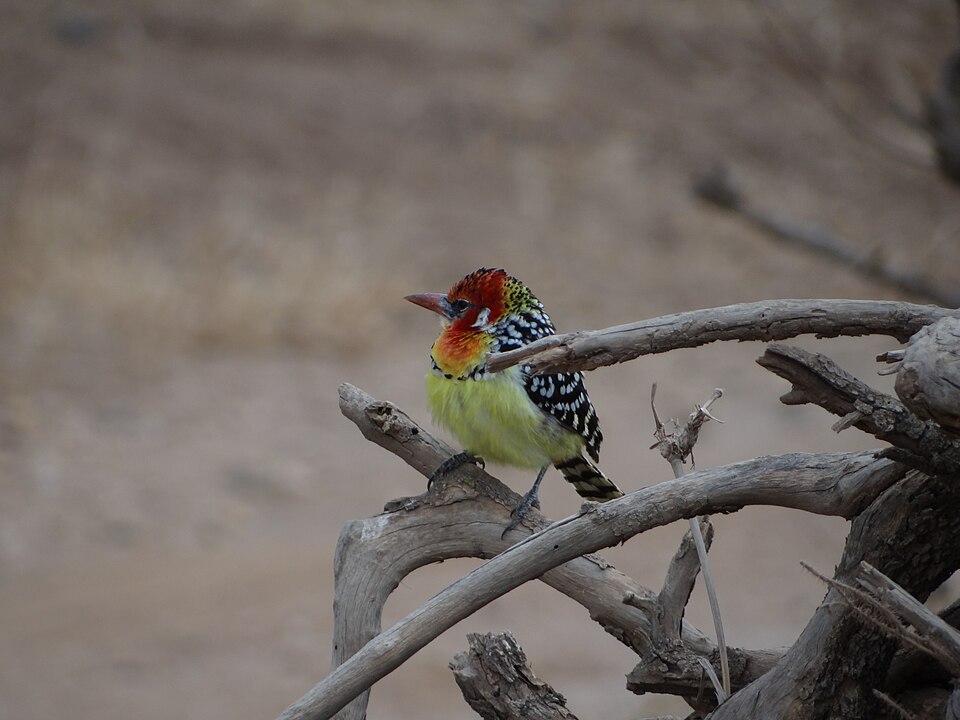
Red-and-yellow barbet
Trachyphonus erythrocephalus
A bold patterned bird of dry northern bush.
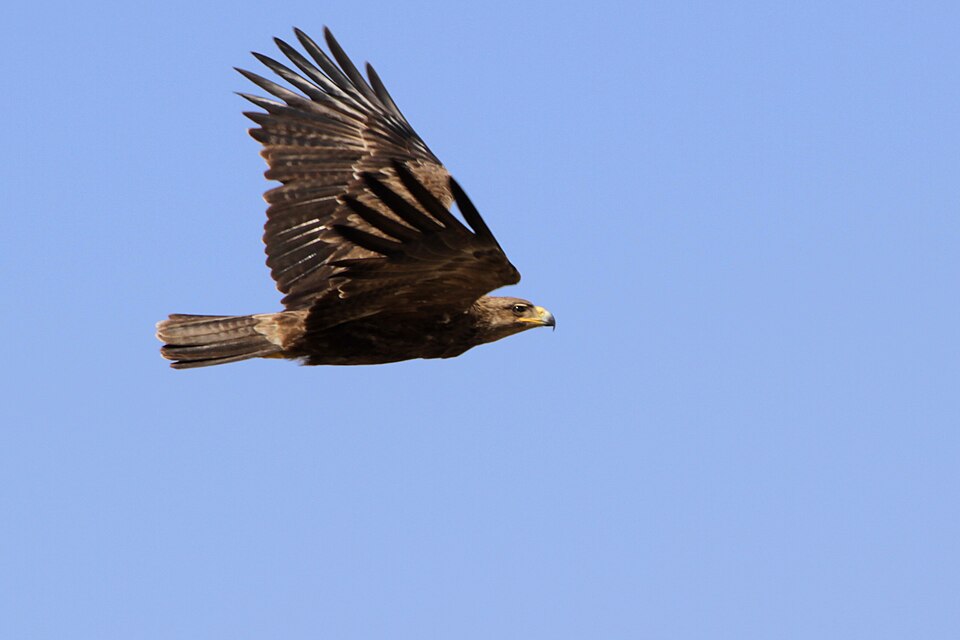
Tawny eagle
Aquila rapax
Broad-winged scavenger and hunter seen in open savanna.
10 trees, shrubs & grassland plants
Rangeland, riverine pockets, dry thorn woodland and forest edge support Borana’s grazing and browsing fauna. The following species and growth forms are regional habitat examples, not a parcel-by-parcel botanical census. Images are identification references; some were taken outside Borana.
Trees, shrubs and understory
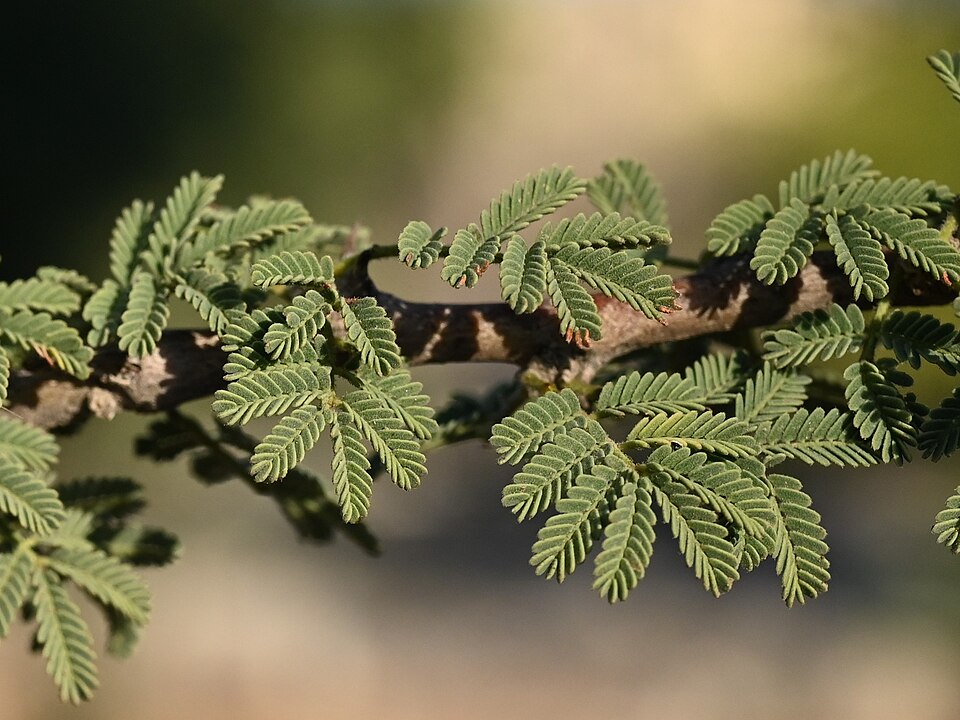
Umbrella thorn
Vachellia tortilis
Classic spreading savanna canopy, important shade and browse.
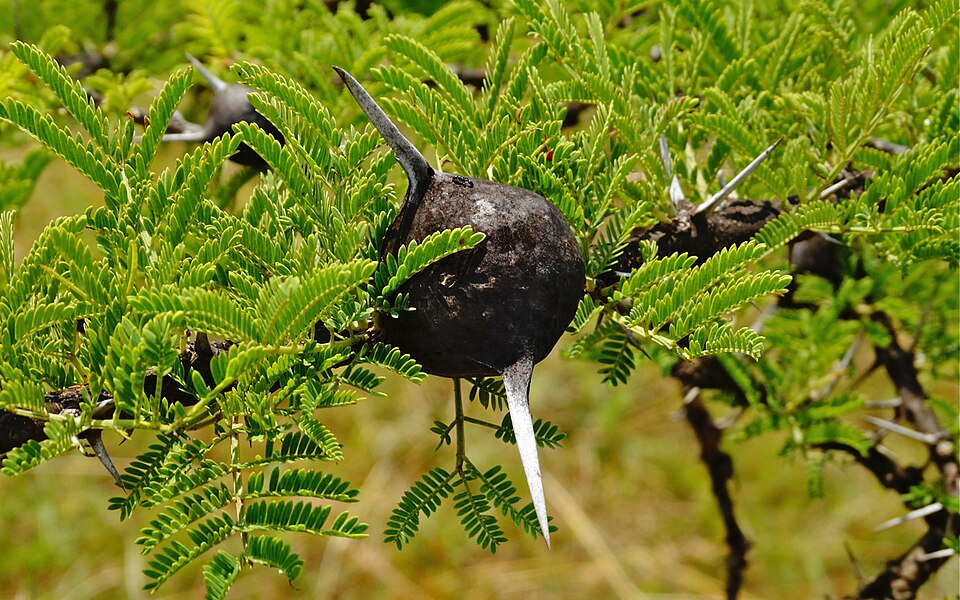
Whistling thorn
Vachellia drepanolobium
Ant-associated thorn tree typical of parts of Kenya’s high savanna.
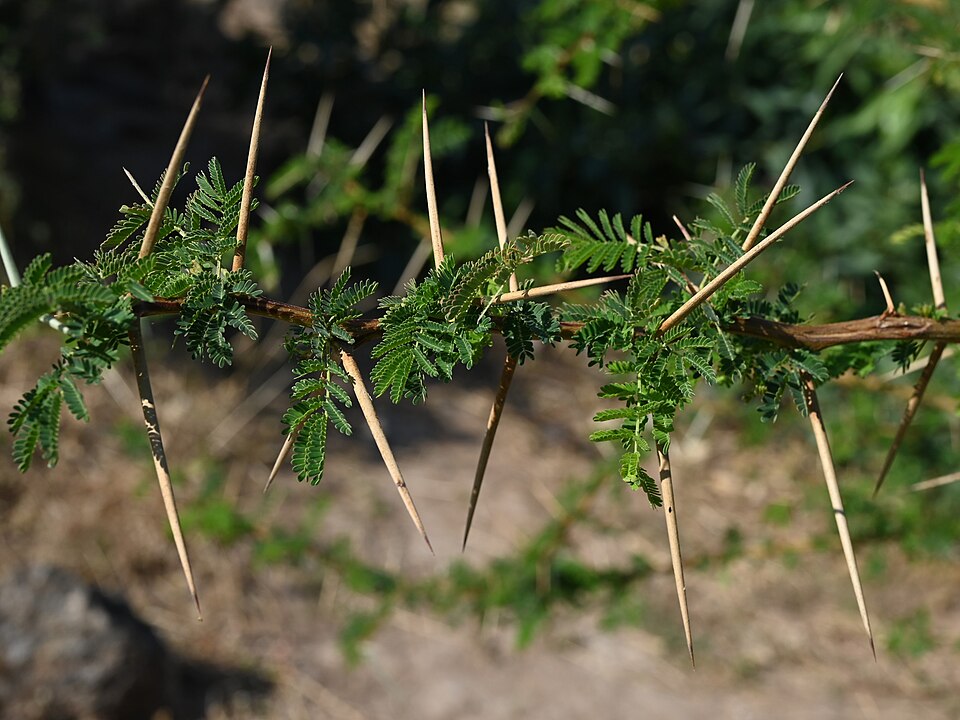
Gum arabic acacia
Senegalia senegal
Dryland thorn tree in suitable northern woodland.
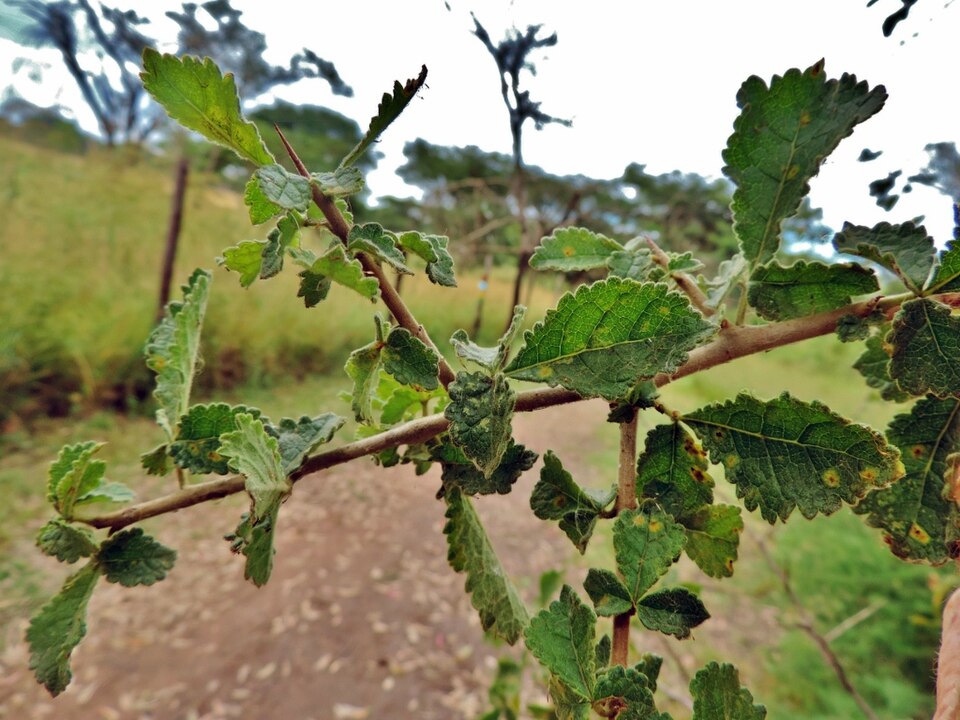
Commiphora shrubs
Commiphora spp.
Aromatic resin-bearing trees and shrubs of drier habitat.
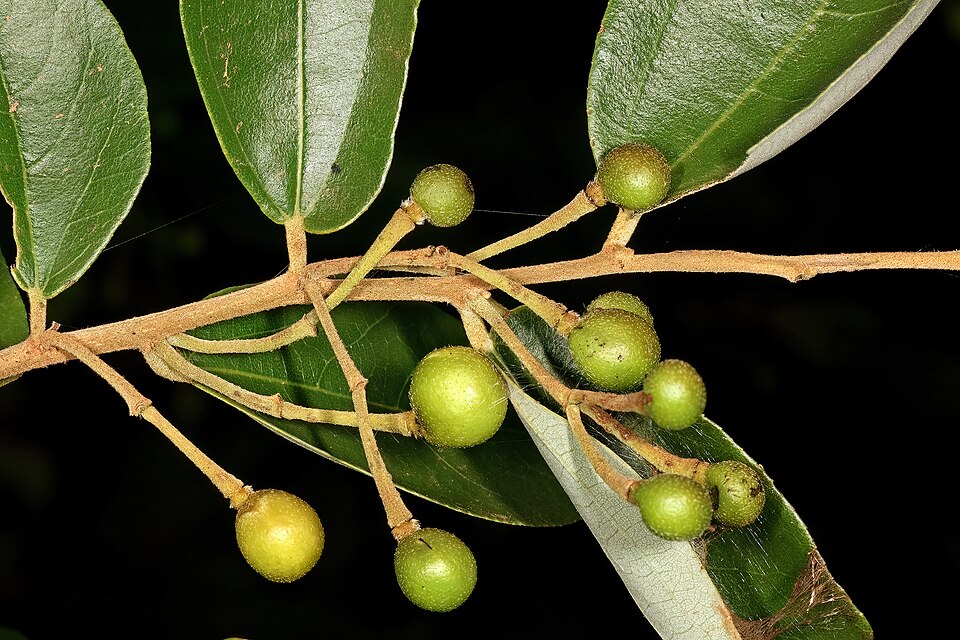
Grewia shrubs
Grewia spp.
Browse and seasonal fruit in bushland.
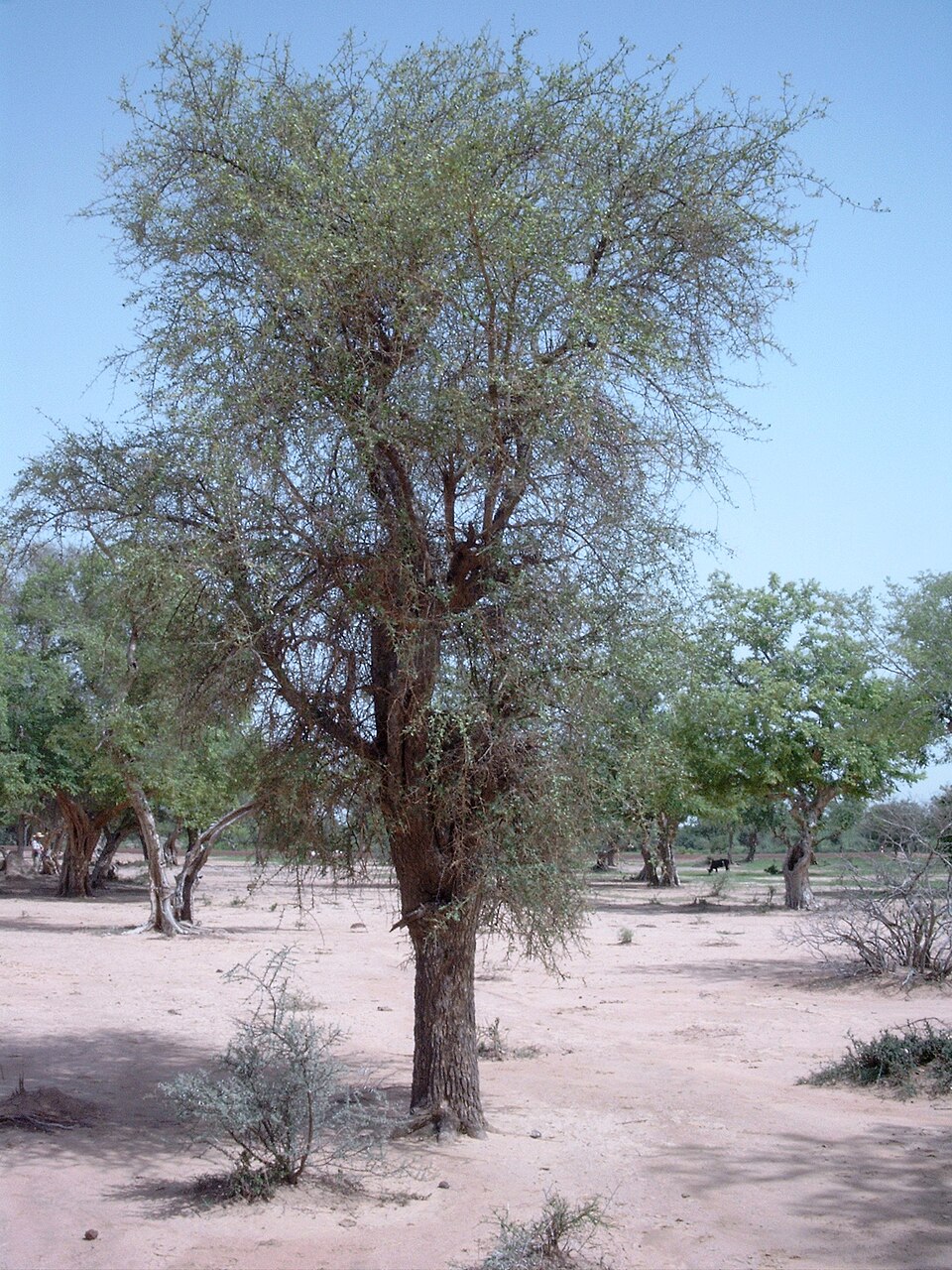
Balanites / desert date
Balanites aegyptiaca
Drought-adapted tree in suitable dry zones.
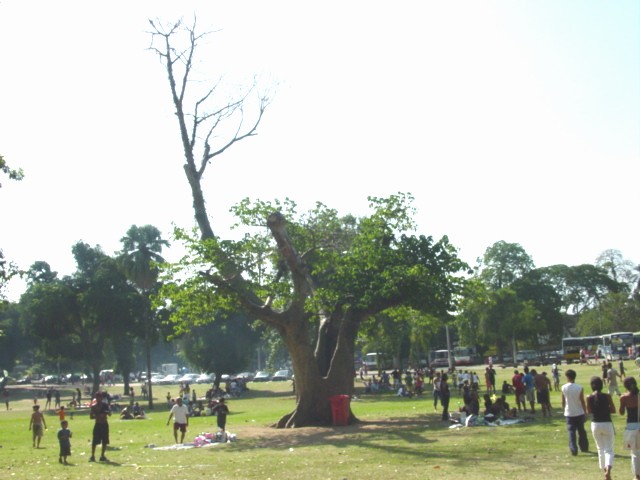
Riverine figs
Ficus spp.
Fruit-bearing trees that support birds and mammals near wetter ground.
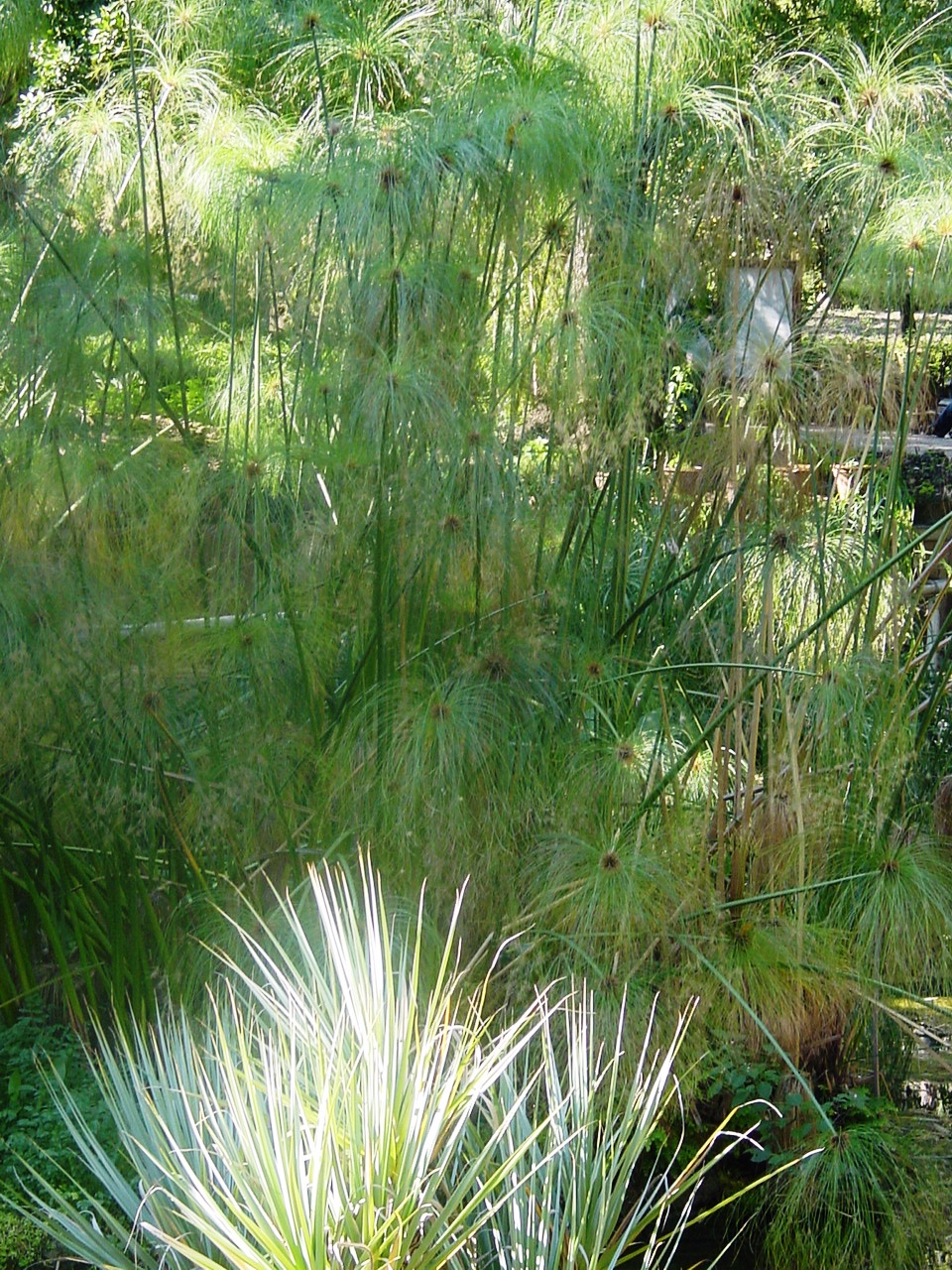
Sedge and rush margins
Cyperaceae and related families
Seasonal wet patches shelter insects, frogs and birds.
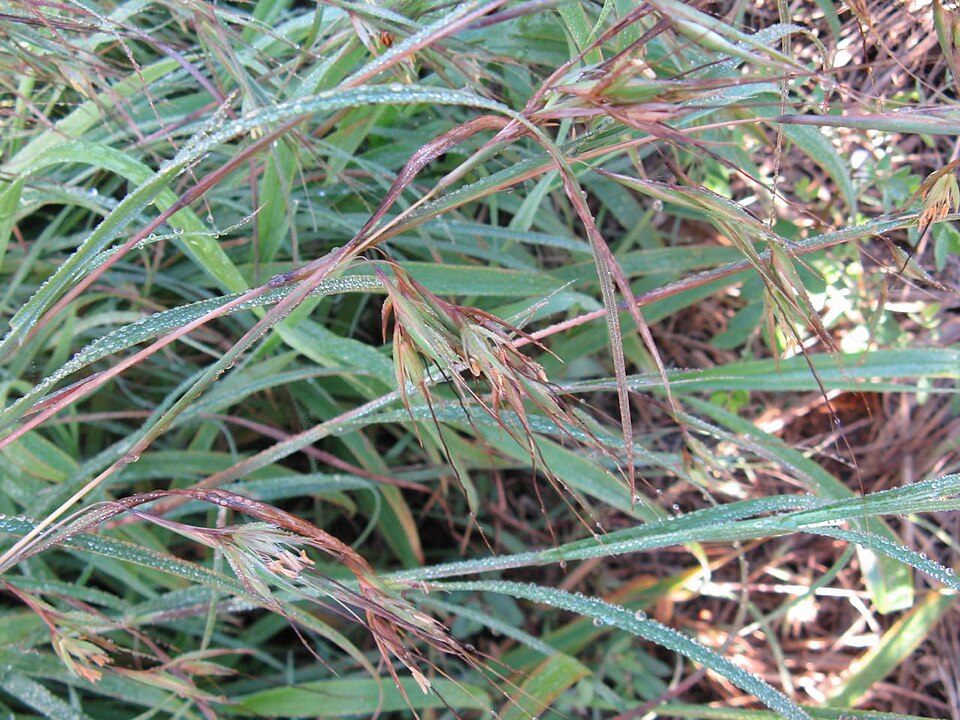
Red oat grass
Themeda triandra
Savanna grass associated with mixed grazing landscapes.
Mixed native grasses
Poaceae
The grass layer underpins zebra, antelope and rhino grazing.
Things to do at Borana Conservancy
Game drives, day and night
Book a guided drive around the property’s privately managed trails. Ask your host about legal hours, night-drive availability and photography stops.
Rhino and ranger experiences
Learn about monitoring, habitat protection and conservation operations through approved guided activities; participation may be restricted for security or wildlife-welfare reasons.
Walking safaris
Explore tracks, botany and habitat with an authorised guide. Wildlife proximity, route and ages are subject to safety decisions.
Horse riding and e-biking
Known Borana experiences for suitable skill levels; confirm any restrictions, equipment and additional charges.
Pride Rock viewpoints
A guided sunrise or sunset viewpoint excursion; do not use an unverified GPS coordinate as a public trailhead.
Ngare Ndare Forest
Waterfalls, blue pools and a canopy walkway in a separate forest area with its own bookings and charges. Arrange with your lodge or forest team.
Explore official activities: Borana Lodge activities and current inclusions and extras.
Borana lodges, private houses & Expedia hotels
For actual Borana safari access, book an in-conservancy host. The conservancy directory lists five accommodation properties; Sirai House is also listed as a nearby private home and appears mapped within the Borana landscape. Availability, suitability, fees and minimum stays vary, so book directly with the correct operator.
| Property | Best for | Official booking |
|---|---|---|
| Borana Lodge | Couples, families and guided activities; room-by-room stays | Borana Lodge |
| Laragai House | Large families and private groups; exclusive use | Laragai House |
| Lengishu | Exclusive-use luxury family home | Lengishu |
| Arijiju | Design-led exclusive-use retreat | Arijiju |
| Fuzz’s Camp | Private tented camp for groups | Conservancy directory |
| Sirai House | Exclusive-use villa in the neighbouring landscape | Sirai House |
Expedia booking options outside Borana
The Expedia options below are not Borana access packages. They help with pre/post-safari nights in Nanyuki or an additional stay in neighbouring Lewa. We have not represented any private Borana house as Expedia-bookable without a verified listing.
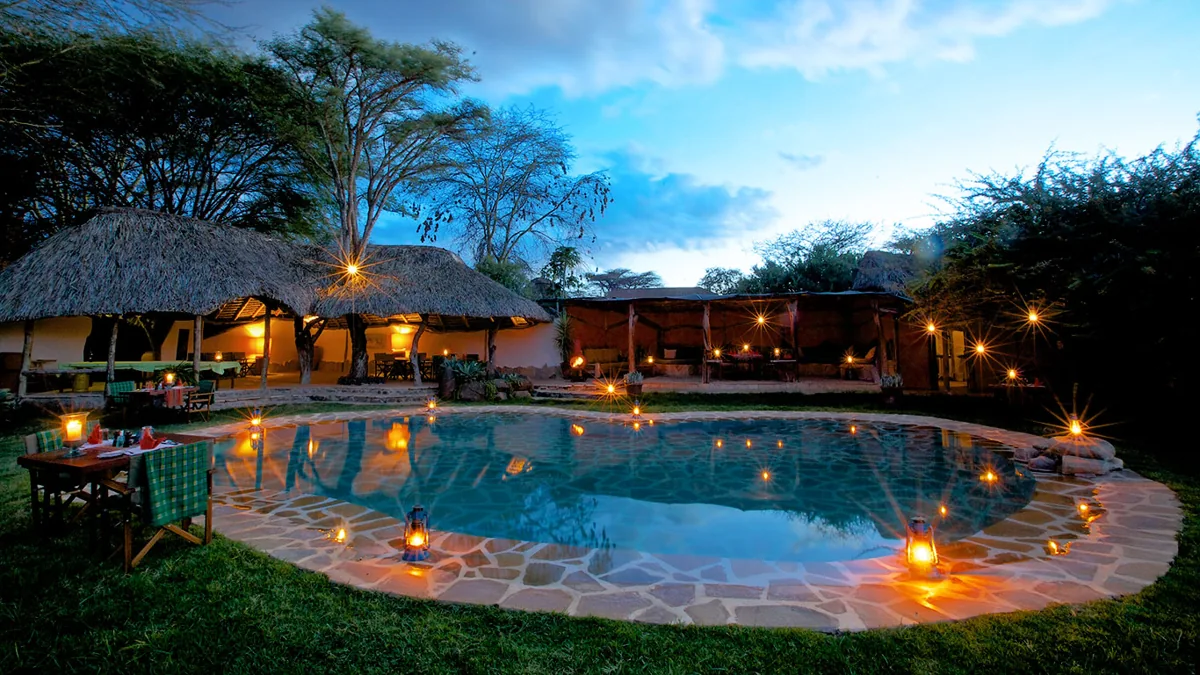
Elewana Lewa Safari Camp
A luxury safari camp in neighbouring Lewa, not Borana. A reasonable additional stop on a northern Kenya conservation itinerary, but a stay here does not independently grant Borana entry.
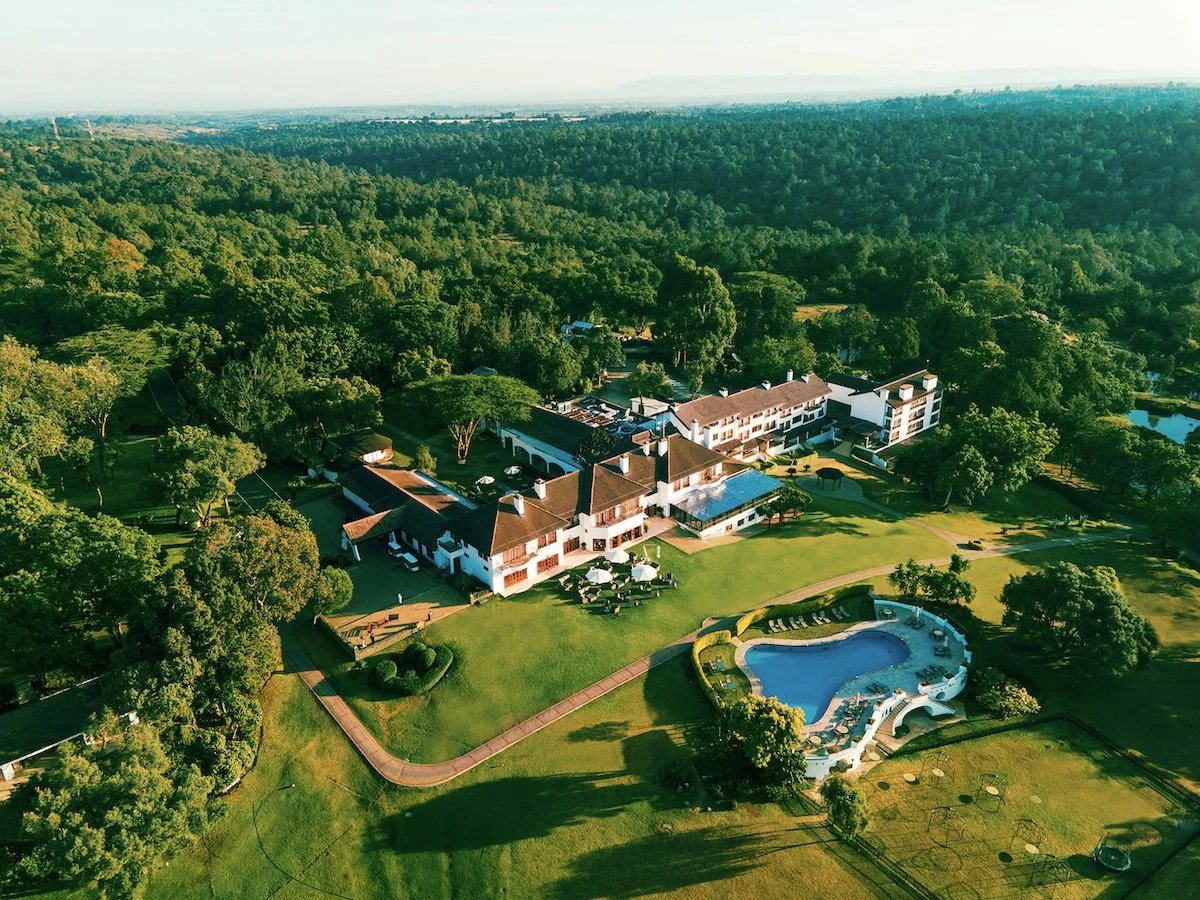
Fairmont Mount Kenya Safari Club
A Mount Kenya-area hotel for arriving early, resting after a safari or adding a different style of accommodation. Outside Borana: arrange conservancy access separately.
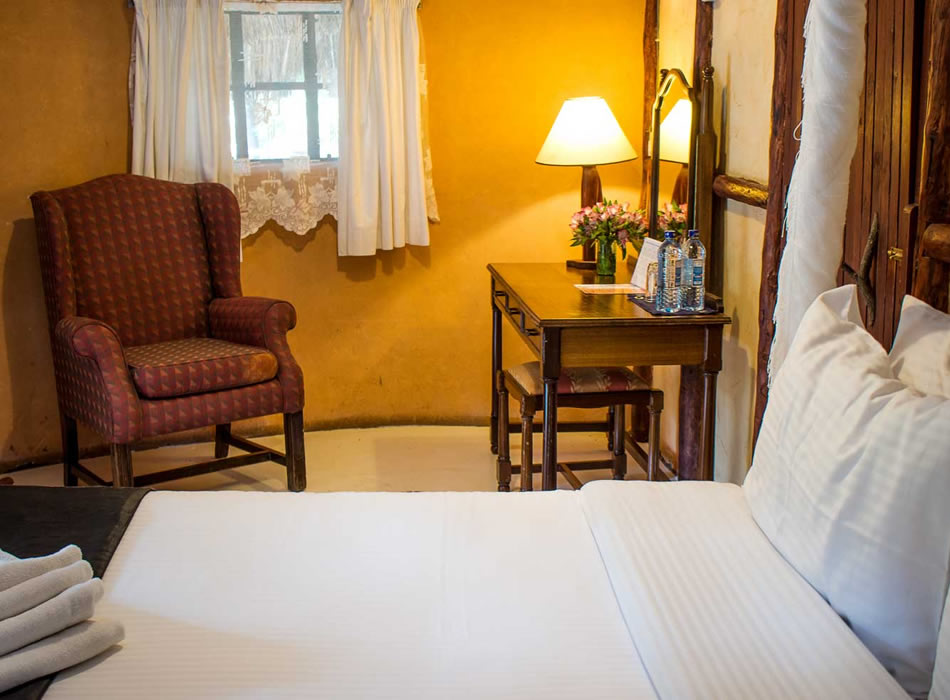
Kongoni Camp Nanyuki
A convenient Nanyuki hotel for staging road transfers or short regional visits. It is not an in-conservancy lodge; ask your Borana host about onward arrangements.
Official Borana accommodation directory · Borana Lodge 2026 rates.
Borana Conservancy FAQ
Can you enter Borana Conservancy as a day visitor?
Borana is privately managed and does not publish a general public day-visitor gate tariff. Do not drive to an unverified entrance expecting access; arrange any proposed visit with Borana Conservancy or an approved host.
What is the Borana Conservancy entry fee for 2026?
There is no single published public KWS-style gate fee. Borana Lodge instead publishes accommodation-inclusive rates containing a 24% conservation contribution. Rates for other properties and exceptional visits must be confirmed with the operators.
What is the best time for a Borana safari?
January through March and June through October are useful starting windows, but rains vary. The Borana Lodge team particularly recommends May, June and October for a quieter experience.
Where is Borana Conservancy?
Borana lies on the Laikipia Plateau on the northern slopes of Mount Kenya, bordering the connected Lewa-Borana conservation landscape and near Ngare Ndare Forest.
Is Borana part of Lewa Wildlife Conservancy?
No. They are neighbouring protected properties with connected wildlife habitat. A former fence was removed, but accommodation arrangements and visitor entry remain property-specific.
Can I self-drive through Borana?
Do not assume public self-drive access. Guided activities and transport are arranged through authorized lodge or conservancy hosts.
How do you fly to Borana?
Private charters may use the Borana Conservancy airstrip, while scheduled light-aircraft services to Lewa Downs can connect to a lodge-arranged game-drive transfer. Confirm airstrip availability and pick-up in writing.
Can children stay in Borana?
Yes; Borana Lodge and some private houses host families. Activities such as walking, riding and tracking have age or safety restrictions set by guides and operators.
Can I see rhinos in Borana?
Borana protects both black and white rhino as part of the broader connected Lewa-Borana landscape. Wildlife encounters are never guaranteed and sensitive animal locations are not disclosed.
Are Expedia hotels in Nanyuki inside Borana?
No. Our Expedia cards are clearly labelled for hotels outside Borana or in neighbouring Lewa. A booking does not include Borana Conservancy access.
How many nights should I book?
Two or three nights is a starting point. Borana Lodge requires at least two nights in its standard season and three in peak dates, and recommends longer to explore its activities.
What about malaria?
Do not assume that the entire Kenya itinerary is malaria-free. Borana Lodge describes relatively few biting insects at its elevation, but travel-health advice should consider every destination and season.
Official sources & accuracy notes
Reviewed 7 November 2026. Rates, guest inclusions, wildlife figures and property availability can change. For access, lodge rates, charter transfers and safety rules, the operator’s written confirmation takes priority over this guide. Mapping sources are public OSM/Mapcarta references and are not navigation-grade.
- Borana Conservancy — official overview and conservation landscape
- Official property directory and contacts
- Official biodiversity monitoring and wildlife
- Borana Lodge rates, inclusive conservation contribution and minimum stays
- Borana Lodge booking, air travel, weather and insurance guidance
- Borana activities and Ngare Ndare excursions
- OpenStreetMap / Mapcarta map evidence for Borana Lodge
- Hero photograph: Schau99 / Wikimedia Commons, CC0 1.0 — regional Laikipia landscape
Photo transparency: The hero depicts the wider Laikipia Plateau, not a verified on-property viewpoint. Species photos in field cards are regional identification references and may show wildlife photographed in other reserves.
How this guide was checked
See.Africa prioritised official conservancy and lodge information for visitor access, rates, activities and property listings. Public map records are used only for orientation; official host instructions prevail for routes, gates and flight transfers.