
See.Africa / National park & conservancy guides / Kenya
Lewa Wildlife Conservancy Guide (2026)
Rhino conservation, Grevy’s zebra, safari seasons, how to enter Lewa, wildlife maps and the best places to stay.
Visitor information reviewed: 7 November 2026
Hero: Waterwaveke90 / Wikimedia Commons, CC BY-SA 4.0. Original image used without alteration.

Lewa Wildlife Conservancy, north of Mount Kenya, offers something different from a conventional national-park safari: an intimate, privately protected landscape known for black and white rhinos, endangered Grevy’s zebras and conservation work with neighbouring communities. The experience is exceptional, but entry arrangements are not the same as at a public park gate. This guide explains exactly what to organise before visiting.
Lewa Wildlife Conservancy at a glance
Quick answers: plan Lewa confidently
- Can I just drive to the gate?
- No. Arrange authorised entry and a lodge/guide first.
- Best safari months?
- Generally January–March and June–October; check conditions.
- How many nights?
- Plan 2–3 nights for multiple game drives.
- What wildlife is Lewa known for?
- Black and white rhinos and endangered Grevy’s zebra.
- Is self-driving allowed?
- Not automatically; vehicle entry is controlled.
- Which airstrip?
- Lewa Downs, subject to lodge and operator confirmation.
- Are conservation charges included?
- Depends on the lodge/rate; request the full written total.
- Nearest staging town?
- Nanyuki; town accommodation does not grant Lewa access.
Why Lewa matters
The rhino programme pioneered protection, monitoring and translocation. Lewa works with the adjoining Borana Conservancy to protect an exceptionally important connected rhino habitat. In September 2026 Lewa reported ongoing identification and monitoring of individual rhinos; numbers change, so this guide deliberately avoids relying on a fixed wildlife census. The wider landscape also supports one of the world’s most important populations of endangered Grevy’s zebra.
Other northern Kenyan highlights nearby: Ol Pejeta Conservancy, Samburu National Reserve and Meru National Park.
Best time to visit Lewa
January–March and June–October are generally good starting periods for drier safari travel. The best month depends on scenery, weather, guide availability and how you combine Lewa with other destinations. Local rain patterns change, so these are seasonal tendencies rather than guarantees.
Good visibility in open grassland and warm days; bring layers for cool mornings.
Lusher landscape; some access and activities can be affected by mud or rain.
Popular safari period with cooler mornings and strong general conditions.
Greenery and changing conditions; flexible driving plans help.
For a quiet conservation-focused safari, prioritise a trusted guide and sufficient time over chasing one supposed perfect wildlife month.
Entry fees, opening hours & visitor rules (2026)
What to ask before booking
- Is the daily conservation fee included in the quoted rate?
- Are game drives, guide, vehicle and airstrip/road transfers included?
- Which entrance or pickup point must you use?
- What is the permitted arrival time, including after dark?
- Are conservation visits, walking or riding activities available?
- What is the cancellation policy, especially after weather delays?
Visiting safely
- Stay in authorised vehicles and follow your ranger or guide.
- Never approach rhino, elephant or buffalo on foot.
- No feeding wildlife or leaving food unsecured.
- Do not reveal sensitive rhino locations or tracking routes publicly.
- Bring drinking water, sun protection, warm layers and binoculars.
- Do not assume a Nanyuki hotel booking permits entry to Lewa.
Official contact: Lewa’s visitor page and access instructions. Ask your lodge for the current written confirmation of conservation fee, gate procedures and transfer logistics.
Lewa map: lodges, airstrip, viewpoints & access
The interactive map now identifies the five Lewa lodges, Lewa Downs airstrip, a mapped viewpoint and nearby Ngare Ndare Forest attractions. Tap a marker for details and a location-source link. Use Show arrival points to add Lewa headquarters, Timau and Nanyuki. It is an orientation map, not permission to enter the conservancy or a self-drive route. Lodge operators and OpenStreetMap records were used to verify public locations; some positions are approximate.
All 13 mapped locations & coordinate sources
- Lewa Downs Airstrip Flight arrival
- Elewana Kifaru House Inside Lewa
- Lewa House Inside Lewa
- Sirikoi Lodge Inside Lewa
- Elewana Lewa Safari Camp Inside Lewa
- Lewa Wilderness Inside Lewa
- Mapped scenic viewpoint Mapped viewpoint — access unconfirmed
- Ngare Ndare Blue Pools & Waterfall Outside Lewa
- Ngare Ndare Forest Trust HQ Outside Lewa
- Ngare Ndare Campsite Outside Lewa
- Lewa Headquarters Arrival layer
- Timau Arrival layer
- Nanyuki Arrival layer
How to get there
By road from Nairobi
The official Lewa route runs via Thika, Karatina, Naro Moru, Nanyuki and Timau towards the Meru–Isiolo junction. Lewa describes roughly four hours from Nairobi in favourable conditions, but traffic and road conditions may significantly increase that. Your lodge must confirm which entrance and vehicle handover apply.
By air
Light aircraft serve Lewa Downs from Nairobi’s Wilson Airport; flights and luggage allowances vary. The published airstrip coordinate is approximately 0.19750° N, 37.46417° E. Ask the lodge to confirm whether it uses Lewa Downs or an alternative airstrip and who meets the plane.
Suggested three-day Lewa safari itinerary
Arrive at the arranged airstrip or entrance. Transfer to the lodge, settle in, and take a late-afternoon guided drive if time and access permit.
Go out around sunrise to explore different habitats. Return for lunch and rest, then join another drive or a prebooked behind-the-scenes programme, subject to availability.
Spend the early morning birding or on a shorter game drive, then transfer to Lewa Downs or your confirmed pickup point. Build in schedule buffers for light aircraft.
Best combination: Lewa plus Ol Pejeta provides two complementary rhino-conservation experiences. Lewa plus Samburu adds a drier river landscape and northern wildlife specialties.
25 Lewa mammals to know
Lewa’s northern and central Kenyan habitats support an extraordinary mix of megafauna, predators and smaller mammals. The following is a field-identification guide, not a promise of sightings; several species are elusive, uncommon or seasonal visitors. Guides have the latest local knowledge.
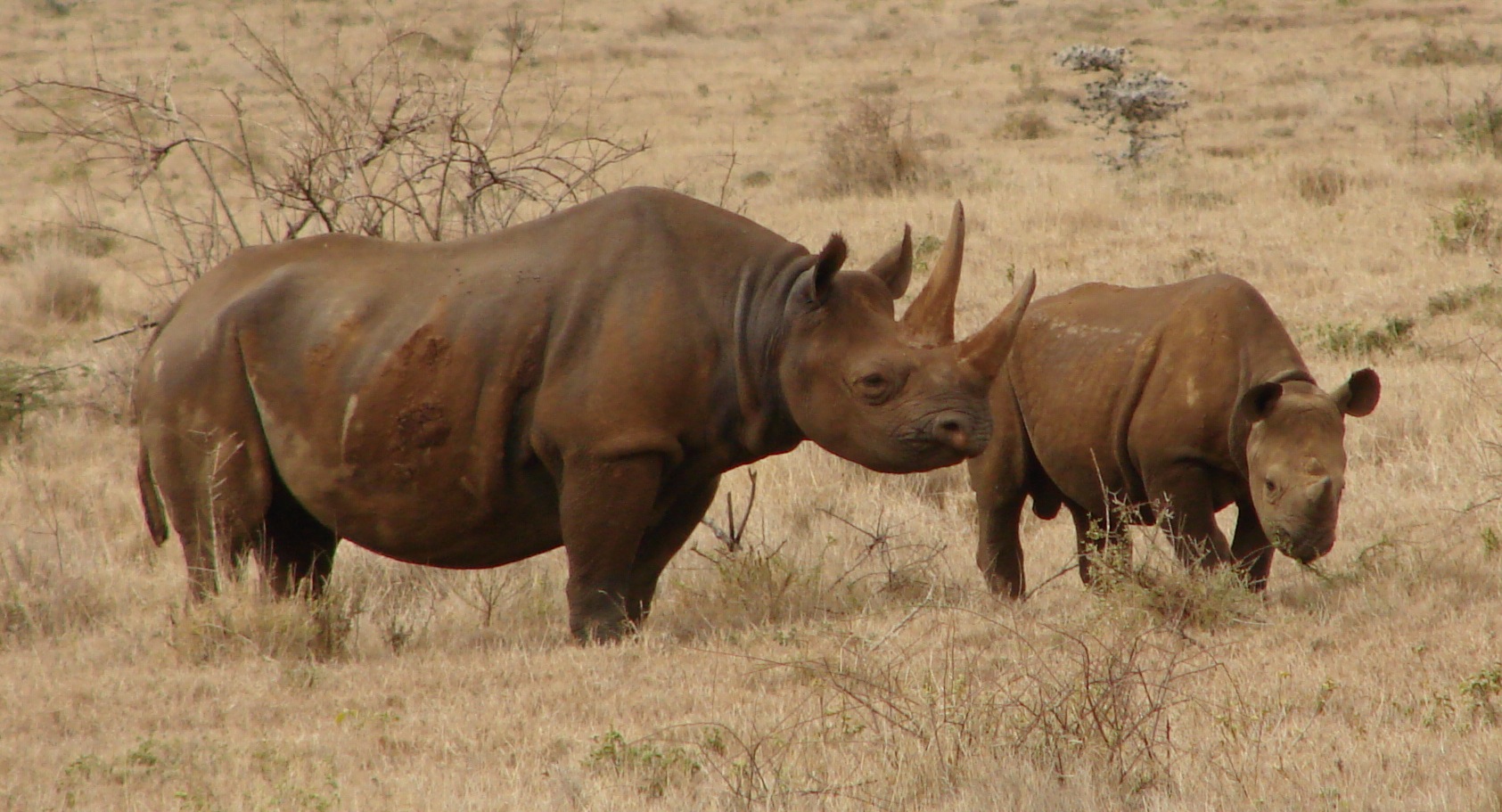
Black rhinoceros
Diceros bicornis
An icon of Lewa’s conservation story. Black rhinos browse on shrubs; approach only with your guide and give them space.
Signature
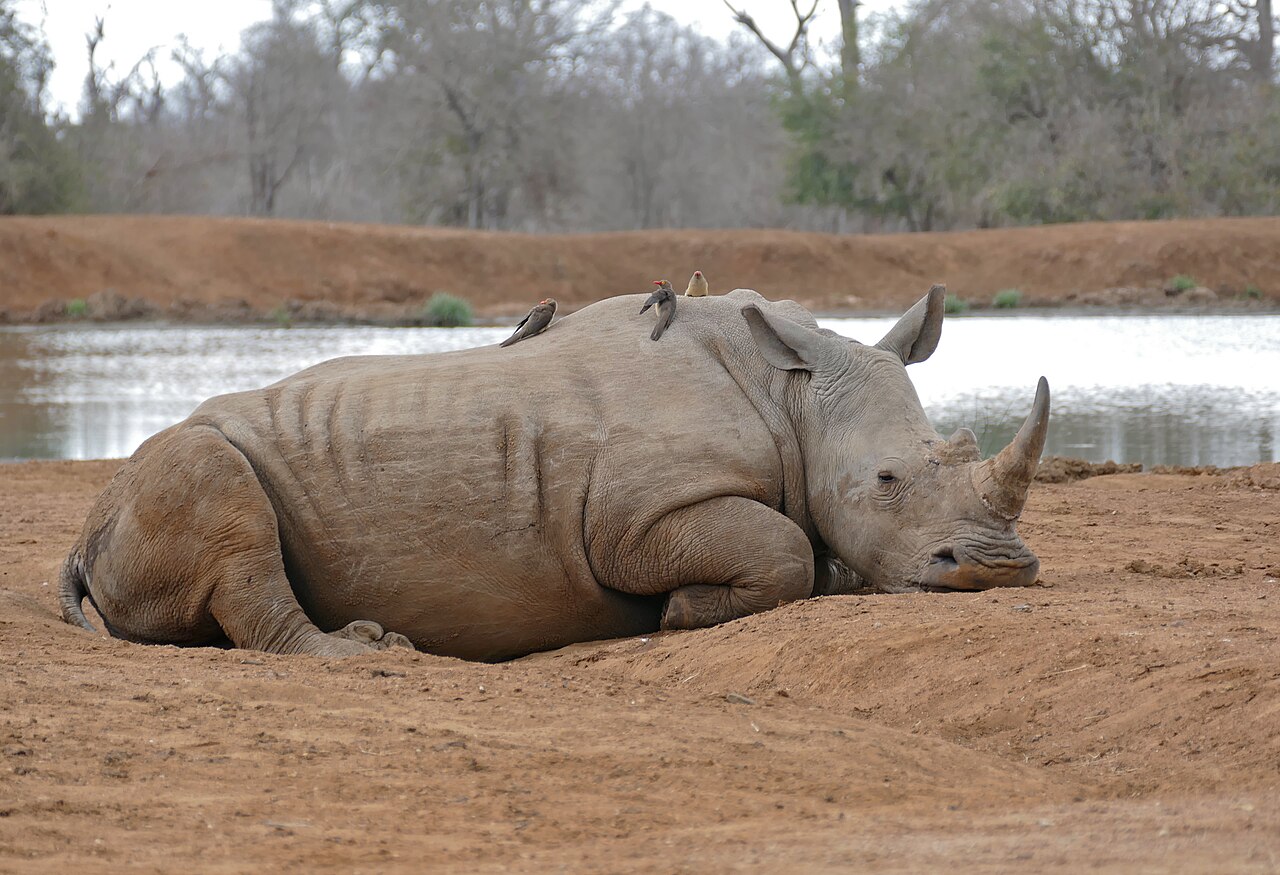
Southern white rhinoceros
Ceratotherium simum simum
Often grazes in open country. Note the broad, square muzzle rather than relying on colour.
Signature
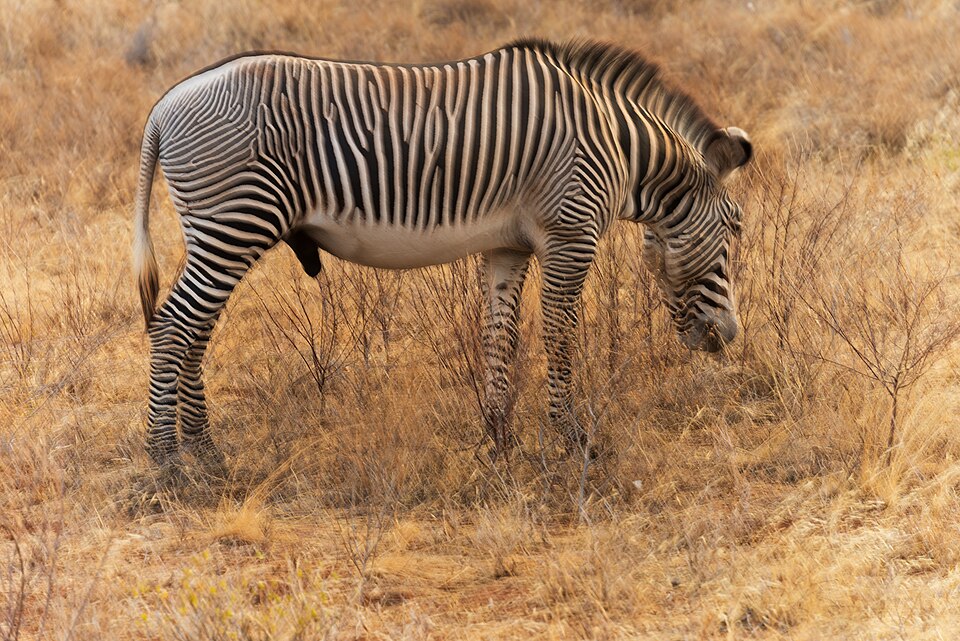
Grevy’s zebra
Equus grevyi
Narrow stripes, large rounded ears and a pale belly distinguish this endangered northern species.
Signature

Plains zebra
Equus quagga
The more familiar zebra of grasslands; compare its wider stripe pattern with Grevy’s zebra.
Signature
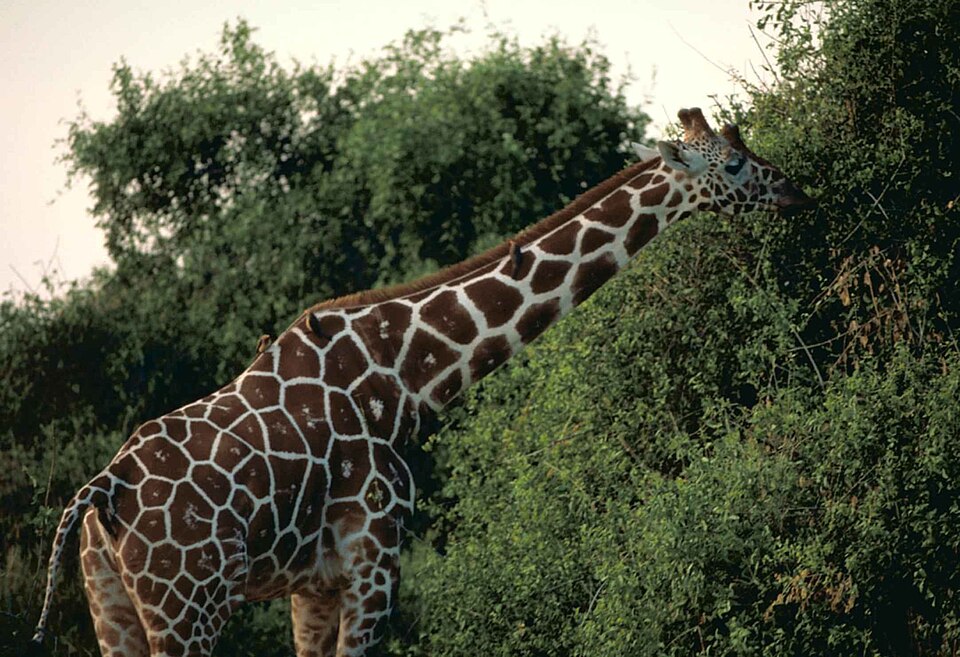
Reticulated giraffe
Giraffa reticulata
A northern Kenya giraffe with a geometric coat pattern, usually browsing taller vegetation.
Signature
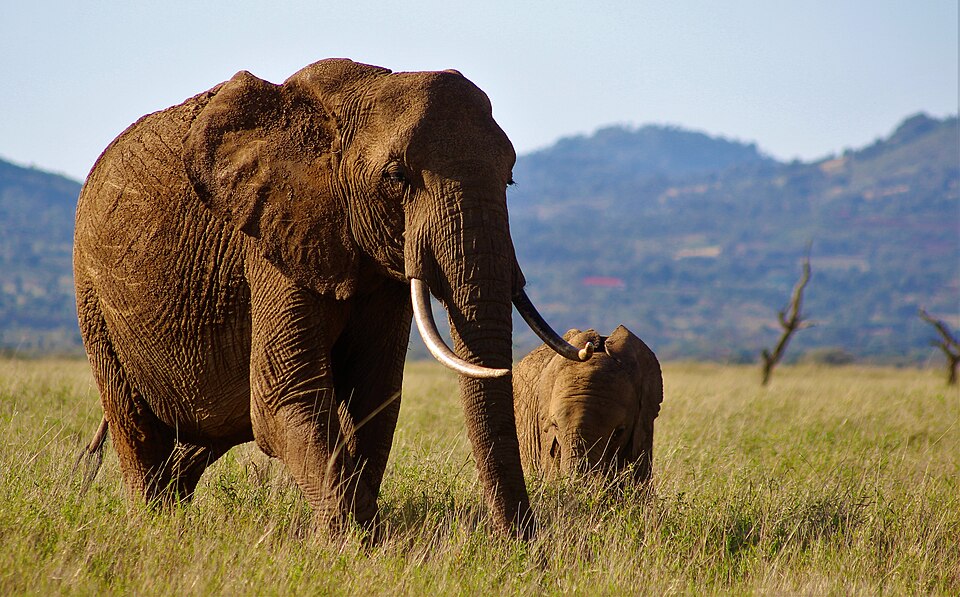
African savanna elephant
Loxodonta africana
Families travel through open grassland, woodland and corridors connected to the wider landscape.
Signature
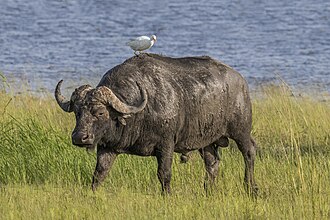
African buffalo
Syncerus caffer
Powerful grazers that may gather in herds. Keep well clear on foot and in vehicles.
Signature
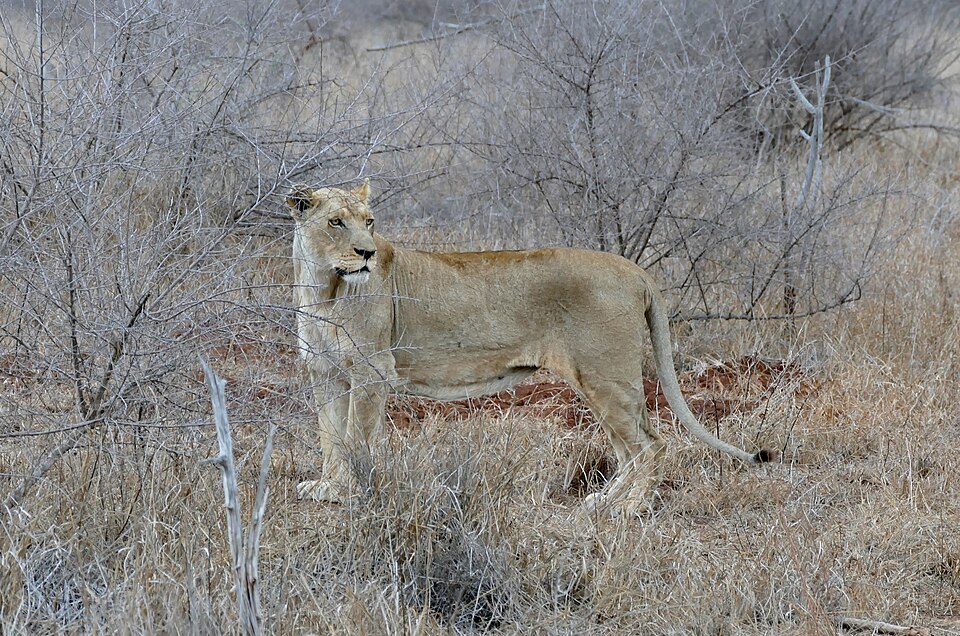
Lion
Panthera leo
Resident predator; early drives and listening to guides improve the chance of an encounter.
Predators
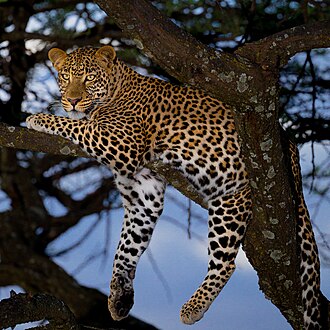
Leopard
Panthera pardus
Secretive and less predictable; watch rocky cover and mature trees without disturbing wildlife.
Predators
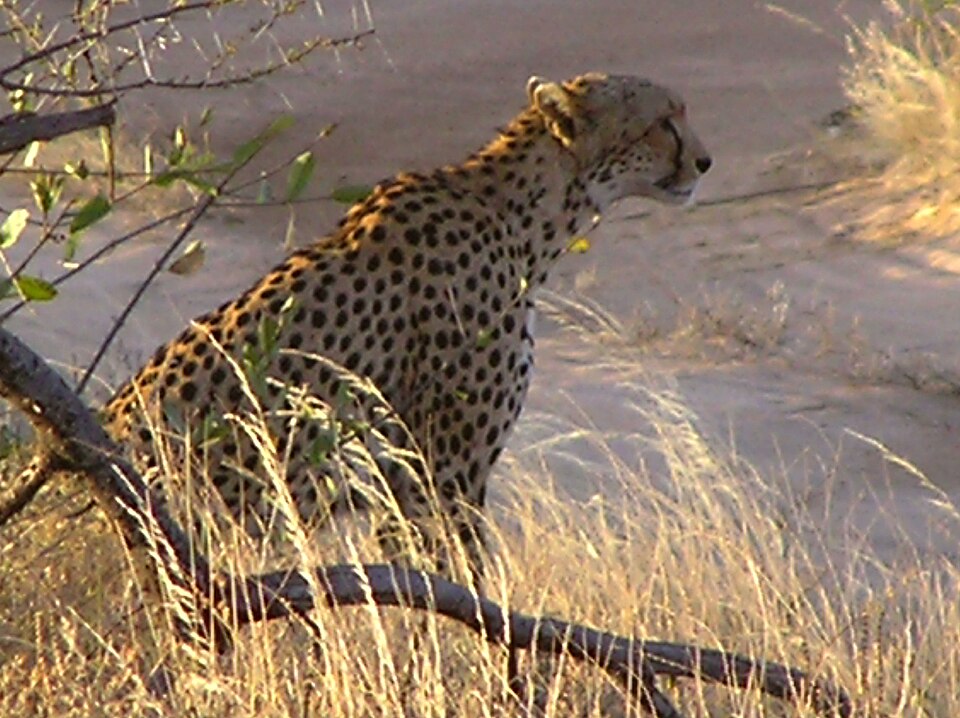
Cheetah
Acinonyx jubatus
An open-country cat; sightings depend on prey movements and visibility.
Predators
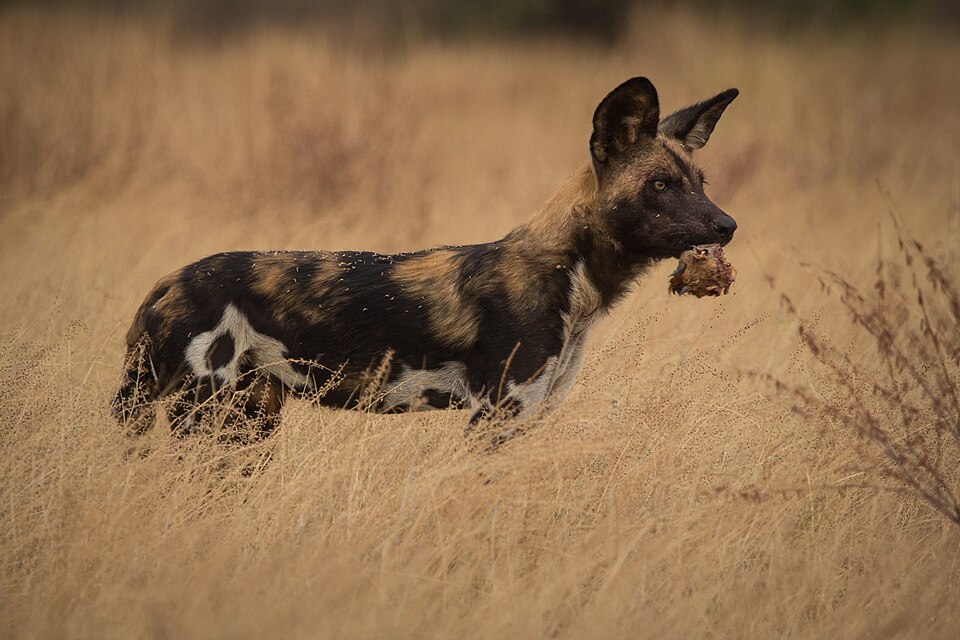
African wild dog
Lycaon pictus
Occasional visitor to the wider Lewa landscape, not a sighting to plan a trip around.
Predators
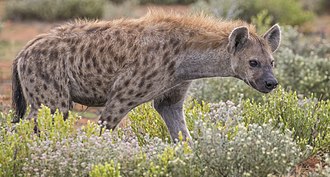
Spotted hyena
Crocuta crocuta
A major carnivore and scavenger; often active around dawn and dusk.
Predators
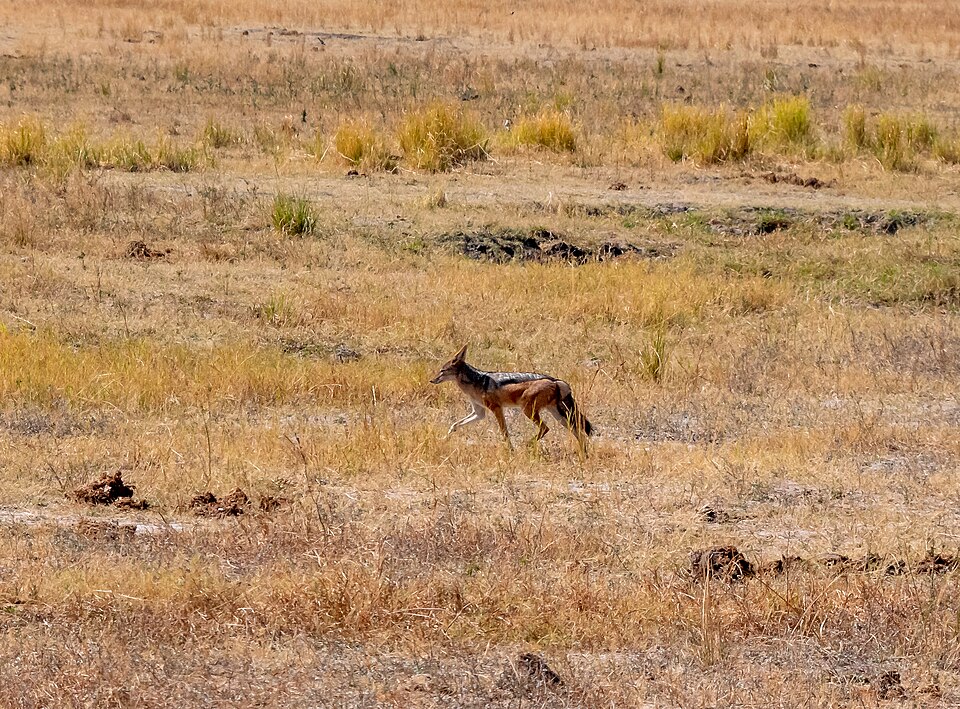
Black-backed jackal
Lupulella mesomelas
Small canid of open ground and bush, often moving singly or in pairs.
Predators
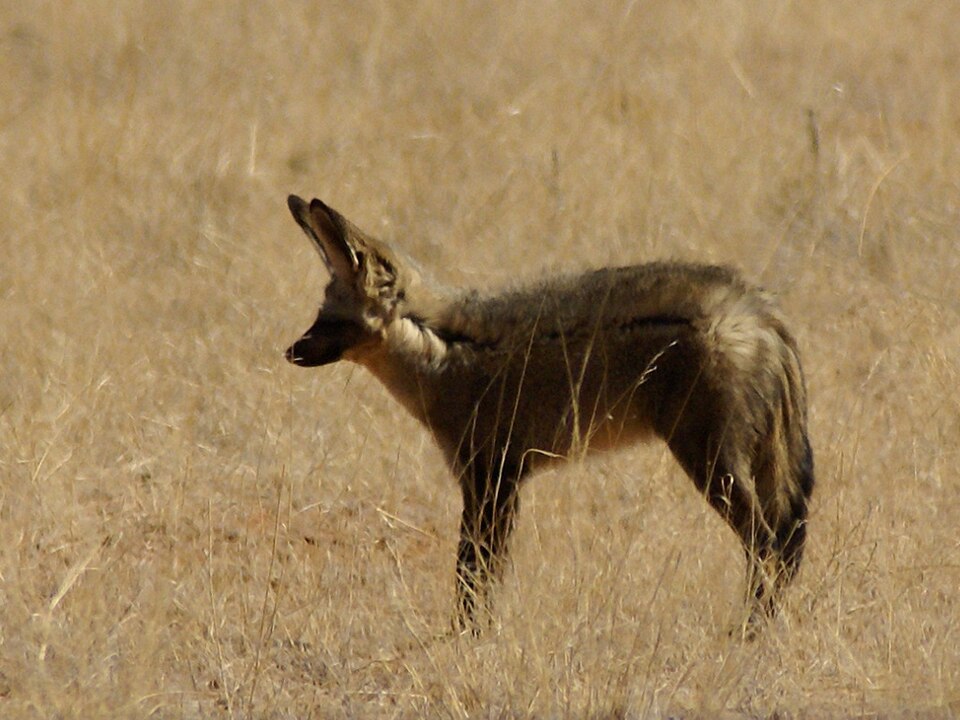
Bat-eared fox
Otocyon megalotis
A small insect-eating fox worth scanning for in suitable grassland.
Predators
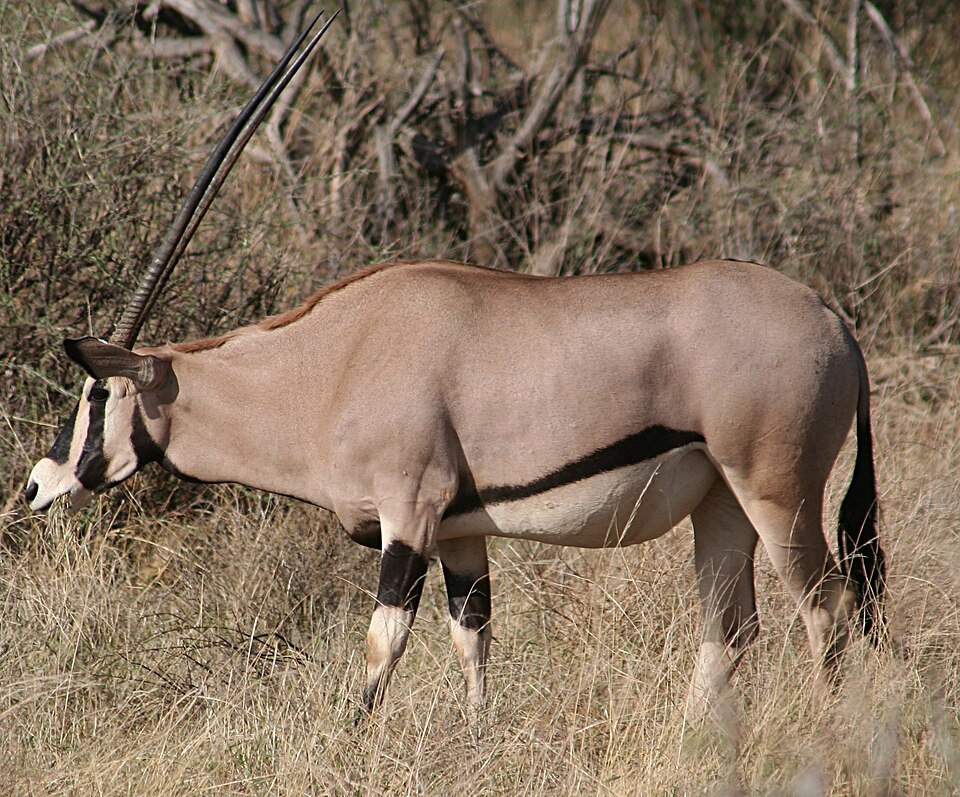
Beisa oryx
Oryx beisa
Elegant long-horned antelope adapted to drier northern habitats.
Grazers & browsers
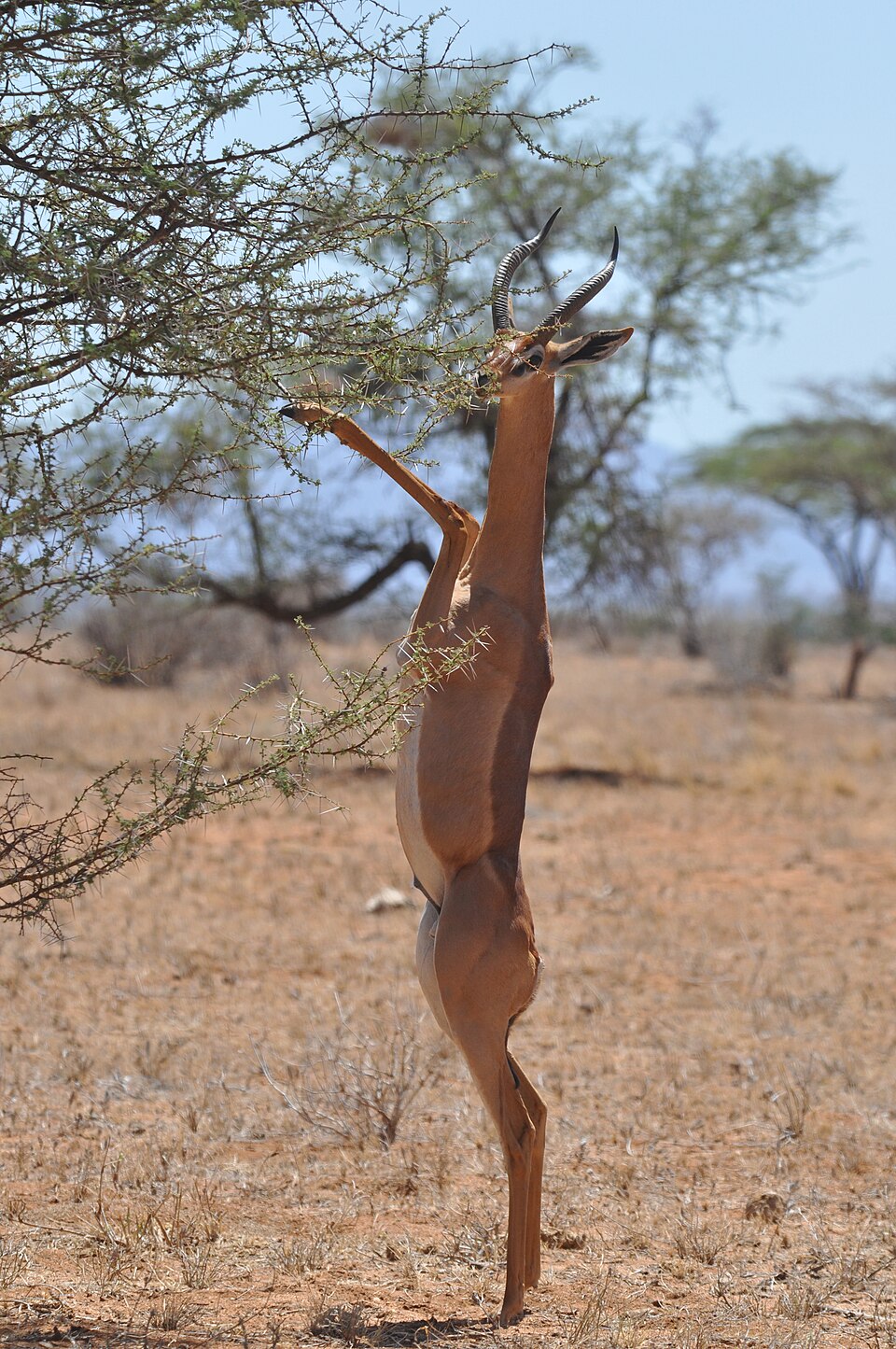
Gerenuk
Litocranius walleri
Long-necked browser that sometimes stands on its hind legs to reach leaves.
Grazers & browsers
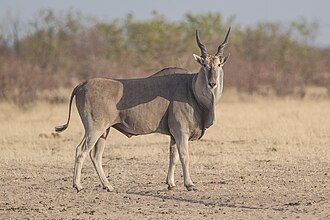
Common eland
Taurotragus oryx
Africa’s largest antelope; surprisingly agile despite its size.
Grazers & browsers
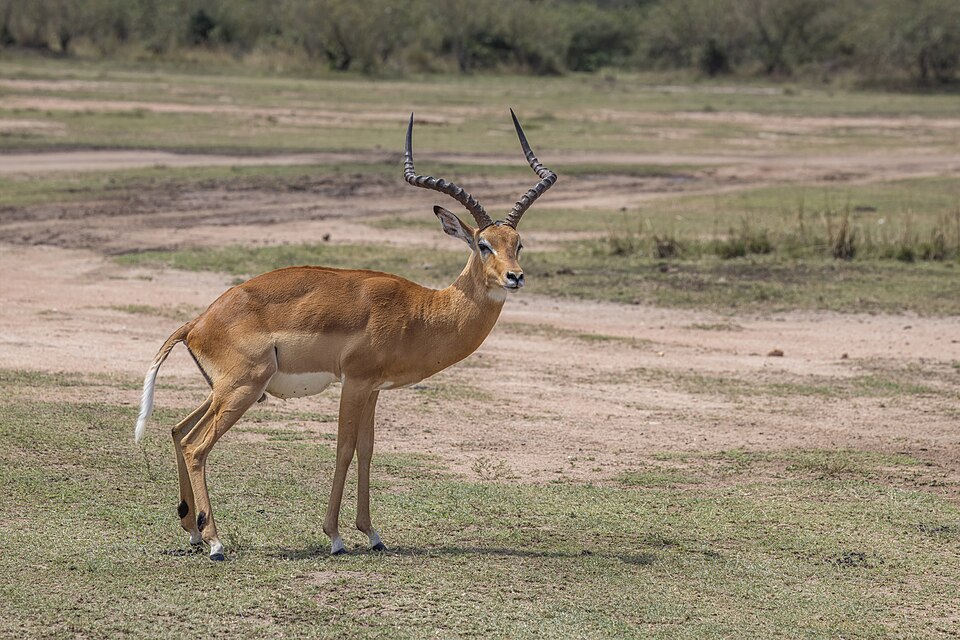
Impala
Aepyceros melampus
Agile antelope associated with savanna edges and light woodland.
Grazers & browsers
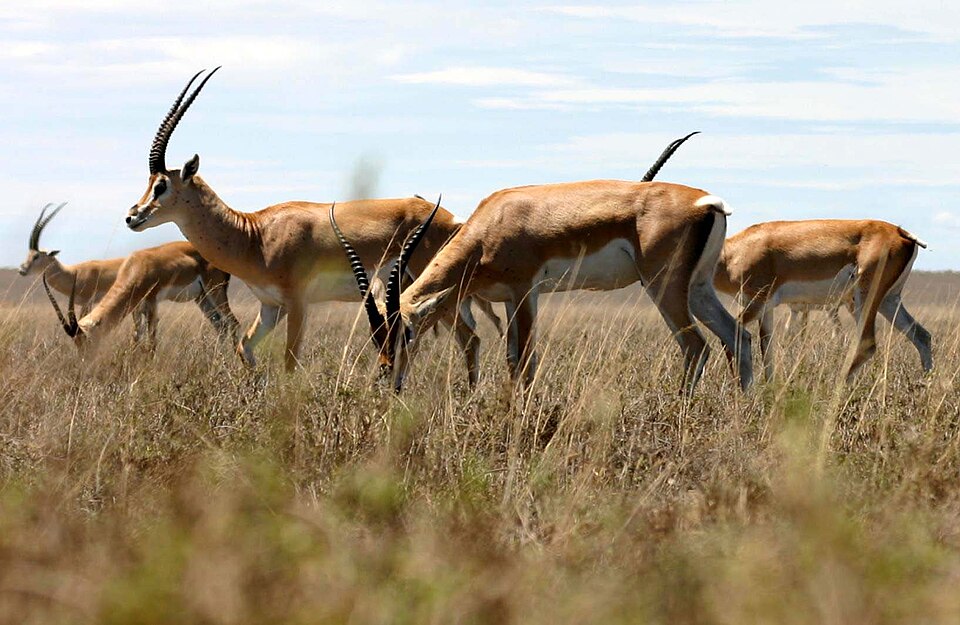
Grant’s gazelle
Nanger granti
Look for this gazelle in open, dry grassland; distinguish it from smaller antelope.
Grazers & browsers
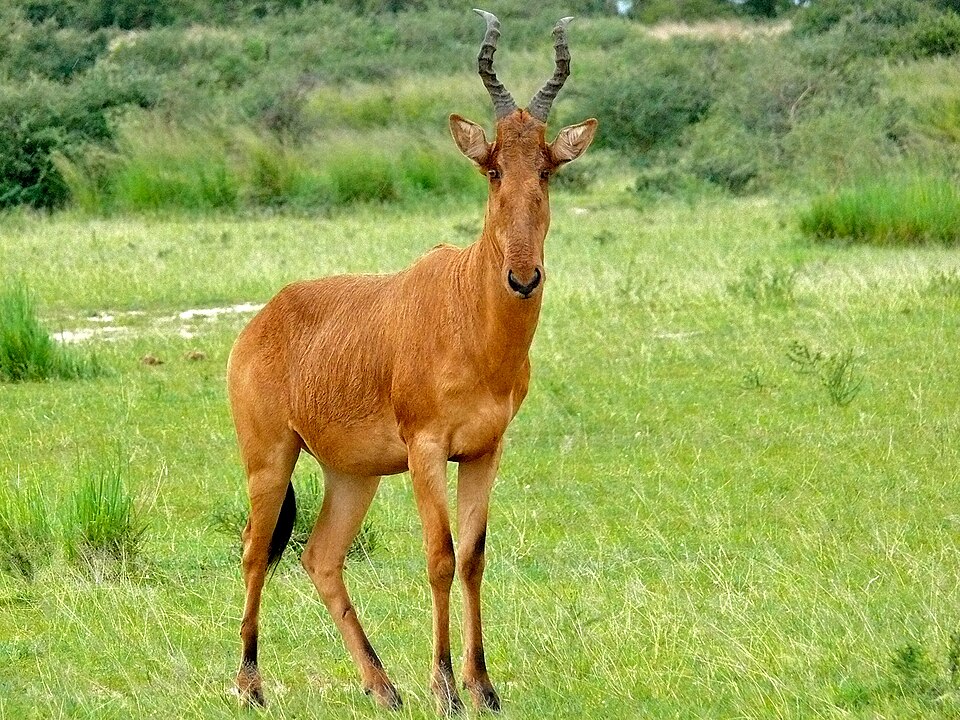
Lelwel hartebeest
Alcelaphus buselaphus lelwel
Distinctive sloping back and long face; part of Lewa’s monitored ungulates.
Grazers & browsers
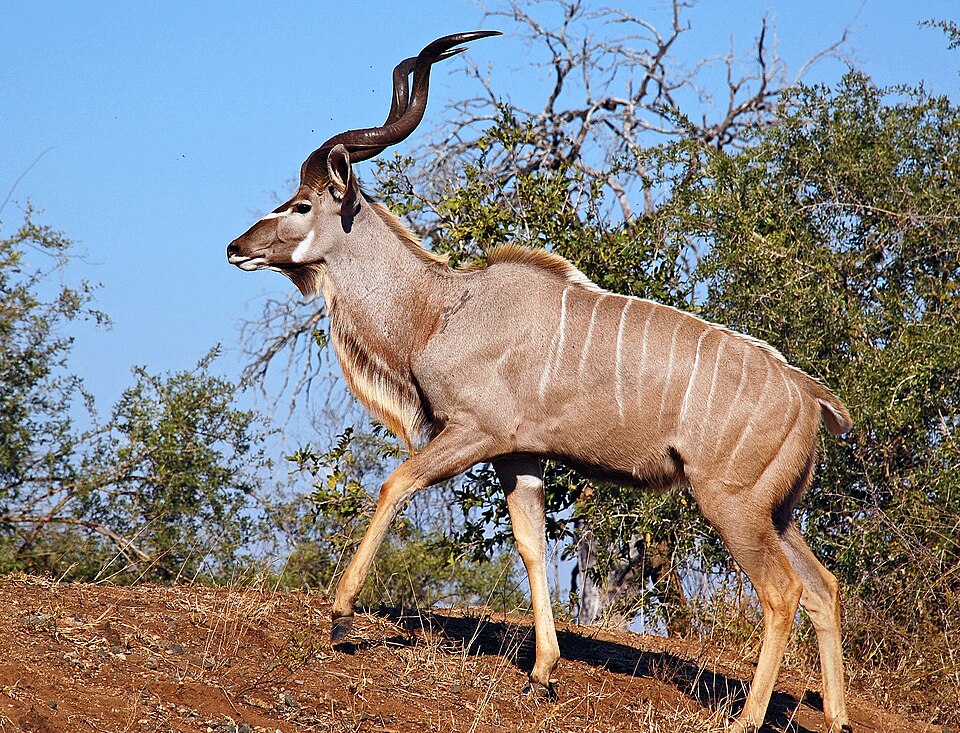
Greater kudu
Tragelaphus strepsiceros
A shy woodland antelope; adult males carry impressive spiral horns.
Grazers & browsers
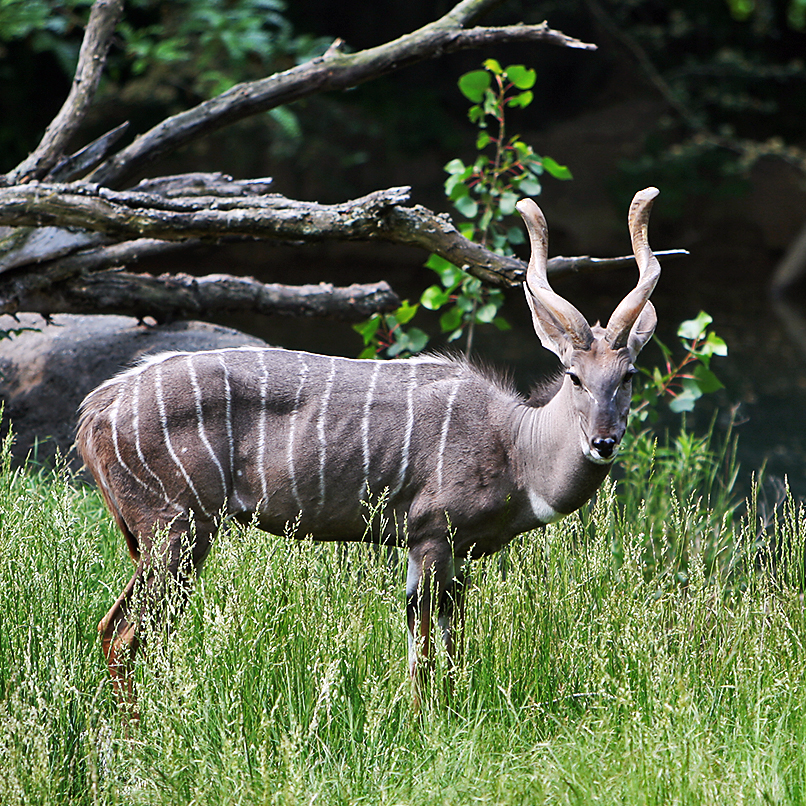
Lesser kudu
Tragelaphus imberbis
A more elusive striped browser of dense bush and dry woodland.
Grazers & browsers
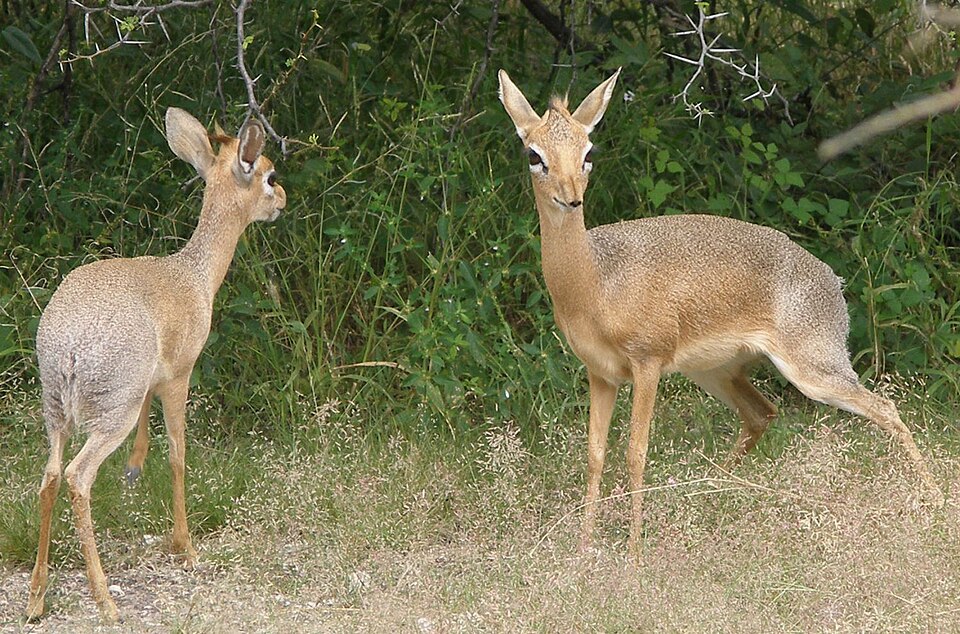
Kirk’s dik-dik
Madoqua kirkii
Tiny antelope often seen as a pair darting into thorn scrub.
Grazers & browsers
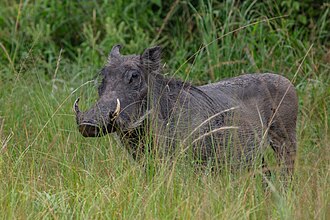
Common warthog
Phacochoerus africanus
Often trots with tail erect; a familiar grazer around open tracks.
Grazers & browsers
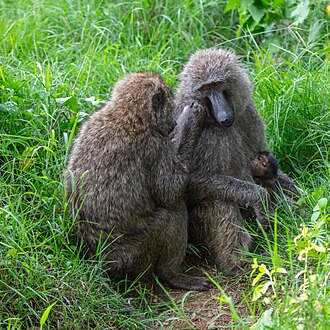
Olive baboon
Papio anubis
Social primate near woodland and water. Never feed or leave food unsecured.
Grazers & browsers
10 birds to look for at Lewa
Birders can expect a range of savanna, dry woodland and wetter-pocket species. Lewa’s official pages describe more than 400 bird species in the landscape. Seasonal occurrence varies; bring binoculars and ask a local guide about current sightings.
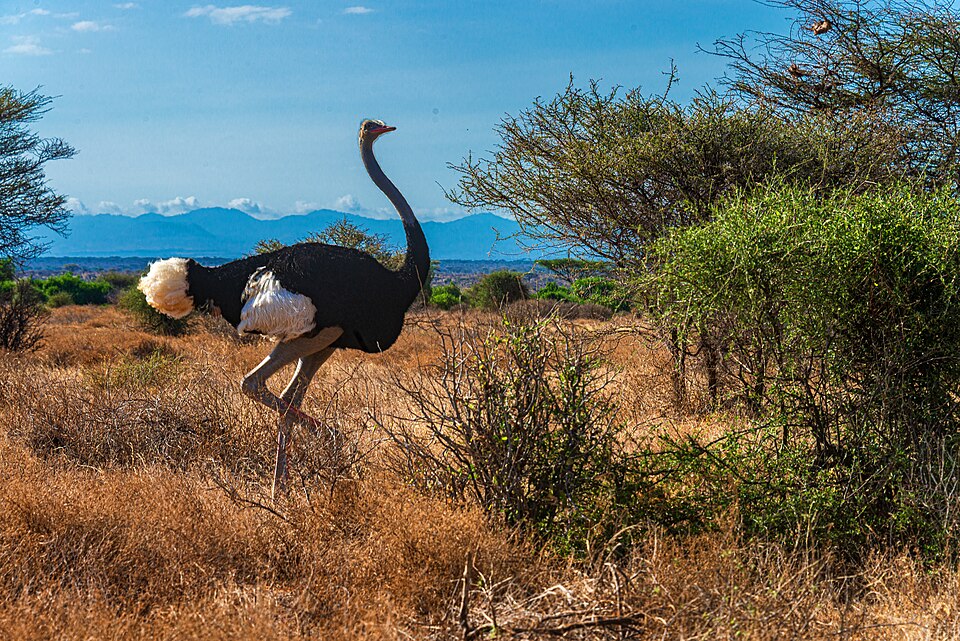
Somali ostrich
Struthio molybdophanes
Northern-specialty bird of dry open ground.
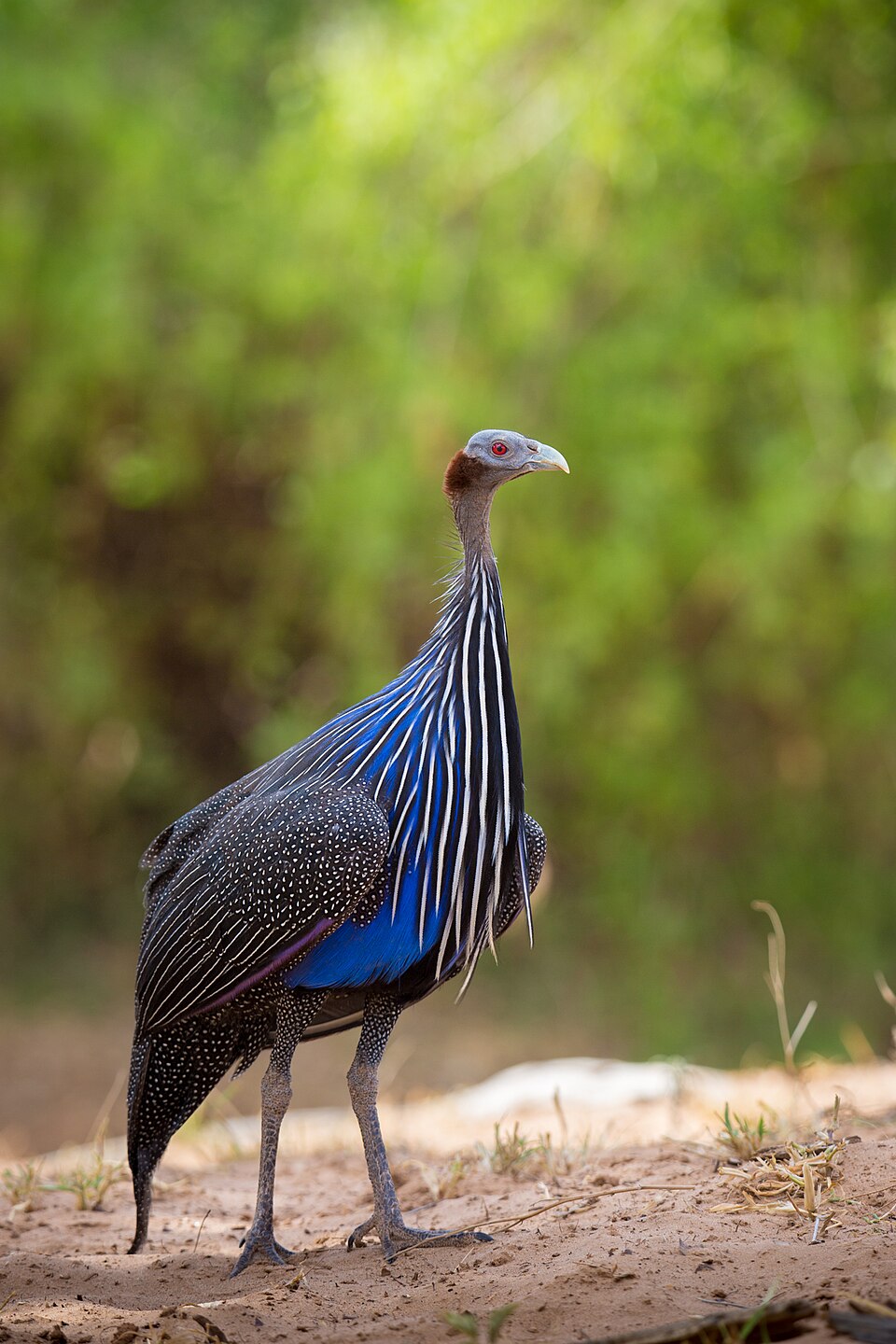
Vulturine guineafowl
Acryllium vulturinum
Electric-blue breast and striking neck feathers.
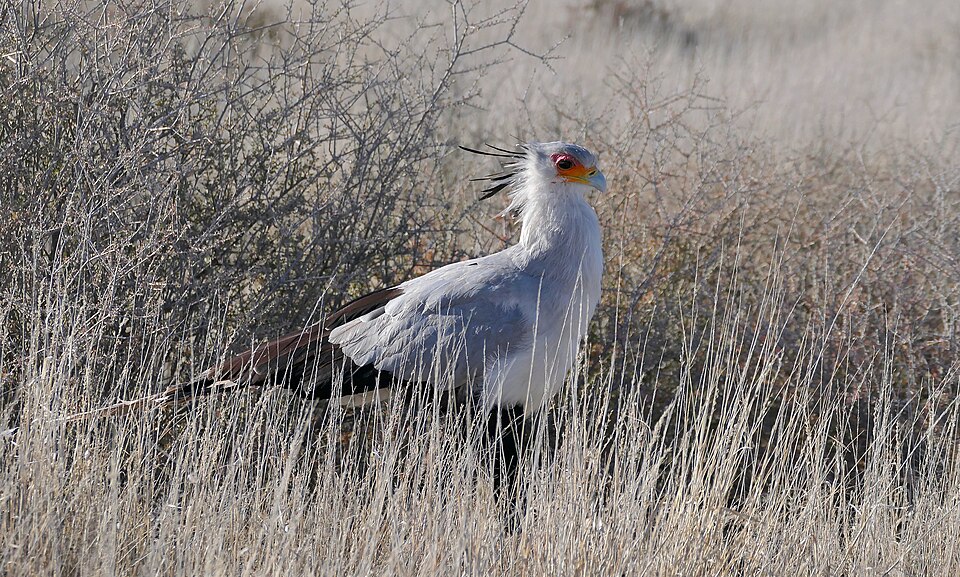
Secretarybird
Sagittarius serpentarius
Long-legged raptor that hunts on foot across open plains.

Martial eagle
Polemaetus bellicosus
Large raptor; scan trees and skies with binoculars.
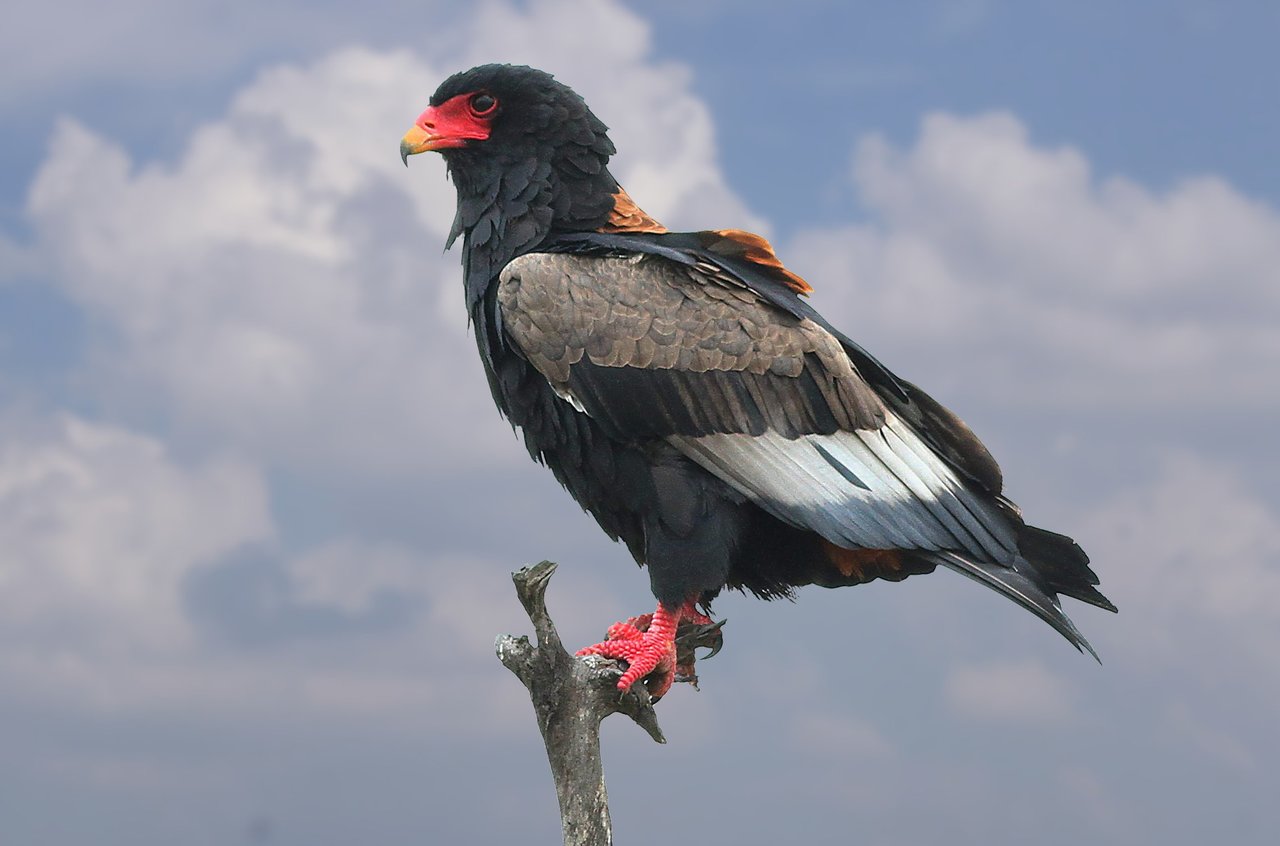
Bateleur
Terathopius ecaudatus
Short-tailed eagle with a distinctive tilting flight.
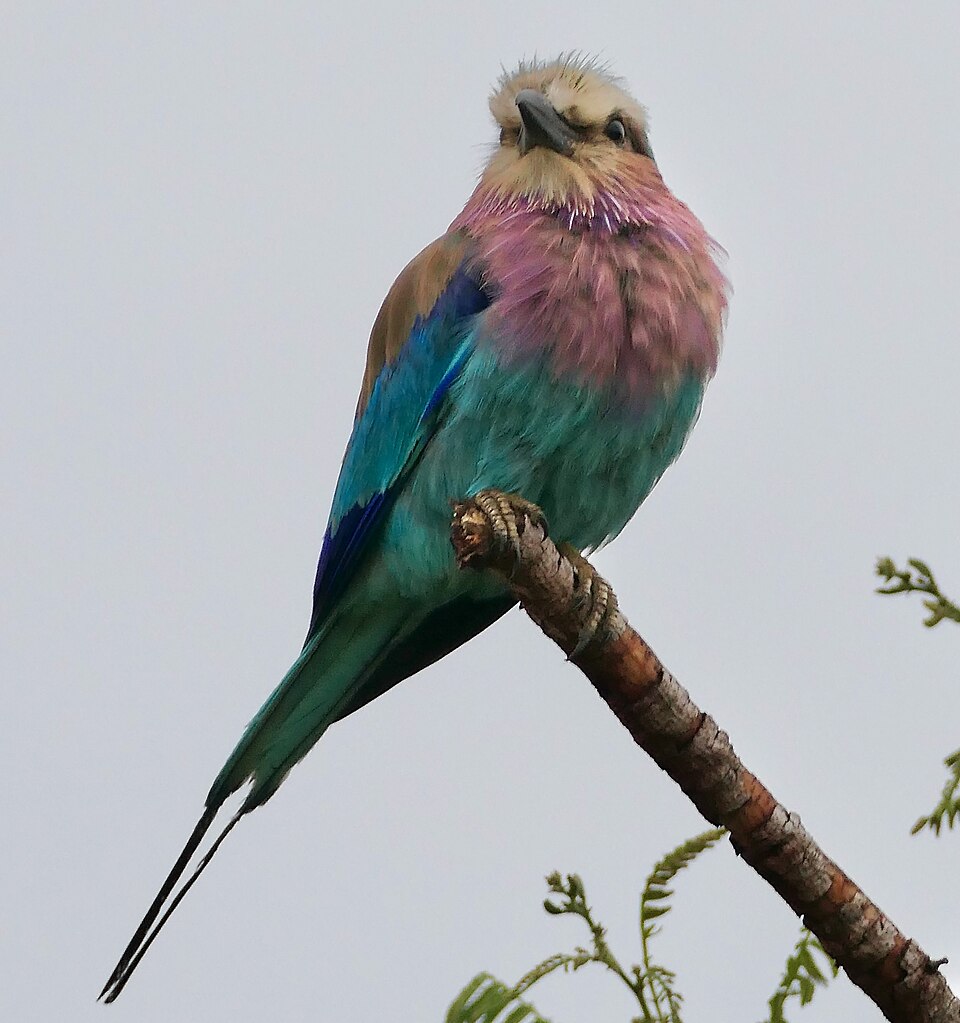
Lilac-breasted roller
Coracias caudatus
Colourful roadside bird that hunts from exposed perches.
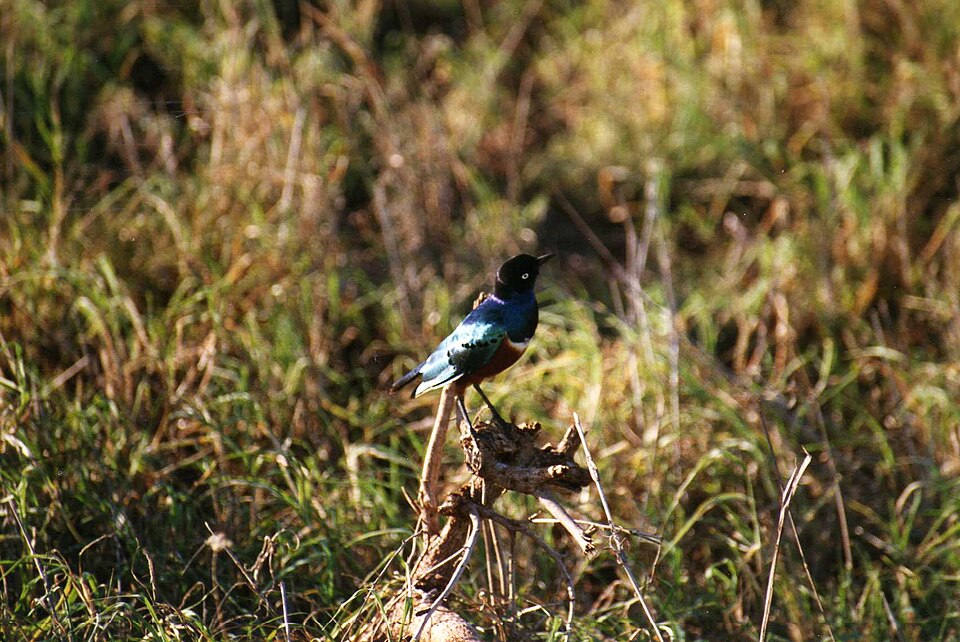
Superb starling
Lamprotornis superbus
Iridescent blue and orange; often near camp areas.
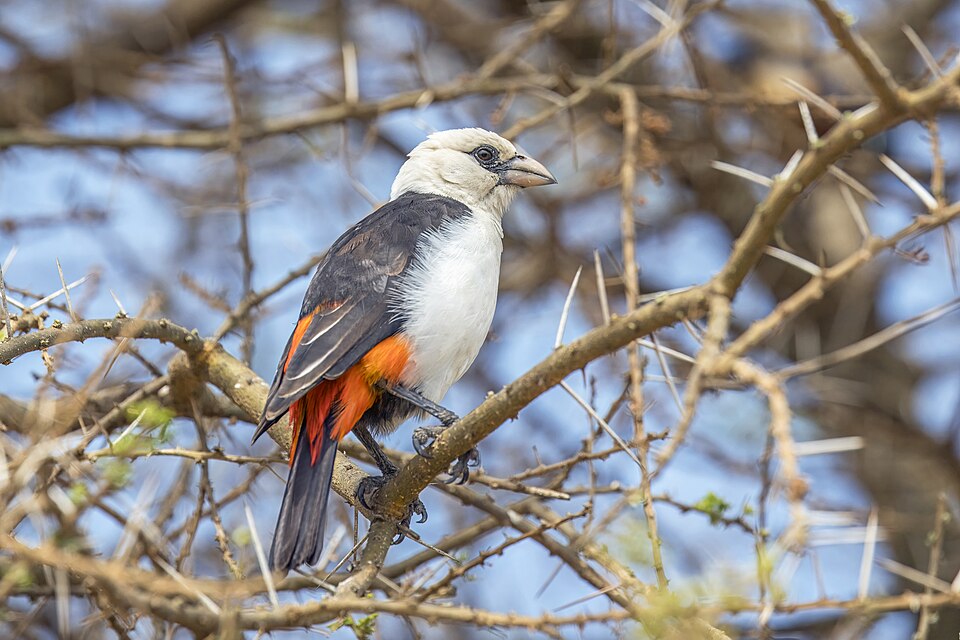
White-headed buffalo weaver
Dinemellia dinemelli
Dry-country weaver, frequently seen in thorn trees.
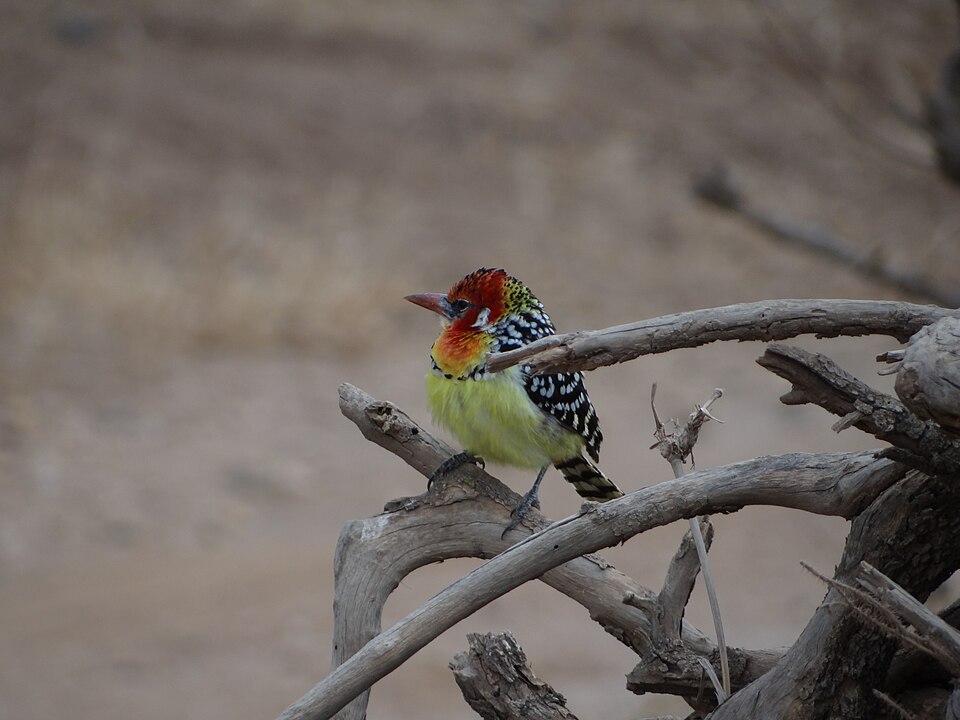
Red-and-yellow barbet
Trachyphonus erythrocephalus
A bold patterned bird of dry northern bush.
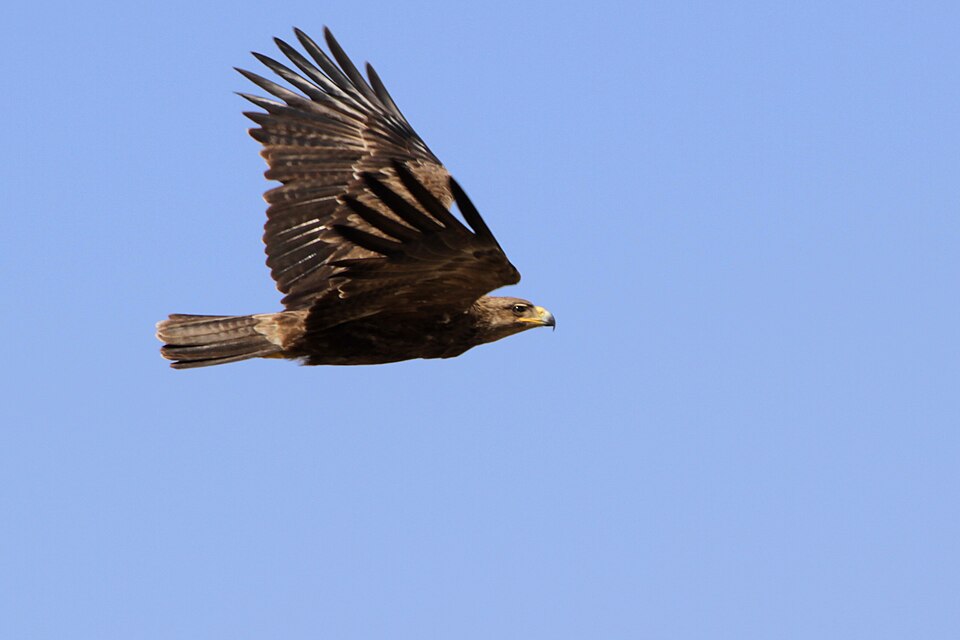
Tawny eagle
Aquila rapax
Broad-winged scavenger and hunter seen in open savanna.
10 trees, shrubs and grassland plants
Open grassland, thorn woodland, bush, rocky patches and wetter riparian areas help explain where animals feed or shelter. The names below are regional habitat-identification examples, not a verified parcel-by-parcel flora inventory of Lewa; ask an expert guide for exact local identifications.
Trees & shrubs
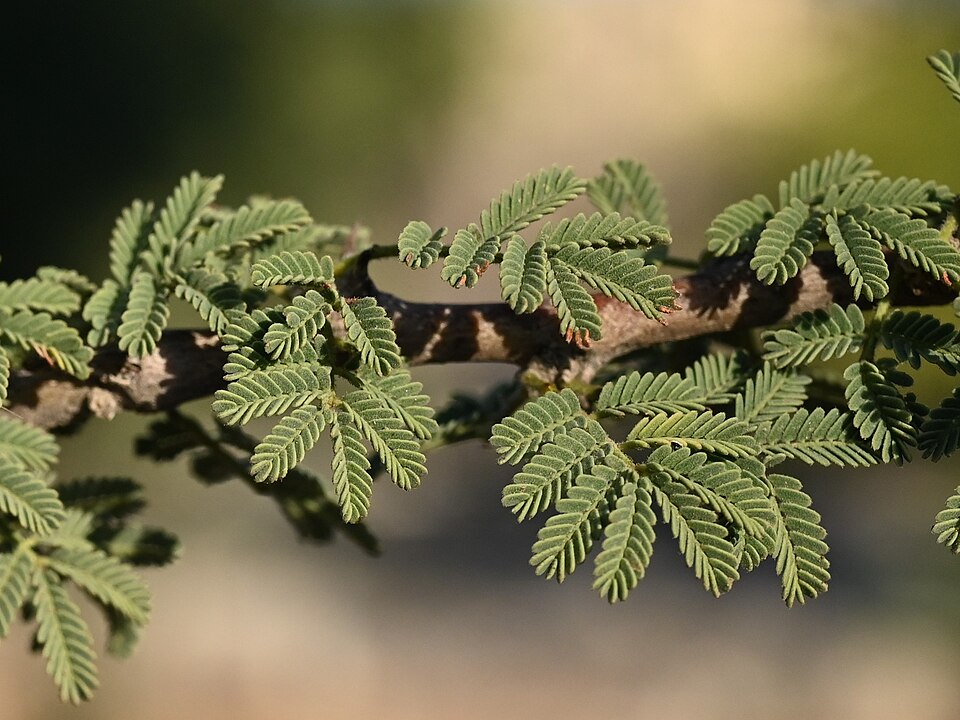
Umbrella thorn
Vachellia tortilis
Classic spreading savanna canopy, important shade and browse.
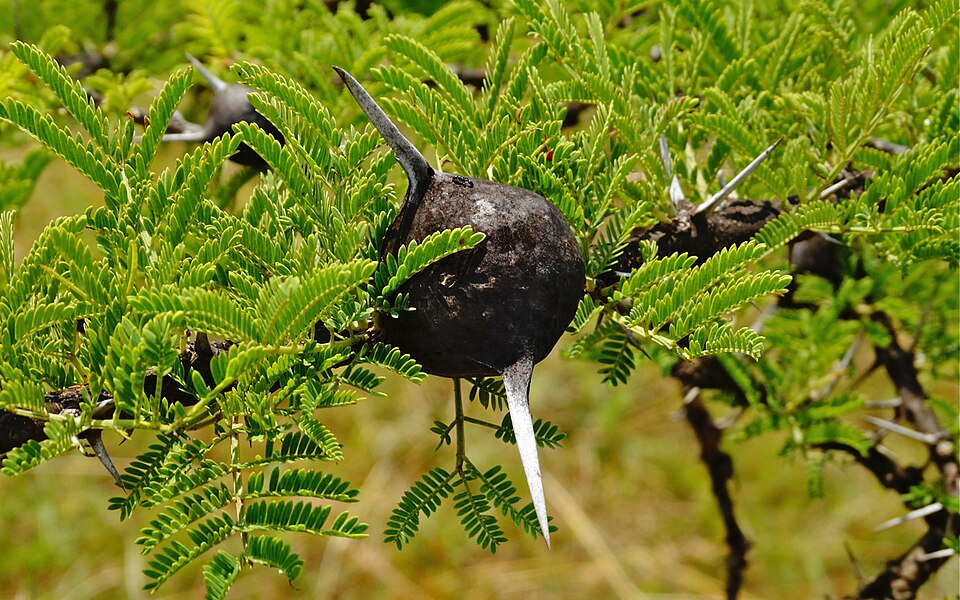
Whistling thorn
Vachellia drepanolobium
Ant-associated thorn tree typical of parts of Kenya’s high savanna.
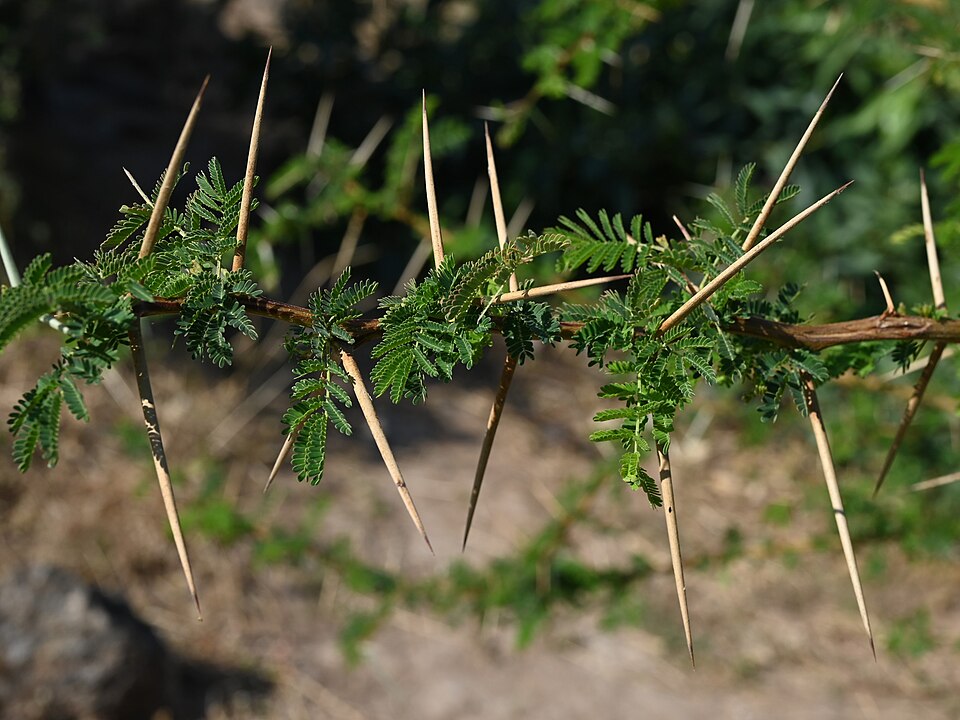
Gum arabic acacia
Senegalia senegal
Dryland thorn tree in suitable northern woodland.
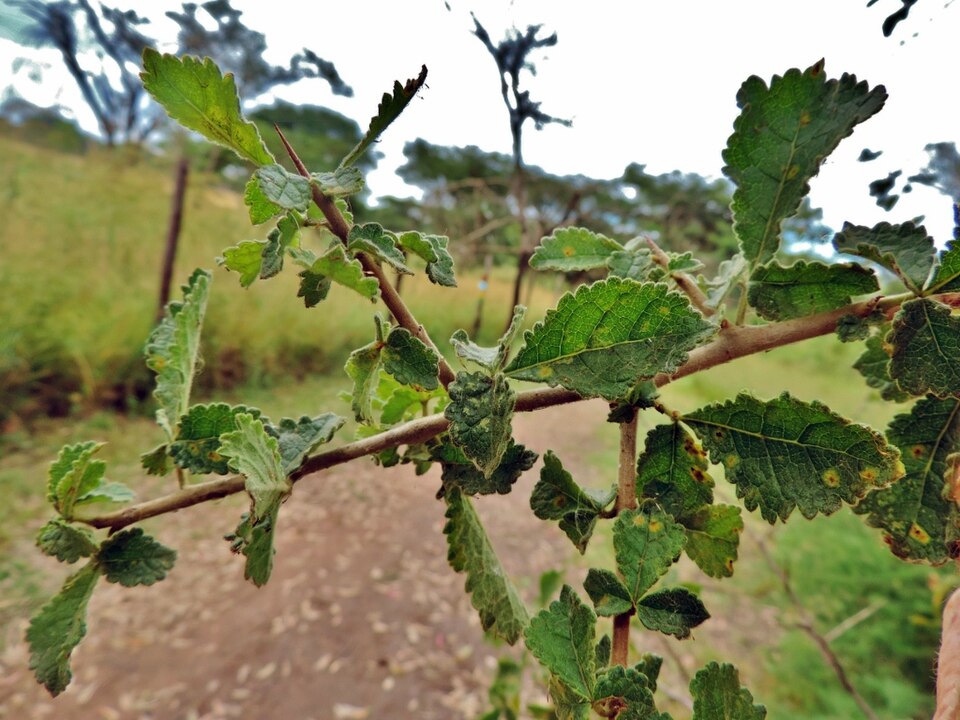
Commiphora shrubs
Commiphora spp.
Aromatic resin-bearing trees and shrubs of drier habitat.
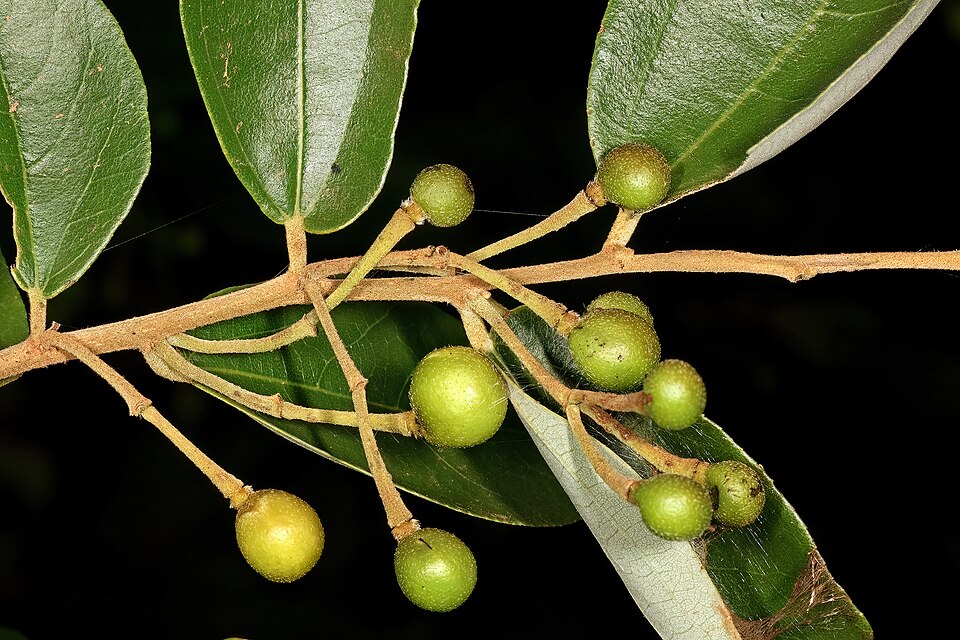
Grewia shrubs
Grewia spp.
Browse and seasonal fruit in bushland.
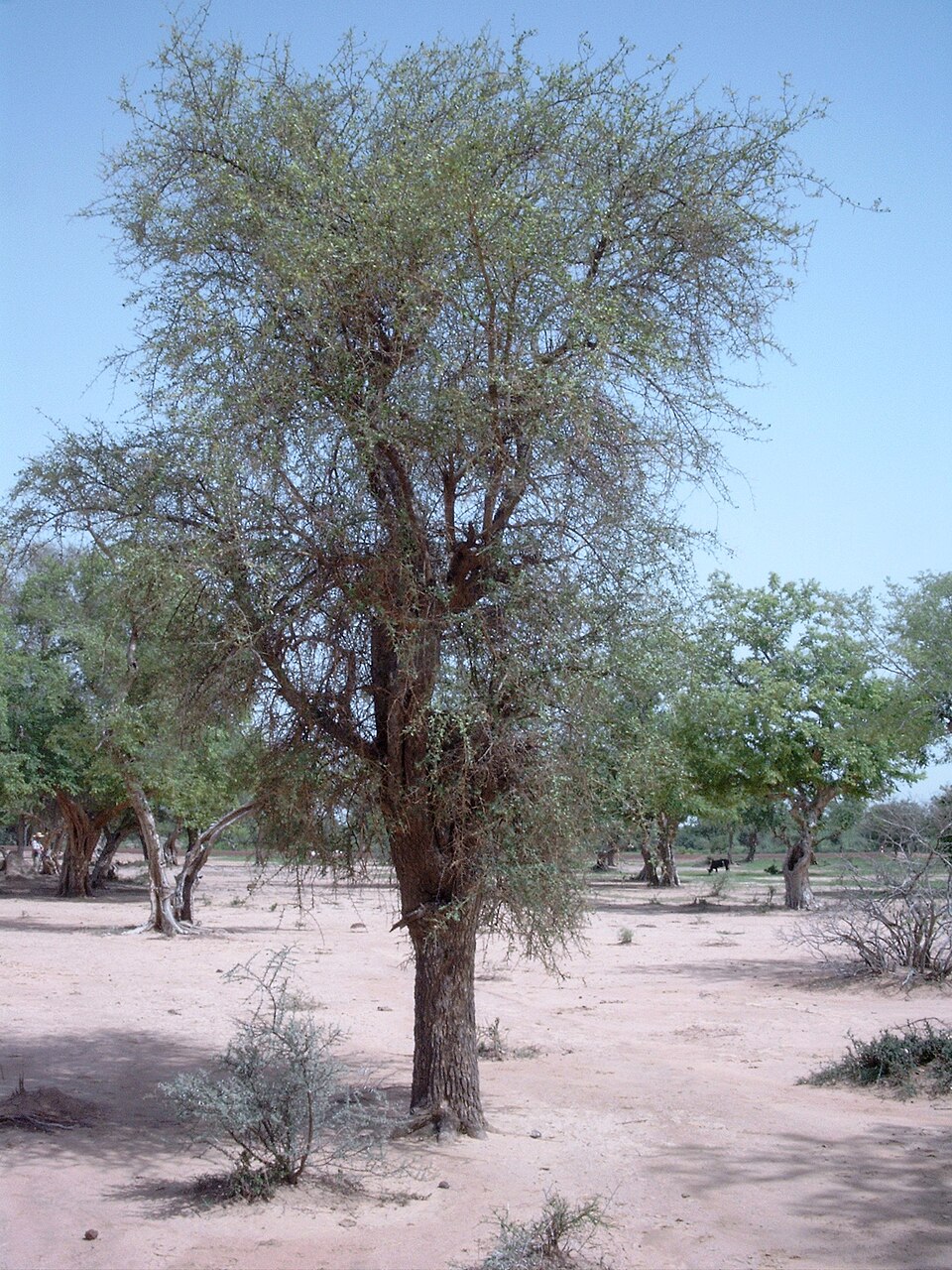
Balanites / desert date
Balanites aegyptiaca
Drought-adapted tree in suitable dry zones.
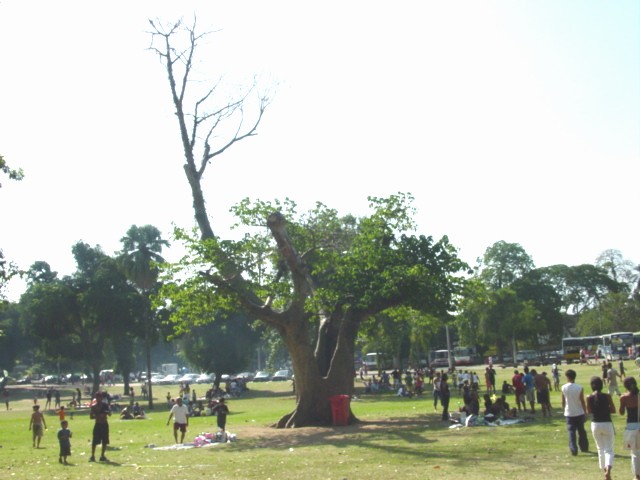
Riverine figs
Ficus spp.
Fruit-bearing trees that support birds and mammals near wetter ground.
Grasses, sedges & wetland plants
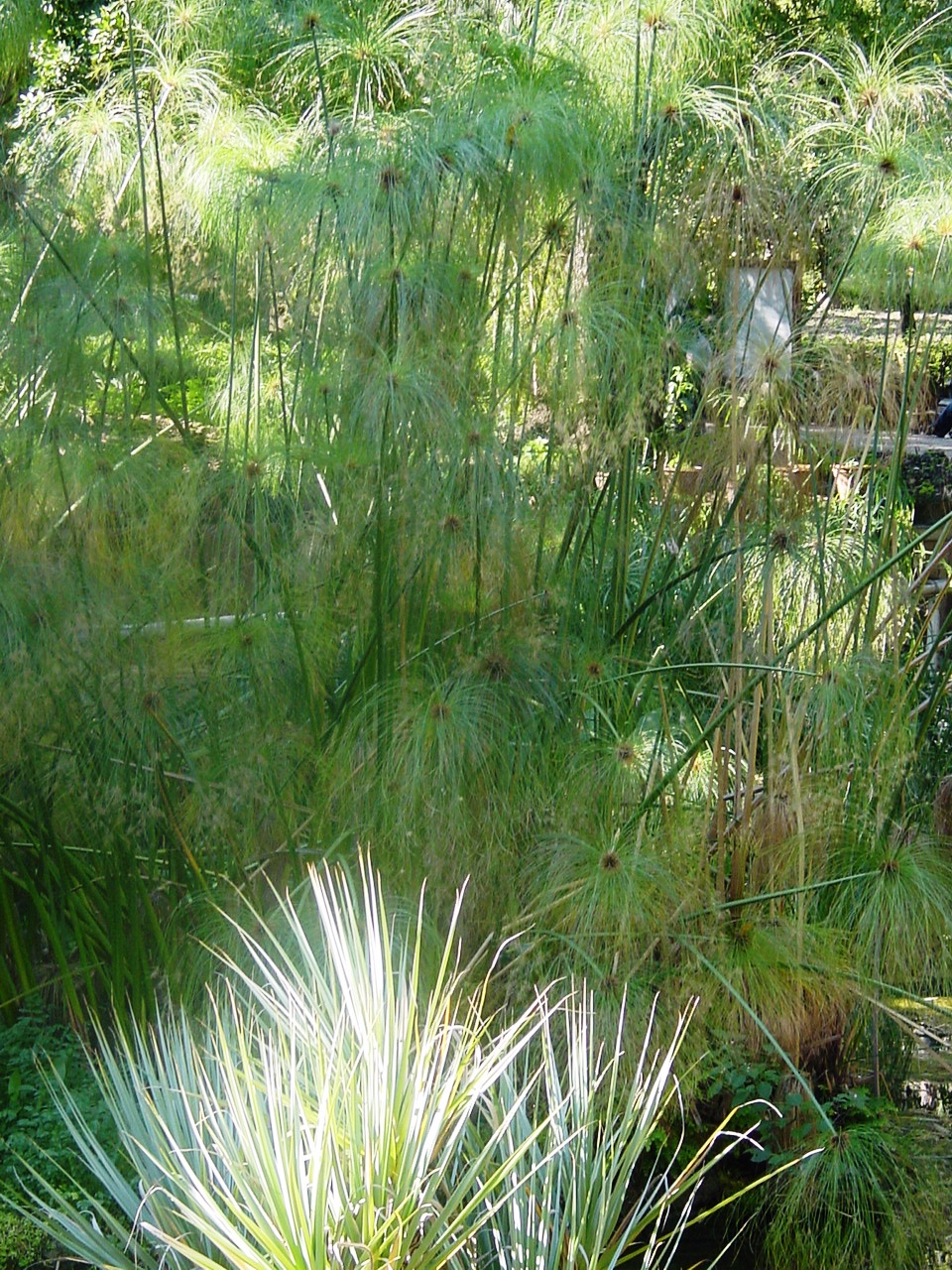
Sedge and rush margins
Cyperaceae and related families
Seasonal wet patches shelter insects, frogs and birds.
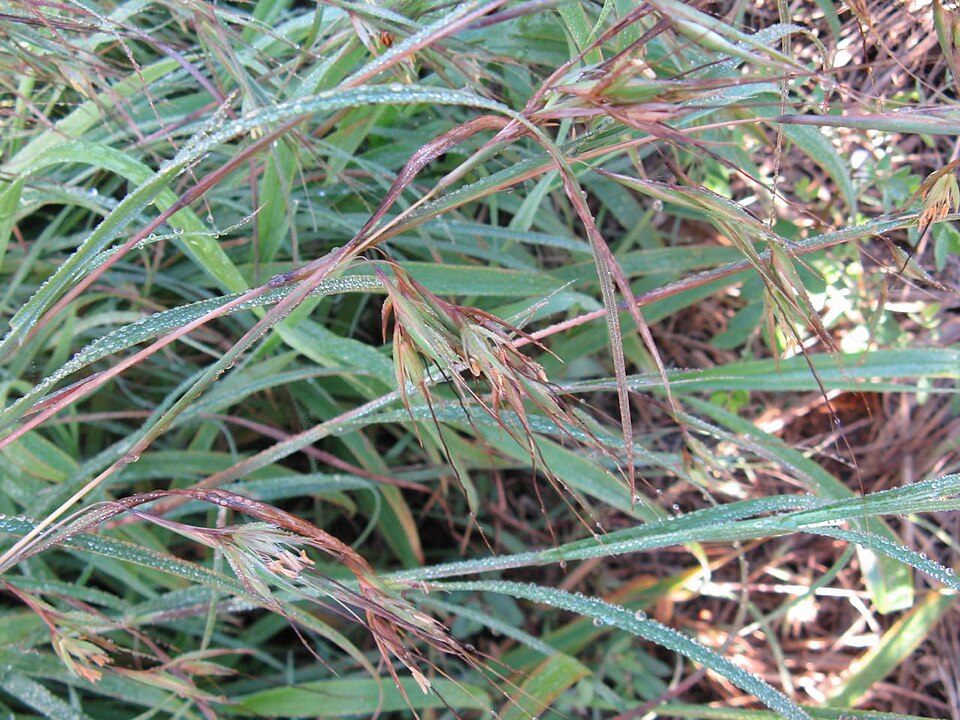
Red oat grass
Themeda triandra
Savanna grass associated with mixed grazing landscapes.
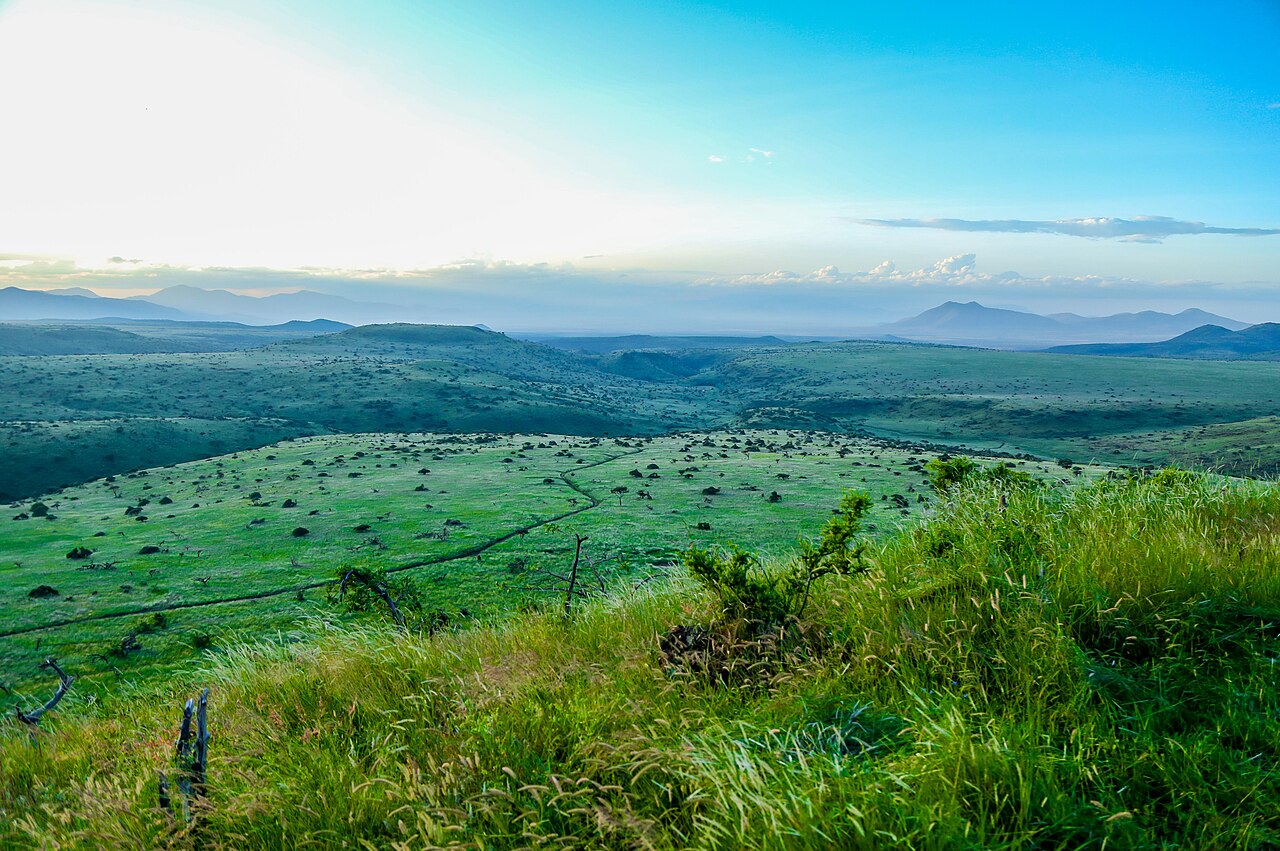
Mixed native grasses
Poaceae
The grass layer underpins zebra, antelope and rhino grazing.
What to do in Lewa
Guided game drives
The centrepiece of a Lewa stay: look for rhinos, giraffes, elephant families and predator tracks with a lodge guide. Ask about dawn, late-afternoon and any permitted night-driving options.
Photography & birding
Mix sweeping grassland vistas with quiet wildlife observation. Wide-angle landscapes and a longer lens are both useful; keep a respectful distance from rhinos.
Guided walks
Selected lodges offer professionally guided walking experiences. Never walk alone among large animals or assume that any particular trail is open.
Behind-the-scenes conservation
Lewa lists conservation education, tracker-dog programmes and other experiences, but some are only available to overnight Lewa/Borana lodge guests and need advance booking.
Horseback and other lodge activities
Some properties may arrange horse riding or specialised activities; eligibility, routes and fees depend on the host and conditions.
Community connections
Conservation tourism contributes to neighbouring community programmes. Book respectful, locally organised visits and ask permission before photographing residents.
Explore activities and eligibility on Lewa’s official website.
Best lodges & Expedia accommodation near Lewa
For an actual Lewa safari, stay inside the conservancy where possible. Lewa officially lists five lodges on its land. One of those is currently identifiable on Expedia; the additional Expedia hotels below are Nanyuki pre-/post-safari bases, not Lewa safari camps. They do not carry automatic permission to visit Lewa.
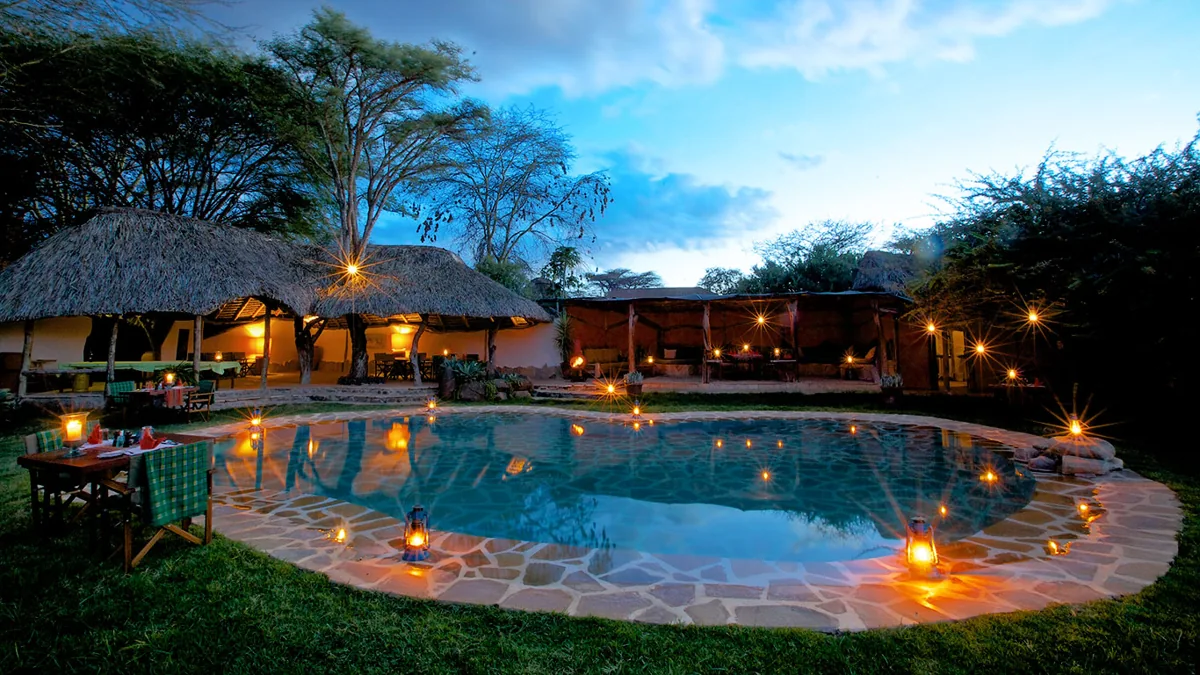
Elewana Lewa Safari Camp
Safari tents within the conservancy, with guided wildlife access and an established on-site safari operation. Confirm whether conservation fees, airstrip transfers and game activities are covered in the rate.
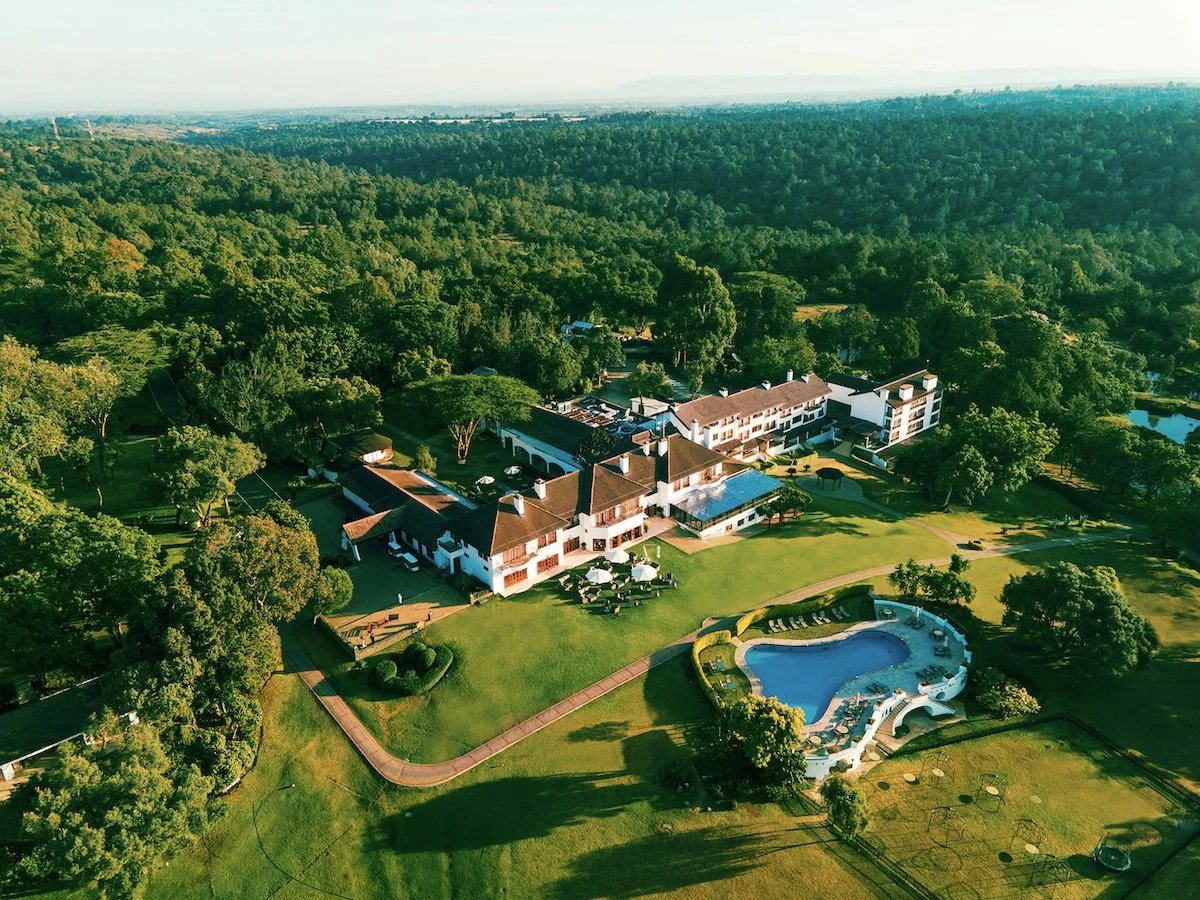
Fairmont Mount Kenya Safari
Elegant Mount Kenya-area hotel for a night before or after a northern Kenya safari. Not inside Lewa; any conservancy visit needs a separate approved arrangement.
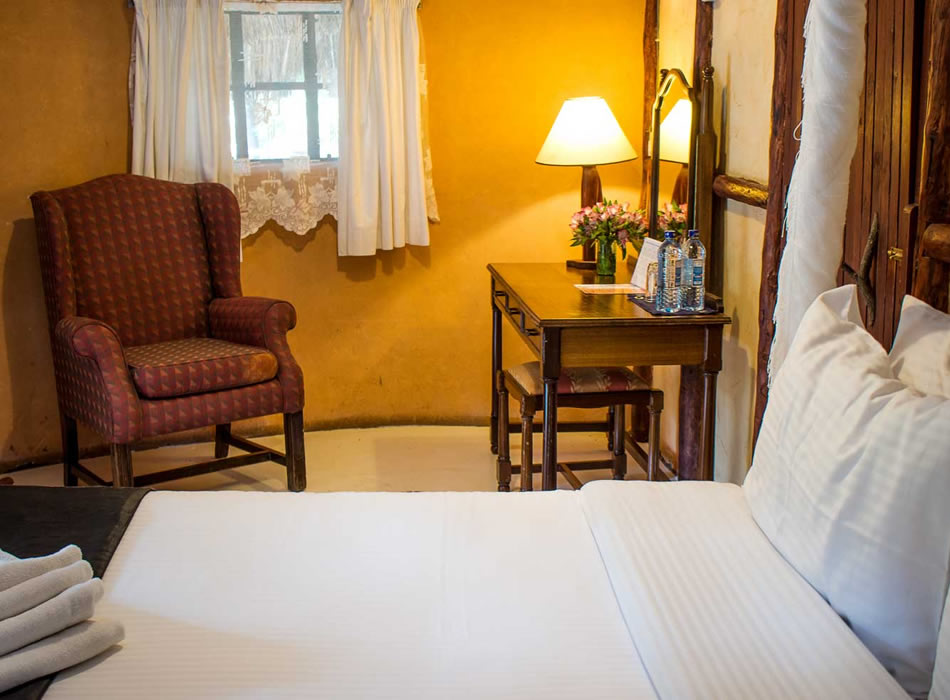
Kongoni Camp Nanyuki
Practical Nanyuki accommodation with on-site amenities; useful for staging road travel or connecting to other Laikipia sights, not for unrestricted Lewa access.
Also worth comparing directly with the lodge operators: Lewa House, Lewa Wilderness, Sirikoi Lodge and Elewana Kifaru House. We do not substitute unrelated Expedia listings or claim these are bookable through Expedia without verified property pages.
Frequently asked questions about Lewa
Can you visit Lewa Wildlife Conservancy without staying at a lodge?
Do not assume walk-in day access. Lewa is a privately managed conservancy with controlled vehicle entry. Arrange any visit and approved access directly with Lewa or an authorised on-site lodge before travelling.
How much are Lewa Wildlife Conservancy entrance fees in 2026?
There is no reliable public, one-size-fits-all day-visitor rate on the current official visitor pages. Guests generally contribute a conservation fee through their lodge. Ask for the written total and whether conservation fees, guiding, vehicle charges and activities are included.
How many nights do you need for Lewa?
Two to three nights are a useful starting point, allowing several game drives and some flexibility for conservation experiences.
Is Lewa good for seeing black rhinos?
Yes. Lewa is one of Kenya’s best-known rhino conservation landscapes and protects both black and southern white rhinos, but individual encounters are never guaranteed.
Can you self-drive inside Lewa?
Ordinary visitor vehicles are not automatically permitted. Lewa expressly restricts vehicle access; your lodge may need to collect you from a designated entrance.
How do you fly to Lewa?
Lewa Downs is served by light aircraft from Nairobi Wilson Airport, with schedules subject to change. Confirm the selected airstrip, transfer and baggage allowance with your lodge and operator.
Is Lewa the same as Borana Conservancy?
No. They are neighbouring conservancies working together as a connected conservation landscape. Accommodation, access, and activities must be confirmed with the relevant property.
Where should you stay to visit Lewa?
For the easiest access, choose one of the conservancy’s own lodges. Nanyuki hotels make useful before-or-after safari stopovers, but their bookings do not include permission to enter Lewa.
What is the best time to visit Lewa?
January to March and June to October often work well for relatively drier safari conditions. April–May and November–December can be greener, wetter and less predictable.
Is Lewa part of the UNESCO World Heritage landscape?
Lewa Wildlife Conservancy forms part of the Mount Kenya–Lewa UNESCO World Heritage property. Conservation and tourism are managed separately from the main Mount Kenya national park visitor experience.
Official sources & accuracy notes
This guide was reviewed on 7 November 2026. It uses Lewa’s own visitor, conservation and research pages for access rules and ecology. Fees, flights, wildlife counts and lodge activities can change quickly; always confirm current arrangements directly. Field-guide animal and plant lists are useful identification prompts, not a guarantee of sightings or an exhaustive scientific checklist.
How this guide was checked
See.Africa compared public access, conservation programmes and lodges with first-party Lewa information on 7 November 2026. Visitor fees, seasonal road conditions, transfers and schedules must be reconfirmed directly with Lewa or your lodge. The map is an orientation aid and does not replace local route instructions.
- Lewa visitor access, road route and airstrip
- Lewa official lodges list
- Lewa rhino conservation
- Lewa Grevy’s zebra conservation
- Lewa wildlife research and ungulates
- Lewa conservation activities
- Official Lewa 2026 plant conservation article
- Lewa 2026 rhino monitoring report
Photo credits and licences: landscape by Waterwaveke90 (CC BY-SA 4.0); black rhinos by Harald Zimmer (CC BY-SA 3.0); elephants by Oscarem65 (CC BY-SA 4.0). Images have not been modified.


Wildlife & botanical photo note: Many identification photographs are sourced from licensed Wikimedia Commons images or See.Africa’s existing field guide library and were not necessarily taken inside Lewa. They show the identified species, not a guaranteed Lewa sighting. Newly imported photo sources and licence details are recorded in the WordPress Media Library.
Leave a Reply