
Solio Game Reserve: Rhinos, Map, Fees & Lodges
A practical field guide to Solio’s two entry gates, current visitor rules, rhino safaris, source-backed map and places to stay.
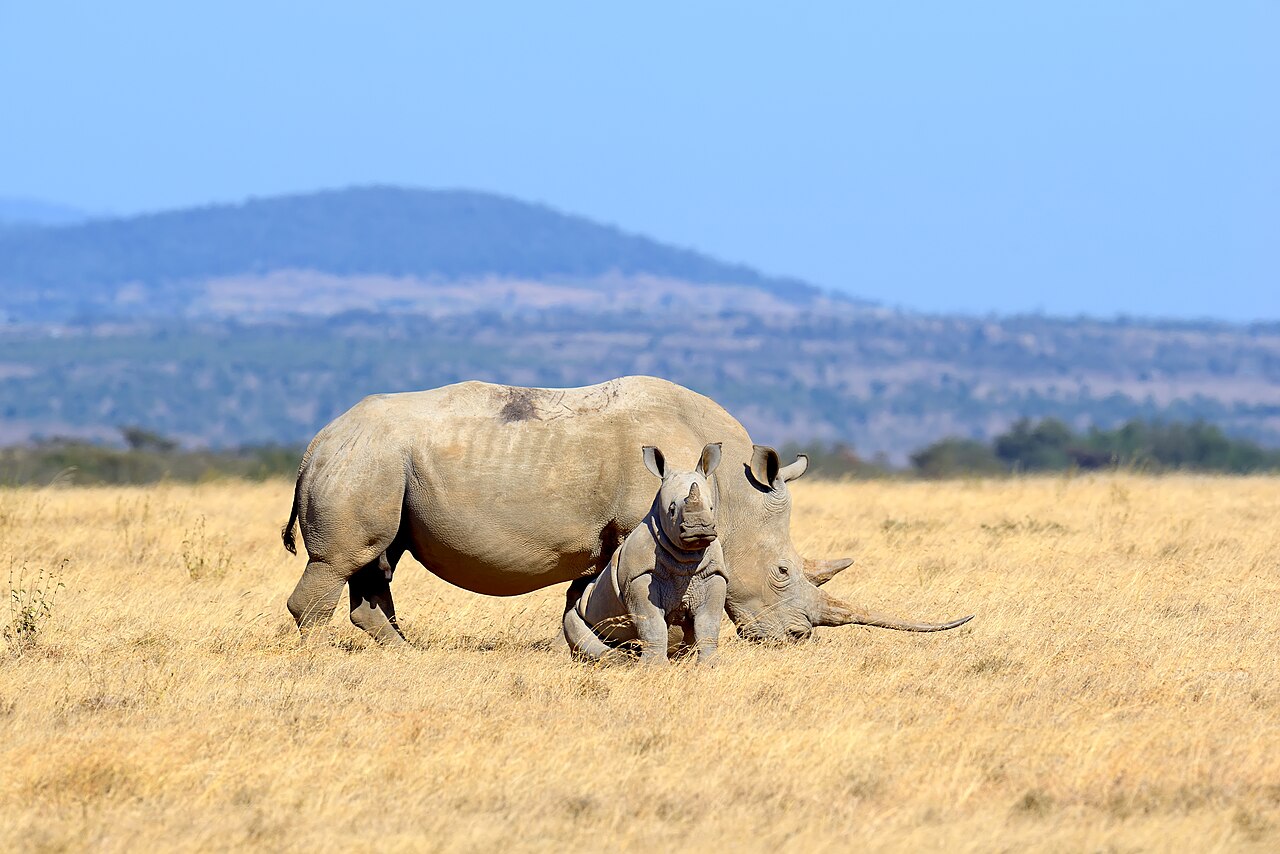
White rhinoceros photographed at Solio by Byrdyak / Volodymyr Burdiak, Wikimedia Commons, CC BY-SA 4.0 (cropped for web). Licence and source linked below.
Solio Game Reserve is an important Kenyan rhino sanctuary between the Aberdare Range and Mount Kenya. Visitors can buy official day-entry passes at two gates, but access is governed by specific hours, cashless payment, ID checks and strict animal-viewing rules. This guide explains those practical details before you travel.
Solio Game Reserve at a glance
Solio Game Reserve, between Kenya’s Aberdare Range and Mount Kenya, is a privately managed sanctuary famous for breeding and protecting both black and southern white rhinoceroses. Unlike many private conservancies, Solio sells day-visitor entry tickets at two gates. You do not need to book Solio Lodge to visit, but you must follow the reserve’s admissions, payment and wildlife rules.
Rhino conservation history
Solio’s official history dates its foundation to 1970 as a breeding and protection sanctuary; it has helped supply rhinos for reintroduction to other protected landscapes. The reserve’s wildlife gallery also features giraffes, zebra, buffalo, leopard, waterbuck, vervet monkeys and birds. Wildlife numbers and sightings change; do not expect guaranteed encounters.
Official conservation history · Official reserve wildlife gallery.
Best time to visit Solio
Rhinos are present year-round. The season mainly affects visibility, grass height, road traction and morning temperatures in the central Kenyan highlands.
Good open-grass views and generally easier vehicle travel. Start early for soft photography light.
Green landscapes, changing road conditions and potentially taller grass.
Popular safari months. Bring layers for cold mornings and check road conditions.
Lush scenery and variable conditions; allow schedule flexibility.
The best rhino safari is a patient, respectful drive. Choose a suitable guide and vehicle rather than expecting a particular daily rhinoceros count.
Solio entrance fees, gate hours and visitor rules (2026)
| Official condition | What to know before arrival |
|---|---|
| Gate opening | 6:30 AM daily |
| Late entry | Rules page says no entry after 4:30 PM; entry and contact pages list 5:00 PM. Plan for 4:30 PM or earlier. |
| Exit | By 6:00 PM, per official rules page |
| Ticket purchase | Main Gate or Rhino Gate offices; an official Solio pass required |
| Payment | No cash. Entry page specifies cards; rules additionally mention official M-Pesa or bank payment. Confirm accepted method. |
| Documents | Passport and signed indemnity forms (parents sign for children) |
| Wildlife viewing | At least 20 m from animals, no more than 3 vehicles, maximum 10 minutes by the same animal |
| Road conduct | Remain on designated roads; maximum 40 km/h |
Main Gate
Reached from the Nyeri–Nyahururu road. Main Office: +254 111 425 226. This is the gate recommended by the reserve for the separately booked Rhino Orphanage.
Rhino Gate
Newer entrance near Naro Moru, helpful for visitors approaching from Nanyuki or Mount Kenya. Rhino Gate: +254 113 807 267.
Safety: Do not leave your vehicle without written Solio Management approval. No drones, pets, feeding wildlife, off-road driving or unauthorised picnics. Rules specify KES 10,000 fines for particular violations.
Entry information · Complete rules · Official approach directions.
Solio map: lodging, airstrip and arrival towns
This map is an orientation aid, not an entry permit or a driving route. It shows independently sourced public coordinates for accommodation, an airstrip and the reserve’s approximate mapped area. Gate pins are deliberately omitted because the current official pages do not supply navigation-grade coordinates. The main entrance is on Nyeri–Nyahururu Road; Rhino Gate is near Naro Moru. Always ask Solio for the correct pin for your booking.
Interactive map loading. If not available, use the sourced directory below and OpenStreetMap.
By road
Solio’s own directions approximate Nairobi at 180 km / 3 hours, Nyeri at 25 km / 30 minutes, and Nanyuki at 60 km / 1 hour. Actual journey time depends on road conditions, traffic and the chosen entrance.
By air
Fly into Nanyuki for a transfer, or arrange a permitted private charter to Solio Ranch airstrip. Do not treat the mapped runway position as a flight chart or landing clearance.
Suggested three-day Solio safari itinerary
Travel to your selected hotel or on-reserve lodge, confirm which gate you will use, and check the latest ticket and payment details. If arriving too late for an unrushed game drive, save Solio for an early start.
Enter early; spend time watching both rhino species, stopping for waterbuck, buffalo, giraffes and other plains animals. Keep to the roads, remain in your vehicle and obey the 20-metre and 10-minute wildlife-viewing rules.
Book the Solio Rhino Orphanage in advance through its separate reservation form and use Main Gate, or continue toward Aberdare National Park for contrasting forest and mountain wildlife.
Combine responsibly: Ol Pejeta Conservancy, Lewa Wildlife Conservancy and Borana Conservancy all offer different rhino and highland safari experiences.
25 mammals to identify: Solio and Kenya’s highlands
Solio’s operator materials document black and white rhinos, buffalo, zebra, giraffe, lion, leopard, cheetah, hyena, waterbuck and other plains game. These 25 profiles include regional highland comparisons; not every species below is confirmed as present in the reserve. Photographs are identification references taken in various African reserves, not a promise of Solio sightings.
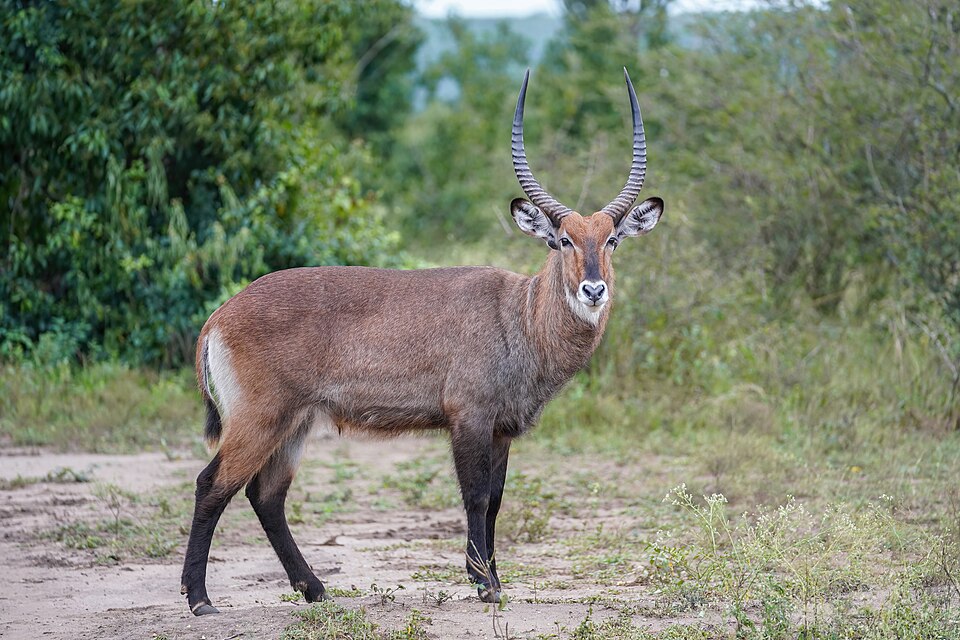
Defassa waterbuck
Kobus ellipsiprymnus defassa
Waterbuck is documented in the Solio landscape. Look for the white rump markings and preference for wetter grass.
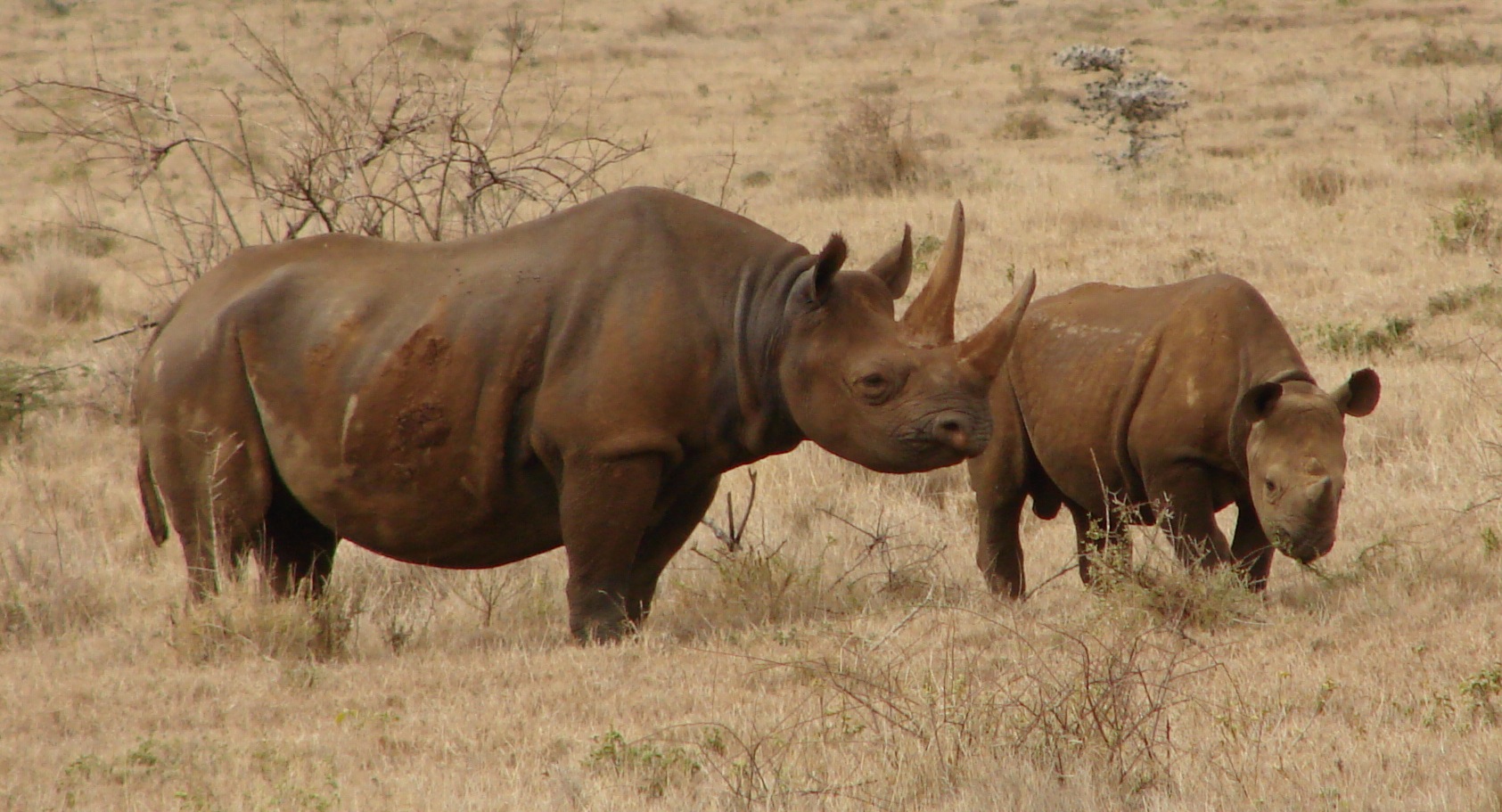
Black rhinoceros
Diceros bicornis
An icon of Lewa’s conservation story. Black rhinos browse on shrubs; approach only with your guide and give them space.
Signature
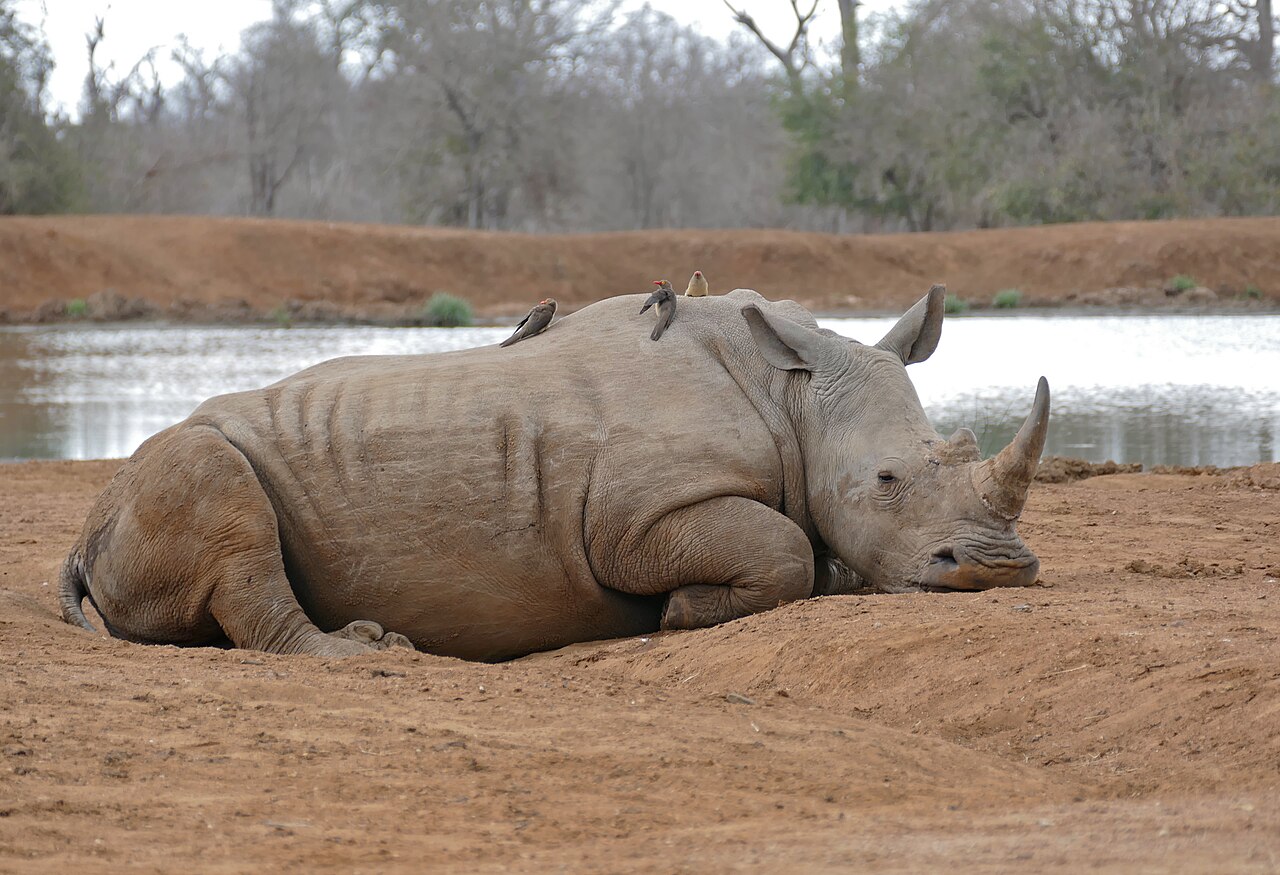
Southern white rhinoceros
Ceratotherium simum simum
Often grazes in open country. Note the broad, square muzzle rather than relying on colour.
Signature

Plains zebra
Equus quagga
The more familiar zebra of grasslands; compare its wider stripe pattern with Grevy’s zebra.
Signature
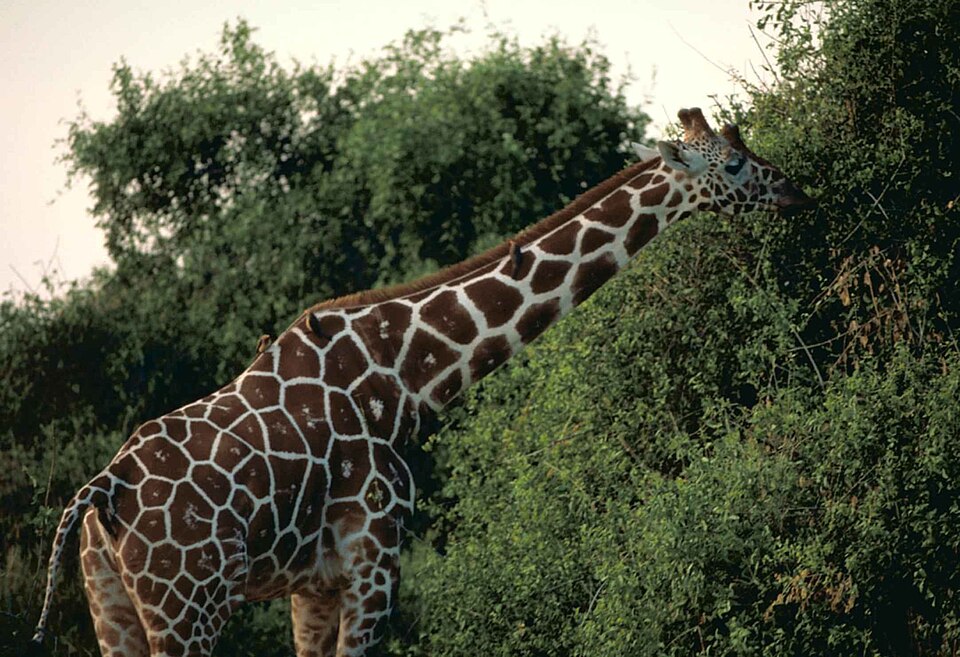
Reticulated giraffe
Giraffa reticulata
A northern Kenya giraffe with a geometric coat pattern, usually browsing taller vegetation.
Signature
African buffalo
Syncerus caffer
Powerful grazers that may gather in herds. Keep well clear on foot and in vehicles.
Signature
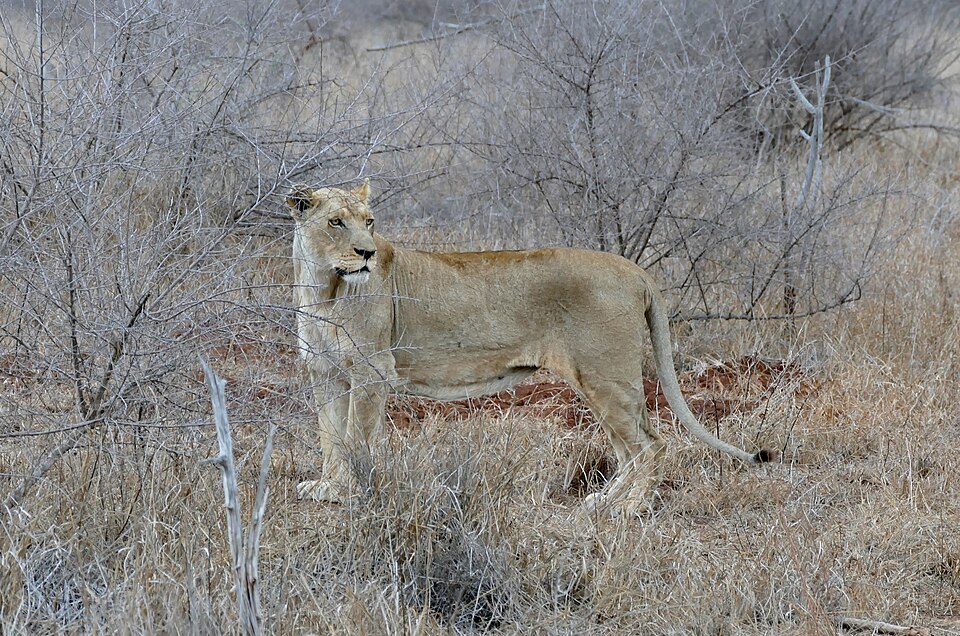
Lion
Panthera leo
Resident predator; early drives and listening to guides improve the chance of an encounter.
Predators
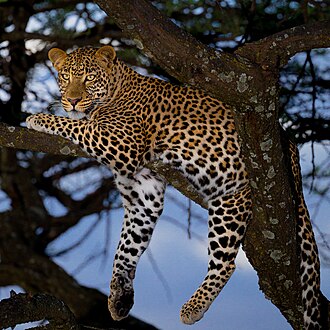
Leopard
Panthera pardus
Secretive and less predictable; watch rocky cover and mature trees without disturbing wildlife.
Predators
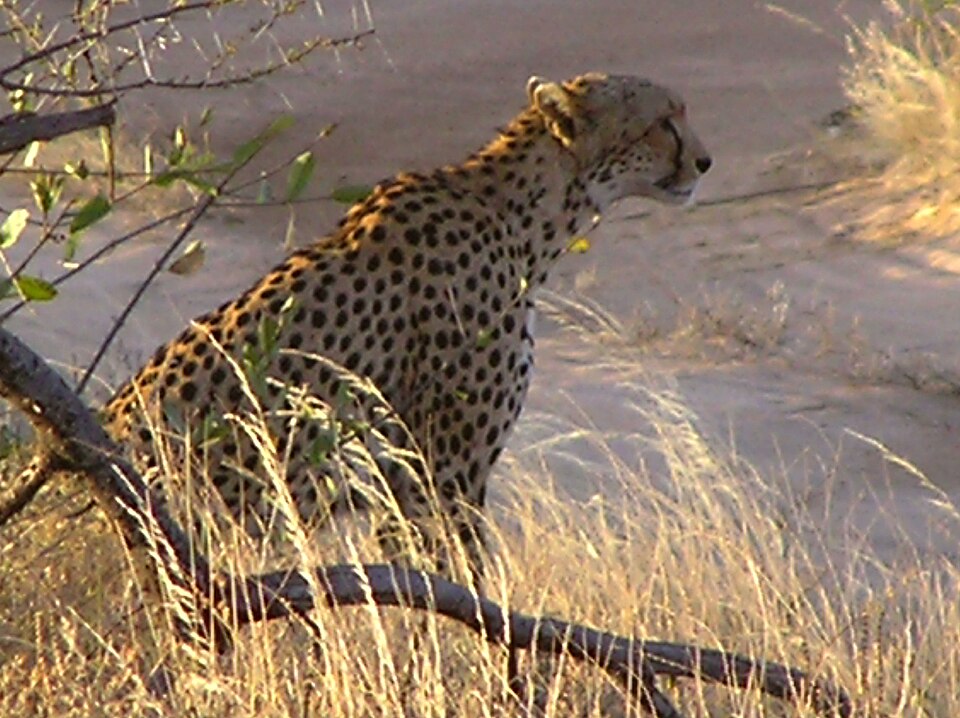
Cheetah
Acinonyx jubatus
An open-country cat; sightings depend on prey movements and visibility.
Predators
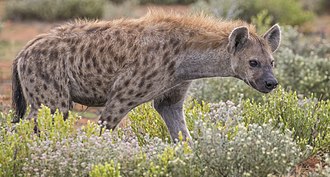
Spotted hyena
Crocuta crocuta
A major carnivore and scavenger; often active around dawn and dusk.
Predators
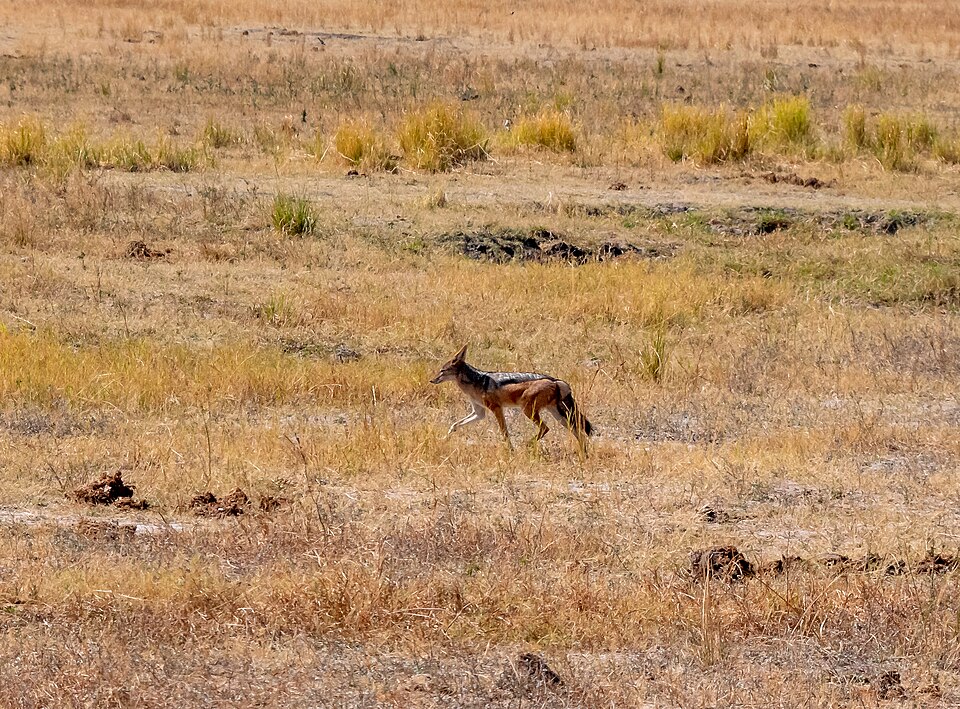
Black-backed jackal
Lupulella mesomelas
Small canid of open ground and bush, often moving singly or in pairs.
Predators
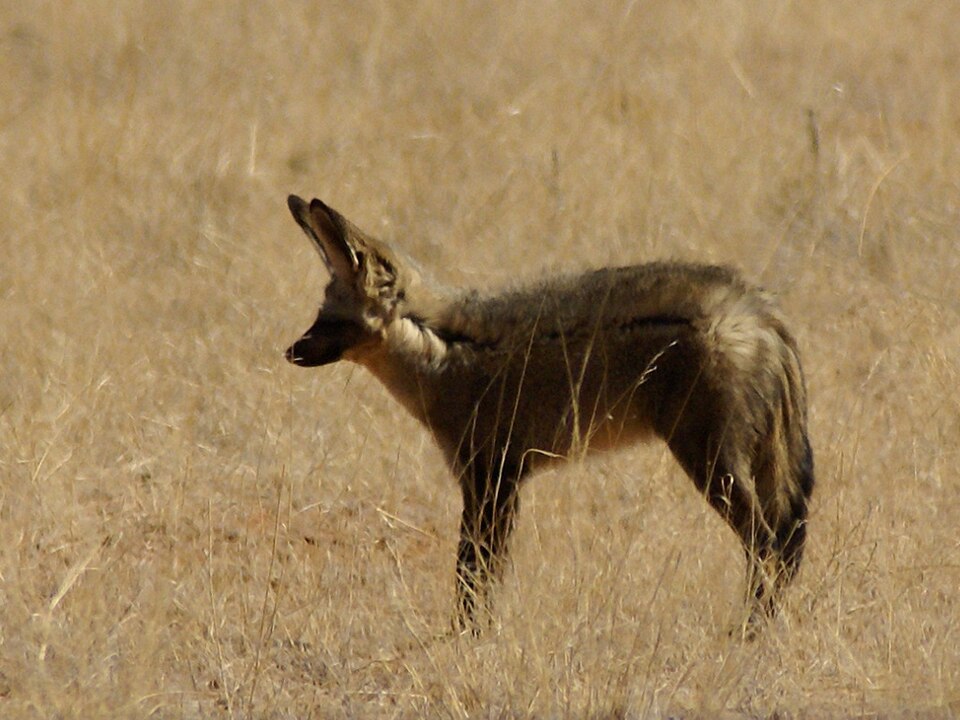
Bat-eared fox
Otocyon megalotis
A small insect-eating fox worth scanning for in suitable grassland.
Predators
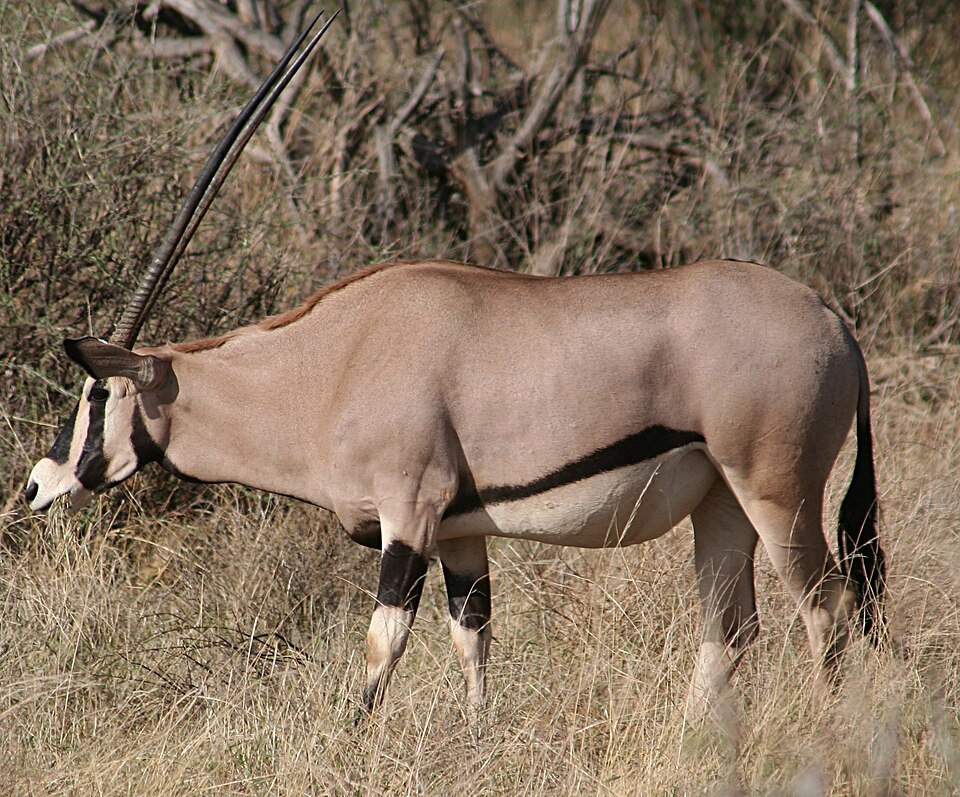
Beisa oryx
Oryx beisa
Elegant long-horned antelope adapted to drier northern habitats.
Grazers & browsers
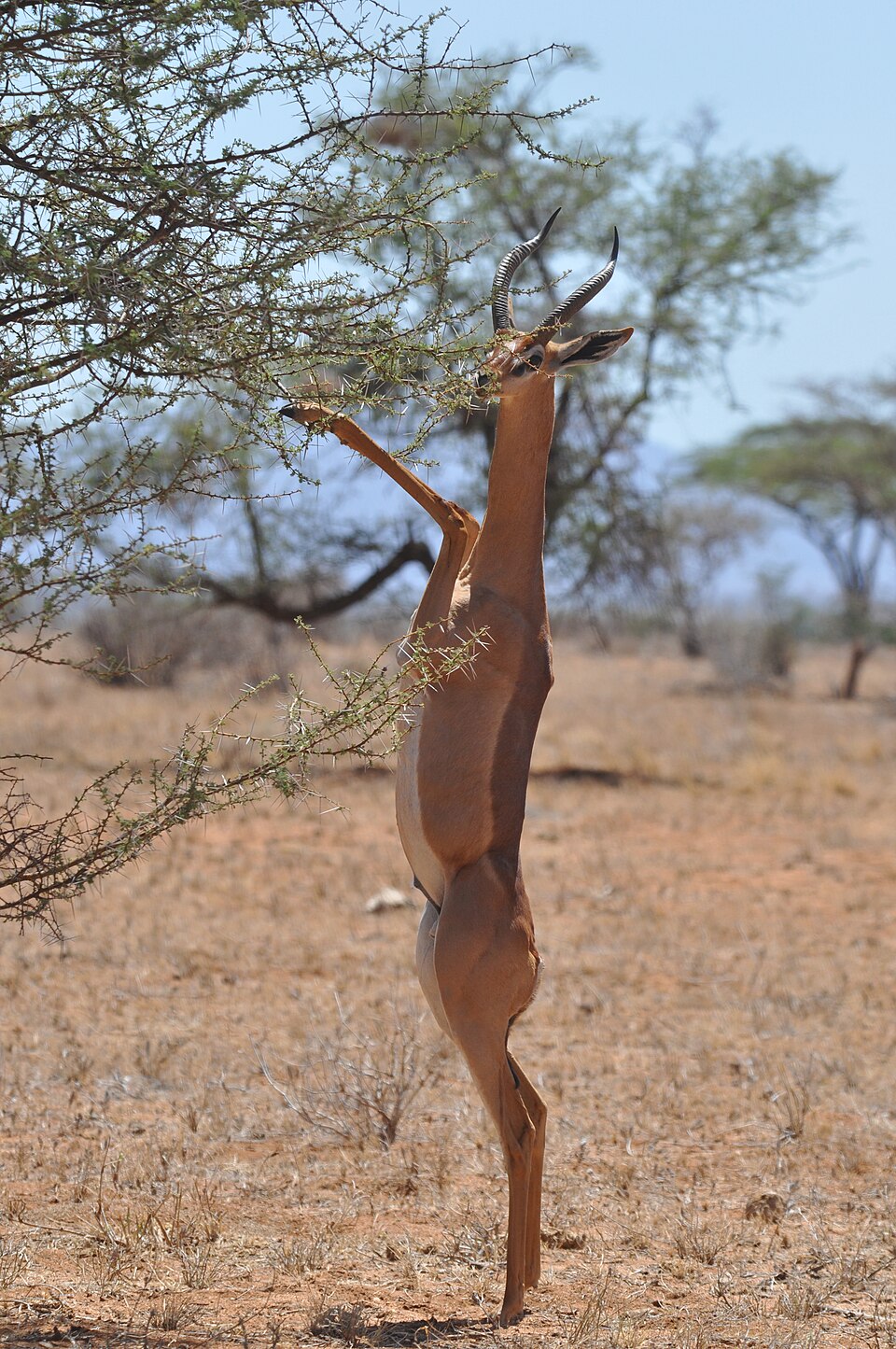
Gerenuk
Litocranius walleri
Long-necked browser that sometimes stands on its hind legs to reach leaves.
Grazers & browsers
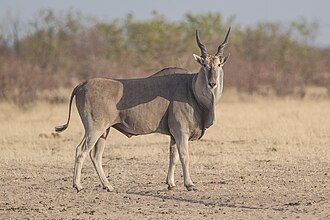
Common eland
Taurotragus oryx
Africa’s largest antelope; surprisingly agile despite its size.
Grazers & browsers
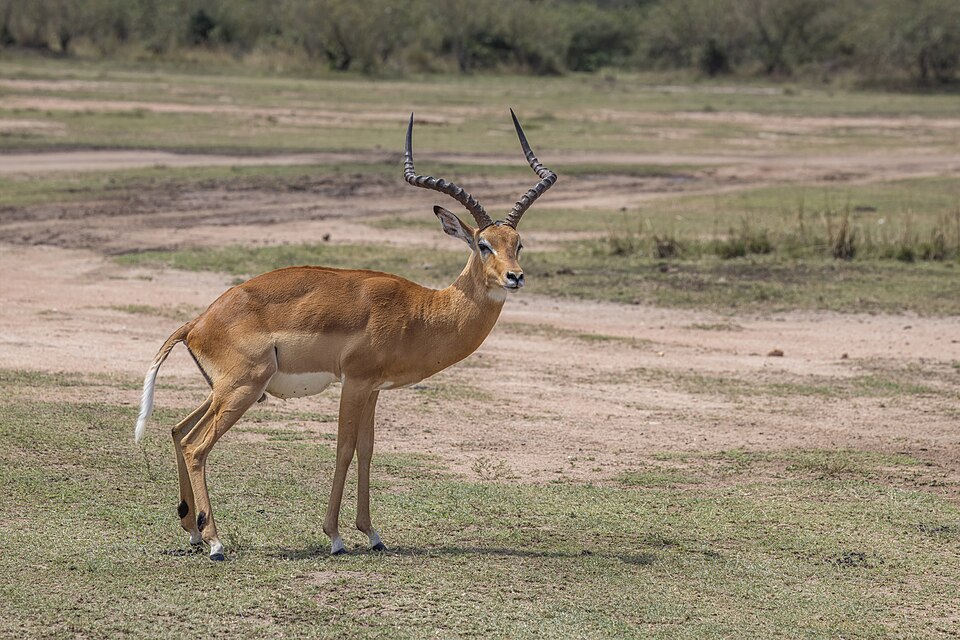
Impala
Aepyceros melampus
Agile antelope associated with savanna edges and light woodland.
Grazers & browsers
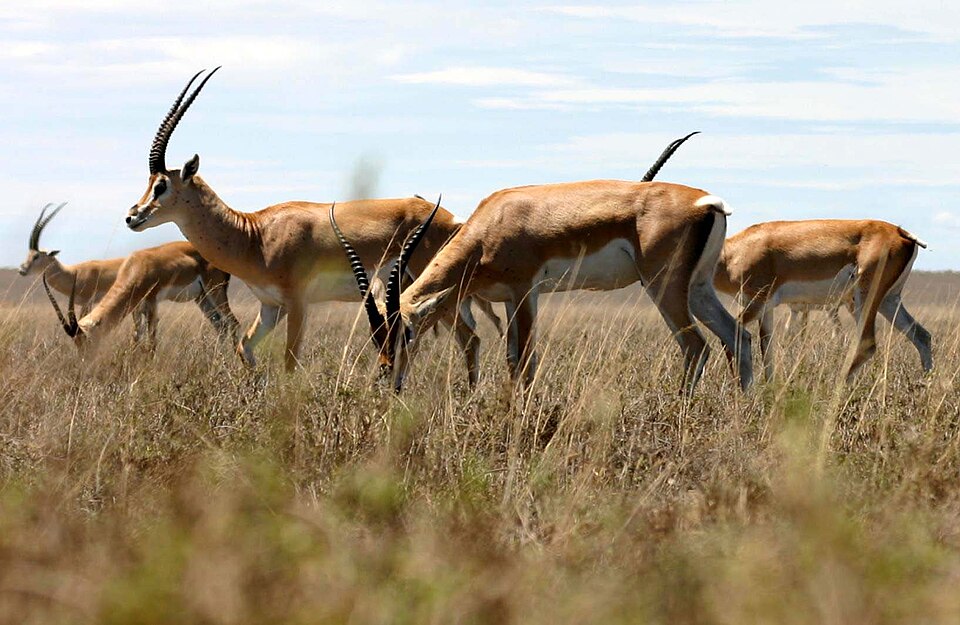
Grant’s gazelle
Nanger granti
Look for this gazelle in open, dry grassland; distinguish it from smaller antelope.
Grazers & browsers
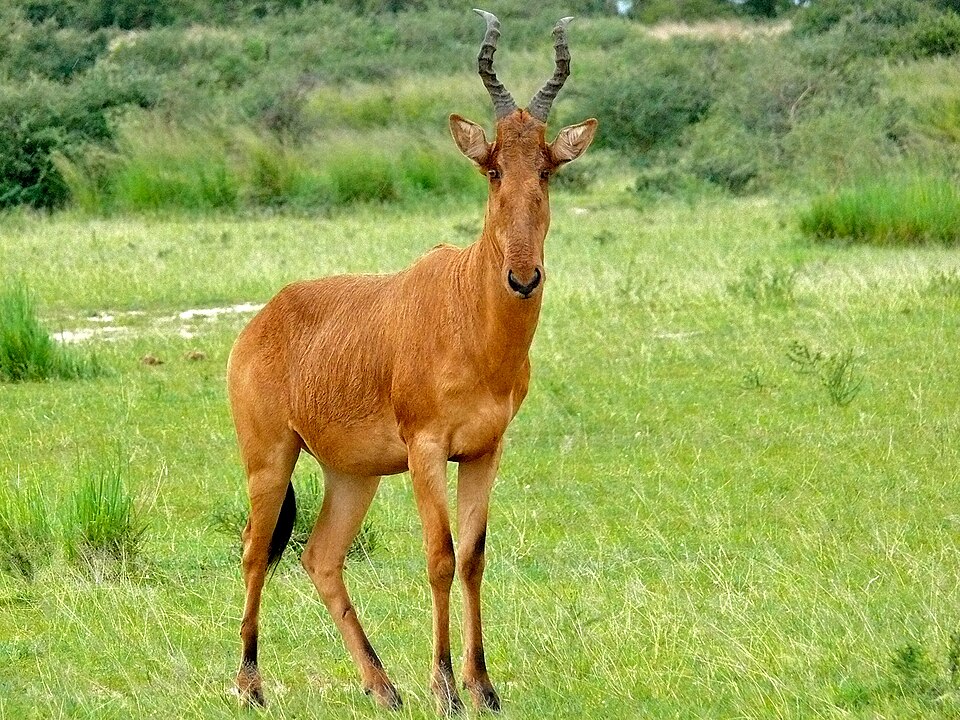
Lelwel hartebeest
Alcelaphus buselaphus lelwel
Distinctive sloping back and long face; part of Lewa’s monitored ungulates.
Grazers & browsers
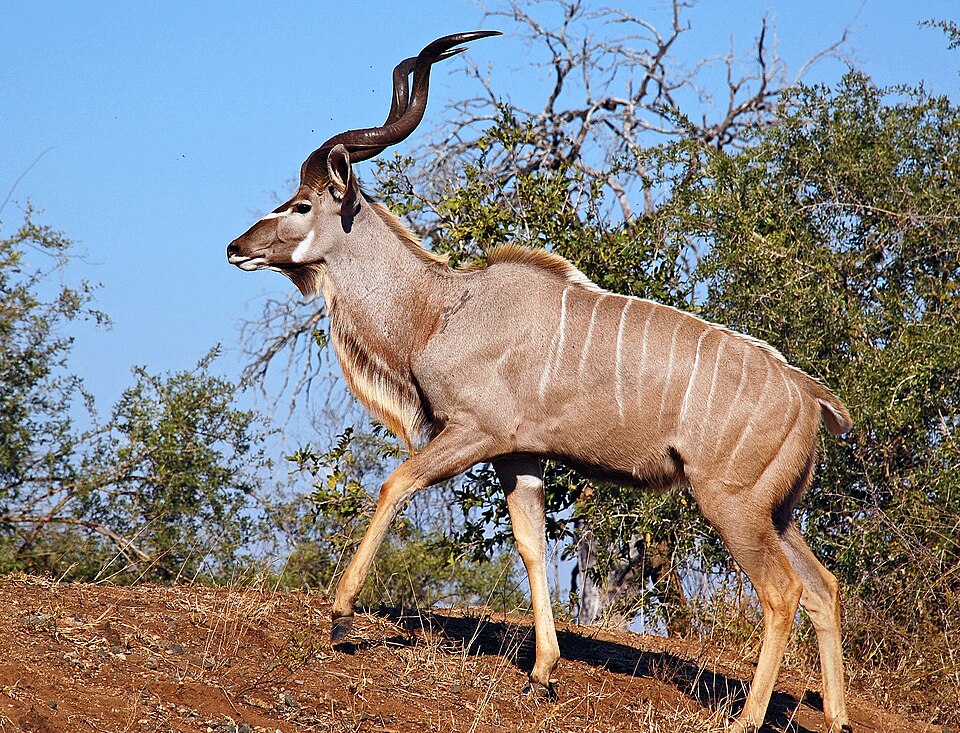
Greater kudu
Tragelaphus strepsiceros
A shy woodland antelope; adult males carry impressive spiral horns.
Grazers & browsers
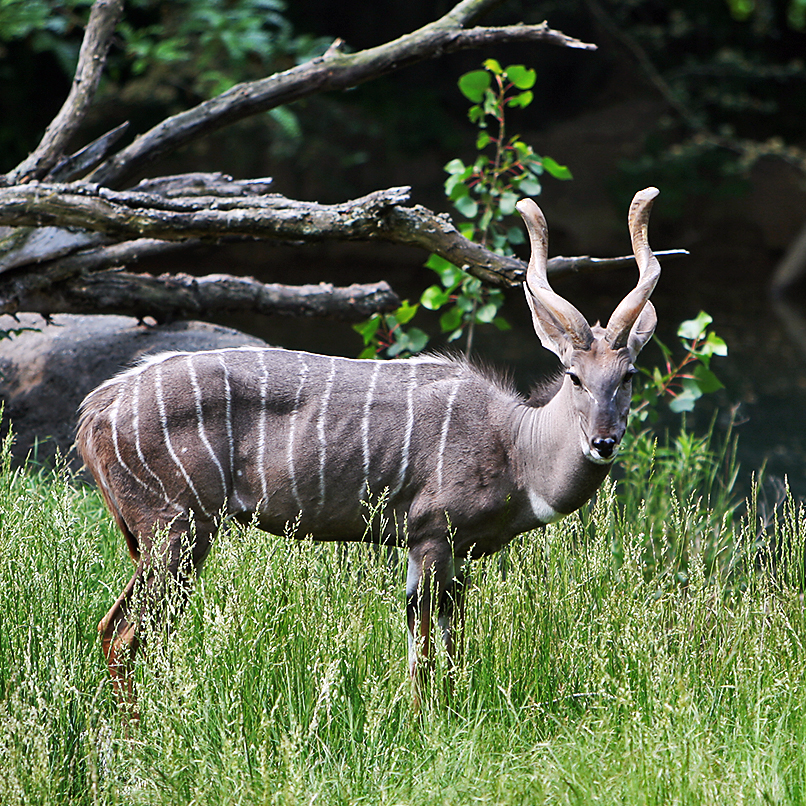
Lesser kudu
Tragelaphus imberbis
A more elusive striped browser of dense bush and dry woodland.
Grazers & browsers
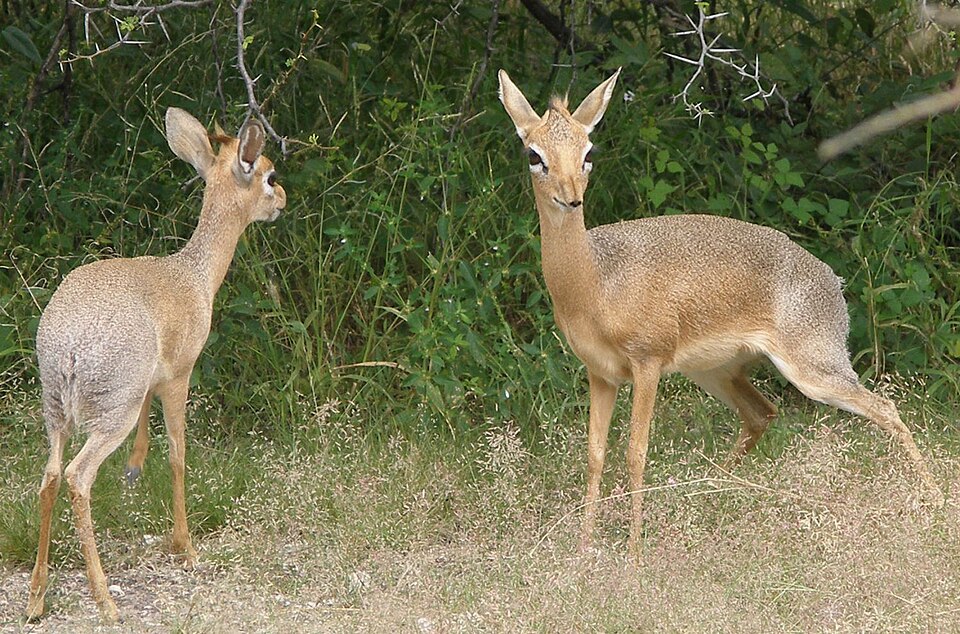
Kirk’s dik-dik
Madoqua kirkii
Tiny antelope often seen as a pair darting into thorn scrub.
Grazers & browsers
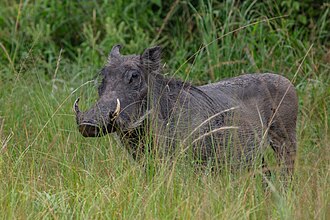
Common warthog
Phacochoerus africanus
Often trots with tail erect; a familiar grazer around open tracks.
Grazers & browsers
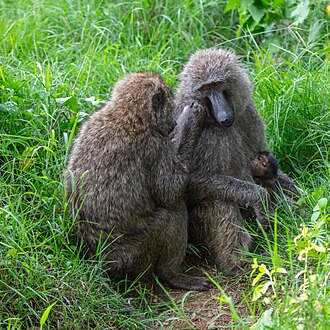
Olive baboon
Papio anubis
Social primate near woodland and water. Never feed or leave food unsecured.
Grazers & browsers
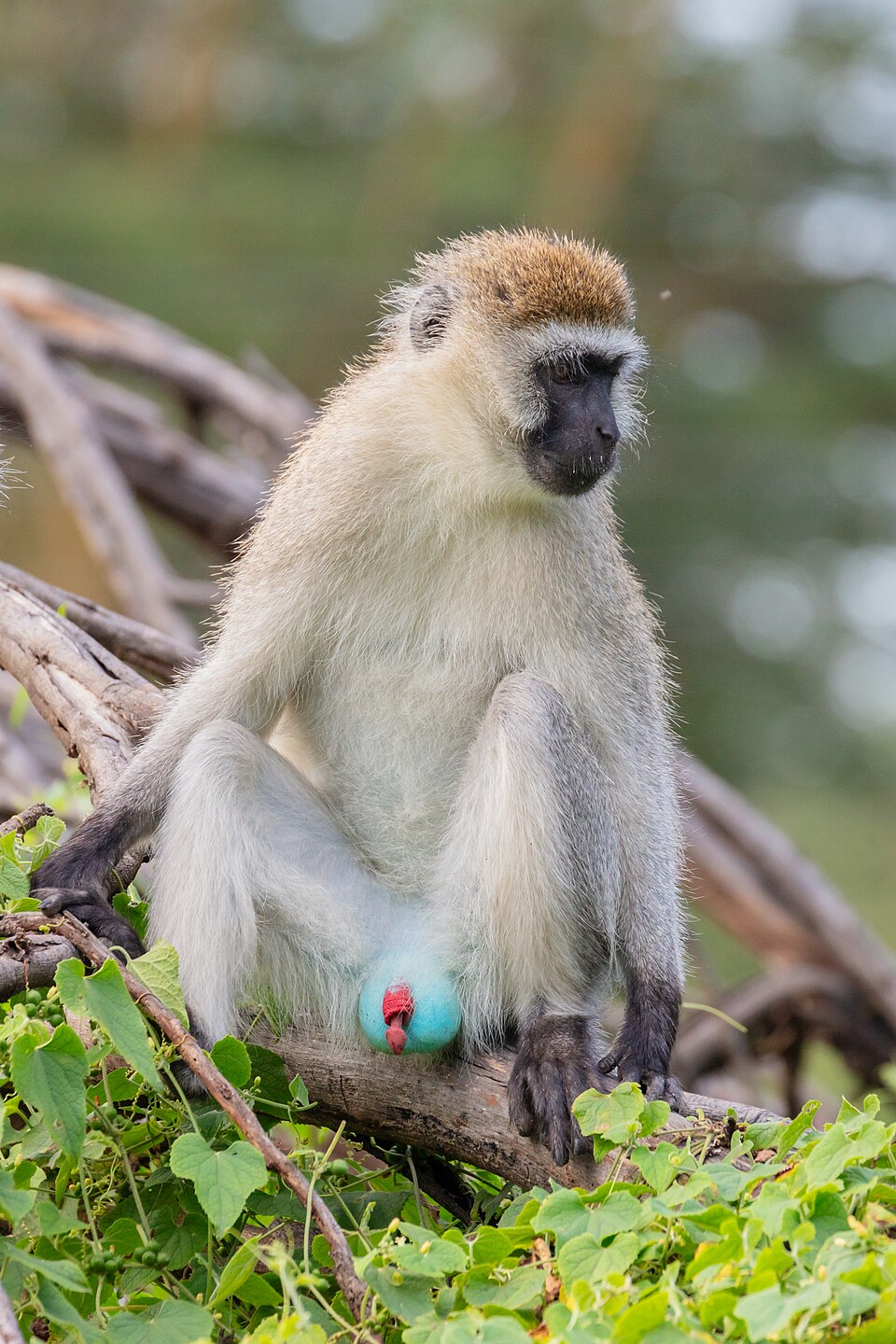
Vervet monkey
Chlorocebus pygerythrus
Social monkey recorded in Solio’s official gallery. Never feed or approach.
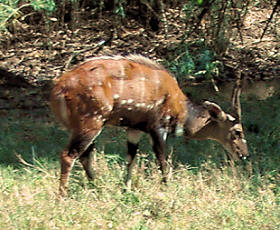
Bushbuck
Tragelaphus scriptus
Woodland antelope of the wider Kenyan highlands; an identification example, not a documented Solio population.
10 bird reference profiles for central Kenya
Solio’s grassland, wet areas and woodland attract numerous birds. These ten images illustrate species found in the wider Kenyan safari landscape; some northern specialties are regional comparison examples, not a verified Solio checklist. Bring binoculars and check current sightings with the local guide.
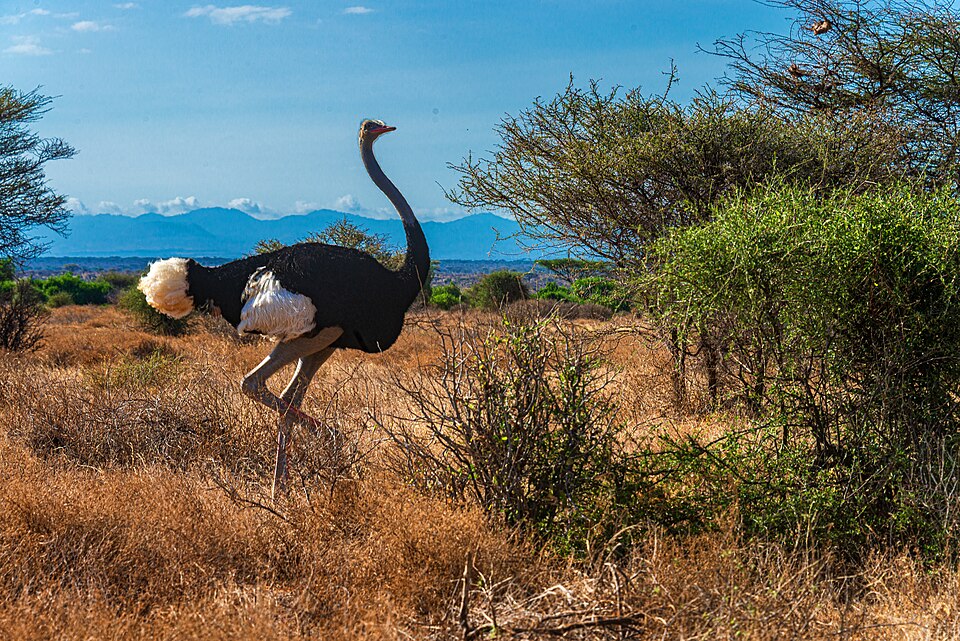
Somali ostrich
Struthio molybdophanes
Northern-specialty bird of dry open ground.
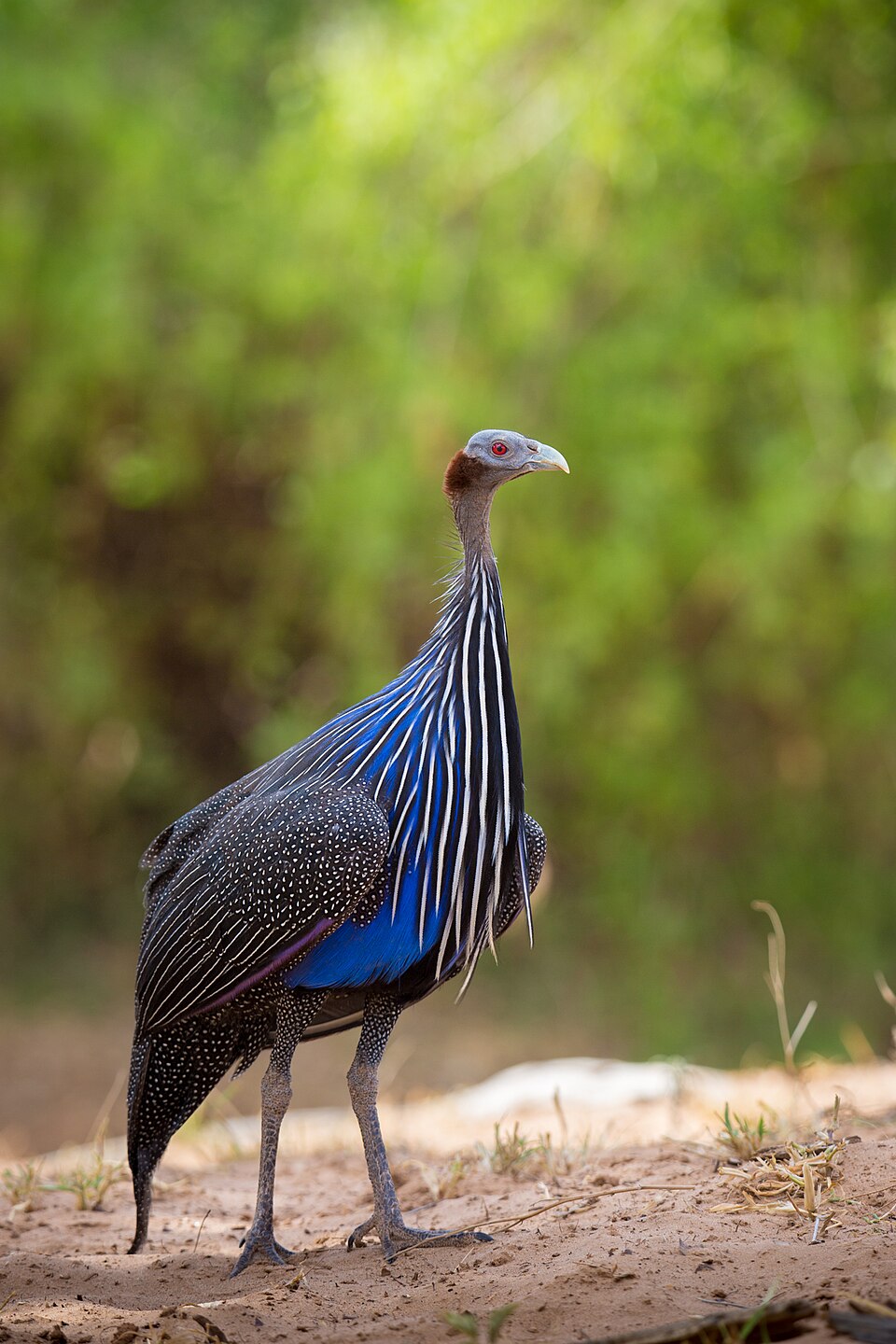
Vulturine guineafowl
Acryllium vulturinum
Electric-blue breast and striking neck feathers.
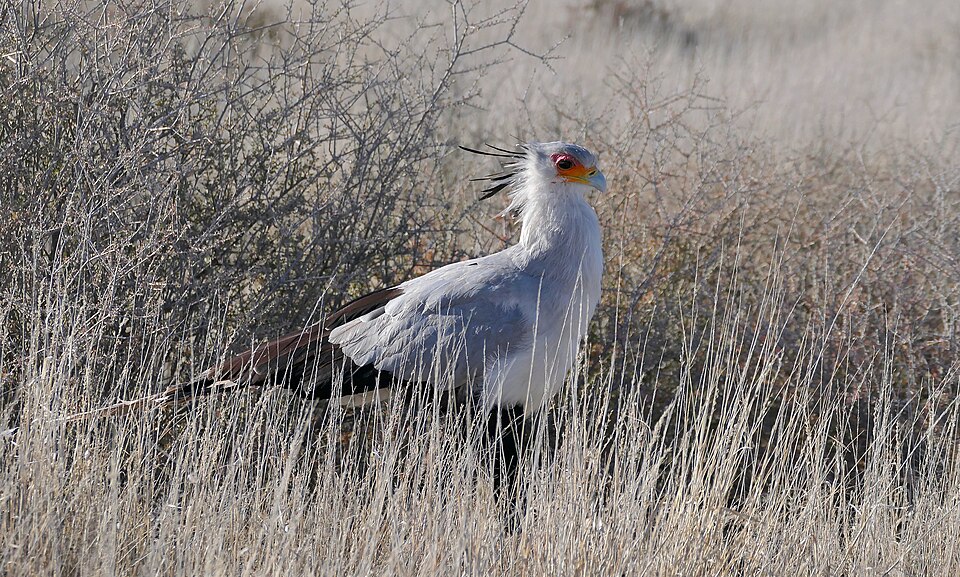
Secretarybird
Sagittarius serpentarius
Long-legged raptor that hunts on foot across open plains.

Martial eagle
Polemaetus bellicosus
Large raptor; scan trees and skies with binoculars.
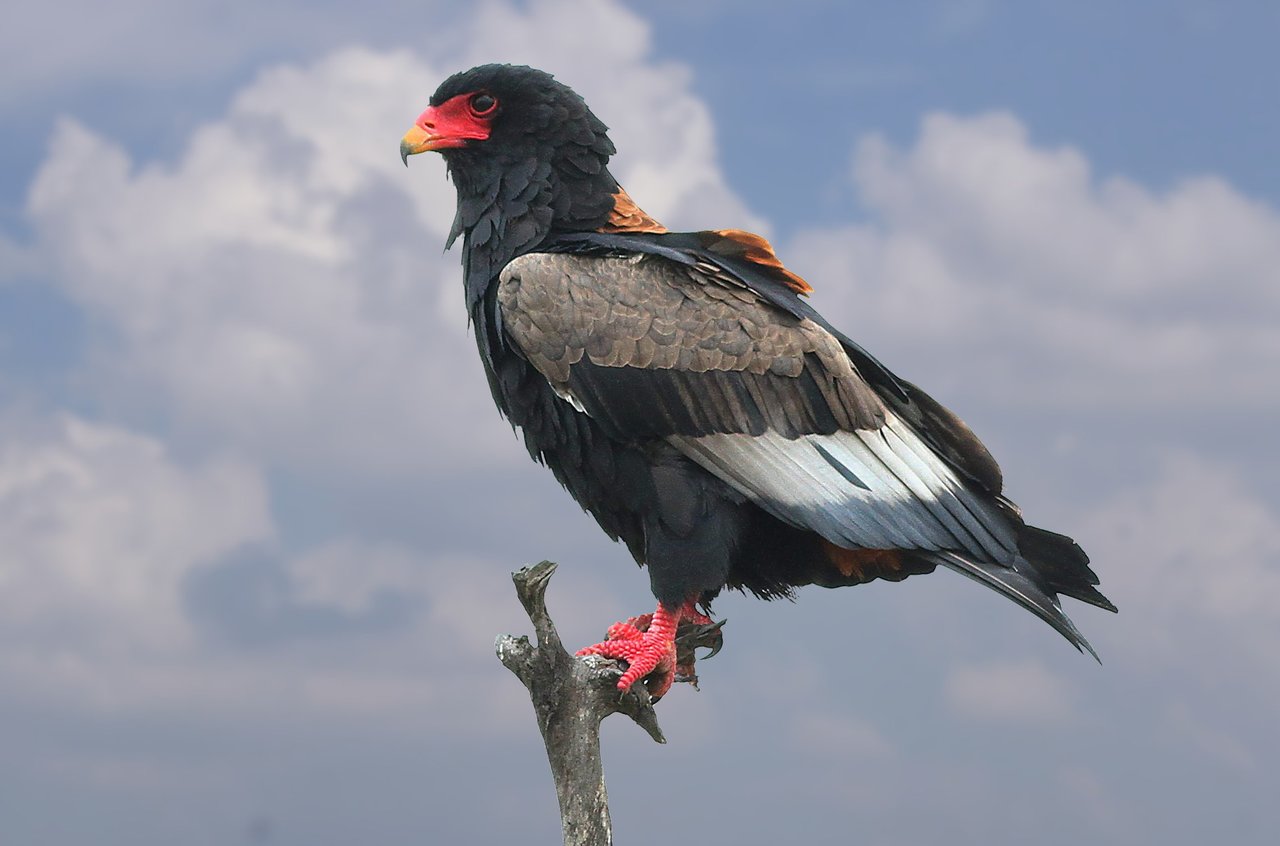
Bateleur
Terathopius ecaudatus
Short-tailed eagle with a distinctive tilting flight.
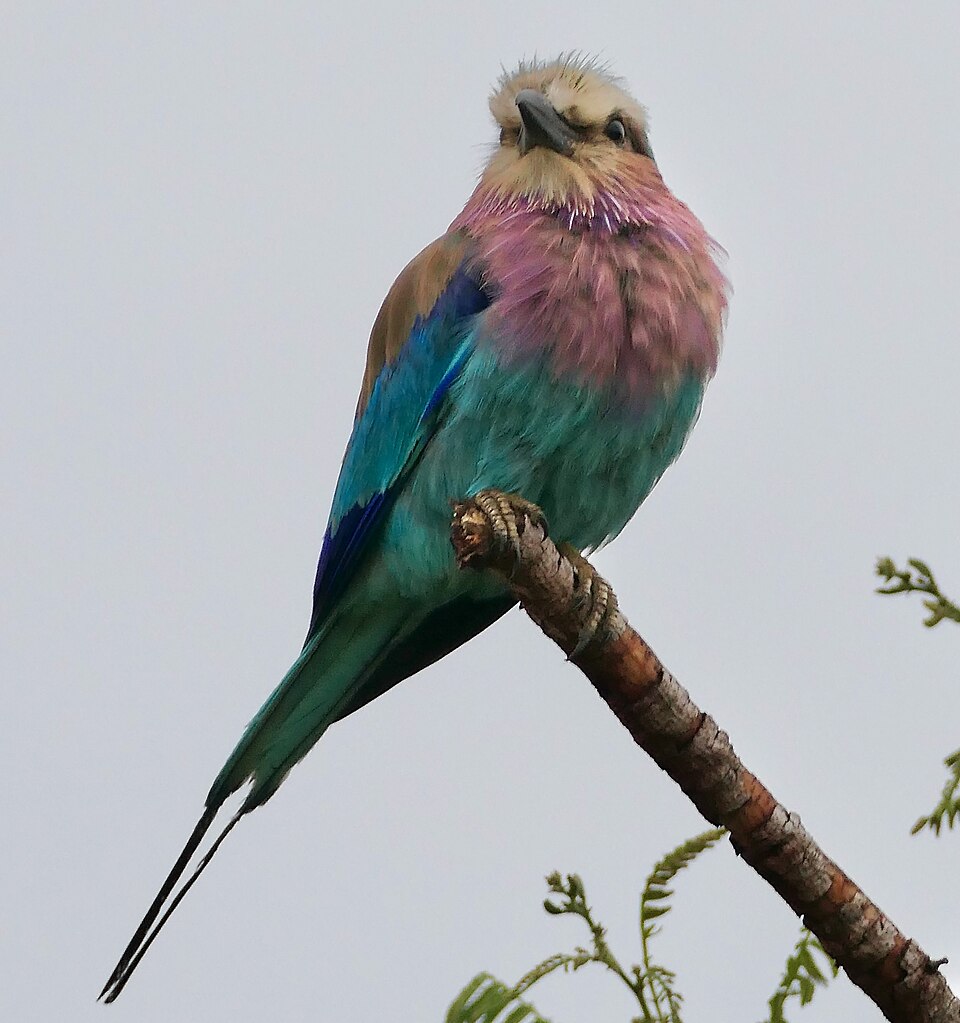
Lilac-breasted roller
Coracias caudatus
Colourful roadside bird that hunts from exposed perches.
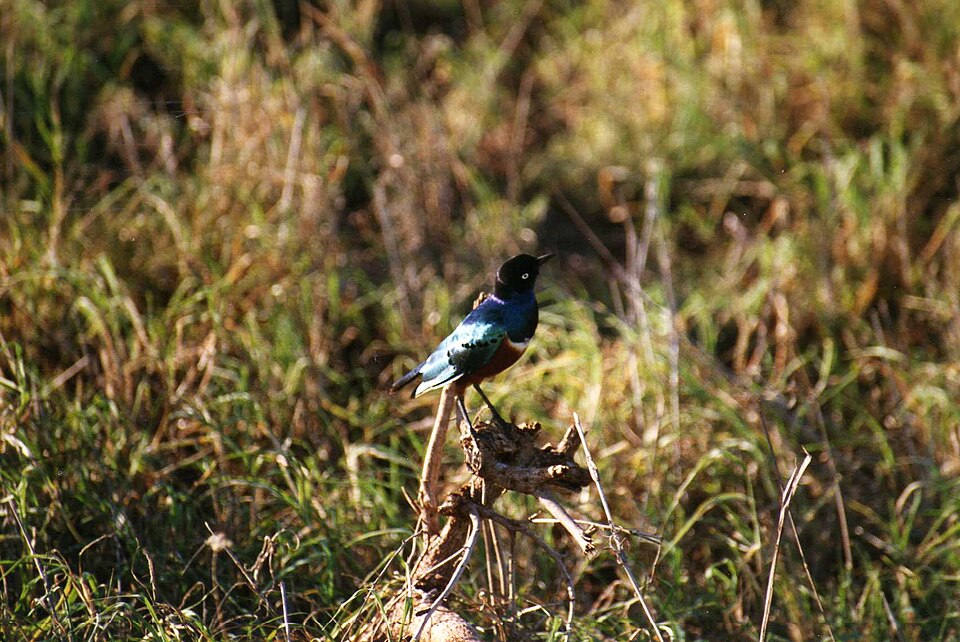
Superb starling
Lamprotornis superbus
Iridescent blue and orange; often near camp areas.
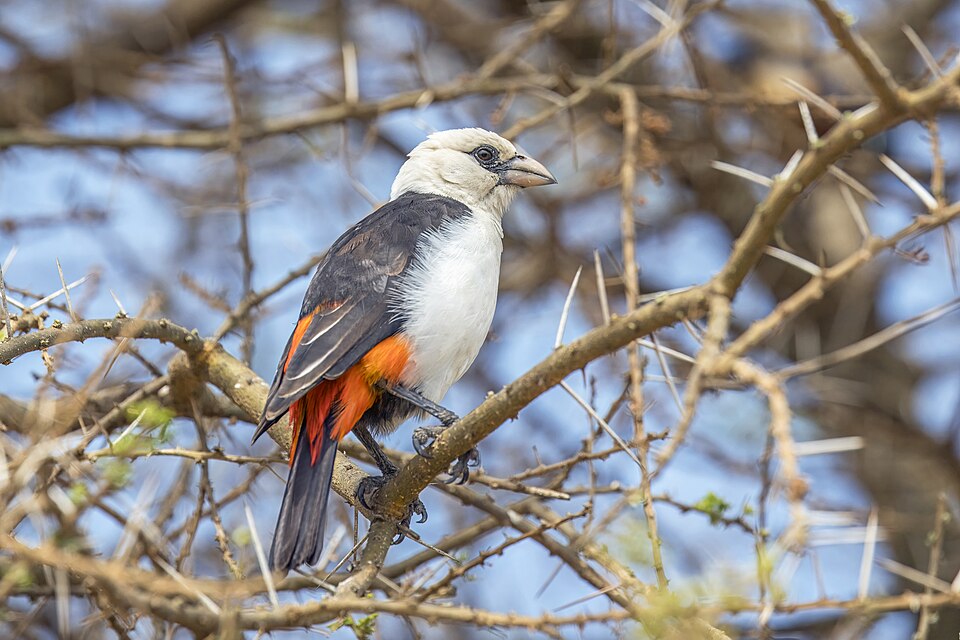
White-headed buffalo weaver
Dinemellia dinemelli
Dry-country weaver, frequently seen in thorn trees.
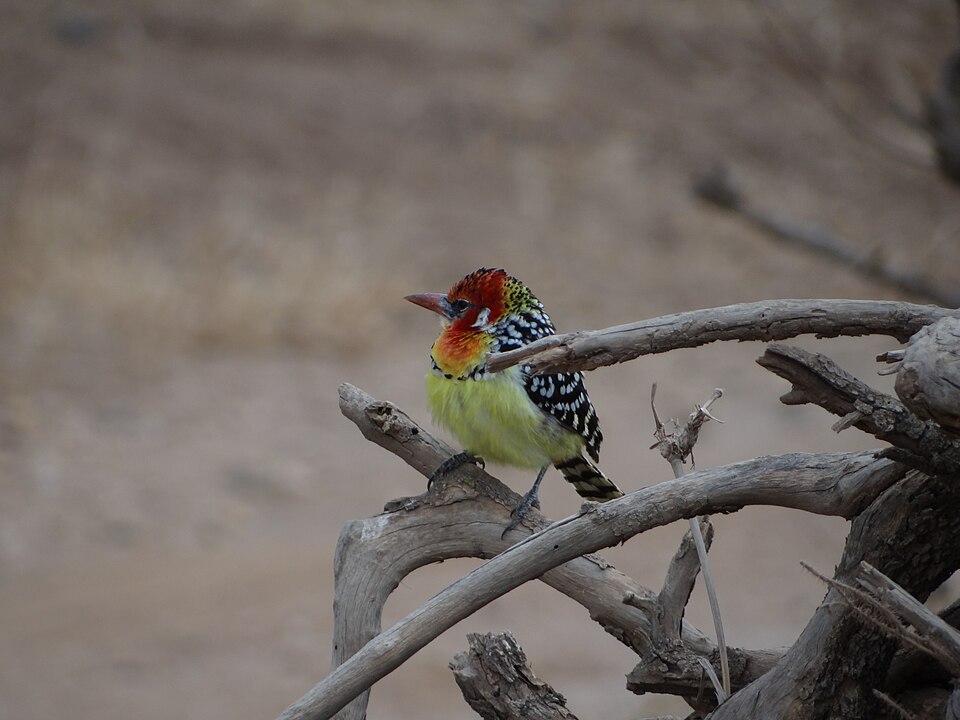
Red-and-yellow barbet
Trachyphonus erythrocephalus
A bold patterned bird of dry northern bush.
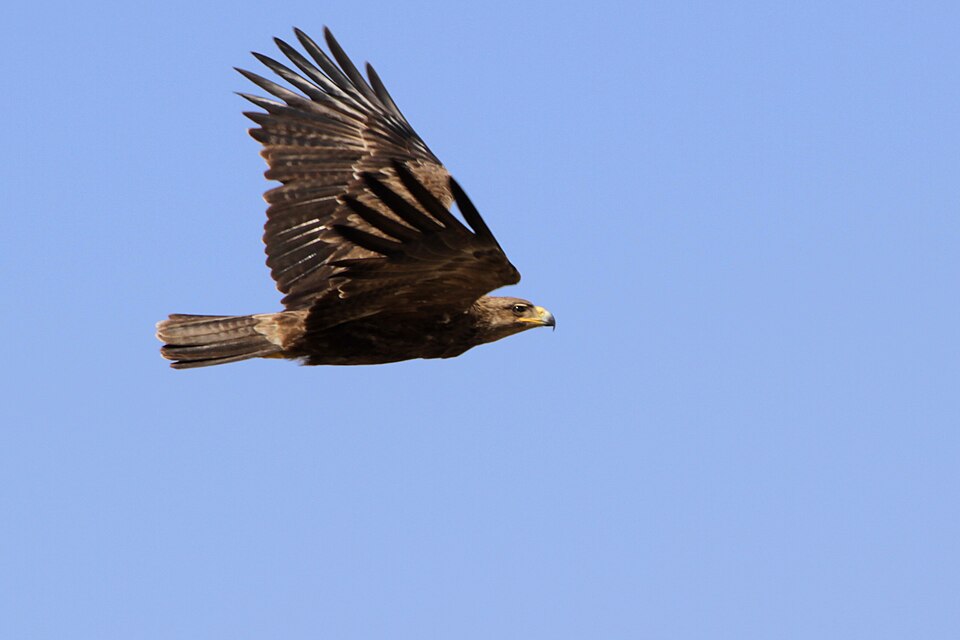
Tawny eagle
Aquila rapax
Broad-winged scavenger and hunter seen in open savanna.
10 trees, shrubs and grasses of the wider region
Open grass, acacia woodland, riverine corridors and highland vegetation help explain where browsing and grazing animals occur. The plants below are regional identification examples from Kenyan savanna and woodland, not a plot-by-plot botanical survey of Solio. Photos are reference images and may depict another reserve.
Trees, shrubs and understory
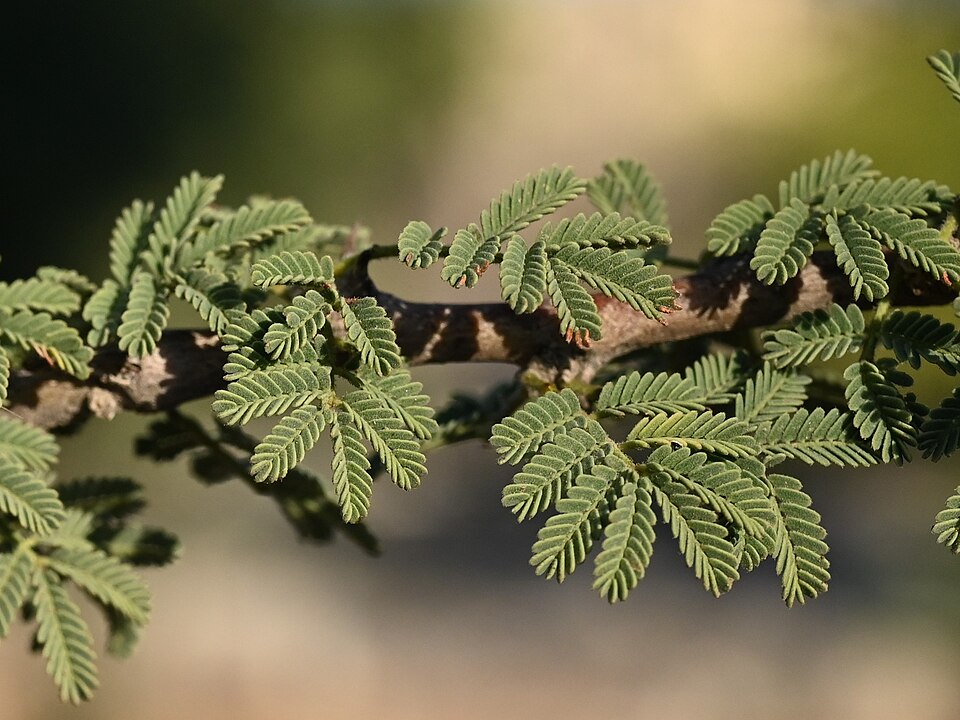
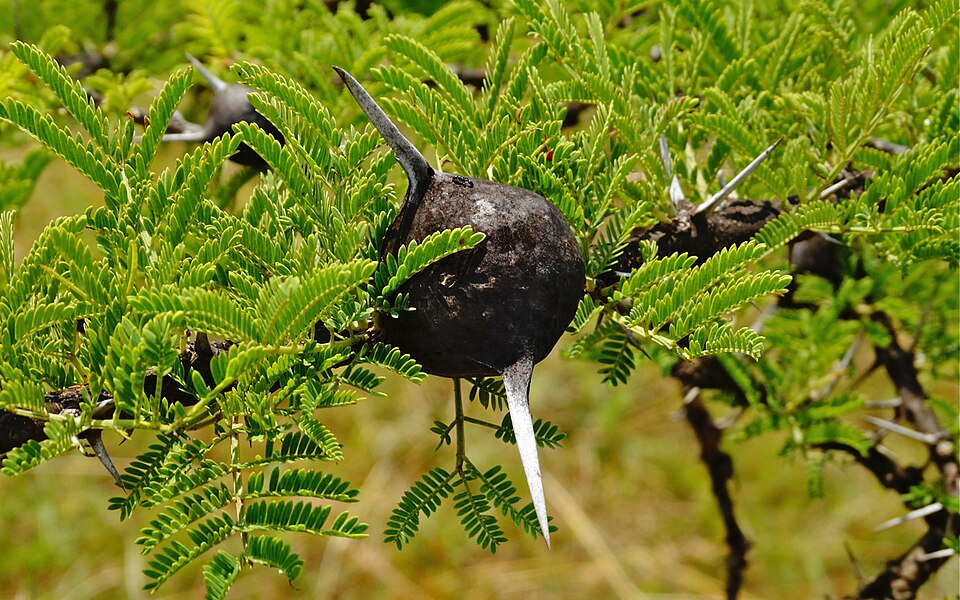
Umbrella thorn
Vachellia tortilis
Classic spreading savanna canopy, important shade and browse.
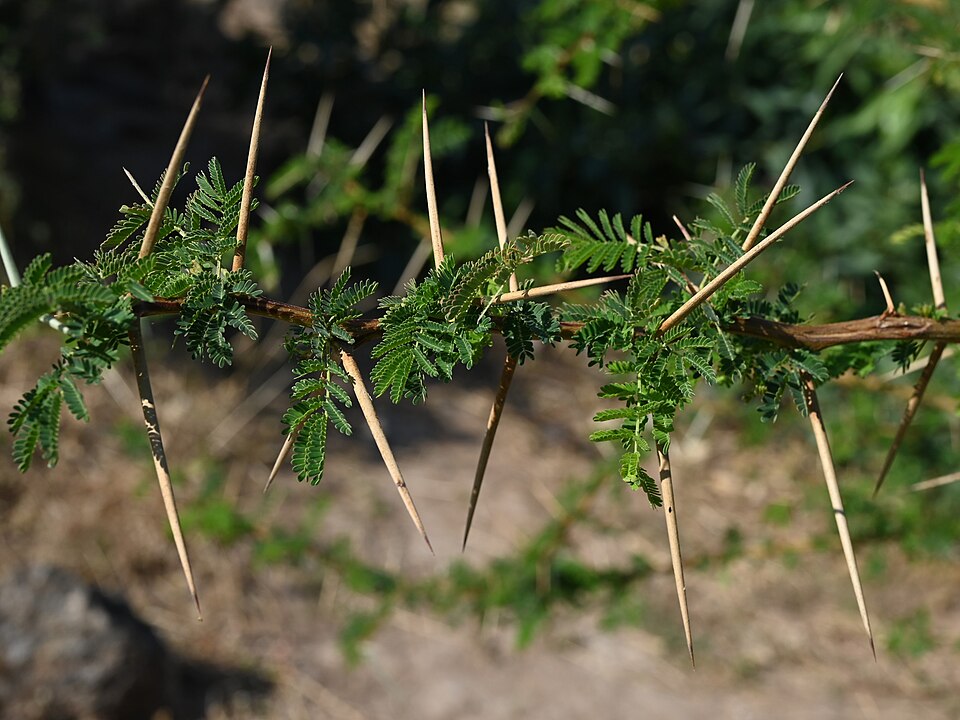
Whistling thorn
Vachellia drepanolobium
Ant-associated thorn tree typical of parts of Kenya’s high savanna.
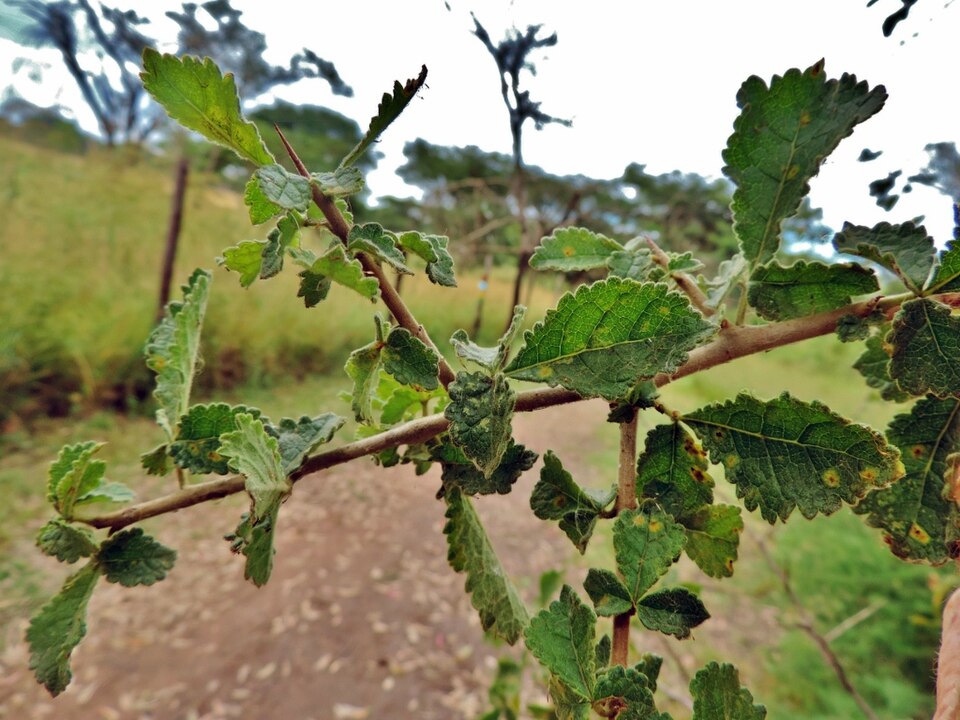
Gum arabic acacia
Senegalia senegal
Dryland thorn tree in suitable northern woodland.
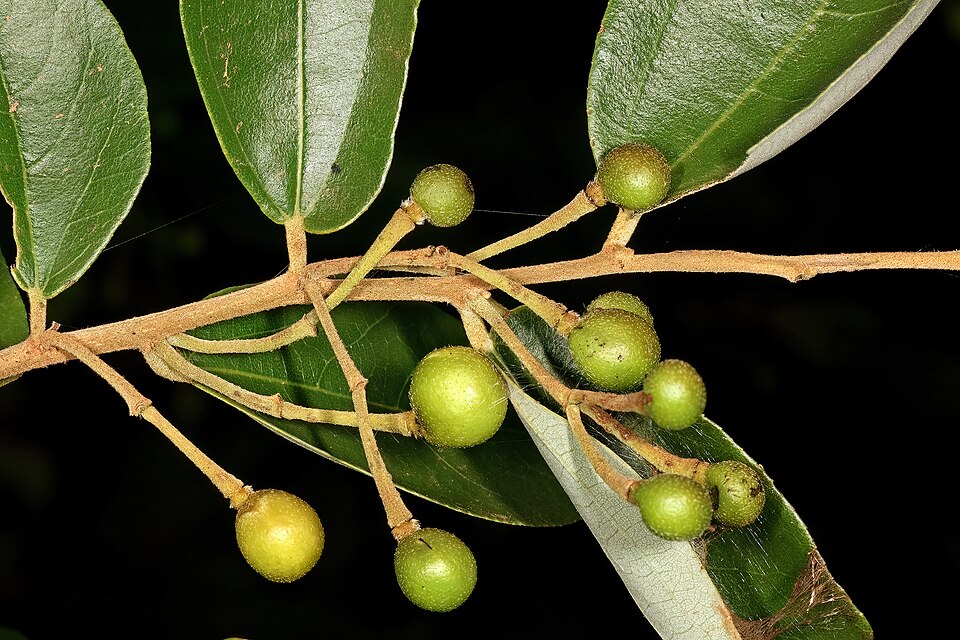
Commiphora shrubs
Commiphora spp.
Aromatic resin-bearing trees and shrubs of drier habitat.
Grewia shrubs
Grewia spp.
Browse and seasonal fruit in bushland.
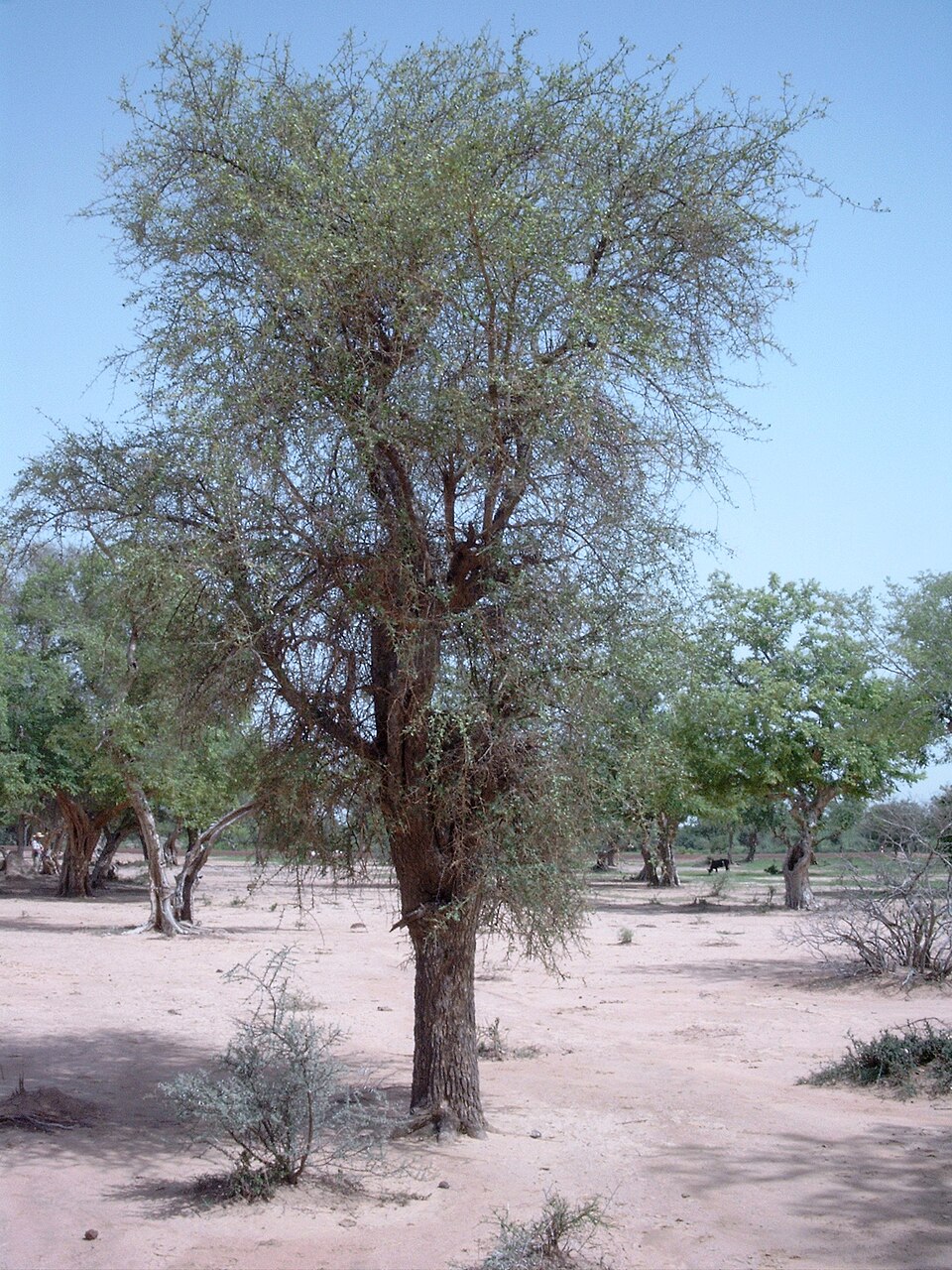
Balanites / desert date
Balanites aegyptiaca
Drought-adapted tree in suitable dry zones.
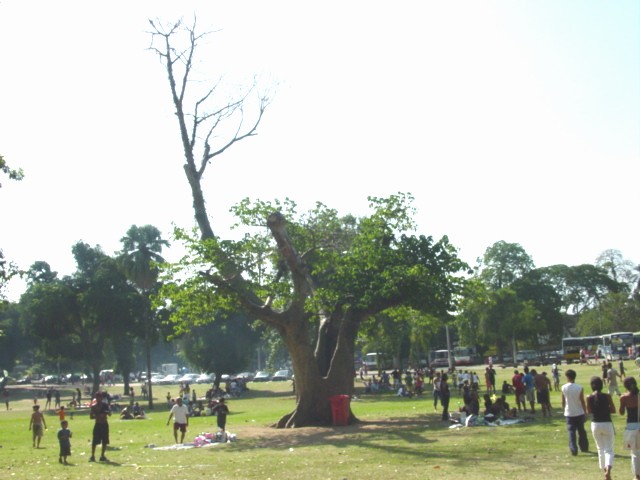
Riverine figs
Ficus spp.
Fruit-bearing trees that support birds and mammals near wetter ground.
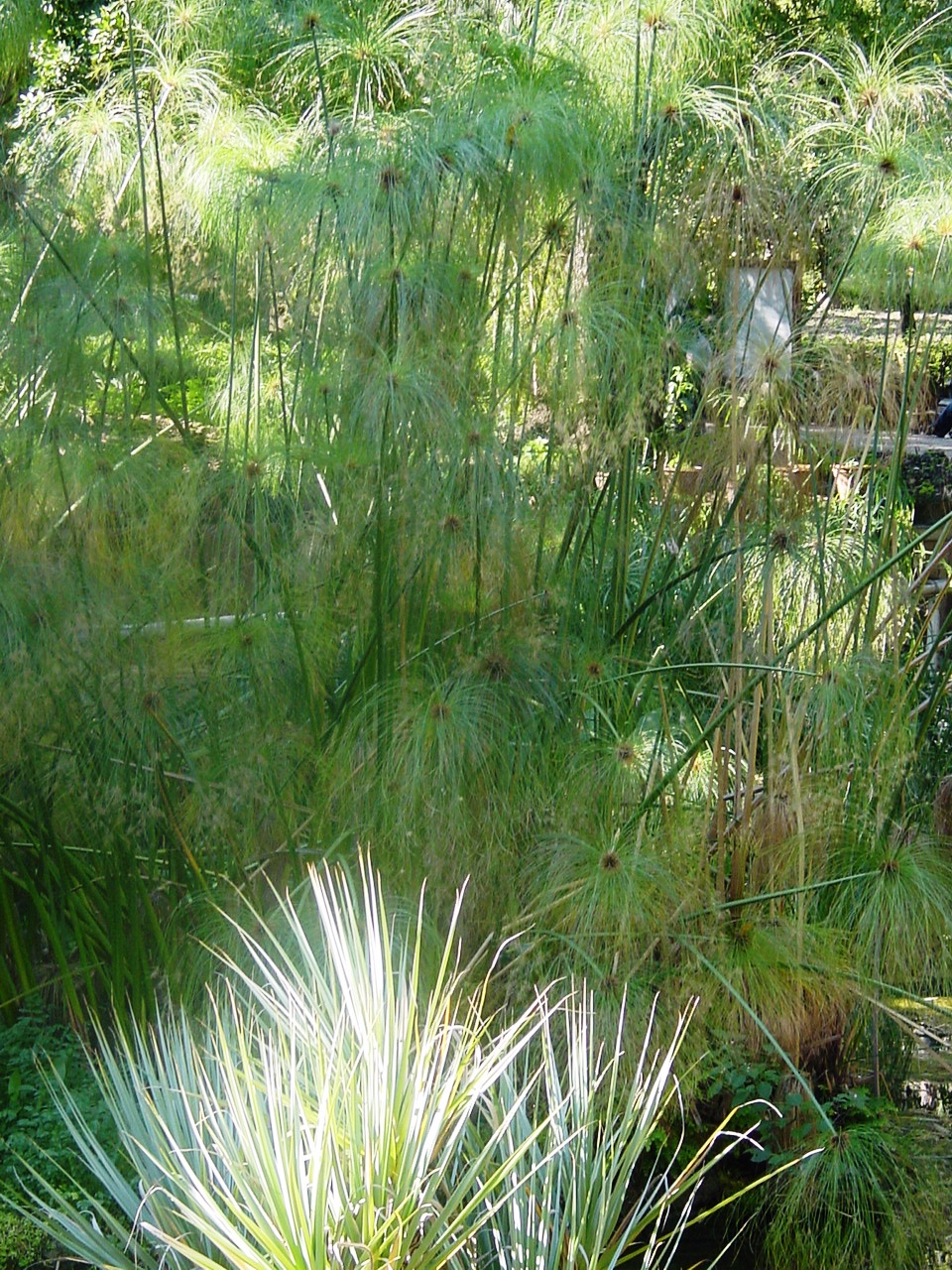
Sedge and rush margins
Cyperaceae and related families
Seasonal wet patches shelter insects, frogs and birds.
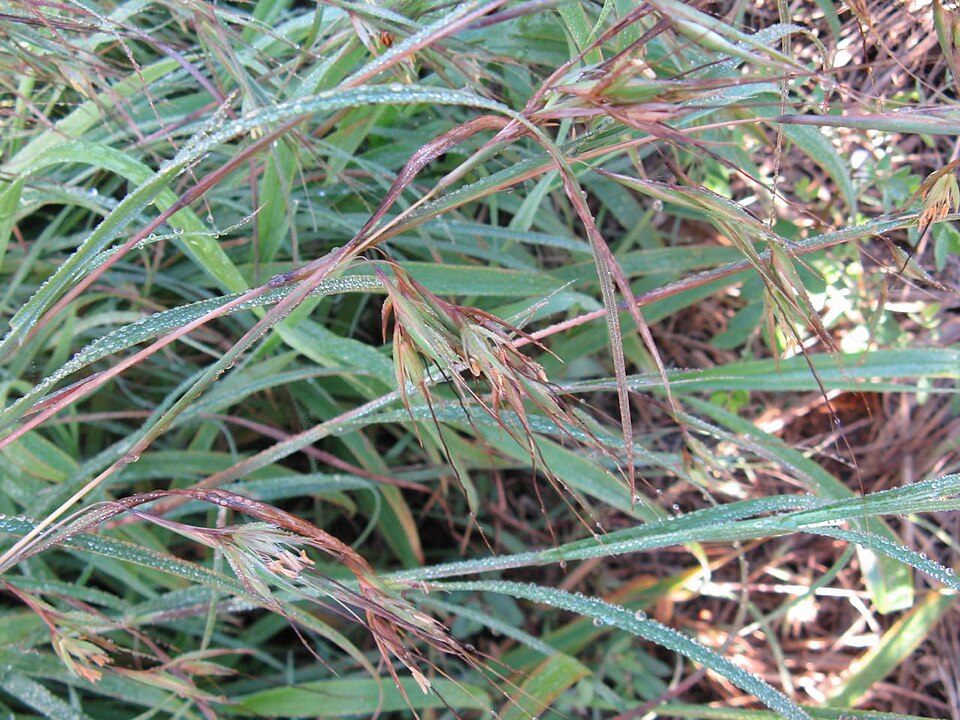
Red oat grass
Themeda triandra
Savanna grass associated with mixed grazing landscapes.
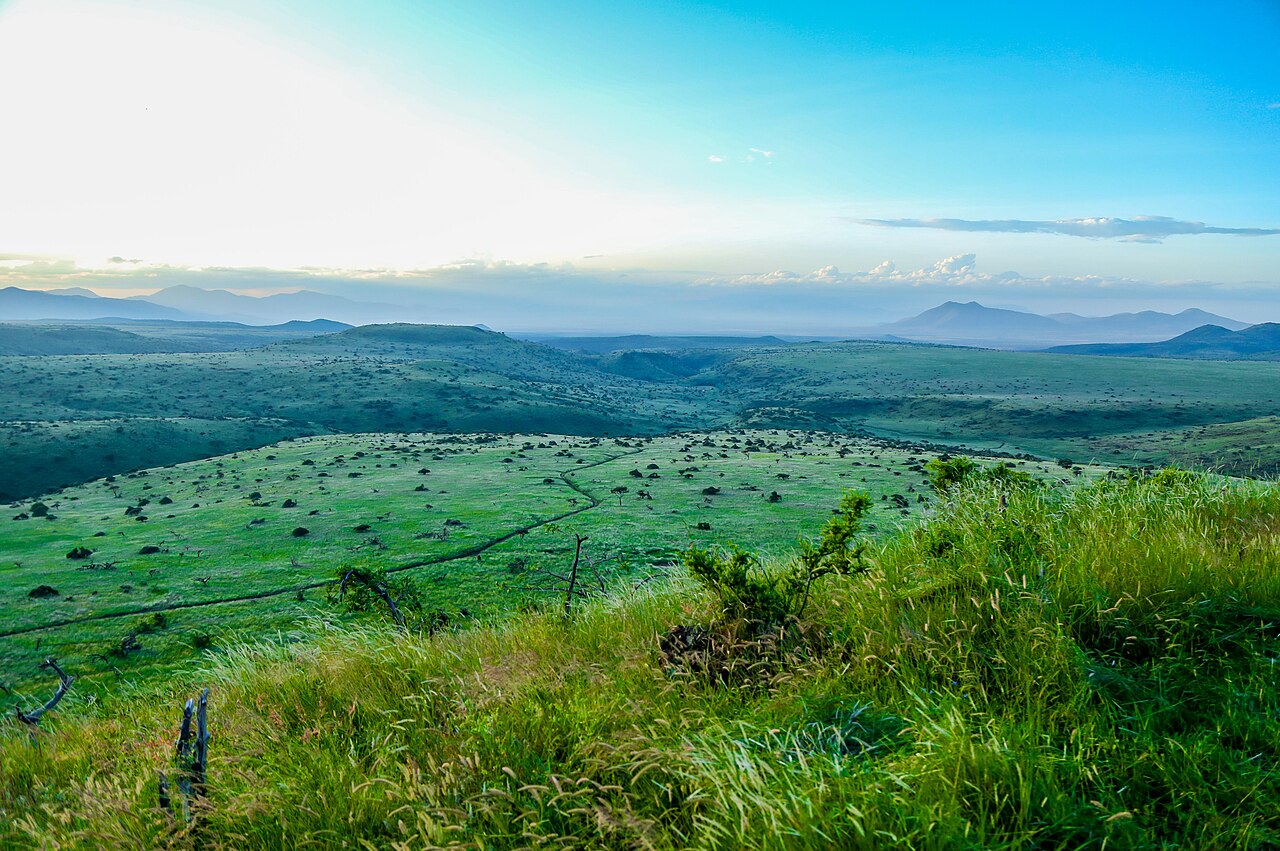
Mixed native grasses
Poaceae
The grass layer underpins zebra, antelope and rhino grazing.
What to do at Solio Game Reserve
Rhino-focused game drives
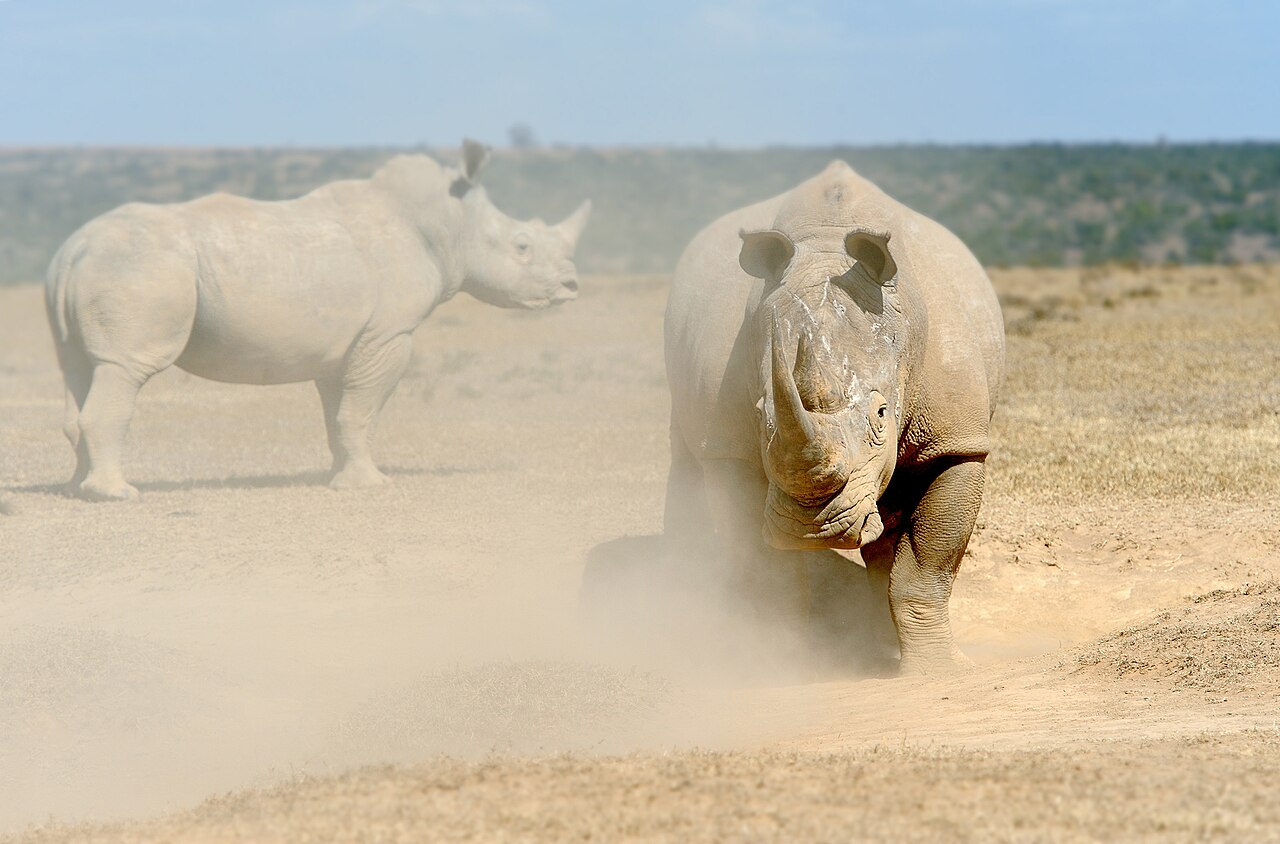
Look for grazing southern white rhinos and browsing black rhinos. Keep a minimum 20-metre distance, stay on roads, limit each wildlife stop to 10 minutes and avoid crowding animals.
Rhino Orphanage
A separate, bookable rehabilitation experience. The official orphanage booking page currently lists USD 20 for viewing and USD 70 for interactive feeding, subject to confirmation and group limits.
Wildlife photography
The reserve’s white rhino sightings, wooded landscapes and birds are worthwhile subjects without breaking wildlife-distance or drone restrictions.
Private lodge activities
Horse riding, guided walks and cycling are offered in some lodge/ranch packages. These are not standard permission for day visitors to leave their vehicles; confirm specific operator authorisation.
Nearby highland excursions
Extend your stay with Aberdare National Park, Nanyuki or Mount Kenya. Each has separate permit, guiding and driving requirements.
Learning about conservation
Solio’s rhino breeding and translocation legacy is a major part of its story. Avoid disclosing any sensitive animal GPS or tracking locations.
Solio safari lodges and Expedia hotels
There are two kinds of stays: full-service safari camps within Solio and separately booked hotels outside the reserve for day trips. Always check whether a booking includes reserve fees, game drives, transfers and conservation contributions.
| Property | Where and for whom | Official booking |
|---|---|---|
| JW Marriott Mount Kenya Rhino Reserve Safari Camp | Inside Solio · newly opened July 2026 · 19 luxury tented suites with wellness facilities | Marriott direct |
| Solio Lodge | Inside Solio · established Safari Collection lodge · confirm current opening and minimum stays | Solio Lodge direct |
| Rhino Watch Safari Lodge | Outside Solio near Mweiga · convenient base for day trips, with Solio entry charged separately | Rhino Watch direct |
Expedia hotels for nearby accommodation
The three Expedia-linked hotels below are not inside Solio Game Reserve. Their bookings do not automatically include entry, a safari vehicle or a guide.
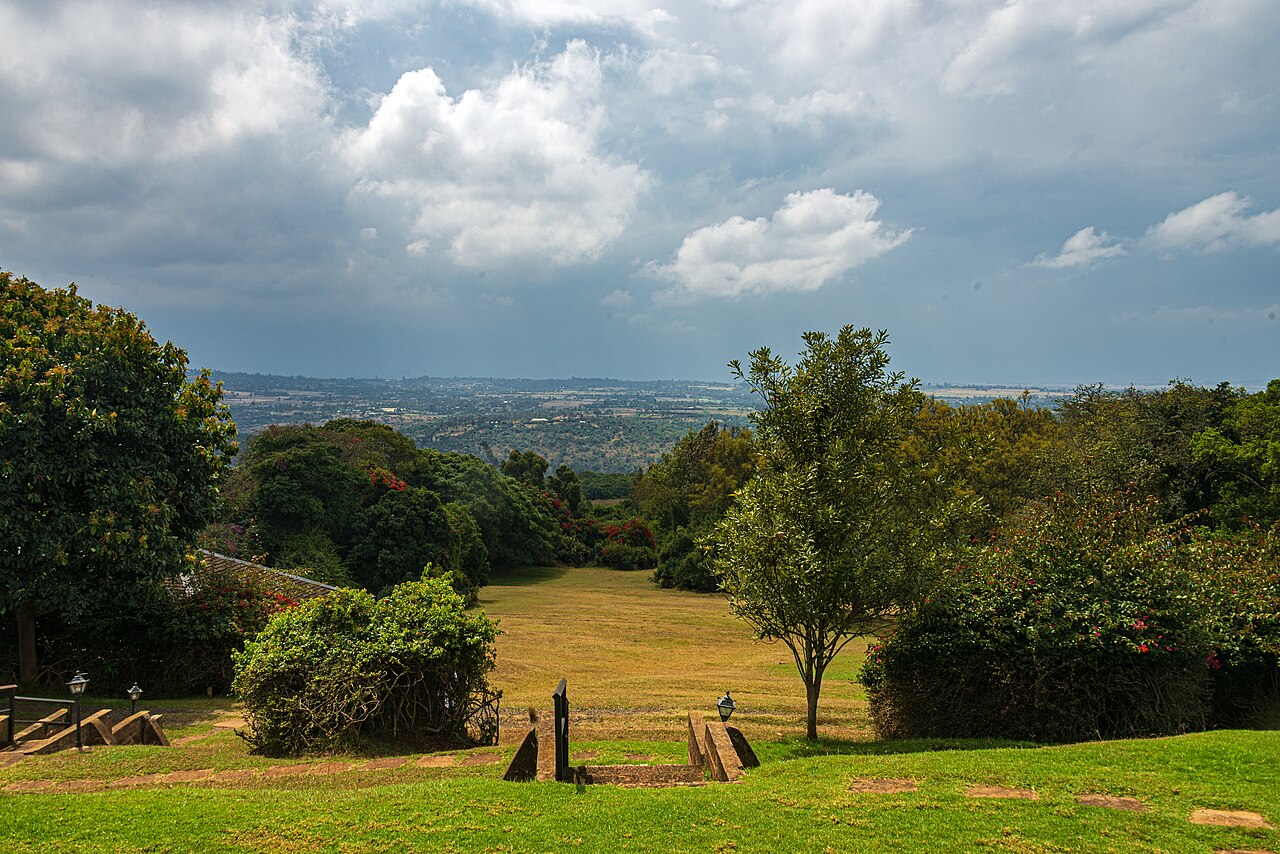
Aberdare Country Club
An established Mweiga hotel convenient for Solio day safaris. Entrance tickets and transport remain separate.
Photo: view from the actual country club; Daniel Case / Wikimedia Commons, CC BY-SA 4.0.
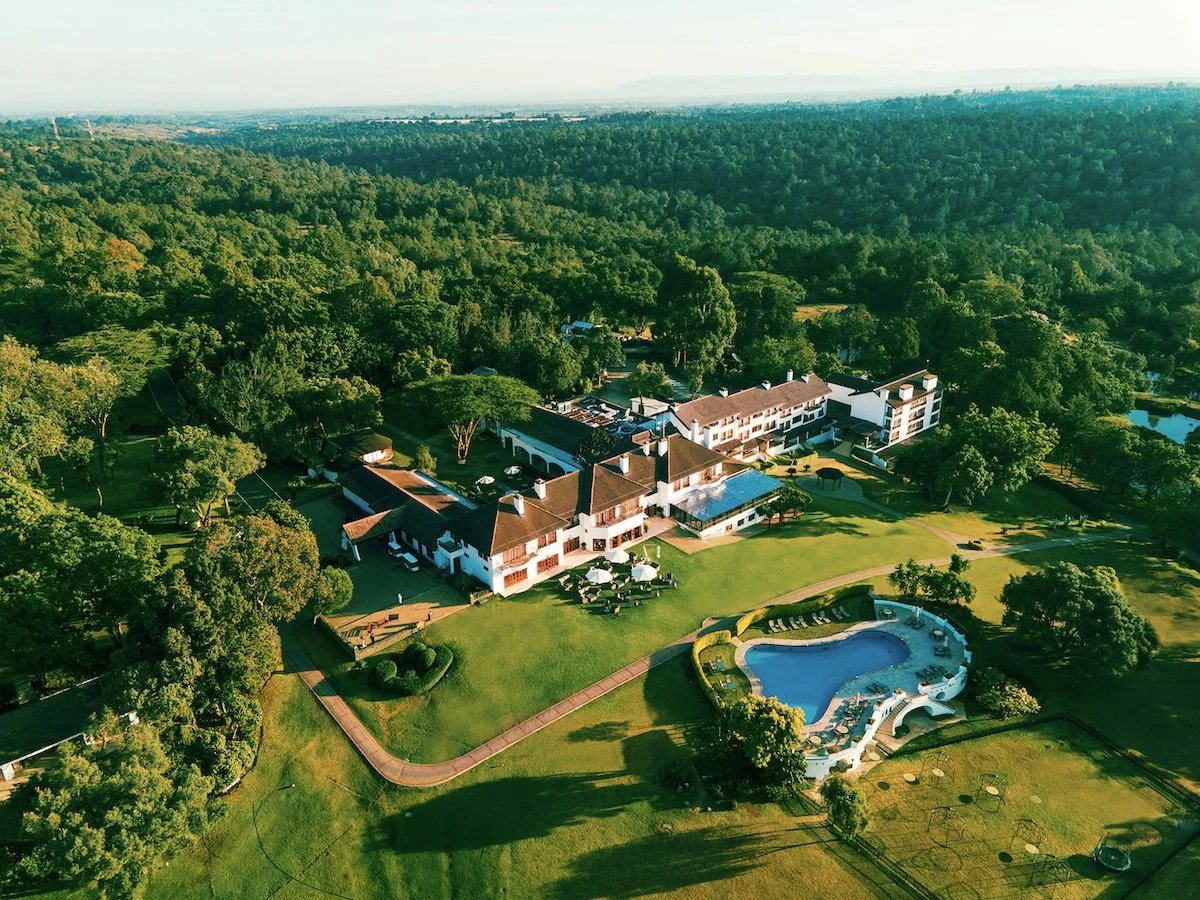
Fairmont Mount Kenya Safari Club
Luxury highland hotel for an additional stop near Mount Kenya, farther from Solio than Mweiga. Reserve admission not included.
Actual Fairmont Mount Kenya Safari Club property photograph.
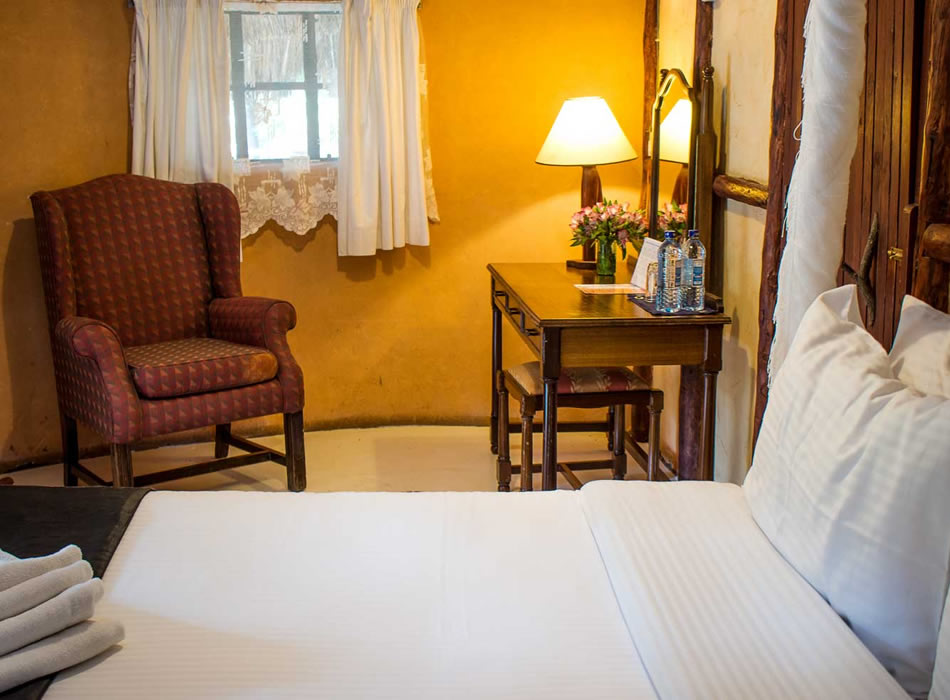
Kongoni Camp Nanyuki
Practical Nanyuki accommodation for before or after a wider Laikipia itinerary. Solio game drives require separate tickets.
Actual Kongoni Camp room photograph.
Frequently asked questions about Solio Game Reserve
Can I visit Solio without staying at a lodge?
Yes. The official reserve offers day-visitor passes at both Main Gate and Rhino Gate, subject to payment, registration, ID and reserve rules.
What are Solio Game Reserve opening times?
The official reserve lists gate opening at 6:30 AM. The rules page prohibits entry after 4:30 PM and requires exit by 6:00 PM, while some other official pages display 5:00 PM for entry. Use the earlier cutoff and verify.
How much does Solio cost to enter in 2026?
The official public rates page still displays a chart labelled 2025, and online 2026 prices differ. Contact the reserve for a current fee quotation by residency, age and vehicle; do not assume KWS national park tariffs apply.
How do I pay for entry?
Solio’s entry page specifies card payments and no cash. Its regulations also permit payment to the official Solio company M-Pesa or bank account. Never send payment to personal phone numbers.
What documents are required?
Bring a passport and complete the indemnity form for every visitor; a parent signs for children. Keep the gate pass until exit.
Which gate should I use?
Main Gate is approached from the Nyeri–Nyahururu road. Rhino Gate is near Naro Moru. The official orphanage directions recommend Main Gate. Confirm a usable navigation pin with management.
Can visitors self-drive Solio?
Day tickets are sold at the gates. Confirm vehicle suitability, road conditions and regulations; keep to designated roads and stay in the vehicle unless the management approves otherwise in writing.
Is Solio good for white and black rhinos?
Yes. Protecting and breeding both species is the reserve’s defining purpose. Sightings are common enough to motivate visits but never guaranteed.
Where are the last two northern white rhinos?
The remaining two northern white rhinos live in managed care at Ol Pejeta Conservancy, not at Solio. Solio’s white rhinos are southern white rhinos.
Can I visit Solio Rhino Orphanage?
The orphanage accepts advance requests. Its official bookings page publishes $20 viewing and $70 interactive feeding options, subject to updates and booking restrictions.
Are there hotels inside Solio?
The JW Marriott Mount Kenya Rhino Reserve Safari Camp opened in July 2026. The established Solio Lodge also advertises in-reserve safari accommodation; confirm current operating dates directly.
Are the Expedia hotels within Solio Game Reserve?
No. The Expedia-listed hotels on this page are off-reserve bases in Mweiga or Nanyuki; reserve entry, game drives and transport must be separately organised.
Official sources and accuracy notes
Reviewed on 9 November 2026. Official fee tables, visitor hours, operator inclusions and road access can change; check with the reserve before departure.
- Official entry rules, cashless gate tickets and ID
- Official reserve operating hours, driving and wildlife conduct
- Official Main Gate and Rhino Gate directions
- Official reserve rates page (image labelled 2025)
- Official orphanage visits and published prices
- Reserve conservation history
- New JW Marriott camp
- Solio Lodge operator
- Hero: actual Solio rhino photograph, Byrdyak, CC BY-SA 4.0
- Solio rhino pair photograph, Byrdyak, CC BY-SA 4.0
- Aberdare Country Club view, Daniel Case, CC BY-SA 4.0
- Photo licence: CC BY-SA 4.0
How this guide was checked
See.Africa prioritises Solio’s own gate and rule pages, official property pages and sourced public map features. The official rates page is not yet an unambiguous 2026 public tariff, so fees are not fabricated. Species cards are regional field-identification aids and map pins do not represent permitted entrances.