
Loisaba Conservancy: Rhinos, Map & Lodges
A complete safari planning guide to Laikipia: black and white rhinos, scenic Star Beds, conservation fees, bush activities and an interactive lodge-and-airstrip map.
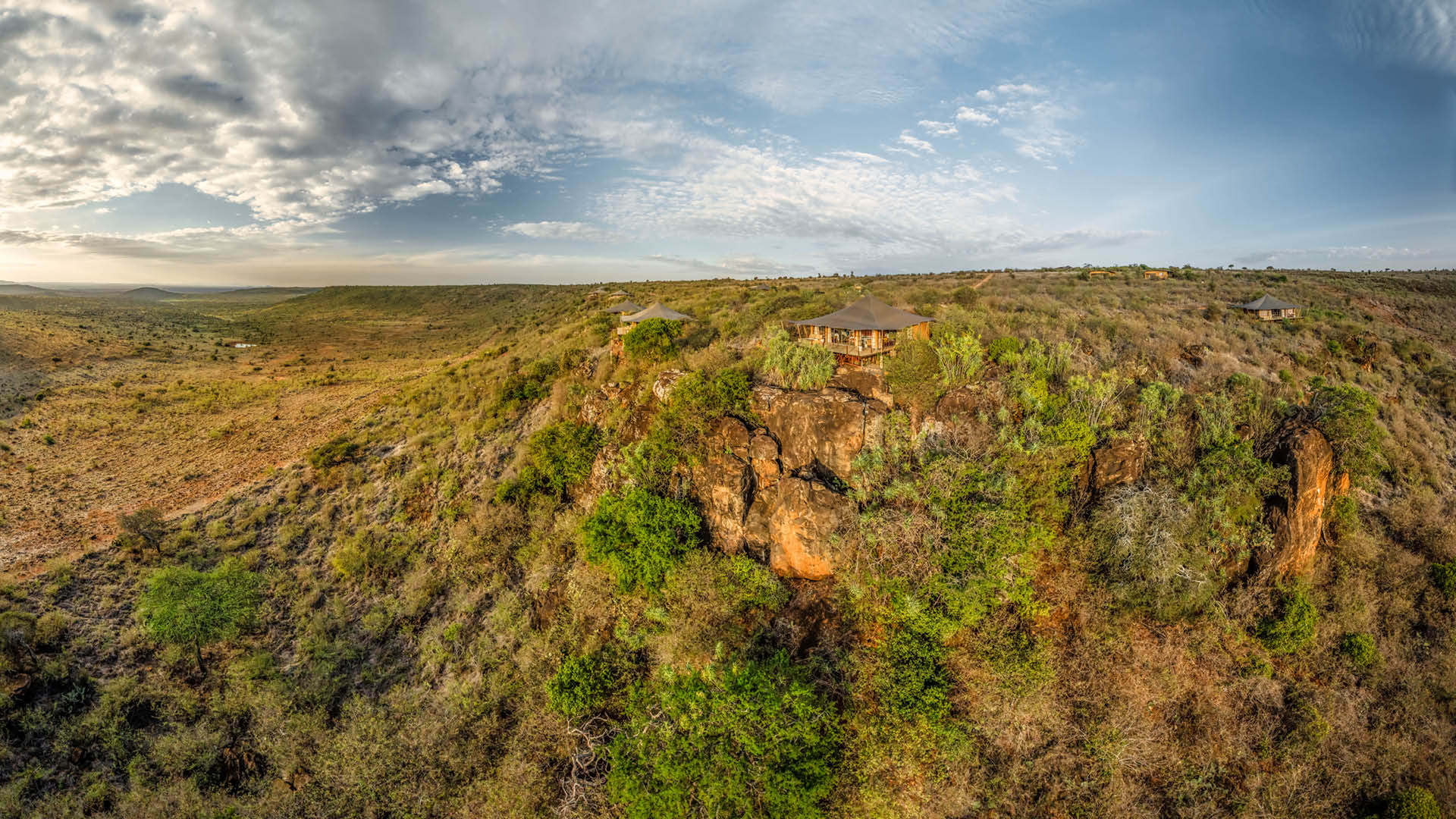
Hero photo: Elewana Loisaba Tented Camp highland escarpment view © Elewana Collection.
Loisaba Conservancy combines genuinely wild northern Kenya scenery with successful wildlife recovery and some of Laikipia’s most unusual safari accommodation. This is a private conservation landscape — plan entry, transport, guide, conservancy fees and lodge together rather than assuming public national-park gate access.
Loisaba Conservancy at a glance
Why Loisaba matters
Loisaba connects wildlife habitat across northern Laikipia toward Samburu and Isiolo. Grassland, rocky ridges, scrub and river valleys provide space for elephant movement, reticulated giraffes, Grevy’s zebras, big cats and African wild dogs. Its official conservation programme describes more than 60 mammal species and 350 bird species. Official conservation overview.
The return of rhinos
In early 2024, Kenya Wildlife Service and partners relocated 21 eastern black rhinoceroses to Loisaba, restoring a breeding population after decades of local absence. In August 2025, the conservancy received 10 southern white rhinoceroses. Loisaba has subsequently reported births, so founding transfers should not be mistaken for a current, fixed population count. Sightings are possible but are not guaranteed; sensitive tracking locations are never shared in this guide.
Loisaba’s official rhino programme · Location and arrival information · Related: Lewa Wildlife Conservancy.
Best time to visit Loisaba
Loisaba is rewarding year-round, but your preferred activities will be affected by changing grass height, rainfall and road conditions. At this elevation, dawn and night temperatures can be cool even in the dry season.
Good for early game drives, open-country wildlife viewing and escarpment photography. Weather varies by year.
Long rains can soften tracks; Elewana’s Star Beds publishes a seasonal closure in this period. Confirm activities with your host.
Cool mornings and generally easier driving, with July–October treated as the highest-priced travel season by Elewana.
Beautiful green pockets, cloud drama and changeable access after showers; allow flexible activity planning.
Season and room availability are not identical. Operators apply their own high-, mid- and green-season prices; a Green Season lodge rate does not imply all properties operate then. 2026 Elewana seasonal dates.
Loisaba fees, opening arrangements & visitor rules (2026)
Published 2026 fees and sample lodge rates
| Charge (USD) | Green (Apr–May) | Mid season | High season |
|---|---|---|---|
| Loisaba Tented Camp – full board Per adult, per night, sharing |
522 | 672 | 888 |
| Tented Camp – game package Per adult, per night, sharing |
722 | 872 | 1,088 |
| Lodo Springs – full board Per adult, per night, sharing |
790 | 1,082 | 1,362 |
| Lodo Springs – game package Per adult, per night, sharing |
990 | 1,282 | 1,562 |
| Conservancy fee – adult Per person, per night; add separately |
180 | 180 | 180 |
| Conservancy fee – child 3–17 Per child, per night; add separately |
90 | 90 | 90 |
The rate columns use Elewana’s 2026 definitions: high July 1–October 31 and December 20–January 3; mid January 4–March 31, June and November 1–December 19; green April–May. Prices exclude certain taxes, fees and supplements; confirm with the actual booking channel, especially across year boundaries. Star Beds and Galago have different availability and pricing.
Full board or game package?
Full board covers accommodation, meals, selected drinks and laundry, but generally not game drives, airstrip transfers or conservancy fees. The game package adds scheduled shared drives and selected activities, plus transfer to/from designated airstrips. Flights and some experiences remain extra.
Critical vehicle rule
Loisaba’s own arrival guidance says only 4×4 vehicles in green or brown shades are permitted without special authorisation. Saloon cars and minibuses are not standard access vehicles. Ask your lodge about the exact approved road transfer, entry time, and ranger rules.
Official Tented Camp 2026 rates · Official Lodo Springs 2026 rates · Conservancy vehicle and arrival rules.
Loisaba map: lodges, airstrip and arrival points
This interactive map shows operator-published GPS locations for Elewana’s three lodges, plus the Loisaba airstrip and a publicly mapped headquarters point. The map is not a public entry route, permission to explore unapproved tracks, or a wildlife tracking layer. Tap a marker for its coordinates and source; add outside arrival towns with the toggle.
All 7 mapped locations & coordinates with sources
- Loisaba Tented Camp — 0.607056° N, 36.832778° E
- Loisaba Lodo Springs — 0.638056° N, 36.819167° E
- Loisaba Star Beds — 0.631889° N, 36.845972° E
- Loisaba Airstrip — 0.612111° N, 36.800889° E
- Loisaba headquarters — 0.611910° N, 36.802880° E (not a visitor gate)
- Nanyuki (town, approximate) — 0.014000° N, 37.074600° E
- Nanyuki Airstrip (approximate) — -0.061240° S, 37.043030° E
How to reach Loisaba
By air
Elewana advertises scheduled services from Nairobi’s Wilson Airport on Safarilink and Air Kenya to Loisaba, approximately one hour of flying. Lodge transfers from Loisaba Airstrip are described as roughly 15 minutes to the Elewana properties. Flight frequency, landing permissions, luggage limits and pickup must be rechecked for your date.
By road
Transfers are arranged from Nanyuki or other northern safari properties. Elewana quotes varying 2–8 hour transfer bands depending on the starting point and lodge; request an exact host-provided route, meeting point, driver and appropriately coloured 4×4. Unverified gate GPS pins have intentionally been omitted.
Loisaba official arrivals · Elewana Star Beds airstrip coordinates.
Suggested three-day Loisaba safari itinerary
Fly into Loisaba or meet an operator-arranged 4×4 on the road. Check in at Tented Camp, Lodo Springs or Star Beds, get your briefing, and enjoy an afternoon guided drive. Return for a sundowner with Laikipia views.
Take a sunrise game drive looking for elephants, reticulated giraffe, Grevy’s zebra, predators and both rhino species, without assuming any particular animal will be sighted. A guided conservation visit or approved sniffer-dog demonstration may be possible if your host arranges it; do not seek out sensitive rhino positions.
Choose an age-appropriate guided walk, horseback or camel ride, or e-bike outing. An evening at Loisaba Star Beds adds a distinctive outdoor-sleeping experience; coordinate any camp change in advance, including night security, luggage and transfers.
Extend the route: pair Loisaba with Ol Pejeta for a different rhino-conservation experience or Samburu for the Ewaso Nyiro river landscape. Costs and logistics are booked separately.
25 mammals to recognise around Loisaba
Loisaba’s research teams describe more than 60 mammal species, including black and white rhino, Grevy’s zebra, reticulated giraffe, wild dog, lion, leopard, elephant and cheetah. Photographs below are field-identification references, often taken in other African parks. The documented species are distinguished from wider Laikipia comparisons. The list is not a live sightings report.
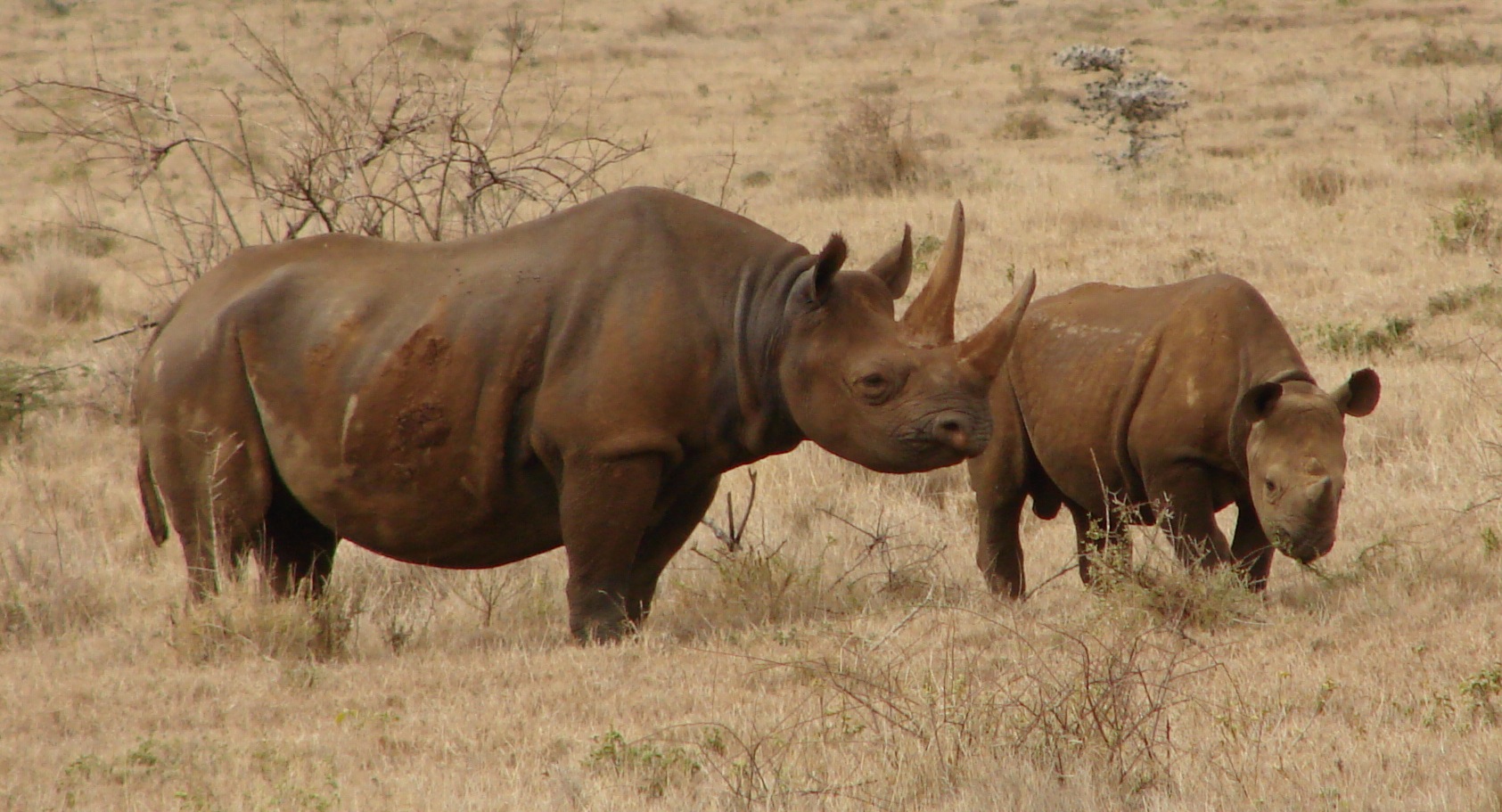
Black rhinoceros
Diceros bicornis
Eastern black rhinos were reintroduced in 2024. Browsers with hooked upper lips; ask your guide about the conservation programme, not tracking locations.
Documented by Loisaba
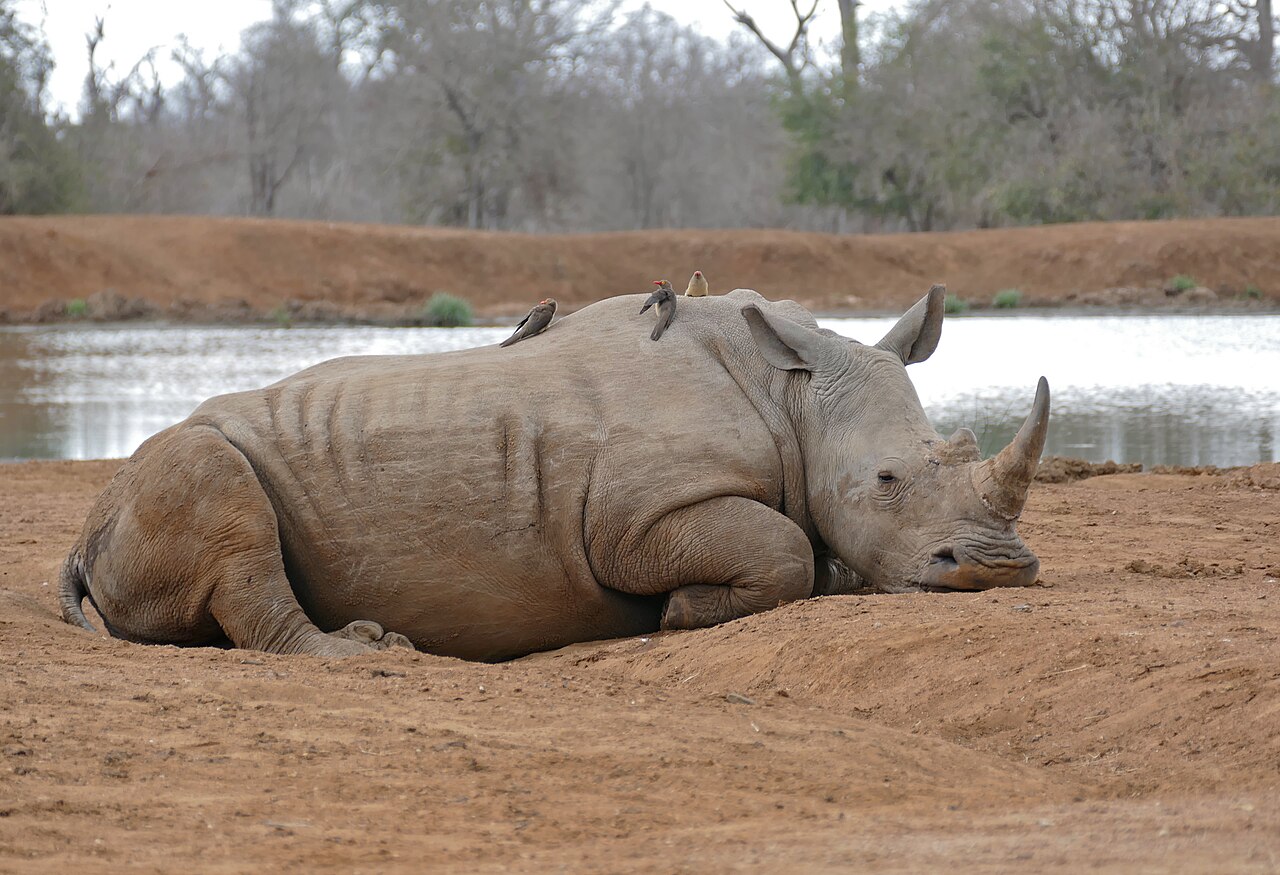
Southern white rhinoceros
Ceratotherium simum simum
Introduced in 2025. Broad, square-lipped grazers; distinguish them from the more solitary, shrub-browsing black rhino.
Documented by Loisaba
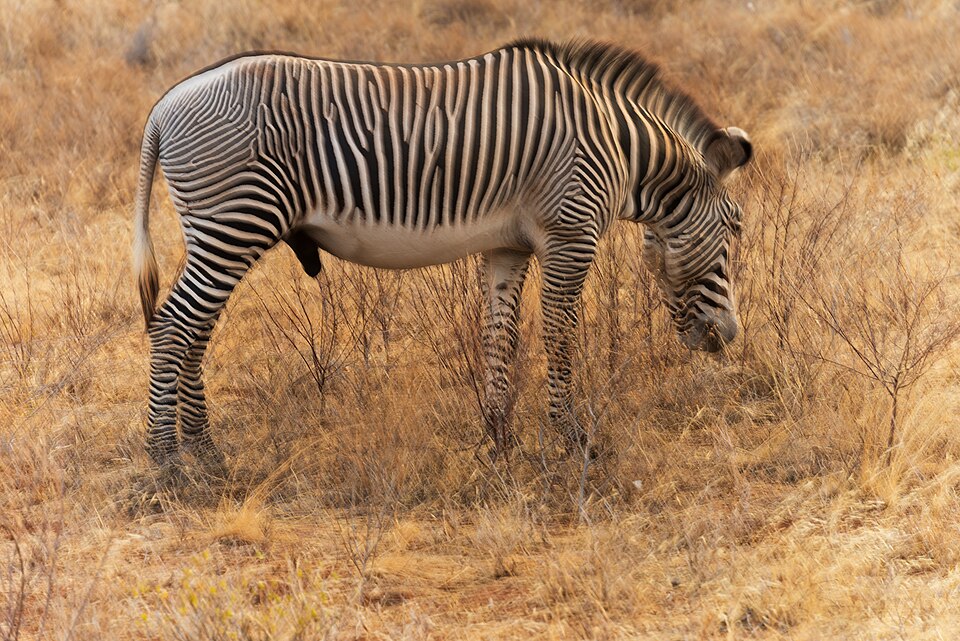
Grevy’s zebra
Equus grevyi
Endangered northern zebra with very narrow stripes, broad ears and a pale belly; one of Loisaba’s conservation priorities.
Documented by Loisaba

Plains zebra
Equus quagga
Compare the wider stripe pattern with Grevy’s. Typical in Kenyan grassland but occurrence at each reserve should be confirmed with your guide.
Wider-region reference
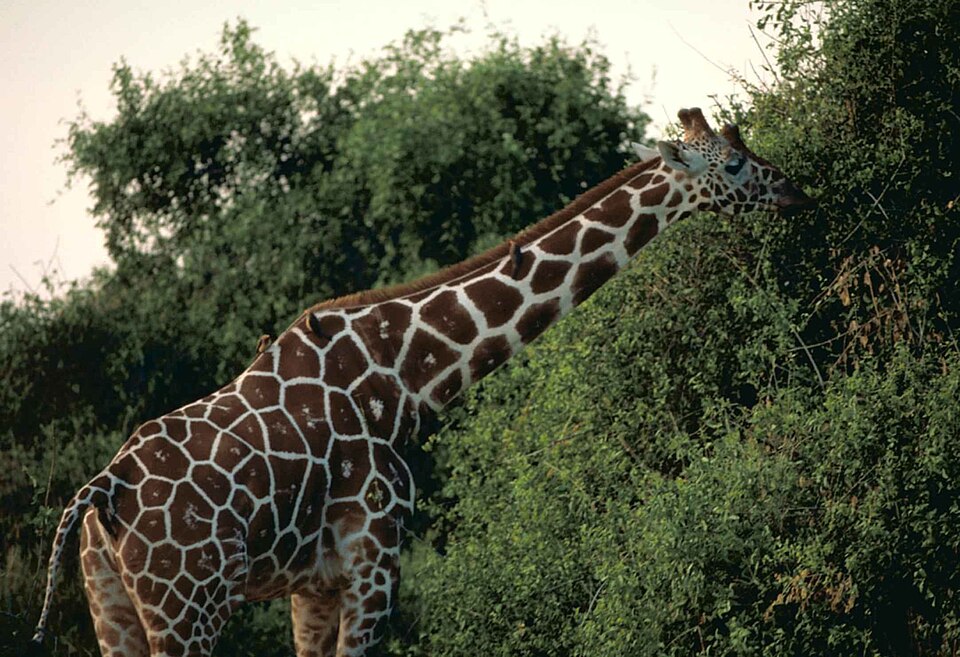
Reticulated giraffe
Giraffa reticulata
Northern Kenyan giraffe, with large geometric patches separated by pale lines; often browses above antelope height.
Documented by Loisaba
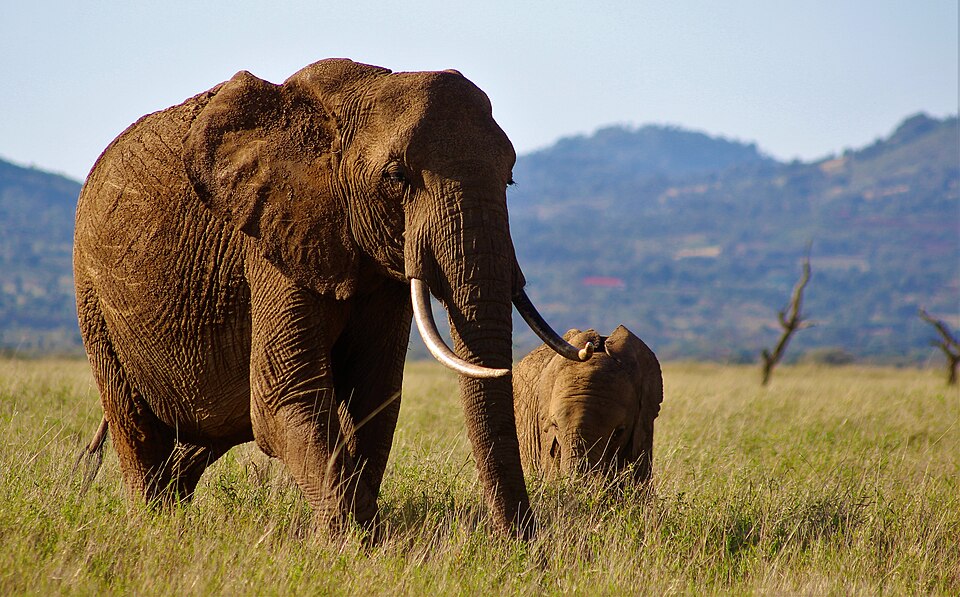
African savanna elephant
Loxodonta africana
Loisaba sits in an important elephant movement corridor. Give herds and calves substantial room and avoid blocking movement.
Documented by Loisaba
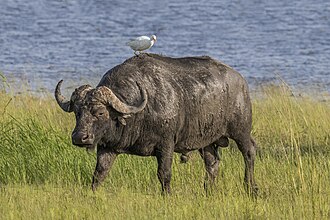
African buffalo
Syncerus caffer
Large, formidable bovids of grassy and watered areas. Do not approach on foot or park between animals and escape routes.
Documented by Loisaba
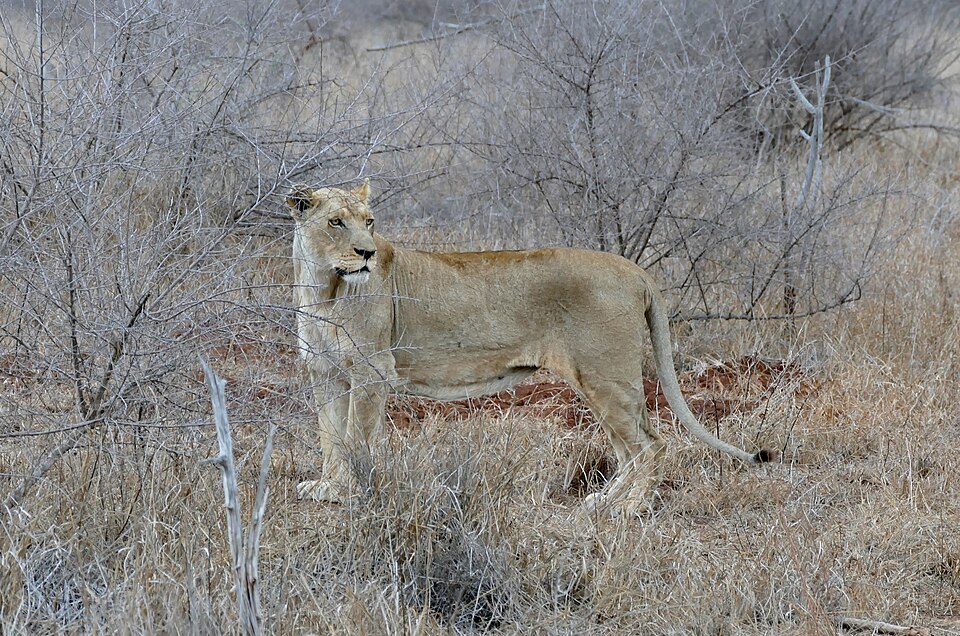
Lion
Panthera leo
A major predator documented by Loisaba’s research programme. Search for tracks and lion calls with your qualified guide.
Documented by Loisaba
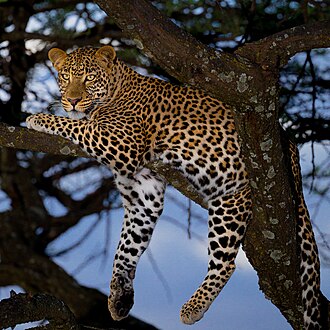
Leopard
Panthera pardus
Secretive, mostly solitary cat using rocky areas and tree cover; an active research and monitoring focus at Loisaba.
Documented by Loisaba
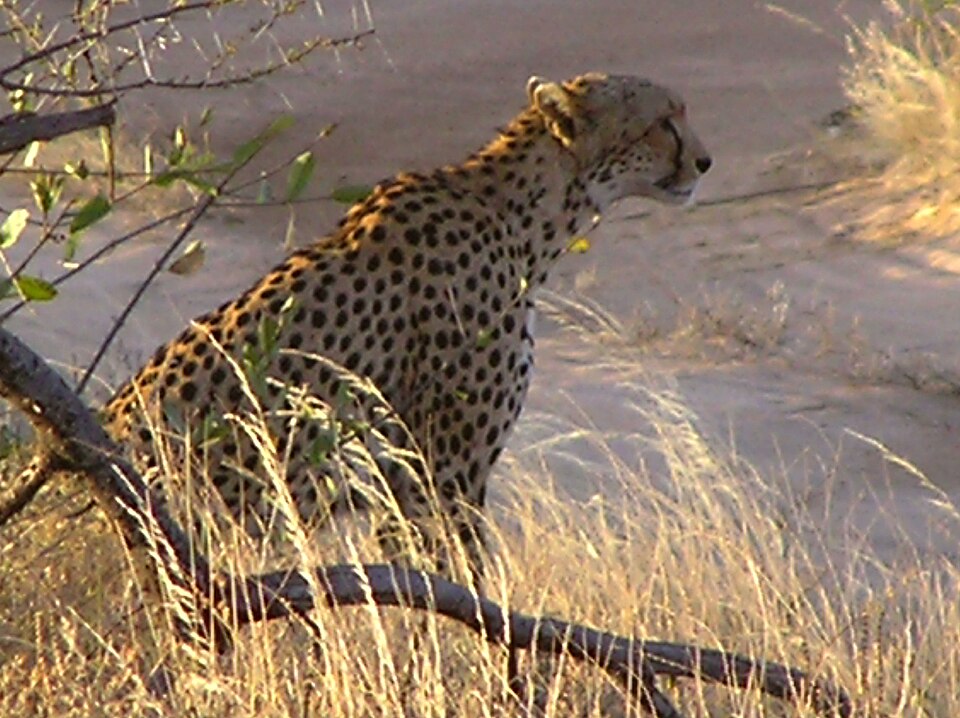
Cheetah
Acinonyx jubatus
Long-legged open-country predator. Look for a small head and dark tear lines; sightings are unpredictable.
Documented by Loisaba
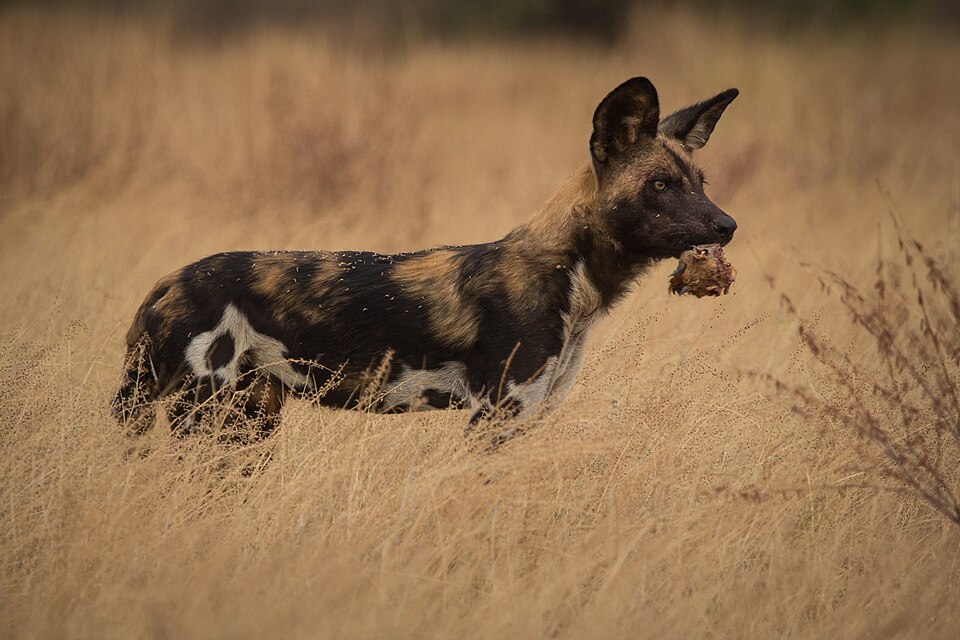
African wild dog
Lycaon pictus
Endangered pack hunter tracked by the Loisaba monitoring programme. Packs may range far beyond a single lodge’s driving area.
Documented by Loisaba
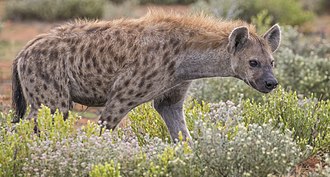
Spotted hyena
Crocuta crocuta
Strong-jawed predator and scavenger; often active by night and around cooler hours.
Wider-region reference
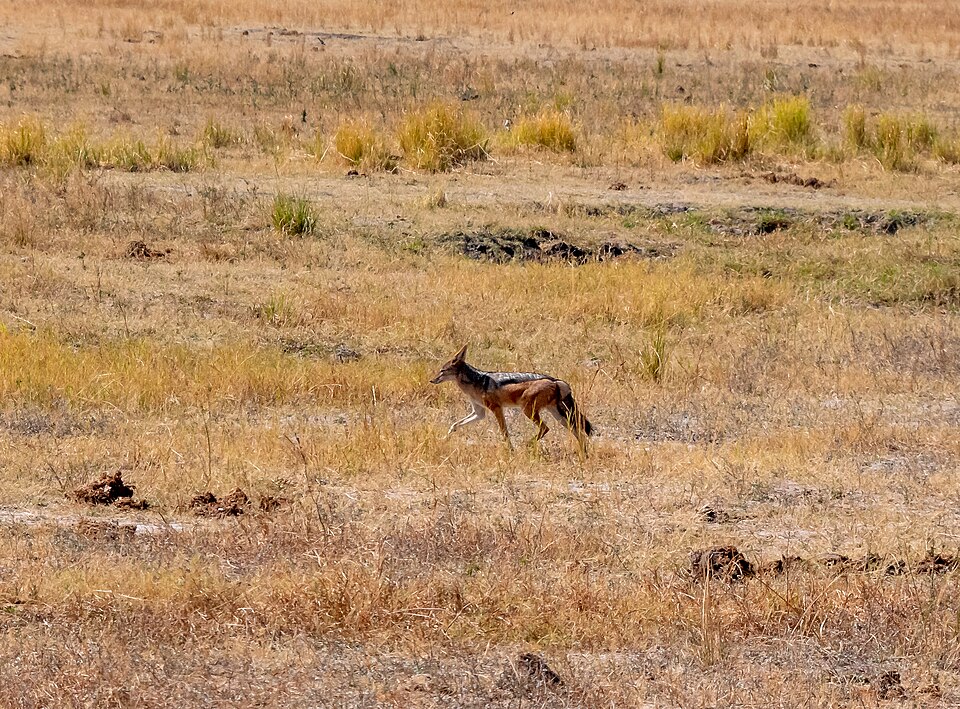
Black-backed jackal
Lupulella mesomelas
Small canid with contrasting dark back; appears in open northern savanna habitats, sometimes in pairs.
Wider-region reference
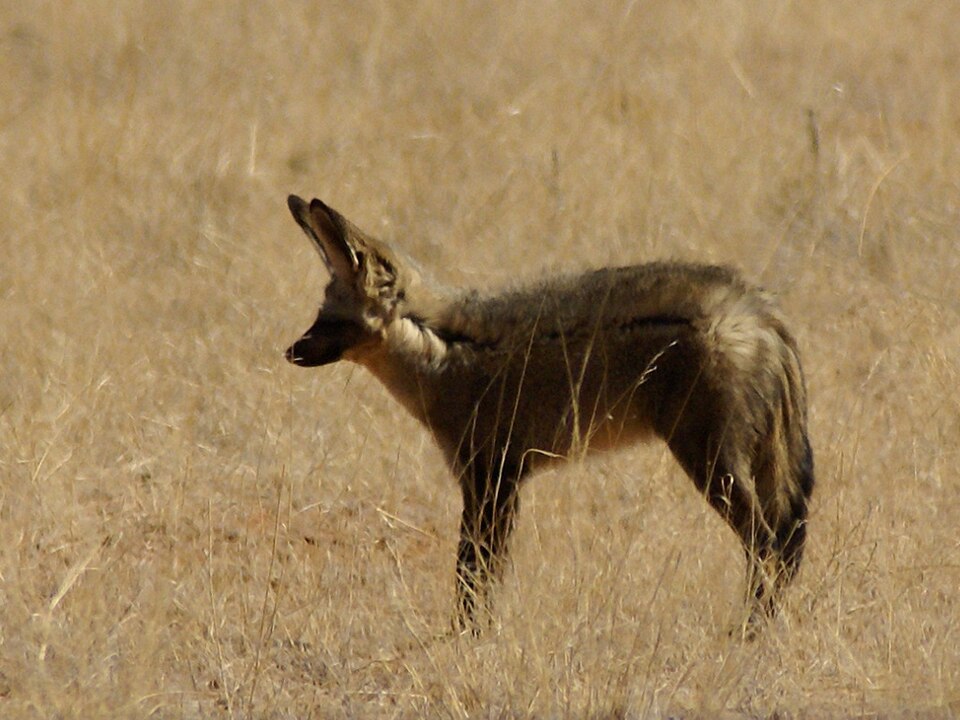
Bat-eared fox
Otocyon megalotis
Insect-eating fox with large ears. Look around termite-rich grassland, although encounters are never guaranteed.
Wider-region reference
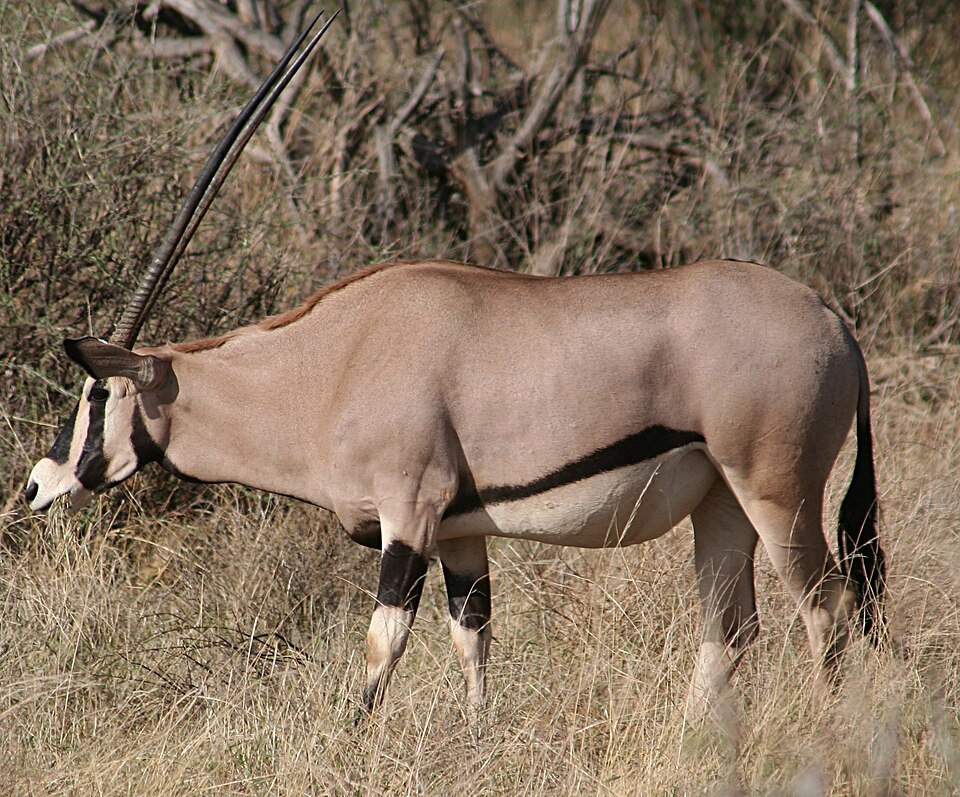
Beisa oryx
Oryx beisa
Northern dryland antelope with long straight horns; a regional identification example until a Loisaba sighting is independently verified.
Wider-region reference
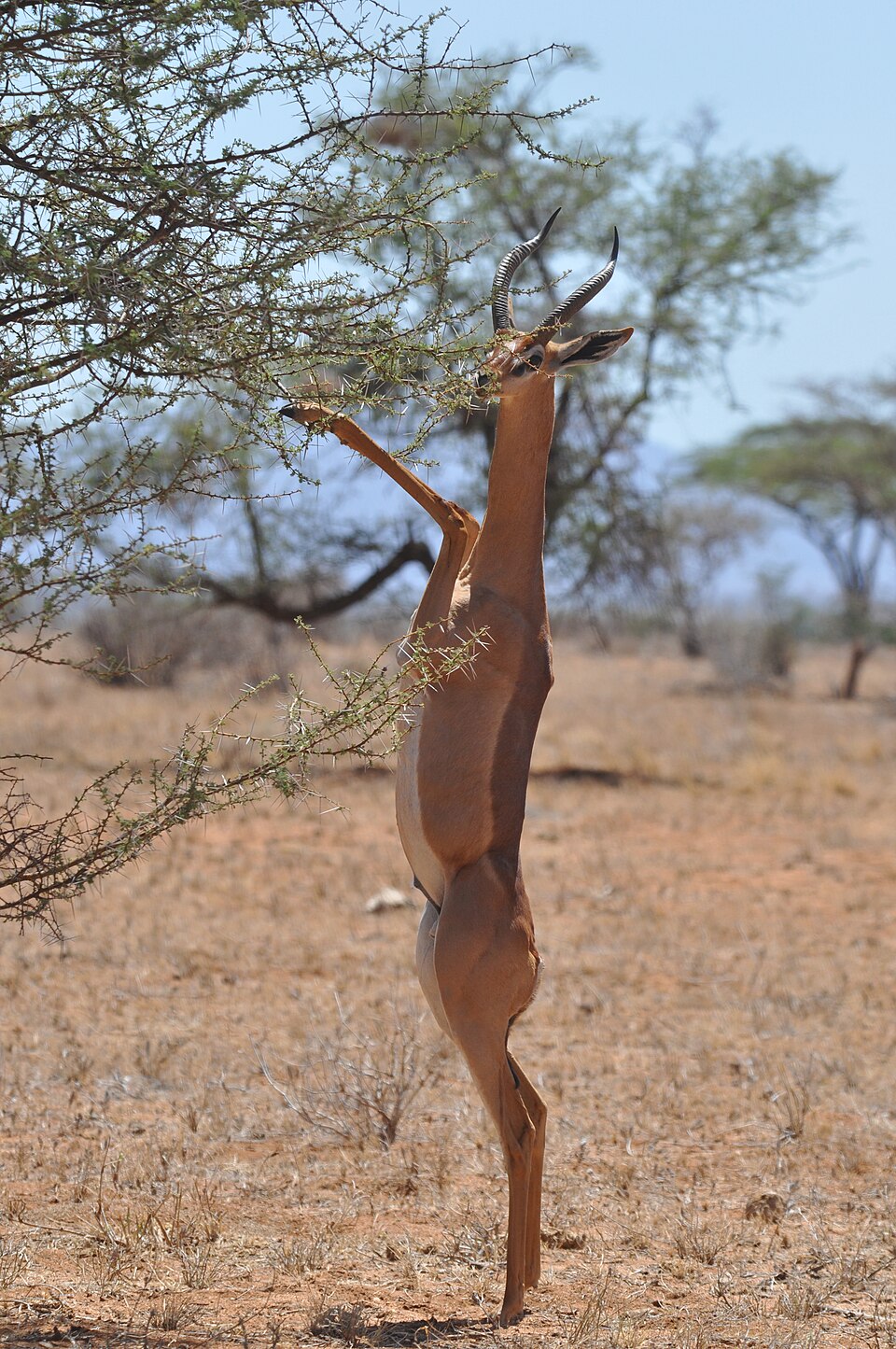
Gerenuk
Litocranius walleri
Long-necked browser that can stand on its back legs to reach acacia foliage; regional dryland identification reference.
Wider-region reference
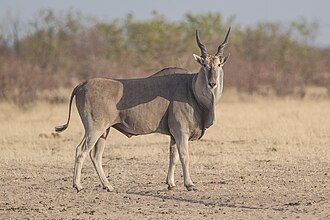
Common eland
Taurotragus oryx
Africa’s largest antelope; heavy-bodied yet surprisingly quick in open bushland.
Wider-region reference
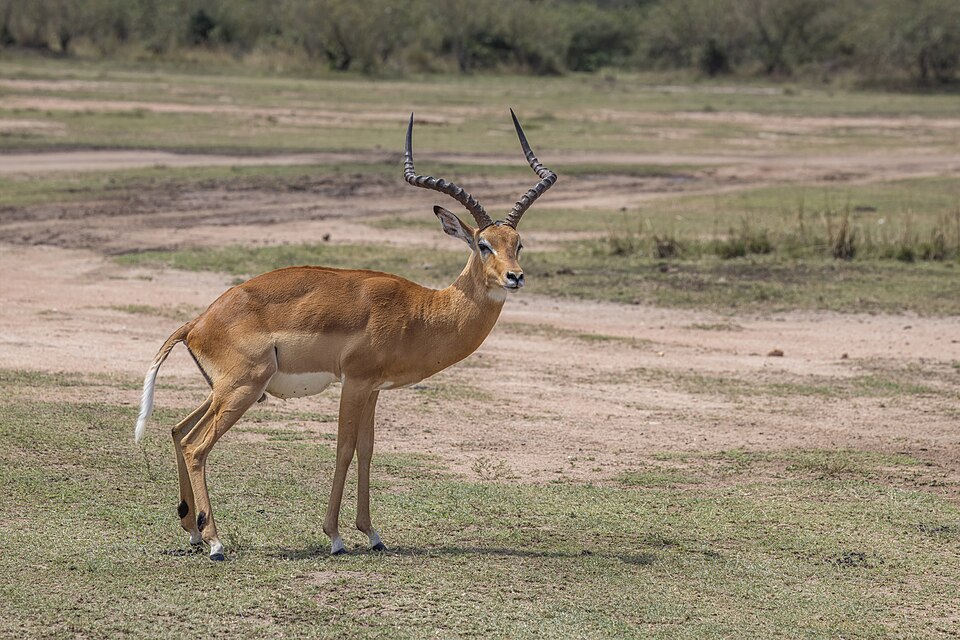
Impala
Aepyceros melampus
Graceful savanna antelope with a dark rump marking and distinctive alarm snort.
Wider-region reference
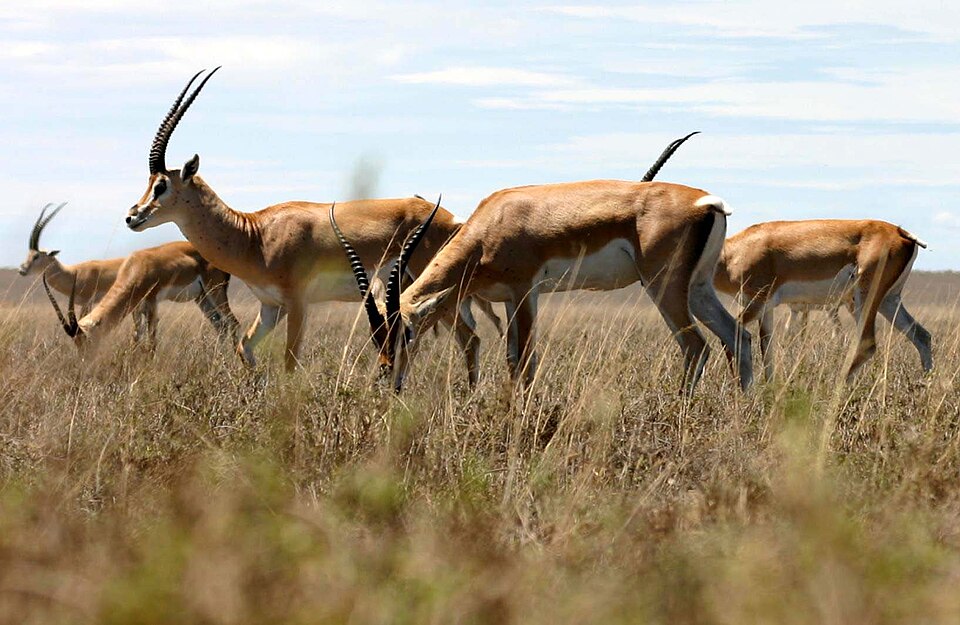
Grant’s gazelle
Nanger granti
Northern savanna gazelle of open areas; compare its markings with Thomson’s gazelle and smaller antelopes.
Wider-region reference
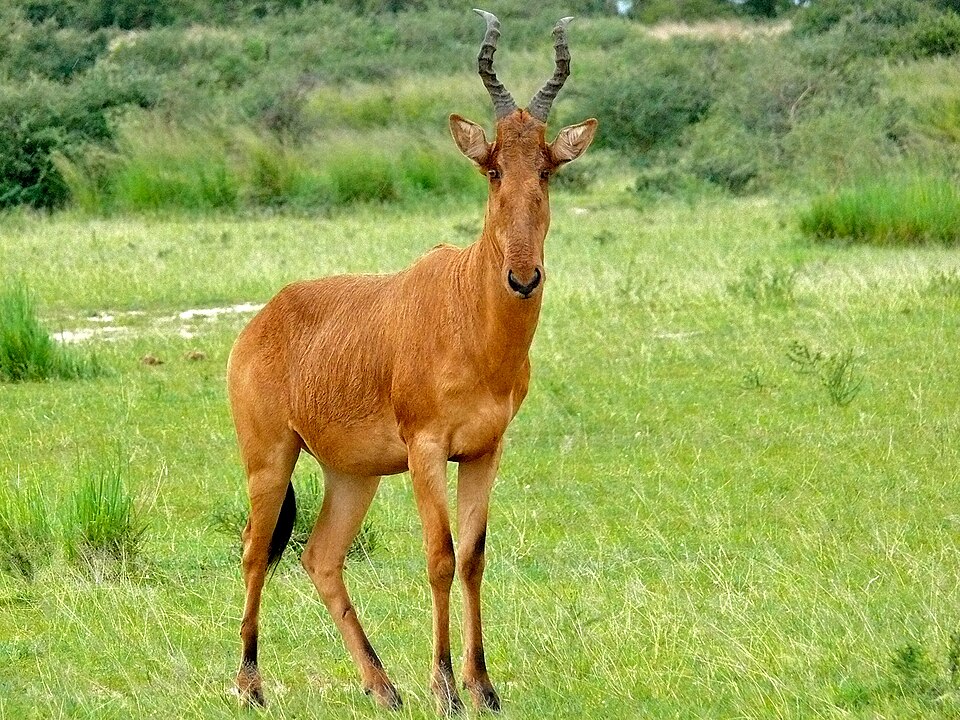
Lelwel hartebeest
Alcelaphus buselaphus lelwel
High-shouldered grazer with a long muzzle; verify precise subspecies and local presence with your guide.
Wider-region reference
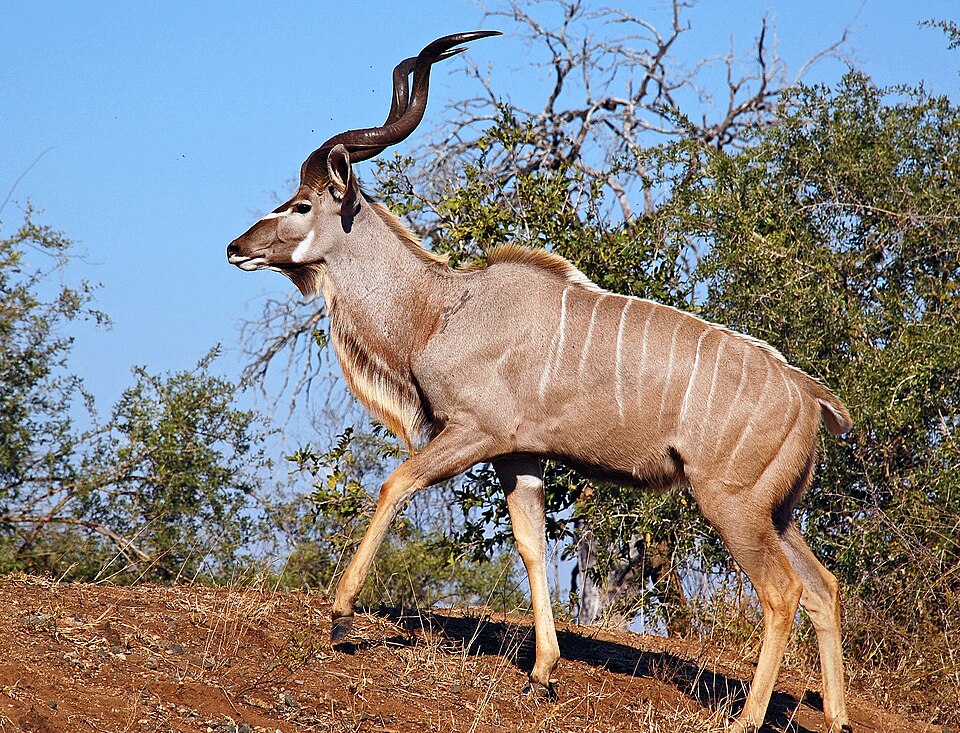
Greater kudu
Tragelaphus strepsiceros
Secretive woodland browser; mature males carry long spiralling horns.
Wider-region reference
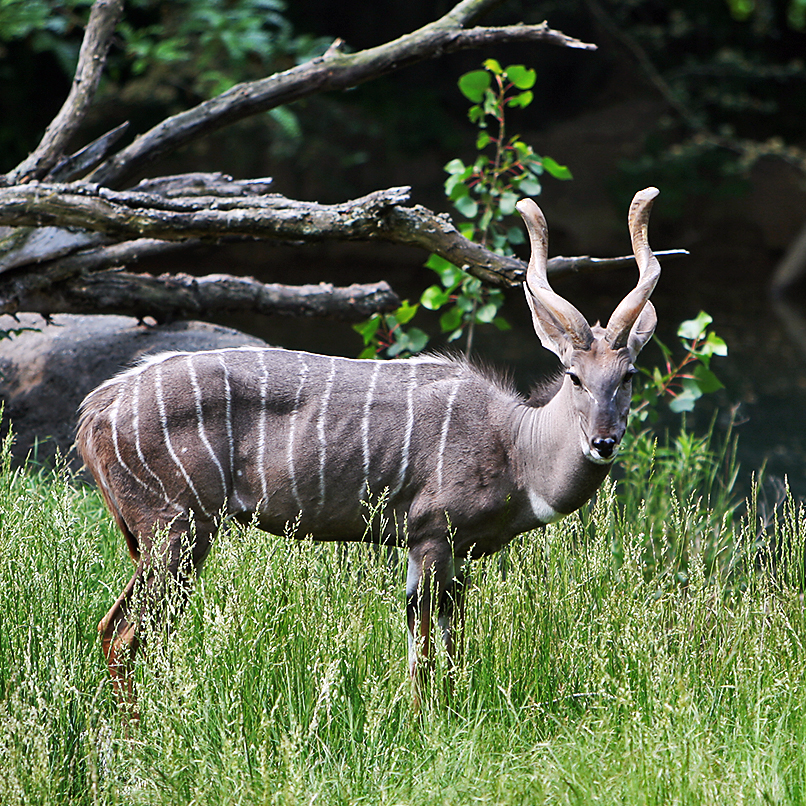
Lesser kudu
Tragelaphus imberbis
Smaller striped woodland antelope of drier thorn bush; a regional reference rather than a promised Loisaba sighting.
Wider-region reference
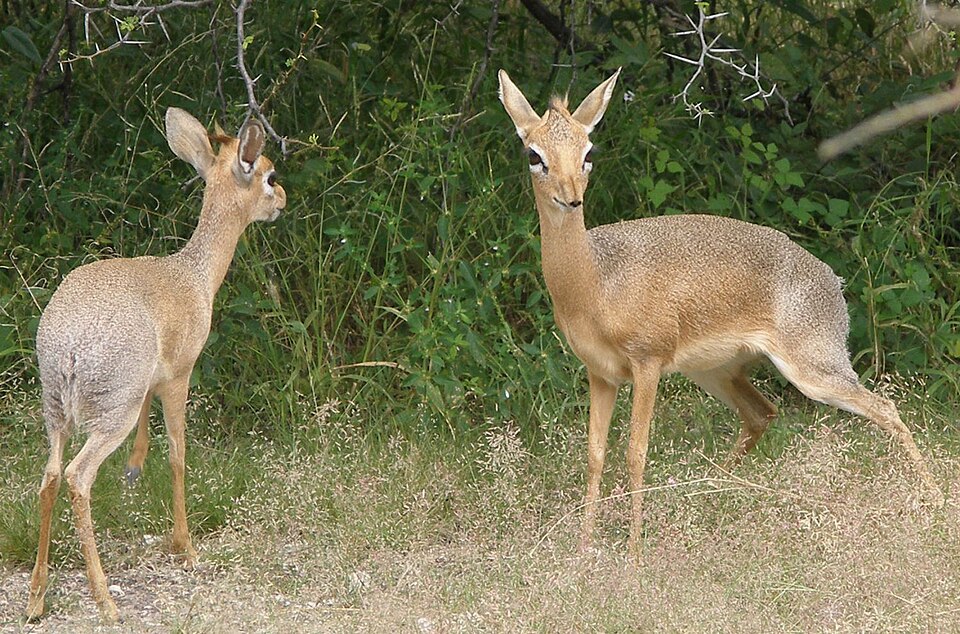
Kirk’s dik-dik
Madoqua kirkii
Tiny, often pair-living antelope sheltering in thickets and open scrub edges.
Wider-region reference
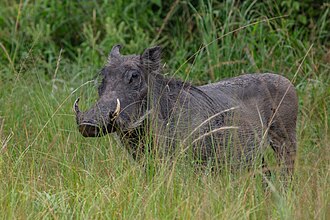
Common warthog
Phacochoerus africanus
Ground-feeding pig that often trots with its tail held high; commonly seen on northern Kenyan safaris.
Wider-region reference
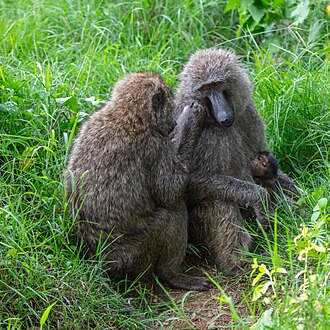
Olive baboon
Papio anubis
Intelligent troop-forming primate around water and woodland; never feed it or leave food unsecured.
Wider-region reference
10 birds of the wider northern Kenya landscape
Loisaba reports more than 350 bird species across habitats. The following photographic cards are useful regional identification references. They are not a verified Loisaba-specific checklist and seasonal occurrence can differ substantially. Bring binoculars and confirm unusual identifications with your guide.
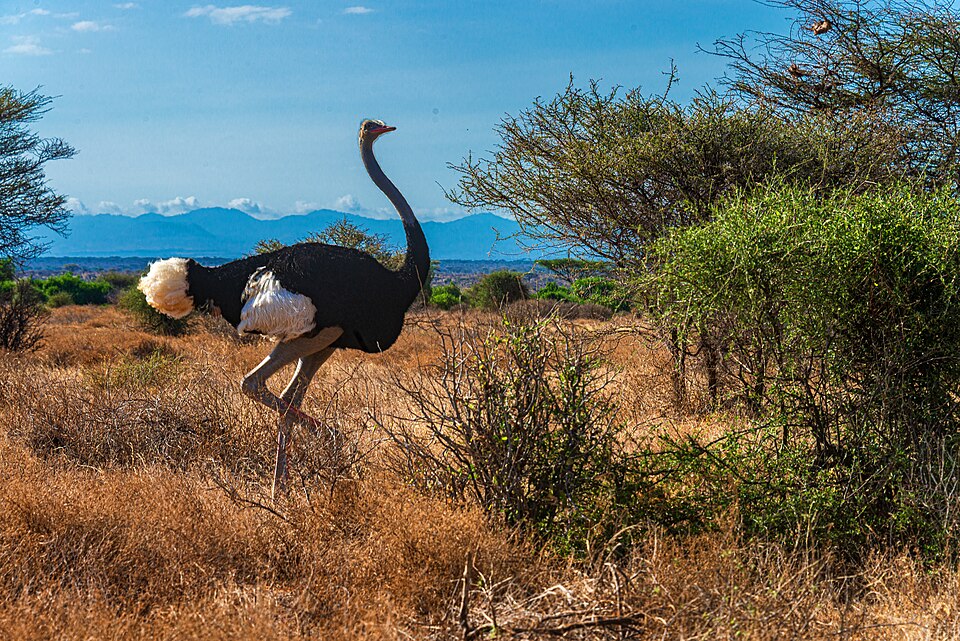
Somali ostrich
Struthio molybdophanes
Tall flightless bird of the northern dryland; a Laikipia region identification comparison.
Regional bird ID, not a guaranteed local sighting
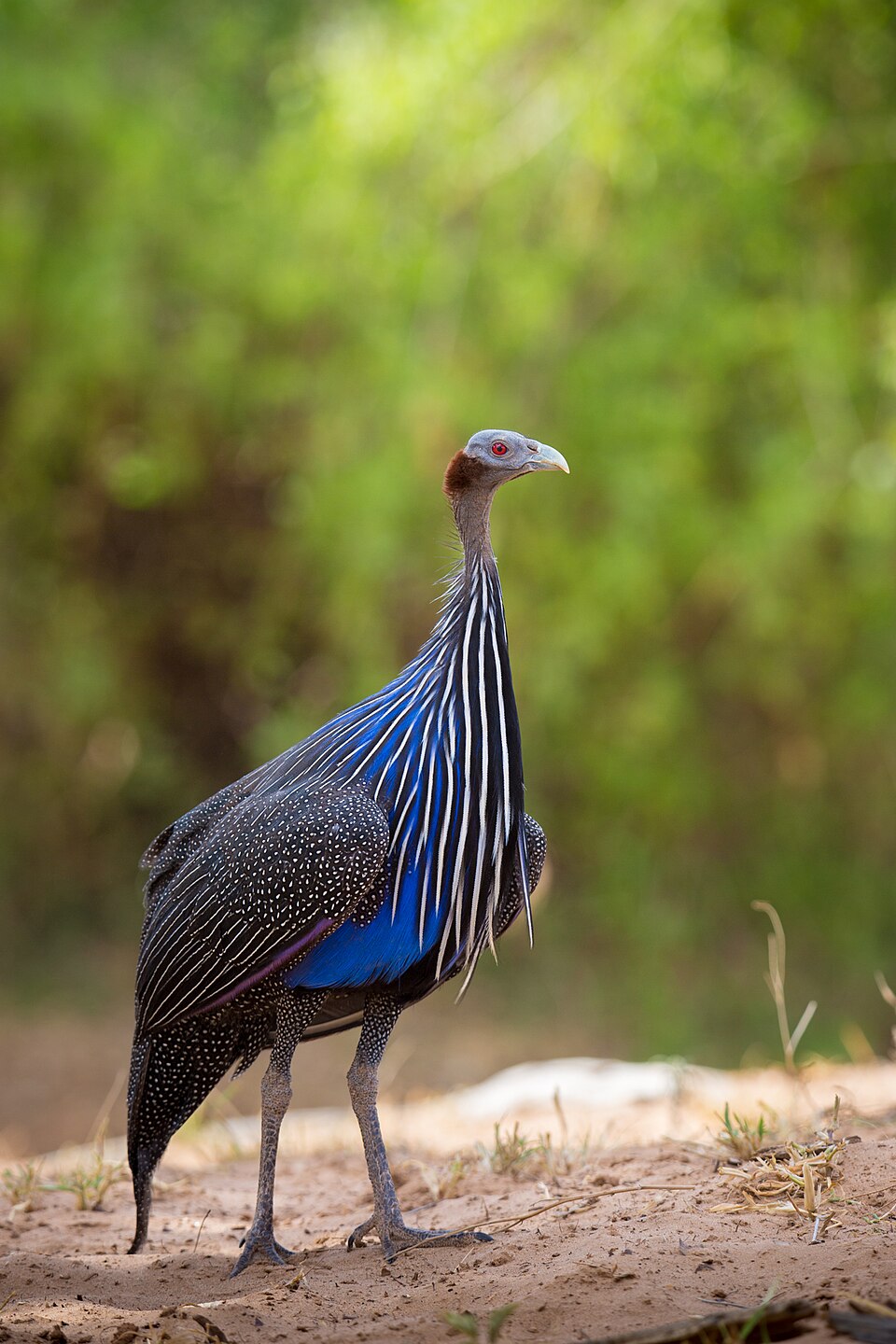
Vulturine guineafowl
Acryllium vulturinum
Bright cobalt chest and fine neck pattern; often walks in busy flocks in dry bush.
Regional bird ID, not a guaranteed local sighting
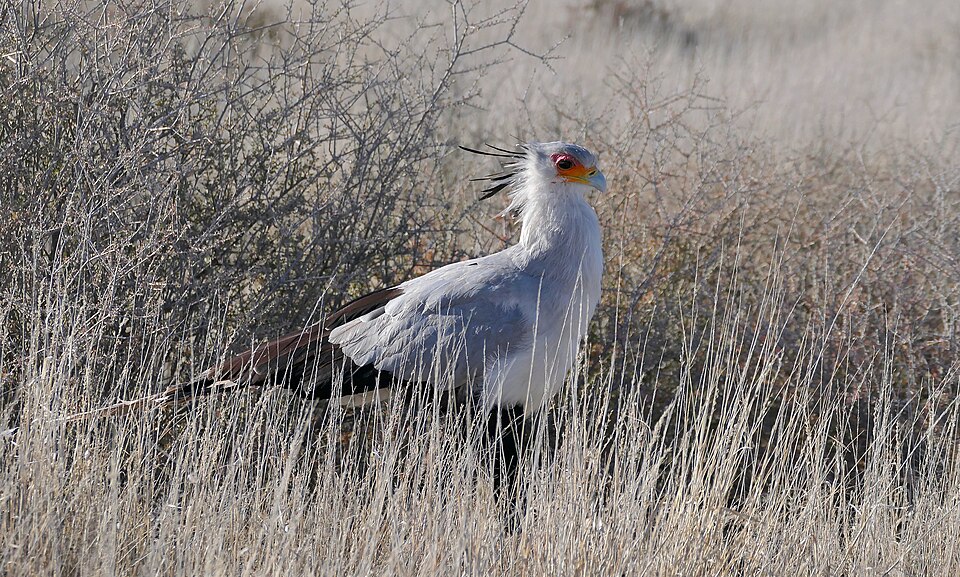
Secretarybird
Sagittarius serpentarius
Striking long-legged raptor that hunts terrestrial prey across open grassy country.
Regional bird ID, not a guaranteed local sighting

Martial eagle
Polemaetus bellicosus
A huge eagle with broad wings and spotted underside; scan prominent perches and skies.
Regional bird ID, not a guaranteed local sighting
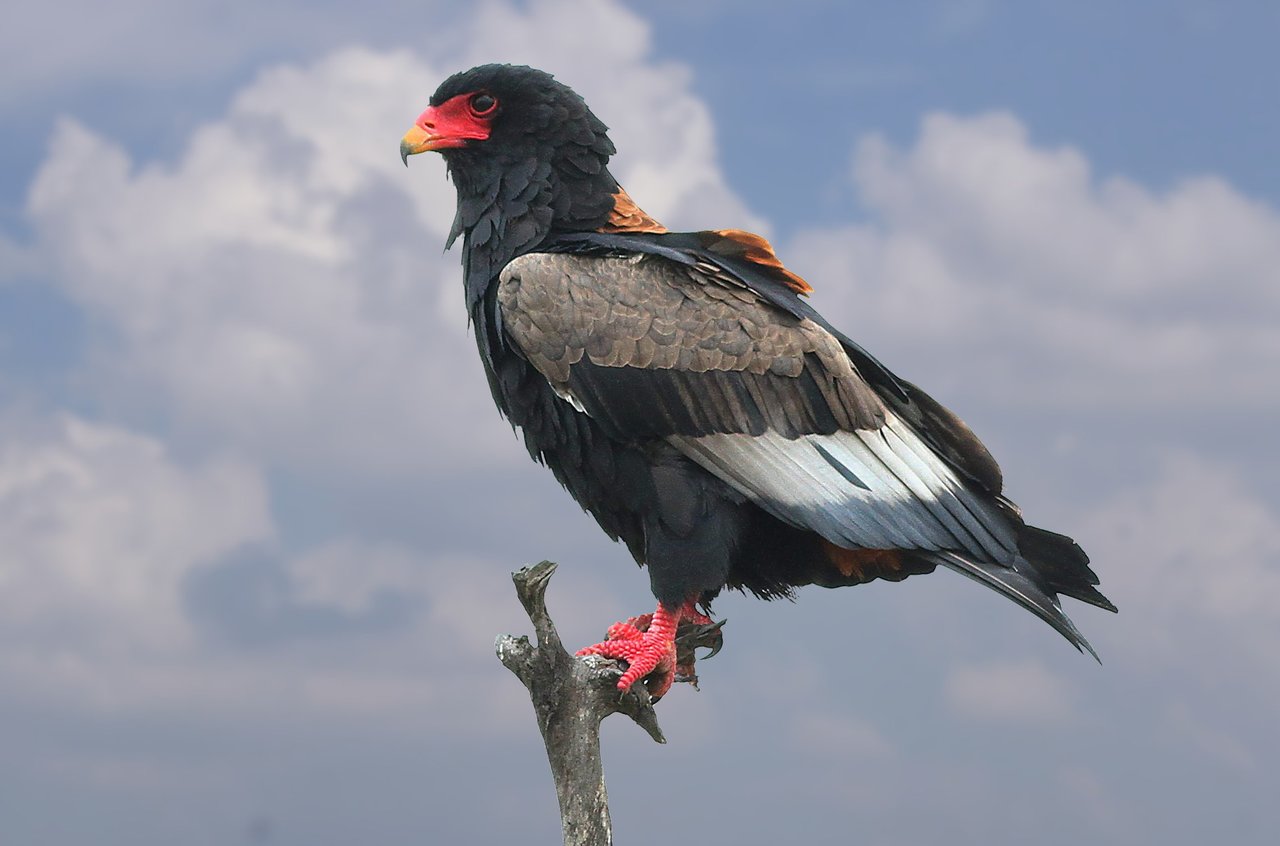
Bateleur
Terathopius ecaudatus
Short-tailed eagle whose rocking, low soaring flight is a useful clue.
Regional bird ID, not a guaranteed local sighting
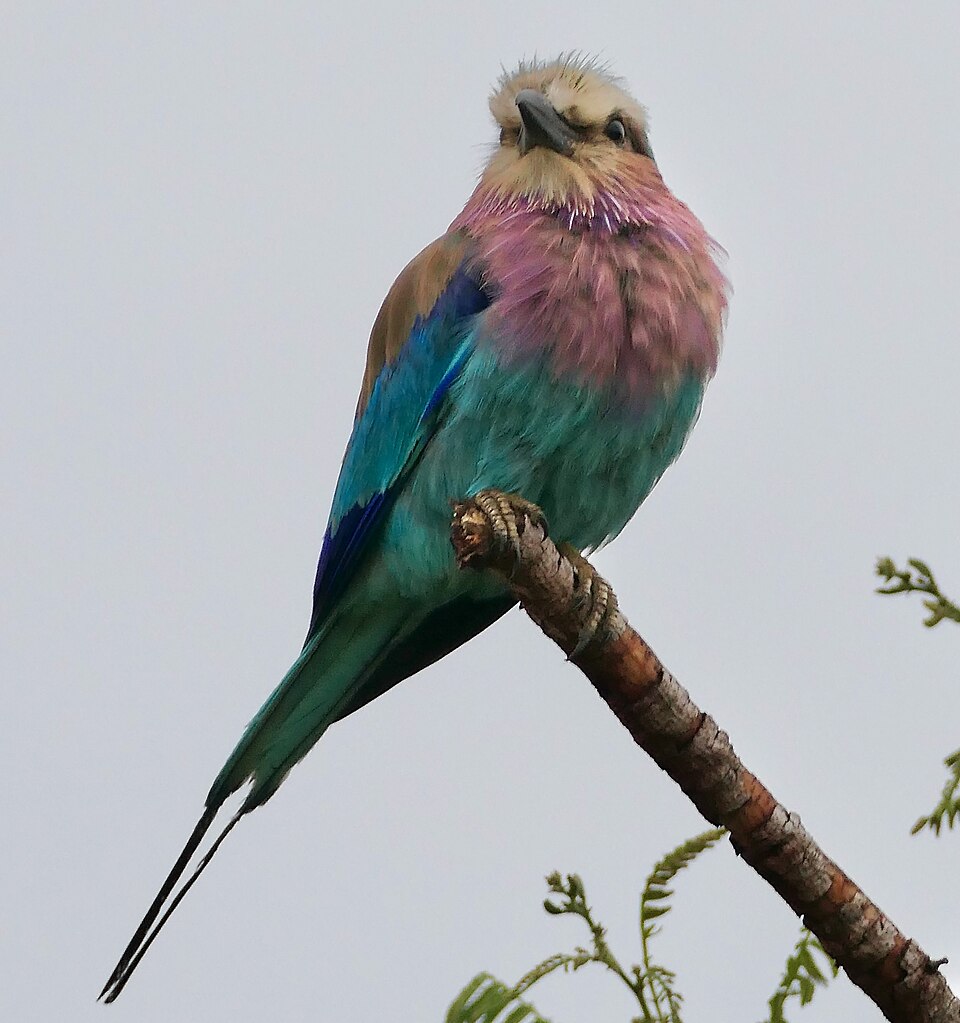
Lilac-breasted roller
Coracias caudatus
Brilliantly coloured roadside hunter, often perched on exposed branches.
Regional bird ID, not a guaranteed local sighting
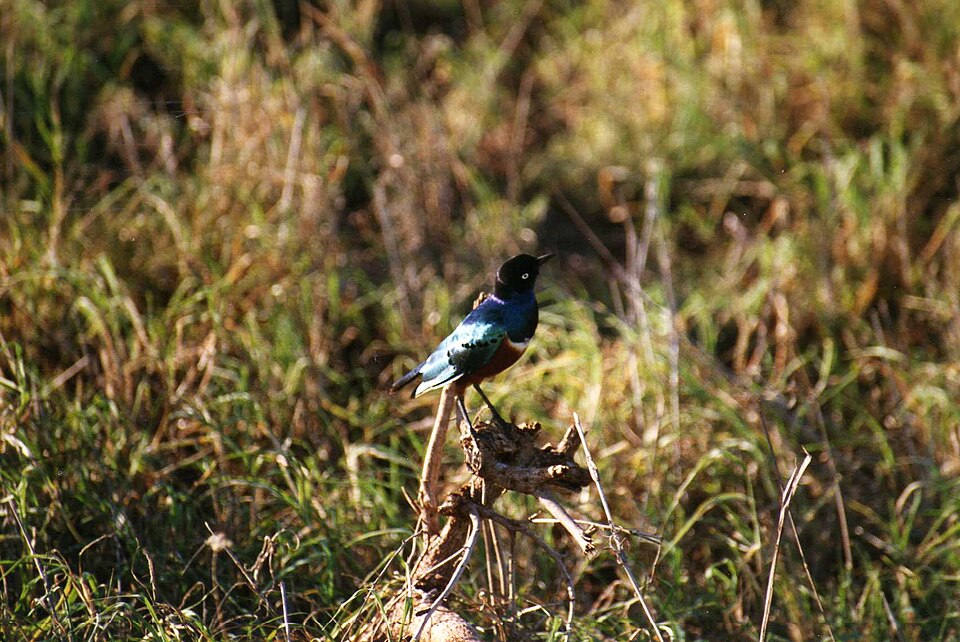
Superb starling
Lamprotornis superbus
Metallic-blue plumage, orange breast and white eyes; can be conspicuous near settlements.
Regional bird ID, not a guaranteed local sighting
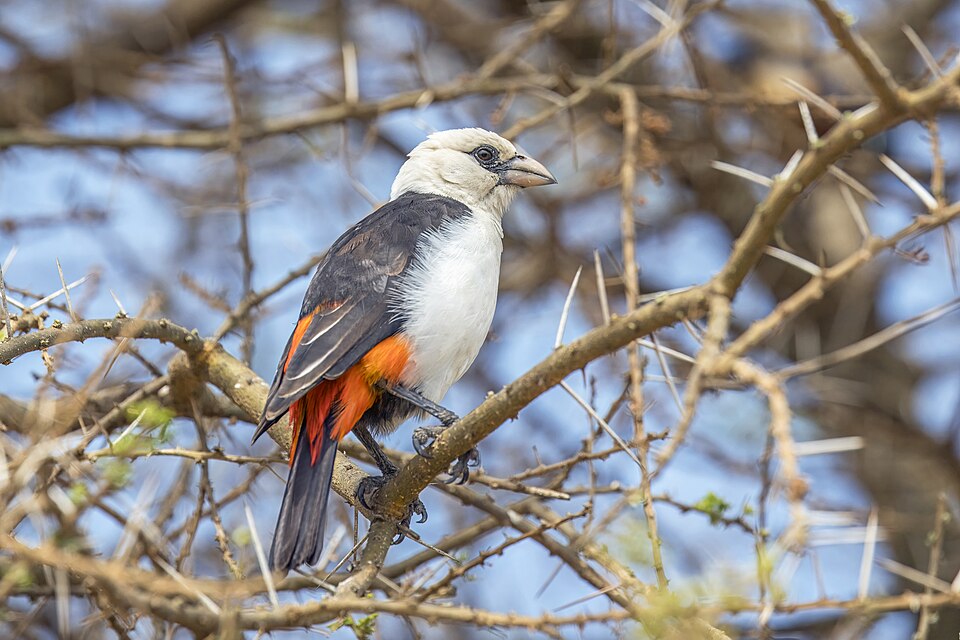
White-headed buffalo weaver
Dinemellia dinemelli
Pale-headed, dark-winged weaver of thorn trees and dry grassland.
Regional bird ID, not a guaranteed local sighting
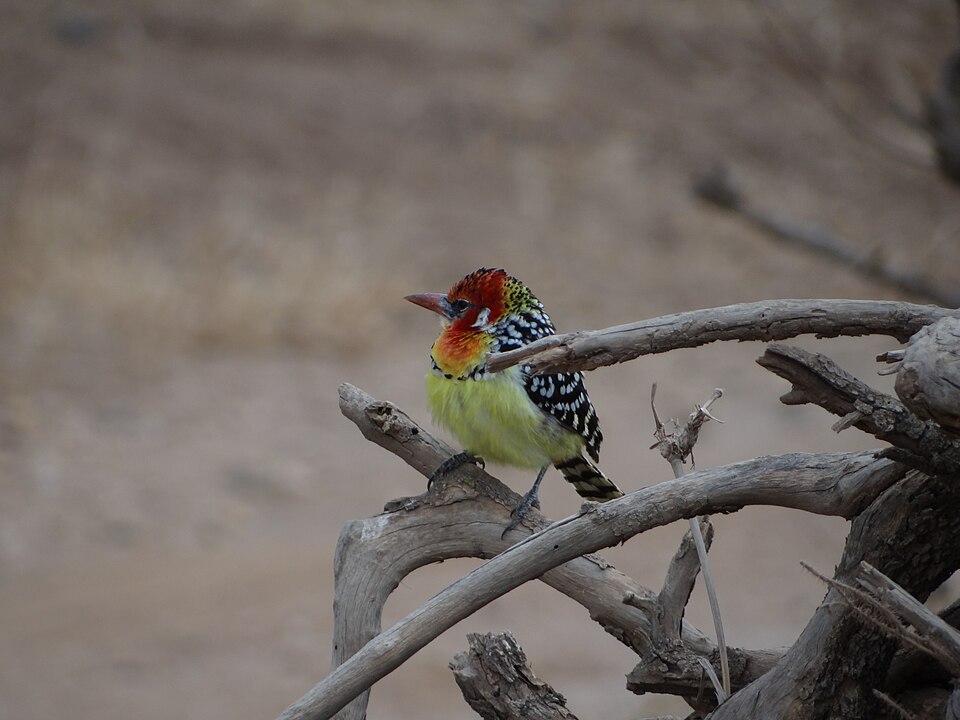
Red-and-yellow barbet
Trachyphonus erythrocephalus
Brightly patterned, vocal bird associated with the drier end of northern savanna.
Regional bird ID, not a guaranteed local sighting
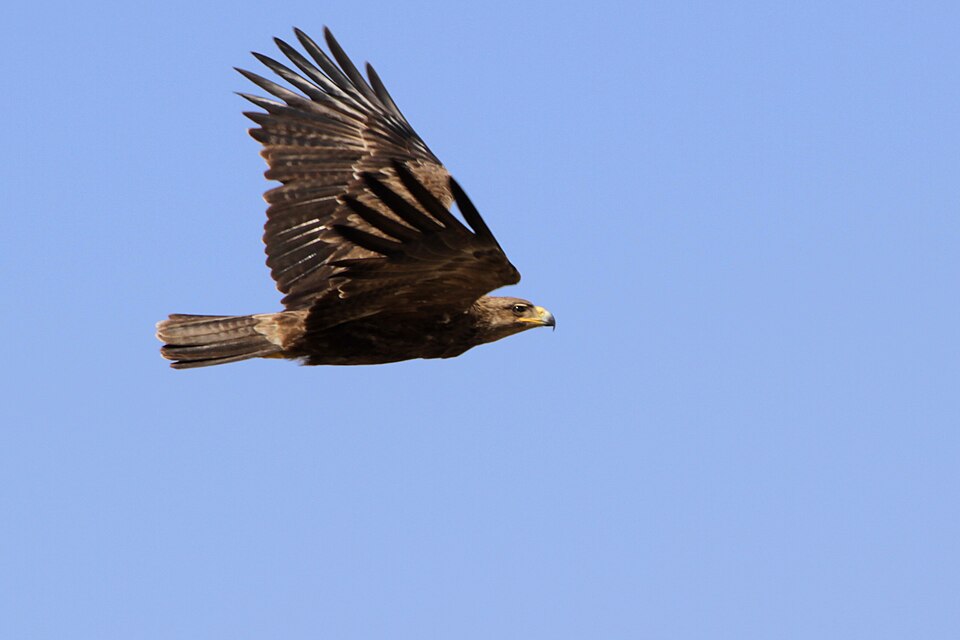
Tawny eagle
Aquila rapax
Variable brown eagle and scavenger in open areas; separate carefully from other brown raptors.
Regional bird ID, not a guaranteed local sighting
10 trees, shrubs and grasses to look for
Dry thorn scrub, open grazing plains, rocky escarpments and stream corridors create very different ecological niches in the Ewaso ecosystem. These ten illustrated plants or growth forms are regional habitat references, not a botanically verified Loisaba plant inventory. Ask your guide to confirm precise species where local conditions make look-alikes likely.
Woodland, shrubs and grazing grasses
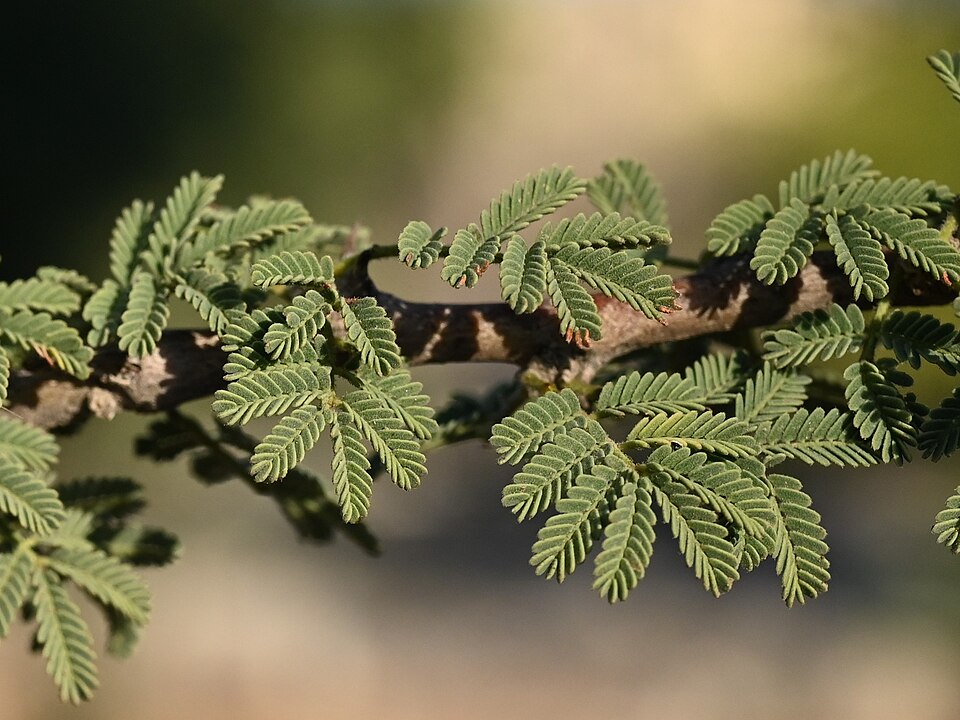
Umbrella thorn
Vachellia tortilis
Broad canopy and long thorns; provides shade, nesting sites and browse.
Habitat reference; locality not confirmed
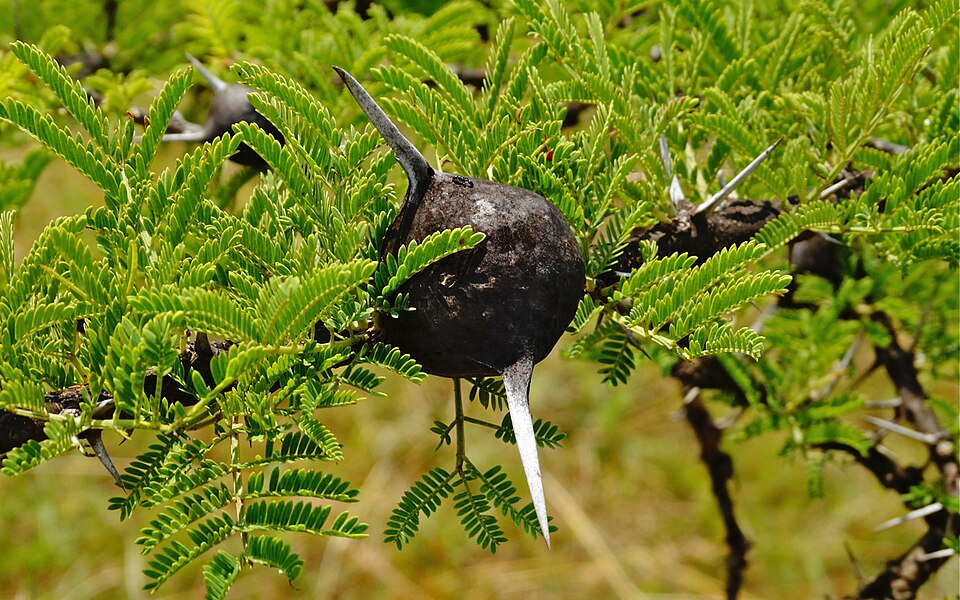
Whistling thorn
Vachellia drepanolobium
An ant-associated high-savanna acacia with swollen thorns; seen where soils and altitude suit it.
Habitat reference; locality not confirmed
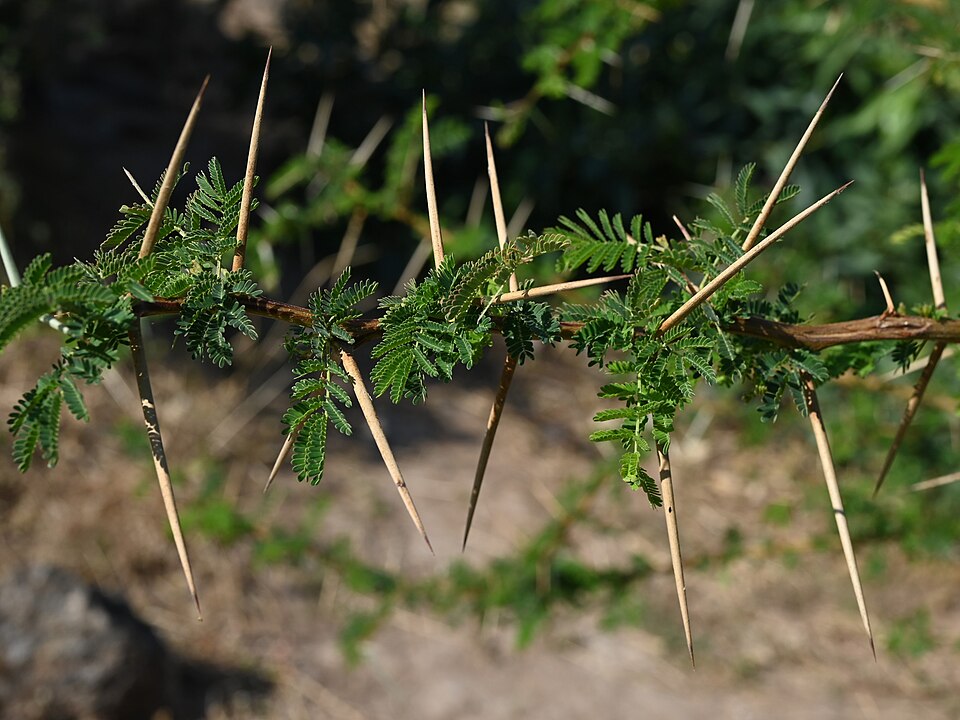
Gum arabic acacia
Senegalia senegal
Thorny Senegalia of dry habitat; a broad northern Kenya reference.
Habitat reference; locality not confirmed
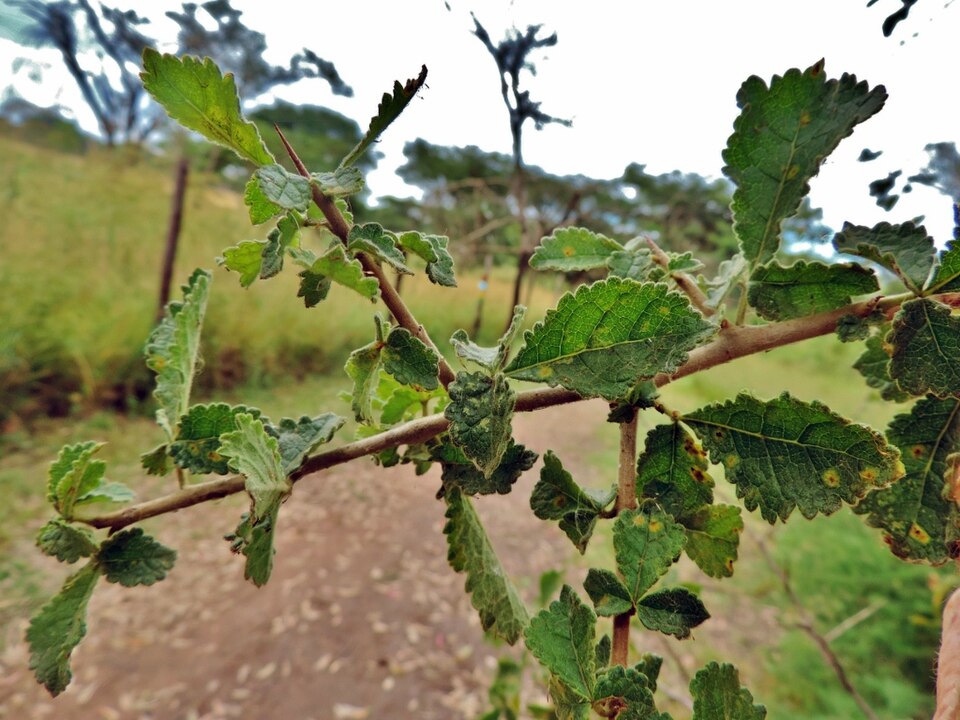
Commiphora shrubs
Commiphora spp.
Resin-bearing woody plants, common in dry woodland mosaics.
Habitat reference; locality not confirmed
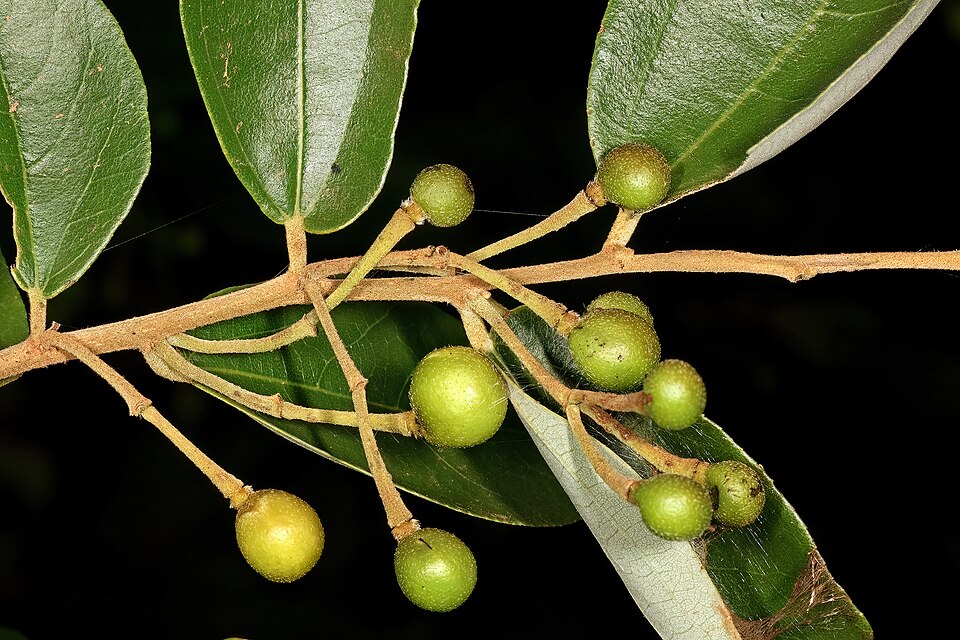
Grewia shrubs
Grewia spp.
Small-leaved shrubs used for browse and seasonally fruiting food.
Habitat reference; locality not confirmed
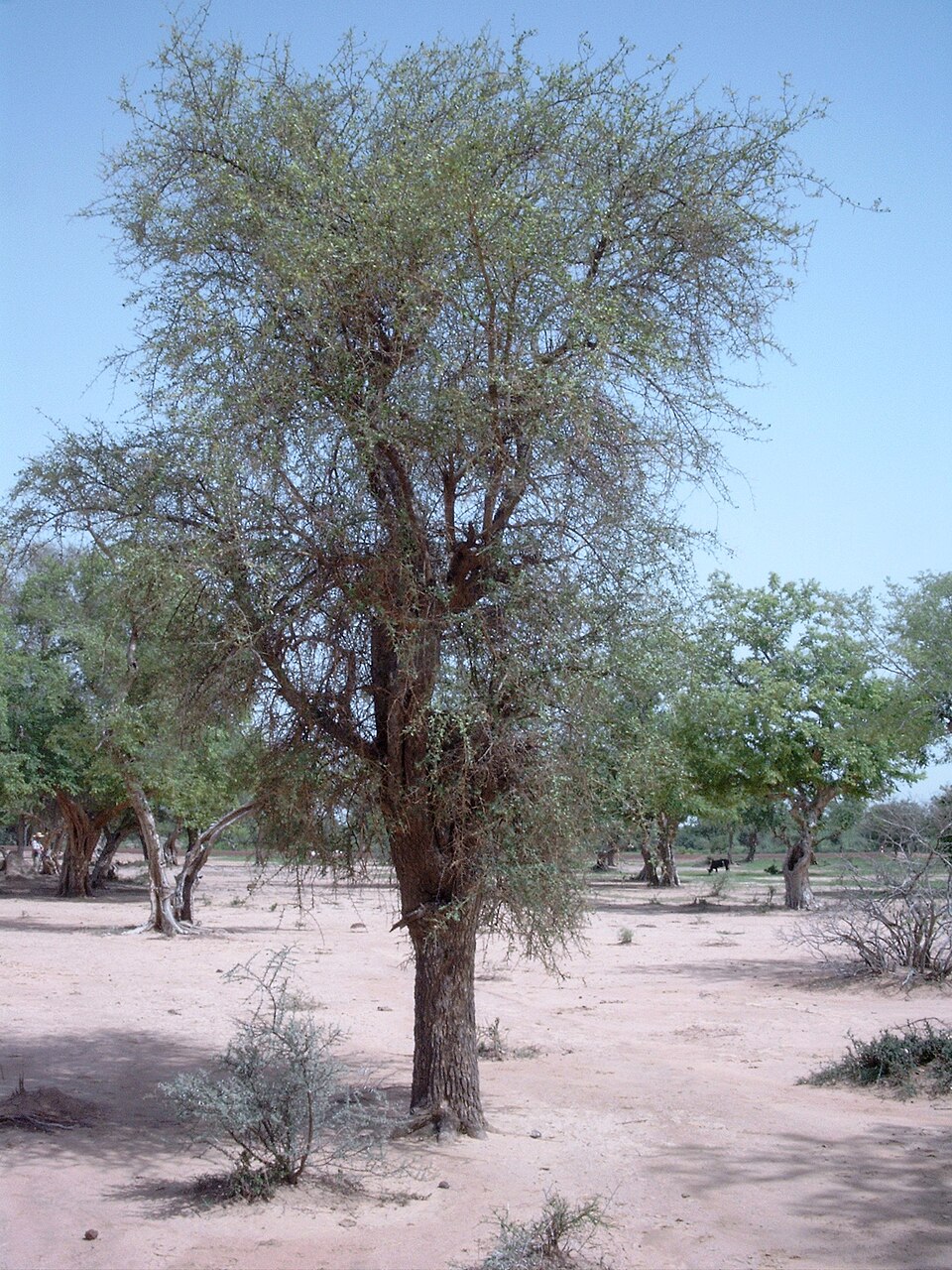
Balanites / desert date
Balanites aegyptiaca
Drought-resistant tree with spiny branches and yellow fruits.
Habitat reference; locality not confirmed
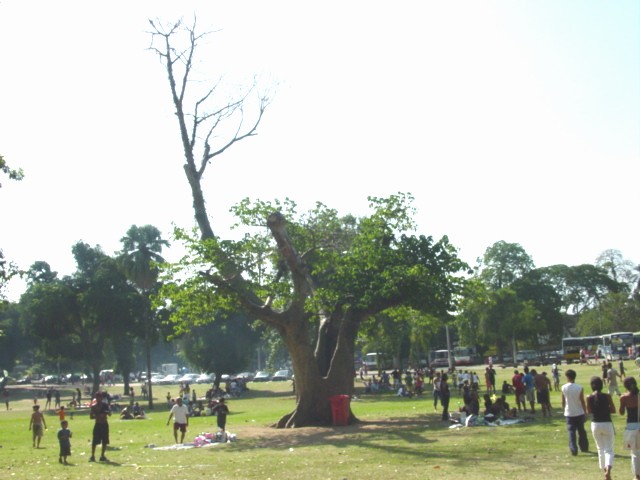
Riverine figs
Ficus spp.
Riparian figs support fruit-eating birds, bats and primates.
Habitat reference; locality not confirmed
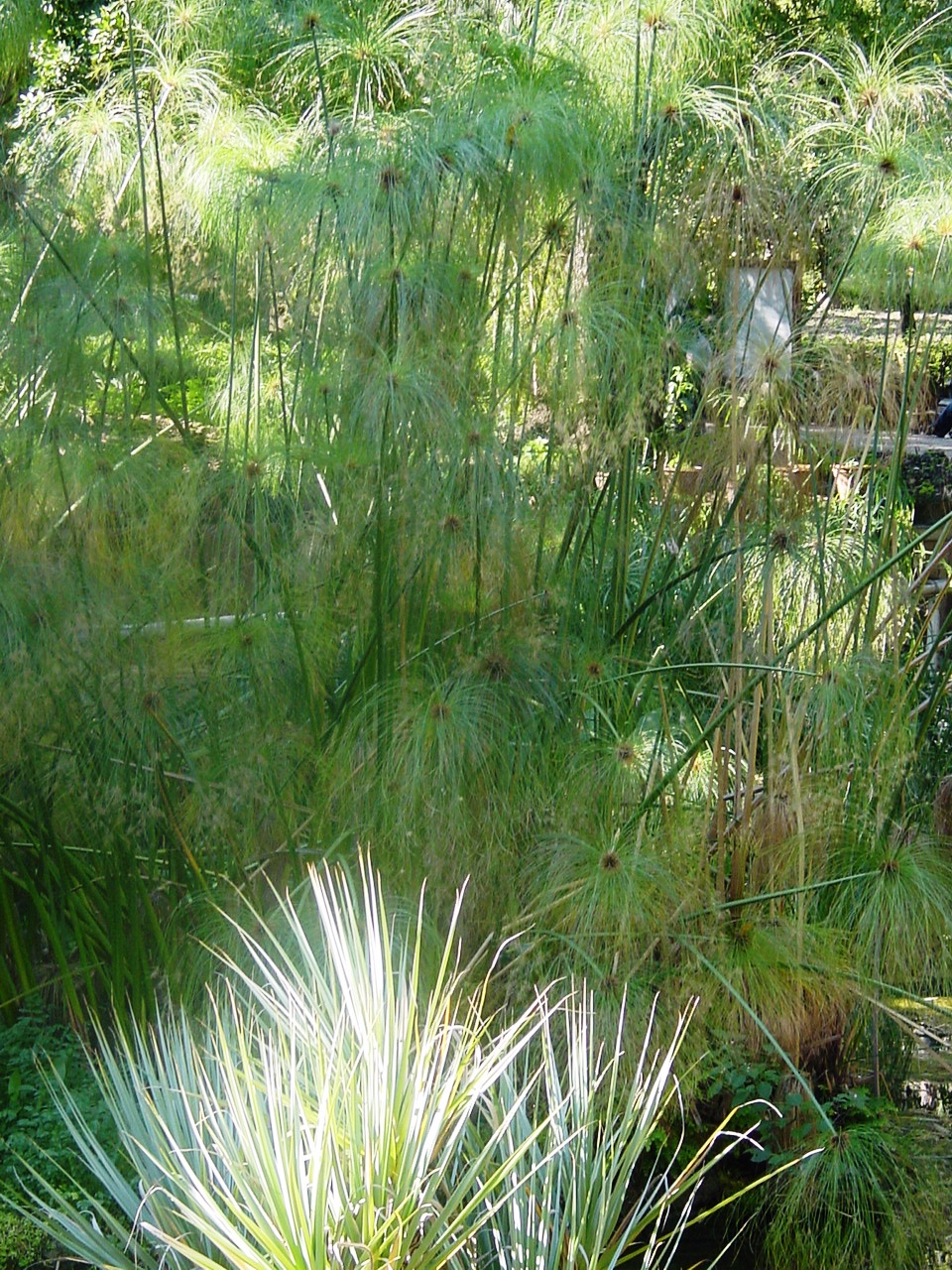
Sedge and rush margins
Cyperaceae and related families
Marshy stream or dam edges create cover and breeding niches for insects and birds.
Habitat reference; locality not confirmed
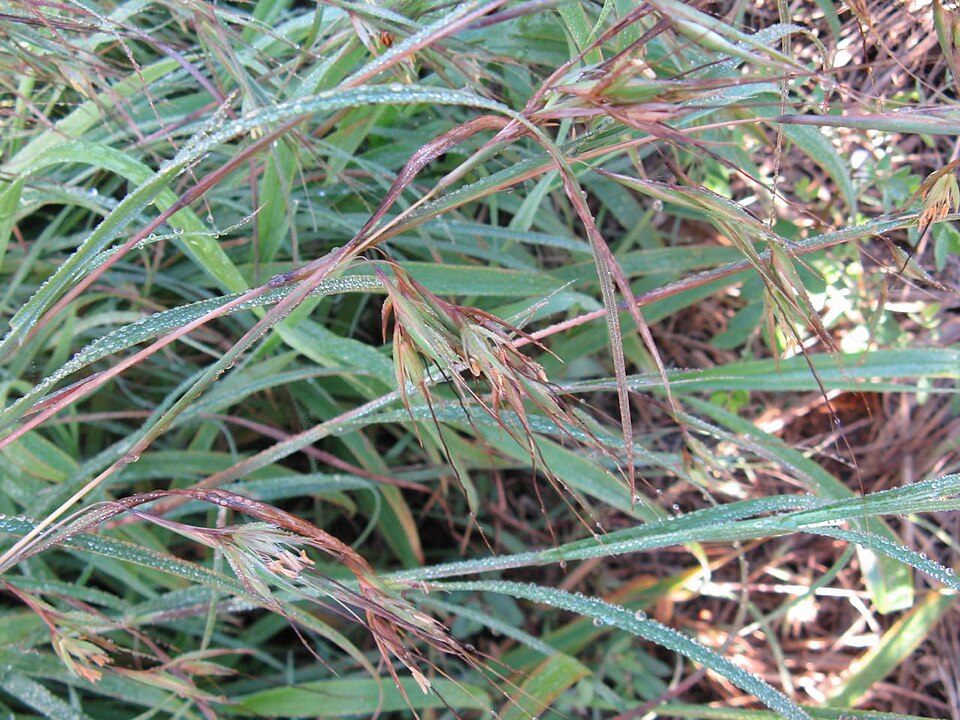
Red oat grass
Themeda triandra
Important savanna grass that changes colour and seed form across seasons.
Habitat reference; locality not confirmed
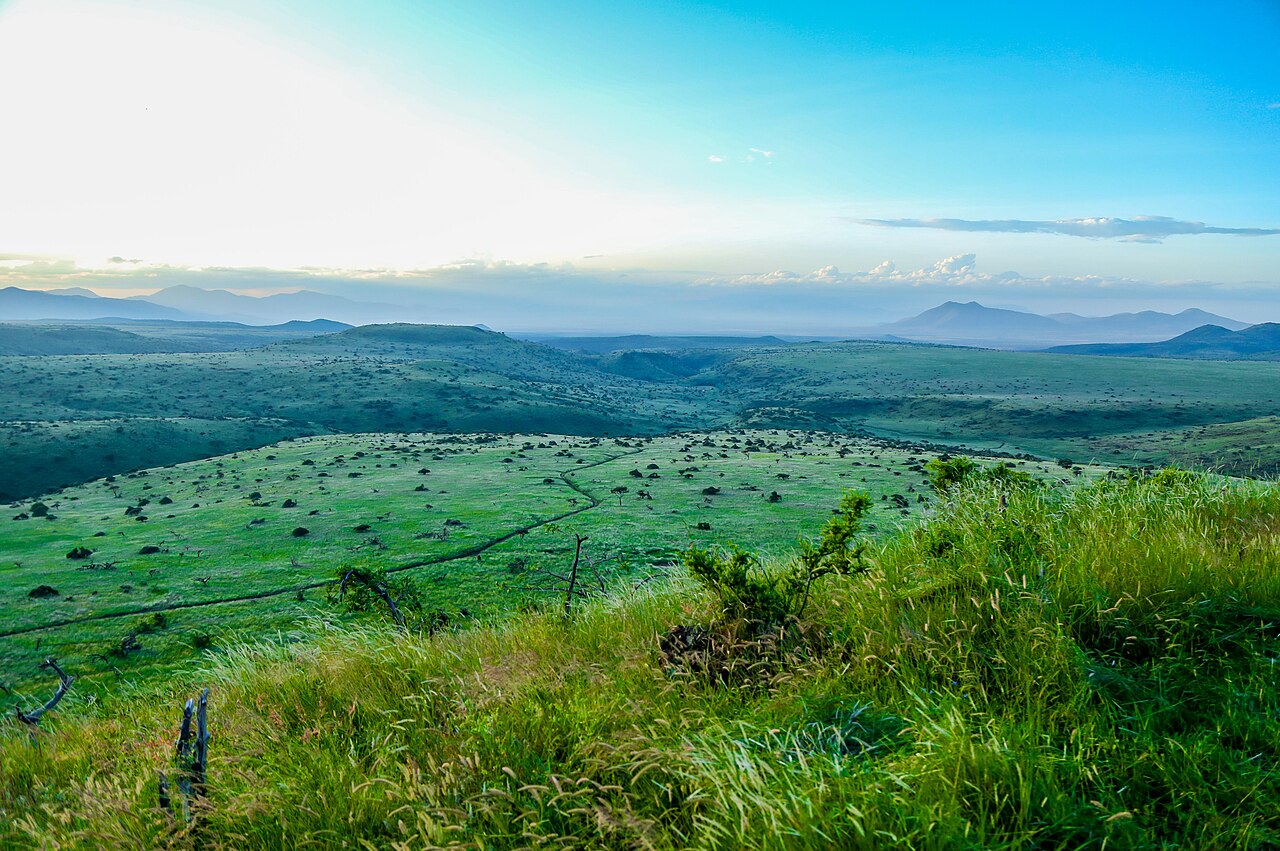
Mixed native grasses
Poaceae
Grassland structure determines grazing patterns, visibility and soil resilience.
Habitat reference; locality not confirmed
Things to do in Loisaba Conservancy
Day and night game drives
A professional guide uses the conservancy’s varied grassland, hills, valleys and water points to search for elephant, zebra, rhinos, cats and other mammals. On the 2026 Elewana game package, shared scheduled drives are included; full-board guests should budget extra.
Rhino and research experiences
Learn how black rhinos were reintroduced in 2024 and southern white rhinos in 2025. Any conservation-monitoring or ranger experience needs specific approval; live rhino tracking routes are sensitive and not published.
Sniffer-dog unit demonstration
Elewana lists an anti-poaching sniffer-dog encounter. The published full-board price is USD 40 per person, subject to minimum-group requirements and availability.
Loisaba Star Beds
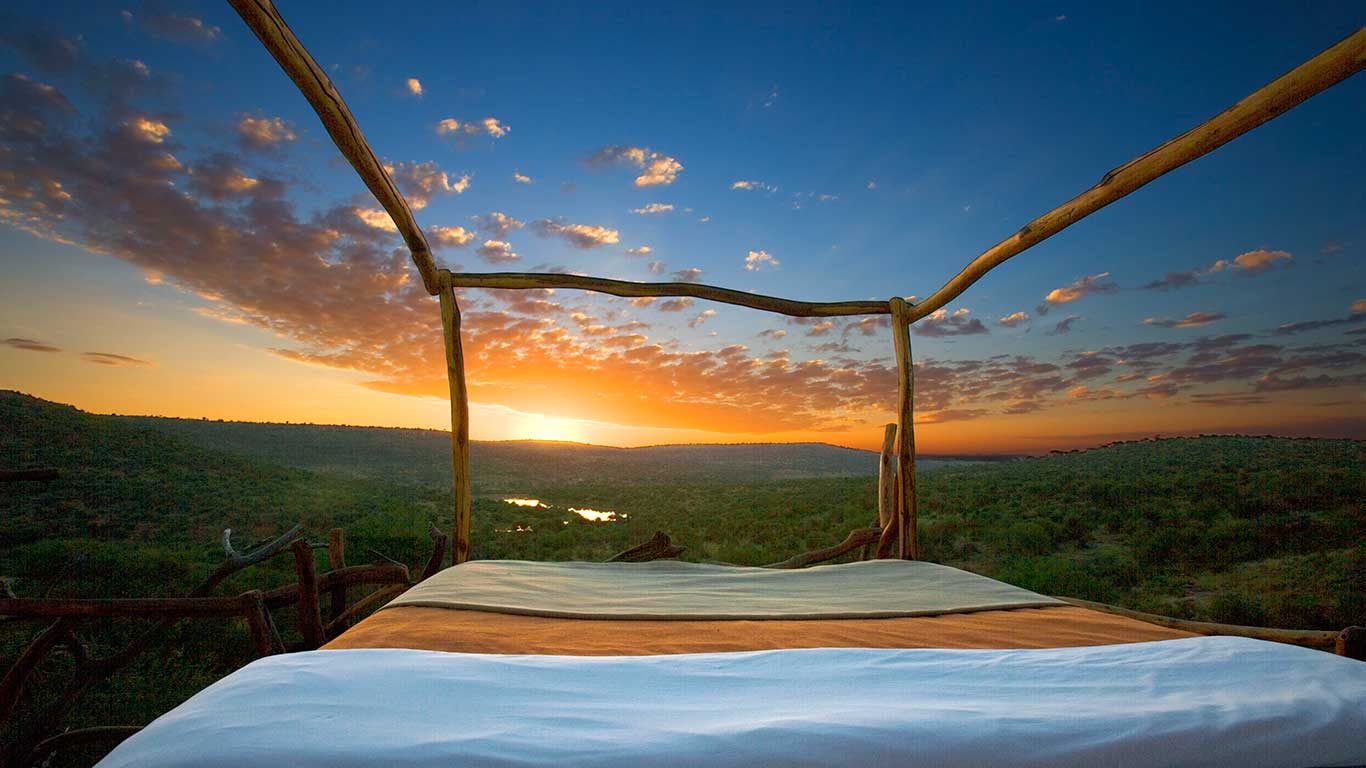
Spend a night under a broad African sky in a wheeled-out bed above the valley. Book before travel and confirm whether seasonal rain affects the experience.
Horse and camel safaris
A memorable way to experience open country with qualified staff. Elewana lists a USD 120 per person full-board supplement for the two-hour ride, with minimum numbers and an age condition; permission and experience are evaluated by the operator.
Guided walks
Two-hour guided bush walks are listed at USD 90 on full board or included in the game package. Long walks have different prices and guide-based age and fitness restrictions.
E-biking and mountain biking
Operator-led cycling along approved tracks adds an active dimension without improvising routes across the rhino sanctuary.
Samburu community visit
Cultural encounters should be booked respectfully through your host, with any additional costs confirmed. Elewana currently lists a three-hour village visit at USD 55 per person.
Loisaba’s official activity overview · 2026 activity fees and inclusions.
Best Loisaba lodges, Star Beds & Expedia booking
Unlike many private conservancies, Loisaba has three separately bookable Elewana experiences and a conservancy-operated exclusive-use camp. The three photographed cards below are actual properties inside Loisaba, with verified Expedia property pages and official-booking alternatives. The displayed base prices are examples of operator-published 2026 per-adult, per-night, sharing rates, not live quotes.
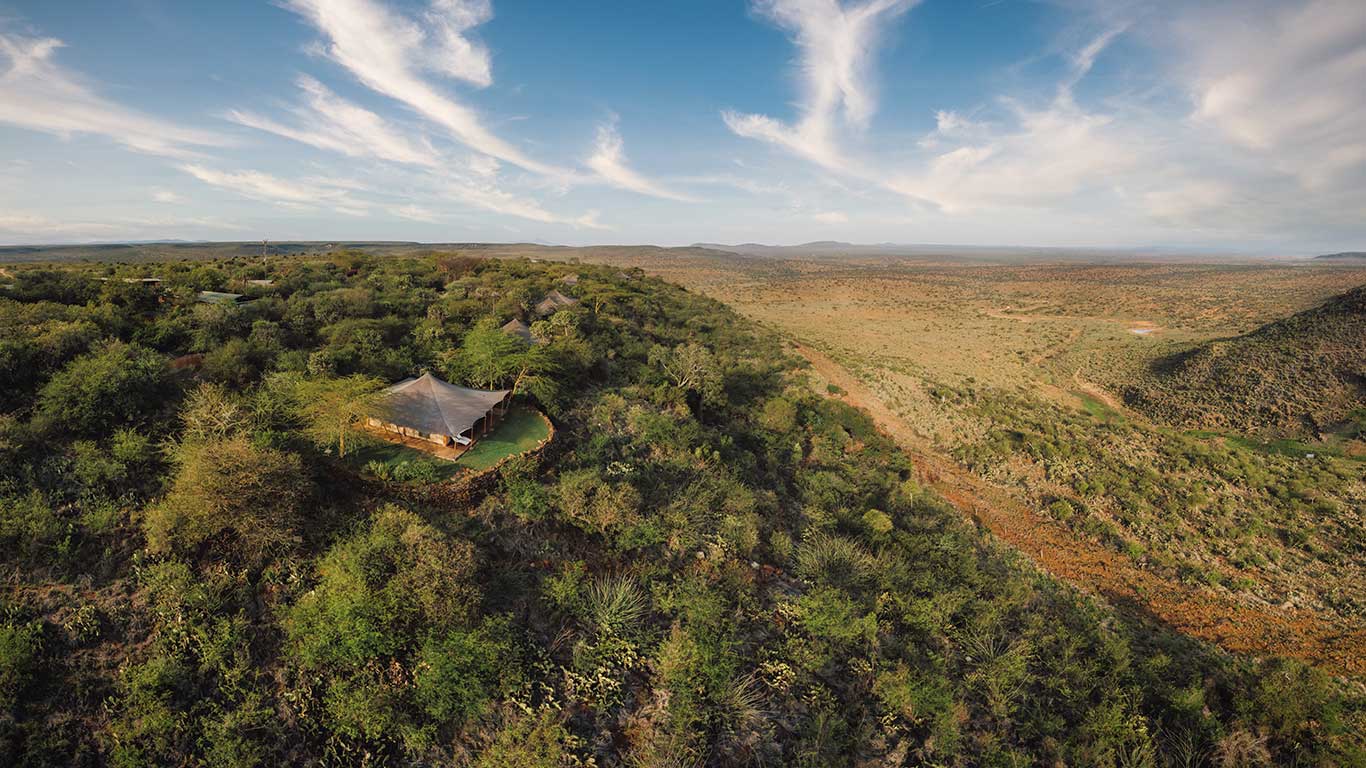
Elewana Loisaba Tented Camp
Panoramic wilderness views, an infinity pool and classic guided safaris. The best all-round option for families or first-time Loisaba guests; choose full board or a game package and check the separate conservancy levy.
2026 full board from USD 522 per adult/night sharing in green season.
Elewana Loisaba Lodo Springs
An elevated, more private option with dedicated guest ambassadors, spacious suites and tailored wildlife outings. The official 2026 full-board adult rate starts at USD 790 per night sharing in green season, before conservancy fees.
2026 full board from USD 790 per adult/night sharing in green season.
Elewana Loisaba Star Beds
Wheeled four-poster beds are rolled out to sleep beneath the sky, with Samburu and Laikipia Maasai hospitality. Star Beds is marked closed for April–May in the official 2026 rate table.
2026 full board from USD 494 per adult/night sharing in mid season; green season closed.
Also consider: Galago Private Canvas
For exclusive-use groups: Galago is a private safari camp operated by Loisaba Conservancy for families or friends travelling together. It does not have a verified Expedia deep link in this guide, so we link directly to the conservancy rather than invent a bookable listing. View Galago Private Canvas and enquire directly.
Which stay suits you?
| Property | Key difference | Price structure |
|---|---|---|
| Loisaba Tented Camp | Panorama, pool, families | Full board or game package + conservancy fee |
| Lodo Springs | More privacy, dedicated guiding | Premium full board or game package + conservancy fee |
| Star Beds | Outdoor sleeping on a rocky kopje | Full board/game package; April–May closed in published 2026 schedule |
| Galago Private Canvas | Private group-only itinerary | Operator quote; confirm inclusions directly |
Conservancy accommodation directory · Star Beds 2026 rate and closure schedule.
Loisaba Conservancy FAQ
Can I visit Loisaba Conservancy without staying at a lodge?
Loisaba describes guest stays at its authorised accommodation and does not publish a general public KWS-style walk-up day-entry gate tariff. Any special day visit or independent access needs advance approval from conservancy management.
What is the Loisaba Conservancy fee in 2026?
Elewana publishes a mandatory separate conservancy fee of USD 180 per adult per night and USD 90 per child aged 3–17 per night. This is a nightly guest conservation levy, not a general entry ticket. Confirm the applicable total in your quote.
Does full board include game drives?
Full board usually includes lodging, meals, selected drinks and laundry, but scheduled safari drives and airstrip transfers are generally extra. A game package includes selected drives and activities and a designated-airstrip transfer, while the conservancy levy and certain supplements remain extra.
Can I drive myself into Loisaba?
Only appropriately coloured green or brown 4×4 vehicles are normally permitted, and access remains controlled. Your host must approve your arrival, directions and permitted activities. Do not treat approximate map pins as public gate coordinates.
How long is the flight from Nairobi to Loisaba?
Elewana publishes approximately one hour by air from Nairobi’s Wilson Airport to Loisaba Airstrip, followed by roughly 15 minutes by vehicle to the Elewana properties. Confirm actual flight schedules, luggage allowance and operator pickup.
Does Loisaba have black and white rhinos?
Yes. Eastern black rhinos were reintroduced in 2024, and southern white rhinos were brought in 2025. Loisaba has reported calves. Rhinoceros sightings are never guaranteed and sensitive animal GPS positions are not published.
How many nights should I spend in Loisaba?
Three nights is a useful starting point for multiple wildlife drives and one unusual activity; four nights is better for Star Beds, horse riding and a conservation experience without rushing.
Are Loisaba Star Beds suitable for children?
Star Beds has a family room but ages, safety, open-air sleeping and riding/walking restrictions must be discussed with the lodge in advance. The official 2026 Star Beds rate table lists an April–May seasonal closure.
What are the most distinctive things to do?
Alongside day and night game drives, hosts offer guided bush walks, horse or camel safaris, mountain and e-biking, conservation sniffer-dog demonstrations, stargazing and cultural visits. Individual activities may require age restrictions and pre-booking.
Which of Loisaba’s camps can be booked on Expedia?
Verified Expedia listing pages exist for Elewana Loisaba Tented Camp, Elewana Loisaba Lodo Springs and Elewana Loisaba Star Beds. Booking availability and exact packages depend on dates; the guide links to each property’s listing.
Where is Galago Private Canvas?
Galago Private Canvas is an exclusive-use private camp operated by Loisaba Conservancy. It is appropriate for a group arranging a complete private safari. We omit a precise map marker because a trustworthy public guest-arrival coordinate was not confirmed.
What should I pack for Loisaba?
Pack layered clothing for cool dawns, sun protection, binoculars, a camera, comfortable walking shoes and any prescribed health supplies. Ask your clinician for travel advice tailored to your complete Kenya route, not just Laikipia.
Official sources & accuracy notes
Reviewed on 10 November 2026. Published prices, conservation fees, flight timings and activity availability can change. Written confirmation from Loisaba or the booked operator takes precedence over this independent guide.
How this guide was checked
See.Africa prioritises Loisaba Conservancy and Elewana Collection pages for fees, activities, vehicle access, GPS positions and lodges. Wildlife counts are reported as dated programme milestones, not a guaranteed live population census. Maps show permitted public lodge locations only; private gates and sensitive rhino monitoring coordinates are omitted. Wildlife and botanical photos are clearly labelled as field-identification references, not necessarily photographs made at Loisaba.
- Loisaba Conservancy — official accommodation and visit page
- Loisaba official arrivals and 4×4 vehicle restrictions
- Loisaba conservation, mammals and birdlife
- Black and southern white rhino conservation
- Official experiences and conservation activities
- Loisaba Tented Camp 2026 rates, packages and levies
- Lodo Springs 2026 rates
- Star Beds 2026 rates and seasonal closure
- Tented Camp and Loisaba Airstrip GPS
- Lodo Springs GPS
- Star Beds GPS
- OpenStreetMap / Mapcarta public Loisaba HQ location
- Galago Private Canvas — direct information
- Lodge photography © Elewana Collection, hosted by see.africa