
Kalama Conservancy: Camping, Safari & Fees (2026)
Plan Kalama’s community safari corridor with verified lodge rates, self-sufficient campsites, public map pins and local wildlife.
Kalama is a community-managed conservancy, not a national reserve. The dryland hills north of Archer’s Post form a vital elephant and northern wildlife corridor. Guided safari lodges and community campsites offer ways to visit while supporting Samburu pastoralist and conservation livelihoods. This guide separates genuine Kalama stays from nearby but differently managed Shaba, Sera and Namunyak.
What is Kalama Community Conservancy?
Quick answers for your safari
- Can I pay at a KWS gate?
- No; Kalama is a separate community conservancy, not Samburu National Reserve.
- Where is the road turnoff?
- Approximately 8 km north of Archer’s Post on the A2, followed by operator-guided tracks.
- Where can I fly in?
- Kalama airstrip. Transfers and permissions must be prearranged.
- Are there community campsites?
- Yes, including Lgweita and Lbaa; book through Kalama management.
- Published Lgweita fee?
- KES 2,000 adult/night; confirm the current rate and ranger fees.
- Do I need a 4×4?
- Recommended for the conservancy tracks; check conditions after rain.
- Does lodge cost include conservancy levies?
- No. Both 2026 lodge rate sheets list a separate conservation fee.
- Are Reteti and rhino tracking here?
- No; they are in Namunyak and Sera respectively.
Kalama Community Wildlife Conservancy was formed in Samburu’s Gir Gir group ranch landscape and supports pastoralist livelihoods alongside elephant migration corridors. The Northern Rangelands Trust’s 2023 conservancy profile lists 49,588 hectares, distinct from the larger 200,000–240,000-acre landscape often described in lodge marketing. Do not conflate the two area definitions.
NRT identifies elephants, reticulated giraffes, Grevy’s zebras, lions, cheetahs, African wild dogs, leopards, Beisa oryx, gerenuks and both kudu species as key animals. Community tourism income helps fund the conservancy and its wider community work.
Northern Rangelands Trust conservancy profile (2023) · Saruni Samburu official location and experiences
Best time to visit Kalama and the Samburu hills
Kalama is a semi-arid landscape; the best time depends on comfortable heat, rain-damaged dirt tracks and availability of your lodge or camping rangers, not a guaranteed migration spectacle.
Start walks and game drives early; expect dust and strong sun.
Lugga crossings and dirt-road access may become difficult or impassable.
Often more practical for game drives and rocky hill walks; morning air can be cooler.
New growth attracts some grazers but rain can change which tracks are safe.
For the Sacred Mountain Trek and Thumb Rock hike, Saruni Samburu currently specifies 18 years or older; verify the terrain, weather and equipment with the operator.
Kalama camping fees and 2026 Saruni Basecamp prices
Two Kalama lodges: published 2026 rack rates
| Per adult sharing / night | Low season | Mid season | High season |
|---|---|---|---|
| Saruni Samburu villa | US$700 | US$800 | US$1,000 |
| Basecamp Samburu tent | US$500 | US$600 | US$700 |
| Conservation fee, adult | US$160 extra | US$160 extra | US$160 extra |
| Conservation fee, child 5–16 | US$80 extra | US$80 extra | US$80 extra |
2026 season bands: Low: March, April, May and November. High: July–September and 20 December–2 January 2027. Mid: June, October, early December and dates stated in the operator’s sheets. Both rate sheets list full board, selected drinks, shared game drives, guided bush walks and airstrip transfers among included services, but daily conservancy fees are excluded. Resident rates require a direct enquiry; special excursions and exclusive vehicles may also cost extra.
Read official Saruni Samburu 2026 PDF · Read official Basecamp Samburu 2026 PDF. Email [email protected].
Lgweita community campsite rates
| Published Lgweita charge | Amount | Basis |
|---|---|---|
| Adult camping | KES 2,000 | Per person/night |
| Child camping (≤12) | KES 1,000 | Per person/night |
| Ranger guide | KES 1,000 | Per ranger/day |
The Big North’s NRT tourism listing recommends considering two rangers when a guide and a campsite guard are needed. No tariff effective date is specified; request a fresh written quote including all community fees, rangers and transport. There are no reliable assumptions about running water or shower facilities. Bring drinking water, camping gear, food and fuel.
Getting there without the wrong gate
Driving from Archer’s Post
Continue on the A2 for about 8 kilometres past Archer’s Post. The Saruni/Kalama signed turnoff is on the left. An operator partner describes another 12 km on an internal dirt road toward Saruni Samburu. The route must be confirmed for your particular destination.
Flying to Kalama airstrip
Its public operator-reported position is 0.694167° N, 37.612500° E. The Saruni lodge transfer is approximately 40 minutes by arranged road vehicle. Check service schedules, landing permissions and transfer inclusions.
Kalama map: 8 public lodge, camp and airstrip points
The first six pins locate Kalama’s headquarters, accommodation and camping areas; the optional layer adds Kalama airstrip and the Sarova Shaba lodge in a different reserve. Do not infer private-gate positions or permitted tracks from this map.
All eight public mapped locations and coordinates
- Saruni Samburu — 0.70527° N, 37.53111° E · Operator-partner GPS for the six-villa lodge. Check directions with Saruni.
- Basecamp Samburu — 0.72600° N, 37.54160° E · Third-party listed approximate location; confirm accurate directions with Basecamp.
- Kalama Conservancy HQ — 0.69166° N, 37.62587° E · Public mapped conservancy office, not a confirmed open walk-in gate.
- Lgweita Rocks campsite — 0.72815° N, 37.57753° E · Public campsite coordinate. Must be booked through Kalama; carry drinking water.
- Lbaa campsite — 0.70203° N, 37.59125° E · Public mapped seasonal-lugga campsite. Confirm current access.
- Lpus campsite — 0.69463° N, 37.58119° E · Public mapped campsite, status and current fees need direct confirmation.
- Kalama airstrip — 0.69417° N, 37.61250° E · Operator-published light-aircraft strip, booking and permission required.
- Sarova Shaba Game Lodge — 0.66480° N, 37.70875° E · Different reserve: Shaba. Not an accommodation option within Kalama.
The precise signed Kalama road gate is not plotted: available public location data was insufficient to verify an entrance-coordinate pin. Follow the lodge or conservancy’s actual booking instructions.
Three-day Kalama safari and community camping plan
Use the signed approach, meet your guide or lodge transfer, and settle at Saruni, Basecamp or a confirmed campsite. Take an operator-organised late-afternoon sundowner or safe waterhole view.
Choose a dawn guided drive for elephant tracks and northern dryland antelopes. Later, guests eligible for a guided hill walk can arrange Thumb Rock or a conservancy-approved rock-viewing trail. Pause through midday heat.
Join a consent-based local artisan or Samburu cultural programme, then depart via the booked route. A visit to Sera’s rhino sanctuary or Namunyak’s Reteti must be a separately organised experience, not a same-conservancy shortcut.
22 illustrated mammal profiles: Kalama and northern Kenya
The 2023 NRT Kalama profile names elephants, giraffe, Grevy’s zebra, Beisa oryx, lion, wild dog, gerenuk, both kudus, leopard and cheetah. Other profiles below help distinguish regional animals and are explicitly marked as such rather than being claimed as a current Kalama sighting list.
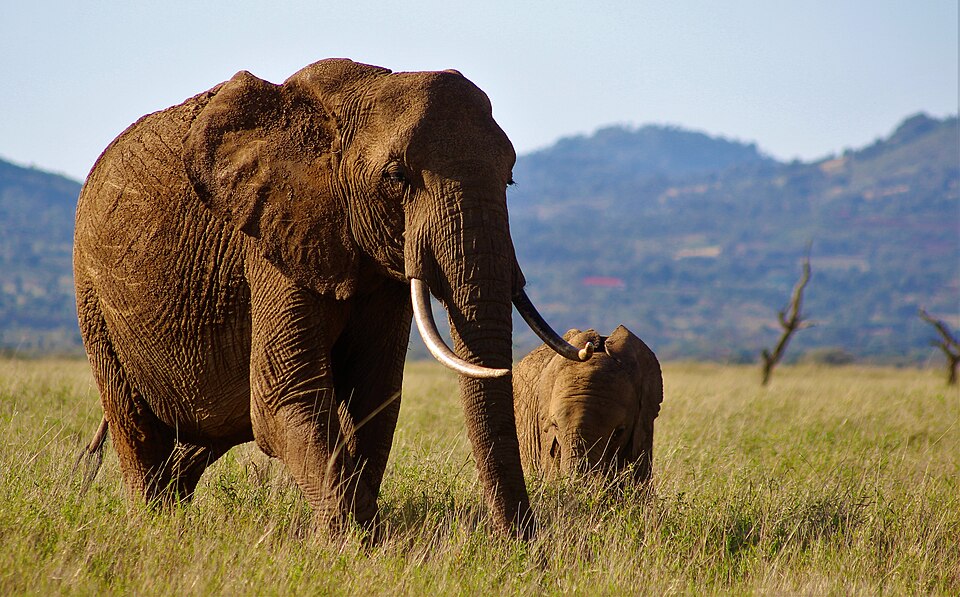
African savanna elephant
Loxodonta africana
Elephant corridors and the conservancy corridor and its dryland wildlife define the wider landscape. Give family herds a long stopping distance.
NRT Kalama profile (2023)
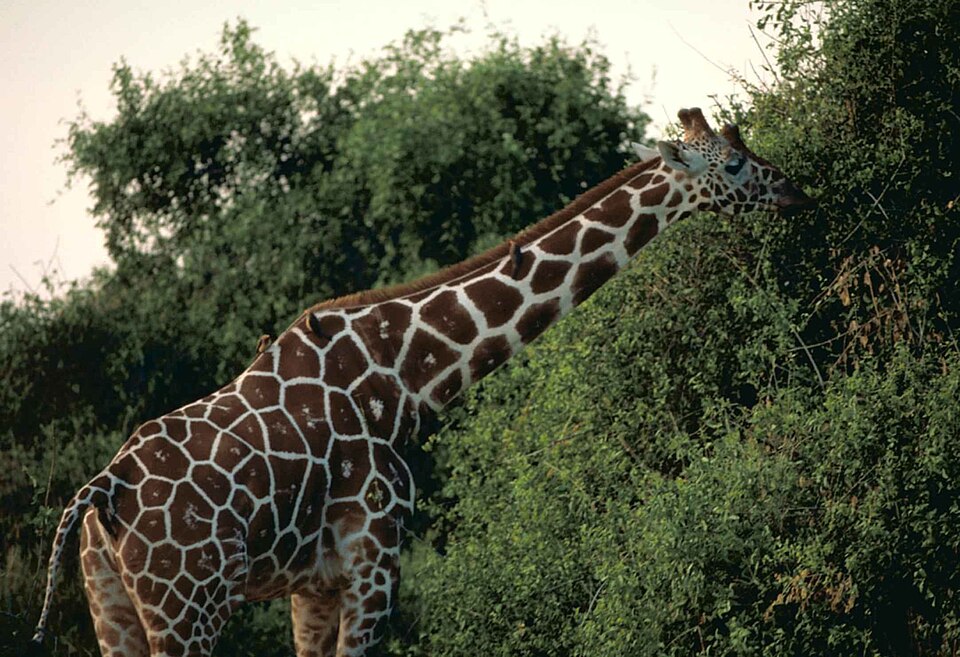
Reticulated giraffe
Giraffa reticulata
Large polygonal chestnut patches and pale borders; a northern Kenya specialist that may browse tall thorn trees.
NRT Kalama profile (2023)
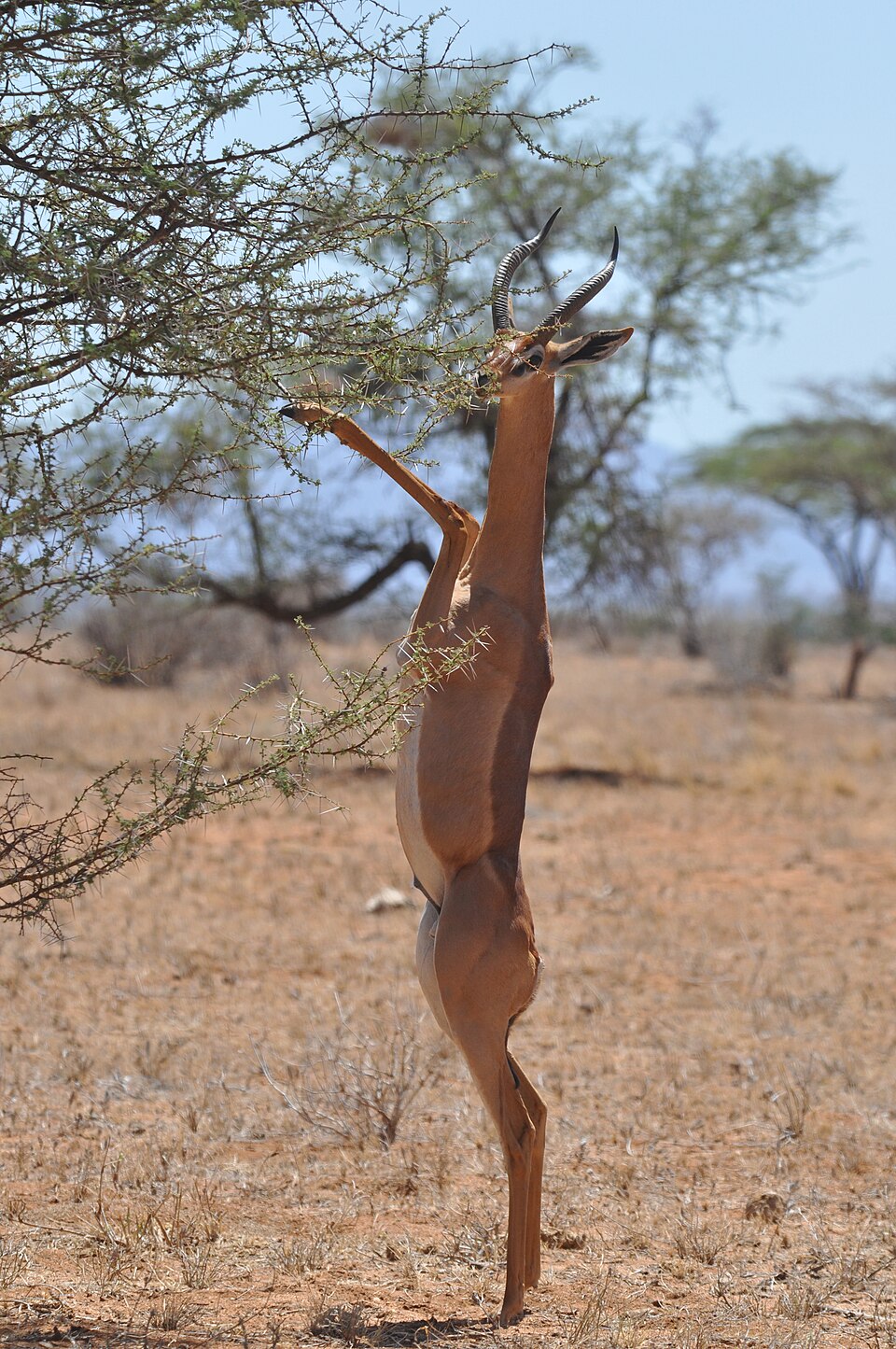
Gerenuk
Litocranius walleri
Long-necked antelope that can rear upright to browse branches; best sought with a local guide in dry bush.
NRT Kalama profile (2023)
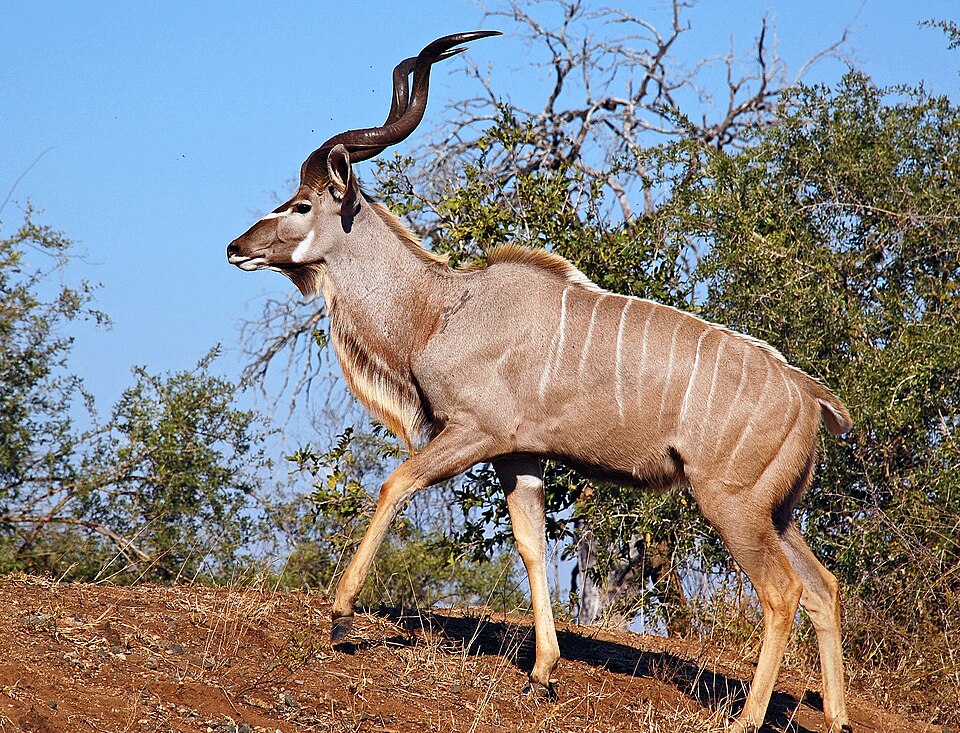
Greater kudu
Tragelaphus strepsiceros
Males carry elegant spiralled horns. Often elusive in wooded, rocky mountain foothills.
NRT Kalama profile (2023)
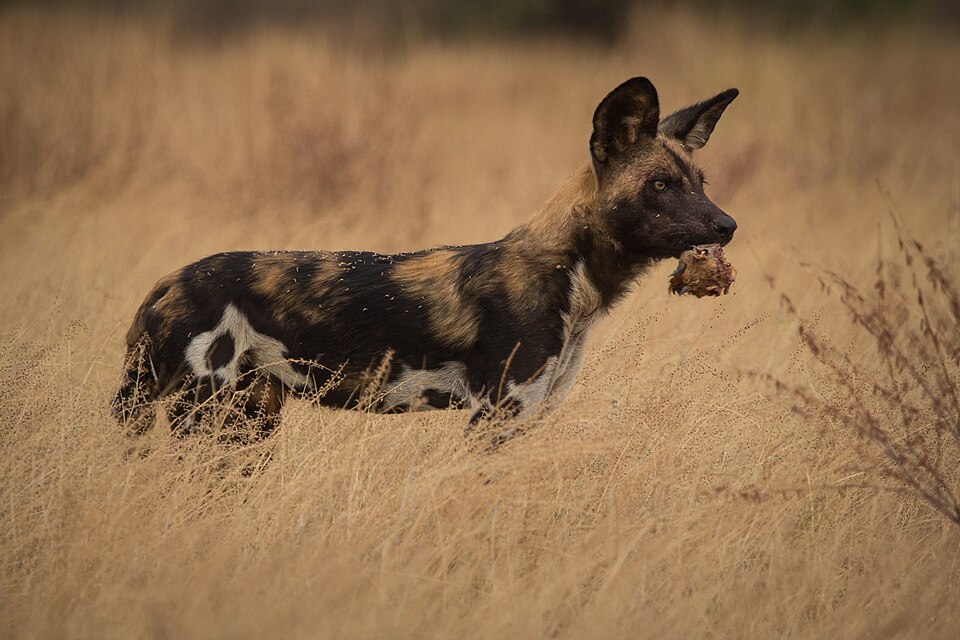
African wild dog
Lycaon pictus
Highly mobile endangered pack hunter; occasional sightings cannot be promised on a fixed itinerary.
NRT Kalama profile (2023)
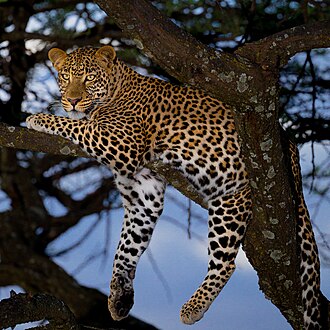
Leopard
Panthera pardus
Secretive cliff, riverine and forest-edge predator. Signs and tracks are often more frequent than sightings.
NRT Kalama profile (2023)
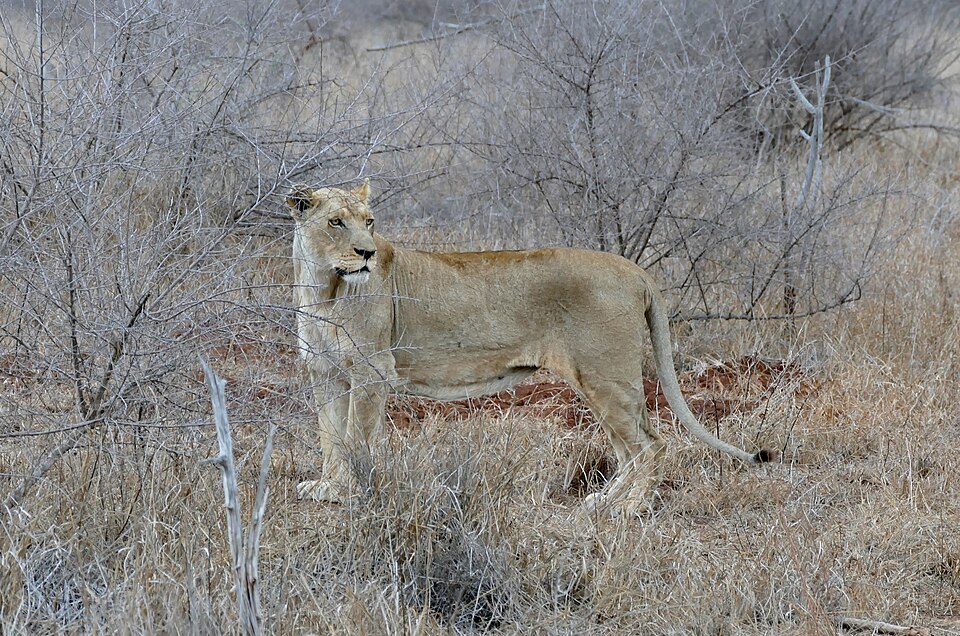
Lion
Panthera leo
Occurs in wider conservancy rangelands. Always remain in a vehicle unless your Samburu guide approves walking.
NRT Kalama profile (2023)

Plains zebra
Equus quagga
Common safari-striped grazer in accessible grassland and bush mosaics, distinguishable from Grevy’s zebra.
Northern Kenya regional identification; occurrence unverified
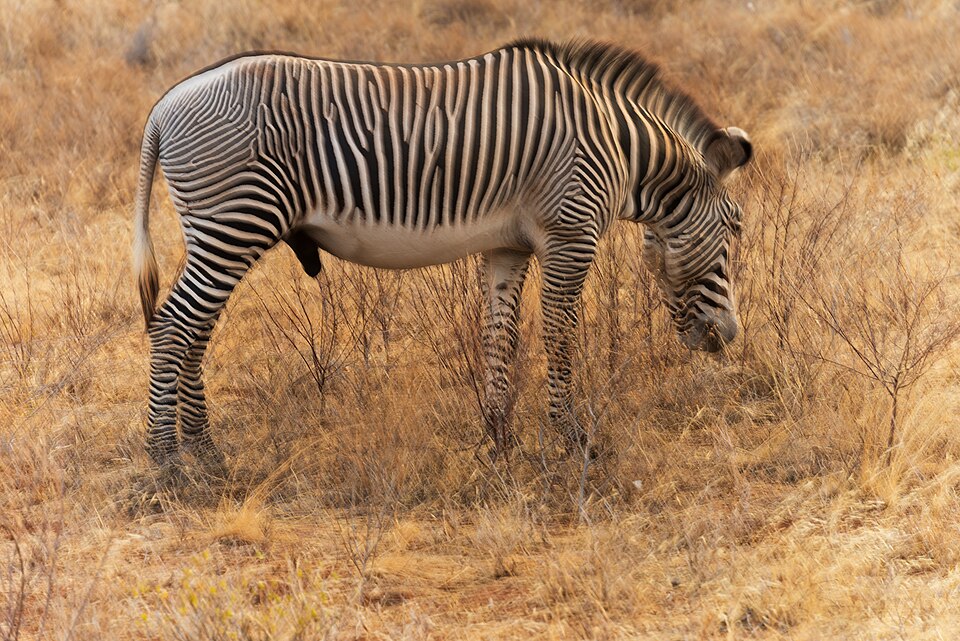
Grevy’s zebra
Equus grevyi
Narrow tightly packed stripes, large rounded ears and white belly; endangered dryland species.
NRT Kalama profile (2023)
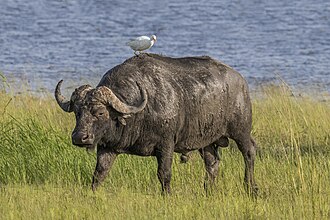
African buffalo
Syncerus caffer
Heavy-bodied, powerful bovid; montane and permanent-water areas may support buffalo.
Northern Kenya regional identification; occurrence unverified
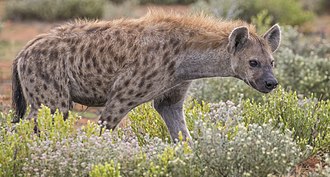
Spotted hyena
Crocuta crocuta
Strong-jawed nocturnal hunter and scavenger with a sloping back and rounded ears.
Northern Kenya regional identification; occurrence unverified
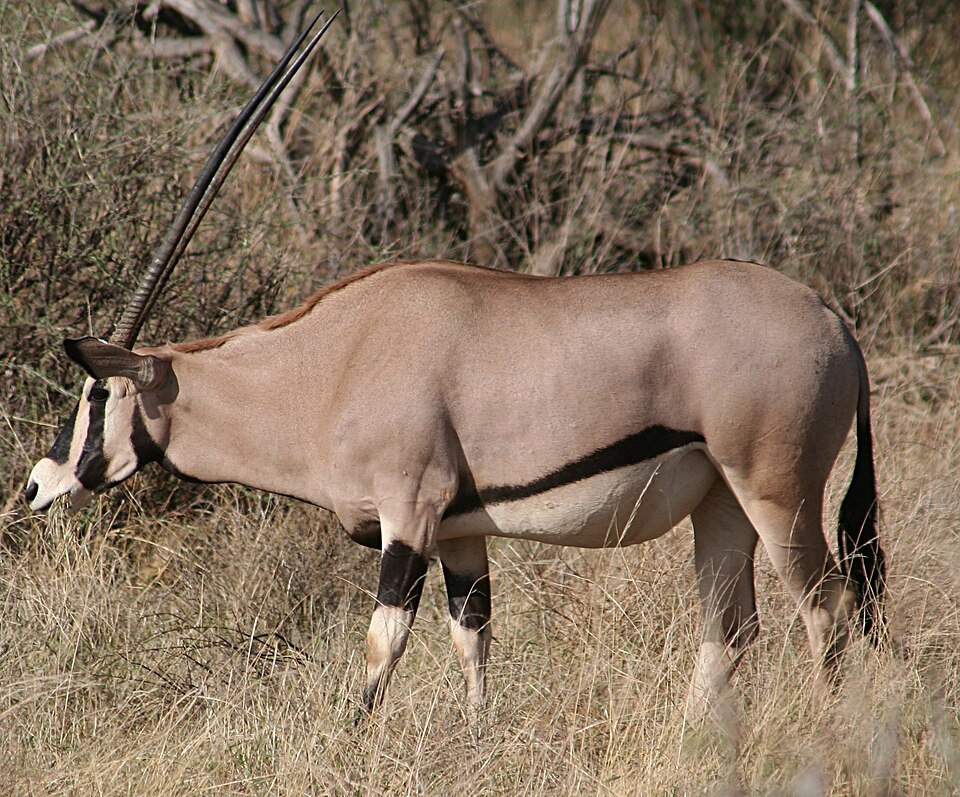
Beisa oryx
Oryx beisa
Straight pointed horns and strong facial markings; adapted to the hot dry lowlands.
NRT Kalama profile (2023)
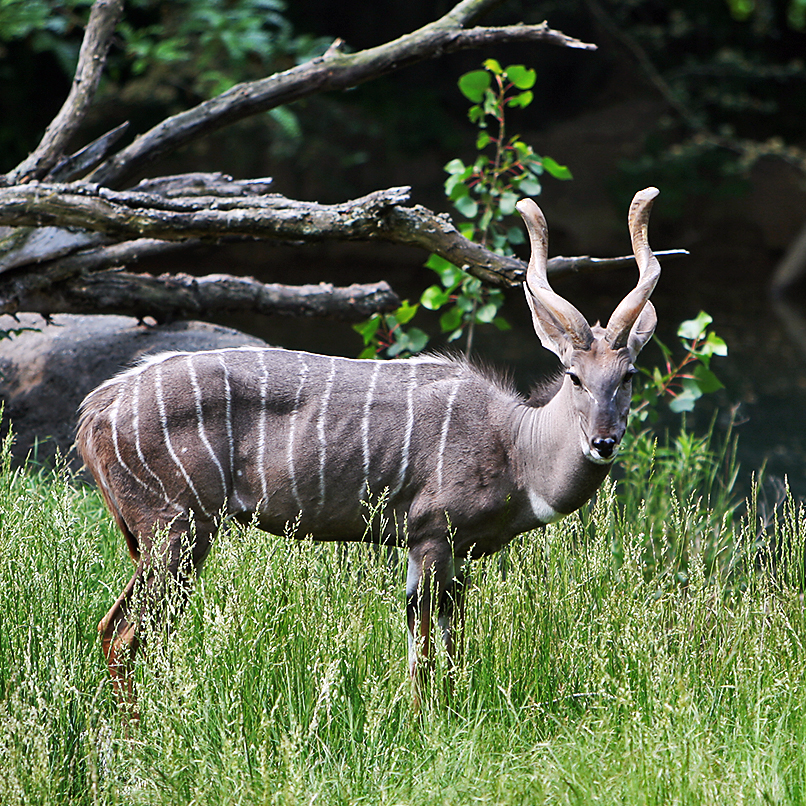
Lesser kudu
Tragelaphus imberbis
Secretive dry-bush browser with white vertical flank stripes; more slender than greater kudu.
NRT Kalama profile (2023)
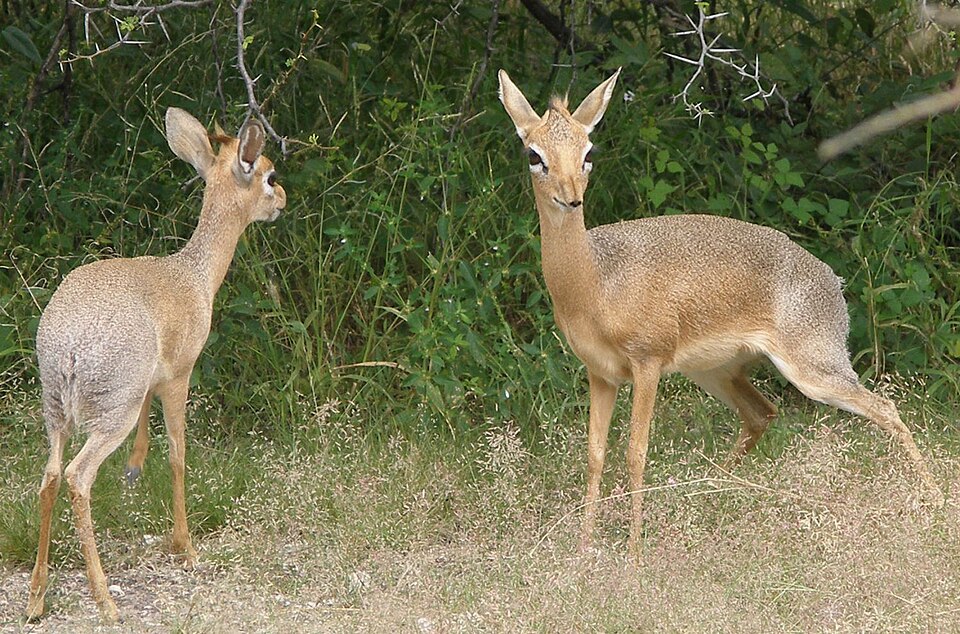
Kirk’s dik-dik
Madoqua kirkii
Tiny territorial antelope commonly seen in dry shrublands; look carefully at the roadside undergrowth.
Northern Kenya regional identification; occurrence unverified
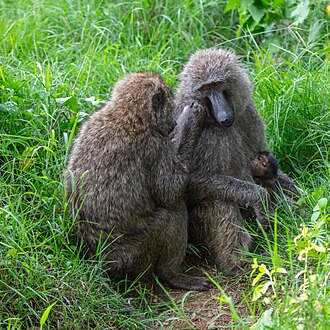
Olive baboon
Papio anubis
Ground-foraging troop animal; keep food locked away and do not feed wildlife.
Northern Kenya regional identification; occurrence unverified
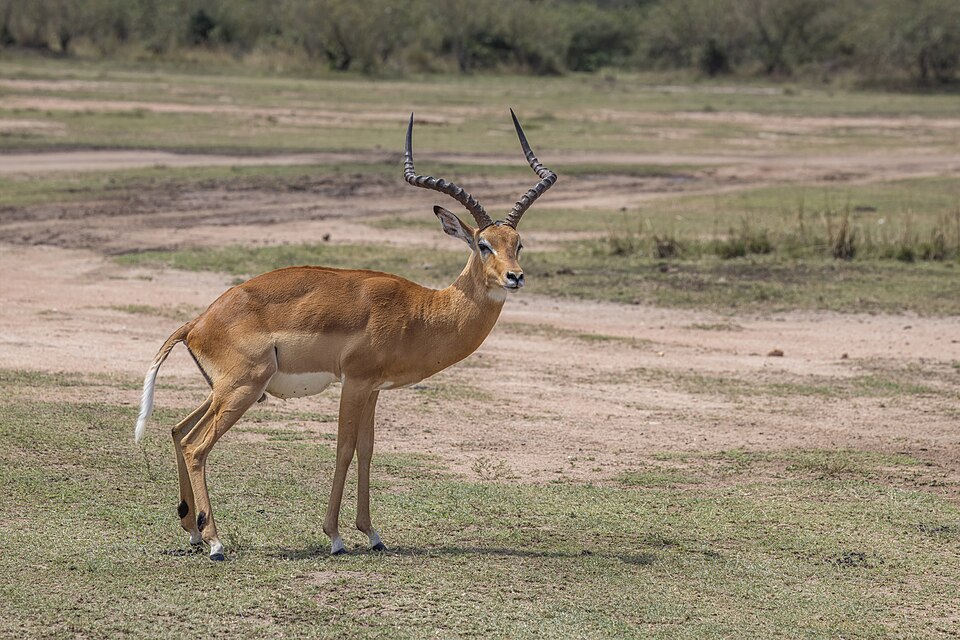
Impala
Aepyceros melampus
Graceful mixed feeder, found around suitable woodland and grassland transition.
Northern Kenya regional identification; occurrence unverified
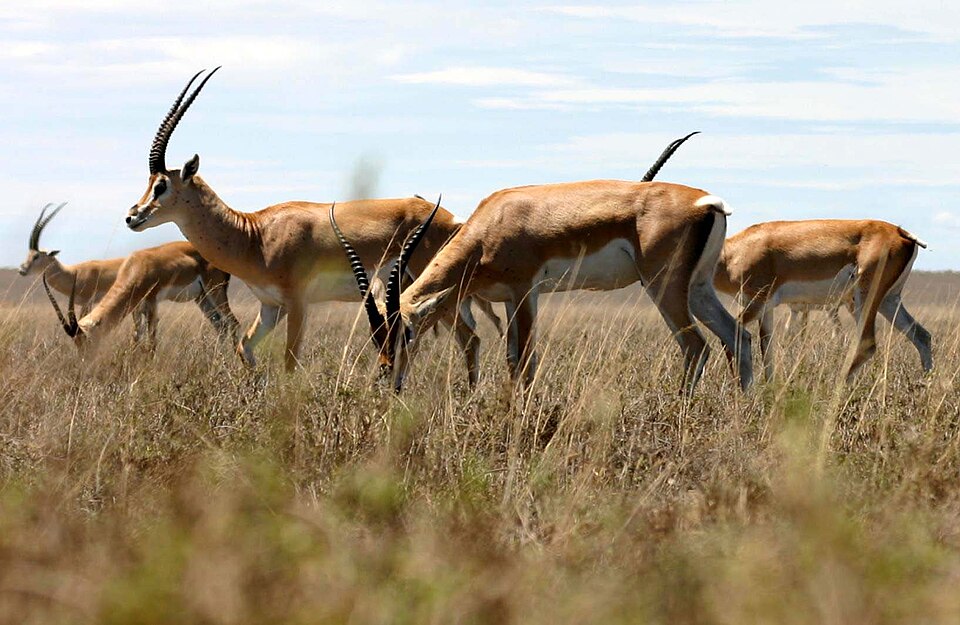
Grant’s gazelle
Nanger granti
Long-horned gazelle adapted to open dry country; white rump may extend above tail.
Northern Kenya regional identification; occurrence unverified
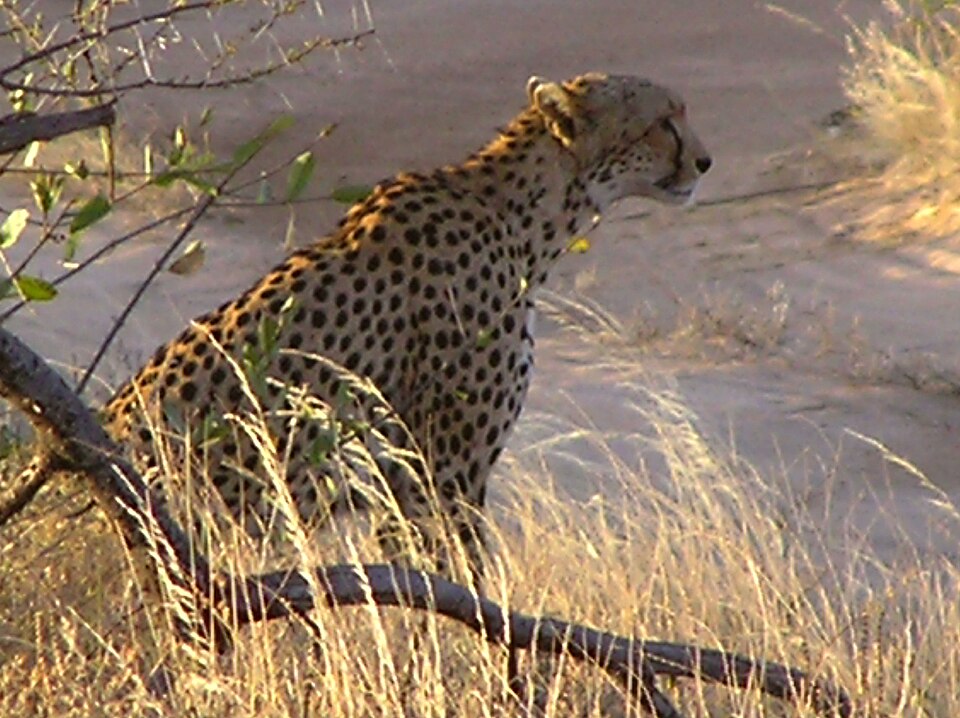
Cheetah
Acinonyx jubatus
Fast open-country cat with tear marks; rare, not a reliable Namunyak target.
NRT Kalama profile (2023)
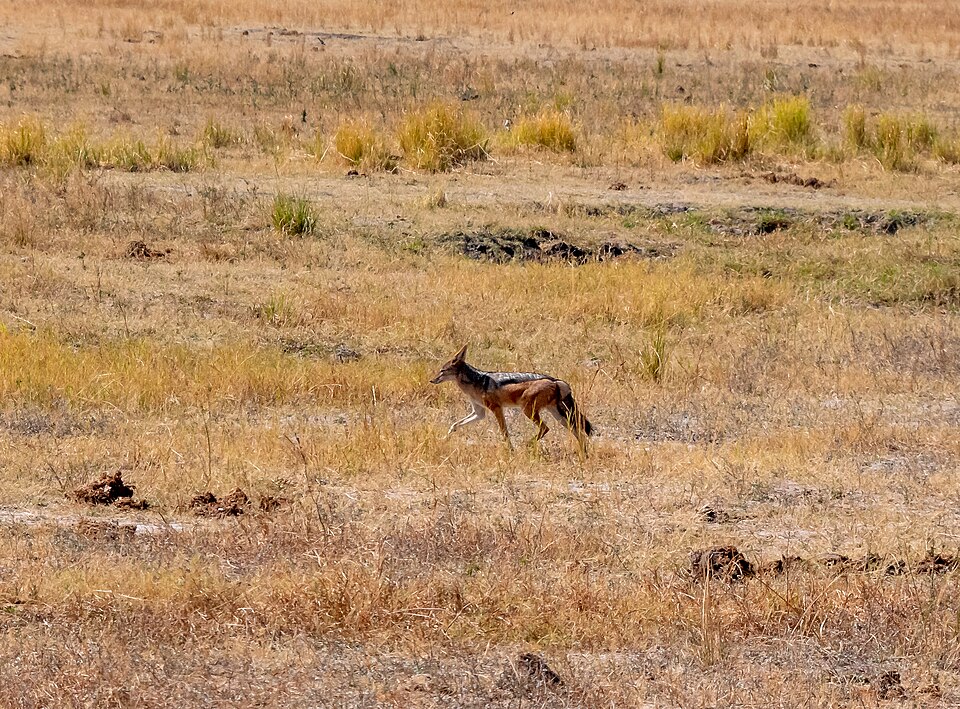
Black-backed jackal
Lupulella mesomelas
Small alert canid with a saddle-like black-and-silver coat; often active at dawn or dusk.
Northern Kenya regional identification; occurrence unverified
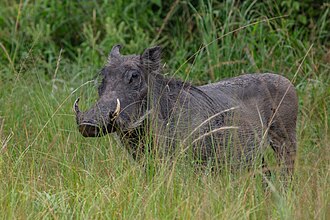
Common warthog
Phacochoerus africanus
Kneels to graze and runs with tail upright; typically near shorter grass and water.
Northern Kenya regional identification; occurrence unverified
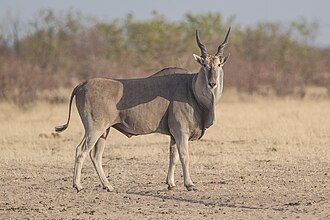
Common eland
Taurotragus oryx
Large spiral-horned antelope, often moving discreetly through woodland.
Northern Kenya regional identification; occurrence unverified
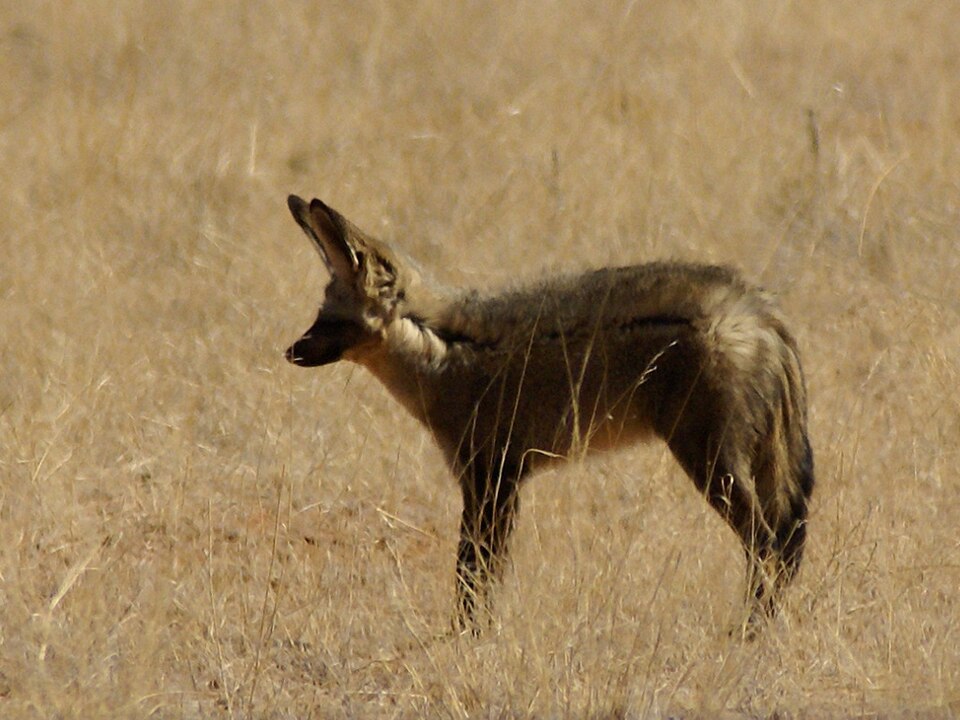
Bat-eared fox
Otocyon megalotis
Large ears and termite-feeding habits make this a useful ID among open-country canids.
Northern Kenya regional identification; occurrence unverified
10 northern Kenya birds to identify on your safari
Dry scrub, thorn trees, rocky outlooks and seasonal wet areas suit different bird species. The ten photos below are regional field identification illustrations, not a current Kalama bird census. Many are characteristic of the wider Samburu ecosystem, while sightings on a specific day remain uncertain.
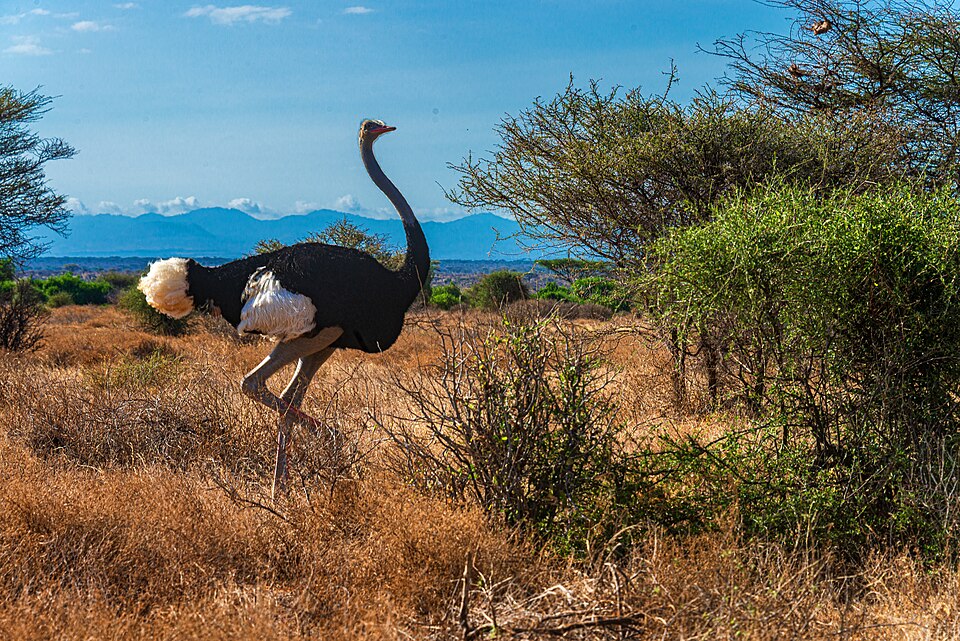
Somali ostrich
Struthio molybdophanes
Blue-skinned male neck and legs; emblematic northern Kenya dryland bird.
Regional bird ID reference
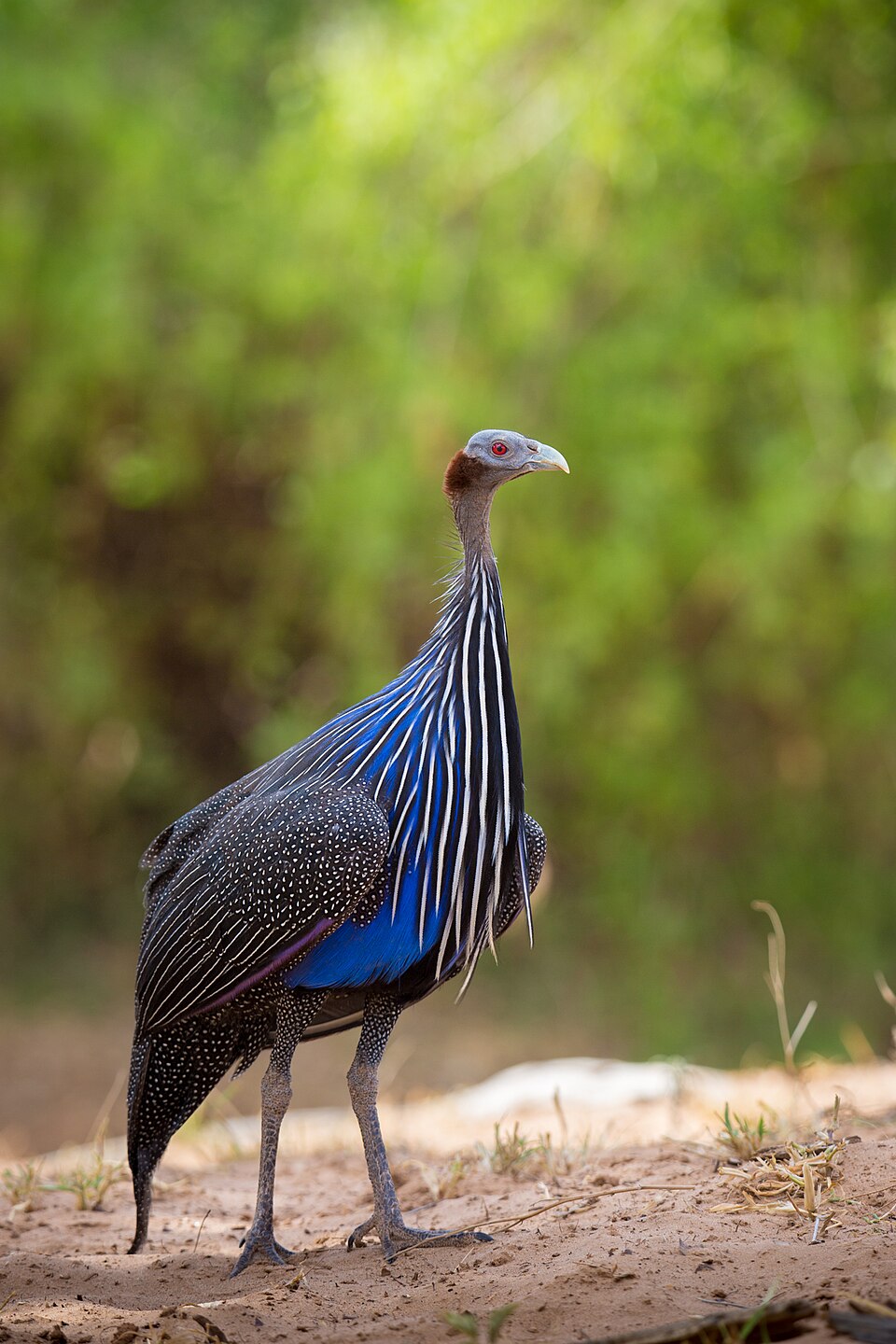
Vulturine guineafowl
Acryllium vulturinum
Striking cobalt breast with slender white streaks and bare vulturine head.
Regional bird ID reference

Martial eagle
Polemaetus bellicosus
Very large, powerful raptor; scan tall trees and distant ridgelines.
Regional bird ID reference
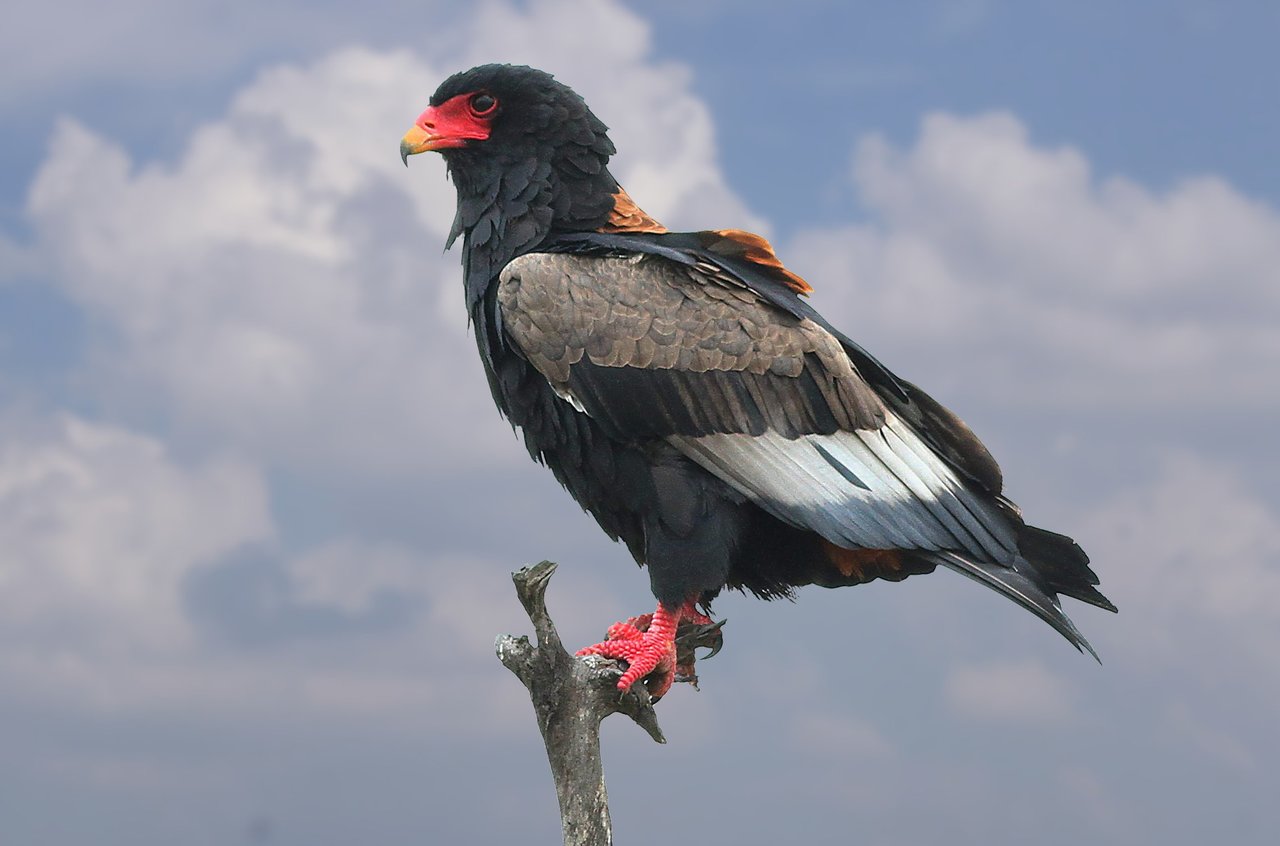
Bateleur
Terathopius ecaudatus
Broad-winged eagle with short tail; often rocks side to side in flight.
Regional bird ID reference
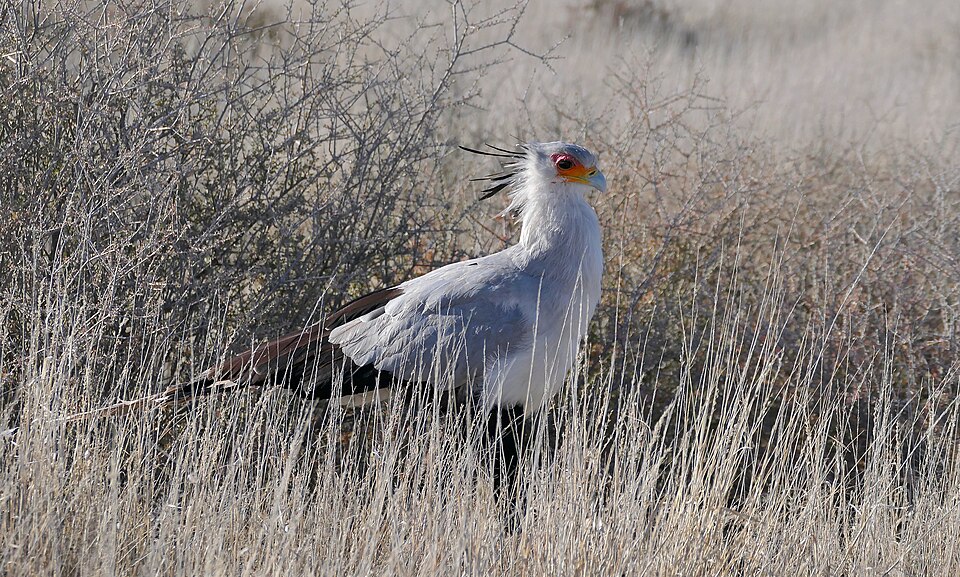
Secretarybird
Sagittarius serpentarius
Tall terrestrial raptor with long legs; searches open plains for prey.
Regional bird ID reference
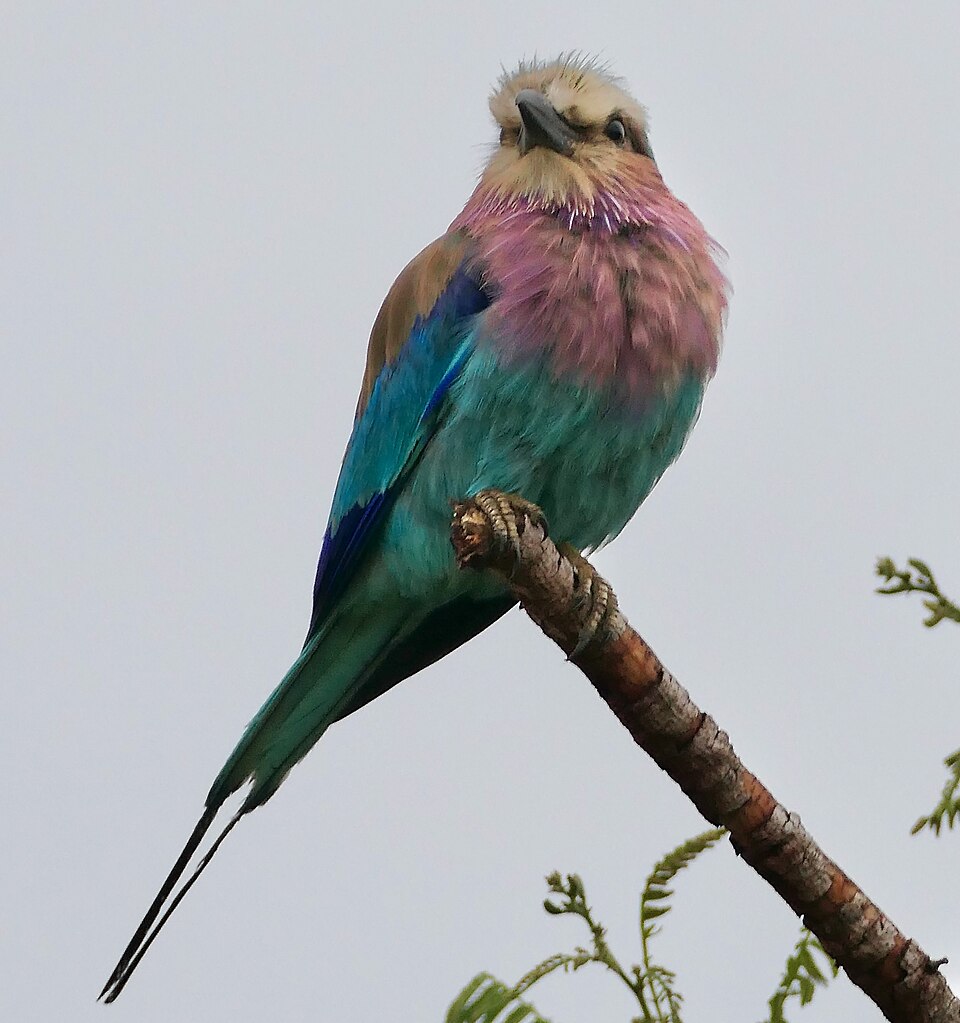
Lilac-breasted roller
Coracias caudatus
Brilliant blue-lilac body, often perched on exposed branches.
Regional bird ID reference
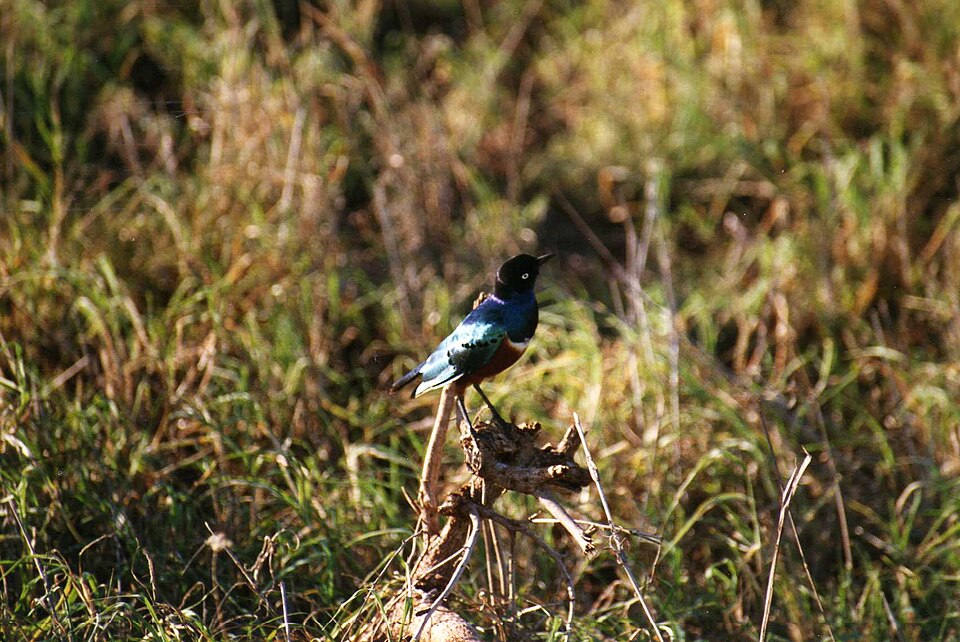
Superb starling
Lamprotornis superbus
Glossy blue-green upperparts and warm orange breast; conspicuous around drylands.
Regional bird ID reference
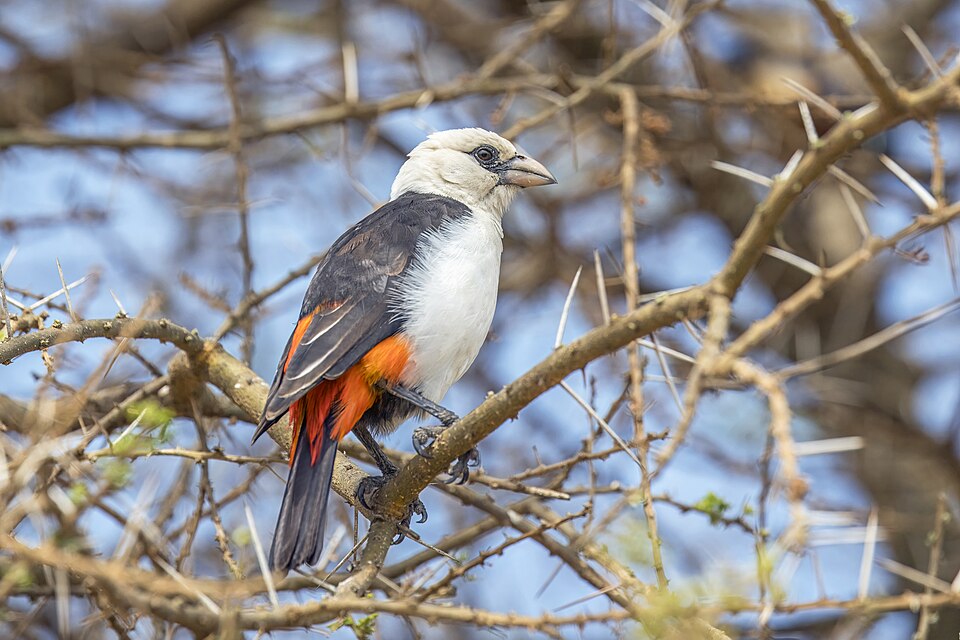
White-headed buffalo weaver
Dinemellia dinemelli
Bold white head and rump; communal twig nests in acacia.
Regional bird ID reference
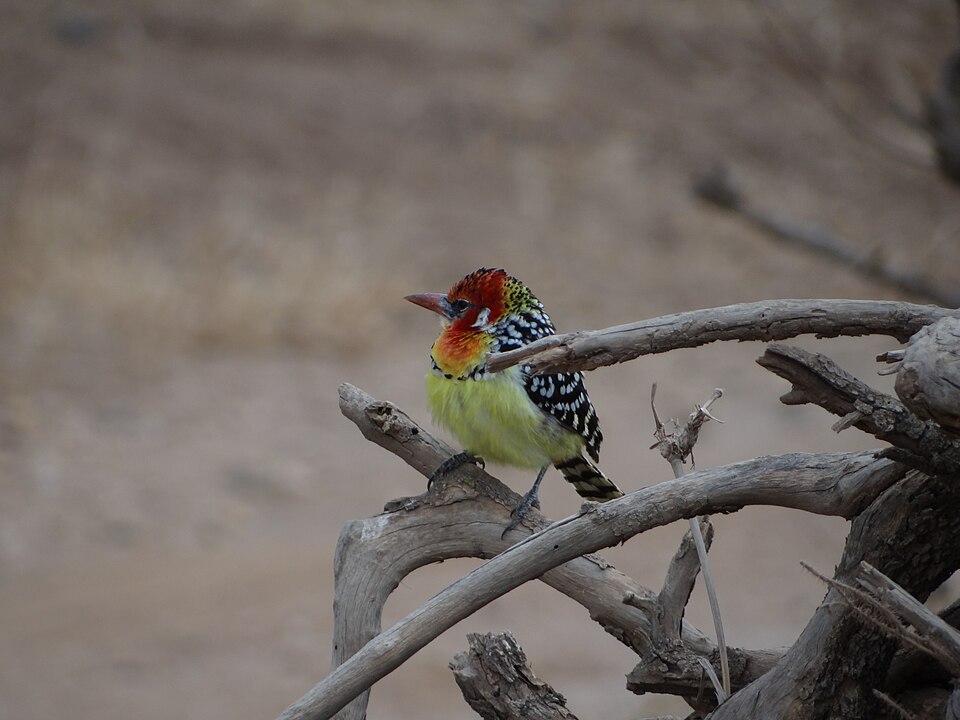
Red-and-yellow barbet
Trachyphonus erythrocephalus
Colourful ground-foraging barbet; easily confused with other barbets at a distance.
Regional bird ID reference
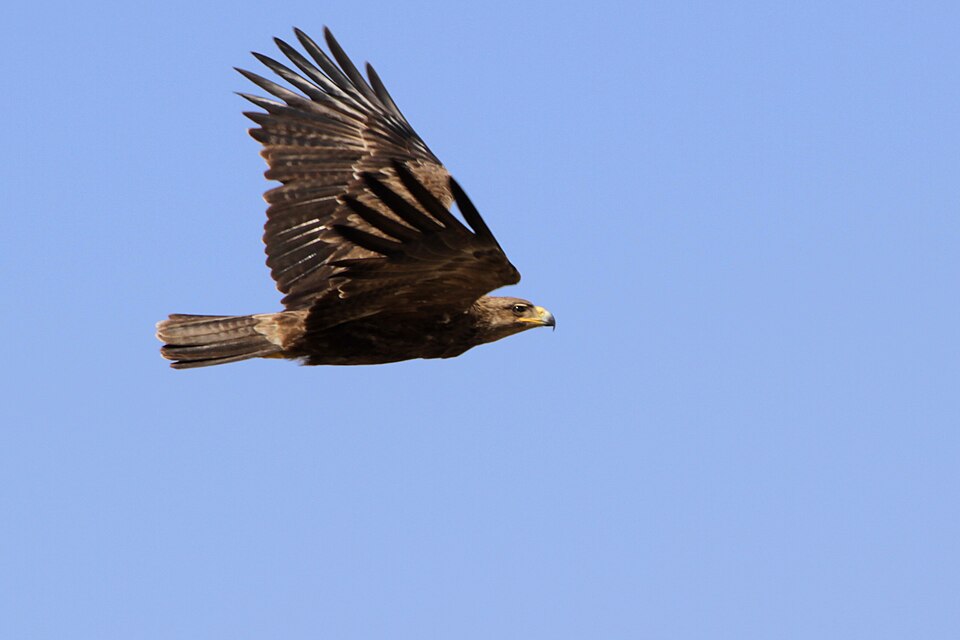
Tawny eagle
Aquila rapax
Broad-winged eagle of dry country, colours vary substantially by age.
Regional bird ID reference
Early morning birding is usually more comfortable than midday; avoid playing recorded calls near nests or disturbing wildlife for photographs.
Kalama’s dryland flora: trees, shrubs and grasses
Thorn woodland and seasonal grasses support Kalama’s herbivores and dry-country birds. Plant IDs depend on season, flower, seed and local habitat, so these photographs are regional references, not a completed Kalama botanical inventory.
Trees & shrubs
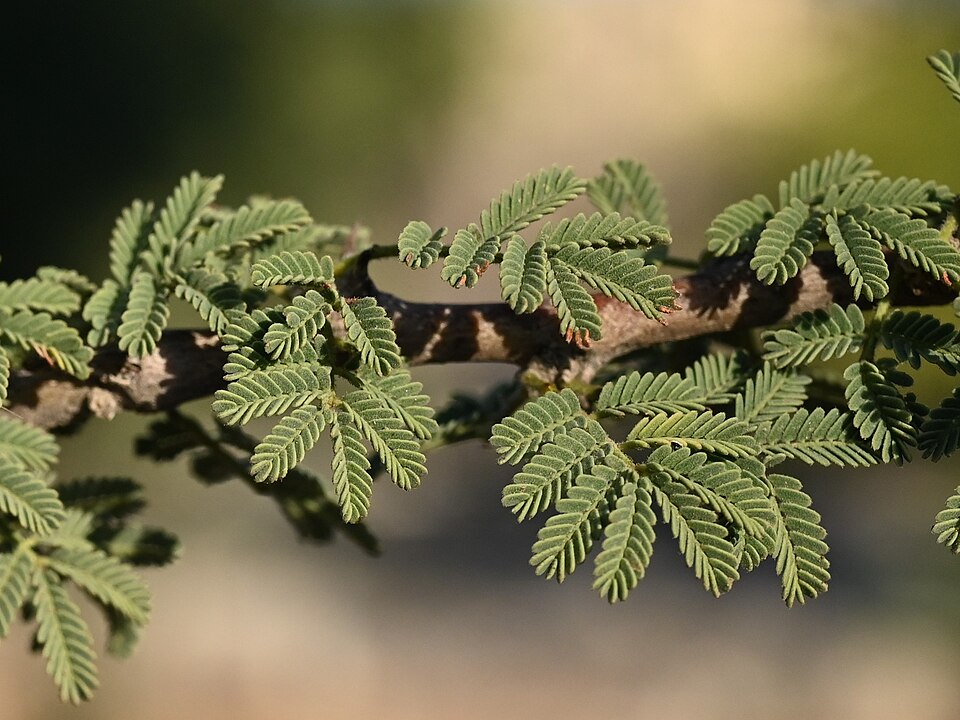
Umbrella thorn
Vachellia tortilis
Broad flat canopy; an iconic dryland tree used by browsers and nesting birds.
Habitat/plant ID reference
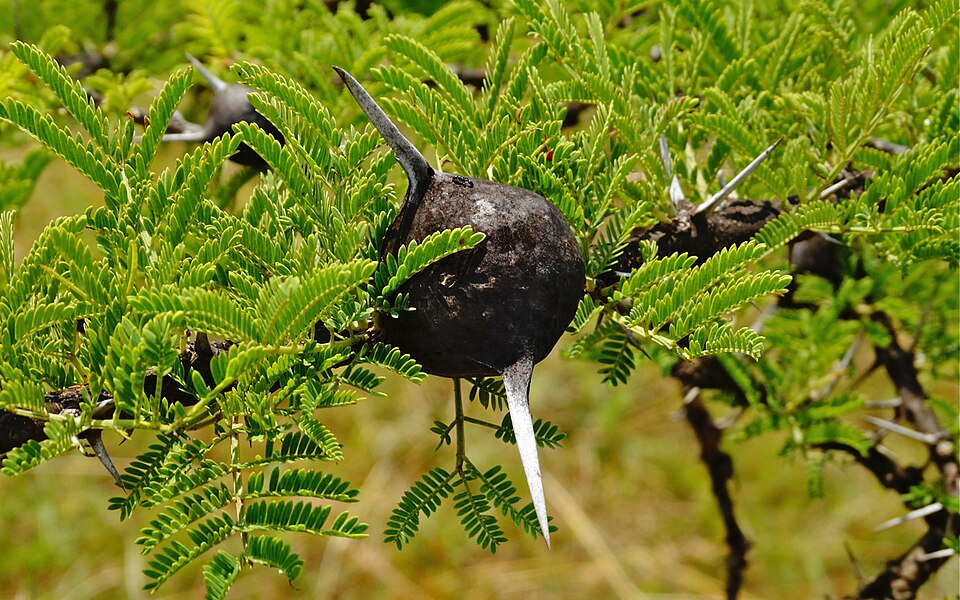
Whistling thorn
Vachellia drepanolobium
Ant-associated swollen thorns; an interesting ecological relationship.
Habitat/plant ID reference
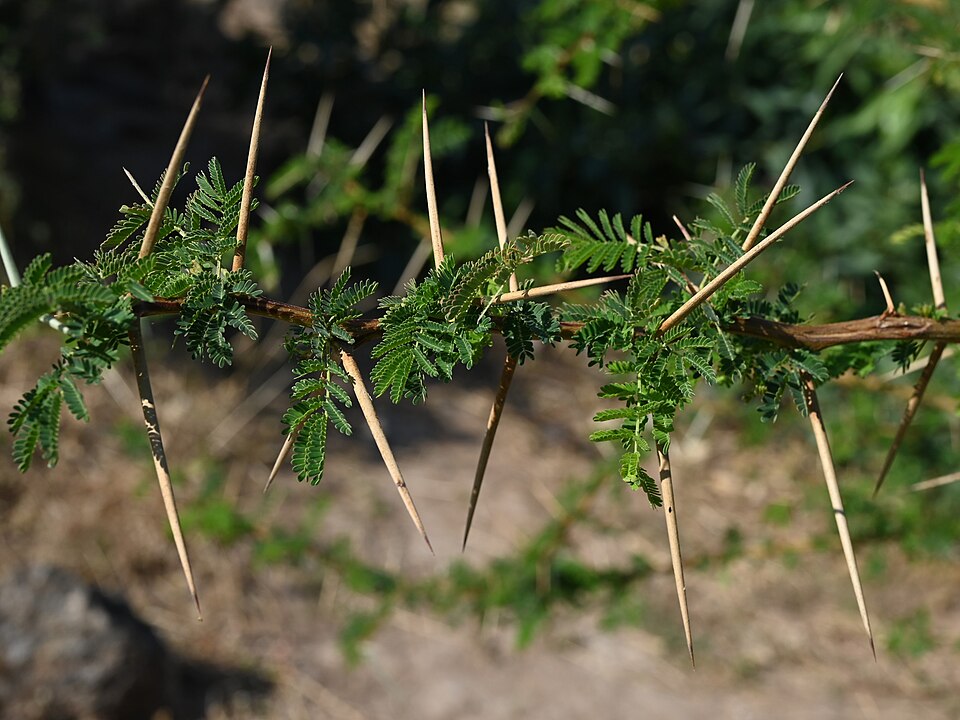
Gum arabic acacia
Senegalia senegal
Drought-tolerant thorny small tree, associated with natural gums.
Habitat/plant ID reference
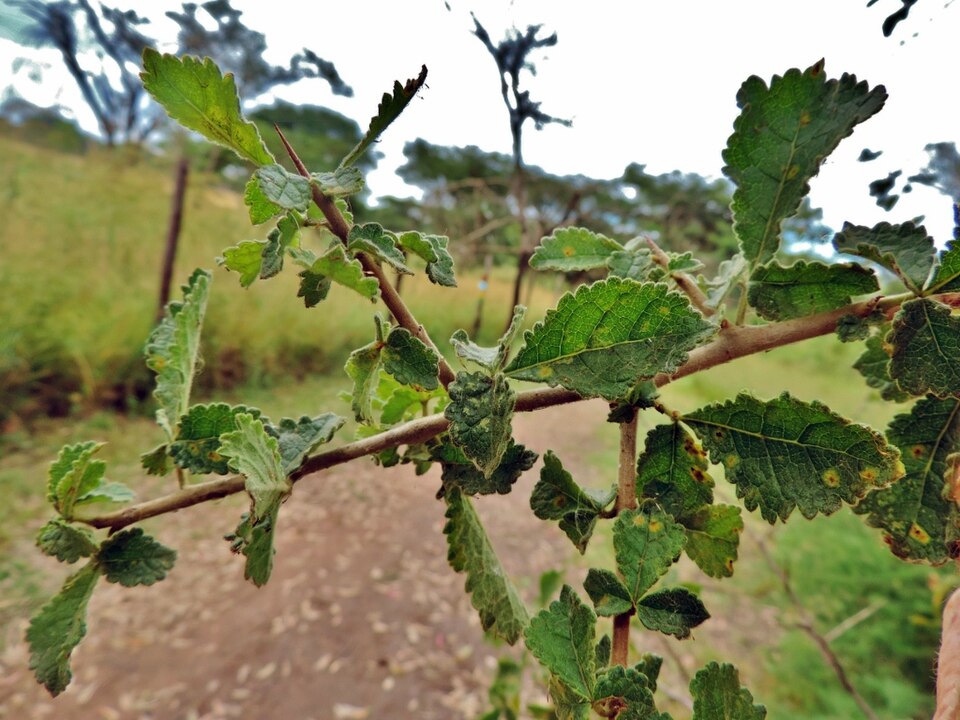
Commiphora shrubs
Commiphora spp.
Multi-stemmed aromatic shrubs and small trees in dry hillside scrub.
Habitat/plant ID reference
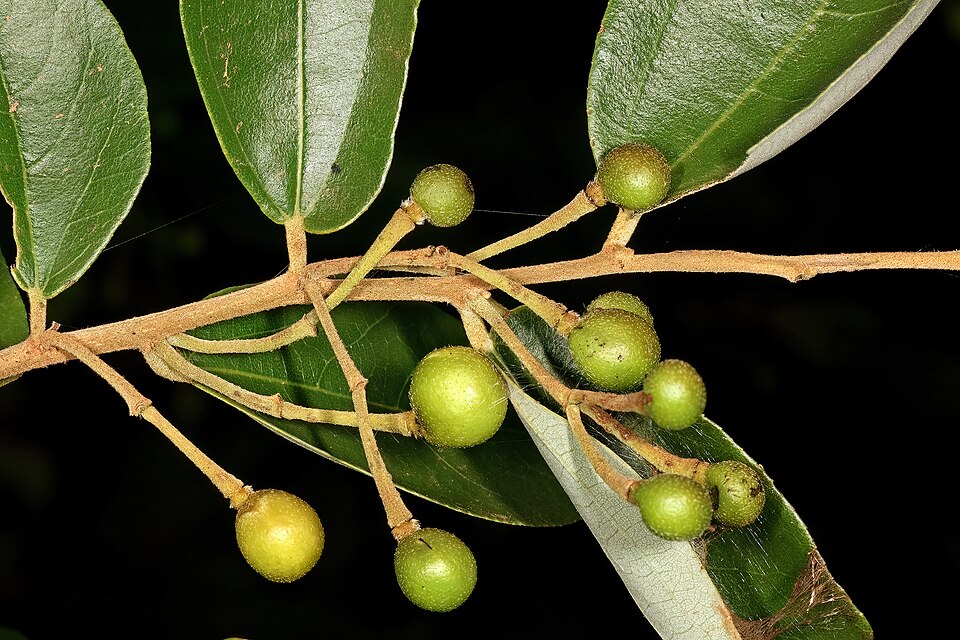
Grewia shrubs
Grewia spp.
Small-leaved browse plants important in dryland thickets.
Habitat/plant ID reference
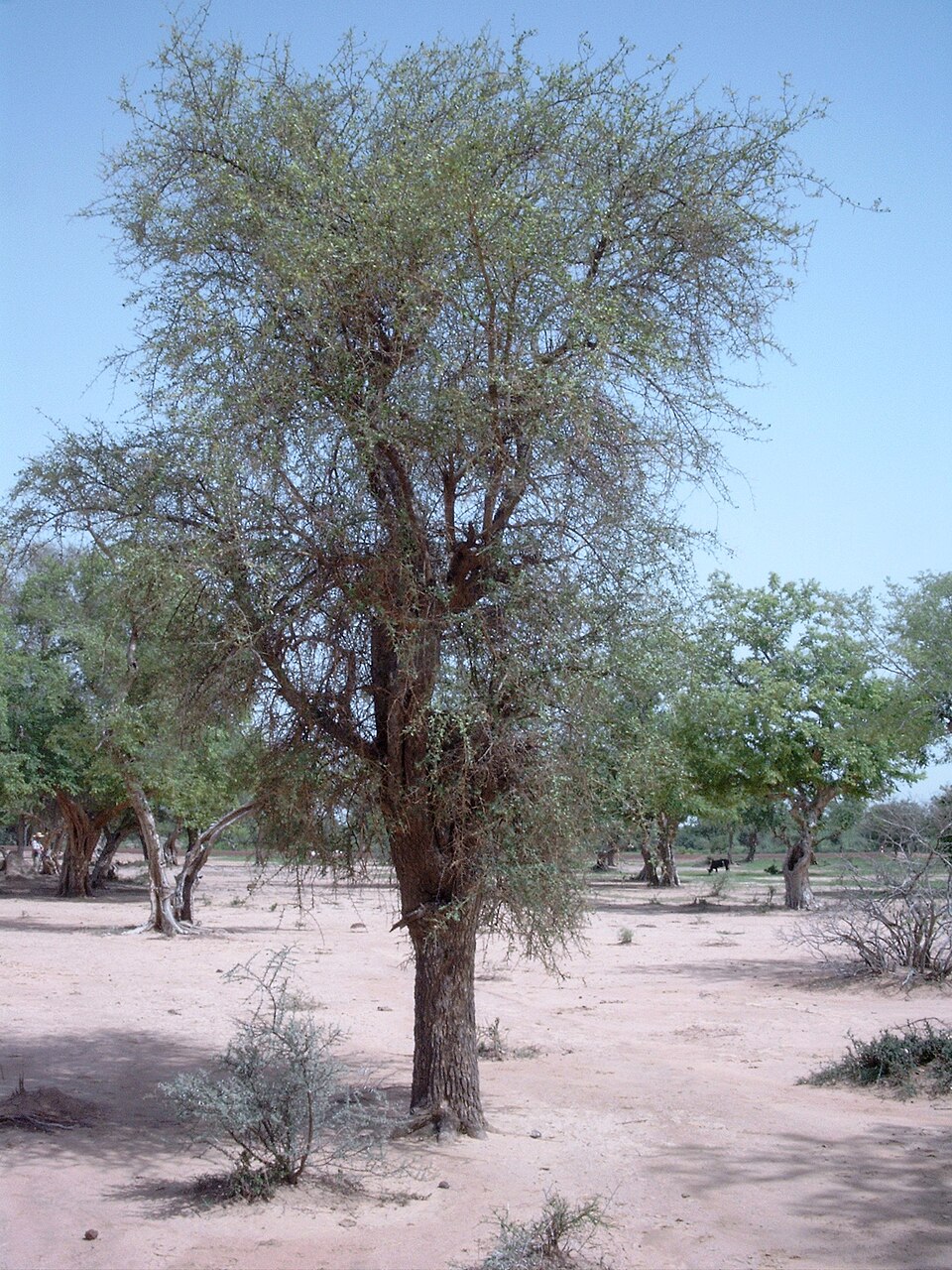
Balanites / desert date
Balanites aegyptiaca
Thorny tree with yellowish fruit adapted to semiarid habitats.
Habitat/plant ID reference
Flowers, reeds, grasses & ground layer
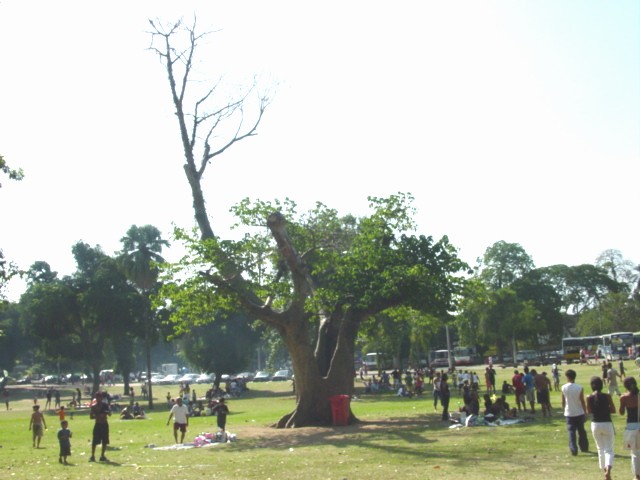
Riverine figs
Ficus spp.
Large shade-giving trees in areas with reliable subsurface water.
Habitat/plant ID reference
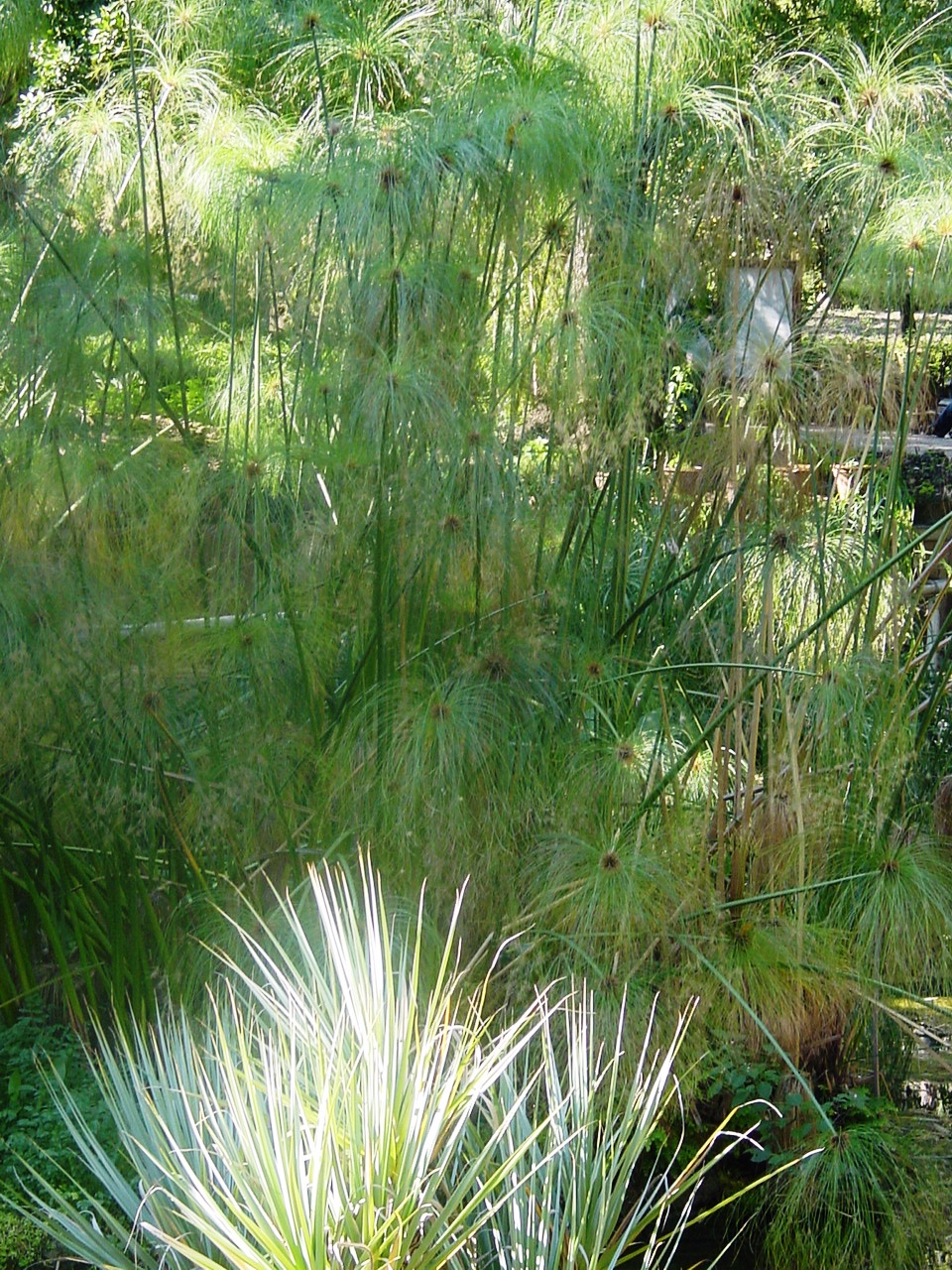
Sedge and rush margins
Cyperaceae and Juncaceae
Vegetation cues along permanent wet ground and mountain streams.
Habitat/plant ID reference
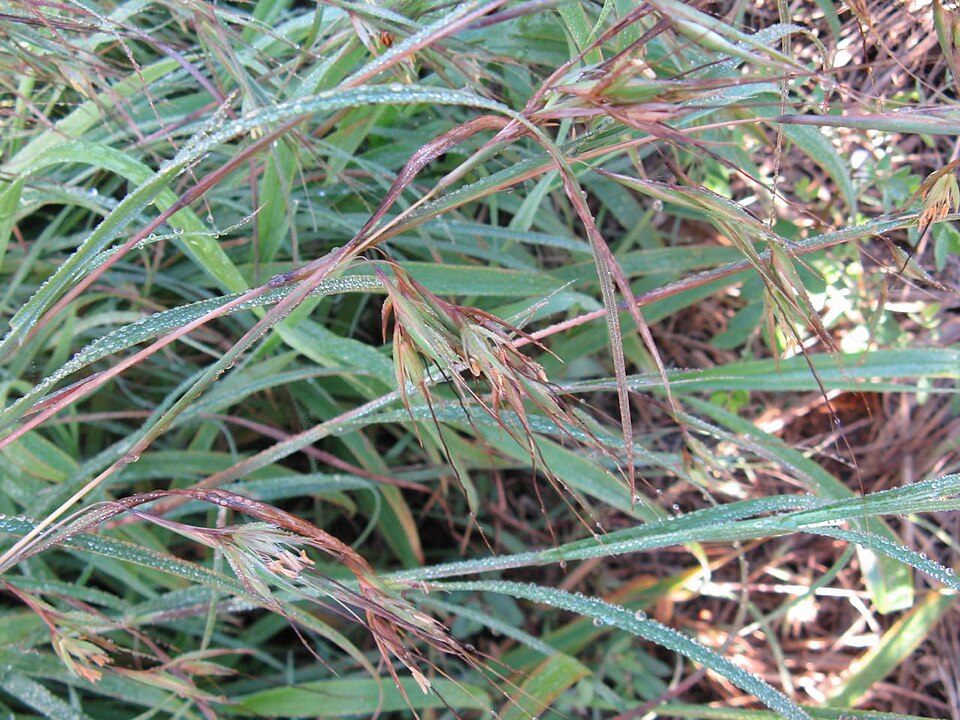
Red oat grass
Themeda triandra
Warm-season bunchgrass found across varied eastern African habitats.
Habitat/plant ID reference
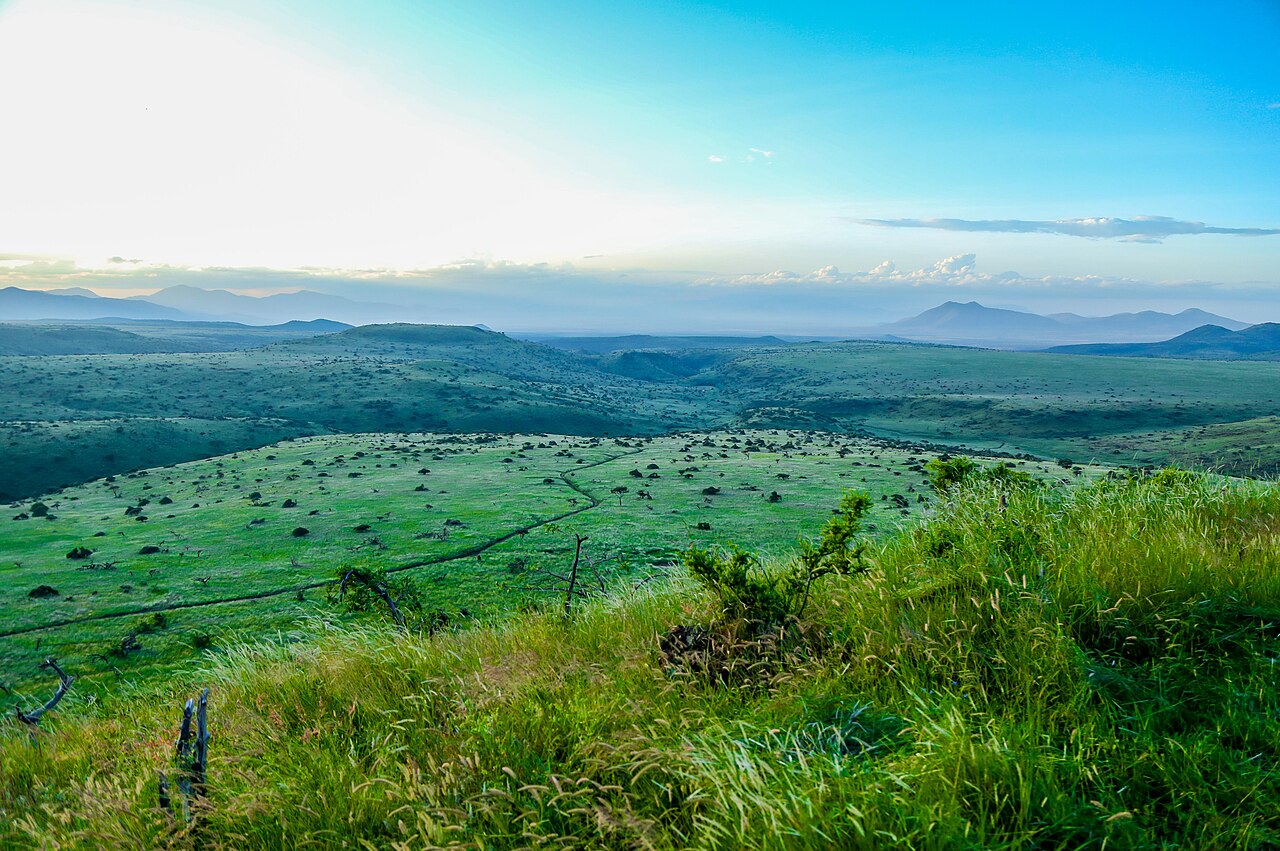
Mixed native grasses
Poaceae
Grasses respond quickly to seasonal rains and support herbivores.
Habitat/plant ID reference
Carry photographs rather than picking flowers or collecting seeds, and leave shade trees and fragile seasonal riparian vegetation undisturbed.
Things to do in Kalama Conservancy
01 · Guided day and night safari drives
Saruni and Basecamp Samburu list lodge-run drives; night activities are by permitted guide only.
02 · Elephant waterhole photographic hide
Saruni’s purpose-built hide allows quiet observation near a waterhole when wildlife appears.
03 · Thumb Rock hike
Saruni lists this adult-only guided hike (18+) in the rocky Kalama landscape.
04 · Sacred Mountain Trek
A prebooked, locally guided cultural and hiking excursion for eligible guests aged 18+.
05 · Samburu community experience
Meet local artisans and share cultural knowledge through organised respectful introductions.
06 · Community camping
Book Lgweita or Lbaa, prepare supplies and ask the manager about permitted routes and rangers.
07 · Birdwatching and stargazing
Use the dryland bird activity and clear night skies with lodge or community guide support.
08 · Neighbouring Sera and Namunyak
Combine independently booked rhino tracking or Reteti with your Kalama safari; permissions are separate.
Kalama lodges, community camping & Expedia alternatives
Inside Kalama: Saruni Samburu and Basecamp Samburu offer lodge accommodation, while Lgweita and Lbaa offer organised community camping. Sarova Shaba, included as an Expedia option, is outside Kalama in separate Shaba National Reserve.
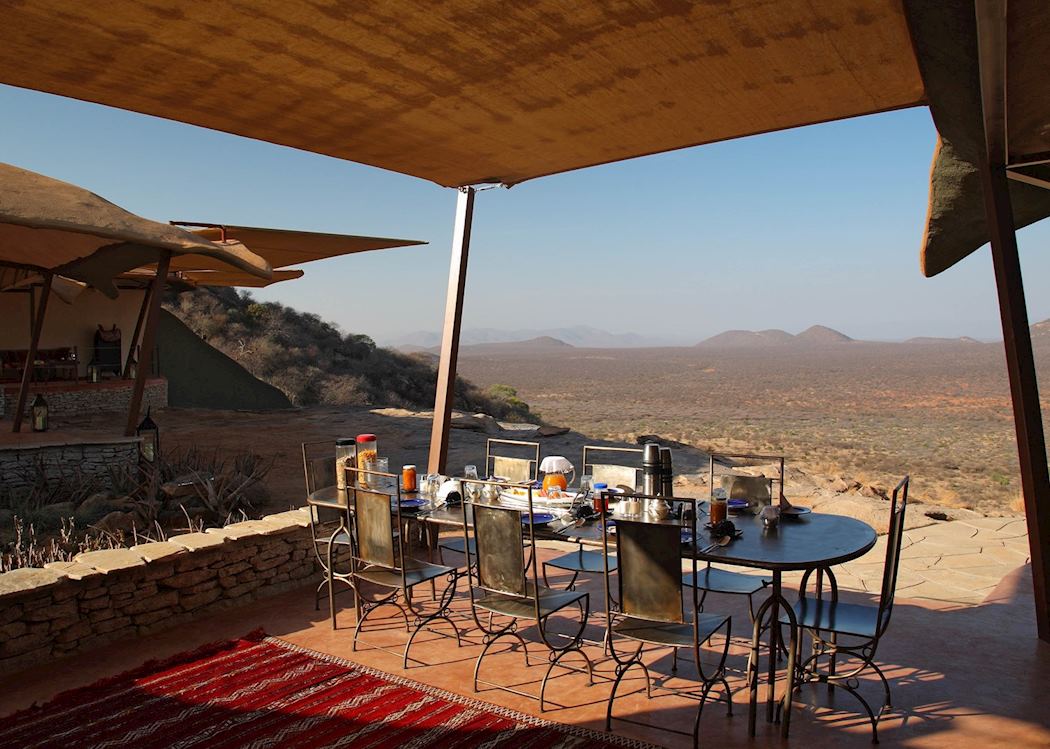
Saruni Samburu
High-end cliffside lodge with Samburu guiding, a photographic hide and 2026 low-season rack rates from US$700 per adult sharing, plus conservancy fees.
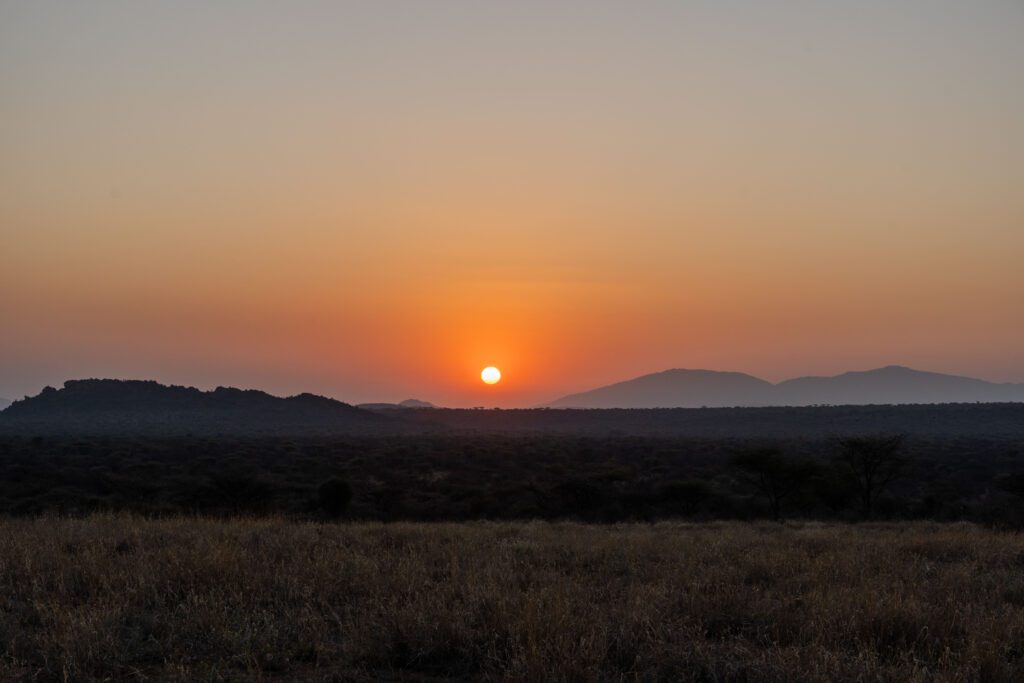
Basecamp Samburu
Intimate safari tents and optional starlit beds, plus guided drives and cultural experiences. Official 2026 low-season rate from US$500 per adult sharing plus conservation fees.
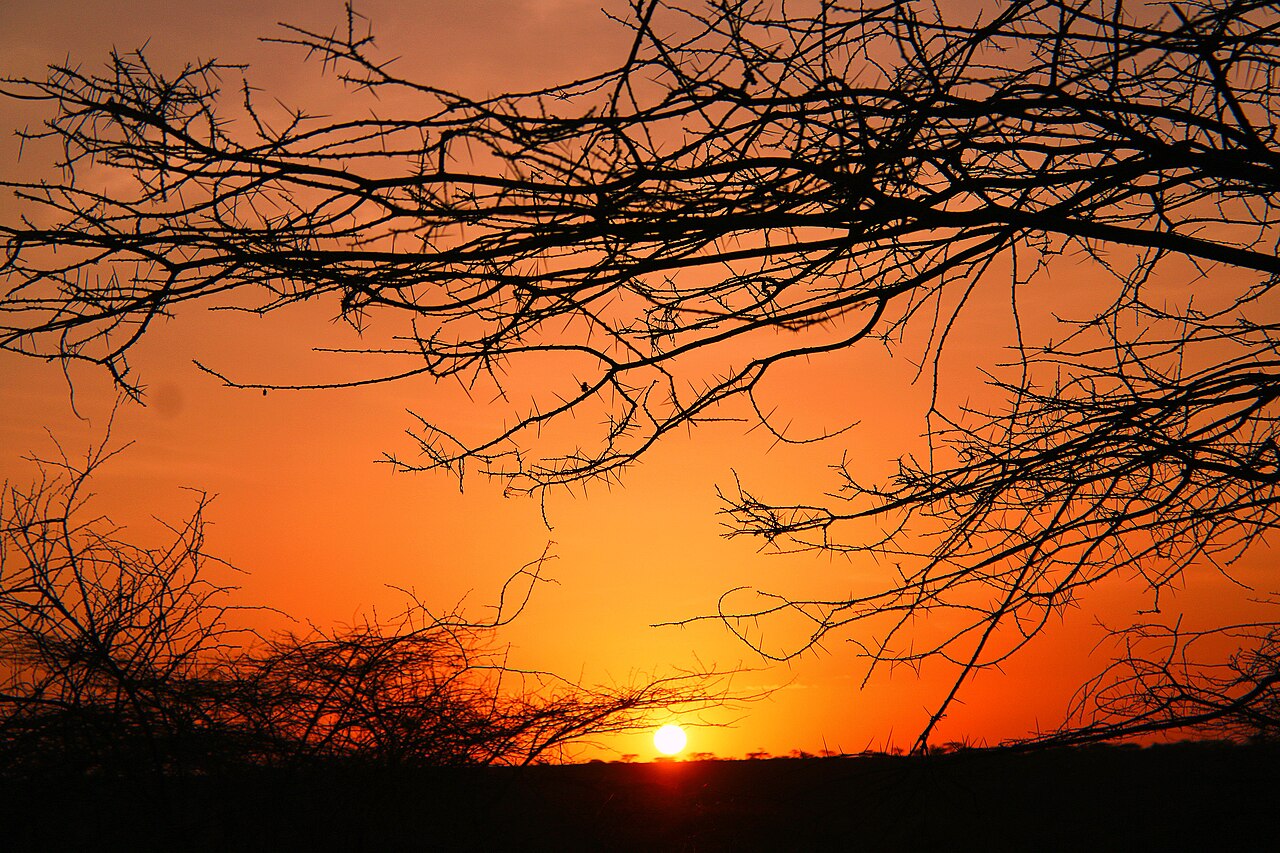
Lgweita campsite
Self-sufficient rocky campsite near the A2, with NRT-booked ranger support. Ask Kalama for current charges and exact campsite directions.
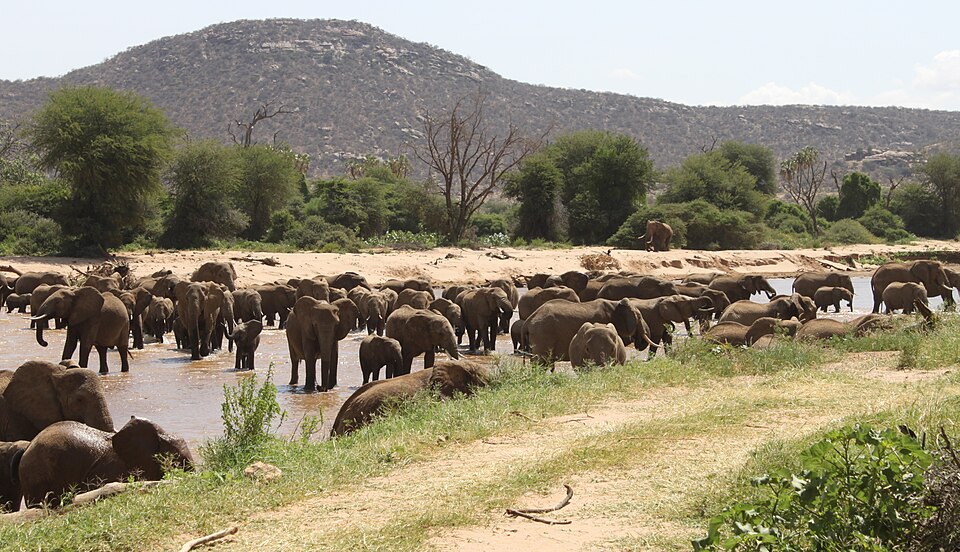
Lbaa campsite
Seasonal lugga-side campsite shown in NRT tourism listings. Confirm availability, campsite access and required community/ranger charges.
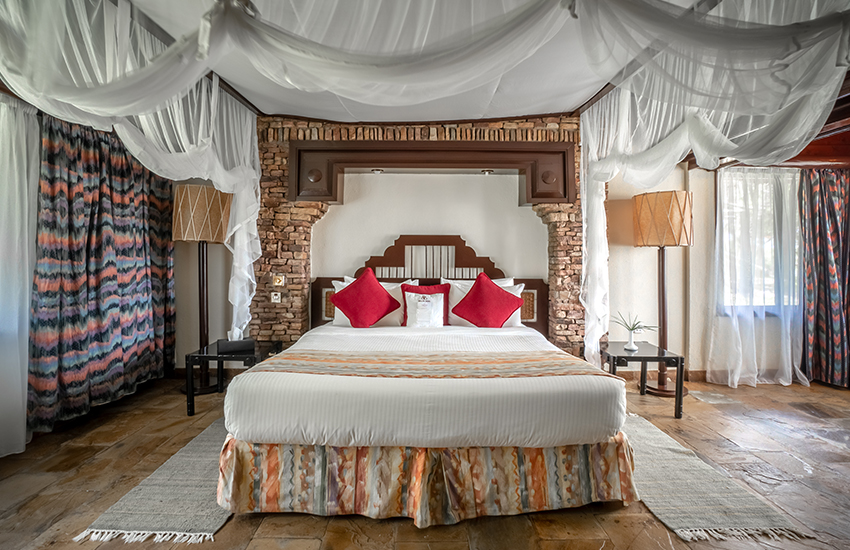
Sarova Shaba Game Lodge
Riverside hotel in a distinct reserve. An Expedia-bookable regional extension, but not a substitute for Kalama access, which has different rules and charges.
Choose your base
| Stay | Location | Best for |
|---|---|---|
| Saruni Samburu | Kalama | Six-villa luxury, hide, guided walks |
| Basecamp Samburu | Kalama | Tented safari, stargazing |
| Lgweita campsite | Kalama | Self-sufficient rocky setting, ranger support |
| Lbaa campsite | Kalama | Group/family camping when accessible |
| Sarova Shaba | Shaba Reserve | Separate Expedia-bookable reserve stay |
Kalama Conservancy visitor questions answered
Is Kalama Conservancy the same as Samburu National Reserve?
No. Kalama is a separate community conservancy, with its own visit arrangements and charges. A Samburu National Reserve ticket does not automatically give access to Kalama.
What are the 2026 Saruni Samburu nightly rates?
Saruni Samburu’s official 2026 price per adult sharing a villa is USD 700 low season, USD 800 mid season, and USD 1,000 high season, excluding the separate adult conservancy fee of USD 160 per night.
What are Basecamp Samburu’s 2026 nightly rates?
The official Basecamp Samburu 2026 sharing rates are USD 500 low season, USD 600 mid season and USD 700 high season per adult, excluding the separate adult conservancy fee of USD 160 per night.
How much does camping at Lgweita cost?
NRT tourism’s Lgweita campsite page advertises KES 2,000 per adult per night, KES 1,000 per child aged 12 or under, and KES 1,000 per ranger per day. The effective date is not stated; obtain a current quote.
Is the Kalama Conservancy open for independent self-driving?
Do not assume unrestricted access. Community camping is available by advance arrangement with Kalama management, and lodges organise their own guided activities and transfers.
How do you reach Saruni Samburu from Archer’s Post?
The operator’s published route turns off the A2 approximately eight kilometres north of Archer’s Post at the signed Kalama Conservancy/Saruni turnoff, then continues roughly 12 kilometres over dirt tracks. Verify access with the lodge.
Where is Kalama airstrip?
The Kalama airstrip’s operator-published coordinates are approximately 0.694167 degrees N, 37.612500 degrees E. Prearrange flights and onward vehicle transfers with your lodge or charter operator.
Is Kalama campsite suitable for an ordinary sedan?
Use a high-clearance 4×4 for the conservancy’s earth tracks, especially when seasonal luggas are wet. Kalama management or your host should give current access guidance.
Can I stay inside Kalama at a lodge?
Yes. Saruni Samburu and Basecamp Samburu are located in Kalama Conservancy. A Shaba or Sera lodge lies in a different protected area.
Can I see Reteti or track rhinos inside Kalama?
Reteti Elephant Sanctuary is in Namunyak Conservancy and guided rhino tracking is in Sera Conservancy. Both require separate bookings and fees.
Can my children hike Thumb Rock?
Saruni Samburu’s operator lists Thumb Rock and the Sacred Mountain Trek with a minimum age of 18 years. Ask the lodge about other suitable family activities.
When is the best time for Kalama safari?
Drier periods are usually easier for drives and walks, but elephant movements, track conditions and rain vary by season and year. Reconfirm before departure.
Primary evidence, image credits and freshness
- NRT 2023 State of Conservancies – Kalama official profile
- Northern Kenya Community Carbon – Kalama landscape and wildlife
- Saruni Samburu – official property and activity details
- Saruni Samburu – official 2026 rack rate and conservation fee
- Basecamp Samburu – official tents, activities and lodge
- Basecamp Samburu – official 2026 rate sheet
- The Big North/NRT Tourism – Lgweita camping, ranger charges and contact
- The Big North – Kalama lodge and airstrip approach/coordinates
- Kalama HQ – public OpenStreetMap location
- Lgweita Rocks – public campsite coordinate
- Lbaa – public campsite coordinate
- Lpus – public campsite coordinate
- Sarova Shaba – verified Expedia property listing (different reserve)
Image transparency: The featured hero is an actual Saruni Samburu terrace photograph. The Basecamp Samburu landscape image is operator-hosted. Campsite imagery is clearly labelled illustrative. Species pictures are regional identification references, not documented Kalama sightings.