
Namunyak Wildlife Conservancy: Reteti, Mathews Range & Safari Guide
Meet community-led elephant conservation, walk the Mathews mountain forest and plan a respectful Samburu wilderness visit — with verified Reteti fees, map and lodge options.
Namunyak is not a national park. It is a community-conserved Samburu landscape wrapping the Mathews Mountains and home to Reteti Elephant Sanctuary, an Indigenous-run elephant rescue, rehabilitation and rewilding project. A visit must be planned with local teams: there is no general park gate that guarantees unrestricted access to Reteti, sacred sites, forests or private lodges.
Namunyak: northern Kenya’s community conservancy
Quick answers for visitors
- Best first-time experience?
- A confirmed public feeding session at Reteti, preferably as part of an organised Namunyak stay.
- Can I buy a KWS ticket?
- No. This is a community conservancy with lodge and activity arrangements, not a KWS park gate.
- How far is Reteti from Nairobi?
- Reteti estimates around eight hours by road; allow for traffic and rough tracks.
- Is a guide needed?
- Yes for wildlife activities and mountain hikes; organise activities directly with a qualified Samburu team.
Local Samburu custodians helped build Namunyak’s contemporary community conservation model in the 1990s. The wider landscape links semi-arid acacia–commiphora scrub, elephant rangelands, rocky ridges, traditional pastoral areas and the cooler Mathews (Matthews) Range forest. The conservation movement is part of a broader network of community rangelands: wildlife protection, grazing, income and safeguarding cultural practices are interconnected.
Sarara’s Namunyak introduction · Official Reteti visitor information.
Best time to visit Namunyak and the Mathews Range
Rainfall differs sharply between dry rangelands and forested mountain slopes. No month guarantees sightings; the main decisions are bush-track access, mountain weather, your lodge’s schedule and Reteti’s confirmed booking availability.
Good for early-start bush activities; carry ample water and prepare for high midday heat on exposed tracks.
Green forest scenery but potentially difficult access roads, swollen streams and slippery mountain trails. Confirm every transfer.
Usually a popular dry-season safari window with cooler mornings on the slopes; forest conditions still vary.
Fresh browse can shift elephant distribution, and rain may interrupt remote dirt-road journeys.
For Reteti, the feeding appointment matters more than the season. Schedule the public midday viewing first and build the drive around it; an 11:30 arrival requirement is not compatible with an unplanned late start from Isiolo.
Reteti fees, time slots and Namunyak visitor access (2026)
Official Reteti minimum donations
| Visitor category | Adult | Child under 15 |
|---|---|---|
| International visitor | US$75 | US$50 |
| Kenyan resident | KES 2,000 | KES 500 |
| Kenyan citizen | KES 1,000 | KES 500 |
How to reserve: Request a booking online or contact [email protected]. Book at least 24 hours in advance. Same-day visits and walk-ins are not possible; staff provide donation-payment details following confirmation. Verify the correct visitor category and what proof of residency or nationality is accepted before payment.
Sanctuary visits follow elephant feeding schedules
| Visit | Visitor time window | Feeding starts | Who may book? |
|---|---|---|---|
| Public midday | 11:30–13:00 | 12:00 | All pre-booked visitors |
| Private morning | 08:30–10:00 | 09:00 | Private bookings |
| Private afternoon | 14:30–16:00 | 15:00 | Private bookings |
| Early / evening | 05:30–07:00 / 17:30–19:00 | 06:00 / 18:00 | Sarara ecolodges & Reteti House guests only |
Namunyak conservancy fees: ask for a written quote
No generally applicable current public KWS-style gate tariff was verified for the wider conservancy. A lodge quotation may cover guiding, transfers and community conservation contributions; a separately booked Reteti visit can have its own mandatory minimum donation. Ask for all activity, airstrip/landing, 4×4, ranger and community charges before travel, and never infer that a lodge’s tariff includes Reteti.
Road, scheduled flight and private arrival
By road via Sereolipi
Reteti’s operator directions follow the Isiolo–Moyale (A2) highway to Sereolipi. Cross the bridge, pass Sereolipi Secondary School and take the access road on the left for roughly 19 km. The last stretch is dirt: use a high-clearance 4×4 and confirm that your driver has current directions.
By air with an arranged transfer
Private charters may use Namunyak bush airstrip by prior arrangement. Operators also describe scheduled arrivals via Kalama (around 1.5 hours to Sarara by organised road transfer, variable). Do not use unverified Namunyak airstrip coordinates or land without local clearance.
Road timing: Reteti estimates around eight hours from Nairobi, not a fixed driving guarantee. Sarara estimates a similar overall journey, and asks guests to use 4×4 vehicles. Official Sarara arrival and transfer details · Reteti road and visitor FAQ.
Namunyak Conservancy map: Reteti, Sarara lodges and approaches
Six public orientation points are mapped with separate symbols for lodges, sanctuary and approach/airstrip. The four core points are shown first to keep the map readable; use the toggle for regional arrival context. Coordinates are not an authorised self-drive itinerary or permission to enter private land.
View all six public locations, coordinates and notes
- Reteti Elephant Sanctuary — 1.11469° N, 37.46022° E · Official coordinates. Prebook a keeper-guided visit; not a public drop-in stop.
- Reteti House — 1.11308° N, 37.45460° E · Approximate open-map lodging location. Verify access with Sarara.
- Sarara Camp — 1.00956° N, 37.38629° E · Operator-published coordinates; 45-minute guided drive from Reteti.
- Sarara Treehouses — 0.99566° N, 37.40816° E · Operator-published coordinates below the Mathews forest; guided entry.
- Sereolipi settlement — 1.12685° N, 37.59972° E · Regional road approach, not an entrance gate. Operator directions take you past Sereolipi Secondary School.
- Kalama airstrip — 0.69417° N, 37.61250° E · Separate regional scheduled-light-aircraft arrival; longer prearranged onward transfer.
Important: the publicly documented Namunyak bush airstrip is deliberately not pinned here because we could not verify exact public coordinates and permissions. Kalama, shown as an optional external arrival point, is not inside Namunyak. For its lodges and community campsites, use the Kalama Community Conservancy guide.
A thoughtful three-day Namunyak and Reteti itinerary
Arrive via your agreed 4×4 transfer or a properly cleared flight. Settle into Sarara Camp, Treehouses or Reteti House, learn about the community land-use rules, and take an escorted late-afternoon nature drive if time and conditions permit.
Choose the public 11:30–13:00 Reteti visit, booked at least 24 hours ahead, or ask about private or Sarara guest-only sessions. Hear keepers explain rescue, rehabilitation and rewilding, observe from the designated viewing area, then spend an unhurried afternoon nearby.
Start a lodge-guided forest walk toward the lower slopes around Warges or a suitable ancient cycad trail. Alternatively arrange a community-approved introduction to traditional singing wells or local artisans. Travel onward only after checking track conditions and journey times.
Nearby extensions: Samburu National Reserve · Sera Rhino Sanctuary · Lewa Wildlife Conservancy.
22 mammals: Namunyak signatures and northern Kenya field references
Reteti’s rehabilitated elephants are not a substitute for an independently roaming wild herd; these are separate conservation experiences. Sarara specifically highlights elephants, reticulated giraffes, gerenuk, greater kudu, African wild dogs, leopard and lion. Additional profiles below help identify species found across the wider northern Kenya ecosystem, but a regional reference does not prove a species is present at Sarara or Namunyak in 2026.
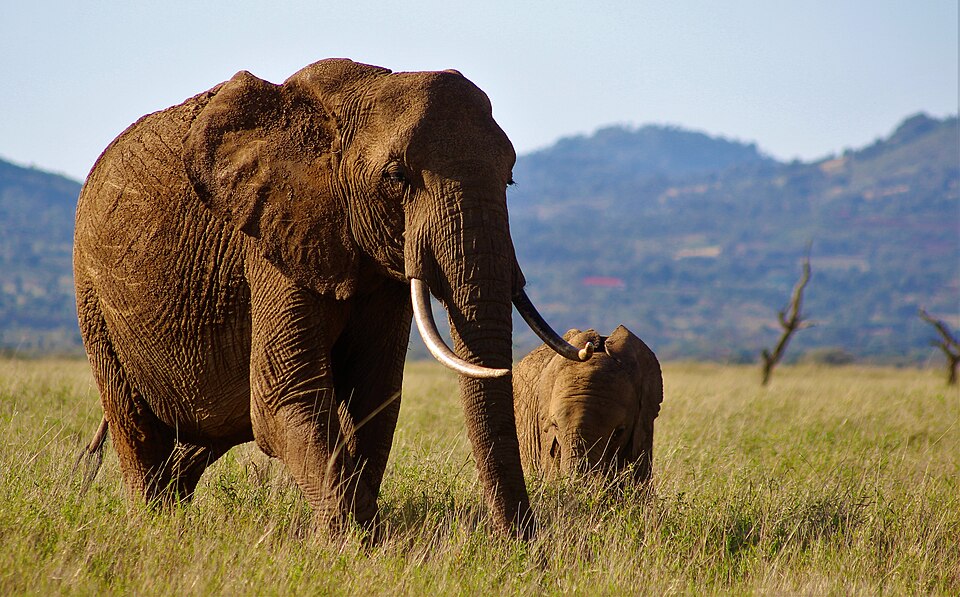
African savanna elephant
Loxodonta africana
Elephant corridors and the community-run Reteti rescue programme define the wider landscape. Give family herds a long stopping distance.
Namunyak / official landscape
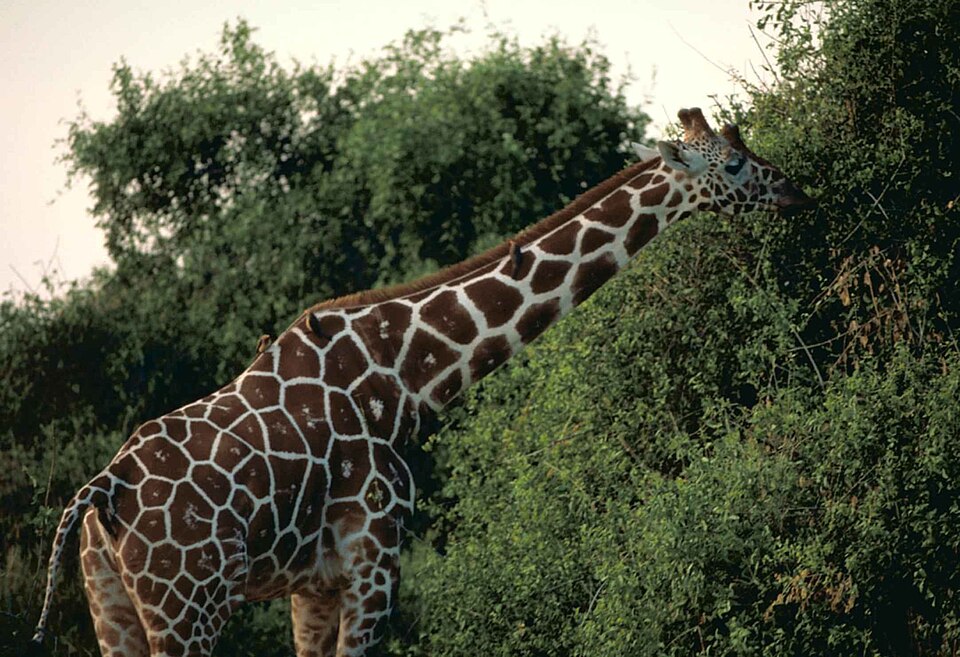
Reticulated giraffe
Giraffa reticulata
Large polygonal chestnut patches and pale borders; a northern Kenya specialist that may browse tall thorn trees.
Namunyak / official landscape
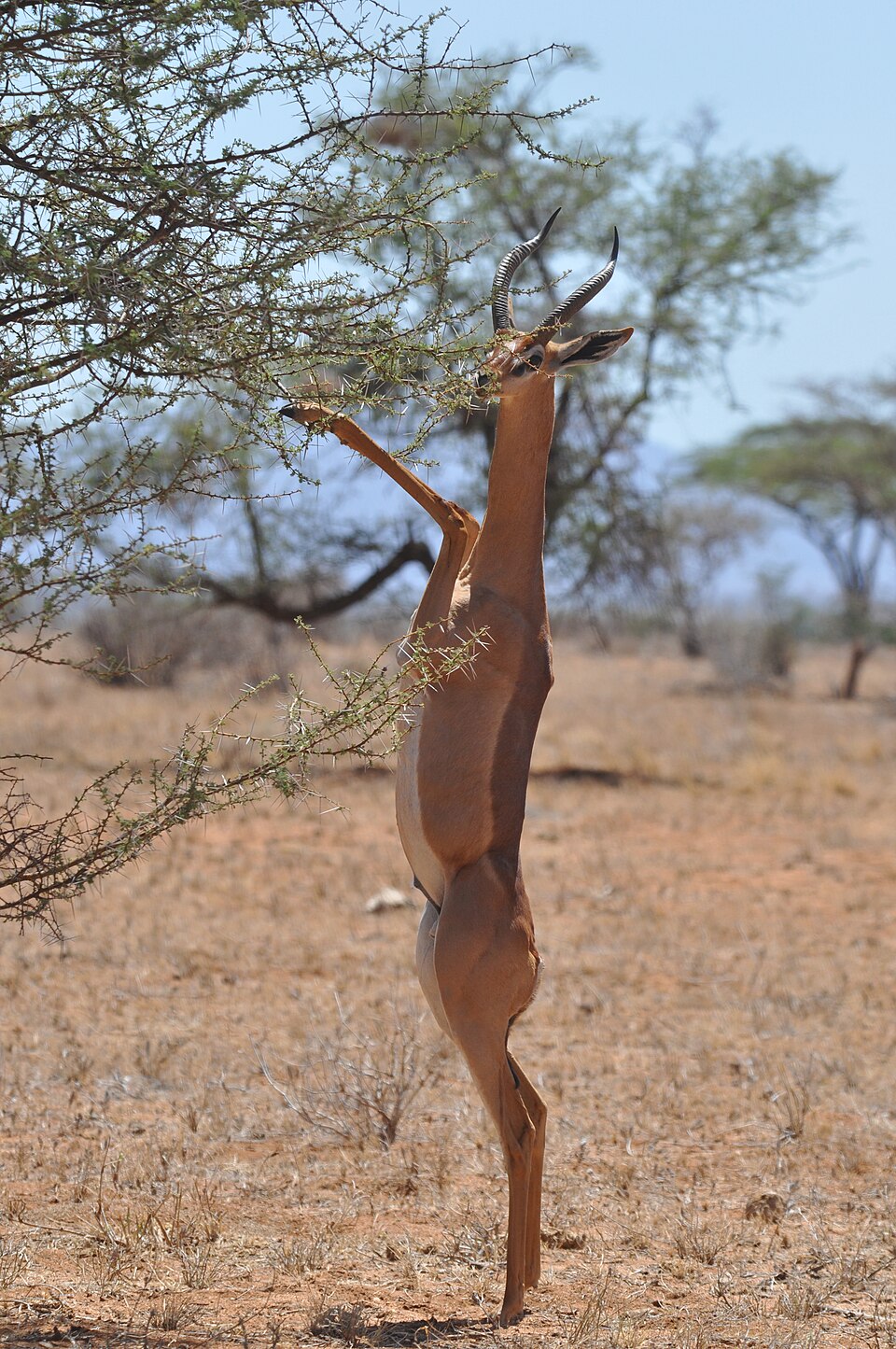
Gerenuk
Litocranius walleri
Long-necked antelope that can rear upright to browse branches; best sought with a local guide in dry bush.
Namunyak / official landscape
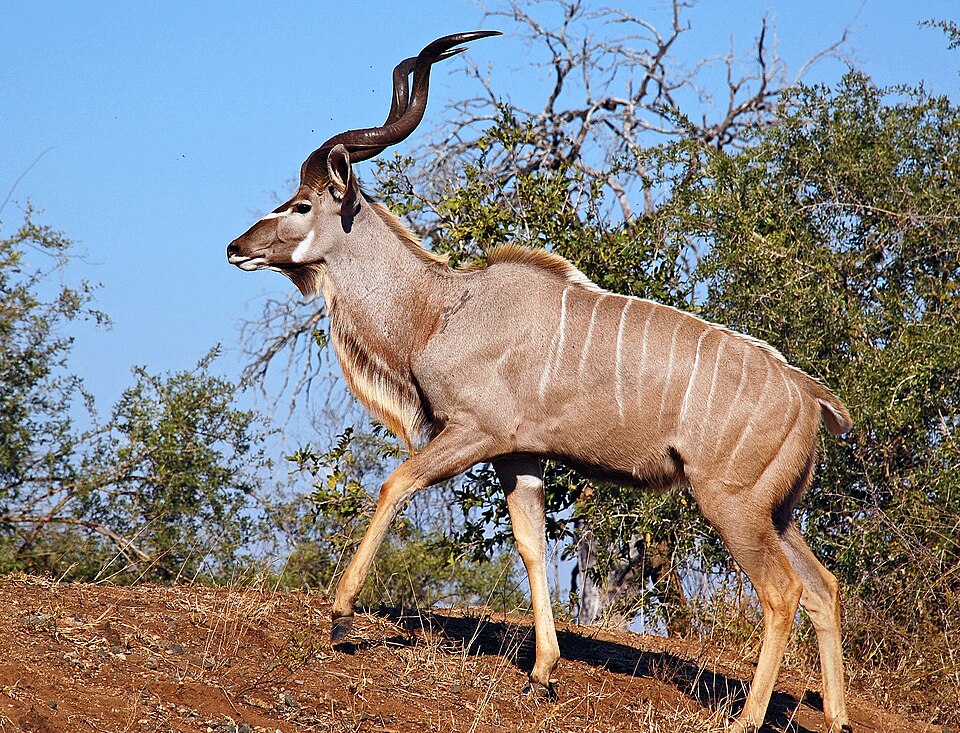
Greater kudu
Tragelaphus strepsiceros
Males carry elegant spiralled horns. Often elusive in wooded, rocky mountain foothills.
Namunyak / official landscape
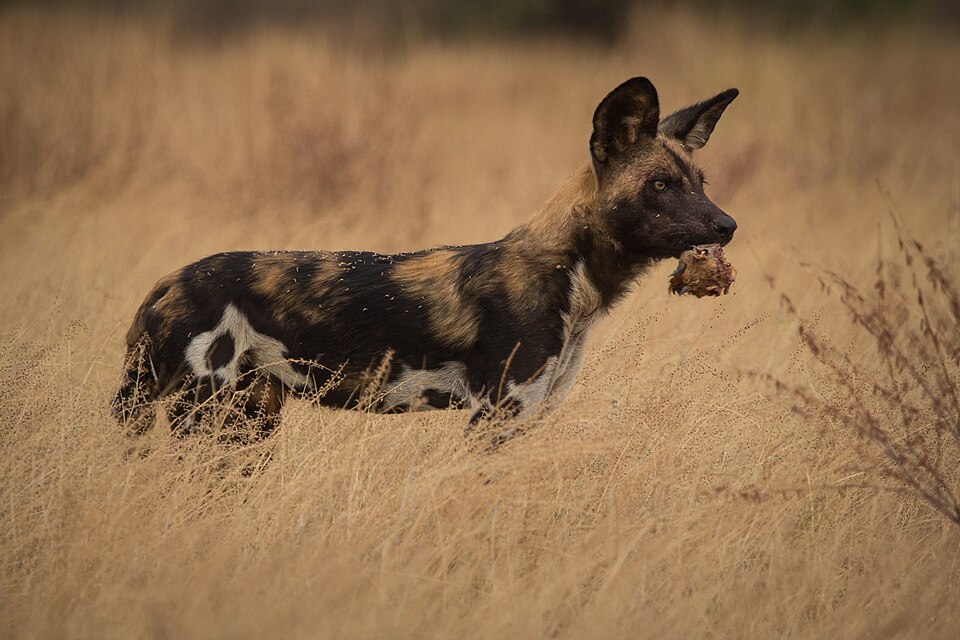
African wild dog
Lycaon pictus
Highly mobile endangered pack hunter; occasional sightings cannot be promised on a fixed itinerary.
Namunyak / operator-listed
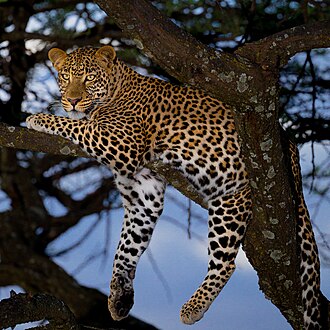
Leopard
Panthera pardus
Secretive cliff, riverine and forest-edge predator. Signs and tracks are often more frequent than sightings.
Namunyak / operator-listed
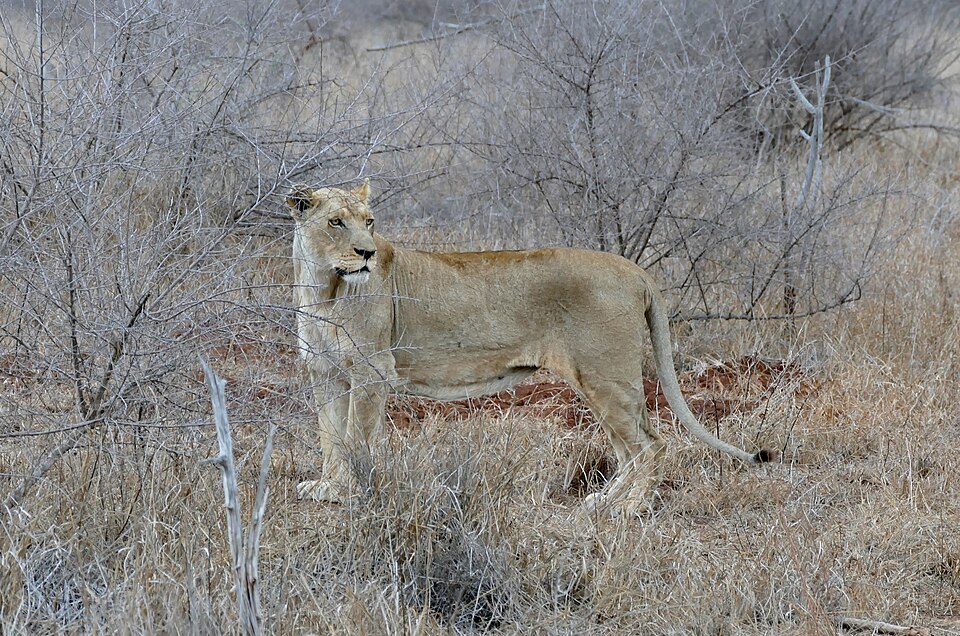
Lion
Panthera leo
Occurs in wider conservancy rangelands. Always remain in a vehicle unless your Samburu guide approves walking.
Namunyak / operator-listed

Plains zebra
Equus quagga
Common safari-striped grazer in accessible grassland and bush mosaics, distinguishable from Grevy’s zebra.
Northern Kenya regional ID
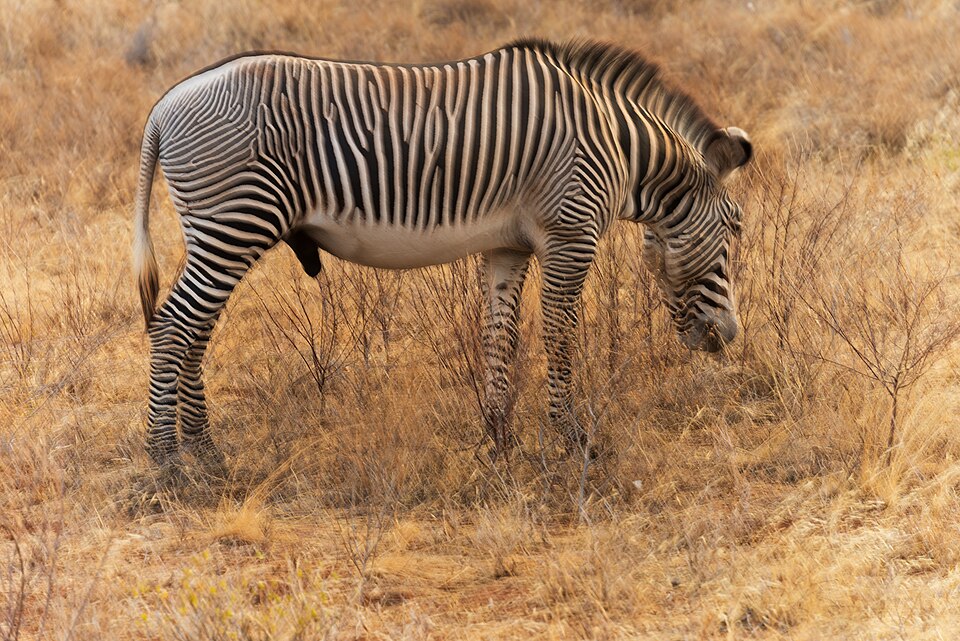
Grevy’s zebra
Equus grevyi
Narrow tightly packed stripes, large rounded ears and white belly; endangered dryland species.
Northern Kenya regional ID; check local occurrence
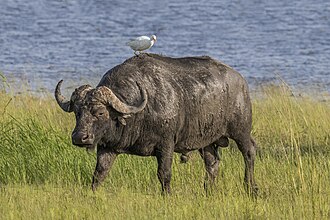
African buffalo
Syncerus caffer
Heavy-bodied, powerful bovid; montane and permanent-water areas may support buffalo.
Regional habitat reference
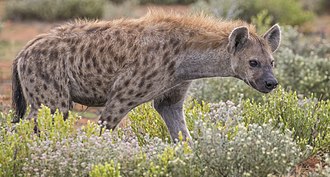
Spotted hyena
Crocuta crocuta
Strong-jawed nocturnal hunter and scavenger with a sloping back and rounded ears.
Northern Kenya regional ID
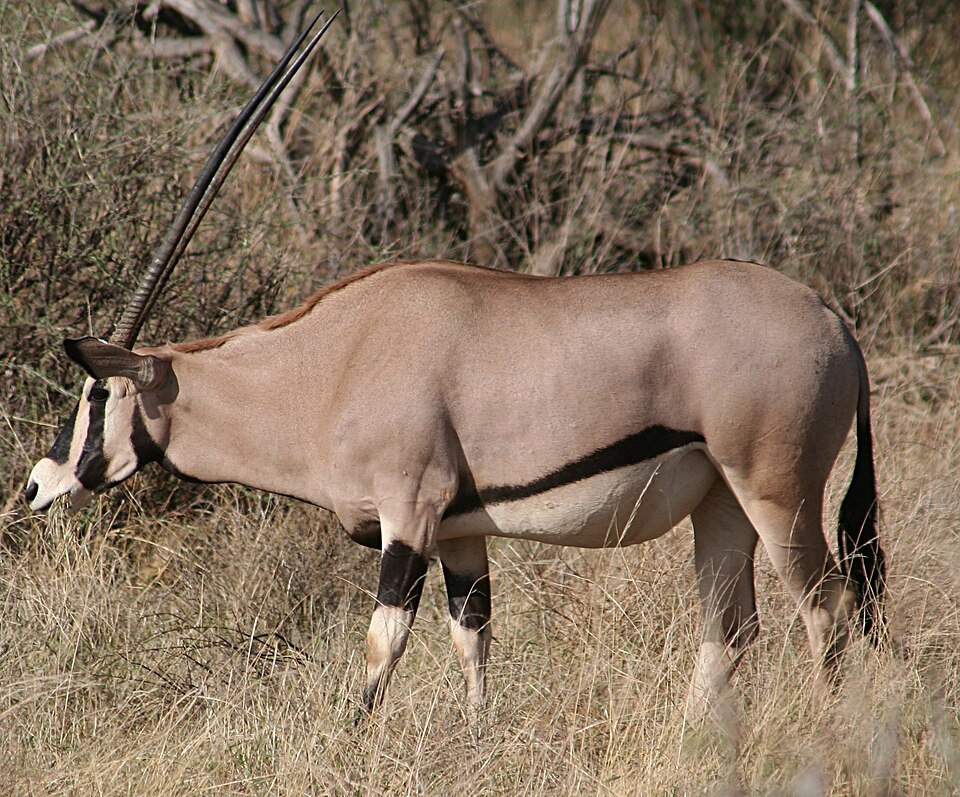
Beisa oryx
Oryx beisa
Straight pointed horns and strong facial markings; adapted to the hot dry lowlands.
Northern Kenya regional ID
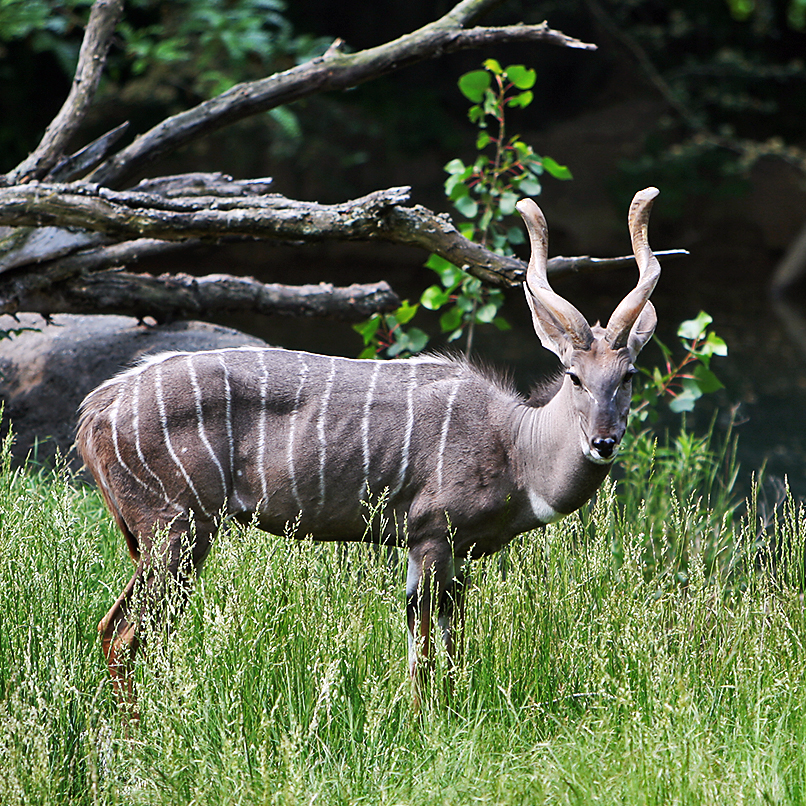
Lesser kudu
Tragelaphus imberbis
Secretive dry-bush browser with white vertical flank stripes; more slender than greater kudu.
Northern Kenya regional ID
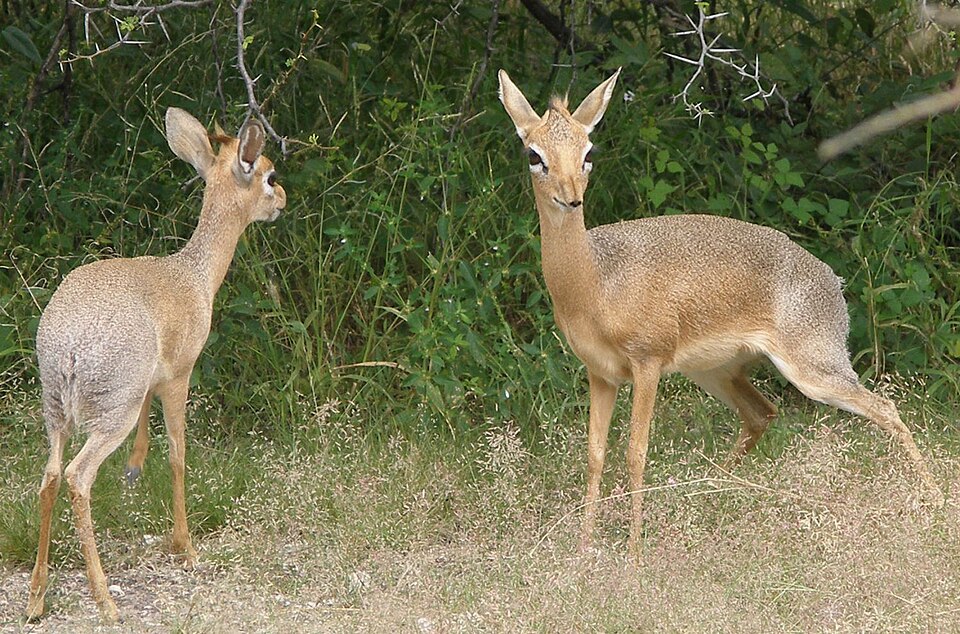
Kirk’s dik-dik
Madoqua kirkii
Tiny territorial antelope commonly seen in dry shrublands; look carefully at the roadside undergrowth.
Northern Kenya regional ID
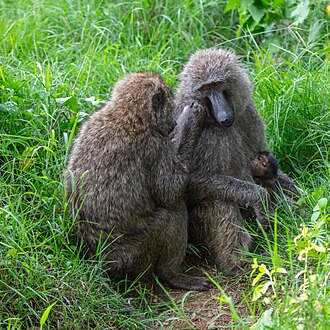
Olive baboon
Papio anubis
Ground-foraging troop animal; keep food locked away and do not feed wildlife.
Northern Kenya regional ID
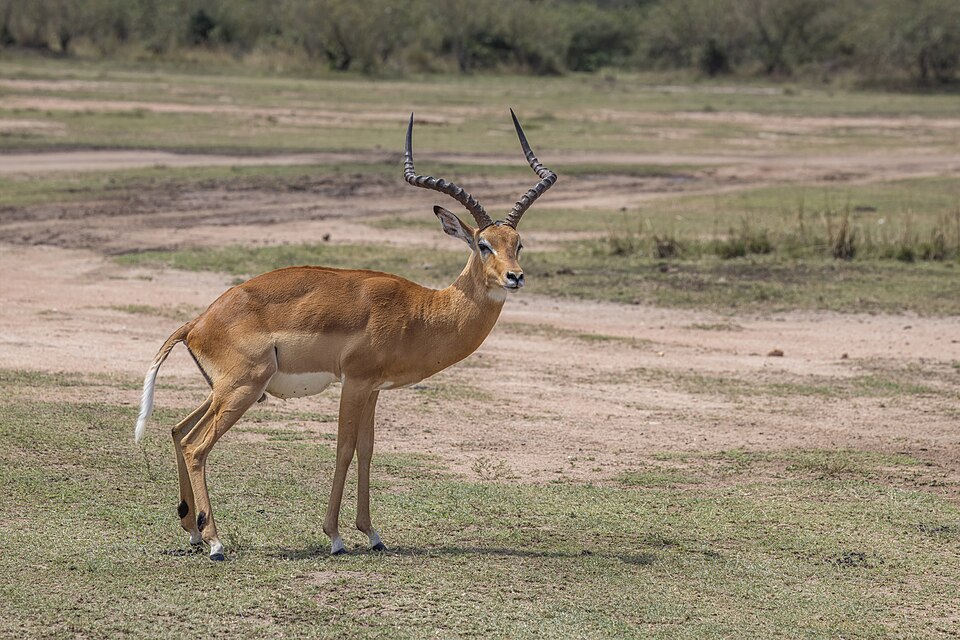
Impala
Aepyceros melampus
Graceful mixed feeder, found around suitable woodland and grassland transition.
Northern Kenya regional ID
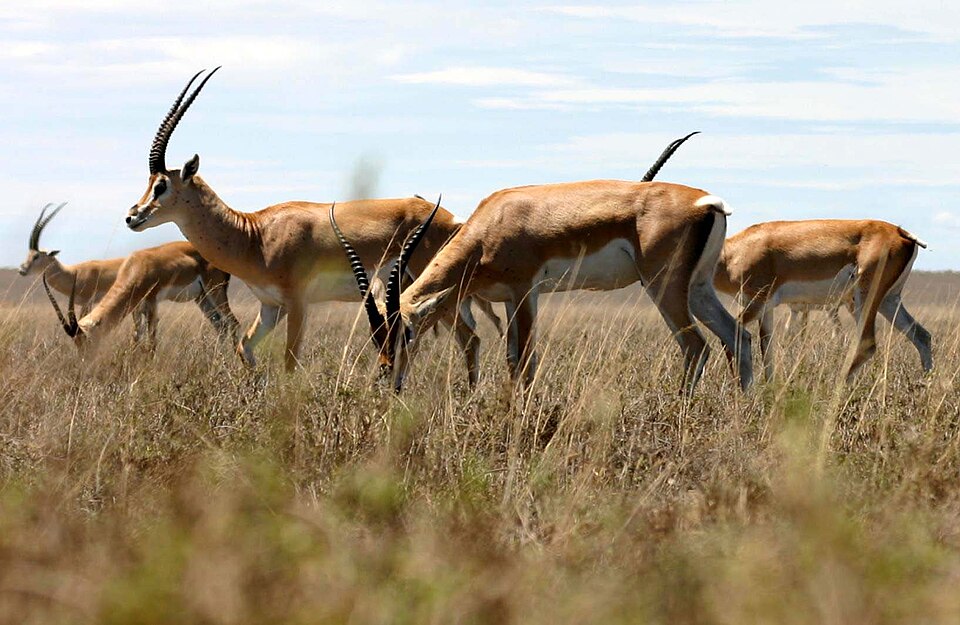
Grant’s gazelle
Nanger granti
Long-horned gazelle adapted to open dry country; white rump may extend above tail.
Northern Kenya regional ID
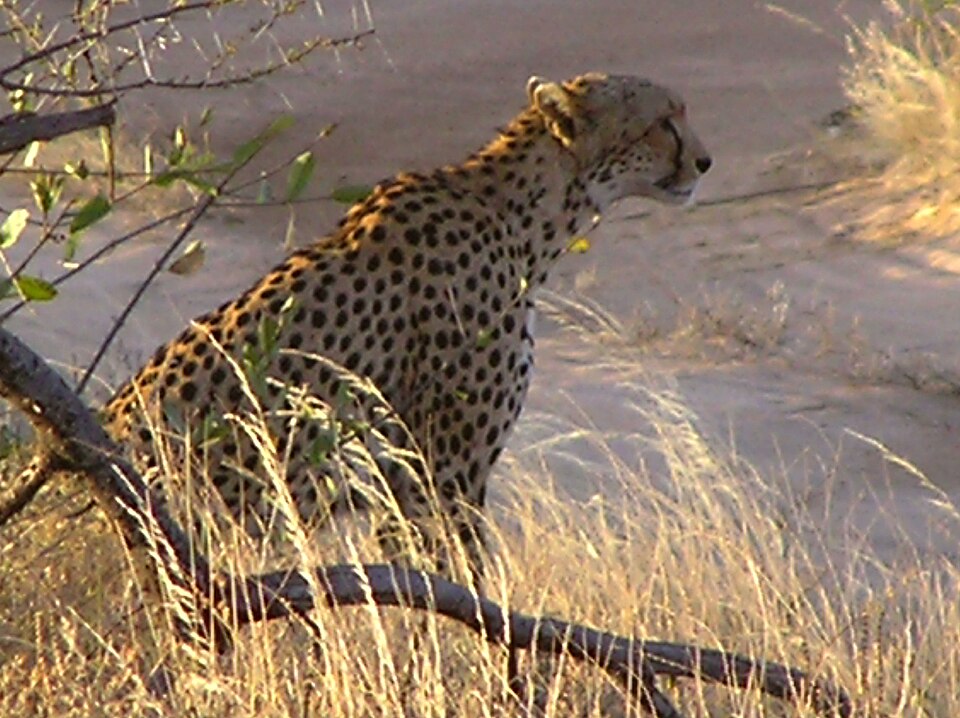
Cheetah
Acinonyx jubatus
Fast open-country cat with tear marks; rare, not a reliable Namunyak target.
Regional reference; not confirmed local list
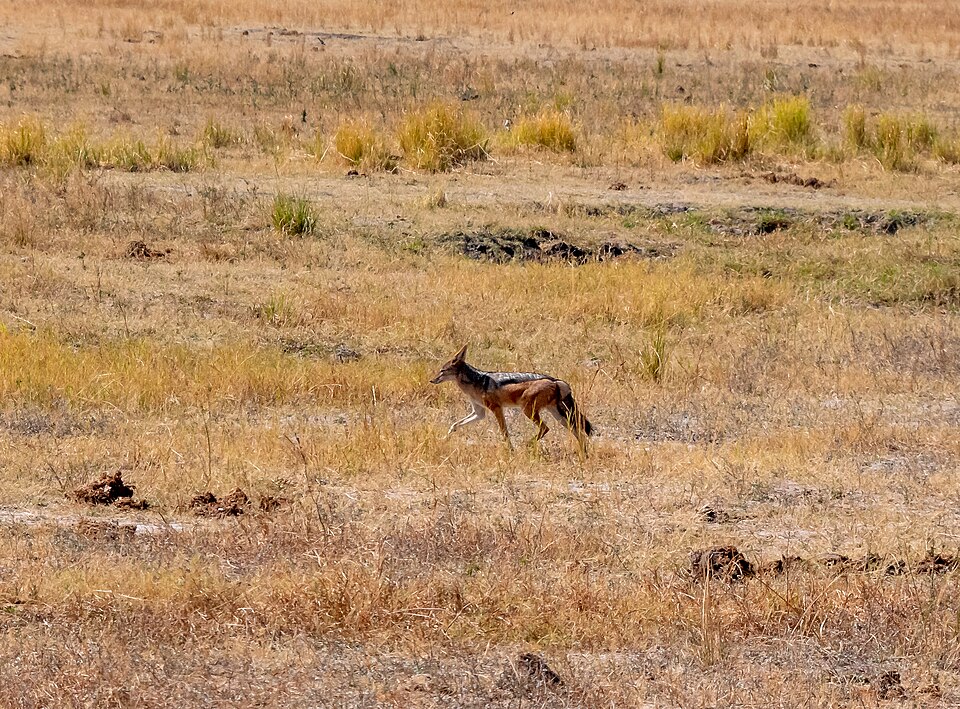
Black-backed jackal
Lupulella mesomelas
Small alert canid with a saddle-like black-and-silver coat; often active at dawn or dusk.
Regional reference
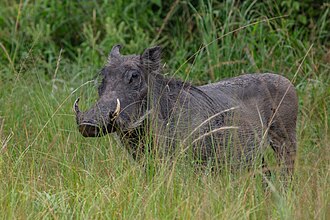
Common warthog
Phacochoerus africanus
Kneels to graze and runs with tail upright; typically near shorter grass and water.
Regional reference
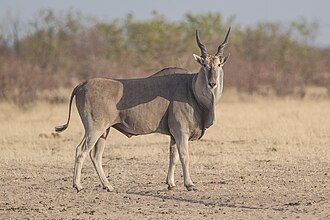
Common eland
Taurotragus oryx
Large spiral-horned antelope, often moving discreetly through woodland.
Regional reference
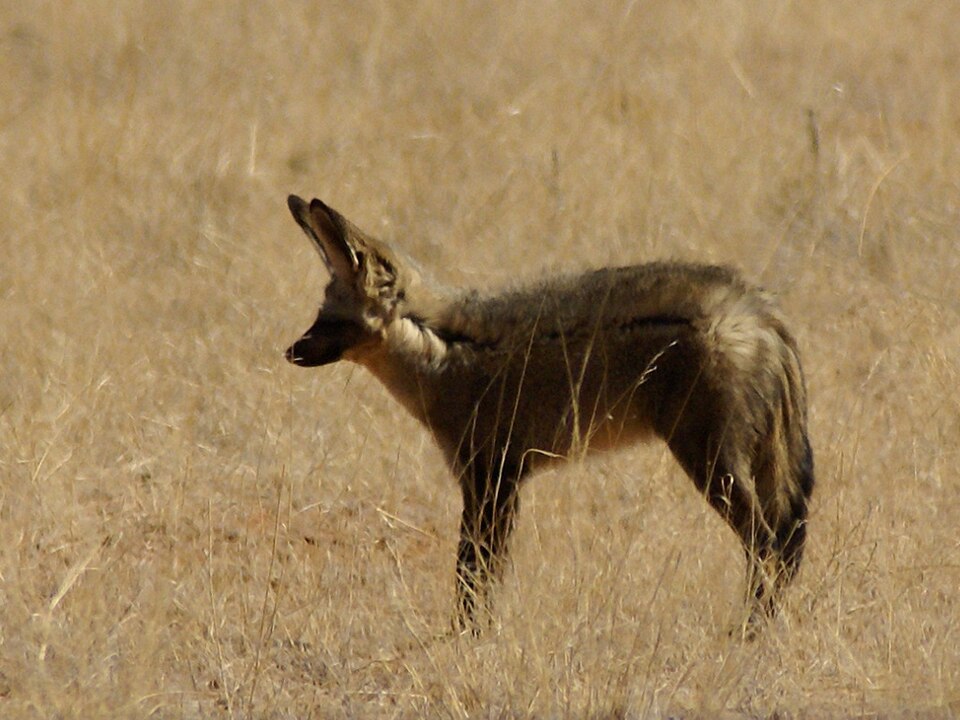
Bat-eared fox
Otocyon megalotis
Large ears and termite-feeding habits make this a useful ID among open-country canids.
Regional reference
10 birds to recognise on a northern Kenya safari
Open drylands, waterholes and montane forest support very different bird communities. The ten illustrated profiles below are identification references from the wider northern Kenya region; they are not an audited checklist of the conservancy. Forest specialists should be searched for with a knowledgeable local bird guide.
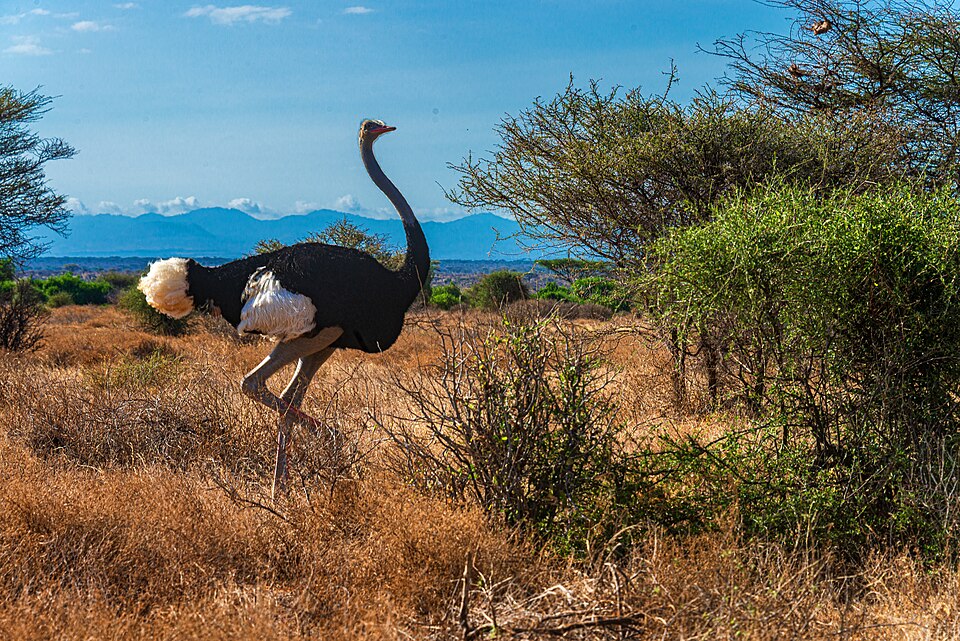
Somali ostrich
Struthio molybdophanes
Blue-skinned male neck and legs; emblematic northern Kenya dryland bird.
Regional bird ID reference
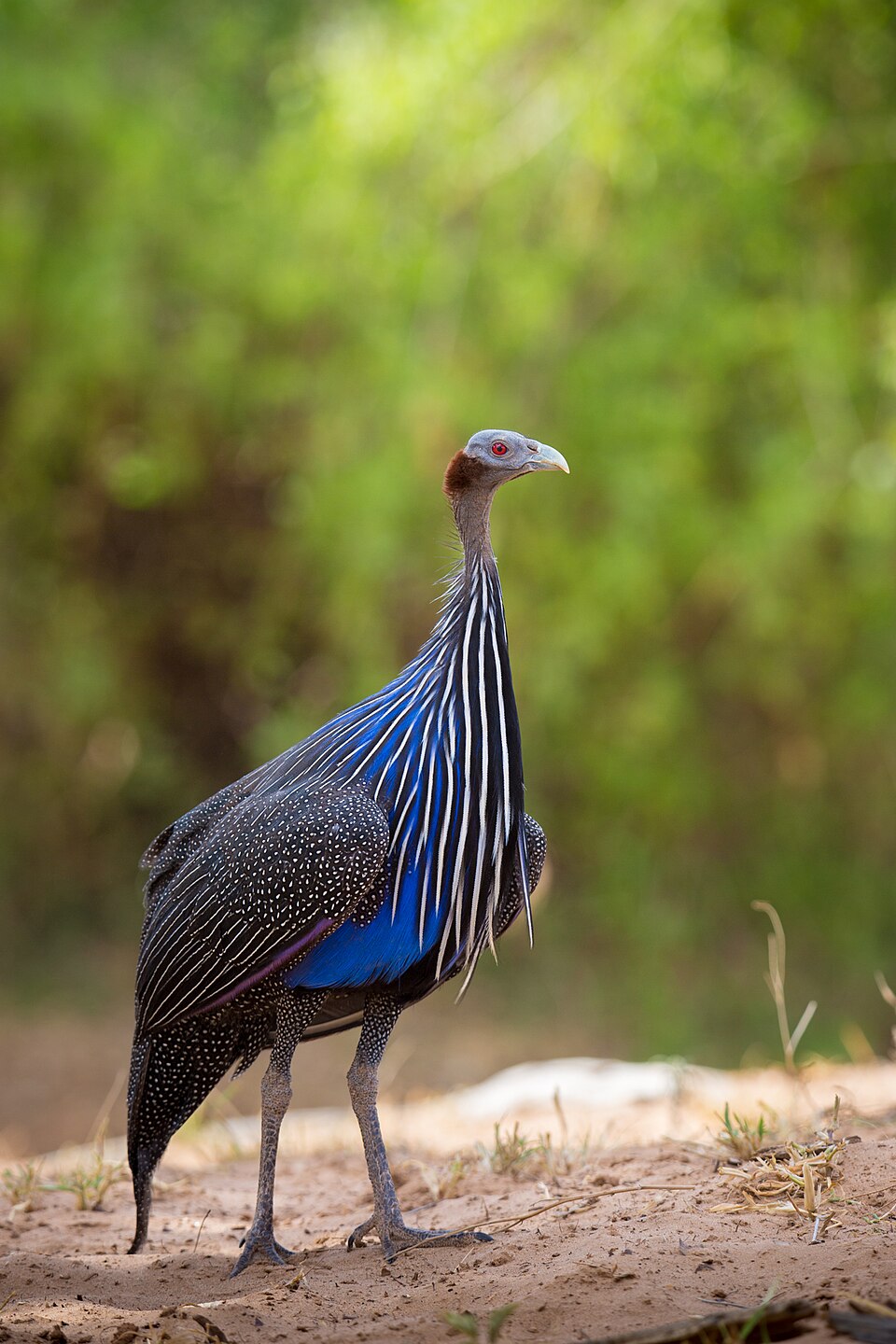
Vulturine guineafowl
Acryllium vulturinum
Striking cobalt breast with slender white streaks and bare vulturine head.
Regional bird ID reference

Martial eagle
Polemaetus bellicosus
Very large, powerful raptor; scan tall trees and distant ridgelines.
Regional bird ID reference
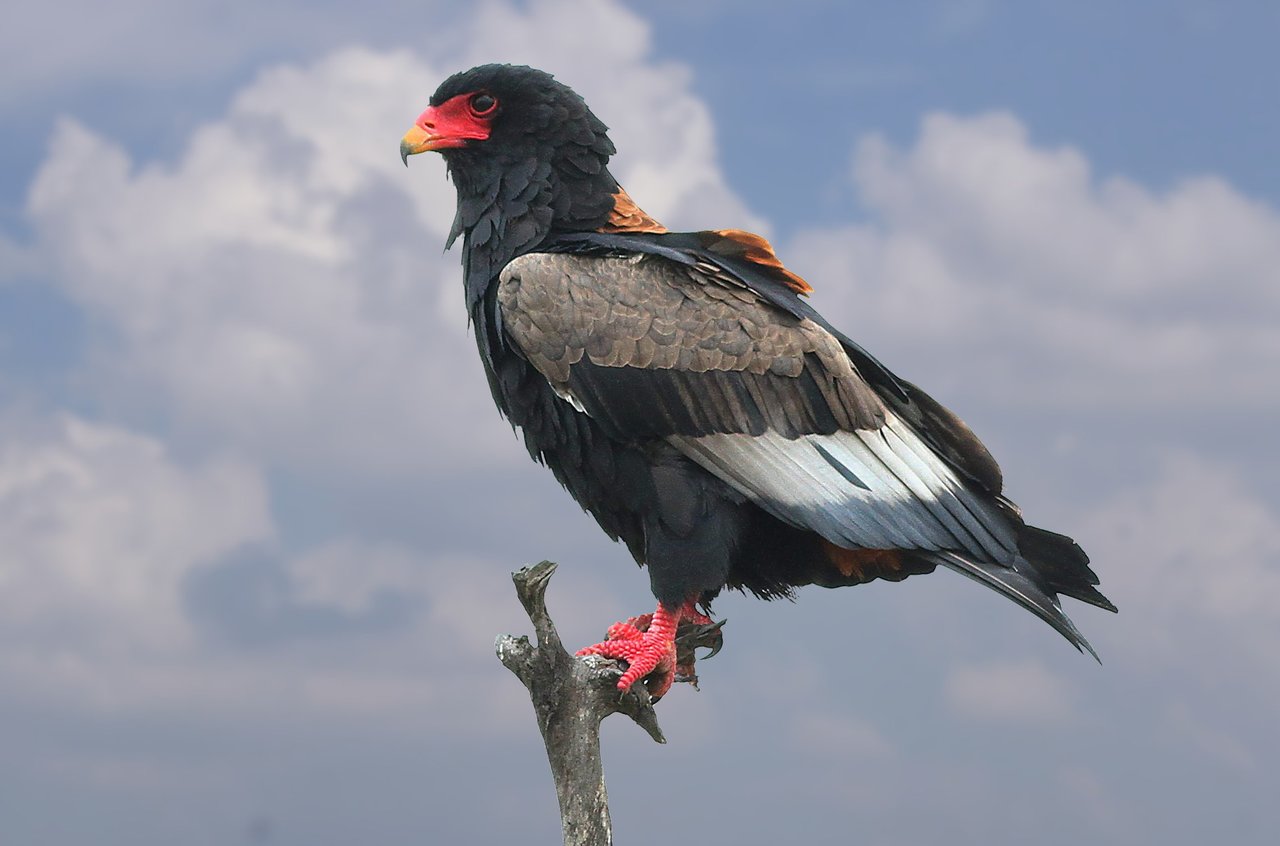
Bateleur
Terathopius ecaudatus
Broad-winged eagle with short tail; often rocks side to side in flight.
Regional bird ID reference
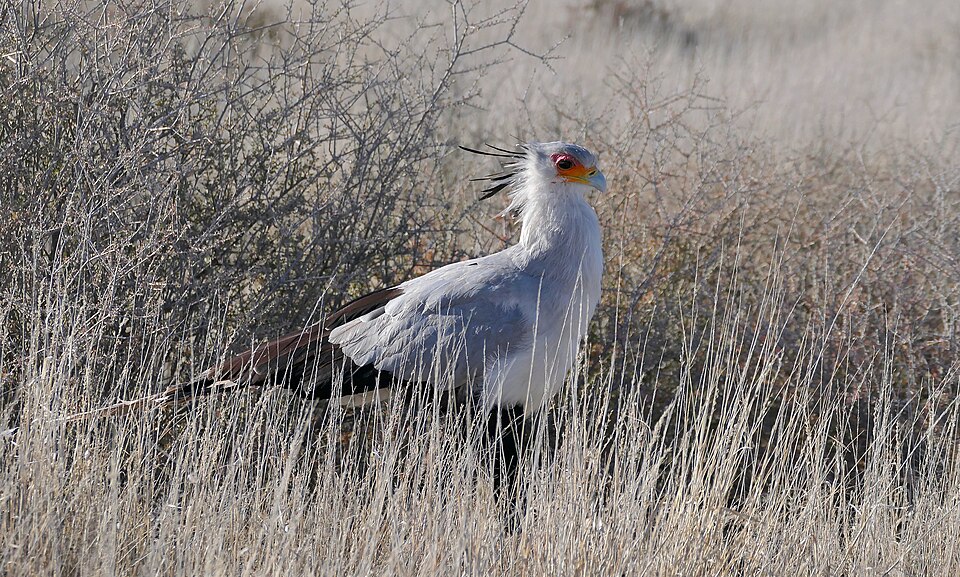
Secretarybird
Sagittarius serpentarius
Tall terrestrial raptor with long legs; searches open plains for prey.
Regional bird ID reference
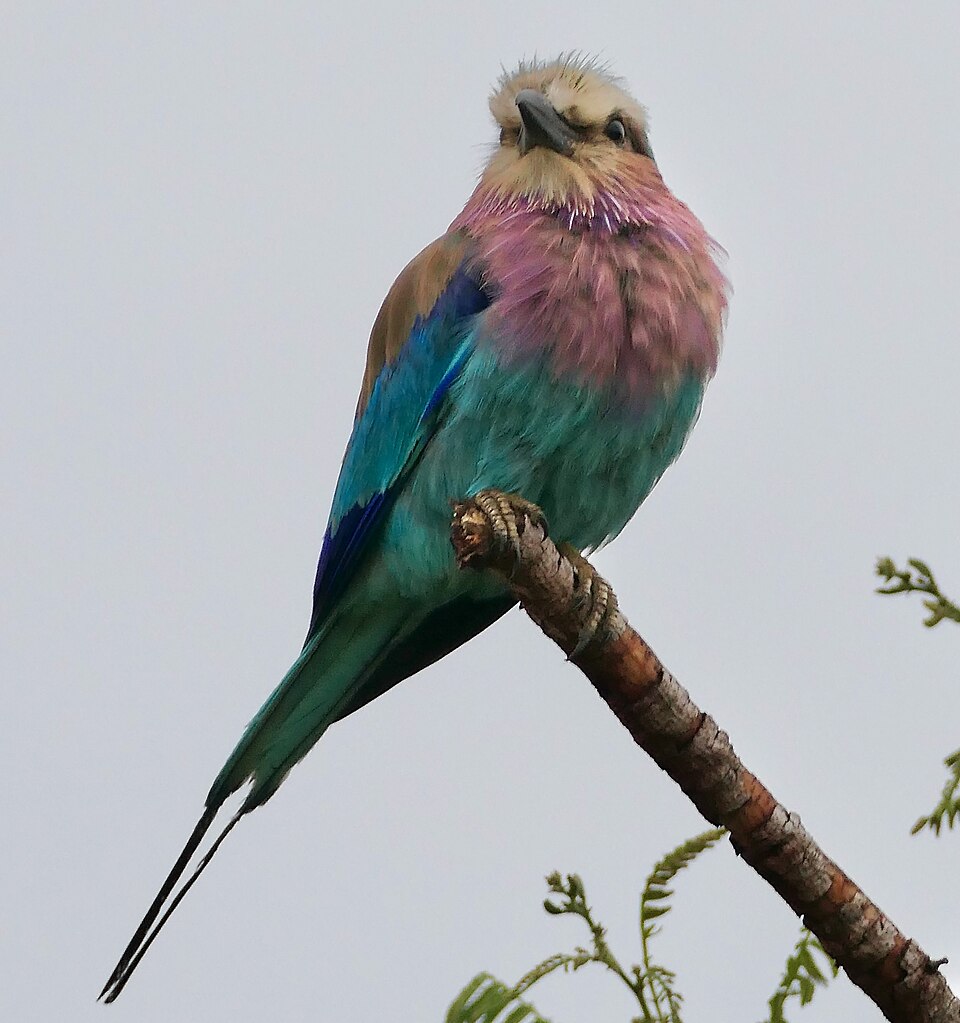
Lilac-breasted roller
Coracias caudatus
Brilliant blue-lilac body, often perched on exposed branches.
Regional bird ID reference
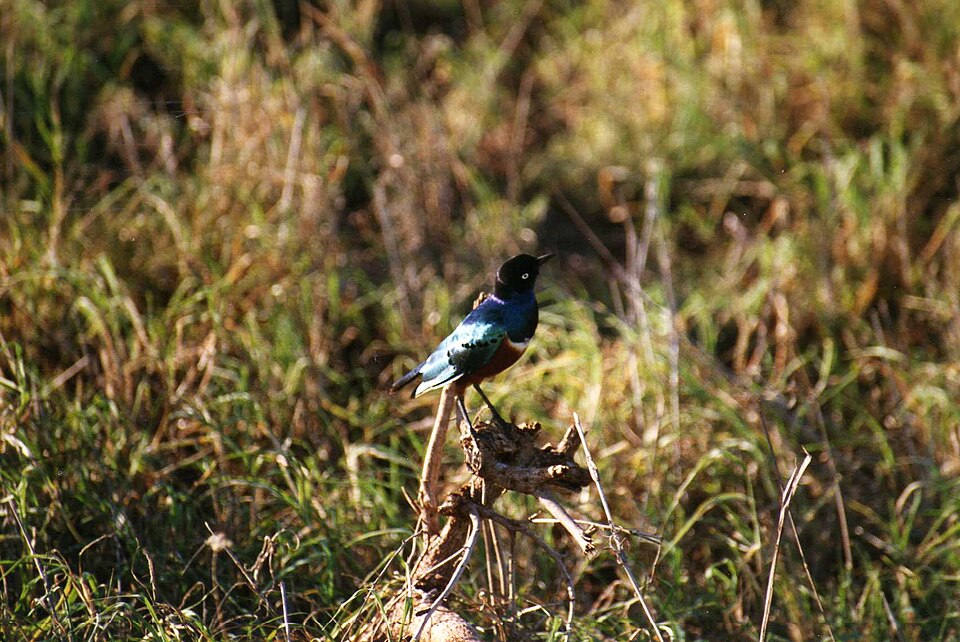
Superb starling
Lamprotornis superbus
Glossy blue-green upperparts and warm orange breast; conspicuous around drylands.
Regional bird ID reference
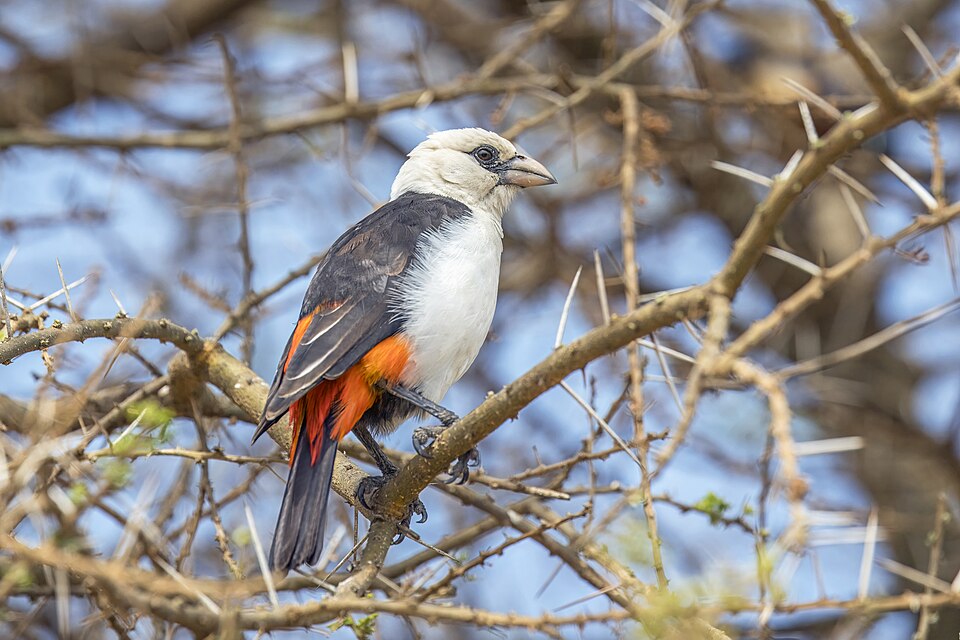
White-headed buffalo weaver
Dinemellia dinemelli
Bold white head and rump; communal twig nests in acacia.
Regional bird ID reference
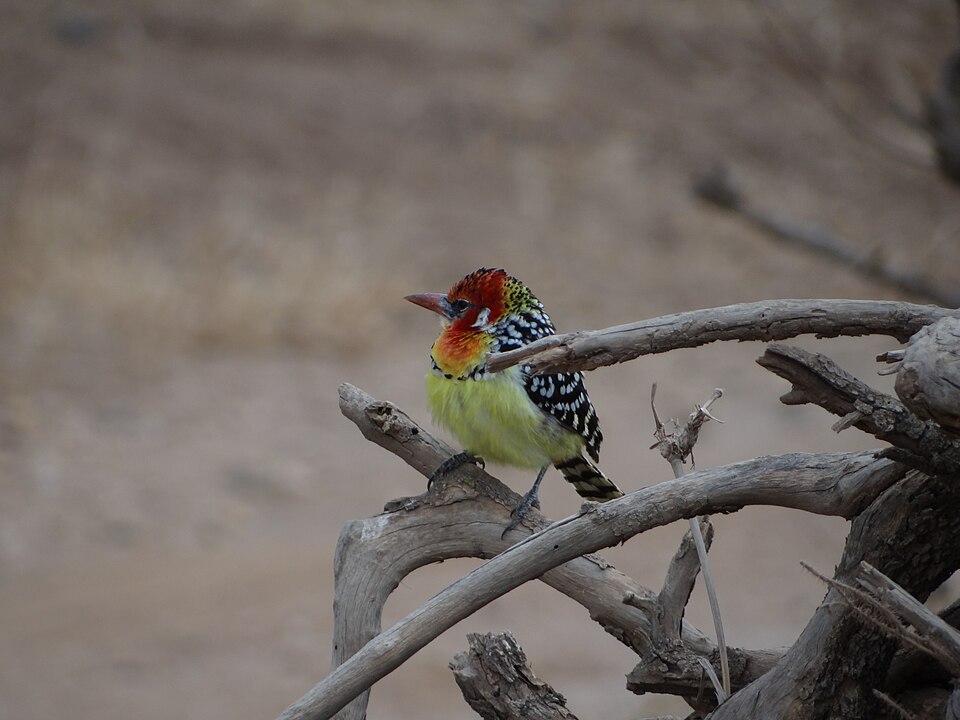
Red-and-yellow barbet
Trachyphonus erythrocephalus
Colourful ground-foraging barbet; easily confused with other barbets at a distance.
Regional bird ID reference
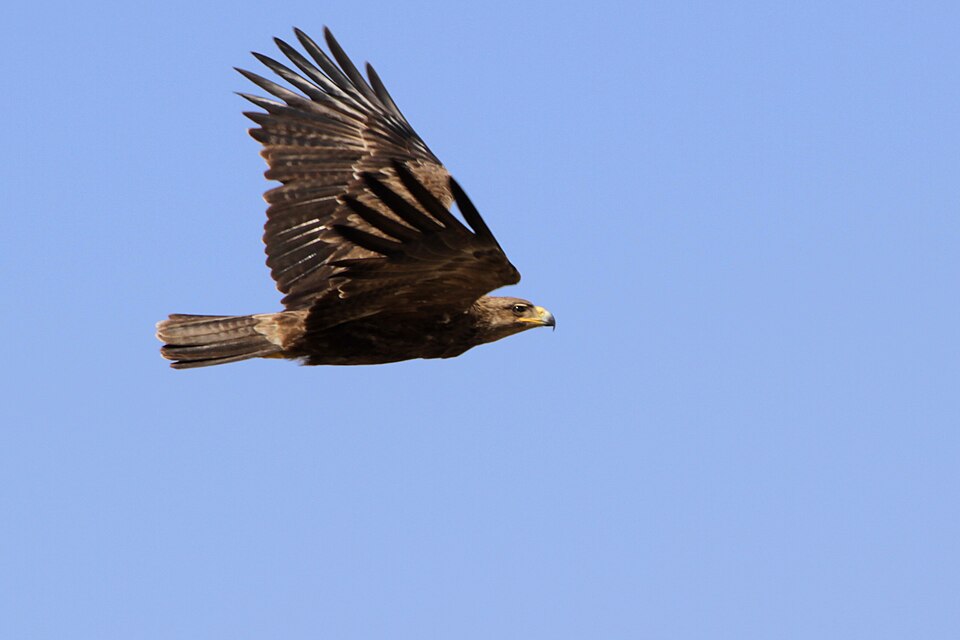
Tawny eagle
Aquila rapax
Broad-winged eagle of dry country, colours vary substantially by age.
Regional bird ID reference
How to bird respectfully: start early, stop quietly at waterholes, never use playback around breeding sites or sensitive wildlife, and keep all nesting sites undisturbed.
10 illustrated plant references — plus Namunyak’s exceptional mountain flora
The conservancy’s lowland acacia–commiphora habitat contrasts with the wetter Mathews forest, where cycads, broad-leaved trees and montane woodland species add exceptional diversity. Plant IDs depend on leaf, bark, flower and altitude; use these regional references with a guide rather than assuming each pictured specimen was recorded inside Namunyak.
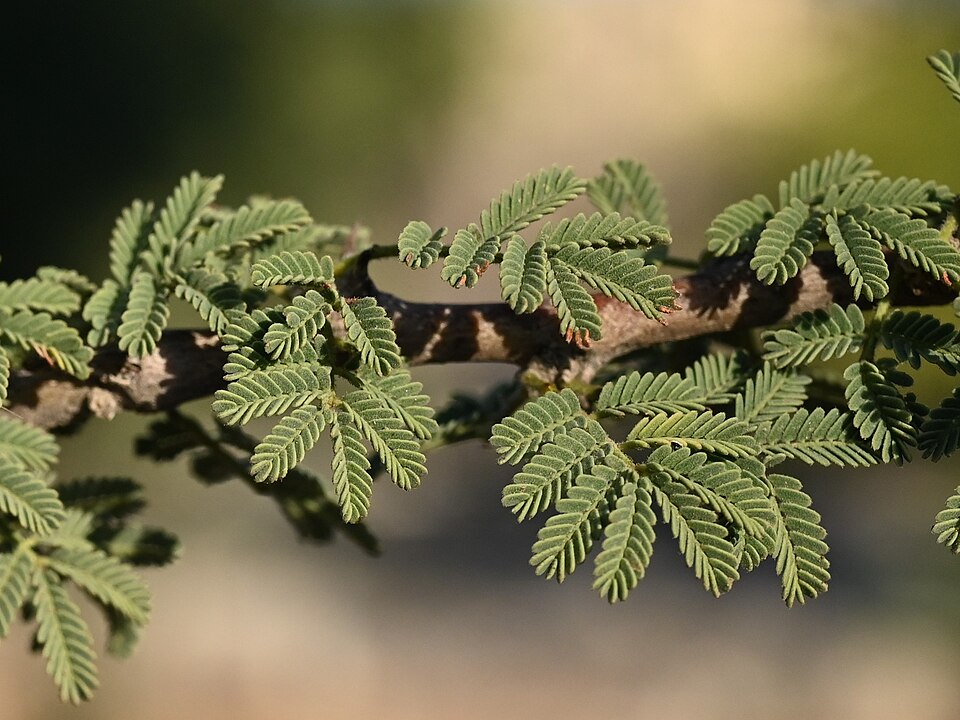
Umbrella thorn
Vachellia tortilis
Broad flat canopy; an iconic dryland tree used by browsers and nesting birds.
Habitat/plant ID reference
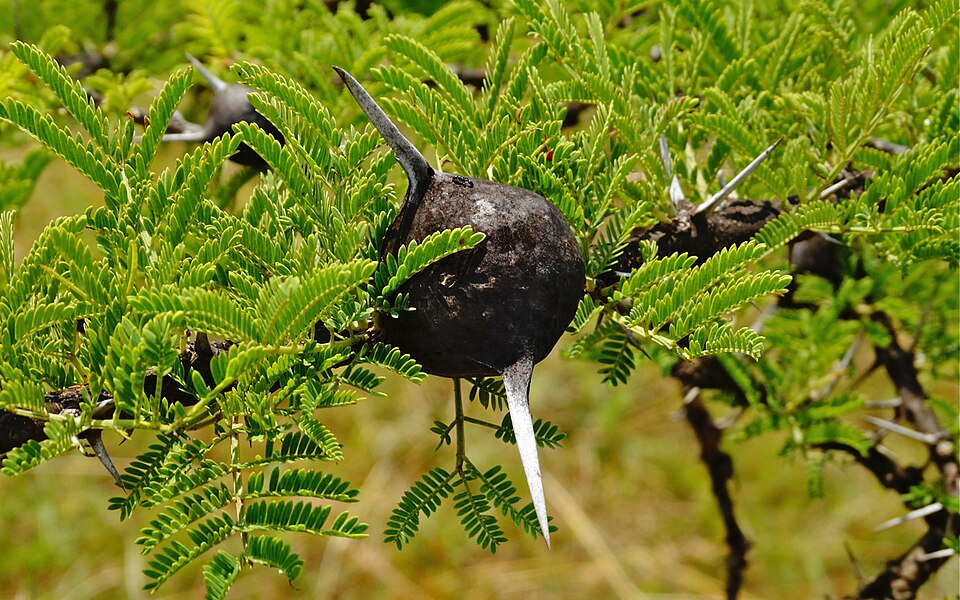
Whistling thorn
Vachellia drepanolobium
Ant-associated swollen thorns; an interesting ecological relationship.
Habitat/plant ID reference
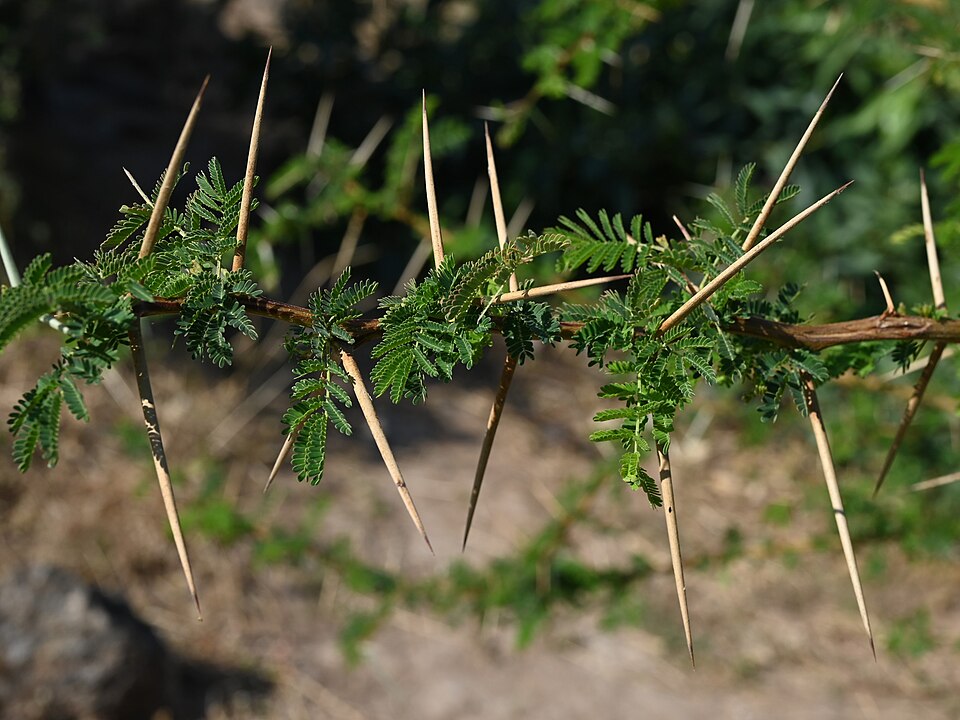
Gum arabic acacia
Senegalia senegal
Drought-tolerant thorny small tree, associated with natural gums.
Habitat/plant ID reference
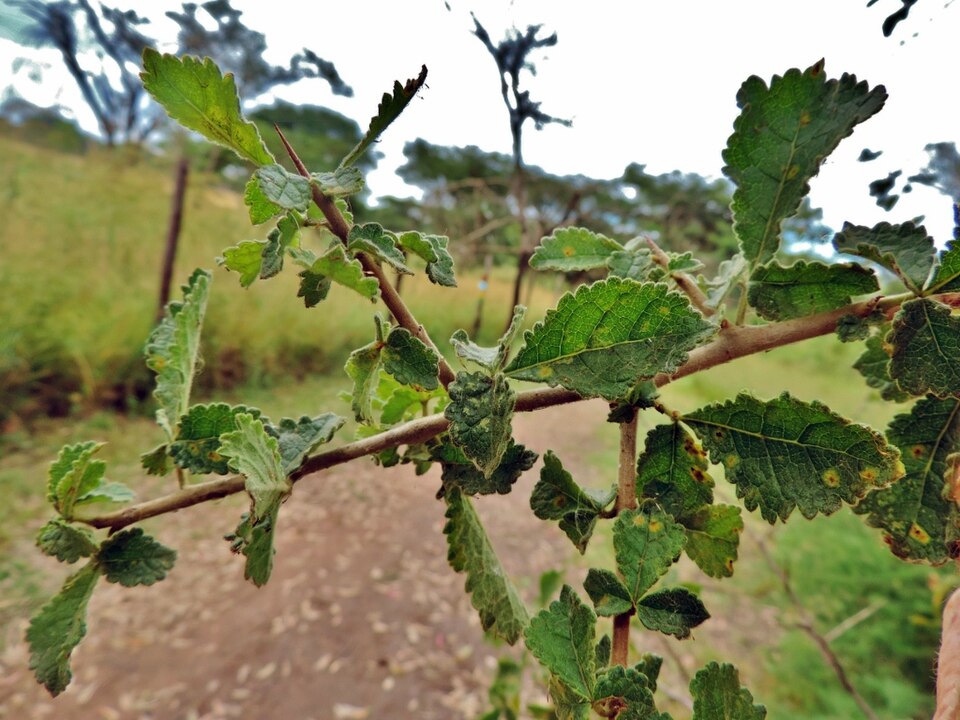
Commiphora shrubs
Commiphora spp.
Multi-stemmed aromatic shrubs and small trees in dry hillside scrub.
Habitat/plant ID reference
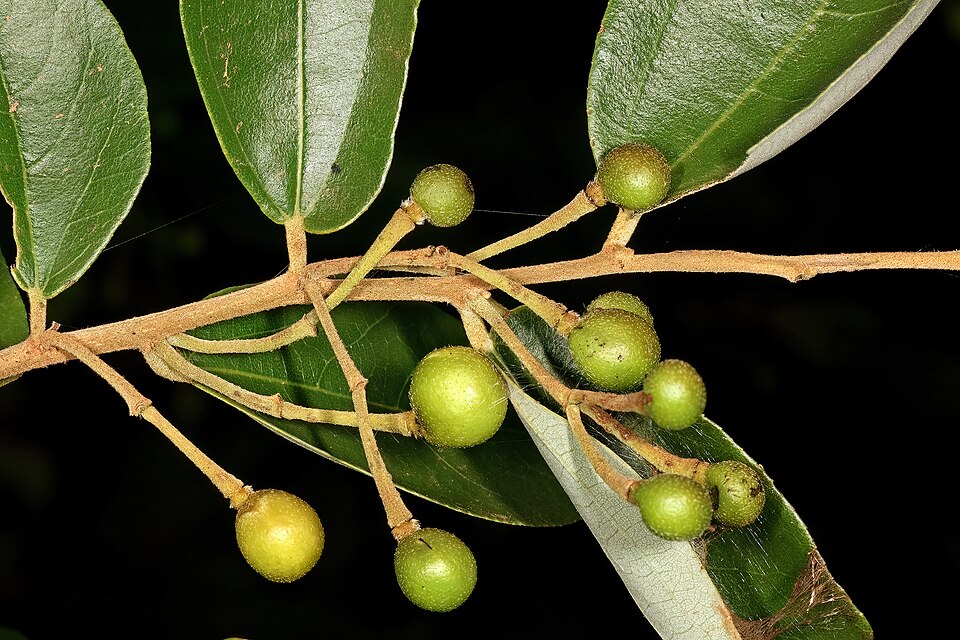
Grewia shrubs
Grewia spp.
Small-leaved browse plants important in dryland thickets.
Habitat/plant ID reference
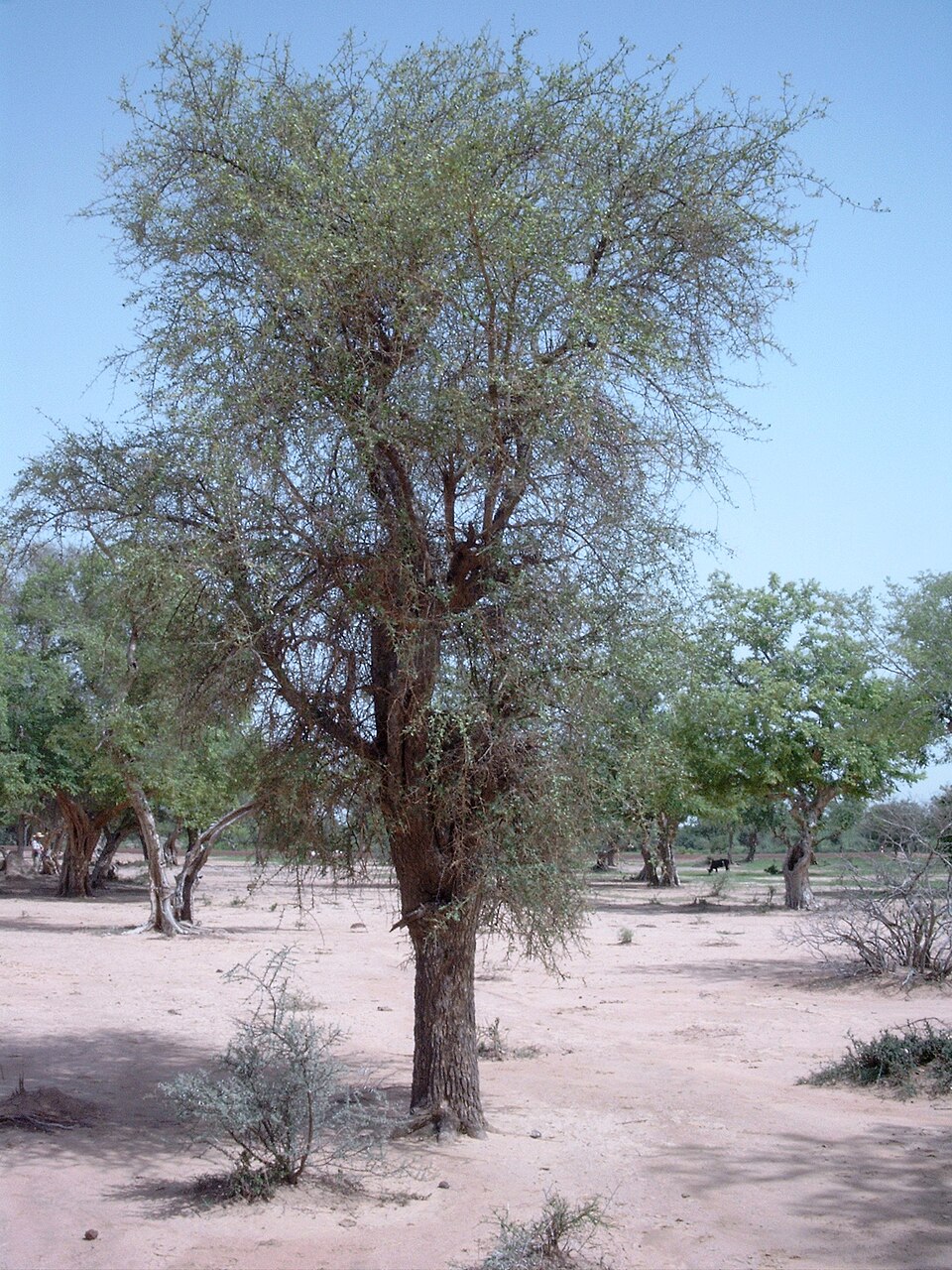
Balanites / desert date
Balanites aegyptiaca
Thorny tree with yellowish fruit adapted to semiarid habitats.
Habitat/plant ID reference
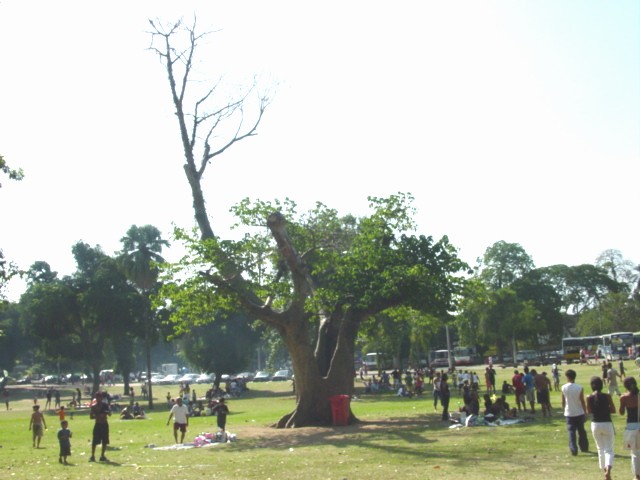
Riverine figs
Ficus spp.
Large shade-giving trees in areas with reliable subsurface water.
Habitat/plant ID reference
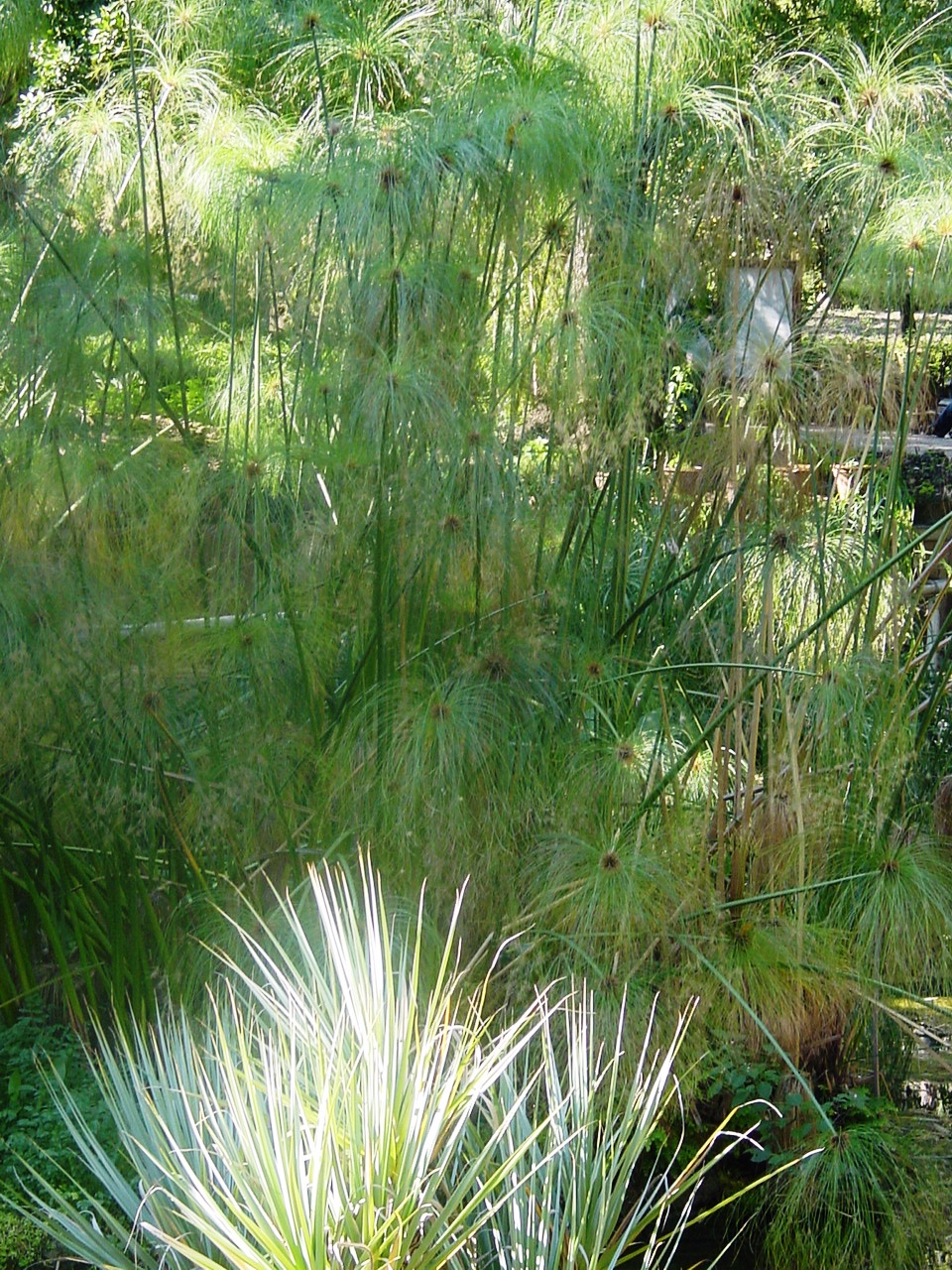
Sedge and rush margins
Cyperaceae and Juncaceae
Vegetation cues along permanent wet ground and mountain streams.
Habitat/plant ID reference
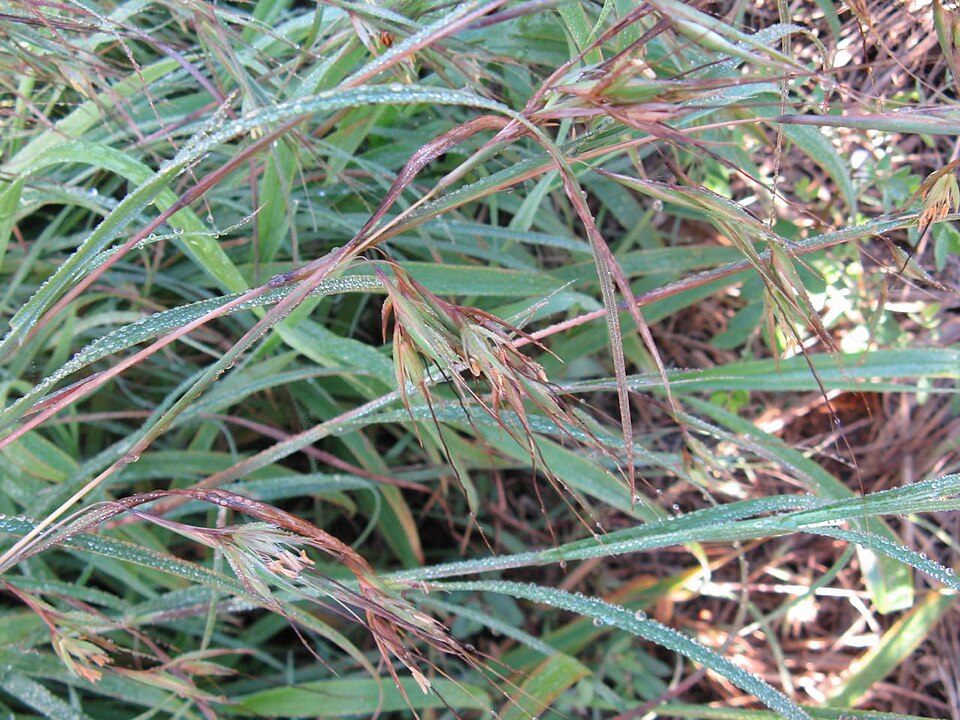
Red oat grass
Themeda triandra
Warm-season bunchgrass found across varied eastern African habitats.
Habitat/plant ID reference
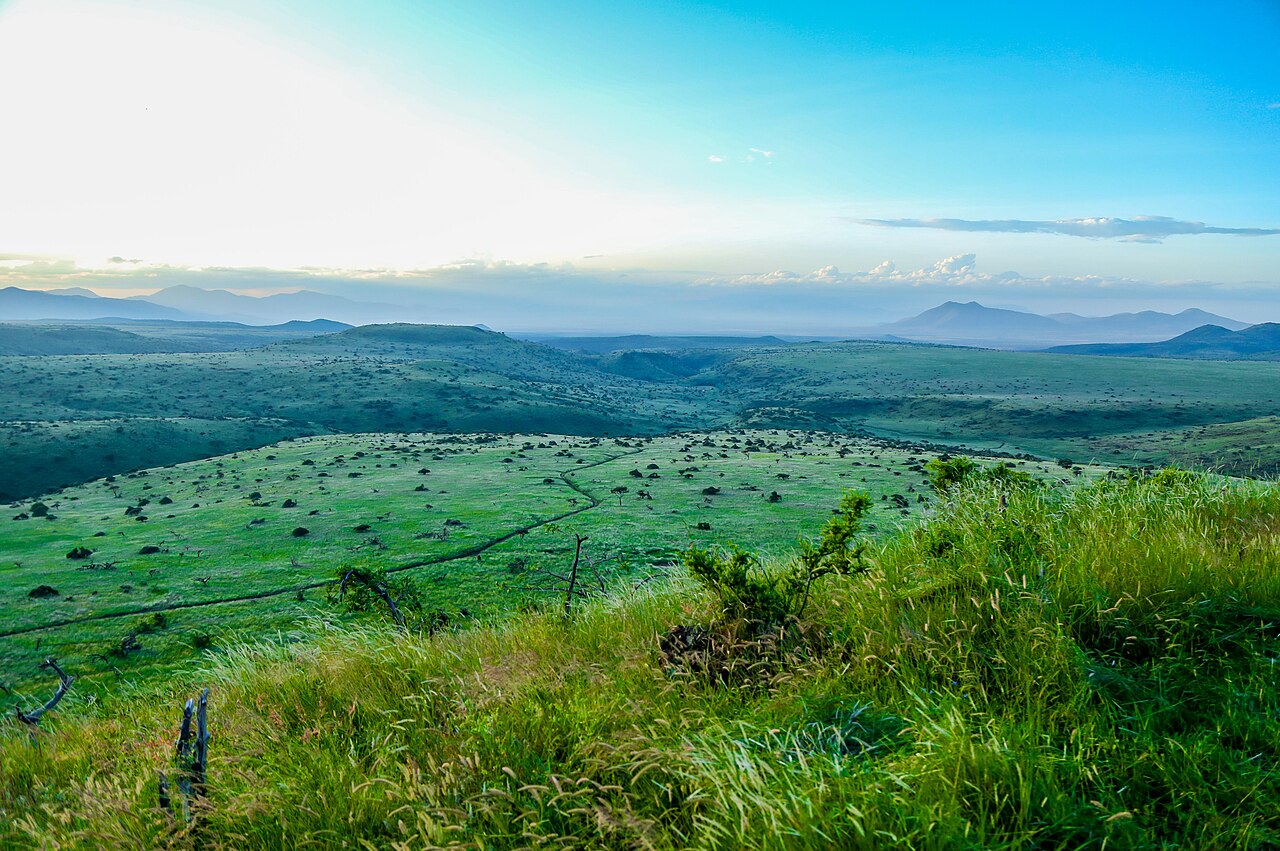
Mixed native grasses
Poaceae
Grasses respond quickly to seasonal rains and support herbivores.
Habitat/plant ID reference
Mountain forest plants worth knowing
Ancient cycads
Encephalartos tegulaneus is associated with the Mathews range. An exceptional slow-growing native cycad; photograph only and never collect seeds or leaves.
Montane conifers
Podocarpus species occur in eastern African mountain forests and are part of the broader ecological context of the Mathews canopy.
Forest croton
Croton megalocarpus and related trees support a structurally diverse higher-altitude forest environment.
Dryland Melia
Melia volkensii appears in botanical surveys of the wider Mathews region; a useful marker of arid-woodland transition.
Forest ecology: Mathews Forest ecological assessment (PDF). The forest area is much smaller than the roughly 850,000-acre conservancy; the two must not be conflated.
What to do at Namunyak beyond a conventional game drive
The strongest experiences are locally led and conservation-focused. Confirm availability and any separate charges before paying for a safari package.
01 · Reteti keeper-guided feeding
A pre-booked observation with Samburu keepers explains why the young elephants receive care while avoiding contact with tourists.
02 · Guided Mathews forest hiking
Choose a terrain- and fitness-appropriate forest walk; long cycad hikes can take several hours and require local guides.
03 · Elephant waterhole watching
Sarara’s waterholes may attract free-ranging wildlife. Observe quietly and never obstruct animal access.
04 · Samburu singing wells
Where currently active and with community consent, guided visits show traditions linking livestock, music and water.
05 · Community beading and craft
Meet makers through a fair, prearranged local visit; ask permission before portraits or filming.
06 · Guided day or night drive
Lodge-arranged drives provide a chance to learn about dryland wildlife; night access is operator-regulated.
07 · Horseback safari
Sarara offers guided horse experiences; eligibility depends on riding ability, animal and weather conditions.
08 · Reteti Visitor Centre
Learn how the elephant rescue works, what rehabilitating an orphan involves and why community stewardship matters.
Browse Sarara’s official activities · Reteti programme and visitor rules.
Where to stay for Reteti: three Namunyak lodges and two regional Expedia options
Inside Namunyak: Sarara Camp, Sarara Treehouses and Reteti House are the practical on-site choices identified by Reteti and the operator. Direct enquiry is linked because a reliable Expedia listing for each was not verified. The last two cards are outside the conservancy and are only for an extended northern Kenya itinerary.
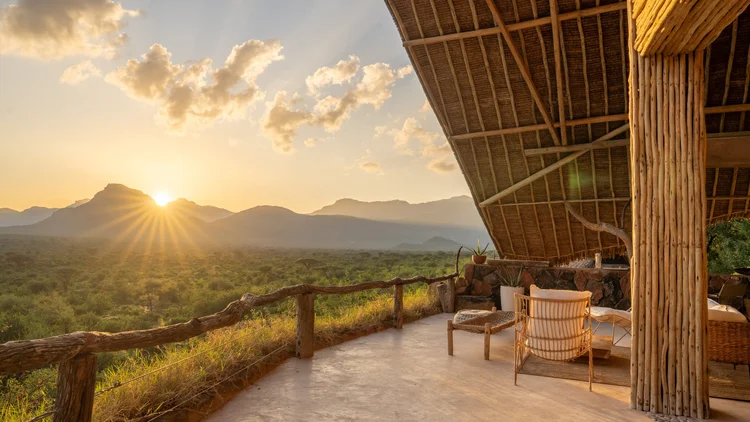
Reteti House
Exclusive-use retreat for families or private groups, only about a 10-minute escorted nature walk from Reteti. Arrange capacity, minimum stay and sanctuary visit separately.
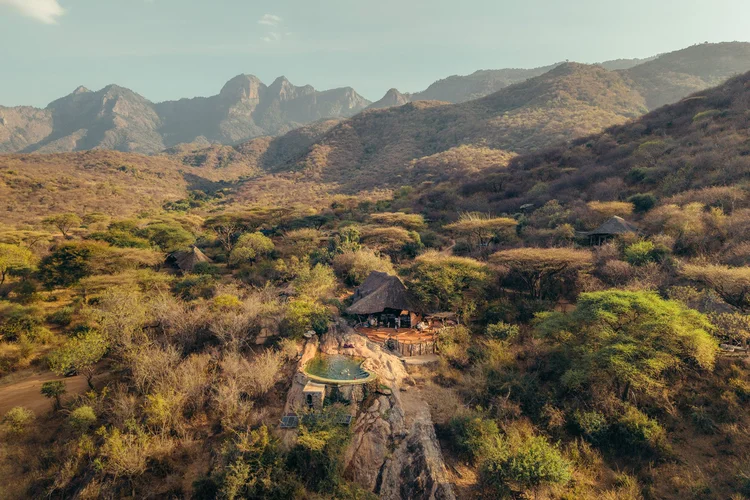
Sarara Camp
Six luxury tented suites with views across the conservancy and elephant-frequented waterholes; about a 45-minute arranged road transfer to Reteti.
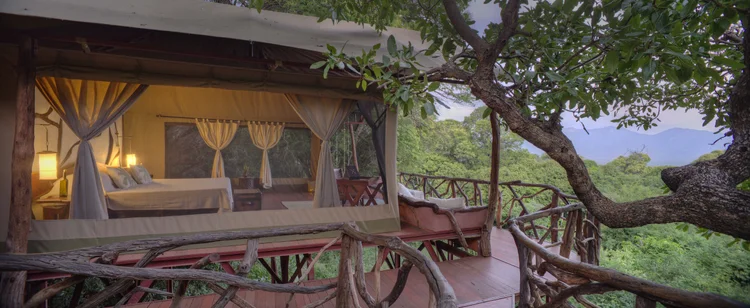
Sarara Treehouses
Eight elevated tented suites near Warges Peak, with forest hikes and a permanent waterhole. Approximately 45 minutes from Reteti by organised drive.
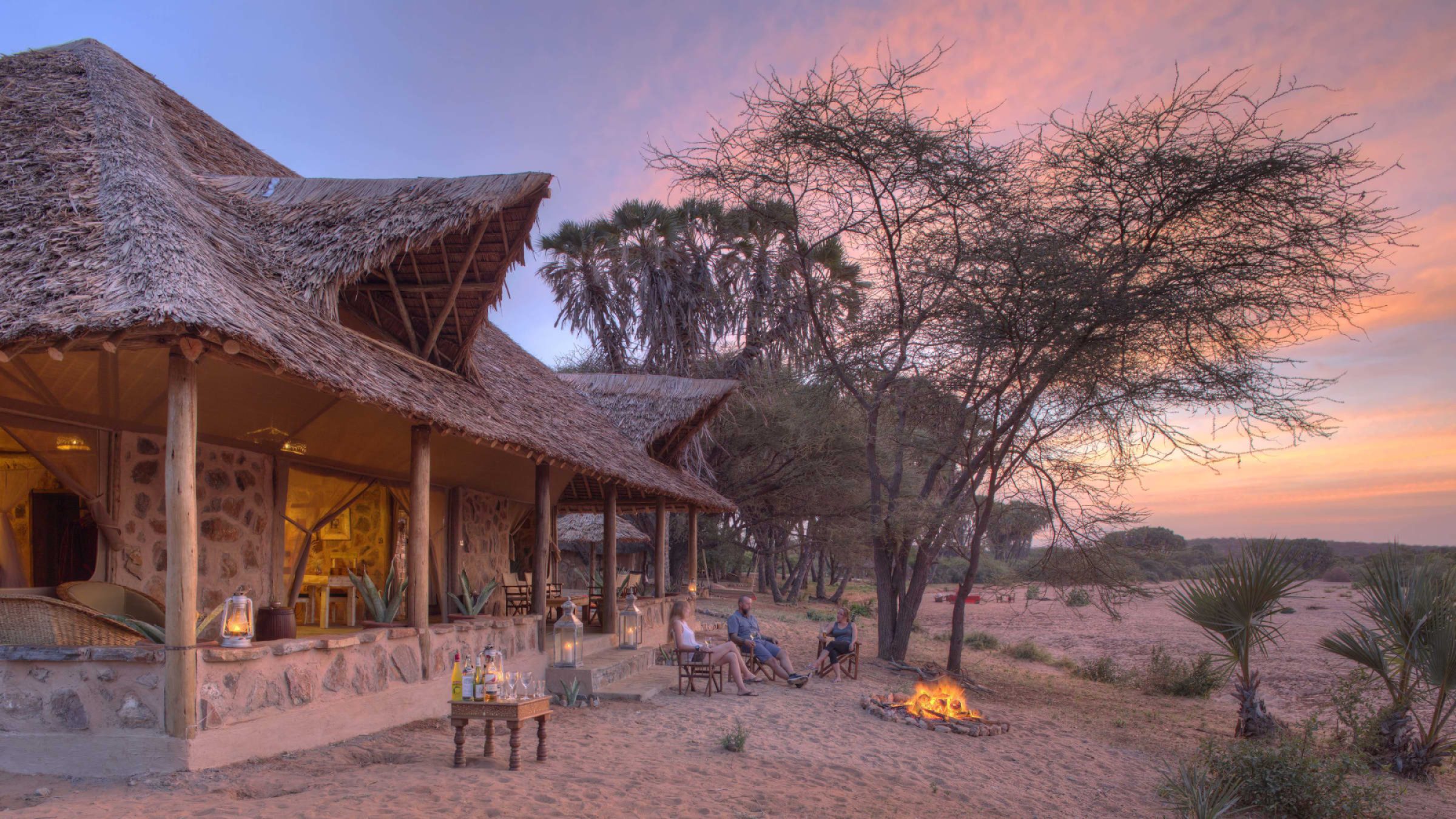
Saruni Rhino
A separate, privately arranged rhino-tracking stay in Sera, not an accommodation option inside Namunyak. Useful as an additional northern Kenya stop; entry and transfers differ.
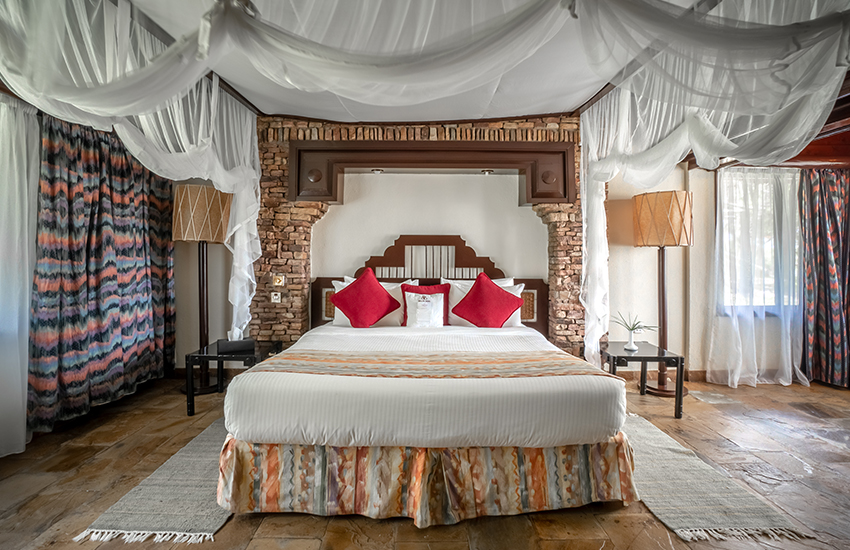
Sarova Shaba Game Lodge
Lodge by the river in Shaba National Reserve. This is a regional Expedia-bookable extension, not a Namunyak gateway or Reteti day-visit guarantee.
Namunyak Conservancy and Reteti FAQ
Is Namunyak a Kenyan national park?
No. Namunyak is a Samburu community conservancy with its own access arrangements, not a Kenya Wildlife Service national park with a standard KWS gate ticket.
Can I visit Reteti Elephant Sanctuary without a lodge booking?
Yes, with an advance confirmed Reteti booking. Reteti operates public midday visits independent of accommodation, but you must organise your own 4×4 transfer and entrance donation.
How far ahead must I book Reteti?
At least 24 hours in advance, subject to space. Same-day visits and walk-ins are not accepted. A reservation is confirmed after the booking and required donation process.
What time is the public Reteti elephant feeding?
The regular public viewing slot is 11:30 am to 1:00 pm, with feeding starting at noon. Private and Sarara guest-only sessions have different windows.
What are Reteti’s current visit donations?
The official minimum is US$75 per international adult, KES 2,000 per Kenyan resident adult, or KES 1,000 per Kenyan citizen adult. The child under-15 fee is US$50 international or KES 500 in either Kenyan category.
Can guests pet or bottle-feed elephants at Reteti?
No. Only trained keepers have physical contact or feed the elephants. Guests watch with Samburu staff to avoid habituating wildlife that may return to the wild.
Is the road suitable for a normal sedan?
Reteti recommends a high-clearance 4×4, particularly for the 19 km dirt access track after Sereolipi. Check conditions directly before travel.
Does Namunyak have an airstrip?
Yes, Reteti and Sarara describe a Namunyak bush airstrip for authorised light aircraft; request current landing permission, coordinates, runway status, operator and transfer details. We do not publish an unverified exact airstrip pin.
Which safari lodges are actually inside Namunyak?
Sarara Camp, Sarara Treehouses and Reteti House are local operator-identified Namunyak properties. Saruni Rhino and Sarova Shaba are in different protected areas and are listed only for regional extensions.
Can visitors walk in the Mathews forest by themselves?
Book a guided hike with your lodge or conservation team. The forest has remote terrain, wildlife and local customary access considerations; do not treat the route as an unrestricted public trail.
Can I visit Reteti and Sera Rhino Sanctuary on the same ticket?
No. Reteti is in Namunyak Conservancy and Sera Rhino Sanctuary is a distinct managed conservation area. Book and pay each independently.
Is Namunyak a reliable place to spot rhinos?
No. Although black rhinoceroses historically lived in this northern landscape, Reteti is an elephant sanctuary and Namunyak is not marketed as a contemporary rhino tracking site. Sera offers specialist guided rhino tracking.
Official visitor links, research and last-check date
Source-check date: 15 November 2026. Reteti public donation and feeding-slot details were taken from the sanctuary’s live visitor page; conditions, rates, road access and safari availability can change without notice.
- Reteti Elephant Sanctuary — official rates, timetable, coordinates, road access and visitor conduct
- Reteti — official advance reservation form
- Reteti — FAQ and 4×4 access guidance
- Sarara — Namunyak community conservancy background and scale
- Sarara — confirmed guided activities and programmes
- Sarara — operator-published lodge GPS, transfers and flight access
- Sarara Camp — property information
- Sarara Treehouses — property information
- Sarara Reteti House — official exclusive-use lodge information
- Mathews forest — ecological assessment and flora context
- Photographic landscape illustration — Gkamadi (CC BY 4.0)