
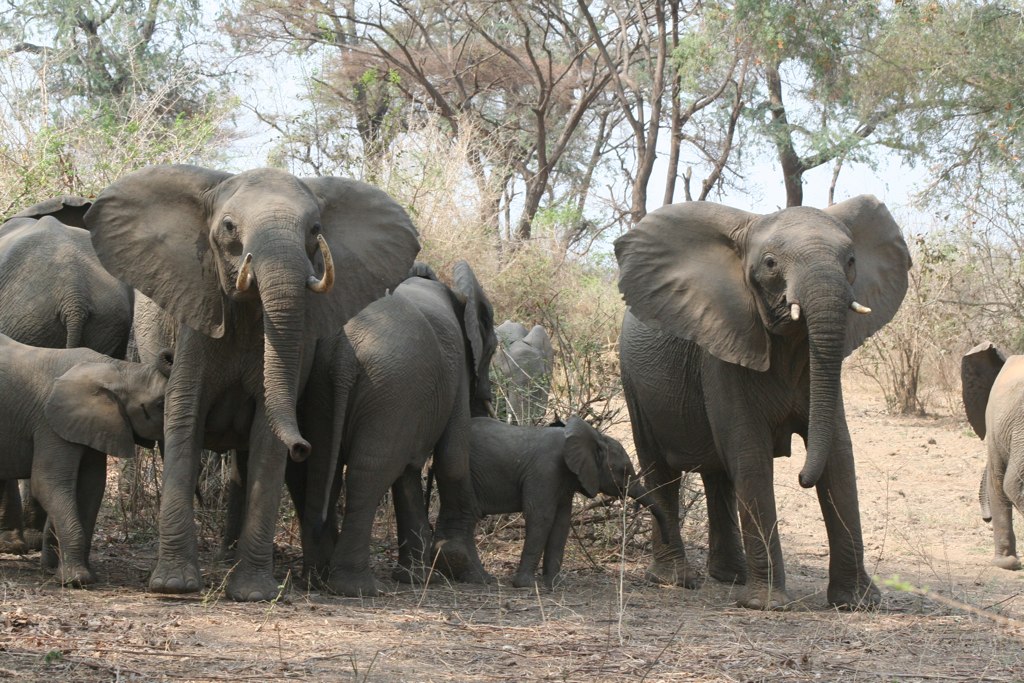
Lower Zambezi National Park Guide
A practical 2026 field guide to Zambia’s river safari park: Chongwe Gate, Royal and Jeki airstrips, canoe and boat safaris, tiger fishing, self-drive reality, central vs eastern safari zones, camps, wildlife, river safety and a detailed planning map.
Lower Zambezi National Park at a glance
Lower Zambezi is a 4,092 km² national park built around one exceptional safari advantage: you can experience the same wildlife landscape by vehicle, on foot and from the water. The Zambezi forms the southern boundary, Zimbabwe’s Mana Pools lies directly opposite, and the Zambezi Escarpment rises behind the valley floor. Most visitor activity happens on the narrow wildlife-rich river terrace rather than across the entire park.
The park is part of a much larger conservation landscape with the Chiawa, Rufunsa and Luano Game Management Areas. Conservation Lower Zambezi describes the combined Lower Zambezi Area Management Unit as nearly 20,000 km², with wildlife moving beyond the national-park boundary. That is why a lodge just west of Chongwe Gate can still feel profoundly wild.
Which Lower Zambezi area should you stay in?
The western Chongwe/Royal area, central Jeki–Old Mondoro corridor and eastern Kulefu–Mushika sector are different safari experiences. The right choice matters more than whether a camp has one extra plunge pool.
| Area | Best for | Typical bases | Planning reality |
|---|---|---|---|
| Chiawa GMA / Chongwe Gate | Road access, value range, easy Royal Airstrip transfers | Chongwe, Royal Zambezi, Baines, Zambezi Grande, Mvuu/Kayila area | Excellent gateway and wildlife corridor. Some properties sit outside the formal national park but operate river and park activities. |
| Western/central park riverfront | Classic all-round safari, canoe + drives | Chiawa, Sausage Tree, Potato Bush | Good mix of river channels, winter-thorn woodland and easy access to multiple activities. |
| Jeki corridor | Fly-in convenience, wild dogs, lagoons, quiet camps | Old Mondoro, Chula; transfers onward to Kutali/Amanzi/Anabezi | Jeki is the central operational air hub. Most guests are collected directly by the booked lodge. |
| Kulefu / eastern park | Low vehicle density, winter-thorn forest, intimate camps | Kutali, Amanzi | More remote and slower to reach from Jeki; excellent for travellers prioritising quiet sightings over rapid transfers. |
| Mushika / far east | Leopard country, buffalo, elephants, exclusivity | Anabezi | Few camps and long distances create private sightings. Kulefu airstrip can shorten private-charter transfers. |
Best time to visit Lower Zambezi
July to October is the classic safari window, but April–June is underrated. The Lower Zambezi Tourism Association notes that many in-park camps close during December–March because of access challenges, while some GMA properties remain open year-round. River levels, grass height and road conditions change the experience dramatically.
April–June
Green, mild and quieter. Long grass can make terrestrial game harder to spot, but the landscape is beautiful and daytime temperatures are easier for walking.
July–September
Best overall. Dry conditions concentrate elephants, buffalo and antelope near the river and make road access more dependable.
October–November
Hot, dramatic and excellent for fishing. Zambia Tourism highlights September–October as prime tiger-fishing months; storms can begin later in the period.
Lower Zambezi fees in 2026: entry vs lodge levies
The public Zambia Tourism fee page has not yet been relabelled as a confirmed 2026 tariff. It currently shows the following figures as official 2025 guidance. Use them to understand the structure, then request the current DNPW/operator total in writing.
| Public Zambia Tourism guidance | Rate | Status |
|---|---|---|
| Zambian citizen | K55.60 pp/day | Published as 2025 guidance |
| Resident / SADC national | US$20 pp/day | Published as 2025 guidance |
| International visitor | US$25 pp/day | Published as 2025 guidance |
| Self-driver charge | US$30 | Published as 2025 guidance; confirm basis/current vehicle charge |
Why your lodge may quote US$85–110 per day
A luxury lodge invoice may use “National Park fee” or “park fees & levies” for a broader bundle than the basic gate tariff. For example, current 2026 Royal Zambezi Lodge rates list a prepaid national-park entry charge of US$85 per person/day, while Zambezi Grande excludes US$110 per person/day for park fee and conservation levy. These are useful budgeting examples, not a universal DNPW gate tariff.
How to get to Lower Zambezi National Park
Fly-in is the cleanest option; road access is entirely realistic for experienced self-drivers in season. The Lower Zambezi Tourism Association currently describes Chirundu as about 143 km south of Lusaka and roughly 2½ hours by road, followed by the Chiawa Road east across the Kafue Bridge into the GMA and toward the national park.
| Access | Current planning detail | Best for |
|---|---|---|
| Lusaka → Royal Airstrip | Proflight currently has daily seasonal flights; in Jun–Oct its morning service reaches Royal at about 07:55 and afternoon service at about 16:00. | Western GMA, Chongwe/Royal/Baines side |
| Lusaka → Jeki Airstrip | Current Jun–Oct daily services arrive around 08:20 and 15:35. Lodge transfer is prearranged. | Central and eastern in-park camps |
| Lusaka → Chirundu → Chongwe Gate | Tar to Chirundu; then increasingly rough gravel through Chiawa/GMA. Use high-clearance 4×4 and arrive with daylight. | Independent road trips, GMA stays |
| Kulefu Airstrip | Private/charter option near the far-east camps; public coordinate ~15.6075°S, 29.8067°E. | Amanzi/Anabezi side |
| River transfer | Several lodges combine road/air with boat transfer; this is booked transport, not a general public ferry service. | GMA and riverfront combinations |
Royal + Jeki operate seasonally
Proflight’s current timetable runs daily Lusaka service through 31 October, then a reduced daily service from 1–15 November. Recheck before buying an international connection.
Use a proper 4×4
Older web pages still mention a pontoon on the western approach, while current LZTA guidance describes crossing the Kafue by bridge. Follow current lodge/DNPW directions, not an old blog GPS track.
Chirundu is the last easy reset
Fill tanks, buy drinking water and check tyres before the rough-road section. Do not assume your park lodge sells fuel to self-drivers.
Do not improvise an eastern crossing
Tracks toward Mushika/Luangwa-side roads are remote, sparsely signed and season-dependent. Use them only with current local route information.
Lower Zambezi map: gates, airstrips, camps, channels and safari zones
The old map had only six pins. This version maps the riverfront network that actually determines a safari. Exact published coordinates are used for major airstrips and many camps; broad habitat/channel markers are explicitly labelled approximate. No live wildlife locations are shown.
Orientation only. The Zambezi’s channels, island shorelines, sandy tracks and seasonal crossings change. Use lodge transfers, current DNPW directions and offline navigation for travel.
Lower Zambezi camps and lodges by safari style
Choose by location first, price second. Two similarly priced camps can produce very different days if one requires an hour-long transfer for the activities you actually want.
| Base | Location / style | Good for | Operating note |
|---|---|---|---|
| Time + Tide Chongwe | Chongwe/Zambezi confluence, GMA edge | Canoeing, Royal Airstrip convenience, first-timers | Zambia Tourism lists April–November operations; wildlife frequently moves through camp. |
| Royal Zambezi Lodge | Western riverfront near Royal Airstrip | Comfort, broad activity menu, easy fly-in | Current lodge rates say it remains open year-round. |
| Chiawa Camp | Inside national park, central-west river | High-level guiding, river/land combination | Pioneer in-park camp; Zambia Tourism currently lists May–November. |
| Sausage Tree / Potato Bush | Central riverfront near Chifungulu Channel | Private guiding, canoeing, catch-and-release fishing | Strong all-round park base with direct river access. |
| Old Mondoro | Near Jeki, lagoons and floodplain | Wildlife-first small camp, leopard/elephant encounters | Seasonal; current Zambia Tourism lists May–November. |
| Chula Island | Zambezi island near Jeki corridor | Intimate mobile-camp feel, river wilderness | Seasonal camp, normally reached via Jeki/boat transfer. |
| Kutali | Kulefu Island, farther east | Low vehicle density, walking and canoeing | Small seasonal mobile camp rebuilt each year. |
| Amanzi | Eastern riverfront near Ngwenya Channel | Quiet river safari, elephants, birding | Jeki transfer is long; Kulefu private charter can shorten access. |
| Anabezi | Far-eastern Mushika floodplain | Remote game viewing, leopard, buffalo, wild dog | Current tourism listings show April–November operation. |
| Kayila / self-drive GMA options | Western Chiawa side | Independent travellers and lower-cost access | Check whether an individual property offers park drives or operates only in the GMA/river corridor. |
A 4-night Lower Zambezi first-trip plan
Arrive + river orientation
After Royal/Jeki transfer, use a short late-afternoon boat session rather than forcing a full game drive. Learn river geography while watching elephants and hippos.
Land safari
Work winter-thorn woodland and floodplain before heat builds. Lion, wild dog and leopard are more likely to reward early starts than a midday chase.
Boat safari
Use the larger boat for photography, birding and relaxed wildlife viewing. It is generally less physically demanding than canoeing.
Canoe safari
Choose a professionally guided channel trip. Follow spacing and hippo instructions exactly; do not paddle toward animals for a photograph.
Walking safari
Use a qualified guide and armed scout where required. Winter-thorn forest is exceptional on foot because tracks, dung, alarm calls and tree ecology become part of the safari.
Choose your specialty
Tiger fishing, second game drive, birding or another river session depending season, heat and what you have already seen.
River vs land: when each is strongest
Boat
Best for relaxed elephant, hippo, crocodile and bird photography; easier with cameras and children where lodge age rules allow.
Canoe
Best for silence and immersion. Requires calm behaviour, strict guide discipline and acceptance that the route may change for hippos or wind.
Game drive
Best for predators, wild dogs, inland plains and covering ground before heat. Night drives are also offered by several operators.
Walk
Best for spoor, plants, small details and understanding dangerous-game behaviour. It is not a method for “getting closer” to elephants.
22 mammals to know in Lower Zambezi
The river terrace concentrates wildlife strongly in the dry season. Habitat and timing matter more than a checklist: waterbuck and hippo are river animals, while leopard and wild dog often reward early drives through woodland and floodplain.
African bush elephant
Large herds and bulls use the river, islands and winter-thorn woodland. Boat and canoe sightings can be exceptional, but guides should always control approach distance and escape space.
African buffalo
Dry-season herds gather on productive river terraces and islands. On foot, dense vegetation and shifting wind make buffalo one of the species your guide treats most cautiously.
Lion
Search open floodplain, shade and prey concentrations in cool hours. CLZ actively monitors lions across the Lower Zambezi ecosystem.
Leopard
Winter-thorn and riverine cover suit leopard. The far-eastern Mushika/Anabezi area is particularly noted by operators for strong leopard habitat.
African painted dog
Lower Zambezi holds monitored packs, including the Jeki Pack. A snared dog from that pack was successfully treated by DNPW, Painted Wolf Foundation and CLZ in June 2026.
Spotted hyena
Night drives and early game drives offer the best chance. Their tracks are common along sandy roads and river edges.
Hippopotamus
Hippos define canoe safety. Never position yourself between a hippo and deep water on land, and follow your guide’s channel choice immediately from a canoe.
Common waterbuck
Frequently visible on floodplain and riverbanks. The broad white rump ring is the easiest field mark.
Puku
Orange-coated antelope of river grasslands. Compare the compact build and uniform colour with impala and waterbuck.
Impala
Large herds are excellent predator indicators. Watch their staring direction and alarm snorts rather than only the animals themselves.
Greater kudu
Dense jesse and escarpment woodland suit kudu. Large ears often appear above bushes before the body.
Plains zebra
Small groups use open grazing areas; Zambia Tourism also lists zebra among common riverbank sightings on canoe trips.
Show 10 more Lower Zambezi mammals
Bushbuck
Solitary antelope of dense riverine cover. Often easiest around quiet channels in early light.
Common warthog
Uses short grass and water-edge openings. Runs with tail upright and frequently kneels while grazing.
Chacma baboon
Large troops forage through woodland and river margins. Secure food in unfenced camps and never encourage animals around dining areas.
Vervet monkey
Common in riverine trees. Alarm calls can reveal terrestrial predators, snakes and large raptors.
Eland
Lower-density browser/grazer of open woodland and plains. Mature bulls have massive shoulders and a pronounced dewlap.
Side-striped jackal
Woodland-associated jackal, heavier and greyer than the black-backed species. Best chance is in cool hours or at night.
African civet
Mostly nocturnal. Night drives can reveal the heavy spotted body and banded tail.
Genet
Small nocturnal carnivore of woodland and camp edges. Long ringed tail and spotted body are distinctive in a spotlight.
Honey badger
Widespread but elusive. Digging signs and tracks are more frequent than direct daytime sightings.
Cape porcupine
Nocturnal and secretive; quills and feeding signs around camps can reveal its presence.
12 Lower Zambezi birds worth learning
The regional tourism association now refers to more than 400 recorded species across the Lower Zambezi landscape. River sandbanks, floodplain, winter-thorn forest and escarpment woodland all add different targets.
African fish eagle
The classic Zambezi call. Adults sit on exposed river trees above productive fishing water.
Southern carmine bee-eater
Seasonal colonies use sandy banks and islands. Do not approach active nest banks closely by boat or on foot.
White-fronted bee-eater
Common along eroded riverbanks, launching from branches or colony banks after insects.
Saddle-billed stork
Huge black-and-white stork of shallow channels and lagoons, with a distinctive red-black-yellow bill.
African skimmer
Specialist of broad rivers and exposed sandbanks. The elongated lower mandible cuts the water while feeding.
Southern ground hornbill
Large family groups walk through open woodland searching for reptiles, insects and small vertebrates.
Bateleur
Short tail and rocking flight make this eagle easy to identify overhead.
Lappet-faced vulture
Large threatened scavenger. Scan thermals and carcass gatherings well beyond the immediate roadside.
Pied kingfisher
Frequently hovers over quiet channels before plunging after fish; excellent on boat safaris.
African jacana
Long toes spread weight across floating vegetation in lagoons and quiet backwaters.
Grey go-away-bird
A characteristic dry-woodland sound, often heard around camps and riverine forest.
Pel’s fishing owl
A rare riverine target, not a guaranteed sighting. Mature quiet woodland beside permanent channels is the habitat to watch.
Lower Zambezi flora: winter thorn, riverine forest, mopane and escarpment woodland
Zambia Tourism describes a thick riverine fringe of ebony and fig, floodplain with mopane and winter-thorn trees, and broadleaf woodland on the hills. That vegetation pattern explains where elephants feed, where leopard visibility changes and why the river terrace carries so much game.
Trees & shrubs
Winter thorn / ana tree
The signature Lower Zambezi tree. It drops protein-rich pods in the dry season, attracting elephants and antelope beneath large pale crowns.
Mopane
Dominates hotter inland flats. Butterfly-shaped leaves fold in heat and are browsed heavily by elephants.
River ebony
Large riverine tree specifically characteristic of the Zambezi fringe; dense shade and fruit support many birds and mammals.
Sausage tree
Large hanging fruits and burgundy flowers make mature riverfront trees unmistakable.
Leadwood
Dense, durable wood produces ancient living trees and ghostly dead trunks that persist for decades.
Natal mahogany
Evergreen riverine tree creating deep shade in better-watered channels and lodge areas.
Ilala palm
Fan palms punctuate sandy flats and drainage systems in suitable parts of the valley.
Baobab
More associated with drier ridges and inland woodland than the lush floodplain; huge trunks provide cavities and shade.
Jesse combretum
Dense jesse scrub can reduce visibility to a few metres, changing both predator searches and walking-safari risk.
Buffalo thorn
Paired straight and hooked thorns are an excellent identification clue; fruit is eaten by birds and mammals.
Grasses, herbs & wetland plants
Guinea grass
Tall productive grass of fertile shaded ground and riverine woodland edges.
Red grass
Better-drained open ground can carry warm red-brown seed heads as the dry season advances.
Finger grass
Nutritious grass that greens rapidly after rain and supports grazing antelope.
Spear grass
Twisted awns catch on fur and clothing; common on drier open ground.
Couch grass
Low, spreading grazing lawns form on moist or heavily used patches.
Sedge communities
Backwaters and receding channel margins support sedges important for insects, frogs and small birds.
Water lilies
Floating leaves and flowers occur in quiet lagoons where flow and depth permit.
Wild hibiscus
Seasonal herbs flower quickly after summer rain in open or disturbed ground.
Morning-glory vines
Fast-growing vines appear on floodplain edges and sandy disturbed ground during the wet season.
Floodplain annuals
As water retreats, short-lived herbs colonise exposed alluvium and create a pulse of forage for insects and herbivores.
Best things to do in Lower Zambezi
1. Guided canoe safari
The signature experience: quiet travel through channels with elephants on banks and hippos in deeper water. Use a licensed operator and follow guide spacing exactly.
2. Boat safari
Superb for photography, fishing, waterbirds and relaxed sundowners. A boat can safely keep more distance from hippos than a canoe.
3. Game drive
Explore floodplain, winter-thorn forest and inland mopane. Several camps also offer legal guided night drives.
4. Walking safari
Track animals with a professional guide and armed scout where required. The value is learning spoor and behaviour, not approaching dangerous game closely.
5. Tiger fishing
September–October is the classic window. Many operators practise catch-and-release and require separate fishing permits—confirm before casting.
6. Wild-dog tracking
CLZ monitors Lower Zambezi painted-dog packs. Sightings remain unpredictable; never pressure a pack or den with multiple vehicles.
7. Birding
Combine sandbanks, lagoons and riverine woodland in the morning, then look for raptors over the valley as thermals build.
8. Goba community visit
Choose a lodge-linked visit designed with local partners so tourism benefit and cultural interpretation stay with the community.
9. Conservation context
CLZ works with DNPW on anti-poaching, wildlife monitoring and community coexistence. Understanding that landscape makes the safari more than sightings.
Lower Zambezi rules and safety that matter
Never self-guide a canoe safari
Hippo channels, current, wind and submerged obstacles are specialist risks. Use an experienced licensed operator.
Hippos need an exit route
On land, never stand between a hippo and deep water. At night around unfenced river camps, use staff guidance.
Crocodiles are bank hazards
Assume natural river edges are unsafe for casual standing, washing or swimming unless your lodge has explicitly designated a safe area.
Walking means guide discipline
Do not leave a guided formation to photograph elephant or buffalo. Wind direction and escape terrain matter more than camera angle.
Roads are seasonal
A track that was easy in September may be unusable in February. Do not rely on one old GPS route as proof of passability.
Wildlife moves through camps
Many camps are unfenced. Do not walk alone after dark; ask for an escort.
Fishing has permits
Confirm current Department of Fisheries/DNPW rules, closed areas, tackle restrictions and catch-and-release policy with your operator.
No live predator locations
Do not publish real-time wild-dog den locations or detailed predator coordinates that encourage crowding.
Carry evacuation cover
The region is remote. LZTA explicitly recommends insurance that covers medical evacuation and safari activities such as canoeing/walking.
Lower Zambezi National Park FAQ
What is the best time to visit Lower Zambezi?
July to October is the classic wildlife season. July–September gives dependable roads and comfortable mornings; October can produce outstanding river wildlife and fishing but is extremely hot.
Can I drive from Lusaka to Lower Zambezi National Park?
Yes in season, preferably in a capable high-clearance 4×4. Drive to Chirundu, then east through Chiawa toward Chongwe Gate. The final gravel/park roads are slow and condition-dependent.
Should I fly to Royal or Jeki Airstrip?
Royal is normally best for western GMA/Chongwe-side camps; Jeki is best for central and eastern in-park camps. Your lodge will specify the correct airstrip and collect you.
Are there giraffes in Lower Zambezi?
No. Zambia Tourism explicitly notes that giraffe are absent from the park. The safari is strongest for elephants, buffalo, hippos, lion, leopard, wild dog and river wildlife.
How much is Lower Zambezi park entry in 2026?
The public Zambia Tourism page still labels US$25 international entry and US$30 self-drive as 2025 guidance. Current lodge invoices can be much higher because they bundle park entry with conservation/community levies. Ask for a written 2026 breakdown.
Is canoeing in Lower Zambezi safe?
It carries real risk from hippos, crocodiles, channels, wind and current. With a professional local guide and strict instructions it is a signature safari activity; it should not be attempted independently.
How many nights should I spend in Lower Zambezi?
Four nights is an excellent first stay. It allows at least one game drive, one river activity, one walking/fishing/birding choice and enough flexibility for weather or wildlife changes.
Can I combine Lower Zambezi with Mana Pools?
Yes geographically, but not by casually crossing the river. They face each other across an international border. Use proper Zambia–Zimbabwe immigration and a booked transfer/flight route rather than treating the Zambezi as an informal crossing.
How this Lower Zambezi guide was checked
See.Africa reviewed this guide on 1 September 2026 against Zambia Tourism, the Lower Zambezi Tourism Association, Conservation Lower Zambezi, current Proflight schedules and current 2026 lodge tariff pages. Where Zambia’s public park-entry page is still labelled 2025, the guide says so rather than presenting it as a confirmed 2026 DNPW tariff.
Hero photo: Paul Kane via Wikimedia Commons, CC BY 2.0. Existing featured-image attachment and URL retained.