
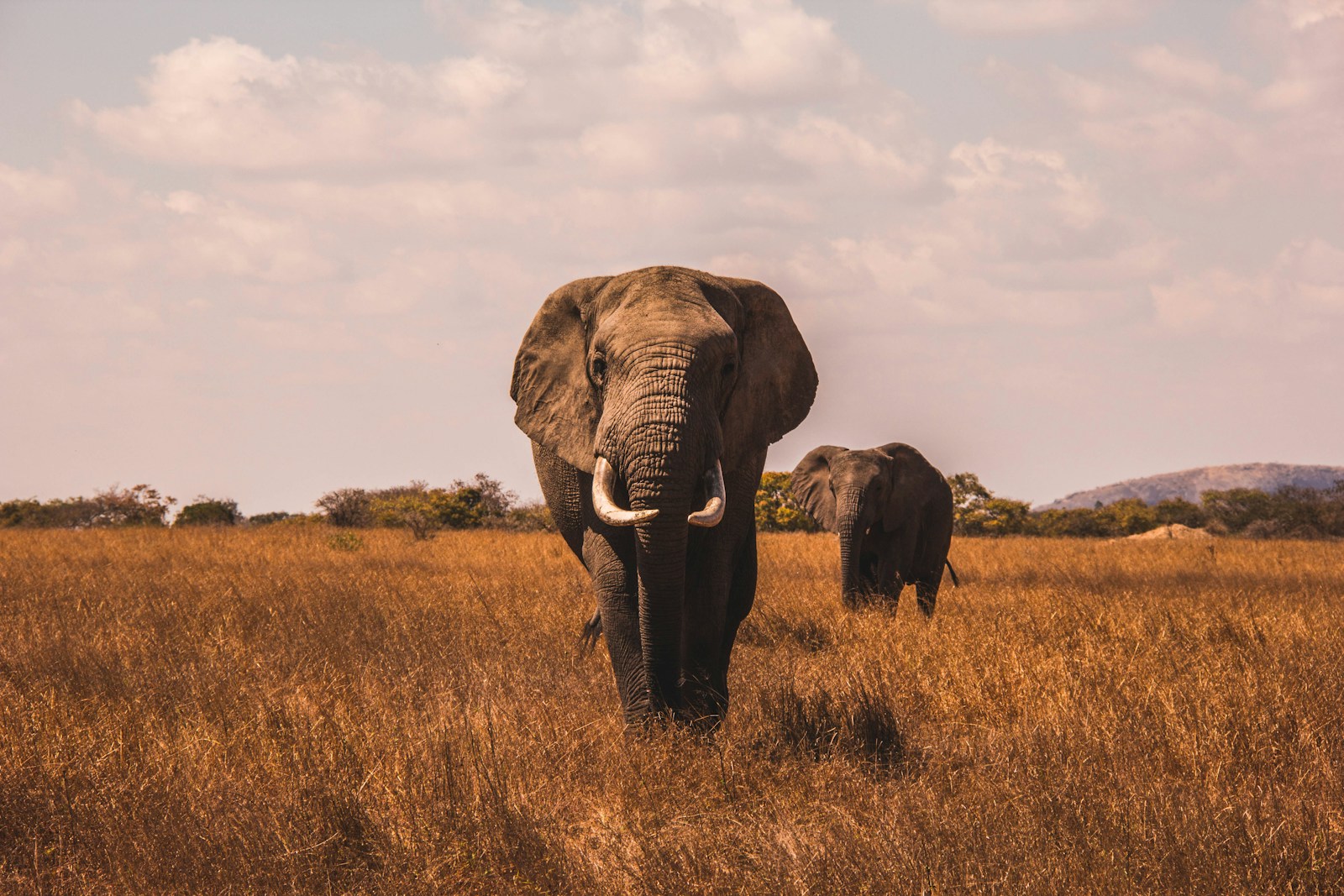
Mashatu Game Reserve Safari Guide
The practical 2026 guide to Mashatu and the Northern Tuli: best time, elephants and big cats, interactive map, Pont Drift access, activities, rates and where to stay.
Mashatu Game Reserve at a glance
Mashatu Game Reserve is a 42,000-hectare private reserve in Botswana’s Northern Tuli Game Reserve. It lies in the far east of the country near the Limpopo and Shashe river systems. The wider Northern Tuli landscape covers about 71,000 hectares and Botswana Tourism records 48 mammal species and more than 350 bird species there.
Quick answers
What is the best time to visit Mashatu?
May to October is the easiest all-round period for first-time wildlife viewing. Vegetation thins as the dry season advances, and Mashatu’s official seasonal guide reports strong predator viewing as animals concentrate around remaining water. November to April is hotter and wetter but excellent for green scenery, migrants and young animals.
May–August
Cool mornings, dry conditions and thinner vegetation. June–July nights can be cold in an open safari vehicle.
September–October
Very productive around water but progressively hotter and drier; early and late drives matter more.
November–February
Summer thunderstorms transform the landscape. Expect heat, dramatic skies, breeding birds and many young herbivores.
March–April
A useful shoulder period as rain becomes less dominant while the bush is still greener than in winter.
How much does Mashatu cost in 2026?
Mashatu is priced as a lodge-and-safari stay rather than a simple park-entry ticket. The official rate page states that 2026 rates remain unchanged from 2025. Current property pages list Mashatu Lodge from US$830 per person per night sharing and Mashatu Tent Camp from US$635 per person per night sharing.
| Option | 2025/2026 published cue | Included safari pattern | Key note |
|---|---|---|---|
| Mashatu Lodge | From US$830 pppn sharing | Guided walk + drive or two game drives per night’s stay | Family-friendly; 14 suites |
| Mashatu Tent Camp | From US$635 pppn sharing | Guided walk + drive or two game drives per night’s stay | Children under 12 not permitted |
| Euphorbia Mashatu | Check live rate sheet | Premium lodge programme with guided safari activities | Higher-end villa stay |
| Safari homes | Per-home pricing | Varies by home/package | Best for private groups; verify inclusions |
How do you get to Mashatu?
The two practical gateways are Pont Drift Border Post and Limpopo Valley Airfield. Mashatu currently describes the road journey as about 6–6.5 hours from Johannesburg and about 2 hours from Polokwane Airport. Scheduled flights from Lanseria to LVA take about 1.5 hours.
Pont Drift by road
Self-drivers or road-transfer guests reach Pont Drift, complete border formalities and then continue with Mashatu’s arranged transfer. River conditions determine whether the Limpopo crossing is by vehicle or cable car.
Limpopo Valley Airfield
LVA sits inside Mashatu. Guests are met by a guide for the onward drive to camp, so wildlife viewing can begin immediately after arrival.
From Gaborone
Mashatu’s current family-travel information gives roughly seven hours by road. Confirm the chosen route and border plan before departure.
Documents
Passports and Botswana immigration/customs formalities apply at international access points. Vehicle documents and entry rules should be checked for your nationality and routing.
Mashatu Game Reserve map
The map shows verified orientation points for Mashatu Lodge, Limpopo Valley Airfield, Mashatu reception and Pont Drift. The optional access layer is a planning sequence only, not turn-by-turn navigation. Follow Mashatu’s current transfer instructions on the ground.
How should you plan a day at Mashatu?
Protect the early morning and late afternoon for guided wildlife time, and use the middle of the day for rest, hides or specialist activities. Exact timings remain flexible because Mashatu adapts drives around season, weather and sightings.
1. Dawn priority
Start with the morning game drive when temperatures are low and predators may still be active.
2. Late-morning reset
Return for breakfast/brunch and review what the guide learned about animal movements.
3. Midday option
Use a waterhole hide, lodge downtime or a pre-booked specialist experience rather than chasing wildlife through the hottest hours.
4. Afternoon strategy
Choose a second game drive or, where booked and suitable, walking, cycling, horseback or photographic activity.
5. Dusk / night
Private-reserve rules allow guided night drives, adding a different set of nocturnal species and behaviors.
6. Keep plans flexible
Weather, river conditions and wildlife movements can change the best plan quickly; local guides should override a fixed itinerary.
How many nights?
| Stay | Best for | What it allows |
|---|---|---|
| 2 nights | Short extension | Good introduction but limited flexibility. |
| 3 nights | Useful minimum | Several prime drives plus one specialist activity if timings work. |
| 4 nights | Best balance | More predator-tracking time and room for a hide, walk, cycle or horse safari. |
| 5+ nights | Photography / slow safari | Deeper habitat coverage and more tolerance for quiet wildlife periods. |
Which mammals can you see in Mashatu?
Mashatu’s strongest wildlife identity is elephants plus predators. Its official wildlife page highlights lion, leopard, cheetah, spotted hyena, black-backed jackal and African wildcat, while the wider Northern Tuli ecosystem supports 48 mammal species. The profiles below focus on animals visitors can realistically look for rather than a complete scientific checklist.
African elephant
Very likely. Watch dry riverbeds, water points and mopane woodland. Family herds are Mashatu’s signature wildlife; give them space and let the guide control positioning.
Lion
Regularly seen. Look on open plains, shaded drainage lines and near concentrations of prey. Early and late drives are usually the most productive.
Leopard
Regular but never guaranteed. Riverbeds, large trees and rocky cover are key places to scan; Mashatu is especially noted for leopard viewing.
Cheetah
Good chance in open country. Scan plains and sparse woodland edges where cheetahs can see and pursue medium-sized antelope.
Spotted hyena
Regular. Often active after dark and around predator activity. Rounded ears and a sloping back are useful field marks.
Black-backed jackal
Common small predator. Often seen trotting open ground or shadowing larger carnivores; the dark saddle contrasts with rusty flanks.
African wildcat
Possible, especially at night. A slim, grey-brown cat with banded legs and tail; sightings are usually brief.
Southern giraffe
Common. Scan woodland and river margins for browsers; bulls are particularly conspicuous above mopane and acacia-type vegetation.
Common eland
Regular but less dense than impala. Africa’s largest antelope; look for heavy shoulders, a dewlap and faint body stripes.
Greater kudu
Common. Favors wooded river corridors and thickets. Adult males carry long spiral horns and can disappear surprisingly easily into cover.
Blue wildebeest
Common plains game. Usually found on open grassland and floodplain margins, often with zebra.
Plains zebra
Common. Open plains, tracks and water approaches are productive; family groups frequently mix with wildebeest.
Impala
Very common. Woodland edges and open savanna hold large herds; alarm snorts can point guides toward nearby predators.
Waterbuck
Localised. Look closer to permanent or semi-permanent water and greener riverine vegetation.
Steenbok
Regular but easy to miss. Usually solitary in open scrub; its small size, large ears and habit of freezing make careful scanning worthwhile.
Common duiker
Occasional. Often seen darting from denser cover; the dark forehead blaze helps separate it from steenbok.
Bushbuck
Localised to thicker cover. Scan riverine woodland and dense vegetation rather than open plains.
Klipspringer
Localised. Rocky kopjes and sandstone outcrops are the place to look; pairs often stand high on boulders.
Common warthog
Common. Grazes short grass and often trots away with tail upright; frequently uses old burrows.
Chacma baboon
Common. Troops use cliffs, riverine trees and open ground; listen for barks and watch social behavior from a respectful distance.
Vervet monkey
Common around riverine woodland. Smaller and more arboreal than baboons; often detected by alarm calls.
Bat-eared fox
Possible, especially on open ground. Huge ears and a dark facial mask are distinctive; often more active near dusk or after dark.
Caracal
Uncommon. A secretive medium-sized cat; long black ear tufts are diagnostic if you are lucky enough to see one.
Serval
Uncommon and habitat-dependent. Tall legs and oversized ears suit hunting in rank grass and wetter margins; sightings are a bonus rather than an expectation.
Likelihood is qualitative and seasonal, not a sighting guarantee. Guides adapt routes to current animal movements and conditions.
Which birds should you look for in Mashatu?
Mashatu records more than 350 bird species and more than 50 raptor species. Summer brings migrants and breeding activity; dry-season viewing can be excellent for raptors and large terrestrial birds in open country.
Kori bustard
One of Mashatu’s celebrated “giants.” Look on open plains for a huge, long-legged bird walking slowly through grass.
Common ostrich
Frequent in open country. The enormous size and powerful legs make identification immediate.
Southern ground hornbill
Search open woodland and grassland for family groups. Deep booming calls can reveal birds before they are seen.
Lilac-breasted roller
A conspicuous perch-hunter on exposed branches and roadside snags; bright turquoise and lilac plumage are unmistakable.
African fish eagle
Most likely along larger river pools and wetland areas; the ringing call often carries far across water.
Bateleur
Watch the sky for a short-tailed eagle rocking from side to side on long wings while searching for carrion and prey.
Martial eagle
A very large eagle of open woodland. Adults show a dark head and upperparts with spotted white underparts.
Tawny eagle
A variable brown eagle often found around open savanna and carcasses. Shape and behavior are more useful than colour alone.
African hawk-eagle
A powerful woodland eagle; adults have boldly streaked underparts and often hunt from elevated perches.
Pel’s fishing owl
A specialist and difficult sighting associated with mature riverine woodland and water. Treat any encounter as exceptional.
Spotted eagle-owl
A regular nocturnal owl in rocky and wooded habitat; orange-yellow eyes and ear tufts help identification.
African scops owl
Tiny, cryptic and usually detected by its repeated call at night rather than by sight.
White-fronted bee-eater
Often associated with riverbanks and sandy cuttings; the white forehead, red throat and aerial insect-hunting stand out.
Woodland kingfisher
A classic summer sound. Migrants return with the rains; look for bright blue wings and a red-and-black bill.
What grows in Mashatu?
Mashatu combines mopane woodland, open plains, riverine woodland, rocky sandstone ridges and seasonally wet margins. That habitat variety is central to the reserve’s wildlife density.
Trees & shrubs
Mashatu / nyala tree
The reserve’s namesake tree, strongly associated with riverine habitat. Large crowns provide shade, food and structure for wildlife.
African baobab
An iconic “giant” of Mashatu’s rocky landscapes. Massive trunks store water and make old trees easy landmarks.
Mopane
Dominant across large parts of the reserve. Butterfly-shaped leaves are easy to recognize; elephants feed heavily on mopane in the dry season.
Sycamore fig
A large riverine fig that provides shade and fruit for birds, primates and other wildlife.
Candelabra tree
A striking succulent tree of rocky terrain, with upright candelabra-like branches. Avoid contact with the irritating latex.
Leadwood
A dense, long-lived woodland tree; dead trunks can persist for many years and are common visual features in dry savanna.
Knob thorn
Recognizable by paired dark knobs along older stems. Flowers and foliage support many insects and browsers.
Purple-pod cluster-leaf
A characteristic southern African shrub/tree of dry woodland, notable for colourful winged fruits.
Apple-leaf
A broad-crowned savanna tree with grey-green foliage; useful shade and browse in mixed woodland.
Ana tree
A river-associated acacia relative with pale bark and nutritious pods; best looked for along larger drainage lines.
Flowers, grasses & wetland plants
Devil thorn
Mashatu’s summer updates describe carpets of yellow-flowered “devil thorns” after rain. The spiny fruits are less welcoming than the flowers.
Red grass
A widespread perennial grass of southern African savanna; reddish seed heads are most obvious later in the growing season.
Silky bushman grass
A drought-tolerant grass of sandy, open ground; fine awns give mature seed heads a soft appearance.
Common finger grass
Productive grazing grass with finger-like seed heads, most visible after the rains.
Guinea grass
A taller grass favoring more fertile, shaded or riverine sites; useful cover for small animals and birds.
Couch grass
Low mat-forming grass often seen on disturbed ground and near moisture, especially around frequently used wildlife areas.
Lovegrass
One of several lovegrasses typical of dry savanna; fine branching seed heads require close inspection for exact species ID.
Common reed
Found where water persists along river margins and wet depressions, forming tall stands used by birds and smaller wildlife.
Bulrush
A wetland plant of marshy margins and slow water, recognizable by its cylindrical brown flower spikes.
African dayflower
A low herb that responds quickly to summer rain; blue to yellowish flowers appear in the greener months.
Best Mashatu safari experiences
1. Guided game drives
The core experience: open 4×4 vehicles, experienced guides, responsible off-road positioning and strong elephant/predator viewing.
2. Night drives
Private-reserve guiding allows after-dark wildlife viewing with spotlights under ranger control.
3. Photographic hides
Low-angle hide sessions are one of Mashatu’s signature experiences, particularly around water.
4. Guided walking
Shift attention to tracks, plants, geology and smaller wildlife with a qualified guide.
5. Horseback safari
A specialist activity for suitably experienced riders; current riding requirements should be confirmed before booking.
6. Cycling safari
Guided mountain-bike experiences use elephant paths and are adapted to the fitness and strength of riders.
7. Confluence / landscape visits
Where offered, visits toward the Botswana–South Africa–Zimbabwe confluence add geological and geographic context.
8. Sleepout / specialist photography
Seasonal sleepout-hide and specialist photo packages can add a very different nocturnal perspective.
Where should you stay in Mashatu?
Choose by atmosphere and group type rather than wildlife access alone: all stays operate within the same reserve system, but the scale, child policy and privacy differ.
| Stay | Best for | Style | Family note |
|---|---|---|---|
| Mashatu Lodge | First visit / families | 14-suite full-service lodge | Children of all ages welcome; game-drive rules vary by age |
| Mashatu Tent Camp | Smaller, intimate safari | 8 private tents | Children under 12 not permitted |
| Euphorbia Mashatu | Luxury / privacy | Villa-style premium stay | Check current age policy |
| Kolokolo / Shalimpo | Families or private groups | Exclusive-use safari homes | Check exact package and activity inclusions |
Which rules matter most at Mashatu?
Guided reserve
Wildlife drives, off-road approaches, night drives and specialist activities are conducted under Mashatu guide/ranger control; do not treat private reserve tracks as public self-drive roads.
Follow ranger instructions
Vehicle positioning, walking distances, hide behavior and wildlife approach rules are situational. Current guide instructions override general advice here.
Pont Drift is an international border
Carry the required passport and travel documents and comply with Botswana/South African immigration and customs procedures.
Children policies differ
Mashatu Tent Camp currently excludes children under 12. Mashatu Lodge welcomes children, but activity restrictions can apply to younger children; verify at booking.
Walking, cycling and riding
These are guided specialist activities with suitability requirements. Horse safaris in particular are aimed at experienced riders.
Wildlife at camp
Wild animals move through the reserve and around waterholes. Never approach or feed wildlife; use staff guidance when moving around camp.
Mashatu Game Reserve FAQ
How big is Mashatu Game Reserve?
42,000 hectares (about 420 km²). Mashatu gives this as its current reserve size.
Where is Mashatu?
In eastern Botswana within the Northern Tuli Game Reserve, close to the Limpopo and Shashe river systems and the borders with South Africa and Zimbabwe.
What is the best time to visit Mashatu?
May to October for easier dry-season wildlife viewing; November to April for greener scenery, summer birds and young animals.
How much is Mashatu in 2026?
Official 2025/2026 property pages list Mashatu Lodge from US$830 pppn sharing and Mashatu Tent Camp from US$635 pppn sharing. Recheck exact dates and inclusions before booking.
Can you self-drive in Mashatu?
Not as a public self-drive game reserve. Guests use guided Mashatu activities; self-driving can be used to reach the arranged access point.
Are there elephants in Mashatu?
Yes—elephants are the reserve’s signature wildlife. Mashatu is particularly known for large herds on private land.
Can you see leopards in Mashatu?
Yes. Mashatu is well known for big-cat viewing, including leopard, lion and cheetah, although sightings are never guaranteed.
How do you fly to Mashatu?
Via Limpopo Valley Airfield inside the reserve. Mashatu currently operates/coordinates scheduled connections from Lanseria as well as private charter options.
Is Mashatu part of Northern Tuli?
Yes. Mashatu is one of the major private reserves within the larger Northern Tuli Game Reserve conservation landscape.
How this guide was checked
See.Africa reviewed time-sensitive information on 22 September 2026. Reserve size, access, activities, seasons, child policies and rates were checked against Mashatu’s current first-party pages. Wider Northern Tuli size and biodiversity figures were checked against Botswana Tourism Organisation. Map points are orientation points; official border, ranger and transfer instructions override the map.