
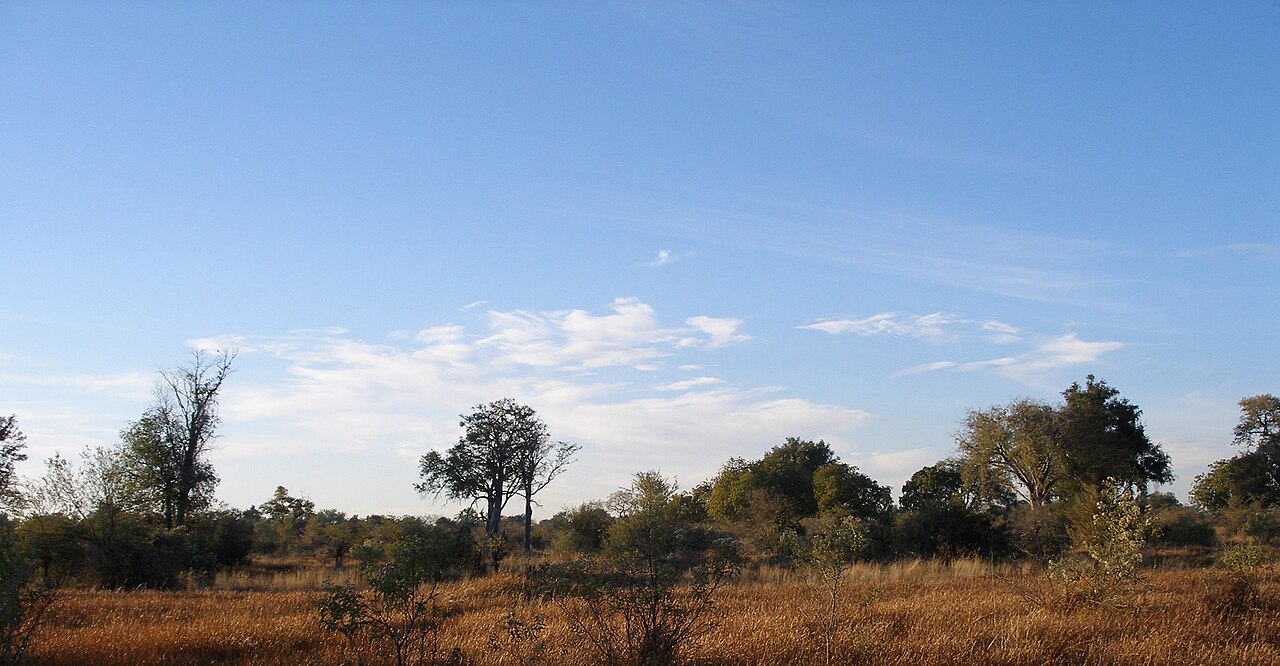
Moremi Game Reserve Guide
The practical 2026 guide to Moremi Game Reserve: best time to visit, South Gate, Khwai and North Gate, Xakanaxa, Third Bridge, interactive map, wildlife, self-driving and how to plan your safari.
Moremi Game Reserve at a glance
Moremi Game Reserve is the protected heart of the eastern and central Okavango Delta in northern Botswana. It combines dry woodland and islands with seasonal floodplains, permanent channels, lagoons and grasslands. Botswana Tourism Organisation describes the reserve as roughly 3,900 km² and notes more than 400 bird species. Moremi was proclaimed in 1963 after an initiative by the Batawana people of Ngamiland, making its conservation history as distinctive as its wildlife.
Best time to visit Moremi Game Reserve
For most first-time visitors, May to October is the best overall period for Moremi Game Reserve. Botswana Tourism Organisation says game viewing is usually best through the dry winter and spring period as animals concentrate near rivers, pools and waterholes. The green season from roughly November to March is warmer and wetter but brings lush scenery, young animals and excellent migratory birding.
For classic wildlife
July–October is the strongest default. Vegetation is drier and wildlife often gathers around productive floodplain and water areas.
For comfortable weather
May–August brings cooler, drier conditions, but dawn drives can be genuinely cold. Pack warm layers even in sunny Botswana.
For birds + green scenery
November–March brings migratory birds, breeding activity and dramatic green landscapes. Tracks can be wetter and more difficult.
Which Moremi safari area is best?
For a first Moremi safari, combine the Xakanaxa–Third Bridge zone with either South Gate woodland or the Khwai/North Gate side. Each area feels different, and moving between them is part of the safari rather than simply a transfer.
| Area | Best for | Character | Planning note |
|---|---|---|---|
| Xakanaxa | Lagoon scenery, mixed wildlife, birding | Water, floodplain and woodland close together | Strong base for a first trip; airstrip access also makes it useful for fly-in safaris. |
| Third Bridge | Self-drive camping, sunsets, varied game | Floodplain, papyrus and woodland mosaics | Road conditions and water crossings can be important; never assume the direct route is passable. |
| Khwai / North Gate | Predators, elephants, northern circuit | Riverine woodland and floodplain edge | Useful for combining Moremi with the Khwai community area or Chobe/Savuti circuit. |
| South Gate | Access from Maun, woodland wildlife | Drier mopane and sandveld | Usually the practical entry point from Maun; allow substantial time before continuing deeper into the reserve. |
Moremi entrance fees and permits
Do not rely on an old Moremi fee table when budgeting a 2026 trip. Botswana reviewed tourism and wildlife user fees during 2026. In April, the Ministry of Tourism and Environment stated that no tourism-sector user-fee increase had yet been implemented and that the review process was ongoing. Earlier proposals had discussed raising the non-resident park-entry fee from P380 to P500, but travellers should verify the live tariff before payment.
Park entry
Confirm current per-person park entry and vehicle charges with the Department of Wildlife and National Parks or your booked operator/campsite before travel.
Camping
Campsite reservations and campsite fees are separate from park access. Prime Moremi camps can sell out far in advance in peak season.
How to get to Moremi Game Reserve
Maun
Maun is the normal starting point for Moremi road safaris, mobile safaris, supply runs and light-aircraft transfers.
South Gate
The classic self-drive route approaches Moremi from Maun toward South Gate. The road becomes increasingly sandy and remote, so fuel, tyres and recovery equipment matter.
North Gate / Khwai
North Gate sits on the Khwai side and is useful for itineraries linking Moremi with Khwai, Savuti or Chobe.
Fly to Xakanaxa
Light-aircraft flights from Maun serve airstrips in and around the reserve. Fly-in camps arrange onward vehicle or boat transfers according to location and water conditions.
Do not trust generic road time
Moremi’s tracks are safari roads, not ordinary highways. Deep sand, standing water, detours and wildlife can dramatically change transfer time.
Moremi Game Reserve map: gates, camps and safari areas
Use this map to understand the relationship between Moremi’s main access points and safari zones. Pins are approximate orientation points, not navigation instructions.
The optional route is a planning sequence only. It is not a statement that every track or water crossing is passable on your travel date. Follow current DWNP/ranger advice, official signage and your campsite or operator instructions on the ground.
How many days do you need in Moremi?
Three nights is a useful minimum for Moremi; four nights is better for a first independent trip. More time allows you to explore two different habitat zones without turning every day into a long transfer.
Day 1: Maun → South Gate
Enter from the south and use the afternoon for woodland and floodplain-edge wildlife rather than trying to reach the far side of the reserve immediately.
Day 2: Xakanaxa
Focus on lagoon edges, floodplains and nearby woodland. Early and late drives usually provide the best light and predator activity.
Day 3: Third Bridge circuit
Explore the more water-influenced western/central tracks if current conditions allow. Keep route alternatives in mind before committing to crossings.
Day 4: Khwai / North Gate
Finish toward the northeast for riverine wildlife and a logical onward connection to Khwai or a northern Botswana circuit.
Can you self-drive Moremi Game Reserve?
Yes. Moremi is one of Africa’s classic self-drive safari destinations, but it is not an easy beginner road trip. Botswana Tourism Organisation explicitly highlights Moremi as a leading self-drive camping destination. A high-clearance 4×4 is essential, and travellers should be comfortable with deep sand, remote tracks and potentially flooded sections.
Vehicle
Use a genuine 4×4 with good tyres, full-size spare tyres, jack, compressor, recovery points and appropriate recovery equipment.
Navigation
Carry an offline map and current local route advice. Tracks can split repeatedly, and a route that was usable last season may not be your best option now.
Water crossings
Never enter a crossing simply because another vehicle once did. Depth, bottom condition and flow change. Ask rangers, guides or recent drivers first.
Fuel + supplies
Start from Maun with adequate fuel, water, food and contingency. Do not assume you can buy basics inside the reserve.
A practical Moremi self-drive day
Dawn: start with one wildlife objective
Leave camp at the first permitted opportunity and work a nearby floodplain, lagoon edge or woodland zone rather than immediately driving a long transfer.
Morning: follow habitat, not mileage
Use fresh tracks, alarm calls and recent ranger or guide information. Moremi rewards patient searching far more than racing between named points.
Midday: reset before the return leg
Use the hotter hours for a safe rest, route check, tyre check and offline-map review. Reconfirm any water crossing before committing to it later in the day.
Afternoon: work back with a buffer
Choose a productive area that naturally leads toward camp or your exit. Leave generous time for wildlife delays, sand, detours and changing track conditions.
20 mammals to know in Moremi Game Reserve
Moremi’s mix of wet and dry habitats supports exceptional predator and herbivore diversity. Botswana Tourism Organisation describes the reserve as supporting the region’s major naturally occurring herbivores and carnivores.
African bush elephant
Herds use woodland, floodplains and water points throughout Moremi.
Lion
Look around prey-rich floodplains, woodland edges and shaded resting areas after morning activity.
Leopard
Riverine and mature woodland provide the best habitat to search quietly at dawn and dusk.
African wild dog
Moremi is famous for wild dogs, but packs cover large areas and sightings remain unpredictable.
African buffalo
Large herds concentrate around productive grazing and permanent water.
Hippopotamus
Common in deeper channels and lagoons; never approach water edges casually.
Red lechwe
A classic Okavango antelope adapted to shallow-water and floodplain habitats.
Plains zebra
Often found on open grazing areas with wildebeest and other plains game.
Giraffe
Frequently seen browsing dry woodland and islands above the floodplain.
Spotted hyena
Listen for calls at night and scan open ground around dawn.
Show 10 more Moremi mammals
Cheetah
Uncommon but possible in suitable open, dry country with room to hunt.
Blue wildebeest
Uses grassland and floodplain edges, often with zebra.
Impala
Common around woodland edges and mixed savanna.
Tsessebe
A fast antelope often associated with productive open grassland.
Greater kudu
Look in thicker woodland and scrub on drier ground.
Sable antelope
A striking but less predictable woodland antelope.
Common warthog
Frequently seen on short grass and track edges.
Sitatunga
An elusive swamp antelope of dense wetland vegetation.
Steenbok
A small solitary antelope of drier open woodland and scrub.
Black-backed jackal
An alert small predator and scavenger of open habitat.
10 Moremi birds worth learning
African fish eagle
Common around larger waterways and lagoons.
Wattled crane
A flagship floodplain bird and a special Okavango sighting.
Slaty egret
A regional wetland speciality of shallow flooded grasslands.
African jacana
Long toes let it walk across lily pads and floating vegetation.
Malachite kingfisher
A tiny colourful bird of reed edges and quiet channels.
Saddle-billed stork
A huge wetland stork often seen in shallow water.
Southern ground hornbill
A large terrestrial hornbill of the drier woodland mosaic.
Lilac-breasted roller
A colourful roadside favourite on exposed perches.
Bateleur
A distinctive short-tailed eagle that patrols broad areas.
African pygmy goose
A tiny colourful waterfowl species associated with floating vegetation.
Trees, shrubs and wetland plants of Moremi
Moremi is a mosaic of dry islands, mopane woodland, riverine trees, floodplain, papyrus channels and seasonal marsh. The plants you see change quickly with water depth and soil.
Trees & shrubs
Mopane
Dominant on much drier ground; the paired leaflets resemble butterfly wings and often turn coppery late in the dry season.
Sausage tree
A riverine tree recognised by its heavy hanging fruits; productive trees can attract browsers and many birds.
Jackalberry
A large evergreen or semi-evergreen shade tree of better-watered islands and woodland.
Leadwood
Long-lived woodland tree with dark, deeply fissured bark and very dense timber.
Makalani palm
Fan palms create one of northern Botswana’s most recognisable silhouettes on sandy, seasonally wet ground.
Knob-thorn
A savanna tree of drier islands and woodland, with conspicuous dark knobs on older trunks.
Silver cluster-leaf
Pale silvery foliage helps identify this common sandy-soil tree on the reserve’s drier ground.
Fever berry
A moisture-associated tree around riverine woodland and floodplain margins.
White raisin
A shrub or small tree of woodland and scrub; its fruits are used by wildlife and people in southern Africa.
Umbrella thorn
A familiar flat-topped savanna tree on suitable drier ground, important as browse and shade.
Flowers, reeds & wetland understory
Papyrus
Tall sedge forming dense walls along permanent and semi-permanent channels.
Common reed
Dense reedbeds provide nesting, feeding and cover for wetland birds and smaller wildlife.
Blue water lily
Floating leaves and conspicuous flowers occur in calmer lagoons and backwaters.
Hippo grass
A robust wetland grass associated with slow water and floodplain edges.
Bulrush / cattail
Dense stands grow in shallow marsh and protected wetland margins.
Pondweeds
Submerged and floating-leaved plants of quieter freshwater channels that shelter aquatic life.
Water smartweeds
Wetland herbs occurring along seasonally flooded margins and shallow water.
Water primroses
Wetland herbs of marshy margins; yellow flowers are useful clues, though exact species ID can be difficult.
Floodplain sedges
Grass-like sedges form important flooded lawns and grazing habitat across the Delta mosaic.
Water lilies
Several water-lily forms may be encountered; floating pads are especially conspicuous from lagoon and channel edges.
Best Moremi safari experiences
1. Dawn game drive
Use the coolest hours for predators, fresh tracks and soft photography light.
2. Xakanaxa lagoon safari
Explore the meeting point of woodland, lagoon and floodplain habitat.
3. Third Bridge sunset
The Third Bridge area is known for papyrus, water and classic Okavango evening light.
4. Wild-dog tracking
Ask guides or recent travellers about current pack movements, but never build a day around a guaranteed sighting.
5. Birding drive
Slow down around lagoons, flooded grassland and woodland edges for cranes, kingfishers, storks and raptors.
6. Combine with Khwai
Add the Khwai area outside Moremi for a contrasting safari and a logical route toward Savuti or Chobe.
Rules that matter in Moremi Game Reserve
Follow current ranger and gate instructions
Roads, water crossings, campsite access and local restrictions can change with flood conditions. Current DWNP, ranger and campsite instructions override any online route suggestion.
Give wildlife right of way
Do not crowd elephants, predators or animals approaching water. Keep enough distance for animals to choose their own direction and never use the vehicle to pressure a sighting.
Stay on authorised tracks
Use established, permitted safari tracks and avoid creating new routes through floodplain or woodland habitat. If a track is flooded or damaged, turn back rather than widening it.
Treat every water crossing as a fresh decision
Depth and bottom condition can change quickly. Ask rangers, guides or very recent drivers before committing, and do not copy another vehicle blindly.
Moremi Game Reserve FAQ
What is the best time to visit Moremi Game Reserve?
May to October is the best overall period for most first-time visitors. July to October is particularly strong for dry-season game viewing, while the green season offers lush scenery and excellent birding.
How many days do you need in Moremi?
Three nights is a useful minimum, while four nights is better for a first visit. The extra time lets you explore more than one area without rushing difficult safari roads.
Can you self-drive in Moremi Game Reserve?
Yes, but you need a capable high-clearance 4×4 and appropriate experience. Deep sand, water crossings, remote tracks and changing conditions make Moremi substantially more demanding than a normal road trip.
What are the main gates of Moremi?
South Gate is the standard approach from Maun, while North Gate connects the reserve with the Khwai side. Your best gate depends on your campsite, lodge and onward route.
What are the best safari areas in Moremi?
Xakanaxa, Third Bridge and the Khwai/North Gate side are the best-known first-trip areas. South Gate woodland adds a drier habitat and is the practical approach from Maun.
Is Moremi part of the Okavango Delta?
Yes. Moremi protects important central and eastern parts of the Okavango Delta, but it does not cover the entire Delta.
Can you see African wild dogs in Moremi?
Yes. Moremi is one of Botswana’s notable areas for African wild dogs, but packs move widely and sightings cannot be guaranteed.
Do I need to book campsites in advance?
Yes, especially in the dry-season peak months. Moremi’s best-known public campsites have limited capacity and can fill well ahead of travel.
How this guide was checked
See.Africa reviewed time-sensitive information on 15 September 2026 against Botswana Tourism Organisation and Botswana Government material. Road conditions, flood levels, campsite availability and fees can change; current ranger, operator and authority instructions override this web guide.