
Mkhaya Game Reserve Guide
Rare antelope, rhino conservation and intimate ranger-led safaris: visiting Stone Camp and Eswatini’s protected lowveld.
Checked 12 October 2026 • Reserve entry requires prior arrangementMkhaya Game Reserve at a glance
Mkhaya Game Reserve in Eswatini is a conservation-focused, guided-safari reserve renowned for white and black rhinos, elephants and rare antelope breeding programmes. Unlike Hlane and Mlilwane, it is not a public self-drive attraction: visits and transfers are arranged through Big Game Parks.
Quick answers
When is the best time to visit Mkhaya?
May to September generally has cooler, drier conditions that suit guided wildlife drives and walks. Warm rainy-season months can bring lush scenery and excellent birding but less concentrated viewing and wetter tracks. A ranger decides safe access and routes.
Dry-season safari
Cool morning temperatures, open sightlines and comfortable outdoor activity.
Wet-season wildlife
More green growth, softer light and active birdlife; pack rain protection.
How much does Mkhaya Game Reserve cost?
Mkhaya operates as a pre-booked, guided safari. The full rate depends on whether you choose a day package or Stone Camp accommodation, included meals, guides and transfers, and your chosen date. General conservation fees from other Big Game Parks properties must not be presented as a complete Mkhaya package price.
How do you get to Mkhaya and Stone Camp?
The reserve is in Eswatini’s lowveld, accessed by operator-arranged collection near Phuzumoya. Confirm your meeting point, arrival time and transfer arrangements with Big Game Parks. A general reserve map pin does not mark a public gate or permission to drive inside.
From Manzini
Travel towards the southeastern lowveld according to the operator’s confirmed directions. Allow time for arrival checks and the arranged departure.
From South Africa
Check border hours and vehicle paperwork, then follow the precise written joining instructions.
Stone Camp is an organised overnight stay, not a freely accessible campsite. Ask about electricity, charging, meals, walking eligibility and age policies before confirming.
Mkhaya interactive map: reserve and meeting-point orientation
This OpenStreetMap view gives broad regional orientation: reserve area, nearby towns and the general collection locality. Coordinates are approximate; do not navigate to a map point as though it were the reserve’s authorised access gate.
Planning markers show an arrival sequence, not a route into the reserve. Only the operator may specify the approved entry or pickup location. © OpenStreetMap contributors.
How should you plan your guided Mkhaya safari?
1. Reserve your visit
Book day or overnight package, confirm guest ages, any mobility considerations and what is included.
2. Confirm the meeting point
Save the operator’s collection instructions offline and arrive ahead of the scheduled transfer.
3. Safari with the ranger
Follow your guide’s itinerary, stay within permitted areas and use binoculars instead of moving closer to wildlife.
4. Day trip or Stone Camp
If staying overnight, confirm included meals, charging and night-time movement rules.
Mkhaya mammals: rhinoceros, elephants and rare antelope
White and black rhinos, elephants, sable, roan and tsessebe make Mkhaya important for conservation-focused safaris. The 16 identification profiles below include wider lowveld species that may be harder to encounter; not every animal is regularly visible and sightings are not guaranteed.
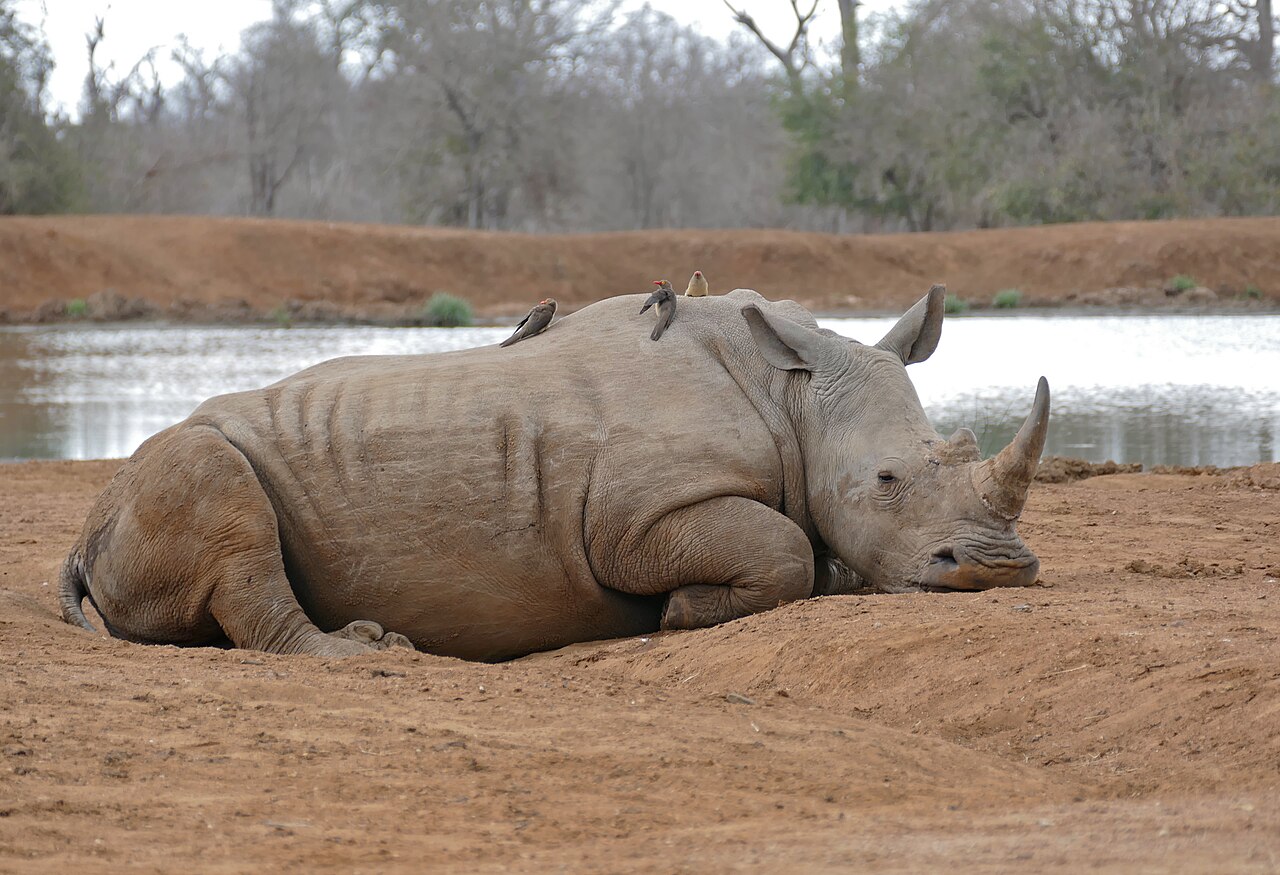 White rhinocerosCeratotherium simum
One of the reserve’s main conservation and wildlife-viewing highlights.
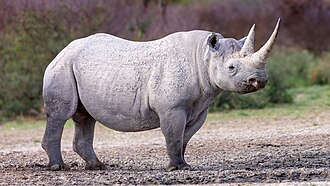 Black rhinocerosDiceros bicornis
Smaller hooked browsing lip; elusive, and sightings should never be promised.
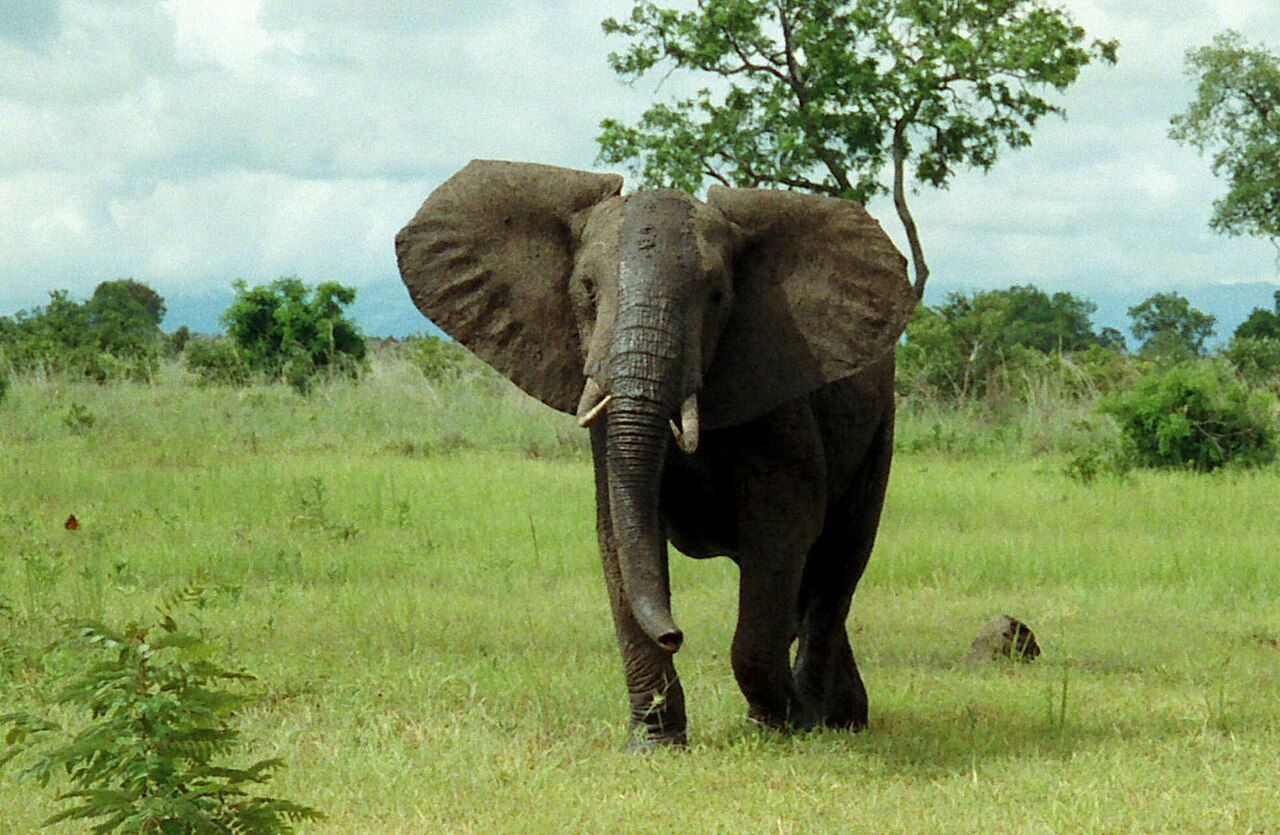 African savanna elephantLoxodonta africana
Look for fresh feeding signs and follow your ranger’s safety instructions.
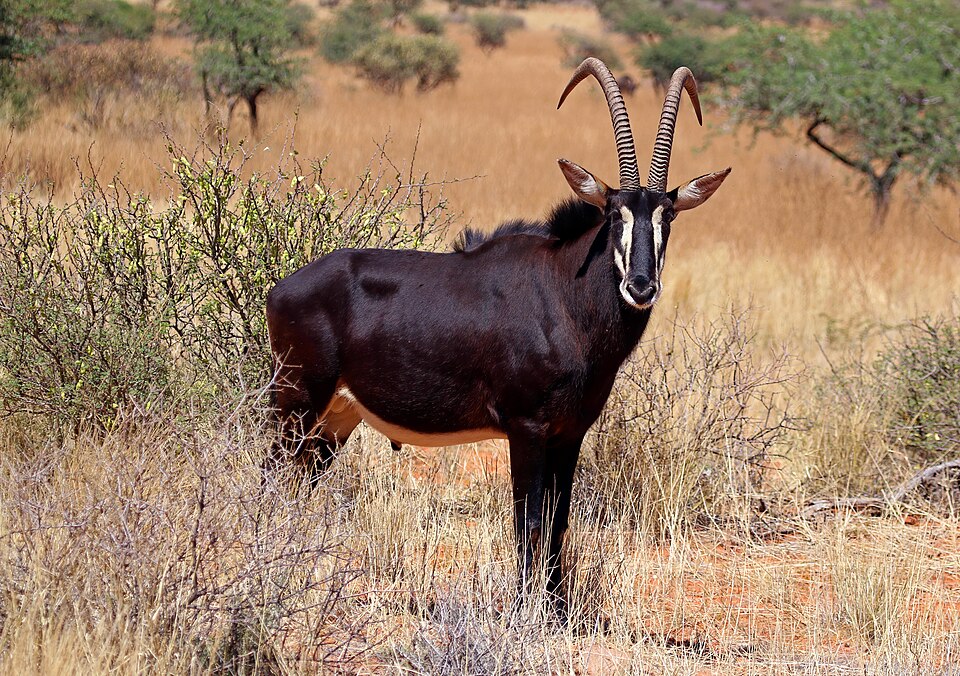 Sable antelopeHippotragus niger
Males show striking dark coats and long backswept horns.
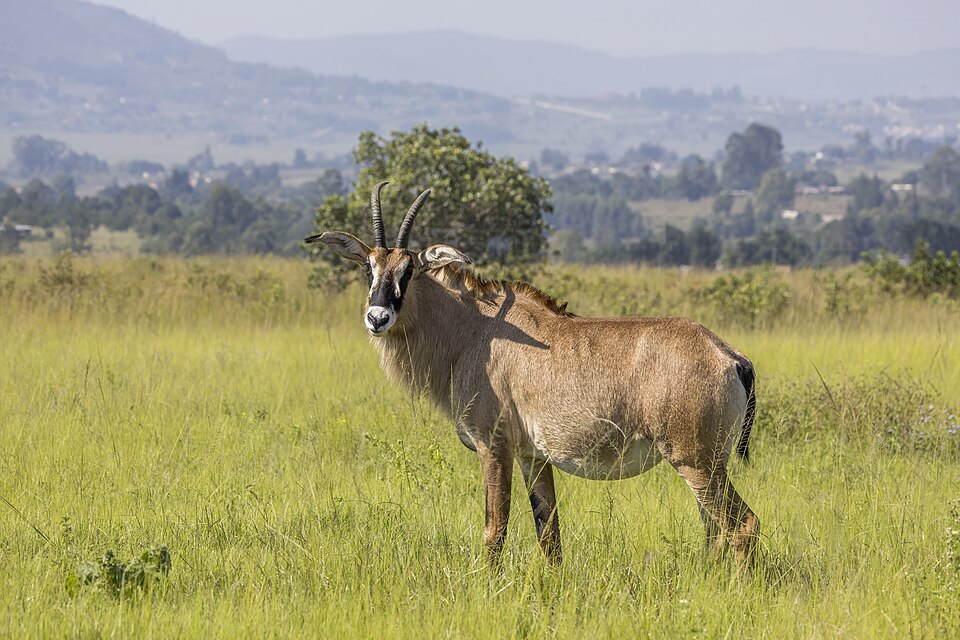 Roan antelopeHippotragus equinus
Pale face with dark mask; characteristic large upright ears.
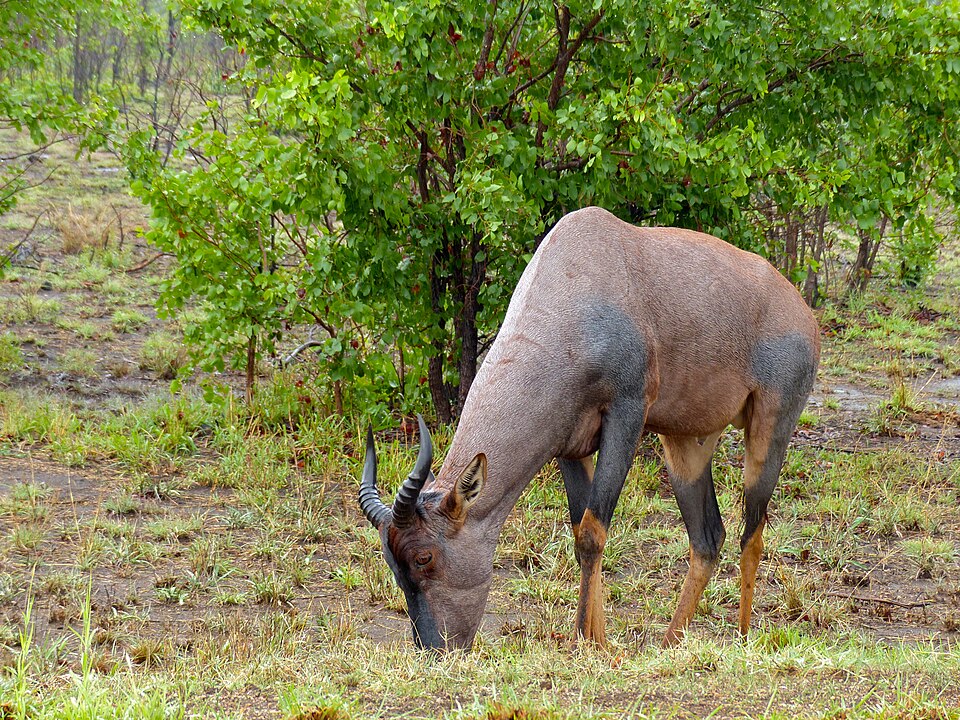 TsessebeDamaliscus lunatus
Fast, long-faced grassland antelope.
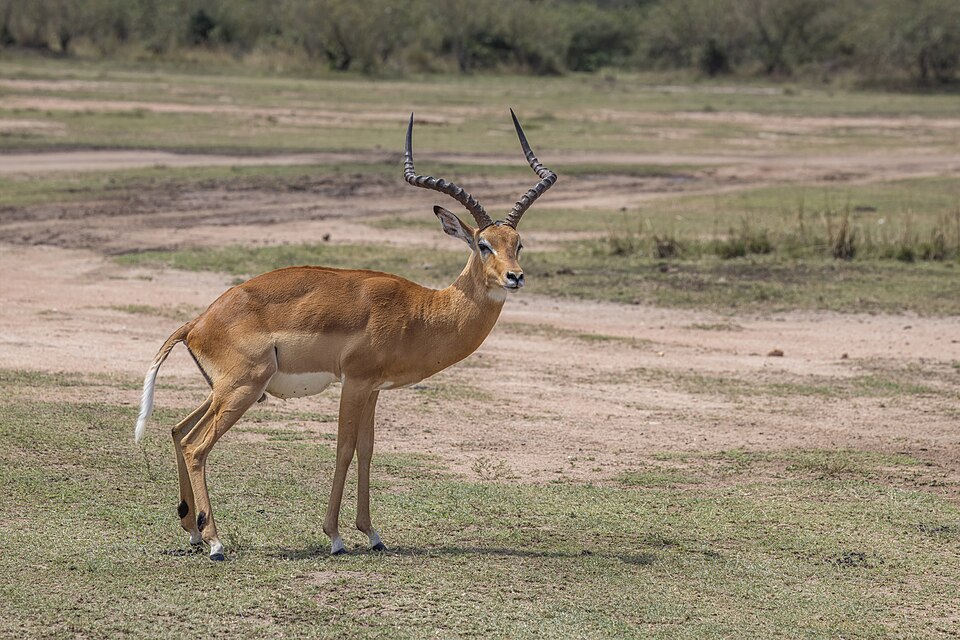 ImpalaAepyceros melampus
Social antelope around wooded savanna.
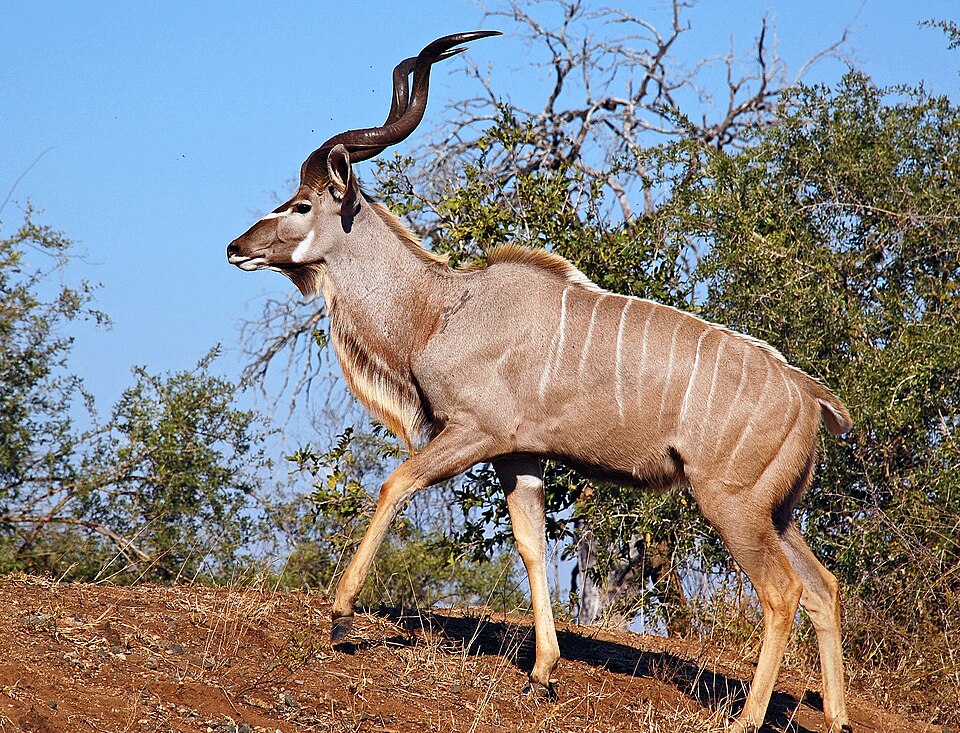 Greater kuduTragelaphus strepsiceros
Often partly concealed in thickets; spiral horns in males.
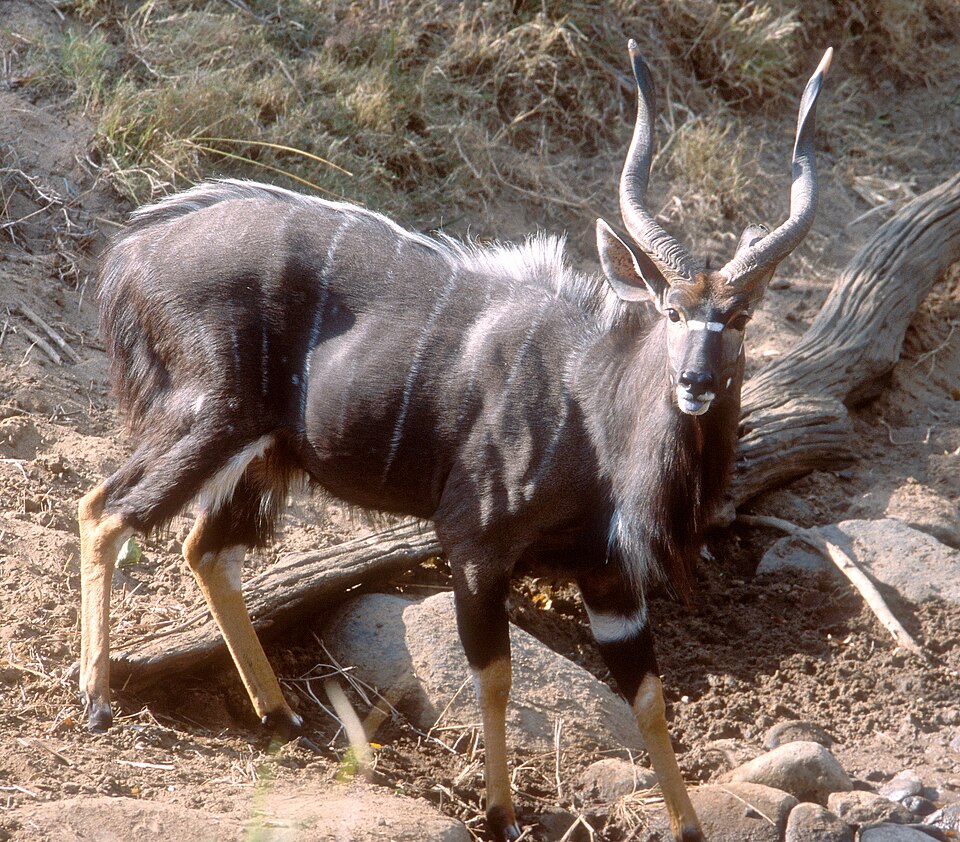 NyalaTragelaphus angasii
Reddish females and dark adult males in woodland.
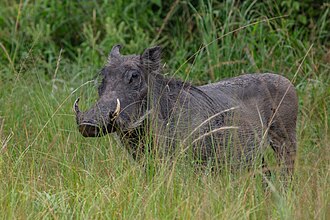 Common warthogPhacochoerus africanus
Frequently forages on knees in open grass.
 Plains zebraEquus quagga
Grassland herbivore with distinctive individual stripes.
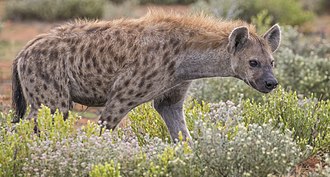 Spotted hyenaCrocuta crocuta
Mostly elusive and not a guaranteed visitor sighting.
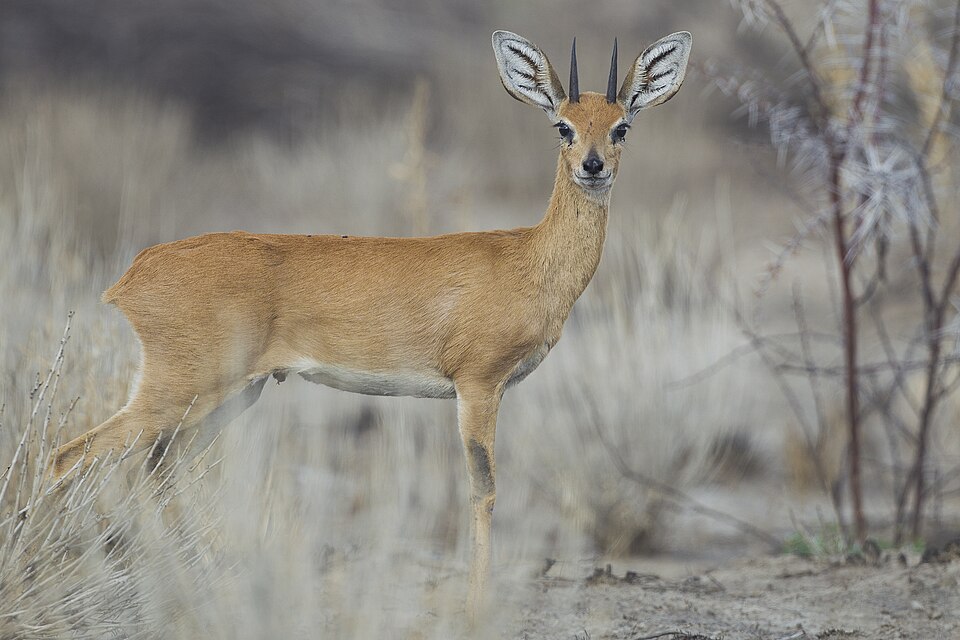 SteenbokRaphicerus campestris
Small and solitary, often pauses in clearings.
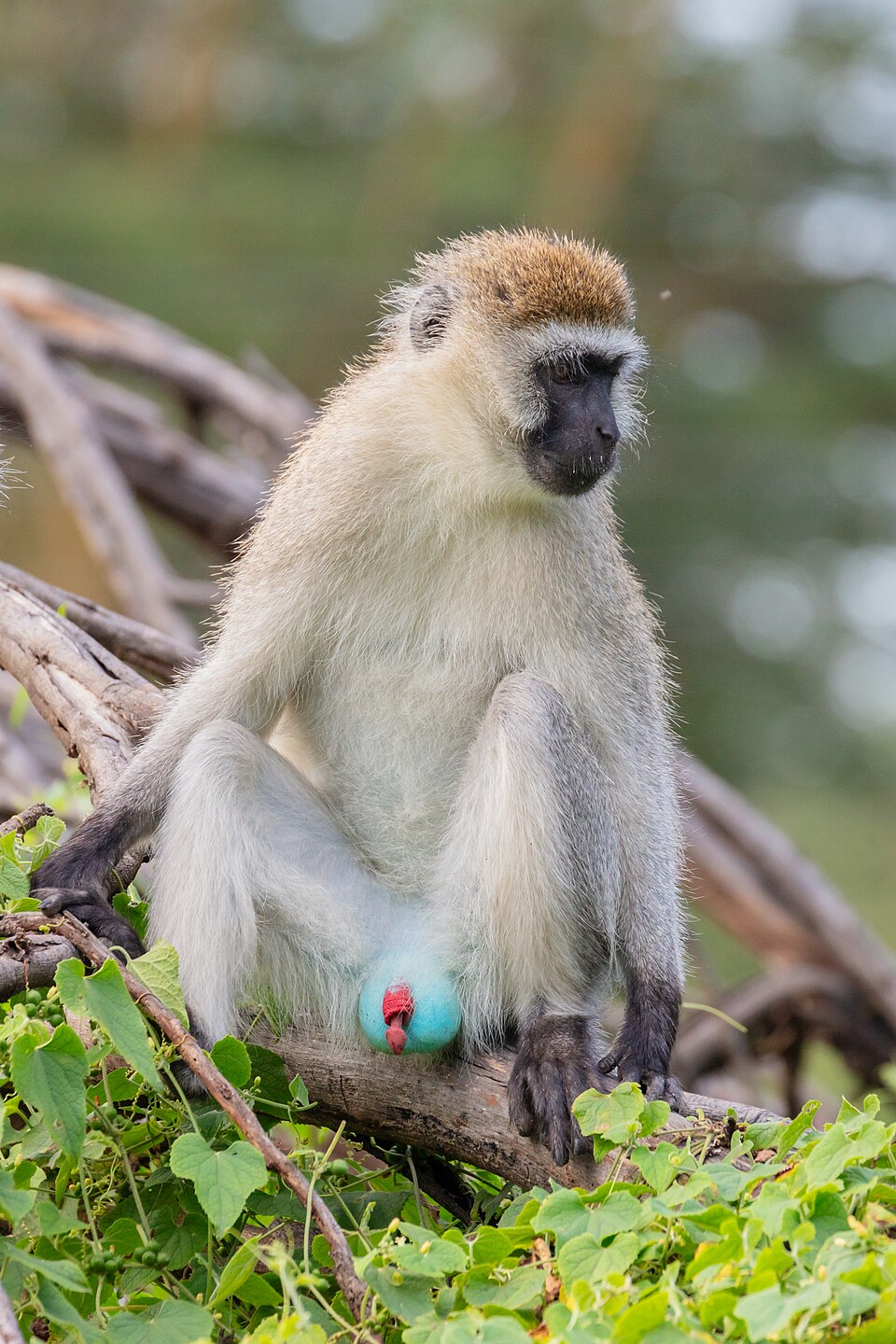 Vervet monkeyChlorocebus pygerythrus
Woodland primate; never feed or approach.
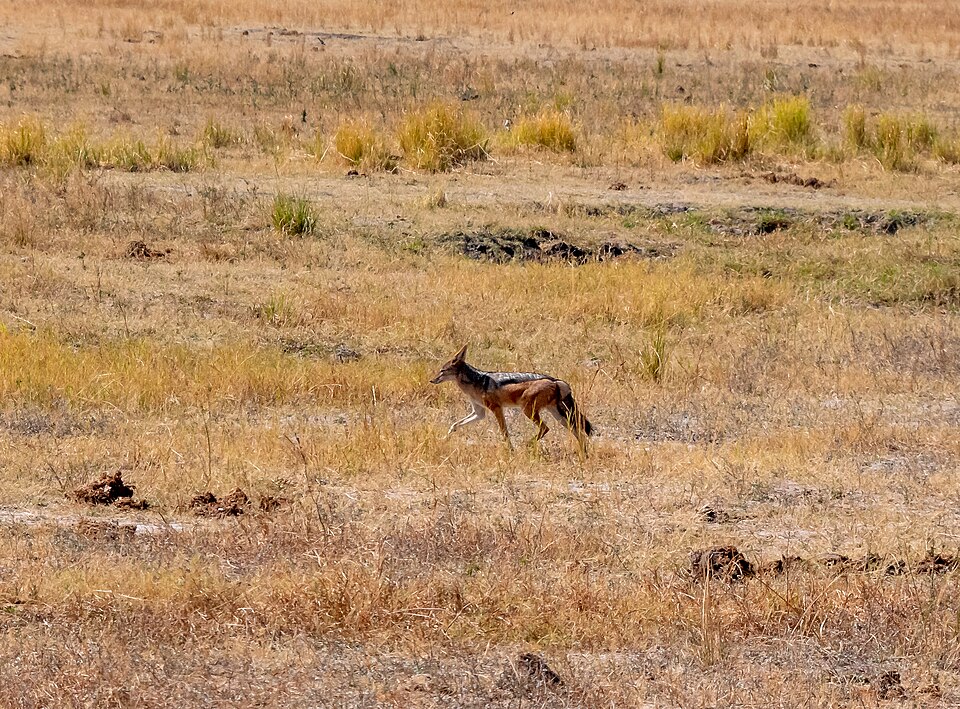 Black-backed jackalLupulella mesomelas
Savanna carnivore with a characteristic black saddle.
 Common genetGenetta genetta
Spotted, nocturnal and seldom encountered by day.
Birdwatching in Mkhaya’s lowveld woodland
Look for woodland specialists in thickets and open-country birds near grassland edges. These profiles are identification references for Mkhaya’s broad habitat context, not a verified complete park checklist.
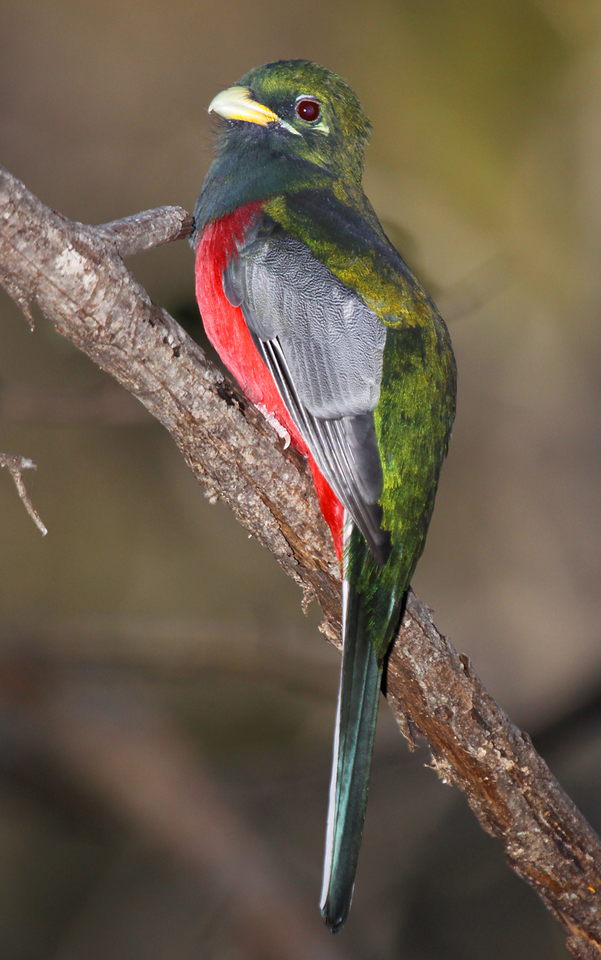 Narina trogonApaloderma narina
Secretive woodland bird; listen for vocalisations.
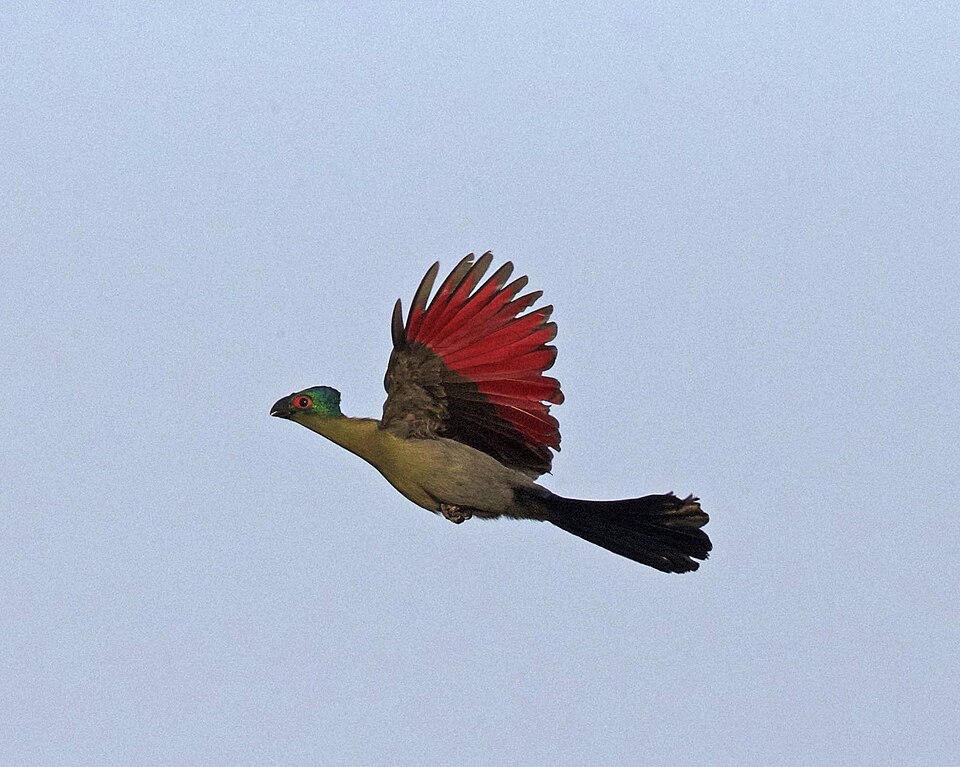 Purple-crested turacoGallirex porphyreolophus
Deep-coloured forest-edge bird with red flight feathers.
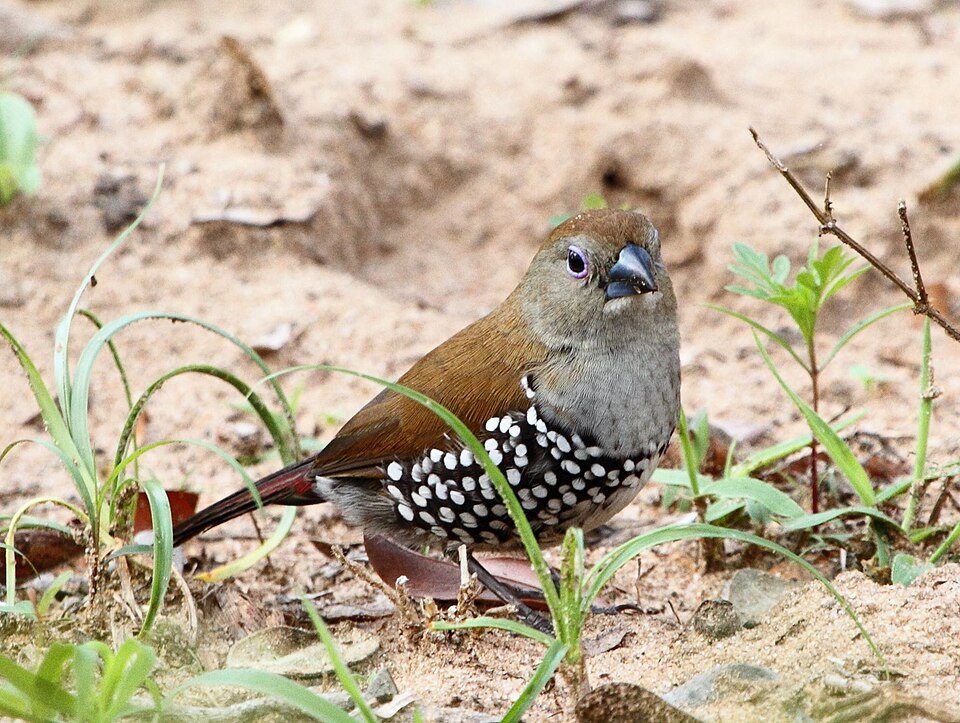 Pink-throated twinspotHypargos margaritatus
Small, shy finch of scrub and dense lowveld cover.
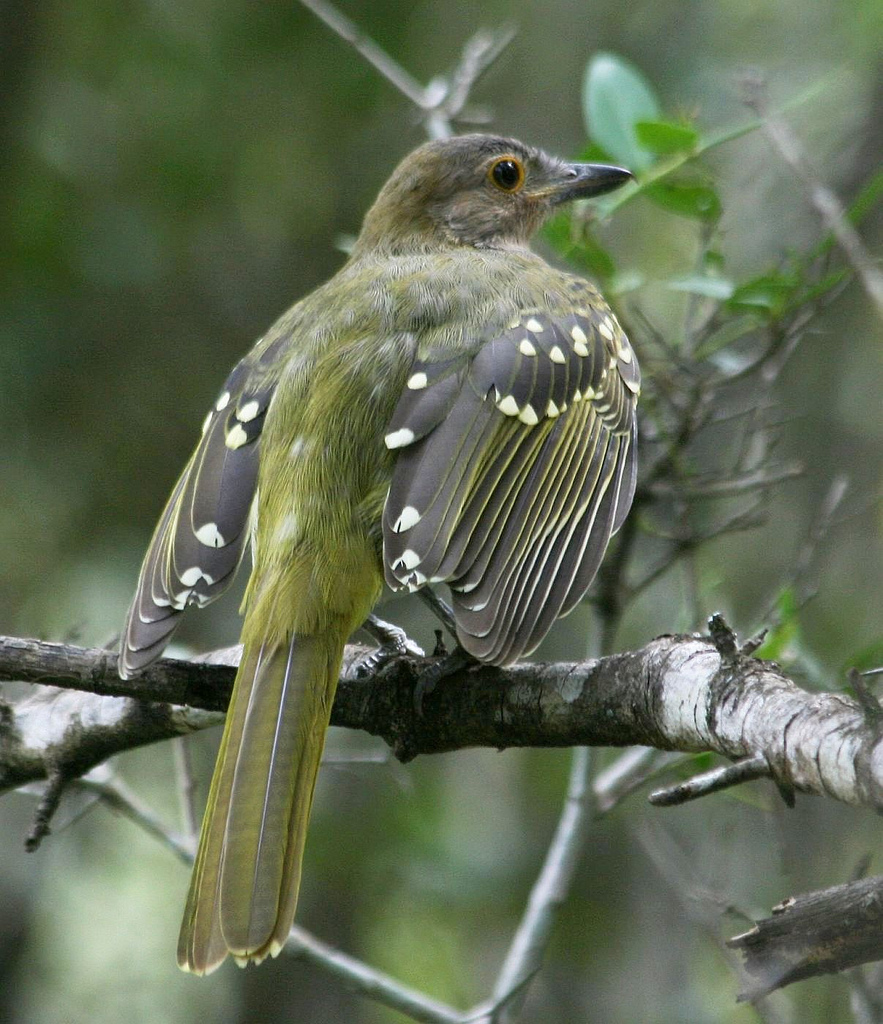 Eastern nicatorNicator gularis
Dense thicket bird best detected by song.
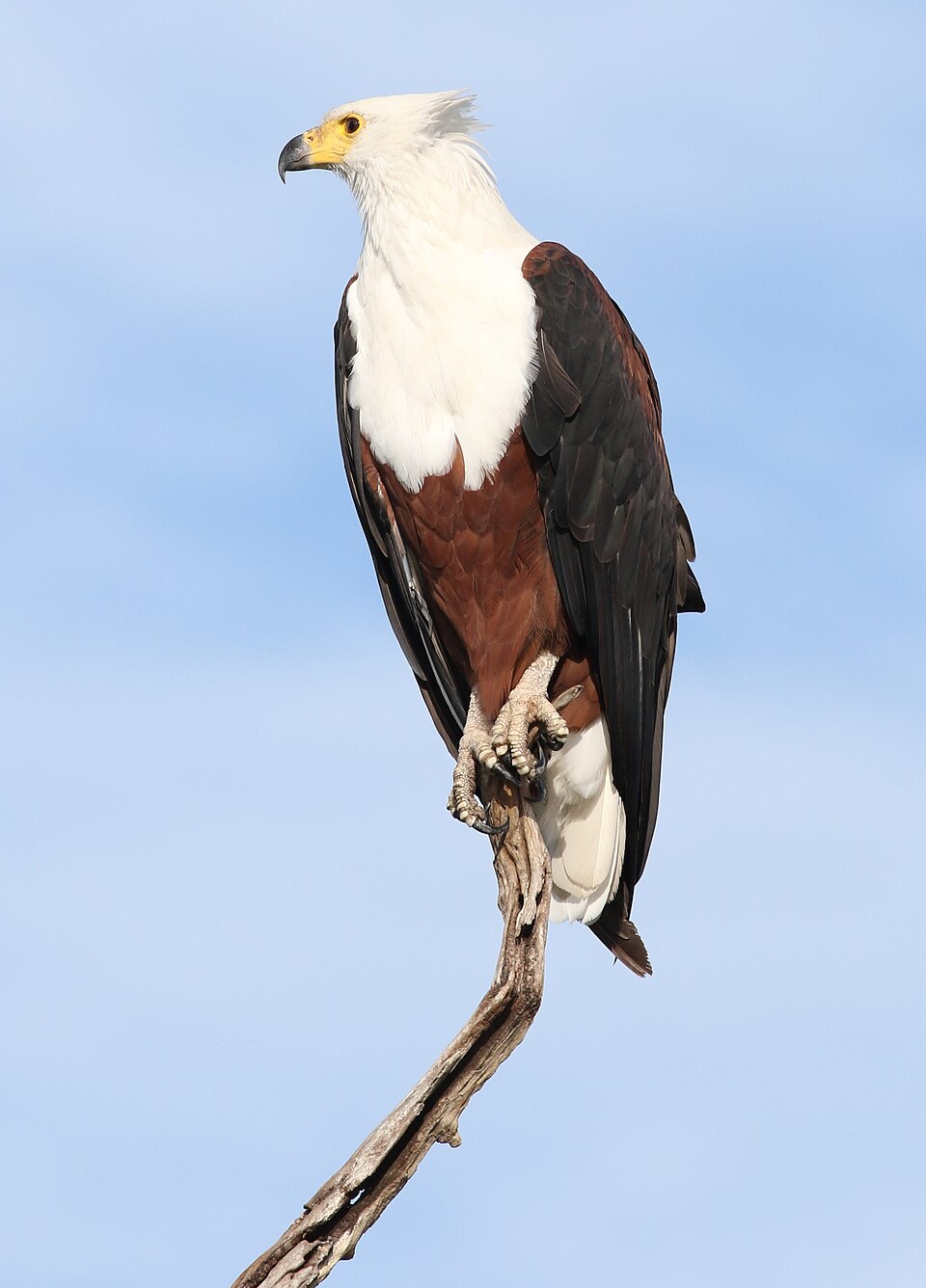 African fish eagleIcthyophaga vocifer
May be heard or seen in water-connected habitats.
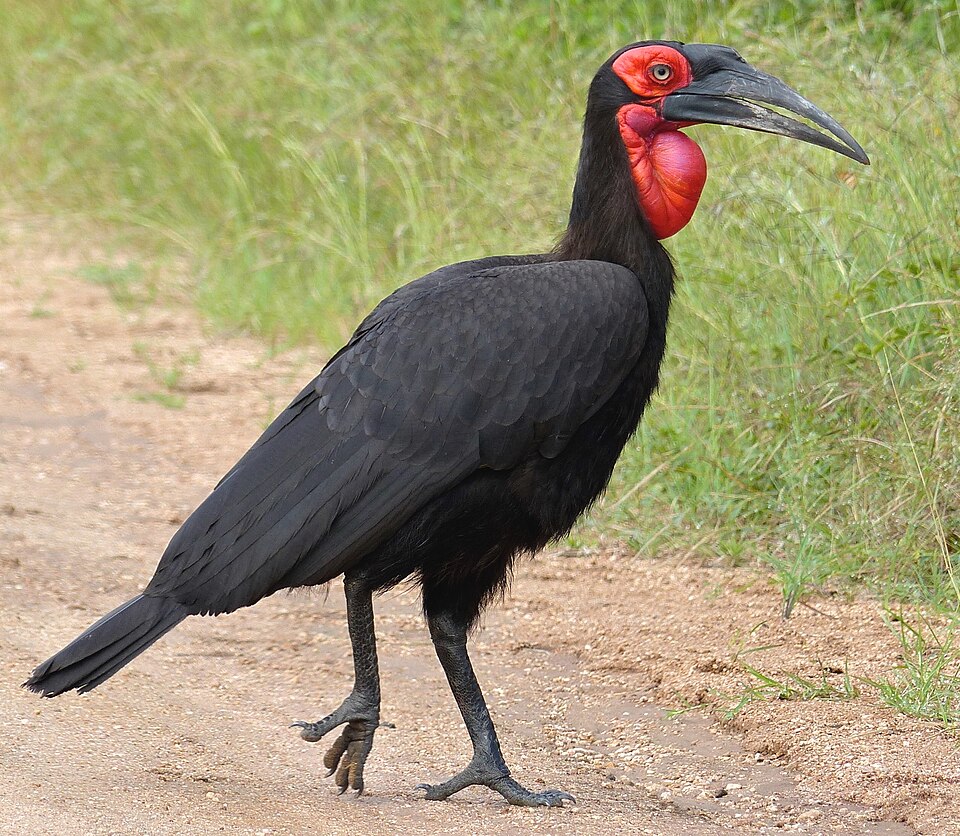 Southern ground hornbillBucorvus leadbeateri
Large conservation-sensitive terrestrial bird.
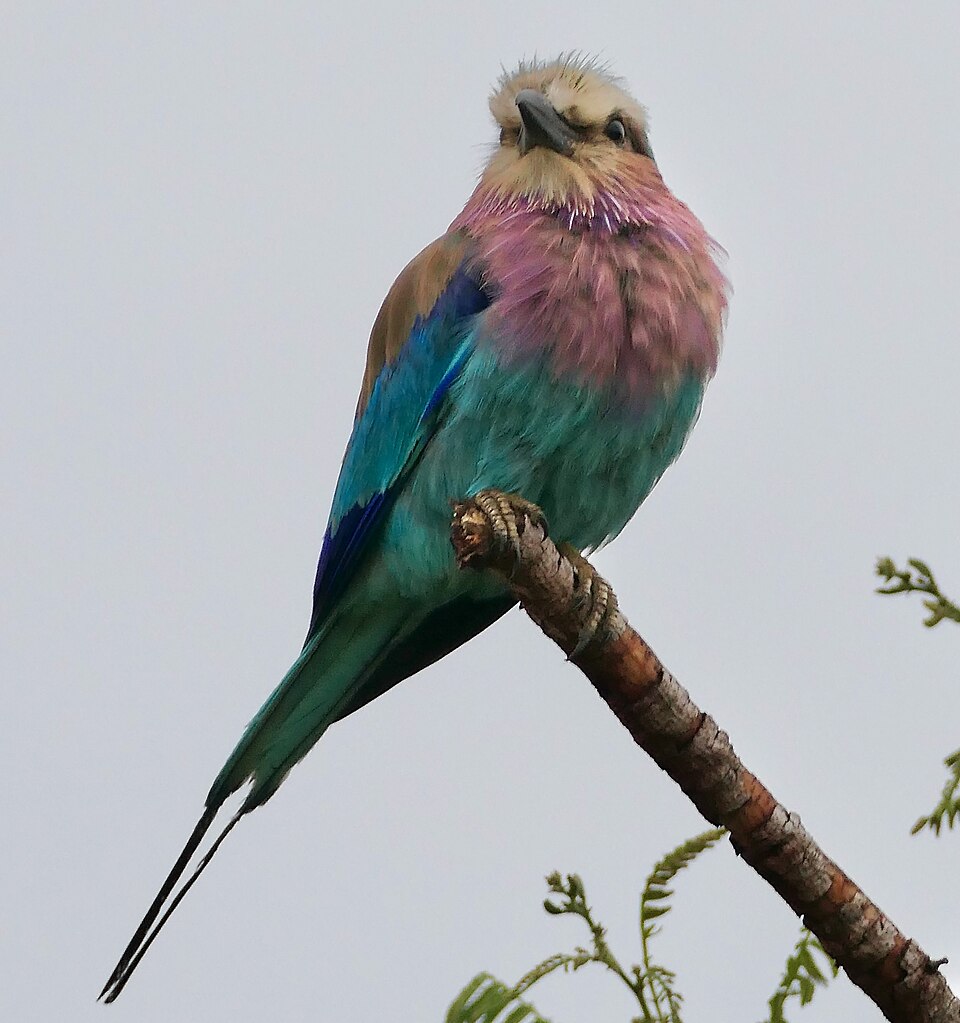 Lilac-breasted rollerCoracias caudatus
Colourful exposed-perch hunter in open woodland.
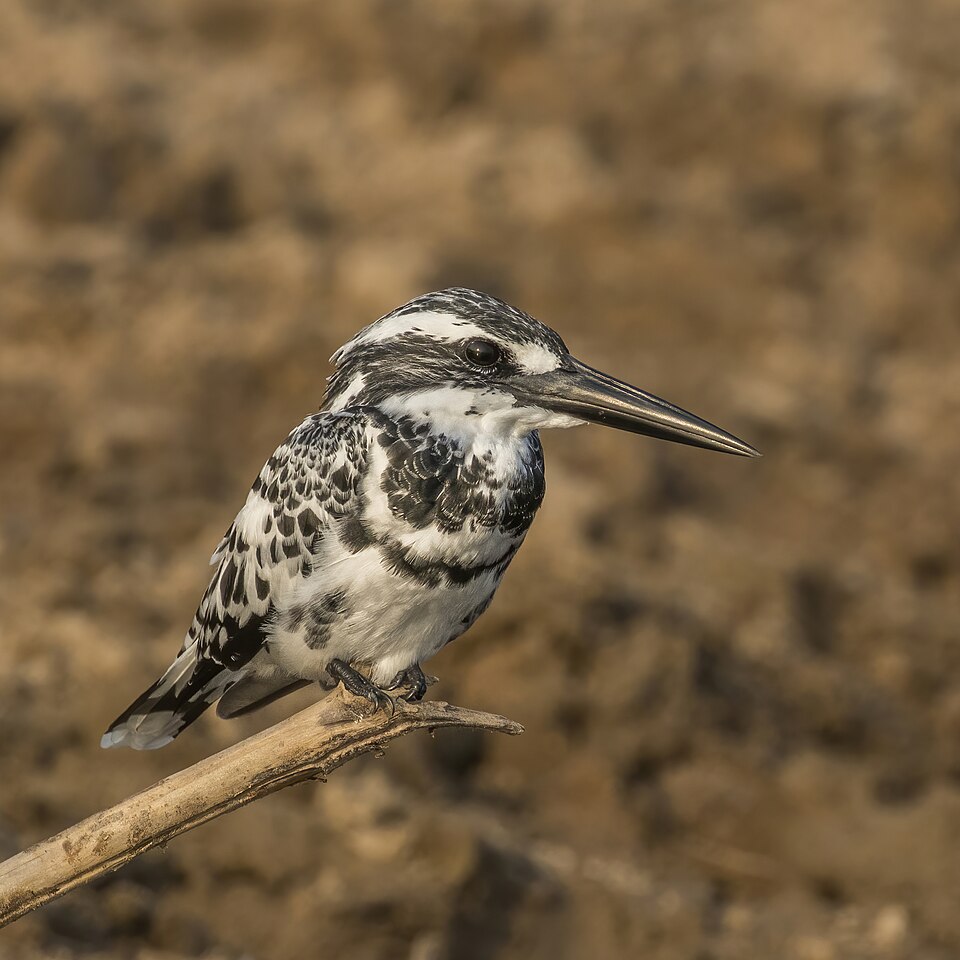 Pied kingfisherCeryle rudis
Hovers over suitable open water.
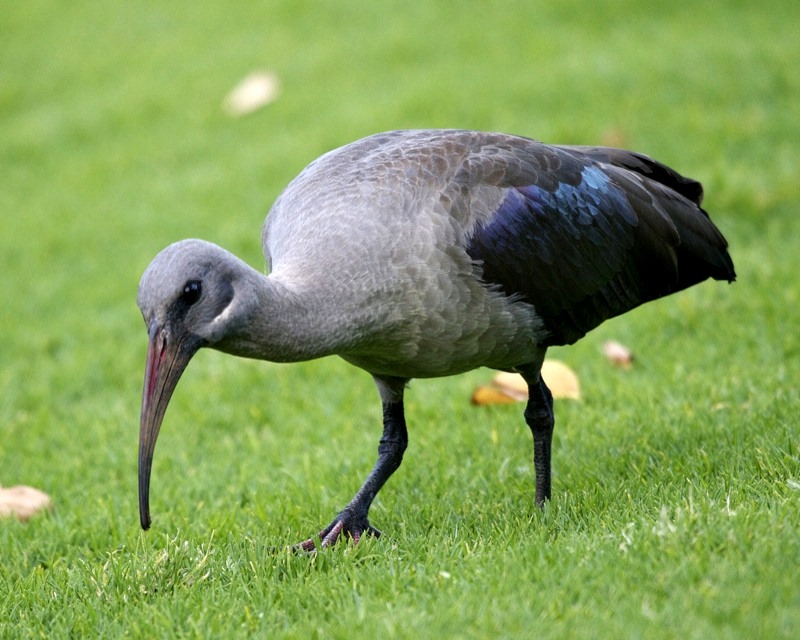 Hadada ibisBostrychia hagedash
Loud flying calls near woodland clearings.
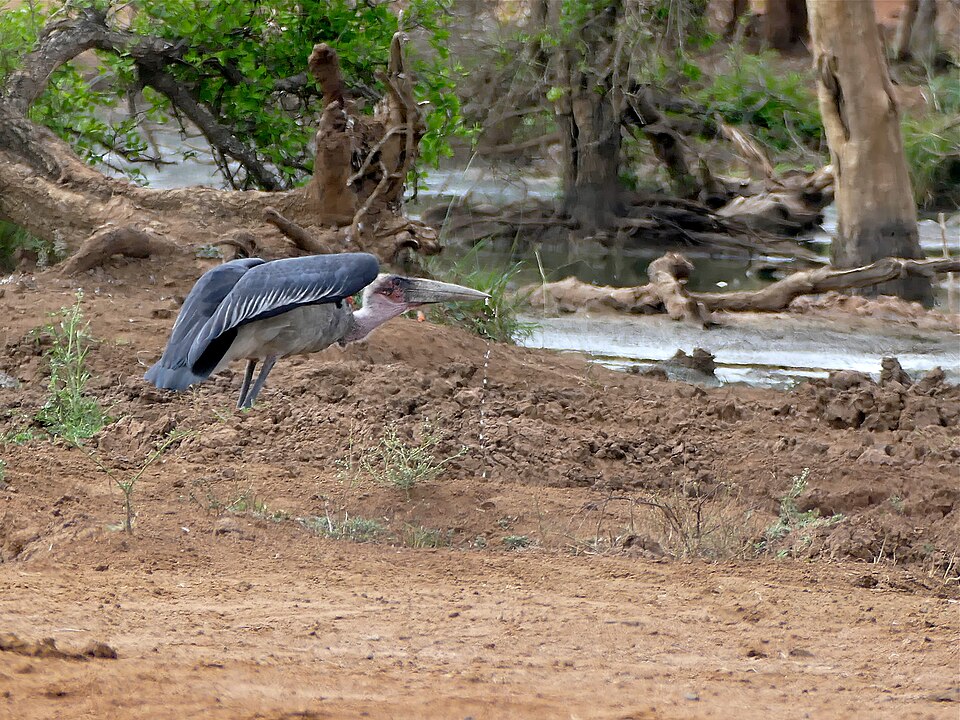 Marabou storkLeptoptilos crumenifer
Large scavenging water-associated bird.
Crested ground-foraging bird in open habitats.
Yellow bill and conspicuous woodland perching.
Mkhaya flora: trees, shrubs and grassland plants
Mkhaya’s conservation landscape contains lowveld woody savanna and grass. Observe living trees and plants without collecting specimens, and rely on ranger knowledge for exact identification.
Trees and shrubs
Large pendulous fruit and riverine habitat.
Native fruiting tree important to wildlife.
Valuable fruiting tree near water.
Mature trees carry knobby bark.
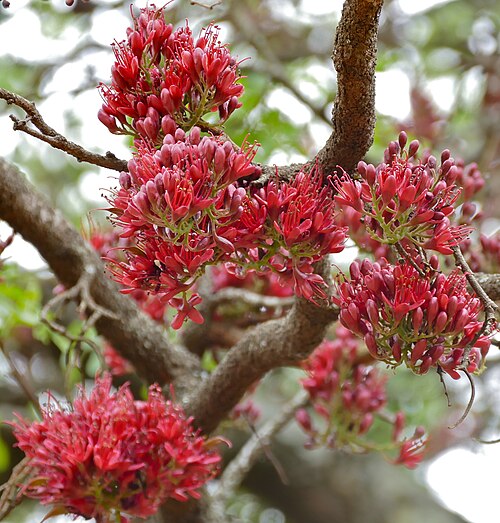 Weeping boer-beanSchotia brachypetala
Seasonal red blossom, lowveld woodland.
Hardwood tree of lowveld savanna.
Paired thorns and oval foliage.
Small evergreen trees of woodland.
Grasses and understorey
Seasonal tall seedheads.
Grassland and shade forage.
Wet places and margins.
Wetland ground layer.
What can you do in Mkhaya Game Reserve?
Guided rhino encounters
Conservation-driven animal viewing with professionally managed distances.
Ranger game drives
Look for elephants, antelope and signs of elusive wildlife.
Guided walking
Only where offered, approved and safe; no independent hiking or cycling.
Stone Camp overnight stay
Immersive bush accommodation with organised activities, subject to package details.
For a self-guided nature walk, see Mlilwane Wildlife Sanctuary; for alternative guided big-game viewing, see Hlane Royal National Park. Discover more destinations in all national park guides.
Safety, permits and wildlife rules
Do not attempt to enter Mkhaya on your own. Respect guides’ instructions, especially around rhinos and elephants. Walks and off-vehicle activities are permitted only when specifically authorised and guided. Ask about age and health requirements in advance. Carry water and sun protection; discuss lowveld malaria precautions with a qualified travel-health clinician.
Mkhaya FAQs
Can you self-drive inside Mkhaya?
No. Mkhaya is a guided safari reserve; arrange your visit with Big Game Parks in advance.
Can you arrive without a reservation?
Do not count on walk-in access. The operator uses pre-booked visits and arrangements for the collection point.
What wildlife is Mkhaya known for?
White and black rhinos, elephants and conservation-focused antelope populations including sable, roan and tsessebe.
What is the best time of year?
May to September is generally cooler and drier; warmer wet-season visits can offer greener scenery and birdlife.
Can you stay overnight?
Yes. Mkhaya’s Stone Camp is the signature overnight accommodation. Confirm accommodation and included safari activities in your booking.
How do I find the gate?
Use the operator’s confirmed meeting-point instructions near Phuzumoya, not a rough map pin. Restricted roads and access should never be inferred from OpenStreetMap.
Is a guide compulsory?
Yes, visitor experiences are organised and guided. Follow the rangers’ instructions for drives and any walks.
Sources, photo credits and editorial checks
Big Game Parks — official operator • Official rates • Map licensing. Hero shows a sable antelope identification photograph taken outside Mkhaya, not a location photograph. Photos: Wikimedia Commons and previously imported See.Africa reference images; source/licence details in media captions. Illustrative species images are not proof of sightings at Mkhaya.