
Naivasha Sanctuary Farm Guide (2026): Night Drives, Bushbabies, Wildlife & Map
see.africa • Mobile-friendly field guide • Naivasha Sanctuary Farm

Naivasha Sanctuary Farm

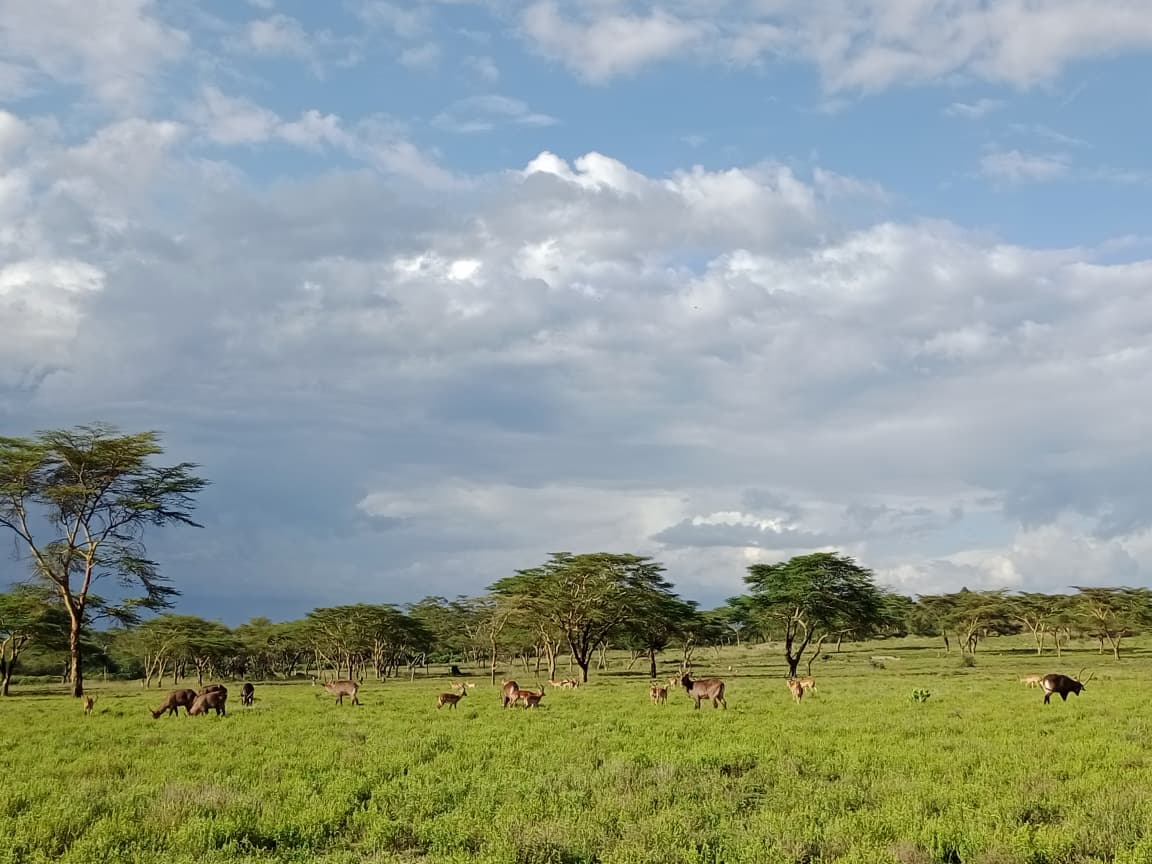
A practical guide to Sanctuary Farm on Lake Naivasha: daytime walks & biking among giraffes and zebra, plus night game drives for bushbabies and other nocturnal wildlife — with a planning map and nearby highlights.

▶ Table of contents

Quick facts

Country: Kenya Where: South Lake Road, Naivasha (Great Rift Valley) Type: Private wildlife conservancy & farm on the lakeshore Size: ~450 acres (~1.8 km²) Signature: Walking, biking & horseback safari + night game drives (bushbabies)
Tip: For daytime, start early for cooler walks and better light. For night drives, ask about moon phase and keep a warm layer — it gets chilly near the lake.

Best time to visit planner

Pick a month to see what’s usually best: walks & biking, lake wildlife, or nearby adventures.

Choose your travel month

Naivasha works year-round — the main difference is rain, road conditions, and what you want to do (boat rides, hikes, cycling, birding).

Best base: Sanctuary Farm / South Lake Road Best region: Walks & biking + night drives What to expect: Often one of the clearest months; comfortable nights for bushbaby spotting.
Jump to the map to pin Sanctuary Farm, Crescent Island, Hell’s Gate and more. Always confirm opening times/permits and avoid walking near the lake at night (hippos).

Naivasha highlights cheat sheet

Three simple “modes” that cover most visitor plans.

Sanctuary Farm core
All-year

Best for walking, biking and close-up plains game. Add a night drive for bushbabies and other nocturnal wildlife.

Lake Naivasha & Crescent Island
All-year

Boat rides, hippos, fish eagles, pelicans — plus a classic walking safari on Crescent Island (usually by boat transfer).

Hell’s Gate & Longonot
Jun–Oct

Cycling and hiking in Hell’s Gate, and the Mount Longonot crater hike. Drier months are easiest for trails.

Best time to visit (simple): Drier months often make hiking/cycling easier, while greener months can be beautiful for birding. Plan for rain in the long rains (often Mar–May) and short rains (often Oct–Dec).

Map (key gates & hubs)

Click a waypoint to show it on the map and view details on the right.
MarkerMarkerMarkerMarkerMarkerMarkerMarkerMarker
Lake Naivasha shore (boat rides)
Boat rides, hippos and big birdlife — operators depart from various lodges/landing points on South Lake Road.
Leaflet © OpenStreetMap contributors

25 Common Animals (non-birds)

Abundance shown as Very common / Common / Not common / Not known. Weights are adult ♂ / ♀.
#1 • Animal Wikipedia Plains zebra

Plains zebra

Equus quagga
Approx. no. in park: Very common Speed: ~65 km/h Adult weight: ~175–385 kg Max age: ~20–25 yrs

A staple of Naivasha plains game — often seen grazing in open grassland.

▶ More info
  • How to identify: Bold black-and-white striping; stocky horse-like build.
  • Male vs female: Males slightly larger; both sexes striped.
  • What it eats: Grazers: grasses and herbs.
  • Where to find it: Sanctuary Farm grasslands; Crescent Island; Hell’s Gate plains
  • Unique: Zebra stripes may deter biting flies and help with heat regulation.
#2 • Animal Wikipedia Masai giraffe

Masai giraffe

Giraffa tippelskirchi
Approx. no. in park: Common Speed: ~60 km/h Adult weight: ♂ ~1,000–1,200 kg • ♀ ~700–900 kg Max age: ~20–25 yrs

Towering browsers that make walking and biking at Sanctuary Farm unforgettable.

▶ More info
  • How to identify: Very tall; patchy coat pattern; ossicones on head.
  • Male vs female: Males heavier with thicker ossicones.
  • What it eats: Leaves, especially acacias; long tongue for thorny browse.
  • Where to find it: Sanctuary Farm; Crescent Island; sometimes near lakeshore
  • Unique: Their 45–50 cm tongue helps strip leaves from thorny branches.
#3 • Animal Wikipedia Waterbuck

Waterbuck

Kobus ellipsiprymnus
Approx. no. in park: Common Speed: ~50 km/h Adult weight: ♂ ~200–300 kg • ♀ ~160–210 kg Max age: ~18 yrs

Often close to water — look for the shaggy coat and pale ring on the rump.

▶ More info
  • How to identify: Shaggy brown coat; strong musky smell; white rump ring.
  • Male vs female: Males have long, ridged horns; females lack horns.
  • What it eats: Grasses and reeds.
  • Where to find it: Near wetlands and lake-edge habitats; Sanctuary Farm and surrounds
  • Unique: Waterbuck are strong swimmers and stay close to water for safety.
#4 • Animal Wikipedia Impala

Impala

Aepyceros melampus
Approx. no. in park: Common Speed: ~80–90 km/h Adult weight: ♂ ~40–76 kg • ♀ ~37–53 kg Max age: ~13 yrs

Elegant antelope with athletic leaps — common in open woodland edges.

▶ More info
  • How to identify: Reddish-brown; black tail stripe; white underside.
  • Male vs female: Males have lyre-shaped horns; females lack horns.
  • What it eats: Mixed feeders: graze and browse depending on season.
  • Where to find it: Sanctuary Farm; Crescent Island; surrounding ranchlands
  • Unique: Can leap over 3 m high and 10 m long when alarmed.
#5 • Animal Wikipedia Common eland

Common eland

Taurotragus oryx
Approx. no. in park: Occasional Speed: ~40 km/h Adult weight: ♂ ~400–900 kg • ♀ ~300–600 kg Max age: ~15–20 yrs

Africa’s largest antelope — sometimes seen in open areas of nearby parks.

▶ More info
  • How to identify: Large tan antelope with slight dewlap; spiral horns.
  • Male vs female: Males heavier; both sexes can have spiral horns.
  • What it eats: Browsers and grazers.
  • Where to find it: Hell’s Gate (reported) and wider Naivasha area
  • Unique: Eland can jump surprisingly well despite their size.
#6 • Animal Wikipedia Blue wildebeest

Blue wildebeest

Connochaetes taurinus
Approx. no. in park: Occasional Speed: ~80 km/h Adult weight: ♂ ~180–250 kg • ♀ ~160–220 kg Max age: ~18–20 yrs

Better known for migrations elsewhere — but also seen as plains game around Naivasha.

▶ More info
  • How to identify: Sloping back; beard; curved horns; often in groups.
  • Male vs female: Males often heavier with thicker horn bases.
  • What it eats: Grazers: short grasses.
  • Where to find it: Crescent Island; some ranchlands
  • Unique: Herd movement is driven by fresh grass and water.
#7 • Animal Wikipedia Common warthog

Common warthog

Phacochoerus africanus
Approx. no. in park: Common Speed: ~55 km/h Adult weight: ~50–150 kg Max age: ~15 yrs

Comical but tough — look for them trotting with tails up like antennas.

▶ More info
  • How to identify: Facial warts; tusks; kneels to graze.
  • Male vs female: Males bigger with larger facial warts.
  • What it eats: Grazers and rooters: grasses, roots, bulbs.
  • Where to find it: Sanctuary Farm; Hell’s Gate; open areas near tracks
  • Unique: Often use abandoned aardvark burrows for shelter.
#8 • Animal Wikipedia Thomson's gazelle

Thomson’s gazelle

Eudorcas thomsonii
Approx. no. in park: Occasional Speed: ~80–90 km/h Adult weight: ~15–35 kg Max age: ~10–12 yrs

Small, fast antelope often seen in open grasslands with other plains game.

▶ More info
  • How to identify: Tan with bold black side stripe; white belly.
  • Male vs female: Both sexes may have horns; males longer.
  • What it eats: Grazers and browsers.
  • Where to find it: Hell’s Gate grasslands; Crescent Island (sometimes)
  • Unique: Famous for ‘pronking’ (stiff-legged jumps) when alarmed.
#9 • Animal Wikipedia Coke's hartebeest

Coke’s hartebeest

Alcelaphus buselaphus cokei
Approx. no. in park: Occasional Speed: ~70 km/h Adult weight: ~150–200 kg Max age: ~15 yrs

Tall-shouldered antelope with a long face and sweeping horns.

▶ More info
  • How to identify: Sloped back; long narrow face; reddish coat.
  • Male vs female: Both sexes horned; males usually heavier.
  • What it eats: Grazers.
  • Where to find it: Hell’s Gate (reported) and nearby plains
  • Unique: Excellent endurance runners over long distances.
#10 • Animal Wikipedia Klipspringer

Klipspringer

Oreotragus oreotragus
Approx. no. in park: Rare Adult weight: ~8–18 kg Max age: ~10–12 yrs

A small rock-loving antelope — watch for them on rocky slopes and cliffs.

▶ More info
  • How to identify: Short, dense coat; stands on rock edges with ‘tippy-toe’ hooves.
  • Male vs female: Males have short horns; females lack horns.
  • What it eats: Browsers: leaves, shoots.
  • Where to find it: Rocky escarpments and cliffs (Hell’s Gate)
  • Unique: Specialized hooves help grip steep rocks.
#11 • Animal Wikipedia African buffalo

African buffalo

Syncerus caffer
Approx. no. in park: Uncommon Speed: ~50 km/h Adult weight: ♂ ~500–900 kg Max age: ~15–20 yrs

Powerful bovids — keep distance if you encounter them in nearby parks.

▶ More info
  • How to identify: Large dark bovine with heavy horns; moves in herds.
  • Male vs female: Males have heavier horn bosses.
  • What it eats: Grazers.
  • Where to find it: Hell’s Gate (reported) and wider Rift Valley parks
  • Unique: Can be unpredictable when threatened; give them space.
#12 • Animal Wikipedia Hippopotamus

Hippopotamus

Hippopotamus amphibius
Approx. no. in park: Common Speed: ~30 km/h (short bursts) Adult weight: ~1,300–3,200 kg Max age: ~40–50 yrs

The lake’s heavyweight — often seen from boats and shoreline viewpoints.

▶ More info
  • How to identify: Huge barrel body; wide mouth; spends day in water.
  • Male vs female: Males larger; hard to sex at distance.
  • What it eats: Grazers: mostly grass at night.
  • Where to find it: Lake Naivasha; channels and lagoons
  • Unique: Despite size, hippos can run fast on land — never block their path.
#13 • Animal Wikipedia Olive baboon

Olive baboon

Papio anubis
Approx. no. in park: Common Adult weight: ♂ ~20–30 kg • ♀ ~10–15 kg Max age: ~20–30 yrs

Smart, social primates around lodges and park gates — don’t feed them.

▶ More info
  • How to identify: Dog-like muzzle; long tail; large troops.
  • Male vs female: Males much larger with longer canines.
  • What it eats: Omnivores: fruit, seeds, insects, small animals.
  • Where to find it: Woodland edges; picnic areas; around Naivasha
  • Unique: Highly adaptable and quick to learn food opportunities.
#14 • Animal Wikipedia Vervet monkey

Vervet monkey

Chlorocebus pygerythrus
Approx. no. in park: Common Adult weight: ~3–8 kg Max age: ~12–20 yrs

Often seen in trees near water and lodges — watch for the black face and pale fur.

▶ More info
  • How to identify: Grey fur; black face with white fringe; long tail.
  • Male vs female: Males slightly larger; bright blue scrotum in adult males.
  • What it eats: Fruit, leaves, insects.
  • Where to find it: Lakeshore trees; gardens; riverine woodland
  • Unique: Alarm calls differ for different predators.
#15 • Animal Wikipedia Mantled guereza (black-and-white colobus)

Mantled guereza (black-and-white colobus)

Colobus guereza
Approx. no. in park: Occasional Adult weight: ~7–14 kg Max age: ~20 yrs

Striking black-and-white monkey — more likely in forested areas and crater forests.

▶ More info
  • How to identify: Long white mantle and tail tuft; quiet, high-canopy groups.
  • Male vs female: Males slightly larger; hard to sex at distance.
  • What it eats: Leaves, seeds, fruit.
  • Where to find it: Crater Lake forests; riparian woodland
  • Unique: Specialized stomach for digesting leaves.
#16 • Animal Wikipedia Spotted hyena

Spotted hyena

Crocuta crocuta
Approx. no. in park: Occasional (night) Speed: ~60 km/h Adult weight: ♂ ~40–60 kg • ♀ ~45–70 kg Max age: ~20–25 yrs

Often heard before seen — night drives can reveal these powerful carnivores.

▶ More info
  • How to identify: Sloping back; powerful jaws; spotted coat.
  • Male vs female: Females larger and dominant.
  • What it eats: Carnivores and scavengers.
  • Where to find it: Night drives around Sanctuary Farm / Naivasha
  • Unique: Complex social clans with strong hierarchies.
#17 • Animal Wikipedia Black-backed jackal

Black-backed jackal

Lupulella mesomelas
Approx. no. in park: Occasional (night) Speed: ~50 km/h Adult weight: ~6–13 kg Max age: ~8–14 yrs

A sharp, adaptable canid — look for the dark ‘saddle’ on the back.

▶ More info
  • How to identify: Black/grey saddle; reddish legs; pointed muzzle.
  • Male vs female: Similar; males slightly larger.
  • What it eats: Omnivorous: small mammals, birds, fruit, carrion.
  • Where to find it: Open areas; night drives; park edges
  • Unique: Pairs often mate for life and share territory.
#18 • Animal Wikipedia Bat-eared fox

Bat-eared fox

Otocyon megalotis
Approx. no. in park: Rare (night) Adult weight: ~3–6 kg Max age: ~10–13 yrs

Big ears, termite-loving diet — a special night-drive sighting.

▶ More info
  • How to identify: Huge ears; small pale fox; dark eye patches.
  • Male vs female: Similar; hard to sex at distance.
  • What it eats: Mostly insects (termites), plus small prey.
  • Where to find it: Open grassland; night drives (occasional)
  • Unique: Ears help both hearing and heat regulation.
#19 • Animal Wikipedia Springhare

Springhare

Pedetes capensis
Approx. no. in park: Occasional (night) Adult weight: ~2–4 kg Max age: ~7 yrs

A nocturnal ‘bunny-like’ rodent with kangaroo-style hops.

▶ More info
  • How to identify: Large eyes; long hind legs; hops in bounds.
  • Male vs female: Similar; hard to sex at distance.
  • What it eats: Grasses, roots, tubers.
  • Where to find it: Night drives; open grasslands
  • Unique: Spends day in burrows; emerges after dark.
#20 • Animal Wikipedia Senegal bushbaby

Senegal bushbaby

Galago senegalensis
Approx. no. in park: Occasional (night) Adult weight: ~0.1–0.3 kg Max age: ~10–15 yrs

Tiny nocturnal primate — the ‘bushbaby’ people come to Naivasha to spot.

▶ More info
  • How to identify: Big eyes; soft fur; quick leaps between branches.
  • Male vs female: Similar; hard to sex at distance.
  • What it eats: Insects, fruit, tree gum.
  • Where to find it: Trees on Sanctuary Farm; night game drives
  • Unique: Leaps are powered by elongated ankle bones.
#21 • Animal Wikipedia African civet

African civet

Civettictis civetta
Approx. no. in park: Rare (night) Adult weight: ~7–20 kg Max age: ~15–20 yrs

Secretive nocturnal mammal — occasionally spotted on night drives.

▶ More info
  • How to identify: Bold black-and-white markings; low-slung body.
  • Male vs female: Similar; hard to sex at distance.
  • What it eats: Omnivore: small animals, fruit, insects.
  • Where to find it: Woodland edges; night drives
  • Unique: Produces a strong musk (historically used in perfumery).
#22 • Animal Wikipedia Common genet

Common genet

Genetta genetta
Approx. no. in park: Rare (night) Adult weight: ~1–3 kg Max age: ~10 yrs

A sleek, cat-like carnivore with a long ringed tail.

▶ More info
  • How to identify: Spotted body; long ringed tail; pointed face.
  • Male vs female: Similar; hard to sex at distance.
  • What it eats: Small mammals, birds, insects.
  • Where to find it: Night drives; woodland
  • Unique: Excellent climbers and often hunt in trees.
#23 • Animal Wikipedia Aardvark

Aardvark

Orycteropus afer
Approx. no. in park: Very rare (night) Adult weight: ~40–80 kg Max age: ~23 yrs

A dream sighting: a nocturnal ant-eater digging for termites.

▶ More info
  • How to identify: Pig-like snout; large ears; thick tail; shuffling walk.
  • Male vs female: Similar; hard to sex at distance.
  • What it eats: Ants and termites.
  • Where to find it: Occasional night-drive sighting in the wider Naivasha area
  • Unique: Burrows are used by many other species after it leaves.
#24 • Animal Wikipedia Serval

Serval

Leptailurus serval
Approx. no. in park: Very rare Speed: ~80 km/h (short bursts) Adult weight: ~9–18 kg Max age: ~10–12 yrs

Long-legged cat of grasslands and wetlands — rare but possible in nearby parks.

▶ More info
  • How to identify: Spotted coat; very long legs; huge ears.
  • Male vs female: Males slightly larger.
  • What it eats: Rodents, birds, small mammals.
  • Where to find it: Hell’s Gate and wetland edges (rare)
  • Unique: Can pounce straight up to catch birds in flight.
#25 • Animal Wikipedia Leopard

Leopard

Panthera pardus
Approx. no. in park: Very rare Speed: ~58 km/h Adult weight: ♂ ~31–90 kg • ♀ ~23–60 kg Max age: ~12–17 yrs

Elusive and mostly nocturnal — occasionally reported in the Hell’s Gate region.

▶ More info
  • How to identify: Rosette spots; long tail; stealthy movement.
  • Male vs female: Males larger; both spotted.
  • What it eats: Carnivore: varied prey.
  • Where to find it: Rocky areas and bushy slopes (rare sightings)
  • Unique: Exceptional climbers; often stash prey in trees.

Top 10 Birds

Focus on iconic, frequently seen Naivasha species.
#1 • Bird Wikipedia African fish eagle

African fish eagle

Haliaeetus vocifer
Approx. no. in park: Very common Adult weight: ~2–4 kg Max age: ~20–25 yrs

The lake’s iconic call — often seen perched or swooping for fish.

▶ More info
  • How to identify: White head and chest; chestnut body; loud ‘laughing’ call.
  • Male vs female: Females larger.
  • What it eats: Fish, waterbirds, carrion.
  • Where to find it: Lake Naivasha shorelines; boat rides
  • Unique: Often steals fish from other birds (kleptoparasitism).
#2 • Bird Wikipedia Great white pelican

Great white pelican

Pelecanus onocrotalus
Approx. no. in park: Common Adult weight: ~9–15 kg Max age: ~20+ yrs

Huge flocking pelican — especially impressive from a boat.

▶ More info
  • How to identify: Very large white bird; long bill with pouch.
  • Male vs female: Males slightly larger.
  • What it eats: Fish.
  • Where to find it: Open water and bays
  • Unique: Cooperates in groups to herd fish.
#3 • Bird Wikipedia Pink-backed pelican

Pink-backed pelican

Pelecanus rufescens
Approx. no. in park: Common Adult weight: ~4–7 kg Max age: ~20 yrs

Smaller pelican often seen close to reeds and shore.

▶ More info
  • How to identify: Greyish-white body with pinkish back; long bill.
  • Male vs female: Similar; hard to sex at distance.
  • What it eats: Fish.
  • Where to find it: Lake edges and shallows
  • Unique: Often roosts in trees near water.
#4 • Bird Wikipedia Yellow-billed stork

Yellow-billed stork

Mycteria ibis
Approx. no. in park: Common Adult weight: ~2–3 kg Max age: ~15–20 yrs

Wades in shallows sweeping its bill side-to-side to catch prey.

▶ More info
  • How to identify: Bright yellow bill; white body with black wing edges.
  • Male vs female: Similar; hard to sex at distance.
  • What it eats: Fish, frogs, insects.
  • Where to find it: Shallow bays and wetlands
  • Unique: Bill snaps shut reflexively when it touches prey.
#5 • Bird Wikipedia Grey heron

Grey heron

Ardea cinerea
Approx. no. in park: Very common Adult weight: ~1–2 kg Max age: ~15+ yrs

Tall, patient hunter along shorelines and reeds.

▶ More info
  • How to identify: Large grey heron with long neck; slow wingbeats.
  • Male vs female: Similar; males slightly larger.
  • What it eats: Fish, frogs, small animals.
  • Where to find it: Everywhere near water
  • Unique: Can stand motionless for long periods waiting to strike.
#6 • Bird Wikipedia Little egret

Little egret

Egretta garzetta
Approx. no. in park: Common Adult weight: ~0.3–0.6 kg Max age: ~15 yrs

Bright white egret with black legs — often active in shallow water.

▶ More info
  • How to identify: White plumage; black legs; yellow feet.
  • Male vs female: Similar.
  • What it eats: Fish and invertebrates.
  • Where to find it: Shallows and marsh edges
  • Unique: Often uses ‘foot-stirring’ to flush prey.
#7 • Bird Wikipedia Sacred ibis

Sacred ibis

Threskiornis aethiopicus
Approx. no. in park: Common Adult weight: ~1–1.5 kg Max age: ~15 yrs

A classic African wetland bird with a curved bill.

▶ More info
  • How to identify: White body; black head and neck; curved bill.
  • Male vs female: Similar.
  • What it eats: Invertebrates, small animals.
  • Where to find it: Wetlands and open shore
  • Unique: Often forages in flocks.
#8 • Bird Wikipedia Malachite kingfisher

Malachite kingfisher

Corythornis cristatus
Approx. no. in park: Occasional Adult weight: ~14–20 g Max age: ~6–8 yrs

Tiny jewel-blue kingfisher — look on low branches near water.

▶ More info
  • How to identify: Bright blue back; orange underparts; short tail.
  • Male vs female: Similar.
  • What it eats: Small fish and insects.
  • Where to find it: Reeds, streams, lake edges
  • Unique: Can hover briefly before diving.
#9 • Bird Wikipedia Pied kingfisher

Pied kingfisher

Ceryle rudis
Approx. no. in park: Common Adult weight: ~60–100 g Max age: ~6–8 yrs

Black-and-white kingfisher famous for hovering dives.

▶ More info
  • How to identify: Checkered plumage; hovers then dives headfirst.
  • Male vs female: Males have double breast band.
  • What it eats: Fish.
  • Where to find it: Lake Naivasha open water and edges
  • Unique: Regularly hovers (‘kites’) while hunting.
#10 • Bird Wikipedia African jacana

African jacana

Actophilornis africanus
Approx. no. in park: Common Adult weight: ~140–270 g Max age: ~10 yrs

The ‘lily-trotter’ — walks on floating vegetation with huge toes.

▶ More info
  • How to identify: Chestnut body; long toes; seen on lily pads.
  • Male vs female: Females larger; males do most chick-rearing.
  • What it eats: Insects and small invertebrates.
  • Where to find it: Water lilies and floating plants
  • Unique: Males carry chicks under their wings.

Top 10 Trees & Signature Plants

Common roadside/riverine species you’ll notice while game driving.
#1 • Tree Wikipedia Fever tree (yellow-barked acacia)

Fever tree (yellow-barked acacia)

Vachellia xanthophloea
Approx. no. in park: Common Max age: Decades

Signature lakeshore tree with smooth yellow-green bark.

▶ More info
  • How to identify: Smooth yellow bark; thorny branches; open canopy.
  • Male vs female:
  • What it eats:
  • Where to find it: Lake edges, lodge lawns, riparian areas
  • Unique: Often called ‘fever tree’ — historically (incorrectly) linked to malaria; actually mosquitoes around swamps caused fevers.
#2 • Tree Wikipedia Whistling thorn

Whistling thorn

Vachellia drepanolobium
Approx. no. in park: Common

Small thorn tree with swollen ‘ant galls’ that can whistle in the wind.

▶ More info
  • How to identify: Paired white thorns; bulbous galls on branches.
  • Male vs female:
  • What it eats:
  • Where to find it: Savanna woodland around Naivasha
  • Unique: Often hosts ants that defend the tree from herbivores.
#3 • Tree Wikipedia Sycamore fig

Sycamore fig

Ficus sycomorus
Approx. no. in park: Occasional Max age: Long-lived

Large shade tree often near watercourses — attracts birds and monkeys.

▶ More info
  • How to identify: Broad crown; fig fruits; milky latex when cut.
  • Male vs female:
  • What it eats:
  • Where to find it: Riverine and lakeside areas
  • Unique: Figs can fruit multiple times a year, feeding wildlife in lean seasons.
#4 • Tree Wikipedia African olive (wild olive)

African olive (wild olive)

Olea europaea subsp. cuspidata
Approx. no. in park: Occasional Max age: Very long-lived

Hardy evergreen with small leaves — common in Rift Valley uplands.

▶ More info
  • How to identify: Small leathery leaves; gnarled trunk in older trees.
  • Male vs female:
  • What it eats:
  • Where to find it: Woodland edges and higher ground
  • Unique: Wood is very dense and durable.
#5 • Tree Wikipedia Croton

Croton

Croton megalocarpus
Approx. no. in park: Occasional

Common East African tree often used in agroforestry; oily seeds.

▶ More info
  • How to identify: Broad leaves; rough bark; often planted.
  • Male vs female:
  • What it eats:
  • Where to find it: Farms and woodland edges
  • Unique: Seeds contain oil; tree provides shade and soil benefits.
#6 • Tree Wikipedia Candelabra euphorbia

Candelabra euphorbia

Euphorbia candelabrum
Approx. no. in park: Occasional

Tall cactus-like tree (actually a euphorbia) on rocky slopes.

▶ More info
  • How to identify: Candelabra branches; milky sap (irritant).
  • Male vs female:
  • What it eats:
  • Where to find it: Rift Valley rocky areas
  • Unique: Sap is toxic/irritant — don’t touch cut branches.
#7 • Tree Wikipedia Doum palm

Doum palm

Hyphaene compressa
Approx. no. in park: Occasional

Forked-trunk palm found in Kenya’s drier lowlands and river valleys.

▶ More info
  • How to identify: Palm with branched trunk; fan-shaped leaves.
  • Male vs female:
  • What it eats:
  • Where to find it: Drier pockets and riverine areas
  • Unique: Fruits are fibrous and edible; leaves used for weaving.
#8 • Tree Wikipedia Papyrus

Papyrus

Cyperus papyrus
Approx. no. in park: Common Max age: Perennial

Iconic wetland plant forming dense stands in sheltered bays.

▶ More info
  • How to identify: Tall stems; umbrella-like flower head.
  • Male vs female:
  • What it eats:
  • Where to find it: Wetlands and shallow margins of Lake Naivasha
  • Unique: Historically used to make papyrus sheets and boats.
#9 • Tree Wikipedia Common reed

Common reed

Phragmites australis
Approx. no. in park: Very common Max age: Perennial

Tall reeds along water margins, key cover for birds.

▶ More info
  • How to identify: Tall grass-like reed; feathery seed heads.
  • Male vs female:
  • What it eats:
  • Where to find it: Lake edges and marshes
  • Unique: Creates important nesting habitat for wetland birds.
#10 • Tree Wikipedia Sausage tree

Sausage tree

Kigelia africana
Approx. no. in park: Occasional

Recognizable by huge hanging ‘sausage’ fruits.

▶ More info
  • How to identify: Large dangling fruits; showy flowers at night.
  • Male vs female:
  • What it eats:
  • Where to find it: Riverine woodland and gardens
  • Unique: Flowers are pollinated by bats; fruit is too hard to eat raw.

Top 10 Flowers & Bushes

Typical savanna shrubs and showy plants (seasonality varies).
#1 • Plant Wikipedia Water lily

Water lily

Nymphaea spp.
Approx. no. in park: Common Max age: Perennial

Floating lilies that create ‘jacana highways’ on calm water.

▶ More info
  • How to identify: Round floating leaves; showy flowers.
  • Male vs female:
  • What it eats:
  • Where to find it: Sheltered bays and lagoons
  • Unique: Different species bloom at different times; great for photography.
#2 • Plant Wikipedia Cattail

Cattail

Typha domingensis
Approx. no. in park: Common Max age: Perennial

Marsh plant with distinctive brown ‘cigar’ seed heads.

▶ More info
  • How to identify: Tall leaves; brown cylindrical flower/seed spike.
  • Male vs female:
  • What it eats:
  • Where to find it: Marsh edges and shallow water
  • Unique: Provides nesting material and cover for birds.
#3 • Plant Wikipedia Water hyacinth

Water hyacinth

Pontederia crassipes
Approx. no. in park: Occasional (invasive) Max age: Perennial

Floating invasive plant that can form mats on water.

▶ More info
  • How to identify: Glossy leaves; purple flowers; buoyant swollen stems.
  • Male vs female:
  • What it eats:
  • Where to find it: Patches on Lake Naivasha
  • Unique: Fast-growing invasive; impacts waterway ecology.
#4 • Plant Wikipedia Rift Valley aloe

Rift Valley aloe

Aloe secundiflora
Approx. no. in park: Occasional Max age: Perennial

Aloe with tall flower spikes that attract sunbirds.

▶ More info
  • How to identify: Fleshy leaves in rosette; tall orange-red flower spike.
  • Male vs female:
  • What it eats:
  • Where to find it: Drier slopes and gardens
  • Unique: Adapted to drought; stores water in leaves.
#5 • Plant Wikipedia Lion's ear

Lion’s ear

Leonotis nepetifolia
Approx. no. in park: Common (weedy) Max age: Annual/perennial

Bright orange flower whorls that attract butterflies and sunbirds.

▶ More info
  • How to identify: Tall plant; spiky orange flower balls along stem.
  • Male vs female:
  • What it eats:
  • Where to find it: Road edges, farms, disturbed ground
  • Unique: Often used in traditional herbal remedies.
#6 • Plant Wikipedia Mexican sunflower

Mexican sunflower

Tithonia diversifolia
Approx. no. in park: Common (weedy) Max age: Perennial shrub

Tall shrub with bright daisy flowers — common along roads in Kenya.

▶ More info
  • How to identify: Large yellow-orange daisy flowers; rough leaves.
  • Male vs female:
  • What it eats:
  • Where to find it: Roadsides and disturbed areas
  • Unique: Often used as green manure in smallholder farming.
#7 • Plant Wikipedia Lantana

Lantana

Lantana camara
Approx. no. in park: Common (invasive) Max age: Perennial shrub

Hardy shrub with multi-colored flowers — attractive but invasive.

▶ More info
  • How to identify: Small clustered flowers; aromatic leaves; sometimes thorny.
  • Male vs female:
  • What it eats:
  • Where to find it: Scrub and edges
  • Unique: Invasive in many regions; forms dense thickets.
#8 • Plant Wikipedia Bougainvillea

Bougainvillea

Bougainvillea spp.
Approx. no. in park: Common (ornamental) Max age: Perennial vine

Classic splash of color in gardens and lodges.

▶ More info
  • How to identify: Papery colorful bracts around small white flowers.
  • Male vs female:
  • What it eats:
  • Where to find it: Gardens and fences
  • Unique: Drought tolerant once established.
#9 • Plant Wikipedia Papyrus sedge

Papyrus sedge

Cyperus papyrus
Approx. no. in park: Common Max age: Perennial

Key wetland plant — worth mentioning for bird habitat.

▶ More info
  • How to identify: Tall stems; umbrella top.
  • Male vs female:
  • What it eats:
  • Where to find it: Wetlands and marshes
  • Unique: Dense stands shelter nesting birds and young fish.
#10 • Plant Wikipedia Umbrella thorn acacia

Umbrella thorn acacia

Vachellia tortilis
Approx. no. in park: Occasional

Umbrella-shaped acacia with pale puffball flowers; typical of East African savanna.

▶ More info
  • How to identify: Flat-topped canopy; paired thorns; small puffball flowers.
  • Male vs female:
  • What it eats:
  • Where to find it: Drier savanna pockets and landscaped areas
  • Unique: Classic savanna silhouette used by many birds as lookout perches.

Things to do

A practical checklist to plan your day(s) around Naivasha.

Walk or bike through Sanctuary Farm

This is the signature experience: wide-open grasslands with giraffes, zebra, waterbuck and antelope — often much closer than a typical vehicle safari. Start early for cooler temps and softer light.

Stay on marked tracks, keep distance from animals, and avoid the lakeshore at night (hippos).

Night game drive (bushbabies)

After dark, the area comes alive. Common sightings can include hippos grazing, bushbabies in trees, hyenas and jackals — plus occasional rarities like aardvark or genet.

  • Best vibe: darker nights can make spotlighting easier; bright moon is great for atmosphere and photos.
  • Bring: warm layer, closed shoes, and a red-light headlamp if you have one.

Boat ride on Lake Naivasha

A classic Naivasha activity for hippos and birds. You’ll often see African fish eagles, pelicans, herons and kingfishers — and sometimes giraffes along the shore.

Stay seated, keep hands inside, and follow the boat operator’s safety guidance around hippos.

Crescent Island walking safari

One of Kenya’s most relaxed walking safaris: you’re on foot with plains game (no lions). Typically accessed by a short boat ride from the lakeshore.

Hell’s Gate National Park (cycling & hikes)

If you want something different from a “classic safari”: cycle past zebra and antelope, hike viewpoints, and explore volcanic scenery. Drier months make the gorge/trails easier.

Mount Longonot crater hike

A half-day volcano hike with huge Rift Valley views. Start early to avoid heat and bring plenty of water.

FAQ

Short answers for planning.

Best time to visit Sanctuary Farm / Naivasha?

Naivasha is good year-round. Drier months (often Jun–Oct and Jan–Feb) are usually easiest for cycling and hiking. Greener months can be beautiful for birding — just plan for rain, especially in the long rains (often Mar–May) and short rains (often Oct–Dec).

Can I see bushbabies?

Your best chance is on a guided night game drive. Bushbabies are nocturnal and usually spotted by spotlighting in trees.

Is it safe to walk here?

Daytime walks/biking are commonly done, but always follow local rules and keep distance from wildlife. Avoid walking near the lakeshore at night because hippos leave the water to graze.

Can this be a day trip from Nairobi?

Yes — many people do Naivasha as a day trip. If you want a night drive (bushbabies) and a relaxed morning walk, staying overnight is better.

What should I pack?

Light layers (hot midday, cool mornings/evenings), closed shoes, sun protection, insect repellent, binoculars for birds, and a rain jacket in rainy months.

Share with others which spots are the best to find which animals in the comments below!


Leave a Reply

Your email address will not be published. Required fields are marked *