
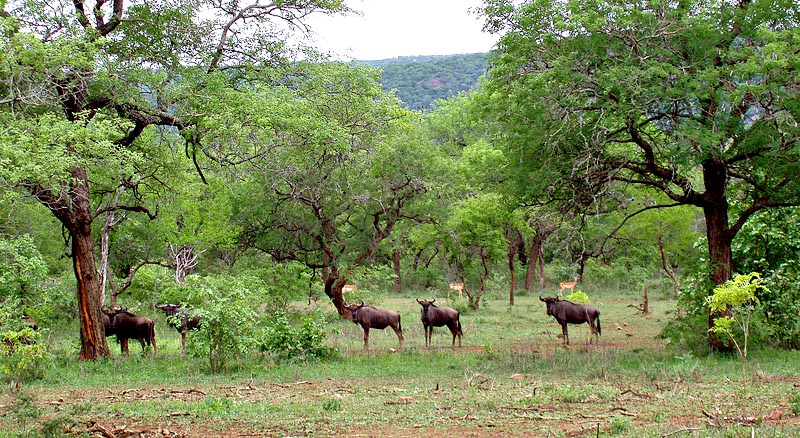
Mlawula Nature Reserve Guide
Riverine birding, knob-thorn savanna and nature trails in Eswatini’s Lubombo lowveld.
Reviewed 12 October 2026 • Confirm current fees and trail accessMlawula Nature Reserve at a glance
Mlawula Nature Reserve protects lowveld savanna, the Mbuluzi River and the foothills of the Lubombo Mountains in northeastern Eswatini. It is known for birding, scenic walks and its diverse habitats. The reserve is administered by the Eswatini National Trust Commission, not Big Game Parks.
Quick answers
When should you visit Mlawula?
May to September normally offers more comfortable temperatures for walks and scanning open habitats. In the wetter, hotter season, fresh growth and bird activity can be rewarding, though muddy roads, insects and heat require care.
Cool dry season
Better for long walks and clear bush views; carry layers for early starts.
Warm rainy season
Often richer greenery and birding; start early, carry plenty of water and check track closures.
What are the Mlawula entry fees and opening hours?
ENTC publishes tariffs for Mlawula Nature Reserve. Its 2025/26 official rate notice is useful as a historical reference, but does not prove the rate valid in October 2026. Current entrance, walking, guide, camping and vehicle charges should be confirmed directly with ENTC.
How do you get to Mlawula Nature Reserve?
Mlawula lies near the eastern Eswatini lowveld travel corridor, not far from Hlane and Mbuluzi. Access is via the public road network and the current official reserve entrance; do not use a park-centre coordinate or approximate map marker as the entrance gate.
| Place | Why visit | What to confirm |
|---|---|---|
| ENTC visitor entrance | Admission and route advice | Live opening hours, road status and permits |
| Siphiso Camp area | Camping / facilities | Current operation, reservation and exact location |
| Mbuluzi River corridor | Birding and vegetation | Permitted access and safe river crossings |
| Magadzavane lookout area | Broad valley views | Actual route, conditions and availability |
Interactive Mlawula map: river, landscape and arrival area
This OpenStreetMap overview shows broad protected-landscape reference points. Markers for park, river and surrounding attractions are approximate, not navigation-grade. Before hiking or driving inside the reserve, obtain the current ENTC map.
The optional planning markers indicate a sequence, not a walkable/driveable route. © OpenStreetMap contributors.
How do you plan a day in Mlawula?
1. Begin at visitor reception
Verify admission, trail status, available camping and route restrictions. Save the official map offline.
2. Morning birdwatching
Look for bird activity in trees and riverine scrub while the light and temperature are gentle.
3. Hike or viewpoint
Choose a route suited to fitness, heat and the time remaining, with a ranger where required.
4. Return within operating hours
Carry enough drinking water, return before closing and avoid wildlife or water hazards.
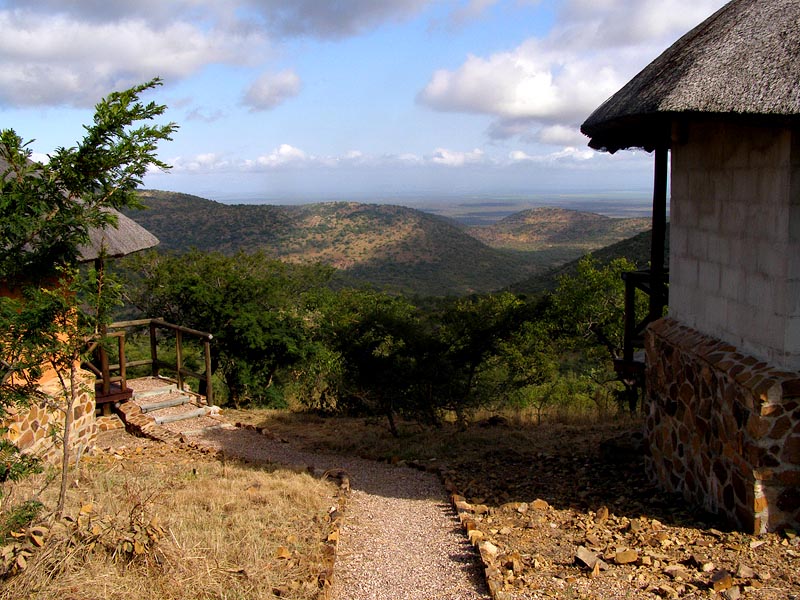
Mammals of Mlawula and the northeastern lowveld
Expect patient woodland and grassland observation rather than a Big Five drive. These 16 profiles provide identification guidance for Mlawula’s habitats and the wider regional ecosystem; not all are verified as common current sightings inside this reserve.
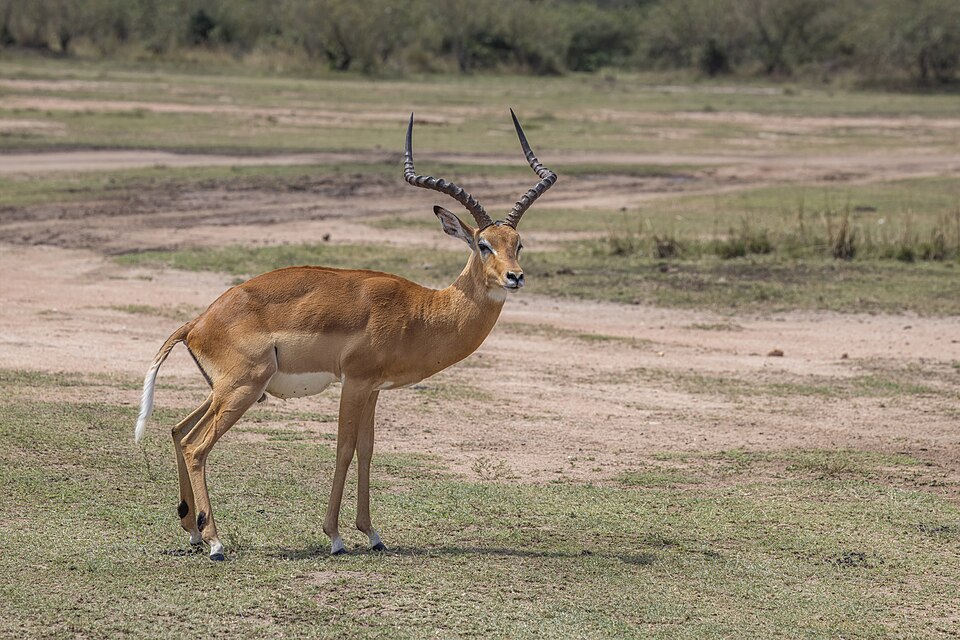 ImpalaAepyceros melampus
Woodland edges and grazing openings; often in herds.
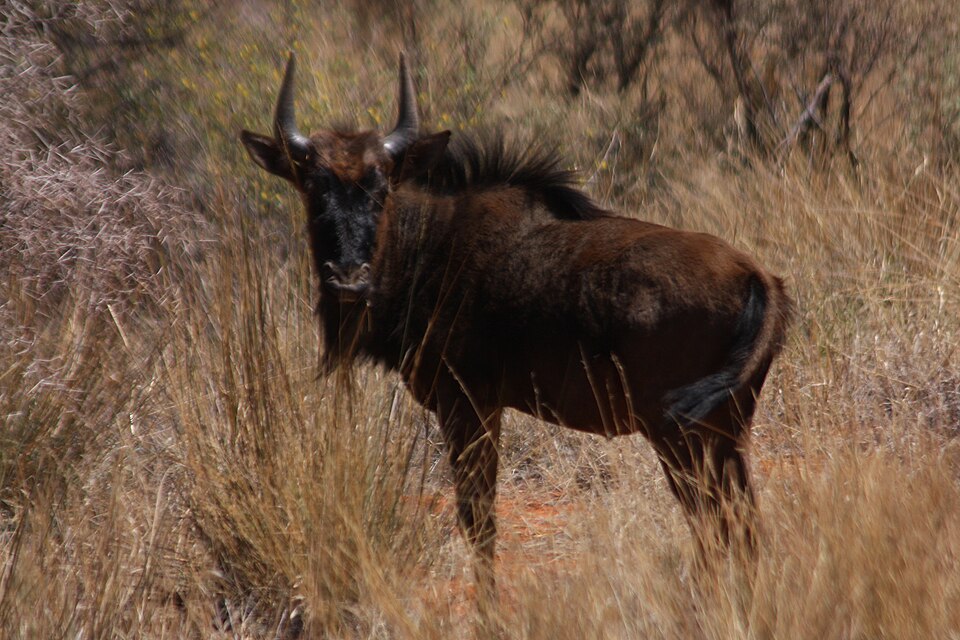 Blue wildebeestConnochaetes taurinus
Open grass, dark mane and heavy front quarters.
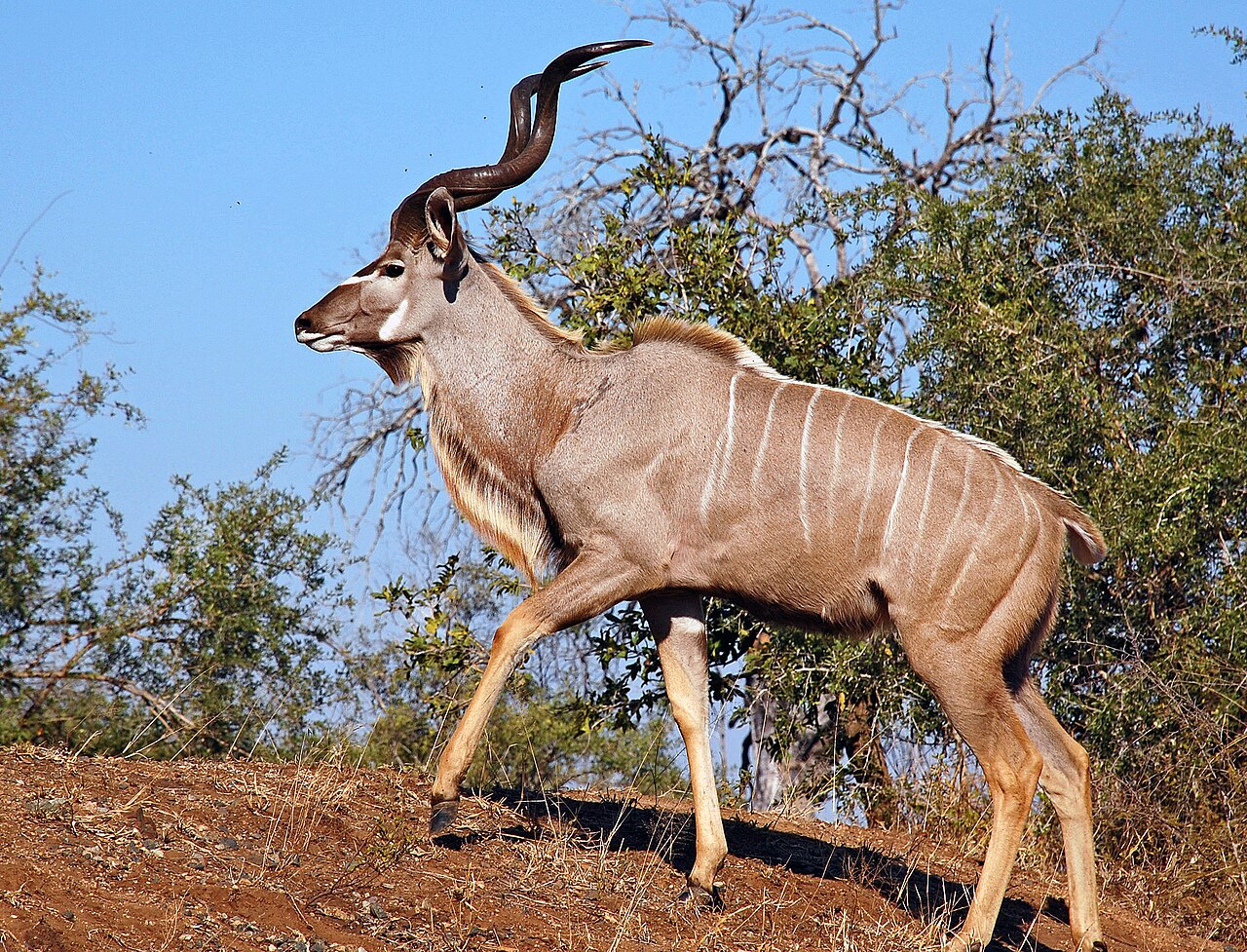 Greater kuduTragelaphus strepsiceros
Woodland browsing; adult males have spiral horns.
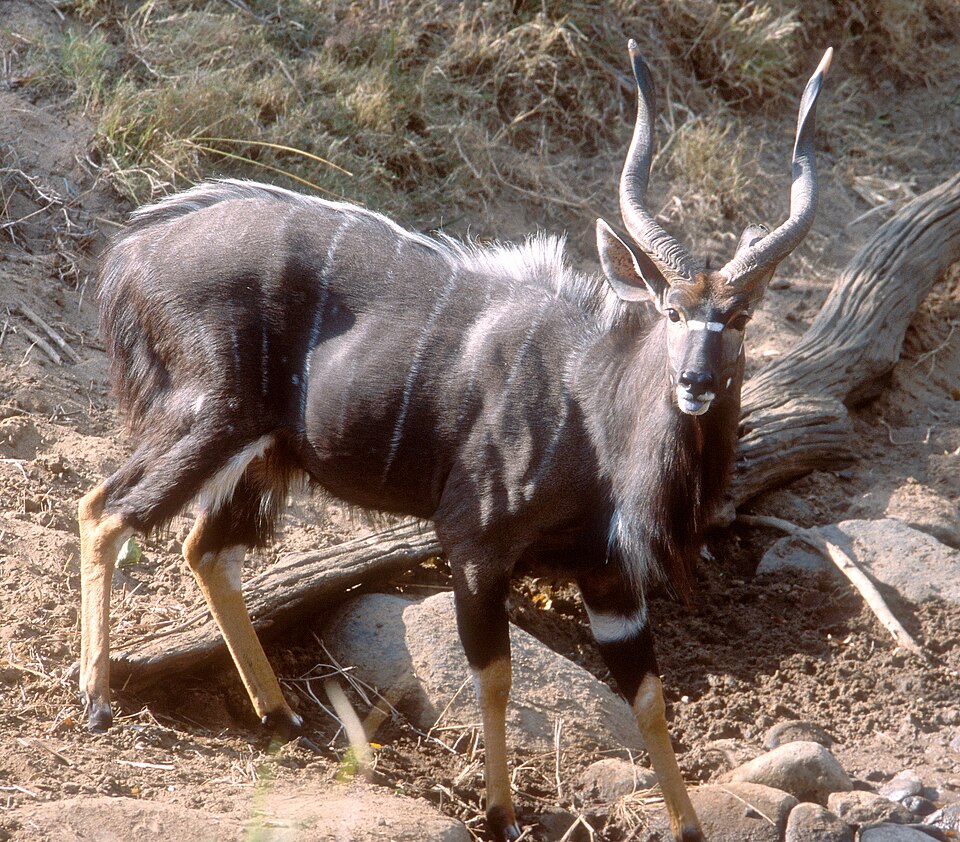 NyalaTragelaphus angasii
Dense riverine woodland; striking differences between males and females.
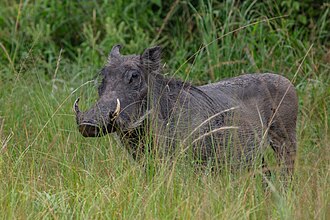 Common warthogPhacochoerus africanus
Often kneels to graze; watch clearings.
 Plains zebraEquus quagga
Grassland grazer; look for groups along open edges.
 GiraffeGiraffa camelopardalis
Tall woodland browser; confirm current local distribution with staff.
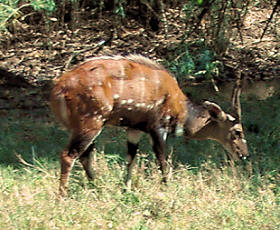 BushbuckTragelaphus scriptus
Shy antelope often found among streamside vegetation.
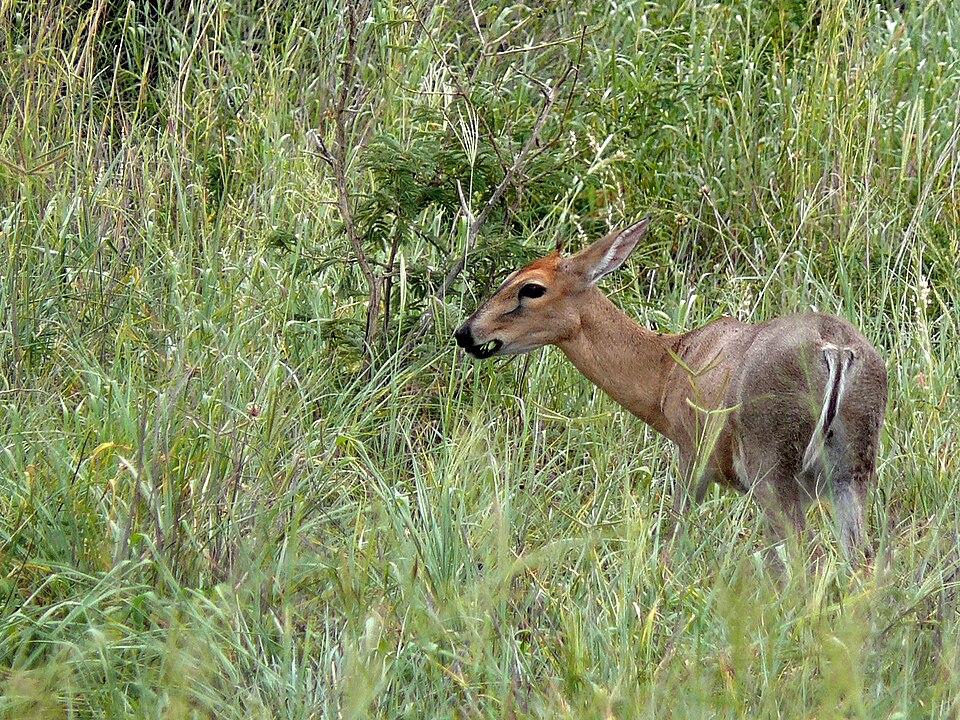 Common duikerSylvicapra grimmia
Small solitary antelope in thickets.
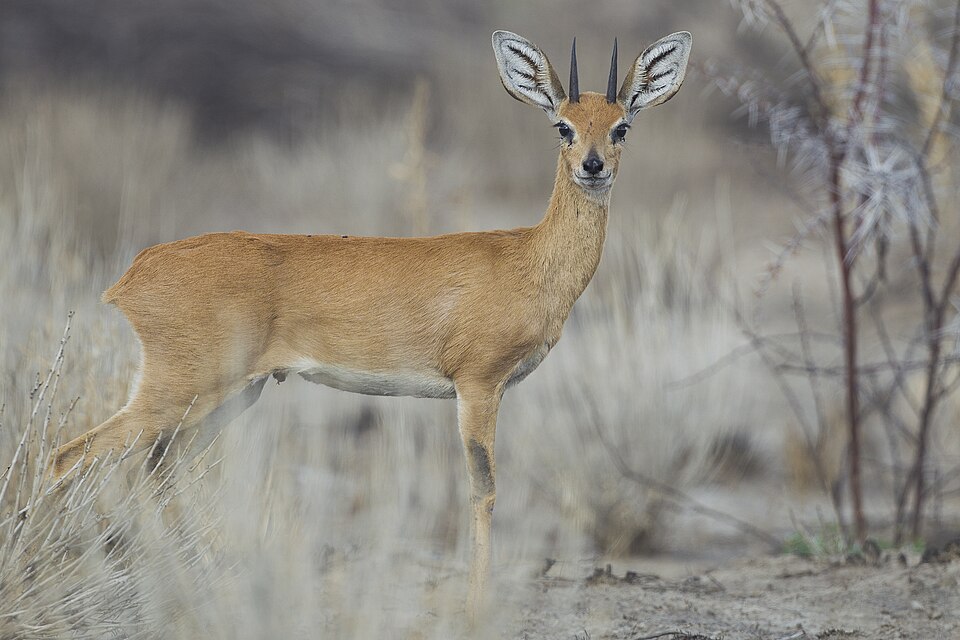 SteenbokRaphicerus campestris
Small reddish antelope of open scrub.
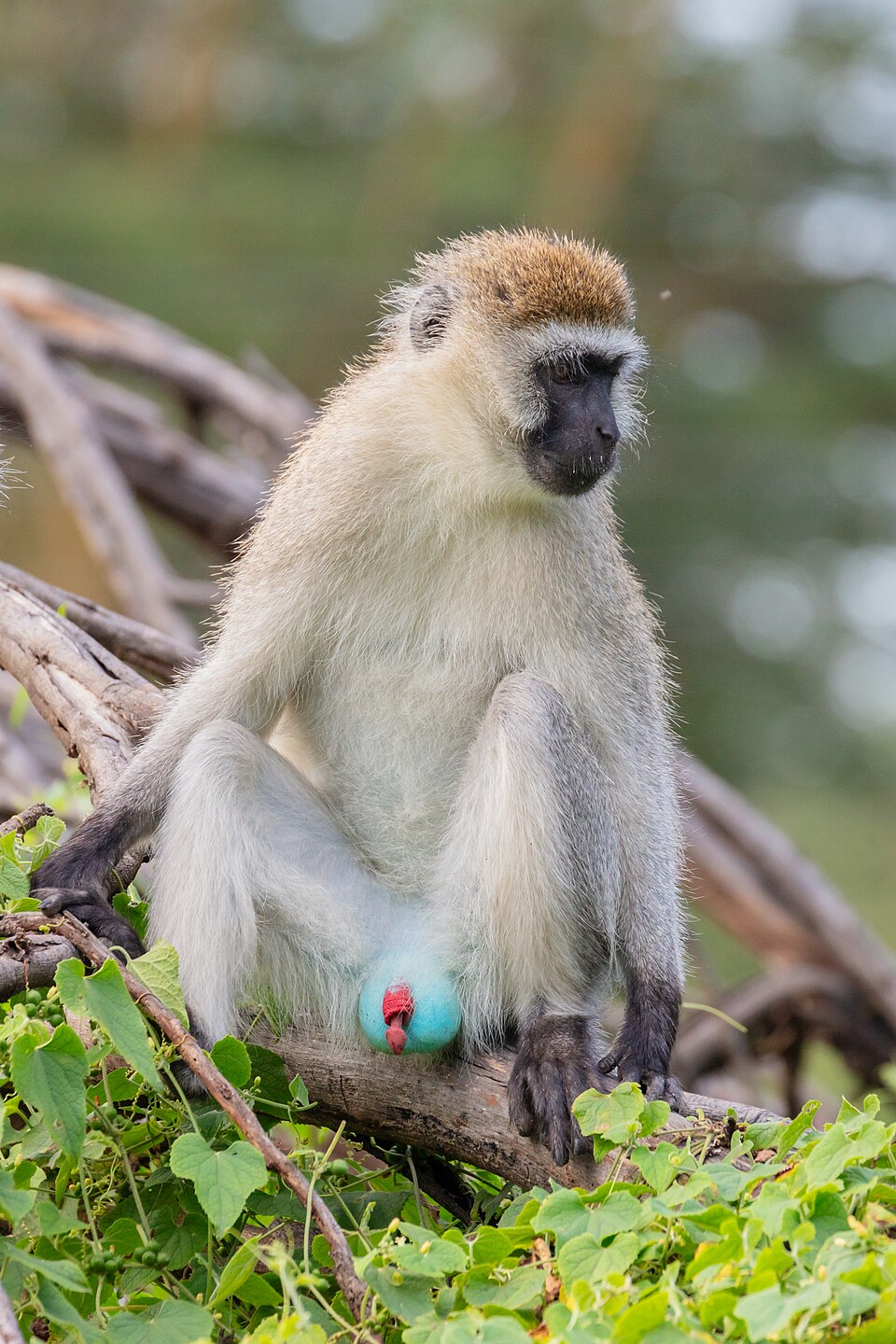 Vervet monkeyChlorocebus pygerythrus
Woodland primate; secure food and never feed.
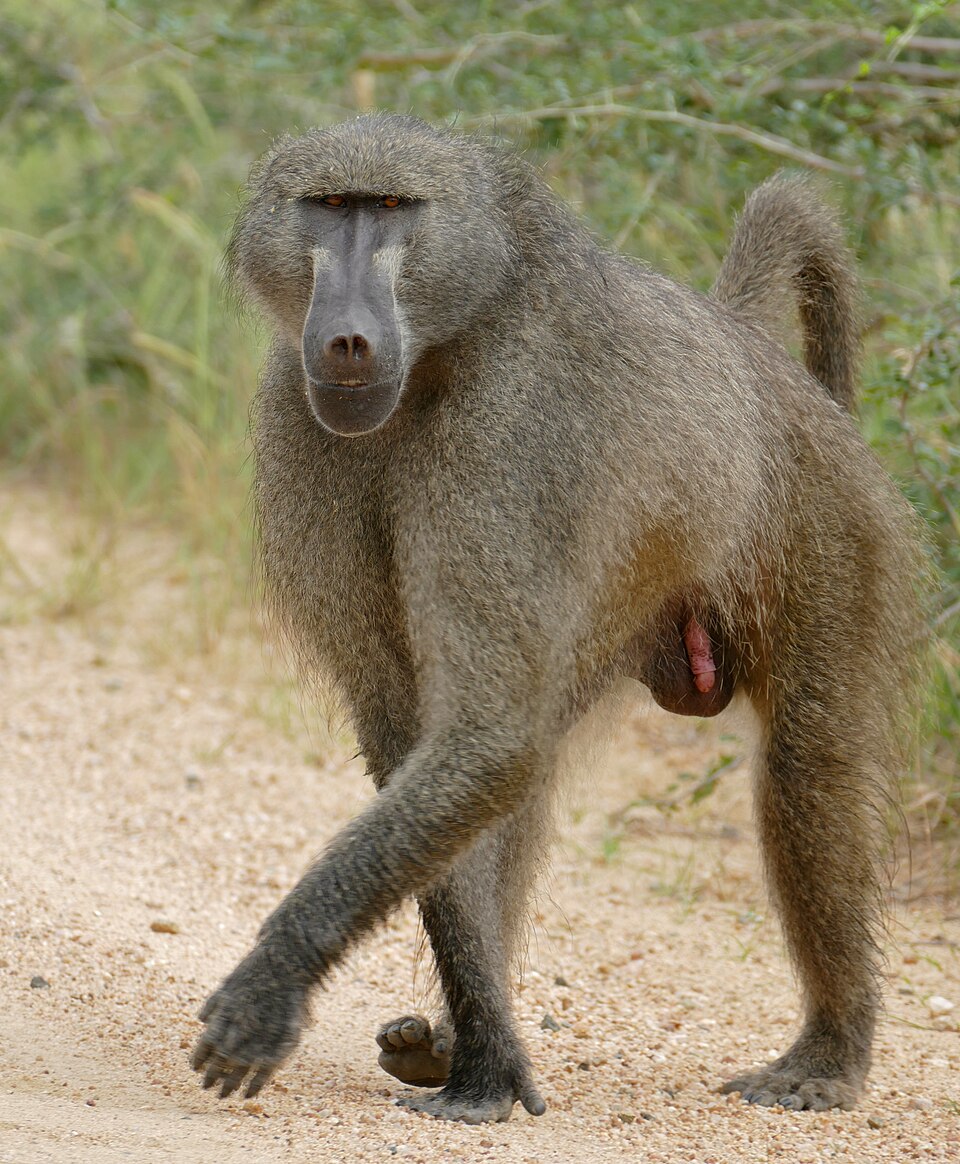 Chacma baboonPapio ursinus
Troops frequent rocky or woodland habitat.
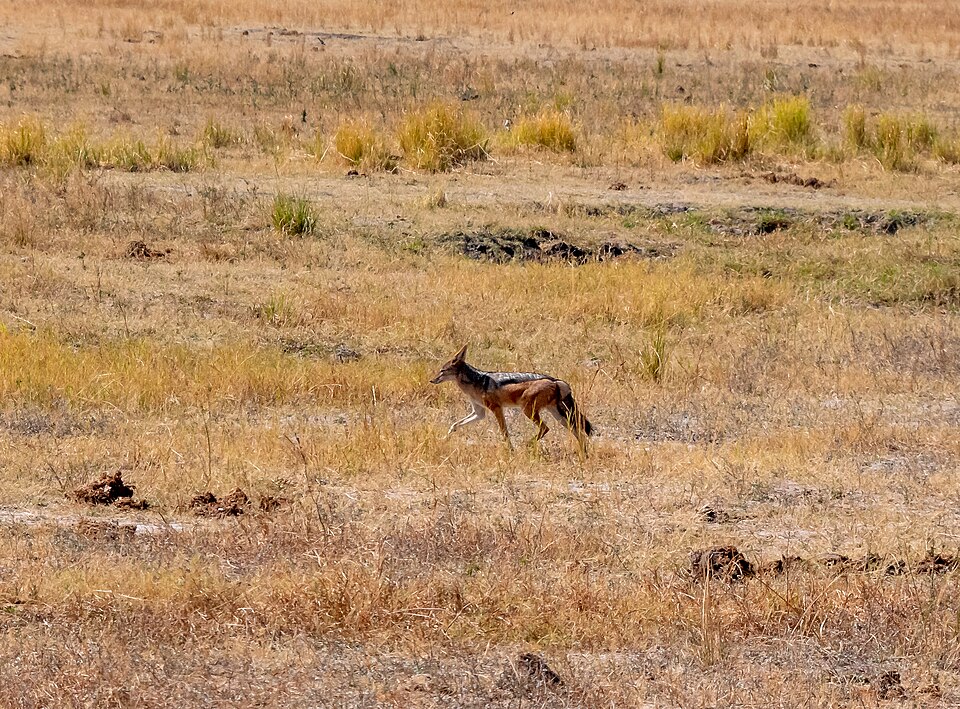 Black-backed jackalLupulella mesomelas
Lowveld carnivore; mostly an opportunistic sighting.
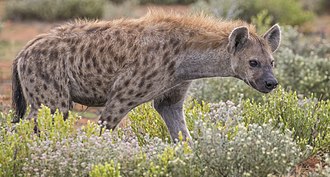 Spotted hyenaCrocuta crocuta
Regional lowveld predator, not a guaranteed reserve sighting.
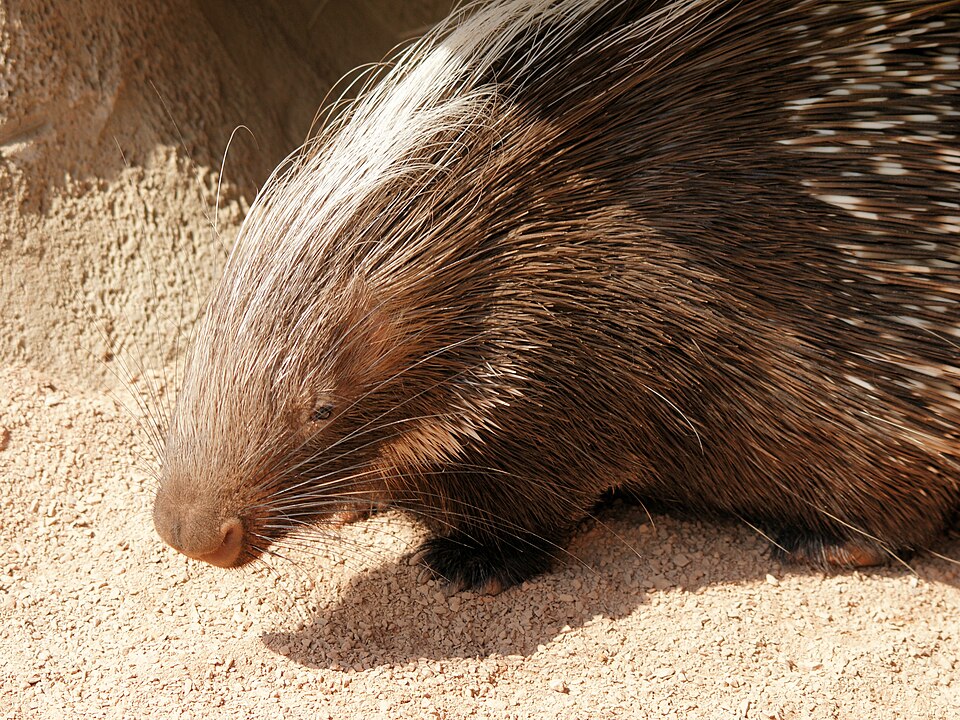 PorcupineHystrix africaeaustralis
Nocturnal; spines and tracks more likely than a daytime encounter.
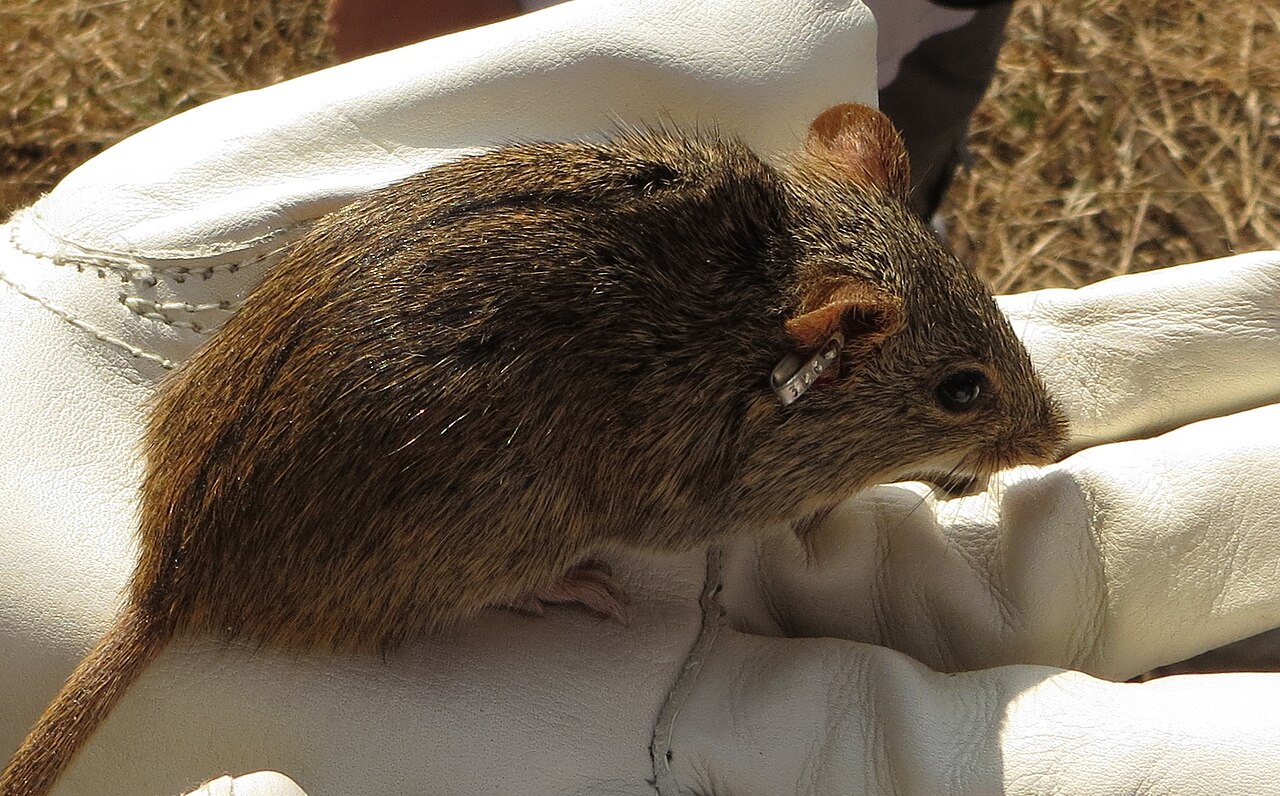 Single-striped grass mouseLemniscomys rosalia
Small patterned rodent of grassy cover.
Which birds are worth looking for at Mlawula?
Riverine cover, grassland and hill vegetation provide varied birding opportunities. These 12 identification profiles are habitat-oriented references, not a guaranteed reserve checklist.
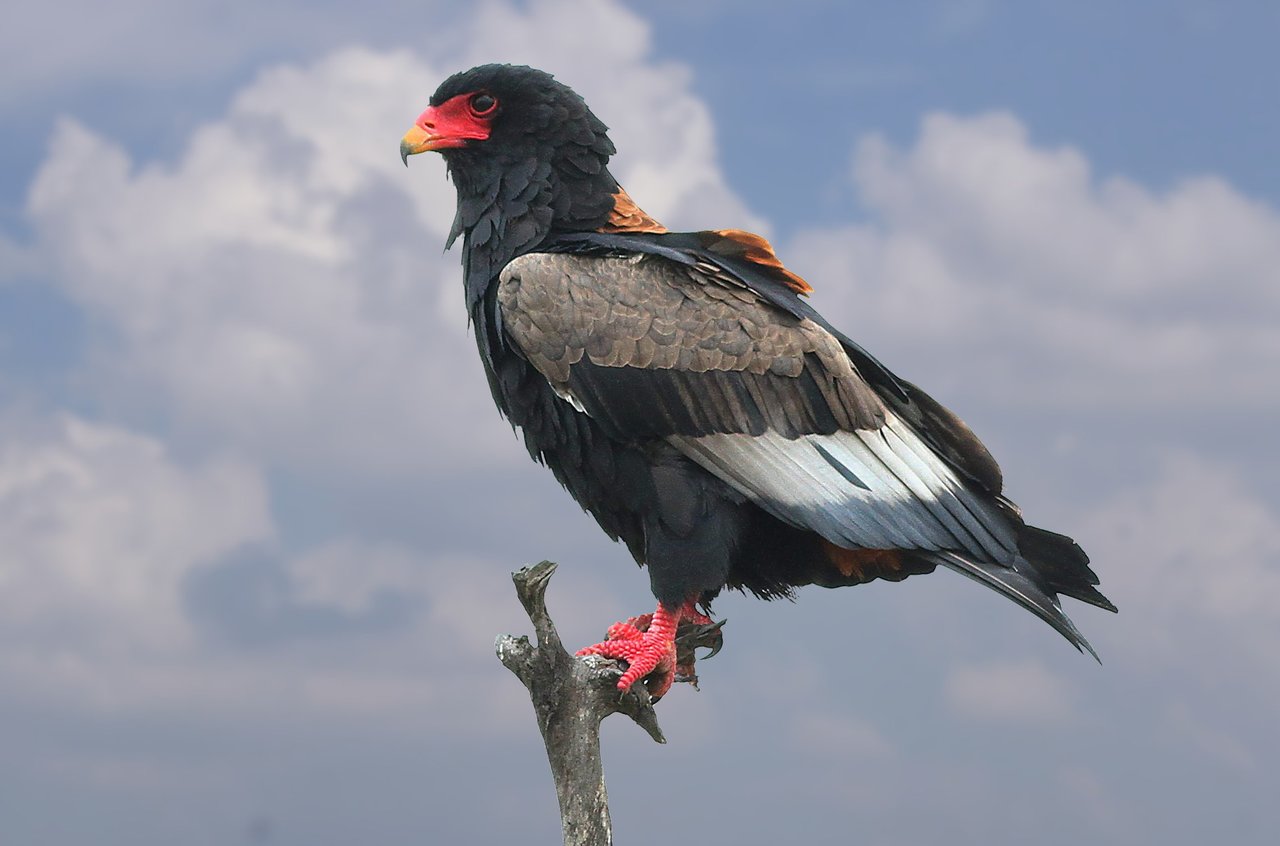 BateleurTerathopius ecaudatus
Distinctive short-tailed raptor over savanna.
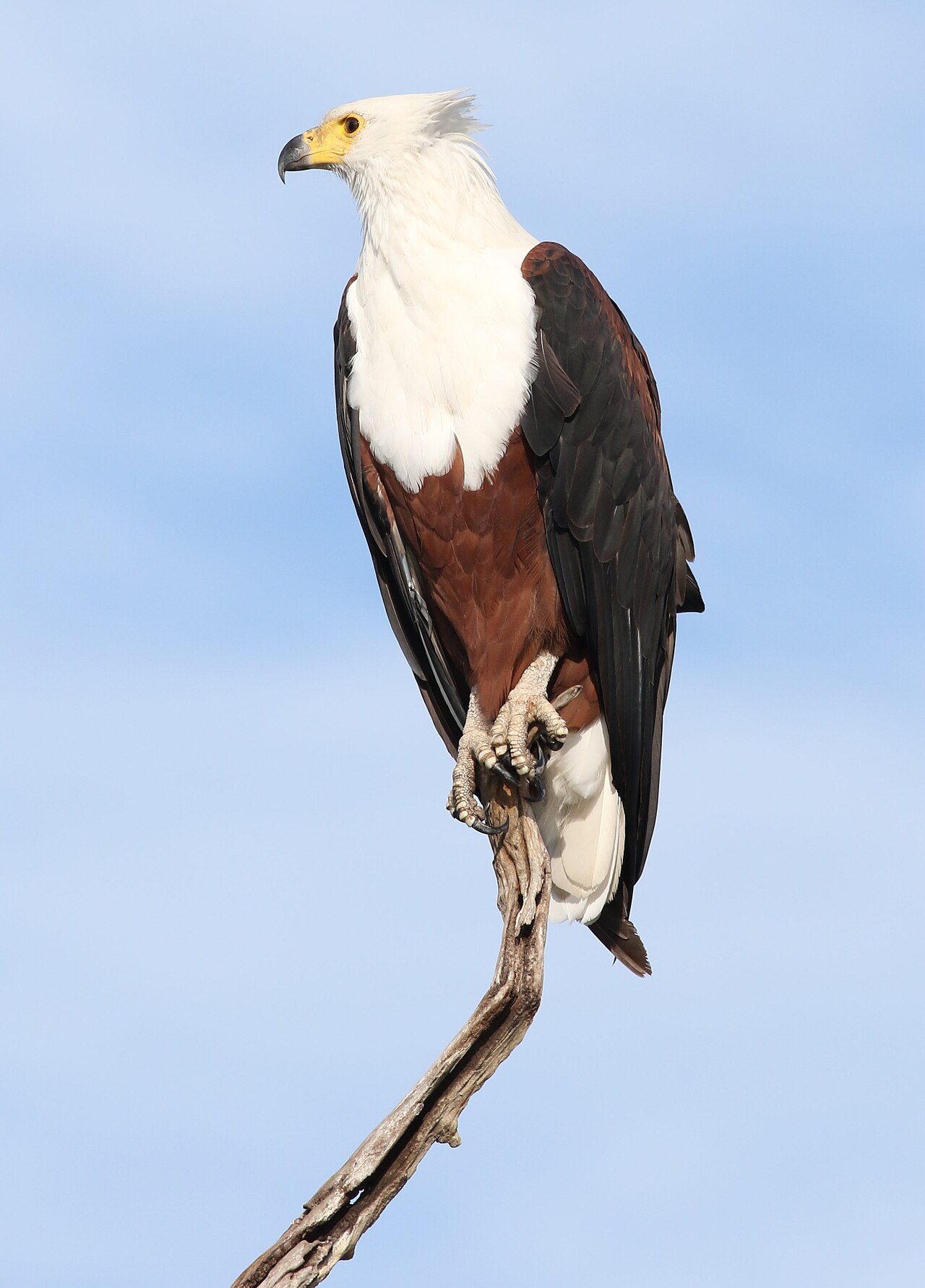 African fish eagleIcthyophaga vocifer
Near suitable water; listen for loud calls.
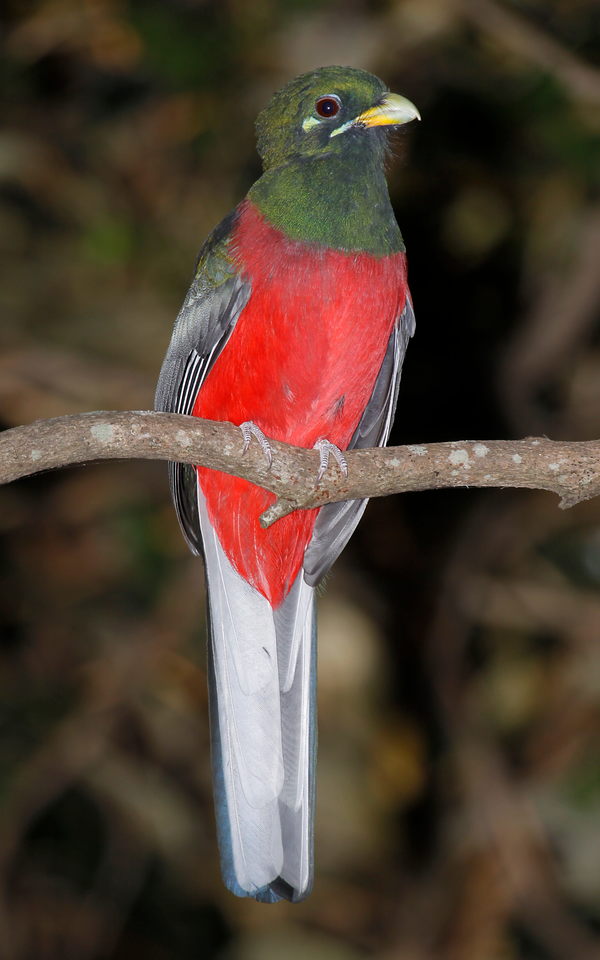 Narina trogonApaloderma narina
Secretive, brightly coloured riverine woodland bird.
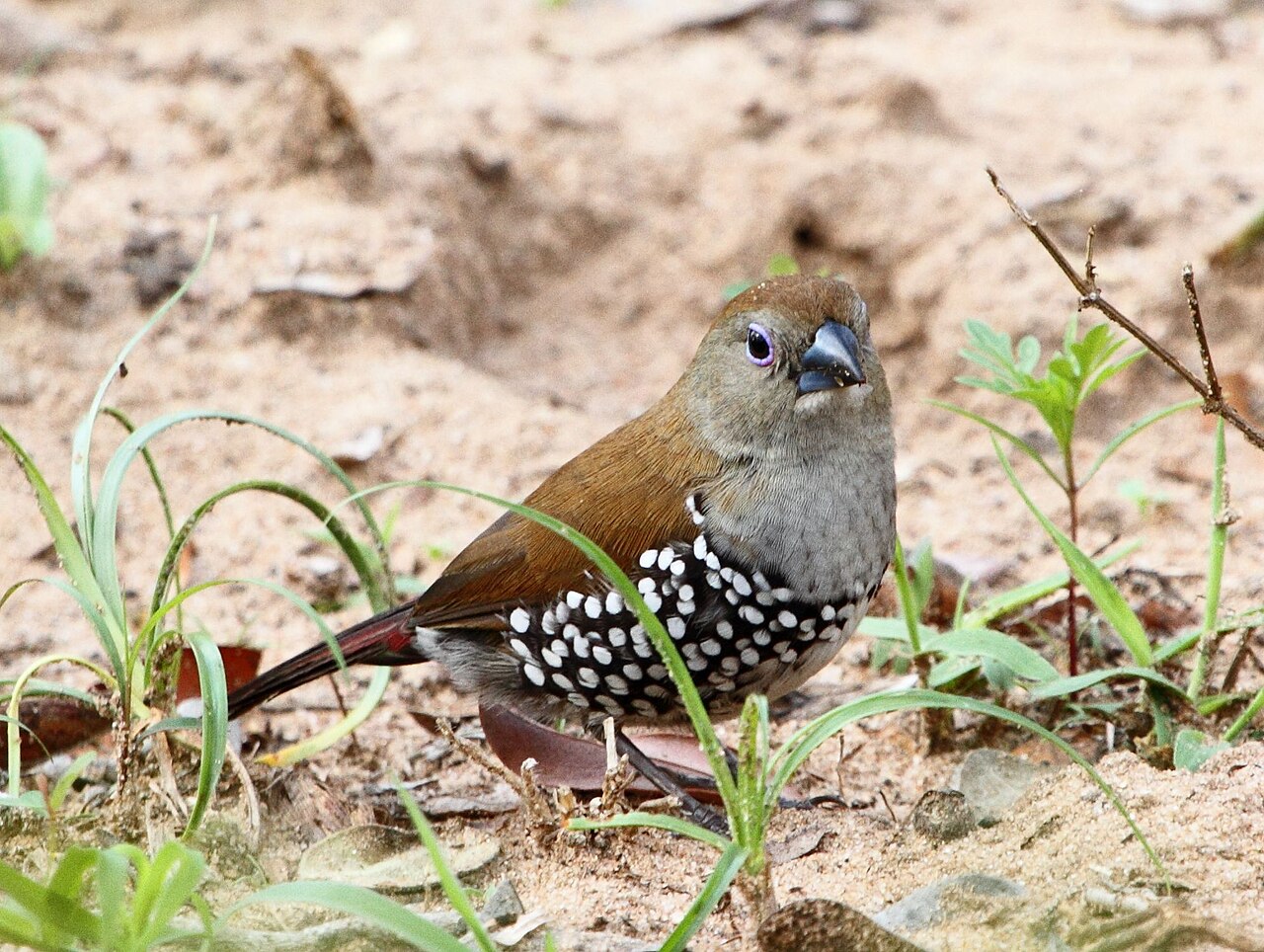 Pink-throated twinspotHypargos margaritatus
Small bird in dense bush or woodland.
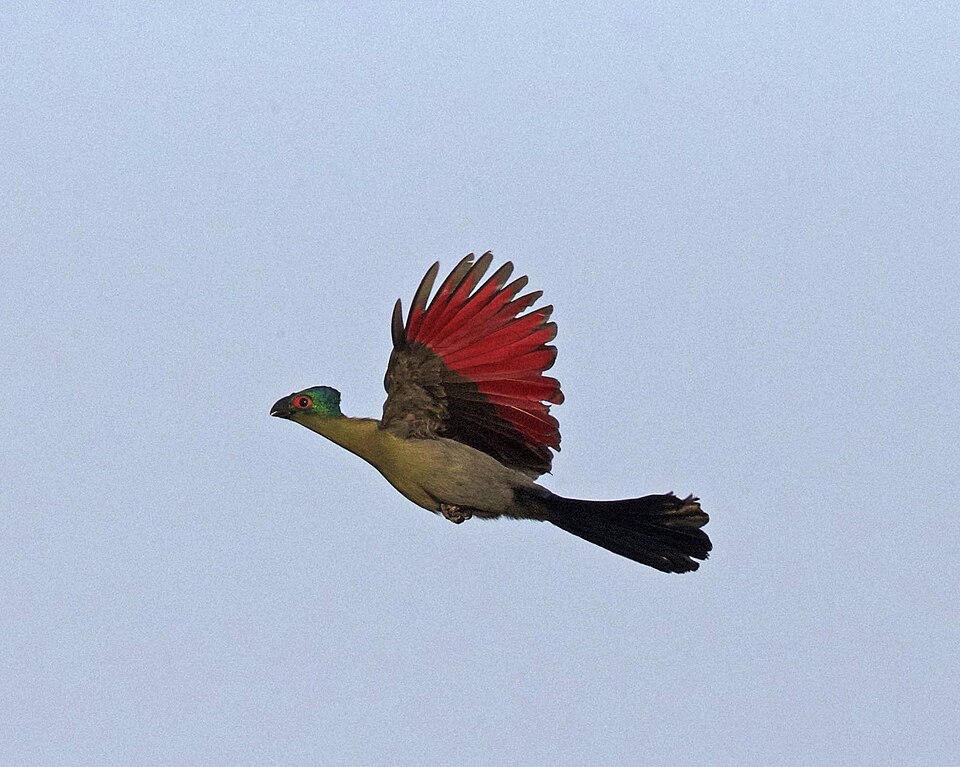 Purple-crested turacoGallirex porphyreolophus
Fruit-eating woodland specialist.
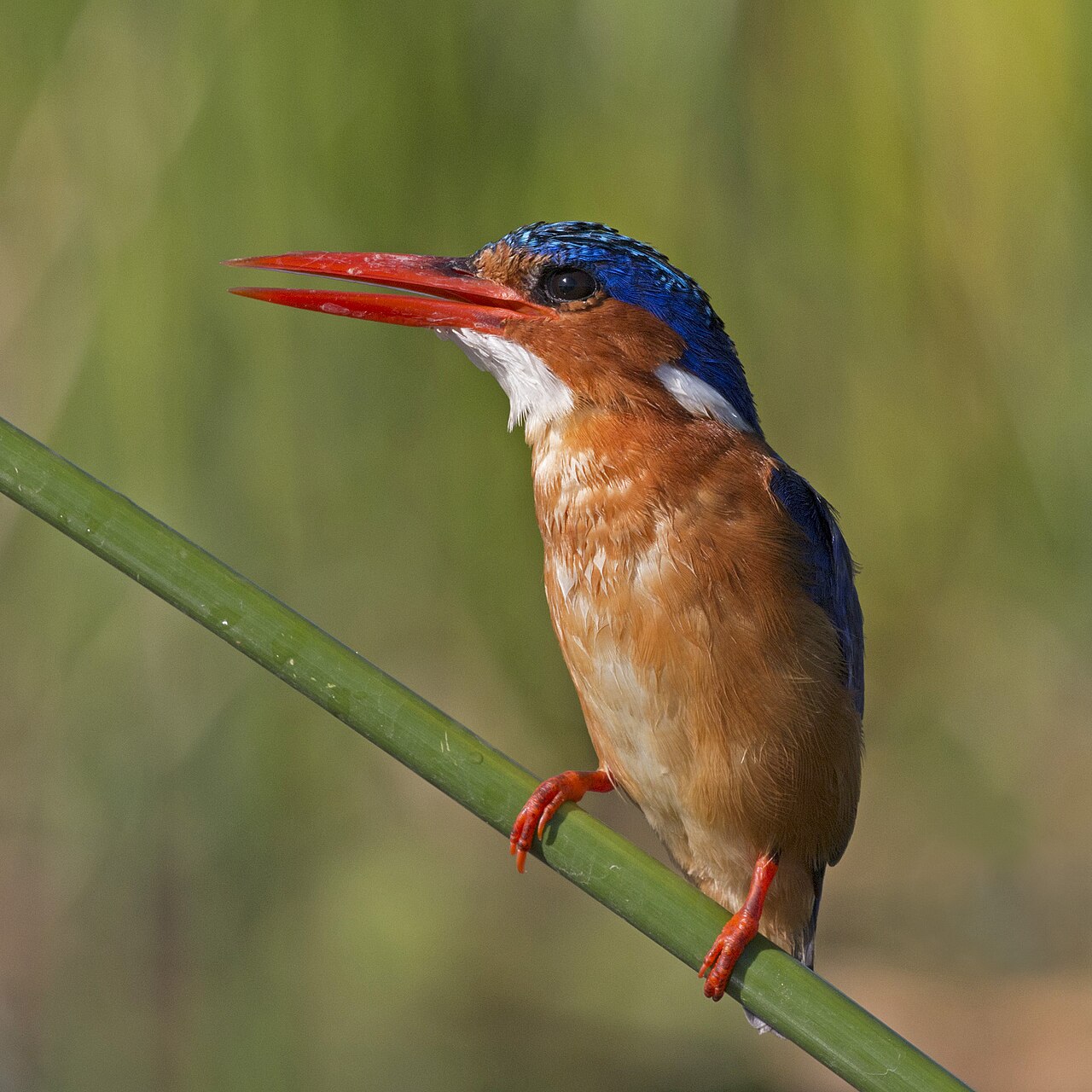 Malachite kingfisherCorythornis cristatus
Tiny bright-blue kingfisher near waterways.
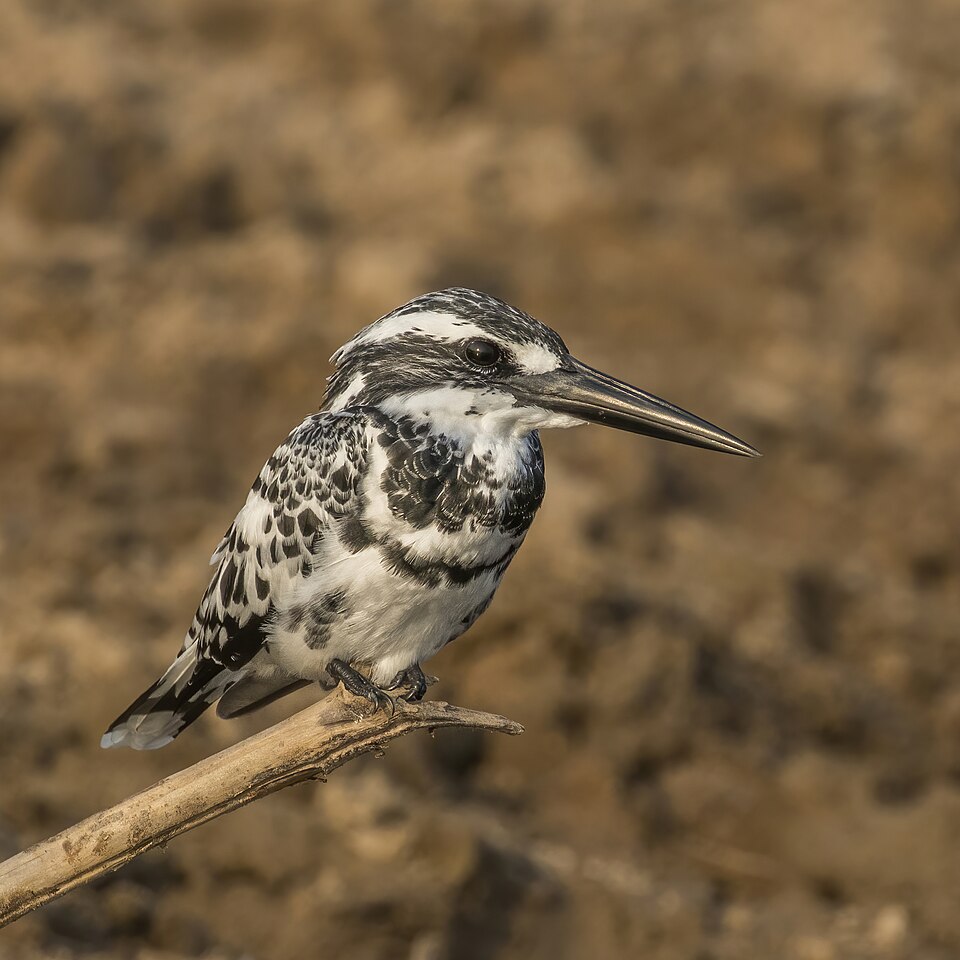 Pied kingfisherCeryle rudis
Black-and-white bird hovering over water.
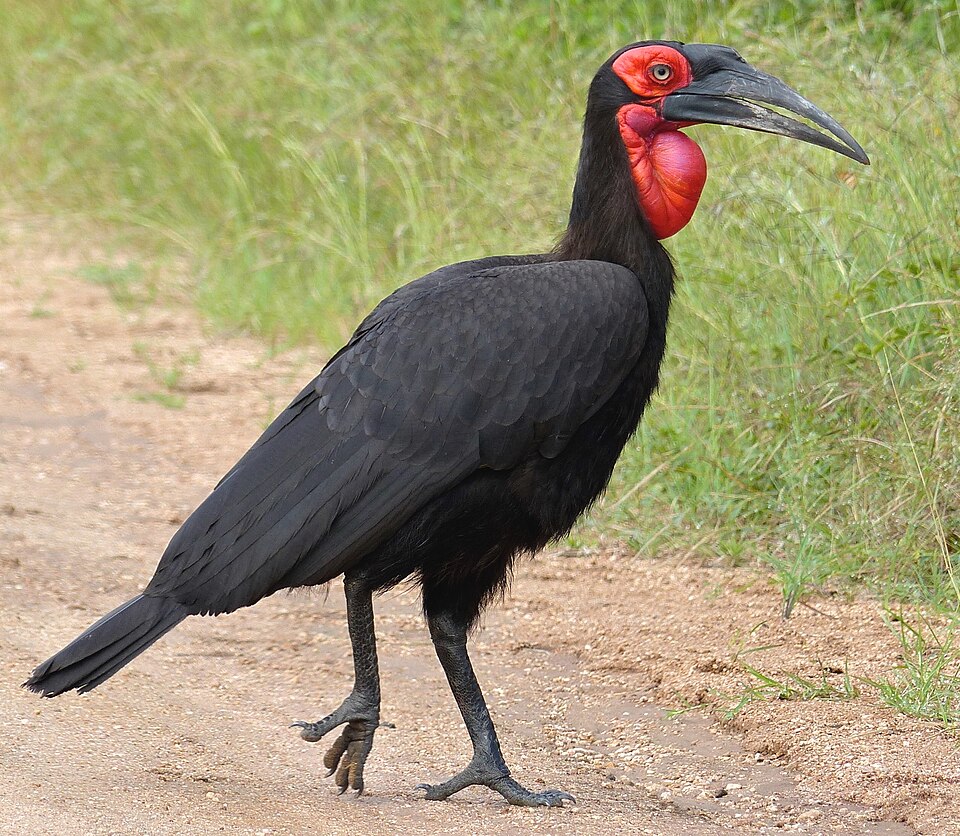 Southern ground hornbillBucorvus leadbeateri
Large ground bird of conservation interest.
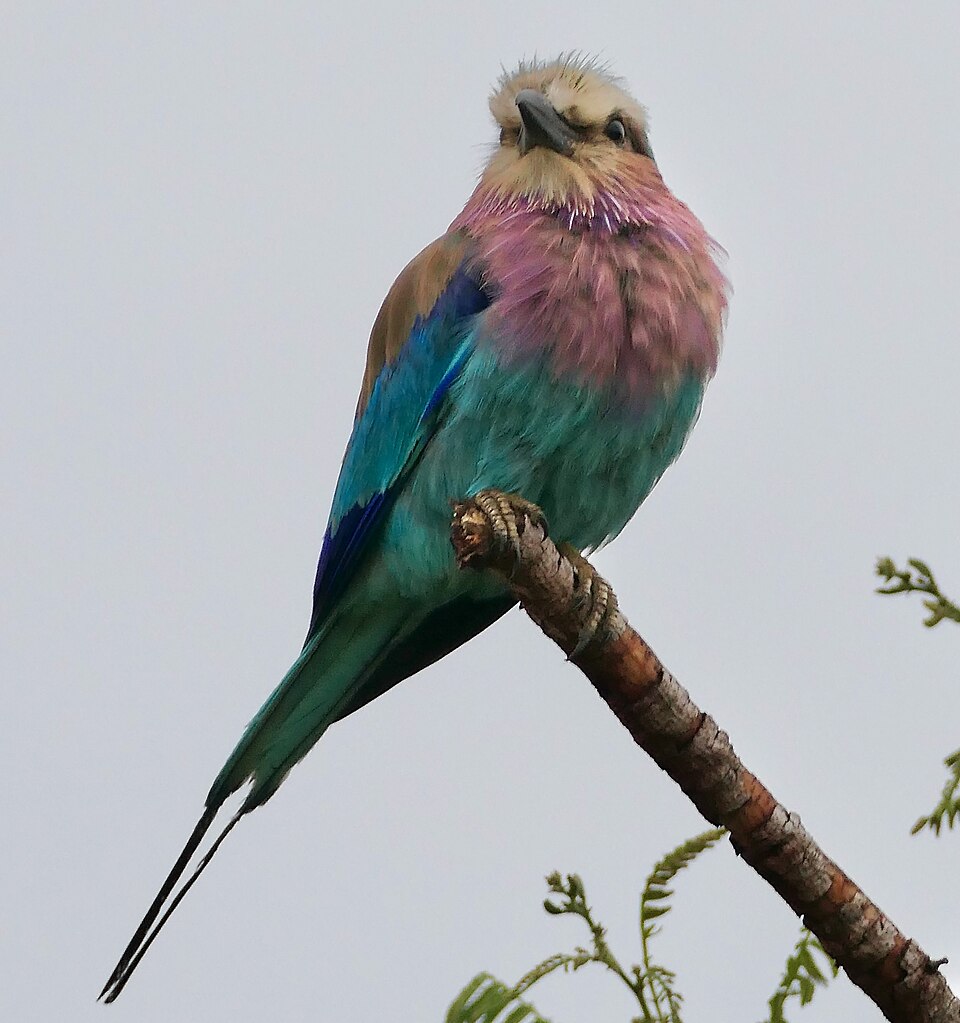 Lilac-breasted rollerCoracias caudatus
Perches conspicuously near open woodland.
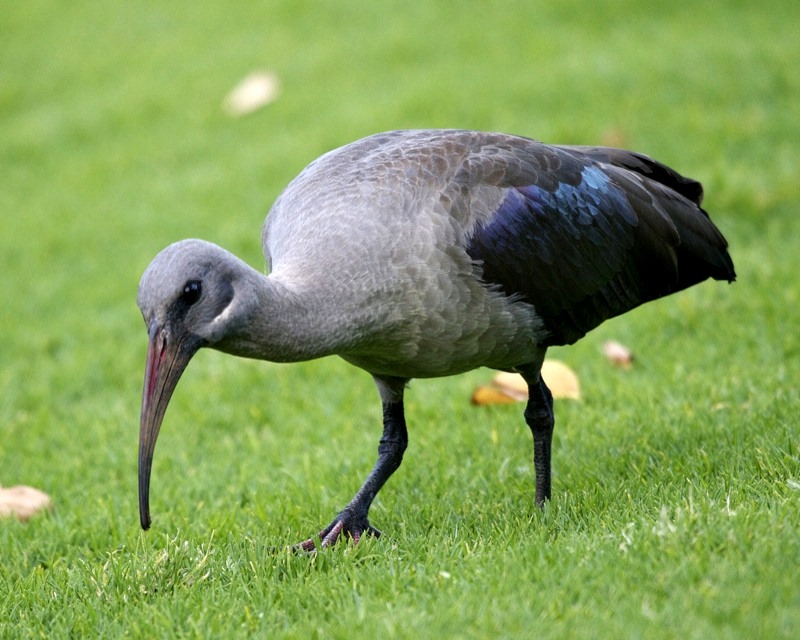 Hadada ibisBostrychia hagedash
Noisy call; often feeding on softer ground.
Elusive bird of shaded river banks; specialist target.
Long yellow bill and active terrestrial feeding.
Flora: lowveld trees, flowers and streamside plants
Knob-thorn savanna, riverine trees and grasses shape the scenery. Individual species composition changes across soils and moisture levels, so consult a local plant guide for positive identification.
Trees and shrubs
Characteristic woody savanna tree.
Important wildlife fruiting tree.
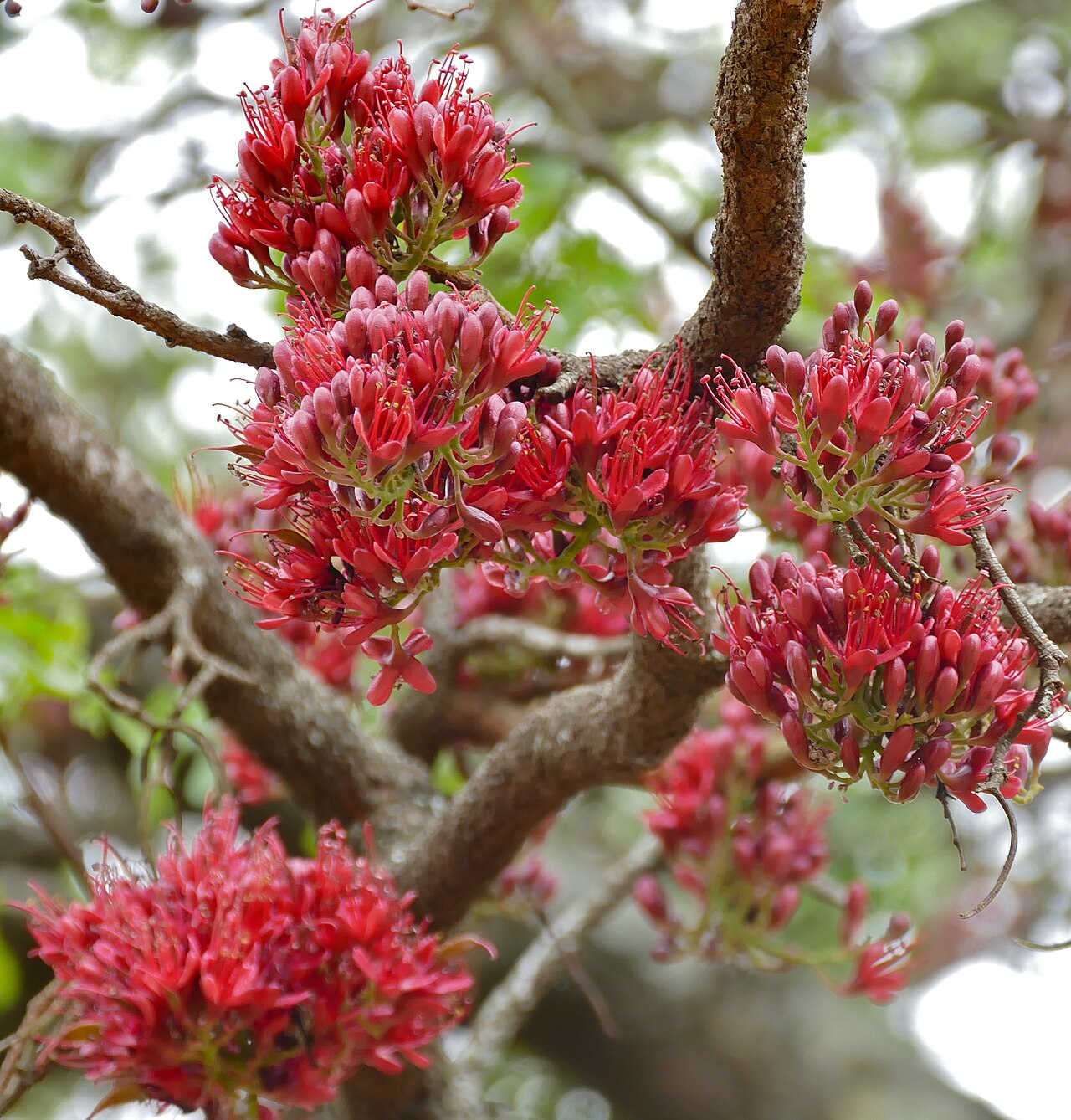 Weeping boer-beanSchotia brachypetala
Seasonal red flowers attract birds and insects.
Large riverine fruiting tree.
Hardwood, often mature savanna trees.
Paired thorns in thicket.
Small shrub with two-tone flowerheads.
Woodland tree with irritating/toxic sap.
Flowers, reeds and understory
Tall grasses around shaded margins.
Warm-season grassland.
Dense growth around suitable water.
Moist ground species.
Flowering shrubs and herbs.
Aromatic herb group.
What can you do in Mlawula Nature Reserve?
Birdwatching
Start early with binoculars and listen for woodland calls near shaded watercourses.
Nature walks
Choose currently open authorised routes and check safety with ENTC.
Scenic photography
Capture knob-thorn savanna and the Lubombo foothills.
Botanical observation
Watch for flowering trees, butterflies and riparian plants without collecting specimens.
Read the related Mbuluzi Game Reserve, Hlane Royal National Park and Malolotja Nature Reserve guides. See all parks in the See.Africa directory.
Visitor rules and safety
Stay on designated routes and observe staff instructions. Do not approach crocodiles, hippos or any other wildlife near rivers. Trails and lowveld roads can be hot, muddy or affected by rain. Carry enough water, sun protection, insect repellent and offline directions. Mlawula is distinct from adjoining reserves; never assume gates and permits are interchangeable.
Mlawula Nature Reserve FAQs
Is Mlawula a self-drive game reserve?
Mlawula is managed by Eswatini National Trust Commission. Some internal access roads and tracks are used by visitors, but access and driving permissions must be confirmed with ENTC; it is not an unrestricted self-drive safari destination.
Is Mlawula good for hiking?
Yes. The reserve has established walking opportunities in woodland and hillside habitat. Check the current trail map, weather and route permissions at the entrance before starting.
What is Mlawula known for?
Lowveld savanna and riverine habitats, Mbuluzi River landscapes, birdwatching, hiking and its setting beneath the Lubombo range.
Can you stay overnight?
ENTC has published information about Siphiso camping and associated visitor facilities. Confirm that overnight accommodation and amenities are operating before planning a stay.
How much does entry cost?
Use ENTC’s official current reserve tariff. A 2025/26 PDF is available, but that does not establish October 2026 rates.
When is the best time to visit?
May to September is generally cooler and drier for walking; summer is greener and may be good for birds but can be very hot.
Is Mlawula managed by Big Game Parks?
No. Mlawula is managed by the Eswatini National Trust Commission; nearby Hlane and Mlilwane have different operators and visitor rules.
Official sources and editorial notes
Eswatini National Trust Commission • Official ENTC 2025/26 tariffs • Map attribution • Mlawula hero photo attribution. See the WordPress media captions for other image credits.
