
Mbuluzi Game Reserve Guide
Quiet lowveld nature, riverine birdwatching and self-catering safari lodges in northeastern Eswatini.
Reviewed 12 October 2026 • Confirm visitor rules directly with MbuluziMbuluzi Game Reserve at a glance
Mbuluzi Game Reserve is a privately managed lowveld wildlife refuge in northeastern Eswatini, suited to quiet nature-focused trips, self-catering stays, birdwatching, walking and selected vehicle-based wildlife viewing. The Mbuluzi River and nearby Lubombo woodland are central to its appeal. This is not a public Big Five self-drive park.
Quick answers
When is the best time to visit Mbuluzi?
May to September is generally cooler and drier, with pleasant walking and more open vegetation. The rainy months are hotter and greener, often rewarding for birding but sometimes producing muddy tracks. Seasonal water and wildlife movements are variable and sightings are never guaranteed.
Dry-season wildlife
Cooler mornings and improved ground visibility make walks and drives more comfortable.
Summer birding
Listen for breeding and migrant birds, with insect repellent and rain protection.
What are Mbuluzi entry fees and opening hours?
Mbuluzi is a private reserve with its own day-visitor, overnight and access arrangements. The prices and payment rules of the separate Big Game Parks organisation do not automatically apply. Confirm charges for day visits, accommodation, vehicle entry and any guided experiences for your dates directly with Mbuluzi.
How do you get to Mbuluzi Game Reserve?
Mbuluzi lies in the northeastern Lubombo lowveld, near Mlawula Nature Reserve and the Simunye corridor. Obtain the correct visitor gate, lodge check-in instructions and any security arrangements from your booking confirmation. A general reserve map marker is not a publicly usable gate coordinate.
Arriving from Simunye
Follow the confirmed main-road approach and the reserve’s final directions. Keep a copy of the check-in message offline.
Arriving from South Africa
Confirm your chosen border opening times, rental-car permissions and Eswatini road rules. Leave time for slower rural roads.
Do not enter neighbouring Mlawula or Hlane areas assuming the same access arrangements or visitor rules apply.
Mbuluzi interactive map: lodges, river and regional access
The following OpenStreetMap view places approximate reference points in the northeastern Eswatini lowveld. Lodge positions and access are approximate unless confirmed by the operator; do not use them as precise arrival coordinates. No invented internal-road routes are drawn.
Planning points show an illustrative arrival/activity sequence, not a route line. Map attribution: OpenStreetMap contributors.
How should you plan a day at Mbuluzi?
1. Confirm admission
Check day-visitor permission, entry hours and the correct lodge or reception directions in advance.
2. Early birdwatching
Explore approved habitats slowly with binoculars. Watch riverine trees and margins from safe distances.
3. Midday rest
Enjoy a quiet lodge or authorised picnic area. Respect accommodation-only areas and drinking-water requirements.
4. Late afternoon wildlife
Drive permitted tracks or walk only approved routes, completing activities before any operator-stated closing deadline.
Which mammals can you see at Mbuluzi?
Mbuluzi is better suited to patient nature observation than chasing Big Five sightings. These 16 mammal profiles are useful southern African lowveld identification references; the presence and regularity of individual species at Mbuluzi should be checked with the reserve’s current species checklist.
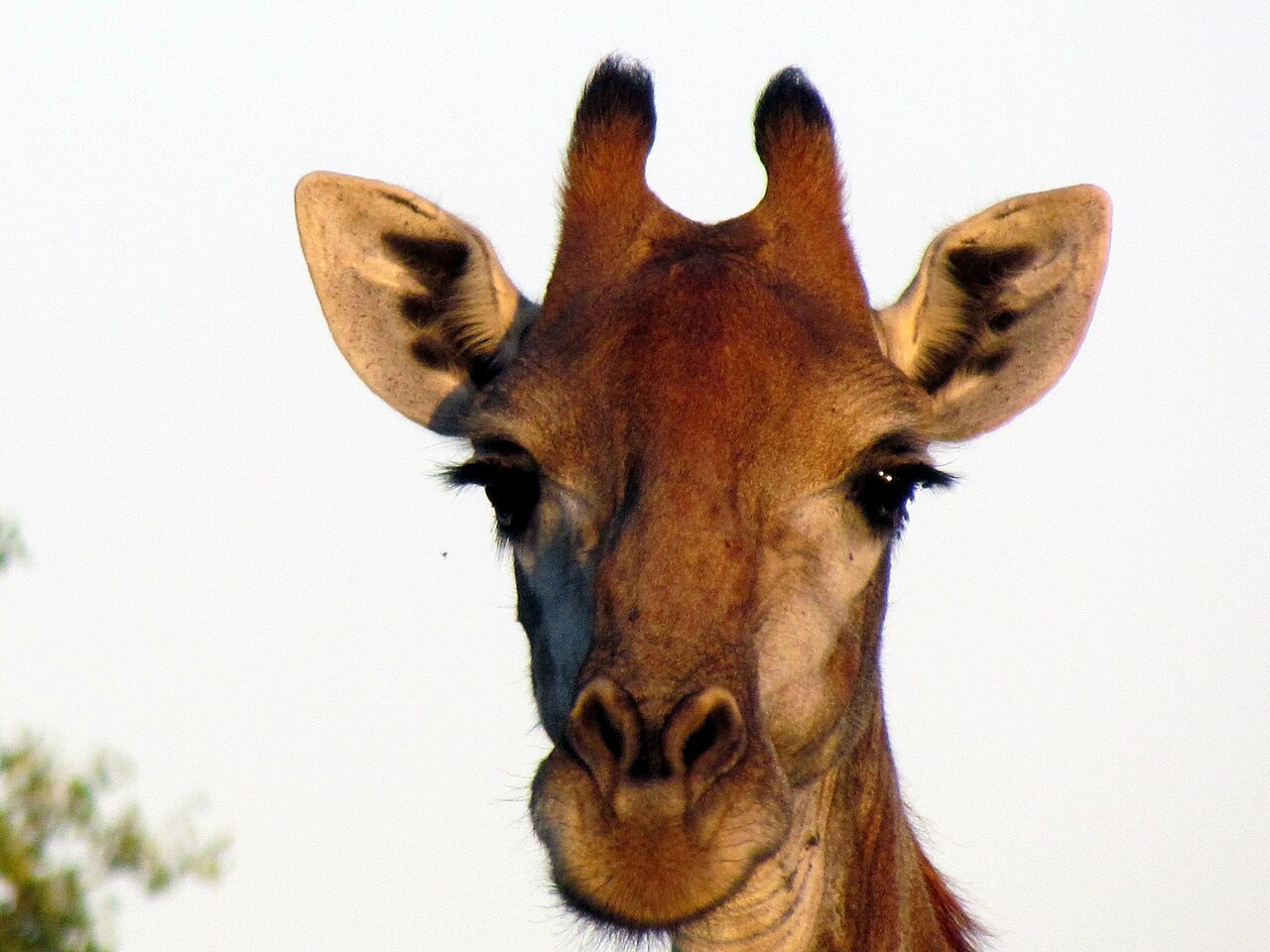 GiraffeGiraffa camelopardalis
Browse in acacia woodland and savanna; sightings depend on section.
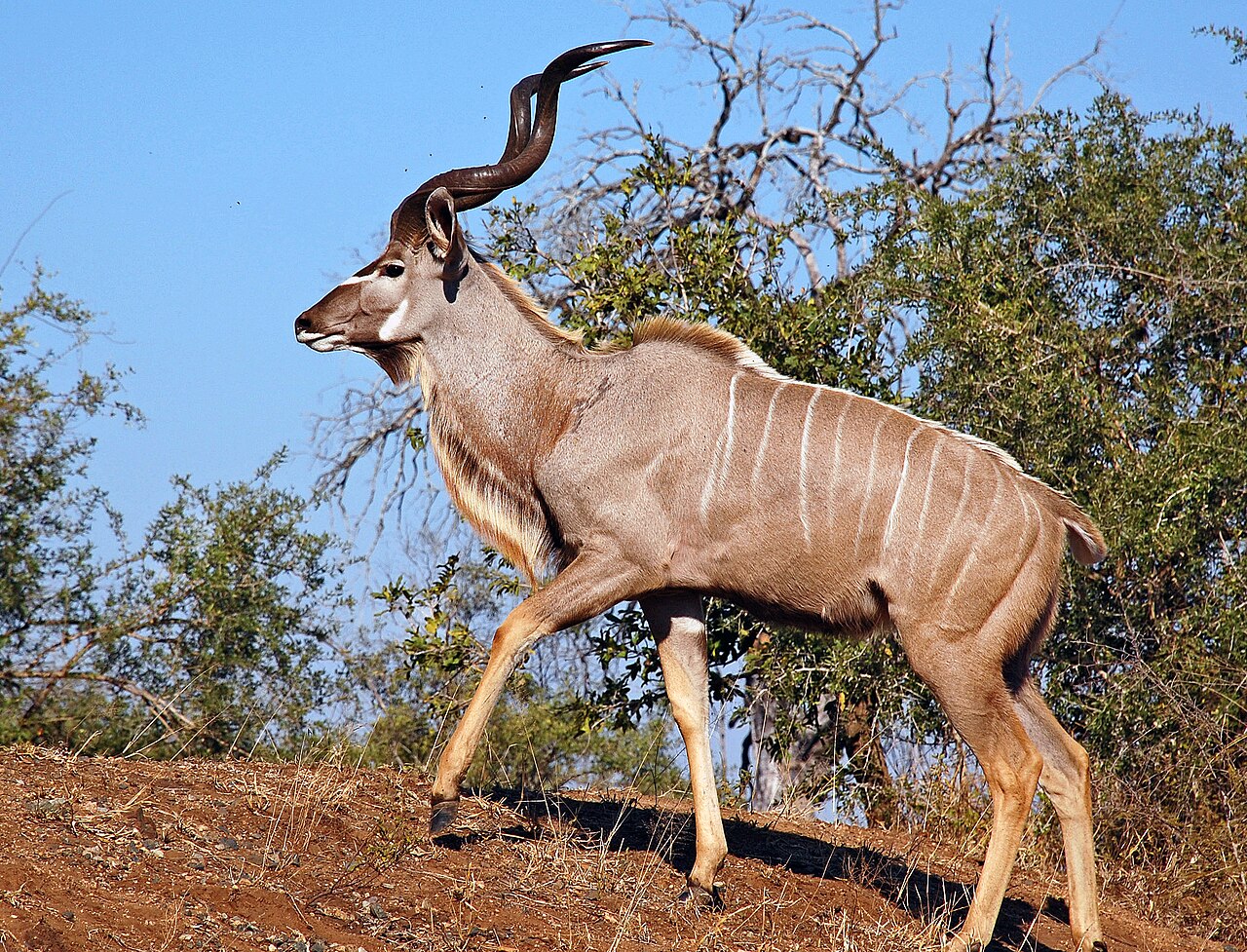 Greater kuduTragelaphus strepsiceros
Spiral-horned antelope in thickets.
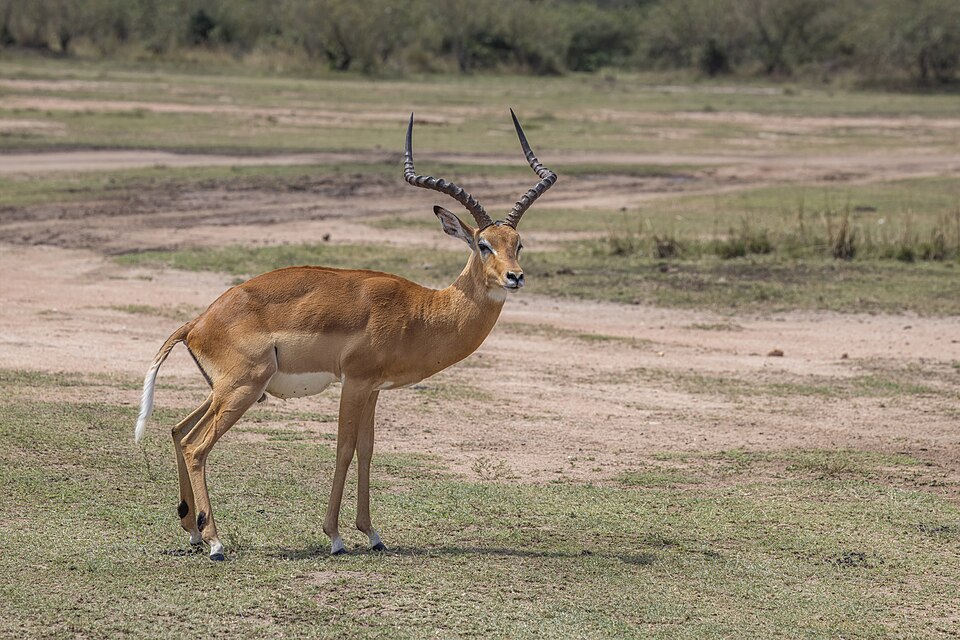 ImpalaAepyceros melampus
Common lowveld woodland-edge antelope.
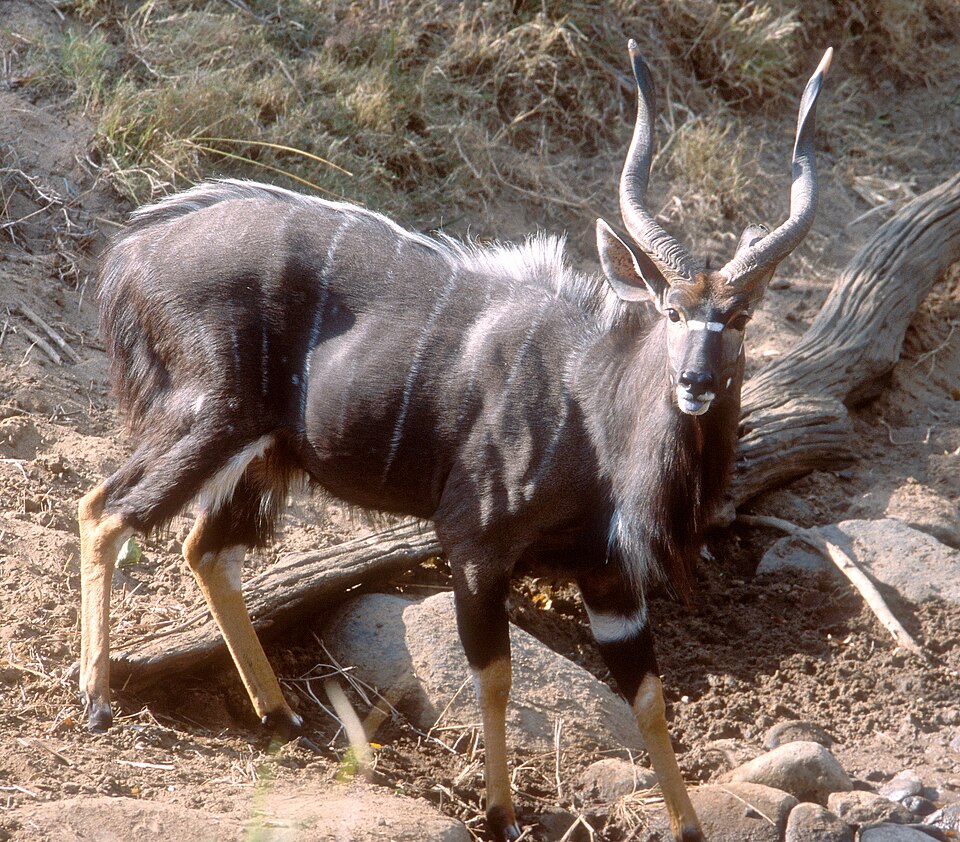 NyalaTragelaphus angasii
Woodland antelope with strongly differing male and female colour.
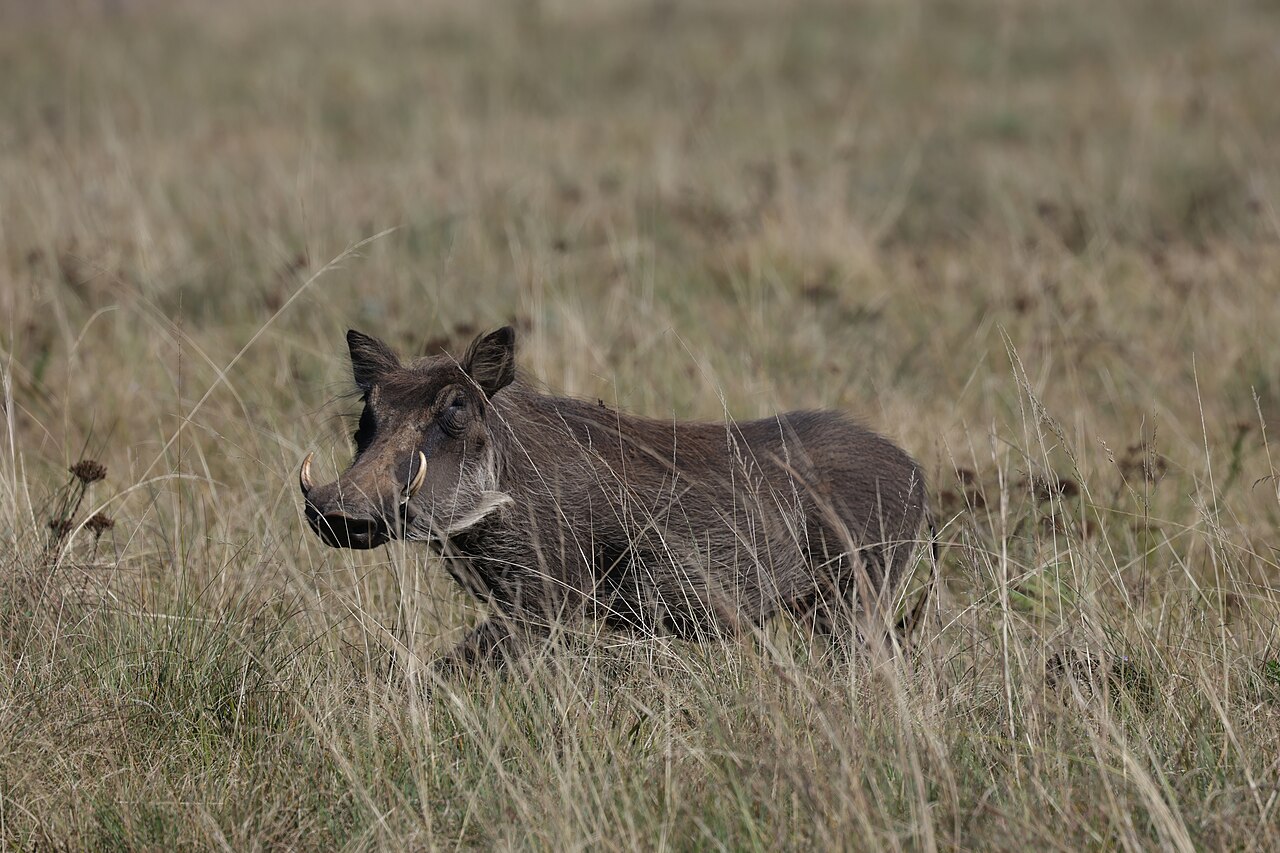 Common warthogPhacochoerus africanus
Often grazing on open ground.
 Plains zebraEquus quagga
A grassland grazers’ identification reference.
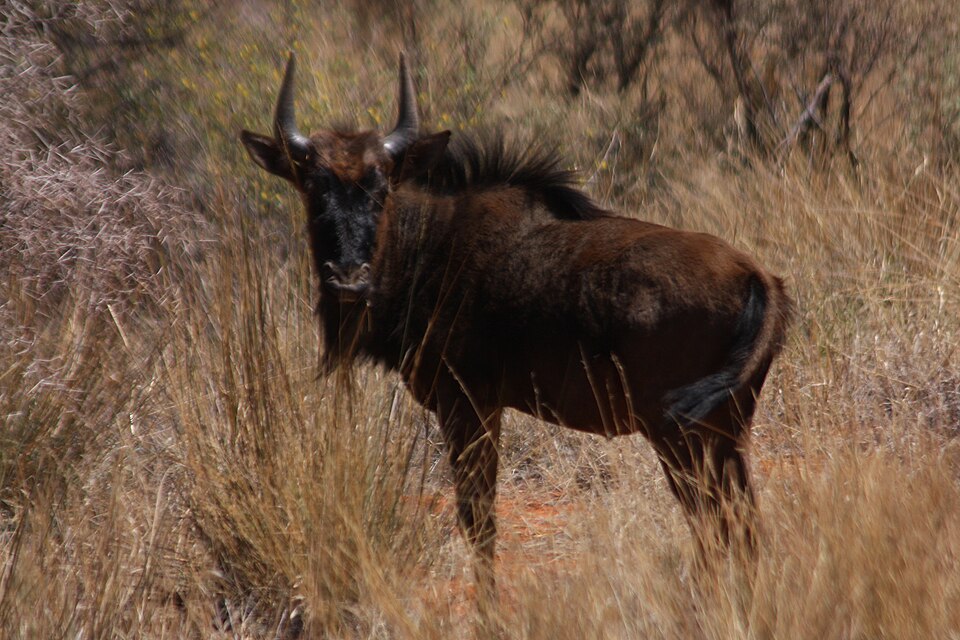 Blue wildebeestConnochaetes taurinus
Characteristic heavy-shouldered grazer.
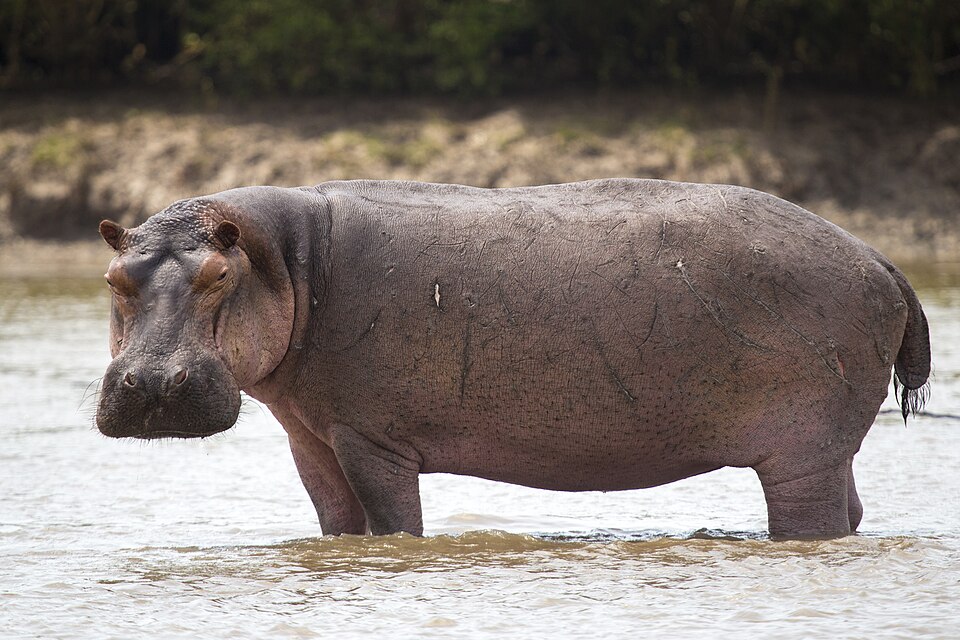 HippopotamusHippopotamus amphibius
Keep away from all water edges; never approach on foot.
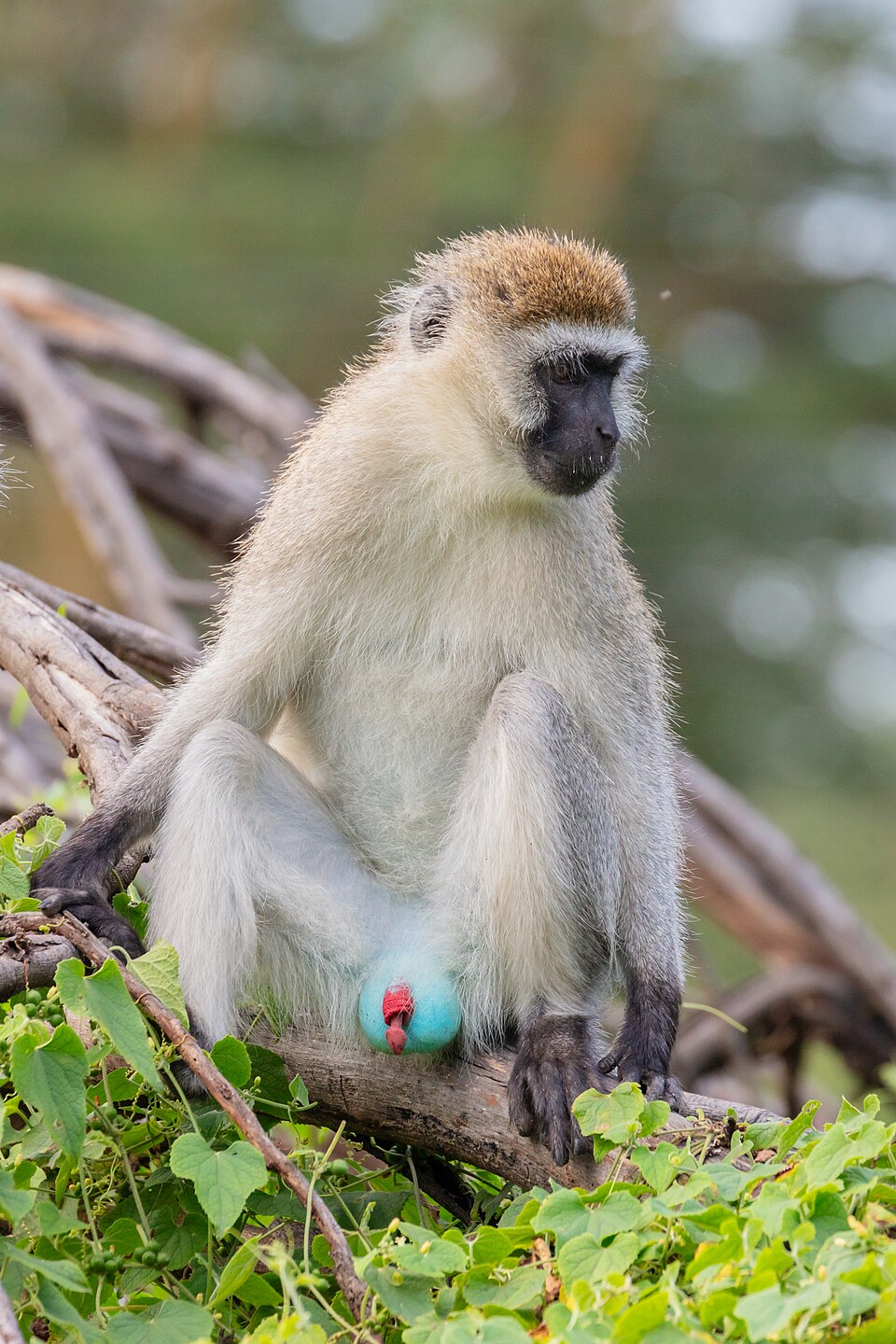 Vervet monkeyChlorocebus pygerythrus
Active around riverine trees; do not feed.
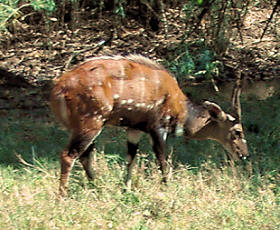 BushbuckTragelaphus scriptus
Shy antelope in riverine cover.
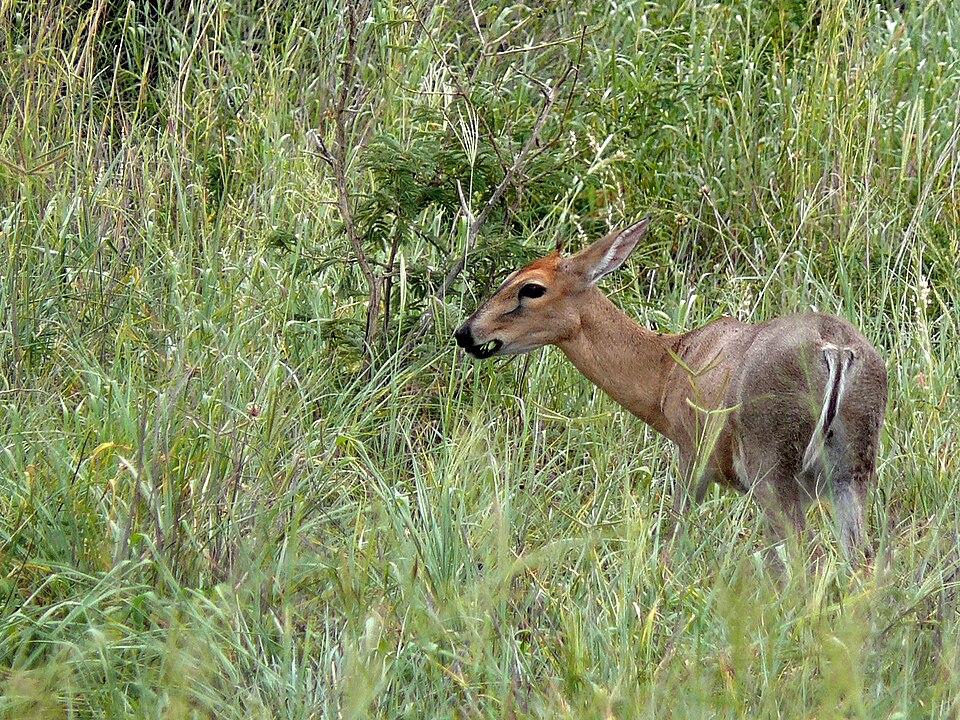 Common duikerSylvicapra grimmia
A small antelope of thicker bush.
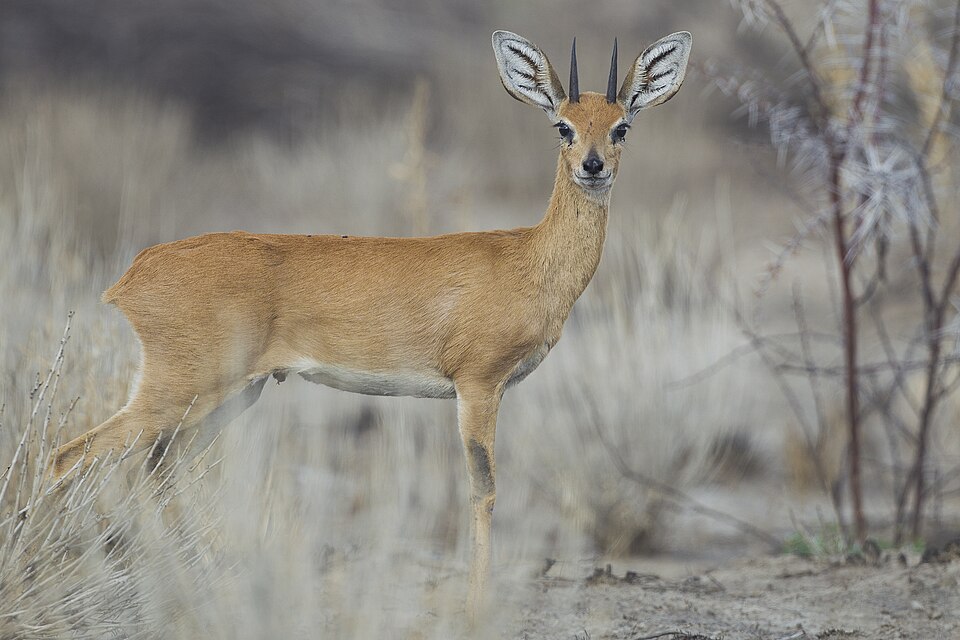 SteenbokRaphicerus campestris
Small solitary antelope of more open areas.
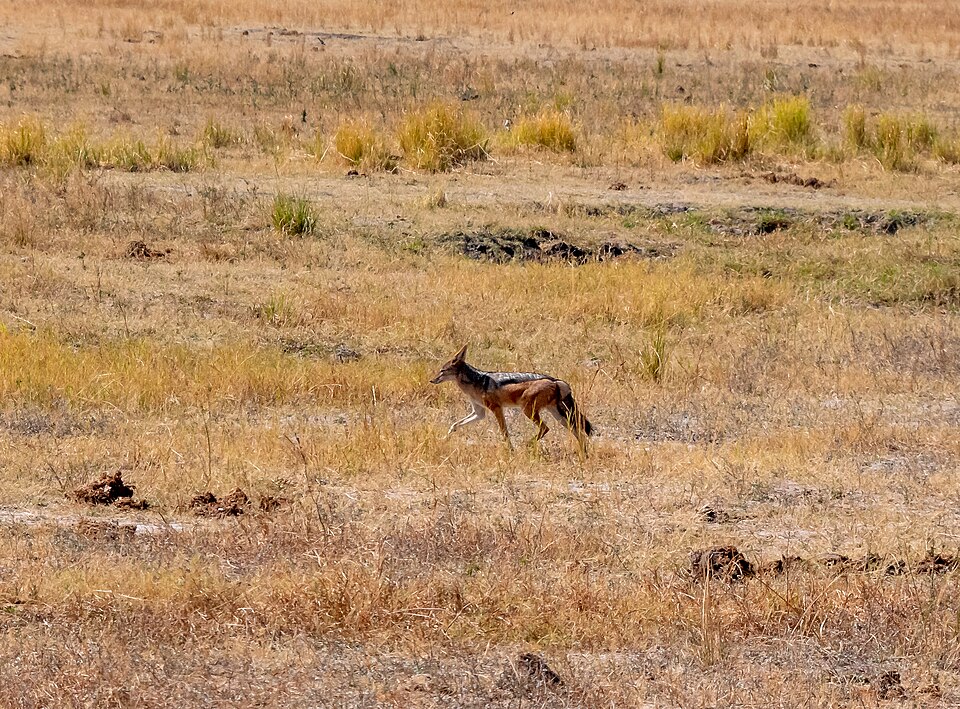 Black-backed jackalLupulella mesomelas
Wider lowveld species, uncommon to spot.
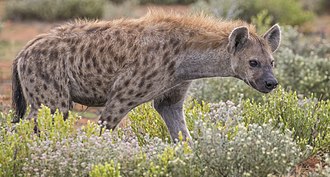 Spotted hyenaCrocuta crocuta
Wider-region context; do not assume routine Mbuluzi sightings.
 Common genetGenetta genetta
Elusive nocturnal woodland carnivore.
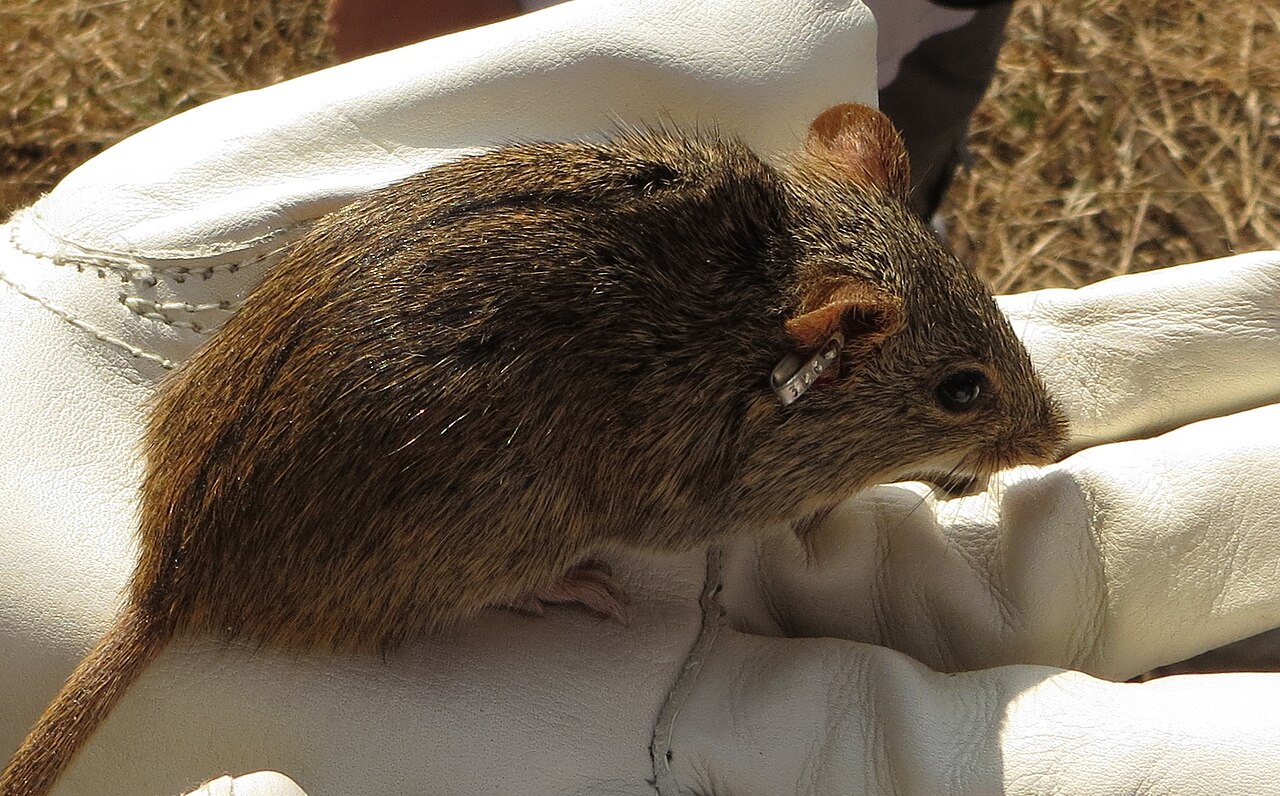 Single-striped grass mouseLemniscomys rosalia
Striped small mammal; a species photographed at Mbuluzi.
Which birds should you look for in Mbuluzi?
Birdwatching can be rewarding in the reserve’s woodland and riverine settings. These 12 profiles combine useful birding possibilities for the northeastern Eswatini lowveld, not a definitive Mbuluzi-specific bird list.
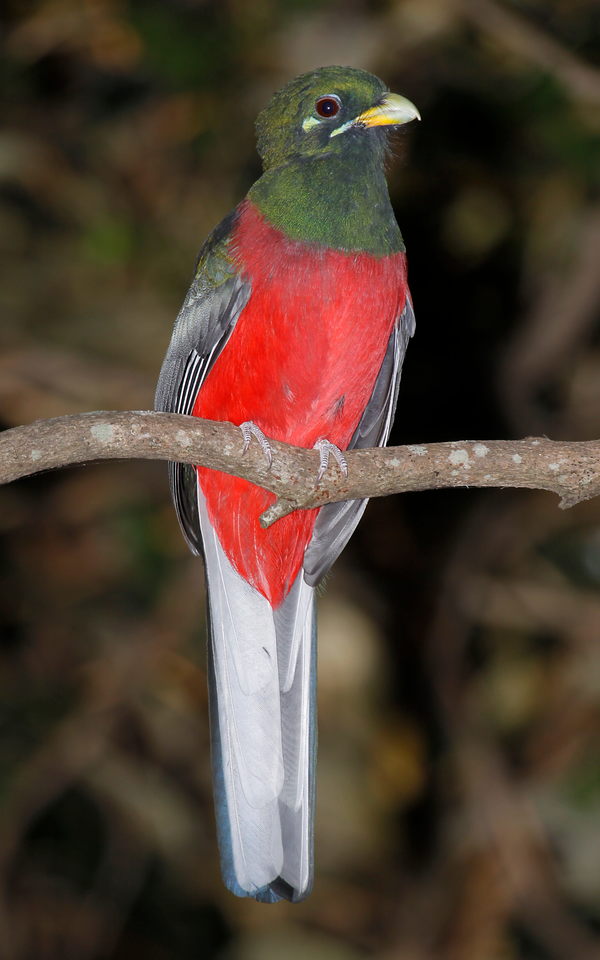 Narina trogonApaloderma narina
Elusive bird of thick riverine cover.
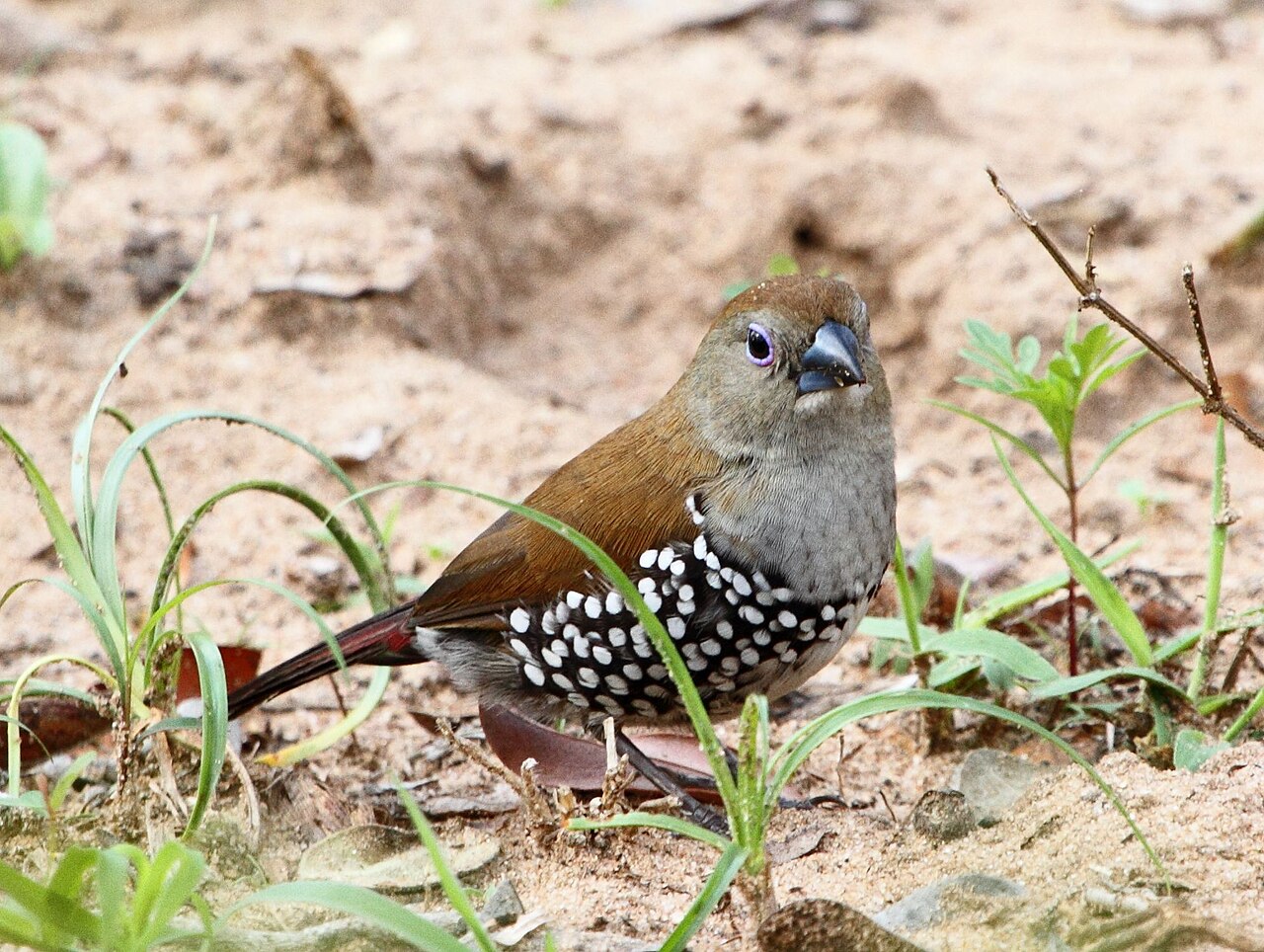 Pink-throated twinspotHypargos margaritatus
Small finch preferring dense thicket.
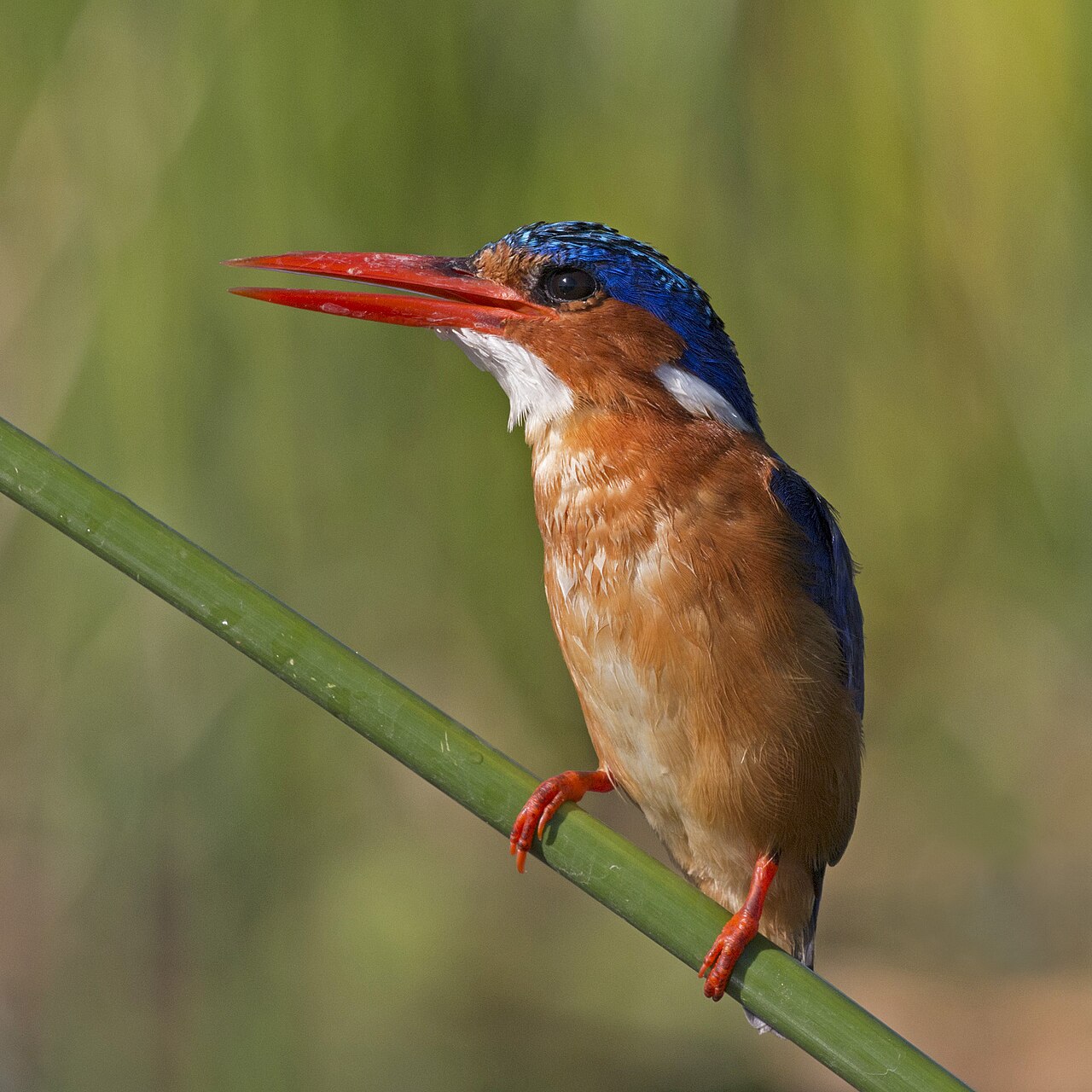 Malachite kingfisherCorythornis cristatus
Tiny jewel-like bird at suitable water margins.
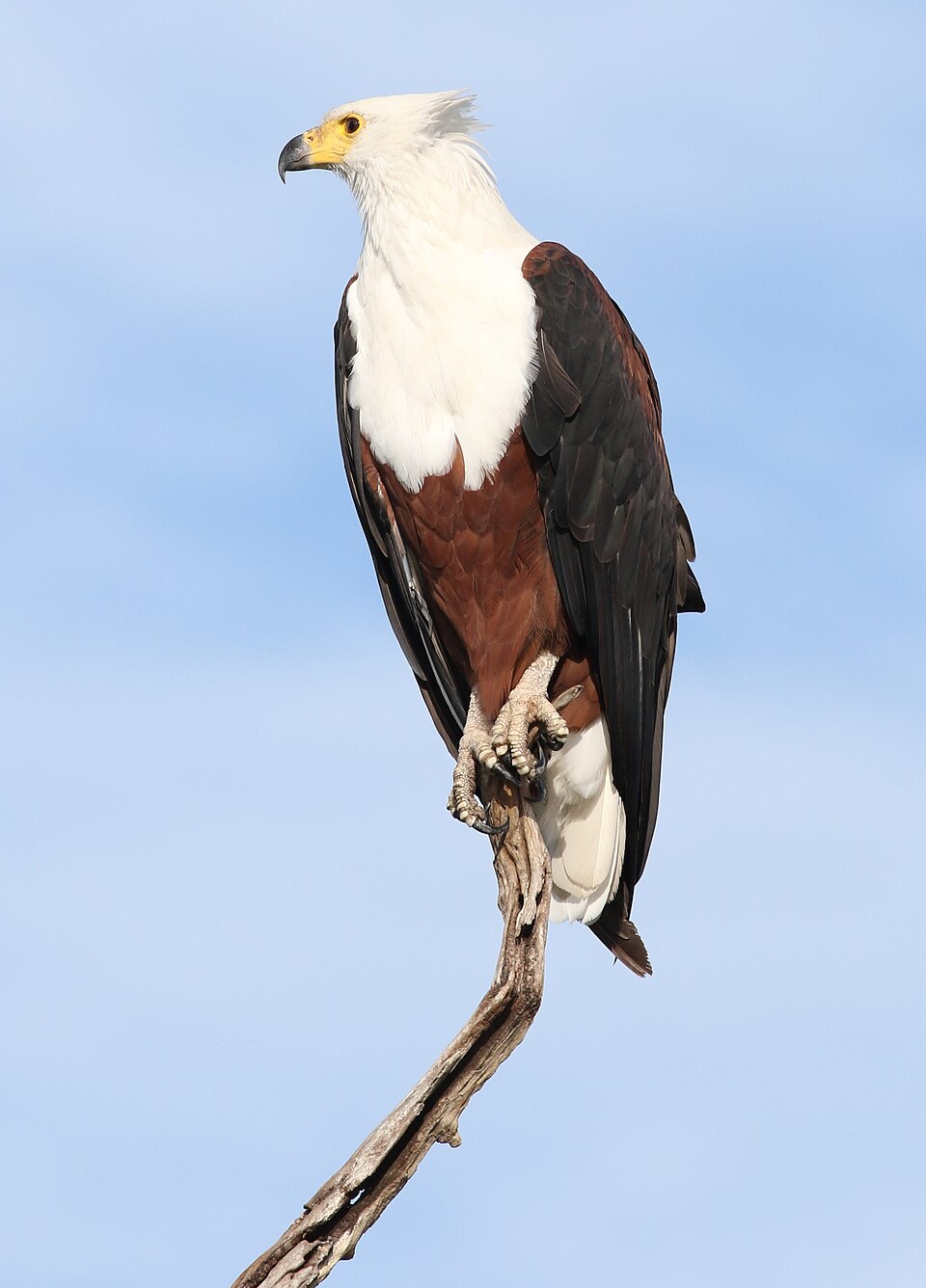 African fish eagleIcthyophaga vocifer
Large vocal bird near water.
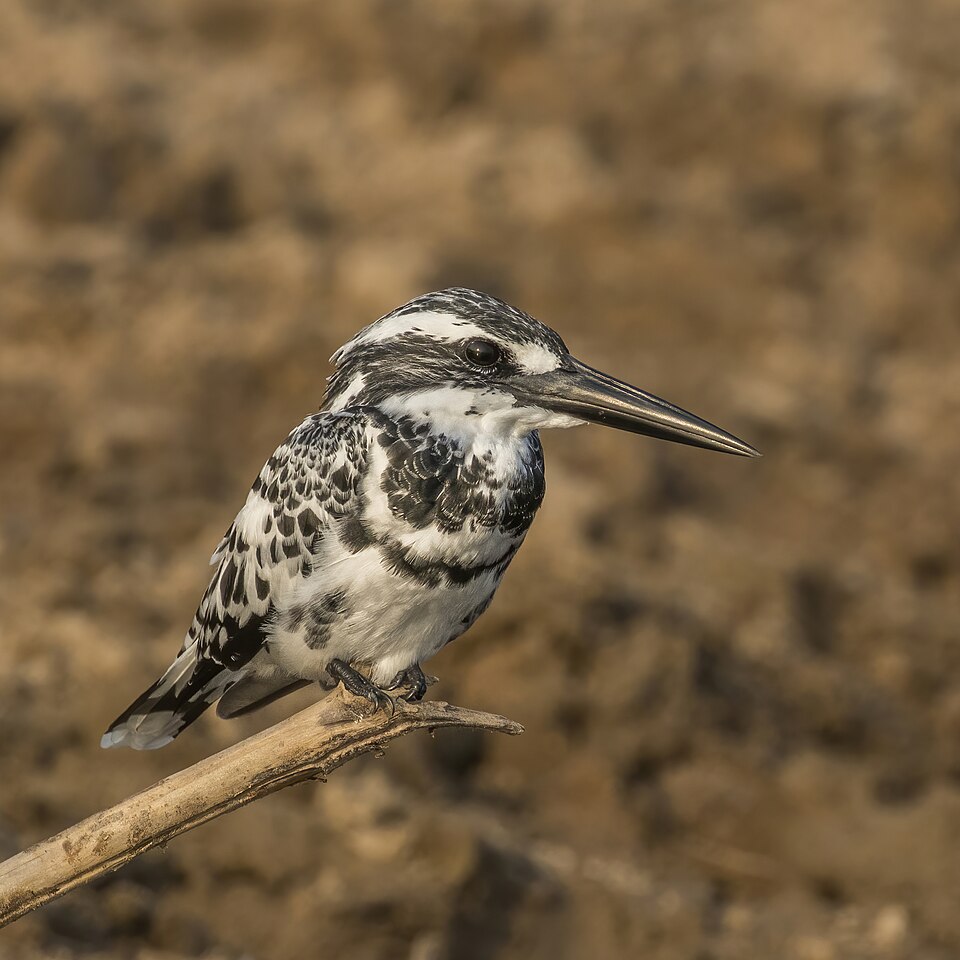 Pied kingfisherCeryle rudis
Hovers over open water.
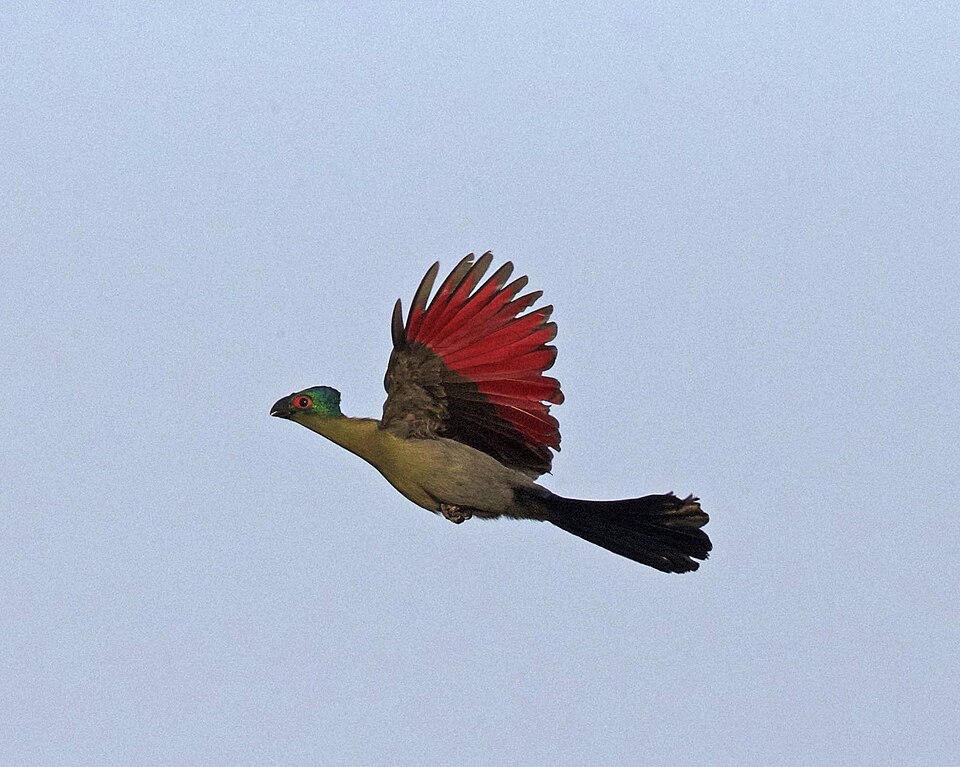 Purple-crested turacoGallirex porphyreolophus
Colourful woodland bird.
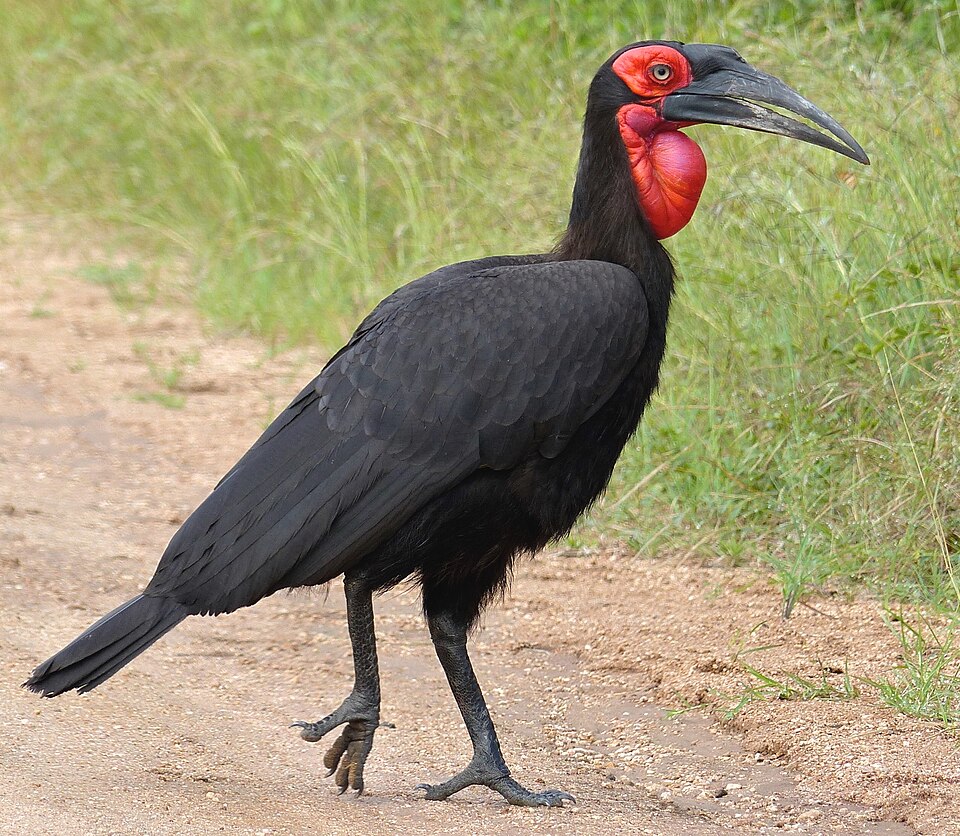 Southern ground hornbillBucorvus leadbeateri
Regional lowveld bird of conservation concern.
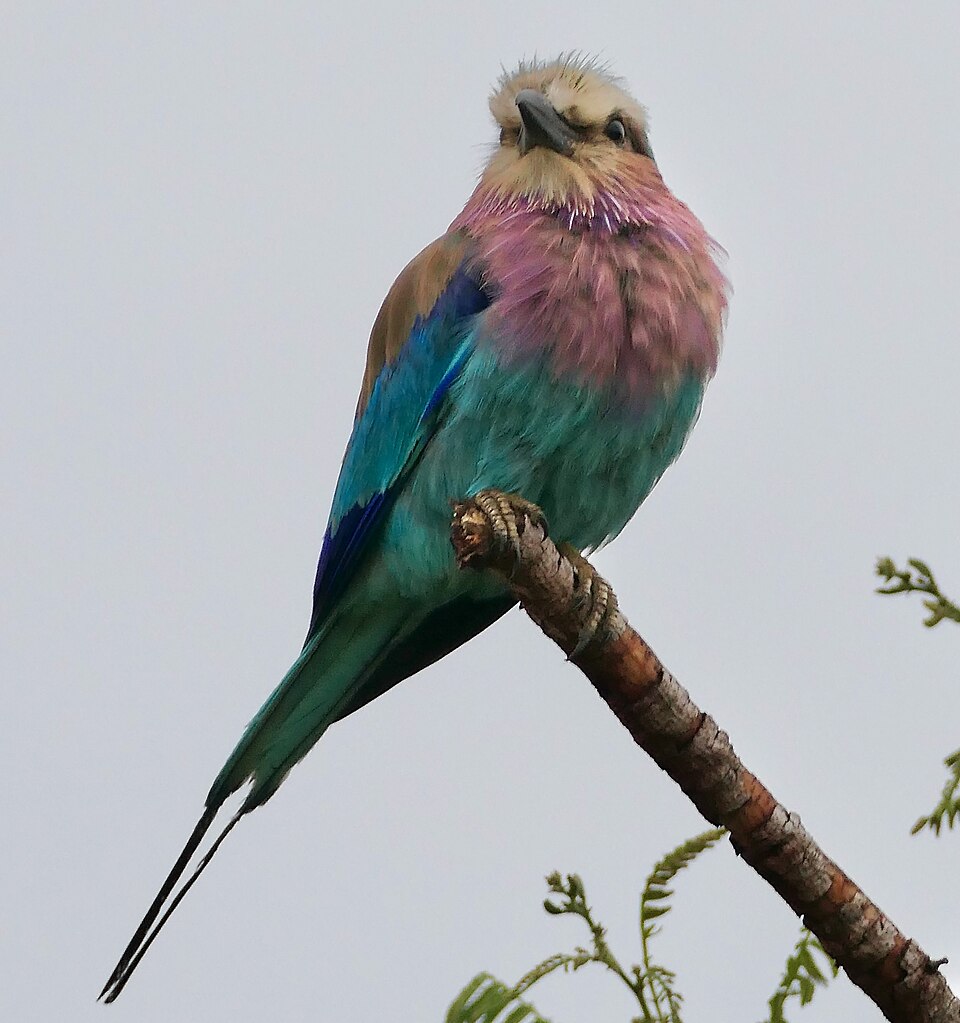 Lilac-breasted rollerCoracias caudatus
Conspicuous brightly coloured bird on open perches.
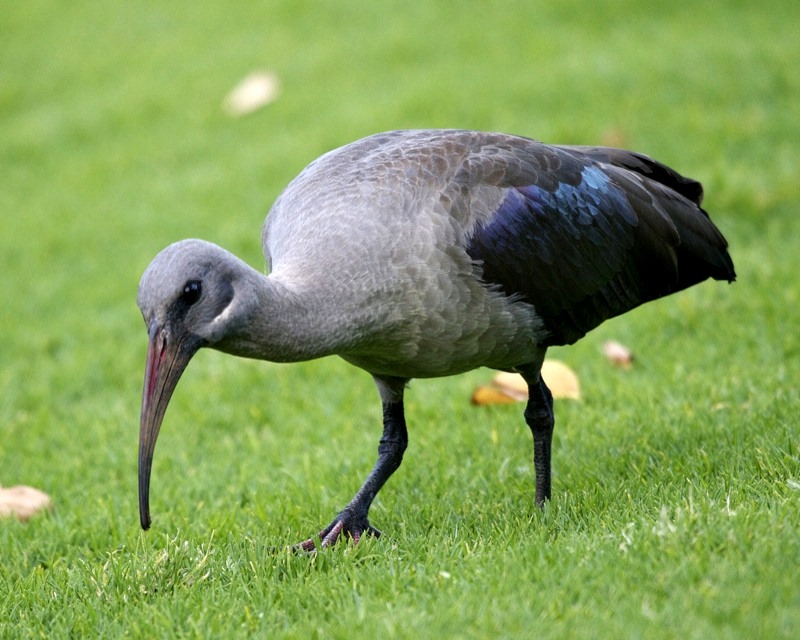 Hadada ibisBostrychia hagedash
Loud calling bird of wet ground and lawns.
Hornbill of open savanna.
Ground-foraging crested bird.
Wider lowveld raptor; soaring above savanna.
Mbuluzi flora: lowveld trees, shrubs and riverine plants
Riverine woodland, acacia-type thickets, savanna grasslands and seasonal wet areas are important lowveld habitats. The following are identification references rather than an independently surveyed site flora.
Trees and shrubs
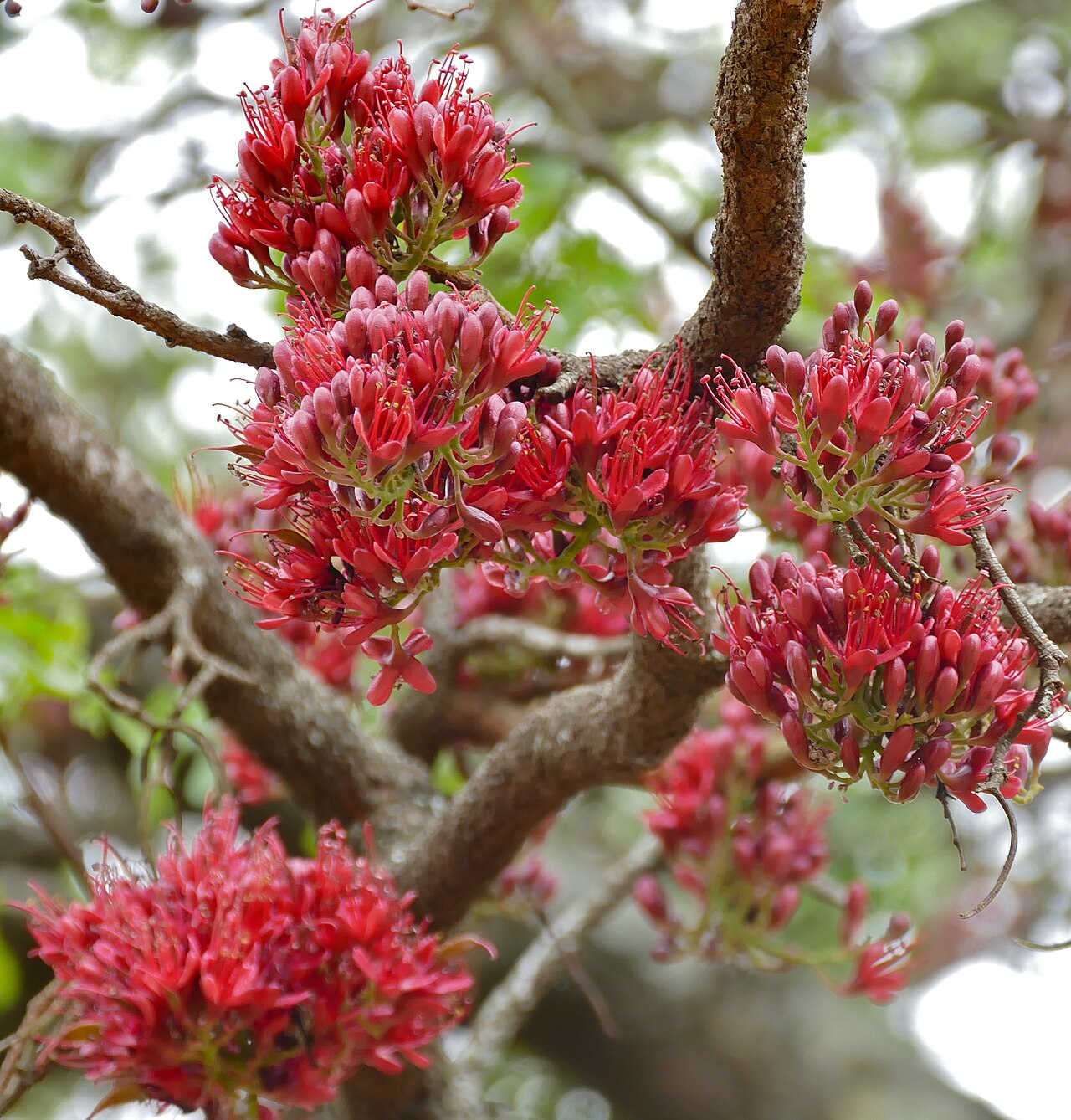 Weeping boer-beanSchotia brachypetala
Indigenous riverine and woodland tree with seasonal red flowers.
Lowveld fruiting tree important to animals.
Fruiting tree of riverine habitat.
Dense-wooded savanna tree.
Tall acacia with prominent bark knobs.
Paired-thorn tree often in thickets.
Shrub with colourful catkin-like blossoms.
Pale yellow bark in wet lowveld habitats.
Grasses and water-side vegetation
Warm-season grassland plant.
Tall grass in sheltered woodland.
Wetland fringe vegetation.
Plants of damp streambanks.
What are the best things to do at Mbuluzi?
Birdwatching
Explore authorised riverine and woodland areas with binoculars and a local checklist.
Nature walking
Use only designated trails and follow current rules about safety and guide requirements.
Wildlife observation
Spend time quietly in appropriate habitats rather than rushing to cover distance.
Self-catering bush escape
Stay in the reserve and enjoy a slower lowveld experience with local bird and animal calls.
Photography
Focus on morning light, trees, birds and river landscape.
Regional protected-area trip
Combine with a separate visit to Hlane or Mlawula, checking distinct gate and payment arrangements.
Related Eswatini guides: Hlane Royal National Park, Mkhaya Game Reserve, Mlilwane Wildlife Sanctuary, Malolotja Nature Reserve.
Where can you stay at Mbuluzi Game Reserve?
Mbuluzi offers a range of self-catering accommodation styles, with names such as Singwe, Mphangele, Nkhankanka and Leadwood appearing in operator accommodation information. Confirm which units remain bookable, their exact location, minimum-night requirements, meal arrangements and current price before planning.
What safety rules apply?
Never leave signed roads or walking routes. Respect hippos, crocodiles and any large animals around water; do not feed wildlife. Follow gate and activity restrictions even in a private reserve advertised for relaxed walking. Bring insect repellent, drinking water and sun protection. Ask a travel-health professional about malaria precautions for Eswatini’s lowveld.
Mbuluzi FAQs
Can you self-drive in Mbuluzi?
Mbuluzi allows guests to access designated vehicle tracks, subject to lodge and reserve rules; it is not a fully open public drive-through safari park.
Can you walk without a guide?
Walking may be permitted on designated routes and in designated areas, but guests must follow the reserve’s current safety advice and any ranger restrictions.
Where should you stay?
Mbuluzi offers reserve accommodation such as Singwe, Mphangele, Nkhankanka and Leadwood, depending on availability and current operating arrangements.
Where is Mbuluzi Game Reserve?
It is a private game reserve in northeastern Eswatini’s Lubombo lowveld, near the Mlawula and Hlane protected-area landscapes.
Is Mbuluzi a Big Five safari destination?
No. The main attractions are quiet lowveld nature, birding, selected game viewing and bush accommodation rather than a Big Five programme.
How do you book?
Contact Mbuluzi Game Reserve directly through its official website; confirm rates, gate directions, check-in times and current access permissions before driving.
When is the best time to visit?
The cooler, generally drier months from May through September often suit wildlife viewing and walking. Wet-season birding can also be rewarding.
Sources, methods and image credits
Mbuluzi Game Reserve — official source • Eswatini Tourism • OpenStreetMap attribution • Wikimedia Commons image authors and licences.
Hero and some species images illustrate the relevant animals or habitats and were photographed outside Mbuluzi; exact credits are recorded on imported WordPress media. All rates and visitor operations should be verified before travel.