
Tsavo West National Park Guide
Explore Tsavo West with current fees, Mzima Springs, lava landscapes, gates, camps, a detailed map, wildlife and realistic Kenya safari planning.
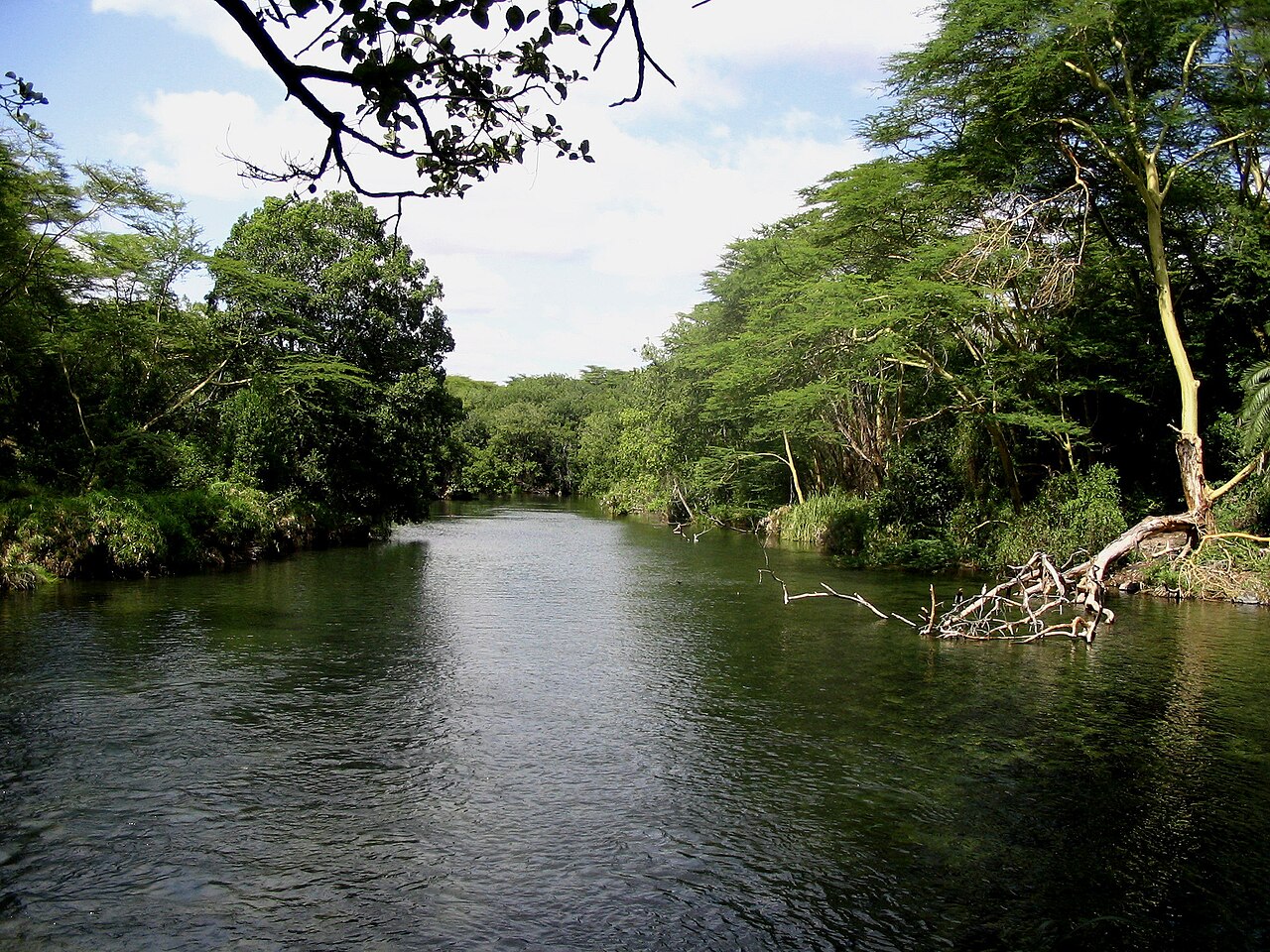
Tsavo River and forest in Tsavo West National Park. Photo: CT Cooper · CC BY 3.0. Resized and cropped for this layout.
.jpg)
Tsavo West National Park at a glance
Tsavo West combines a safari with springs, volcanic terrain, wooded hills and dramatic changes of scenery. It is particularly rewarding when you enjoy understanding a landscape as well as looking for animals. Wildlife can be harder to see in thick cover than on an open plain, so plan unhurried drives and choose a base close to the northern attractions if your stay is short.
Official sources · checked 8 September 2026: Kenya Wildlife Service: Tsavo West, fees, gates and rules · Kilaguni Serena: lodge location and safari experiences. Confirm arrangements for your travel date.
When is the best time to visit Tsavo West?
June–October and January–February are useful starting points for a wildlife-focused itinerary, with drier tracks and reduced vegetation in many areas. Even then, Tsavo West is a mixed woodland and hill safari rather than a continuous open plain. The green season brings fresh leaves, dramatic cloud and bird activity, but visibility and road conditions change quickly after rain. Plan springs and scenic stops around current access instead of assuming every track will be open. Early and late light make the volcanic terrain especially attractive; midday can be reserved for a rest at camp. If you are travelling primarily for photography, extra time in one sector usually pays off more than a rapid loop through the whole park.
Typical seasonal pattern, not a forecast or a guarantee of road access. Current local conditions take priority.
Which Tsavo West area suits your trip?
| Area | Best for | What to expect | Planning point |
|---|---|---|---|
| Kilaguni–Mzima | First visit and varied scenery | A convenient northern focus for springs, wildlife drives and volcanic features. | Two nights gives time to revisit productive roads without a long relocation. |
| Ngulia–Roaring Rocks | Woodland wildlife and viewpoints | Hills, thicker cover and the rhino-conservation landscape offer a different safari rhythm. | Confirm sanctuary visiting arrangements; do not infer public access from a mapped boundary. |
| Shetani–Chyulu side | Volcanic landscape and western access | Lava flows and mountain backdrops add strong scenic interest. | Routes toward Amboseli require current road advice and daylight margins. |
| Finch Hattons–Severin area | A camp-based northern stay | Camp position can place you well for springs and western-sector drives. | Confirm which activities operate at your chosen property and which fees are additional. |
| Lake Jipe and southern sector | A longer, quieter extension | Wetland scenery contrasts with the drier northern landscape. | Treat it as its own part of the trip; it is not a quick extra stop on a short northern day. |
Tsavo West entry fees, permits and opening hours
KWS lists the person-entry amounts shown here on its live Tsavo West page. Ask separately about your vehicle, camping or accommodation, sanctuary arrangements and any guided activity. Crossing from Tsavo East into West should not be budgeted as a single interchangeable entry without confirmation. Keep payment evidence and identity documents accessible offline.
| Visitor category | Adult / listed amount | Child / other detail |
|---|---|---|
| East African citizen | KES 1,000 | KES 500 |
| Kenya resident | KES 1,350 | KES 675 |
| Other African citizen | USD 40 | USD 20 |
| Non-resident | USD 80 | USD 40 |
Official sources · checked 8 September 2026: Kenya Wildlife Service: Tsavo West, fees, gates and rules. Confirm arrangements for your travel date.
Opening hours
KWS publishes gate hours of 06:00–18:00. Allow time for entry formalities and return before closing; lodge activities have their own arrangements.
Official sources · checked 8 September 2026: Kenya Wildlife Service: Tsavo West, fees, gates and rules · Kilaguni Serena: lodge location and safari experiences. Confirm arrangements for your travel date.
How do you get to Tsavo West?
Mtito Andei is a useful northern approach from the Nairobi–Mombasa corridor. KWS also lists Tsavo River, Chyulu, Maktau, Ziwani and Lake Jipe access points; the right choice depends on the camp and itinerary. A rail arrival at Mtito Andei needs a pre-booked transfer, not an assumption that a safari vehicle will be waiting. Kilaguni and Finch Hattons are among the named airstrips, but availability, landing permission and pickup must be agreed with the airline and lodge. If driving from Amboseli, request current route instructions for the Chyulu-side connection. Save an offline map, carry adequate fuel and water, and allow generous time for the final unpaved approach. Avoid navigation apps that suggest a short line through an unconfirmed gate or private property.
Official sources · checked 8 September 2026: Kenya Wildlife Service: Tsavo West, fees, gates and rules · Kilaguni Serena: lodge location and safari experiences. Confirm arrangements for your travel date.
Tsavo West safari map: 24 useful places
Use this map to compare bases and understand the landscape. Search by place or filter by type. All locations are approximate orientation points; current park, guide and lodge directions override the map.
Loading map near this section. All places are also listed below.
All 24 map places and access notes
- Mzima Springs · Water featuresUse the designated visitor route; confirm current opening. Map source. Approximate.
- Severin Safari Camp · Camps & lodgesApproximate accommodation location. Confirm current operation, booking, facilities and access with the host. Map source. Approximate.
- Kilaguni Safari Lodge · Camps & lodgesApproximate accommodation location. Confirm current operation, booking, facilities and access with the host. Map source. Approximate.
- Kilaguni airstrip · AirstripsApproximate airstrip location. Confirm flight operation, landing permission and the correct camp pickup; no scheduled service implied. Map source. Approximate.
- Finch Hattons camp · Camps & lodgesApproximate accommodation location. Confirm current operation, booking, facilities and access with the host. Map source. Approximate.
- Finch Hattons airstrip · AirstripsApproximate airstrip location. Confirm flight operation, landing permission and the correct camp pickup; no scheduled service implied. Map source. Approximate.
- Kamboyo Guest House · Camps & lodgesApproximate accommodation location. Confirm current operation, booking, facilities and access with the host. Map source. Approximate.
- Kamboyo campsite · Camps & lodgesApproximate accommodation location. Confirm current operation, booking, facilities and access with the host. Map source. Approximate.
- Kamboyo airstrip · AirstripsApproximate airstrip location. Confirm flight operation, landing permission and the correct camp pickup; no scheduled service implied. Map source. Approximate.
- Tsavo West visitor centre — Mtito approach · Gates & visitor centresApproximate visitor access point. Confirm the current gate, hours and approach with the park. Map source. Approximate.
- Tsavo River Gate · Gates & visitor centresApproximate visitor access point. Confirm the current gate, hours and approach with the park. Map source. Approximate.
- Chaimu crater · ViewpointsVolcanic landscape; walking only where currently authorised. Map source. Approximate.
- Roaring Rocks · ViewpointsApproximate viewpoint or landform. Use only the currently authorised visitor approach and stopping area. Map source. Approximate.
- Poacher’s Lookout · ViewpointsApproximate viewpoint or landform. Use only the currently authorised visitor approach and stopping area. Map source. Approximate.
- Shetani lava-flow area · ViewpointsApproximate viewpoint or landform. Use only the currently authorised visitor approach and stopping area. Map source. Approximate.
- Ngulia Safari Lodge · Camps & lodgesApproximate accommodation location. Confirm current operation, booking, facilities and access with the host. Map source. Approximate.
- Ngulia rhino-sanctuary visitor sector · Areas & trail referencesApproximate managed visitor area; follow opening and access instructions. No animal positions shown. Map source. Approximate.
- Lake Jipe bandas and camping · Camps & lodgesApproximate accommodation location. Confirm current operation, booking, facilities and access with the host. Map source. Approximate.
- Jipe airstrip · AirstripsApproximate airstrip location. Confirm flight operation, landing permission and the correct camp pickup; no scheduled service implied. Map source. Approximate.
- Lake Jipe — general lake location · Water featuresLake centre is orientation only, not a public launch or shore route. Map source. Approximate.
- Maktau airstrip · AirstripsApproximate airstrip location. Confirm flight operation, landing permission and the correct camp pickup; no scheduled service implied. Map source. Approximate.
- Ziwani airstrip · AirstripsApproximate airstrip location. Confirm flight operation, landing permission and the correct camp pickup; no scheduled service implied. Map source. Approximate.
- Ziwani camp — outside park base · Camps & lodgesApproximate accommodation location. Confirm current operation, booking, facilities and access with the host. Map source. Approximate.
- Tsavo River bridge area · Areas & trail referencesConfirm current road and crossing access. Map source. Approximate.
Map references include official park material where specified below, plus OpenStreetMap contributors, checked 8 September 2026. Selected and labelled by See.Africa. Waterbody-centre pins and summits are geographic references, not destinations for direct navigation. Accommodation and airstrip operation must be confirmed. No live animal locations or verified driving route is shown.
A practical Tsavo West itinerary
First afternoon
Settle into the northern sector and make a short drive near camp. Use the changing light to read the terrain and learn common animals before trying to find scarce predators.
Springs and volcanic morning
Visit Mzima using the authorised visitor access, then combine a manageable selection of lava scenery or viewpoints. Choose fewer stops and allow time to observe birds and water rather than rushing between car parks.
Wildlife-focused afternoon
Work a woodland or valley circuit slowly. Search openings, shade and drainage lines; repeatedly driving long distances between sightings can miss animals close to camp.
Longer version
Add another night for Ngulia-area exploration or move south for Lake Jipe with a planned transfer. Do not make a distant lake excursion your final morning before a tight onward connection.
Where should you stay in Tsavo West?
Base a two-night trip in the north unless you have a particular reason to choose the south. Kilaguni Serena, Ngulia Safari Lodge, Severin and Finch Hattons occupy different positions and price categories, but location and included guiding should drive the comparison. KWS camps and guesthouses can suit equipped independent travellers; confirm beds, cooking arrangements, water and reservation requirements directly. Some establishments outside the park use Tsavo in their name, so check the boundary and the gate you will use each day. A remote camp can be a strength for a longer stay, while adding avoidable driving to a brief visit.
Tsavo West mammals to look for
Wooded terrain makes fieldcraft especially useful in Tsavo West. Scan shaded slopes, browse lines and openings instead of expecting all animals beside water. Black rhino belongs to the park’s conservation story, but sightings and sanctuary access are never guaranteed. The list mixes familiar safari mammals with species that reward a quieter search.

African bush elephant
The broad ears, curved tusks and long trunk are unmistakable. Watch how a family spreads out to feed, then regroups before moving. Stop well back from the herd and leave its crossing route open; a close calf is a reason to retreat, not advance.


African buffalo
A heavy, dark bovid with a sweeping horn boss in mature bulls. Herds graze and rest together, while solitary bulls may stay close to cover. Buffalo can be difficult to read at close range: observe from the vehicle or follow your walking guide’s exact instructions.
_male_with_cattle_egret.jpg)

Lion
Lions spend much of the day resting, so search shade as carefully as open ground. Dawn and late afternoon improve the chance of movement, but a sleeping pride is a normal encounter. Listen to your guide and avoid surrounding animals with vehicles.


Leopard
Rosettes, a long tail and a powerful, low body distinguish this secretive cat. Search riverine trees, shaded rocks and dense drainage lines. A leopard can disappear in apparently thin cover; patient scanning is more useful than assuming that a radio report guarantees a sighting.
.jpg)

Black rhinoceros
A hooked upper lip helps this browser select twigs and leaves. It is often harder to spot than a grazing white rhino because it uses thicker cover. Sightings deserve patience and a quiet approach, with current ranger guidance taking priority over photography.


Masai giraffe
Irregular, jagged patches and long legs mark this East African browser. Giraffes feed selectively in woodland and can remain surprisingly hidden among trees. Watch the tongue and lips selecting leaves, and leave plenty of space when an animal spreads its legs to drink.
_Arusha.jpg)

Plains zebra
Look beyond the stripes: herd spacing, ears and alarm behaviour can tell you what is happening in a grassland. Foals may rest while adults stand watch. Scan the edges of a herd for predators without losing sight of the zebras’ own social interactions.


Lesser kudu
A delicately built dry-country browser with many white body stripes and large ears. Males carry spiralled horns, but a female may be the first animal visible. It is more often glimpsed in scrub than standing in a convenient clearing, so slow, quiet driving helps.
.jpg)

Common eland
Africa’s largest antelope has a deep body, a dewlap and gently spiralling horns. Its size does not prevent it from moving gracefully through open woodland. Watch mixed-age groups at a respectful distance and distinguish it from buffalo by its lighter build and horn shape.


Impala
The slender body, black tail stripe and dark markings above the hind feet are useful clues. Males have lyre-shaped horns. Pause to watch bachelor groups or territorial behaviour: familiar antelope are often the best animals for learning how a safari ecosystem works.
_male_Serengeti.jpg)

Waterbuck
A shaggy coat, robust build and affinity for water are the main clues. Rump patterns differ between forms and regions. Look at the woodland–grassland boundary near rivers or lakes, where animals can graze while remaining within reach of shade and water.


Klipspringer
A compact antelope of rocky slopes, often seen in pairs. Its specialised hooves allow precise movement over boulders. Use binoculars to inspect rocky outcrops from the road and do not climb after it; the surrounding terrain may also conceal larger wildlife.
_male_Serengeti.jpg)

Yellow baboon
Generally slimmer and paler than the olive baboon, with long limbs and a dog-like muzzle. Troops feed on the ground and rest in trees. Watch grooming and interactions between youngsters, but secure food and never assume a habituated roadside troop is tame.


Spotted hyena
Sloping shoulders and rounded ears help separate it from other large carnivores. This is an effective hunter as well as a scavenger. Animals travelling at dawn, resting near drainage lines or calling after dark reveal a social life easily missed on a hurried drive.
.jpg)
Tsavo West birds and habitat clues
Springs and Lake Jipe create wetland opportunities within a largely dry-country safari. Match bird targets to habitat: a kingfisher search makes sense near suitable water, while guineafowl and buffalo weavers need thorn country. Stop for calls and movement rather than concentrating only on large mammals.

African fish eagle
The white head and chest contrast with dark wings; its carrying call is a classic sound of African waterways. Scan exposed trees beside lakes and rivers. A bird returning to the same perch can offer better observation than following it in flight.
.jpg)

Pied kingfisher
A black-and-white kingfisher often seen hovering above open water before a vertical plunge. Check wires, reeds and low perches near shore. Following its feeding pattern is a useful way to watch behaviour without approaching a nest bank.
_male.jpg)

Malachite kingfisher
A tiny blue-and-orange bird that favours low perches beside water. It can disappear against reflections despite its bright colours. Scan patiently along reed edges with binoculars and remain on the permitted path or in the boat.
.jpg)

Lilac-breasted roller
Bright lilac underparts and blue wings distinguish this conspicuous perch hunter. Check isolated branches along open woodland roads. Wait for the bird to hunt and return naturally instead of driving closer every time it shifts its position.


Martial eagle
A very large eagle with broad wings; adults have a dark upper chest and spotted pale belly. Search high perches and scan soaring raptors carefully. Size alone is unreliable, so use shape and plumage rather than a distant silhouette as proof.
.jpg)

Bateleur
A short-tailed eagle that rocks gently as it patrols. Adults show a red face and contrasting wing colours, while young birds are brown. Learn the wing shape first; backlighting can hide the features that make an adult so distinctive.
_male_Serengeti.jpg)

Southern ground hornbill
Large black birds with red facial skin often walk in family groups, searching for food. The white flight feathers are conspicuous when they fly. Keep to the road and never use food to draw a group toward the vehicle.
_male_(12714625605),_crop.jpg)

Kori bustard
A heavy, long-necked bird that walks slowly across open ground. Its muted plumage blends into dry grass surprisingly well. Scan beyond obvious mammals and give displaying or feeding birds room; a bustard taking flight may have been disturbed.
_male.jpg)

White-headed buffalo weaver
The white head and warm orange-red rump distinguish this social dry-country bird. Look around thorn trees and rough twig nests. Watch from the track and avoid approaching active nests, where repeated disturbance can affect breeding birds.
_Serengeti.jpg)

Vulturine guineafowl
Blue neck-and-breast feathers, fine pale striping and a bare head distinguish this striking dryland guineafowl. Groups walk through scrub and across tracks. Stop early and let them cross; repeated short pursuits break up natural feeding behaviour.

Tsavo West plants and habitats
Mzima’s groundwater-fed habitat
Spring-fed pools support a green enclave in a dry landscape. Look for the transition from surrounding scrub to shaded waterside vegetation; it helps explain the concentration of wildlife.
Lava and pioneer vegetation
Plants colonise volcanic surfaces at different rates depending on cracks, soil and moisture. Stay on the permitted visitor route: rough lava can be unstable and sharp.
Dry woodland and baobabs
Scattered baobabs, thorn trees and mixed bush offer browse, shade and perches. A leafless tree can still be ecologically important and worth scanning for birds.
Southern wetland margins
Lake Jipe’s reeds and surrounding grassland provide habitat distinct from the northern hills. Water level changes influence both bird use and visitor access.
Plant identification may require leaves, flowers, fruit and a knowledgeable guide. Do not collect plants or leave authorised routes to inspect them.
What can you do in Tsavo West?
Explore Mzima Springs carefully
Allow time to watch the water, fish, birds and vegetation from authorised paths. Treat any hippo or crocodile encounter as a distant observation and obey temporary closures.
Read the lava landscape
Shetani and nearby volcanic features make a rewarding scenic outing. Pair the stop with a modest drive rather than building a list of every hill and cave.
Pause at a designated viewpoint
Roaring Rocks and other permitted overlooks can help you understand the scale of the park. Confirm where it is safe to park, walk and picnic.
Add a lake-focused stay
With enough nights, Lake Jipe changes the character of the trip. Ask about current wetland access and authorised activities before travelling south.
Rules and practical precautions
Do not enter caves, climb lava features or leave your vehicle unless the specific visitor area is open and KWS permits the activity. Springs and lake edges are not swimming areas. A general mention of night safaris on a website does not authorise an independent night drive.
Give wildlife space
Never feed, surround or block an animal. Keep food secure, voices low and movements predictable. Your guide or ranger’s instructions take priority over a desired photograph.
Prepare for your actual activity
Bring water, sun or rain protection as appropriate, suitable footwear and charged equipment. Tell the operator about relevant mobility needs before booking so the route and vehicle can be matched to you.
Official sources · checked 8 September 2026: Kenya Wildlife Service: Tsavo West, fees, gates and rules · Kilaguni Serena: lodge location and safari experiences. Confirm arrangements for your travel date.
Tsavo West travel FAQ
What is Tsavo West famous for?
Tsavo West is known for Mzima Springs, volcanic scenery, hills, wildlife and rhino conservation. It suits travellers who want a varied landscape as part of their safari.
How many nights are enough for Tsavo West?
Two nights is a good minimum for the northern sector. Three or more allows a slower visit or a southern extension, especially if Lake Jipe is a priority.
Can I swim at Mzima Springs?
No. Enjoy the springs from authorised visitor paths and viewpoints. Hippos, crocodiles and access restrictions make entering the water inappropriate.
Can I see rhinos at Ngulia?
Possibly, but never with a guarantee. Confirm the current sanctuary access arrangements with KWS or your guide and allow for thick cover and changing wildlife behaviour.
Which gate should I use?
Choose the gate that matches your camp and arrival route. Mtito Andei is useful for many northern stays; other approaches require a specific route briefing.
Can I combine Tsavo East and West?
Yes. Allow enough nights for both and budget the transfer and applicable entry charges. Changing parks is most worthwhile when you have time to enjoy their different habitats.
Sources, method and review date
This guide combines official park and operator information with editorial planning advice. Operational details were checked on 8 September 2026. Season descriptions are typical patterns, and suggested stays are planning recommendations. Wildlife profiles explain identification and habitat; they do not promise sightings.
Wildlife and image references
Species names and identification photographs were checked against the linked reference and image records. Photographs are identification examples and may have been taken elsewhere. Each image carries its own creator and licence credit.
Species reference links
African bush elephant · African buffalo · Lion · Leopard · Black rhinoceros · Masai giraffe · Plains zebra · Lesser kudu · Common eland · Impala · Waterbuck · Klipspringer · Yellow baboon · Spotted hyena · African fish eagle · Pied kingfisher · Malachite kingfisher · Lilac-breasted roller · Martial eagle · Bateleur · Southern ground hornbill · Kori bustard · White-headed buffalo weaver · Vulturine guineafowl